Collection of major historical and architectural points of interest in Nuremberg, including medieval monuments, memorial sites, and historic districts of this Bavarian city with a rich heritage.
Nuremberg, Germany
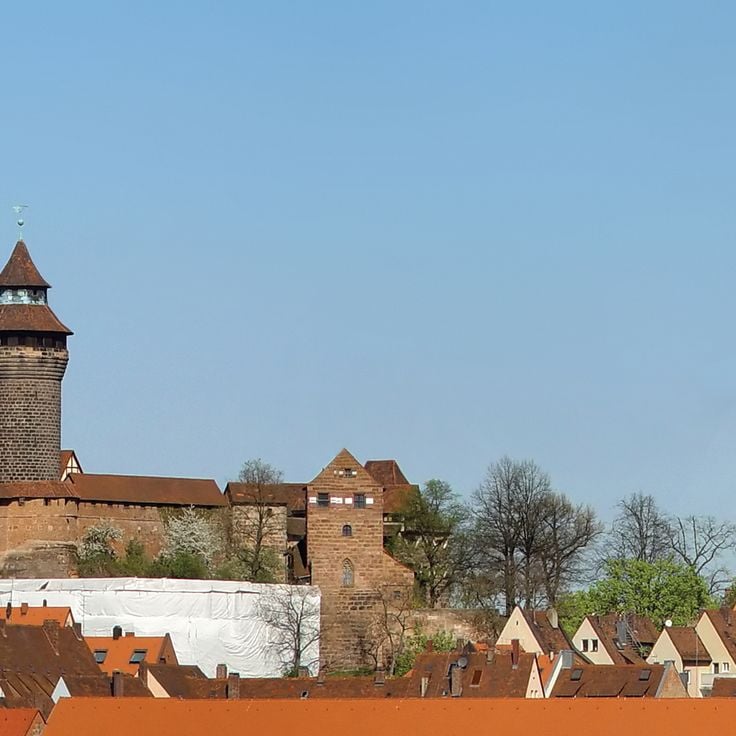
Old Town of NurembergMedieval historic center surrounded by 14th-century walls, rebuilt after the bombings of 1945 with its Gothic churches, cobblestone squares, and Renaissance fountains.
Nuremberg, Germany
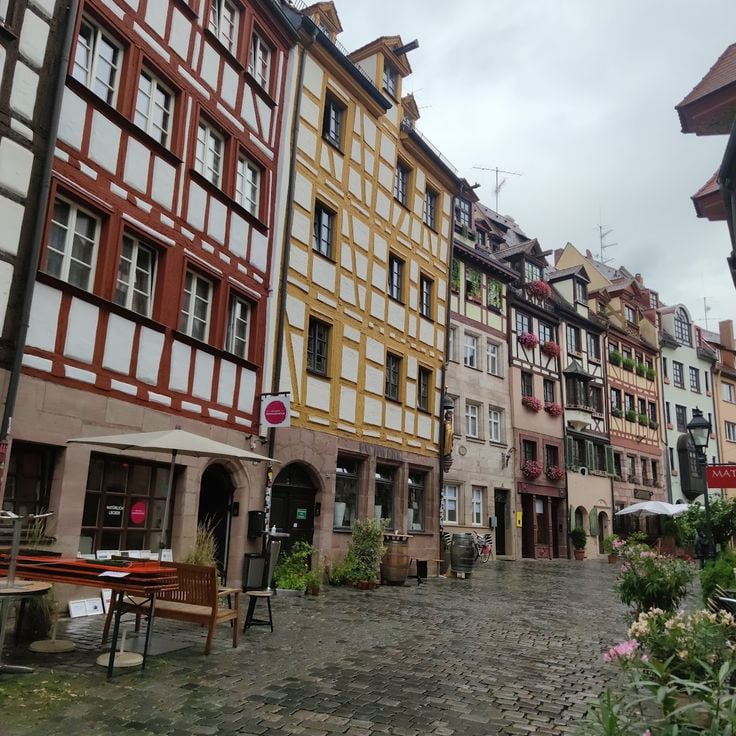
WeißgerbergasseCobblestoned street lined with half-timbered houses from the 15th and 16th centuries, formerly a residential area for leather artisans with colorful facades and steep roofs.
Nuremberg, Germany
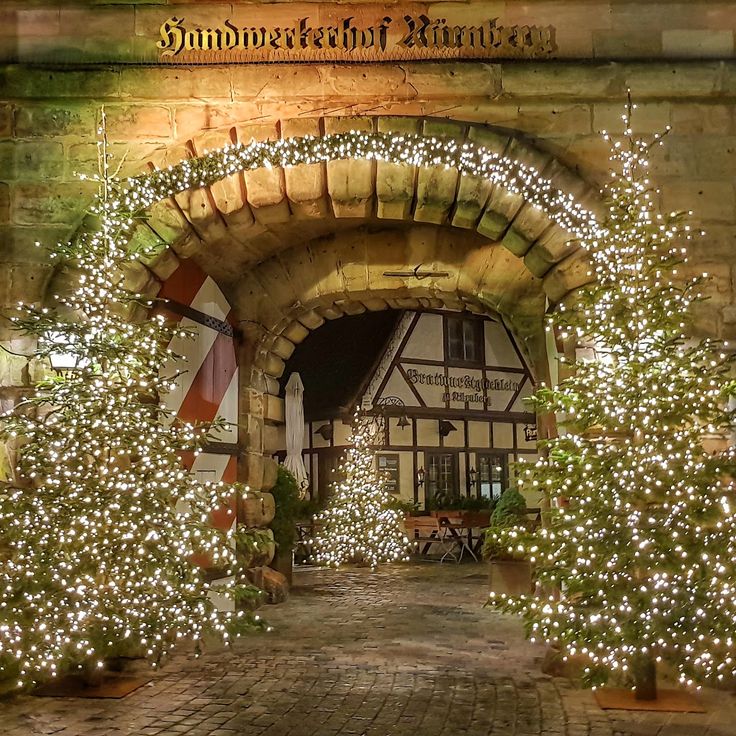
HandwerkerhofCrafts village recreated within medieval towers where visitors discover traditional Bavarian trades such as pottery, glassmaking, and leatherworking.
Nuremberg, Germany
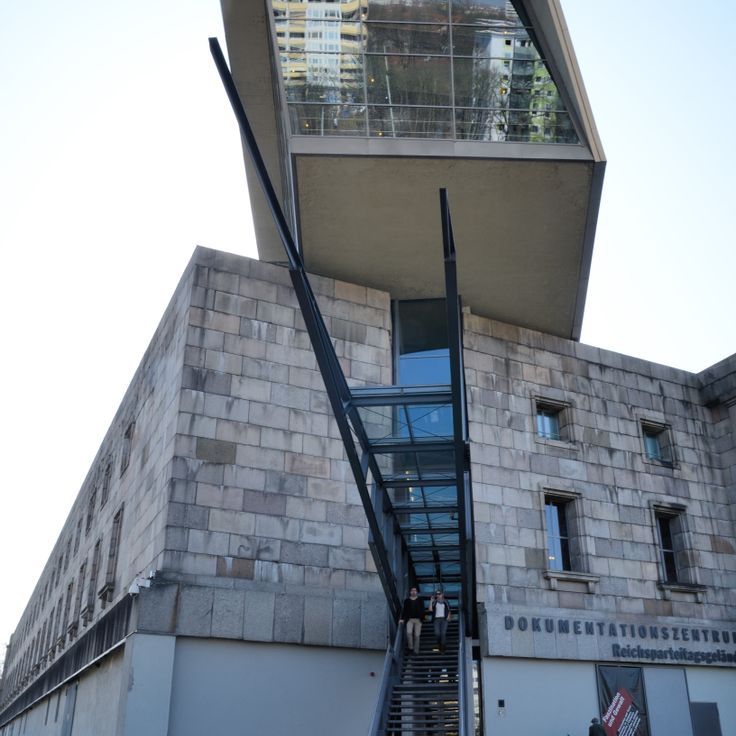
Documentation Center Nazi Party Rally GroundsContemporary history museum located in the unfinished Nazi Congress Hall, presenting the rise and fall of the Hitler regime through documents, films, and testimonies.
Nuremberg, Germany
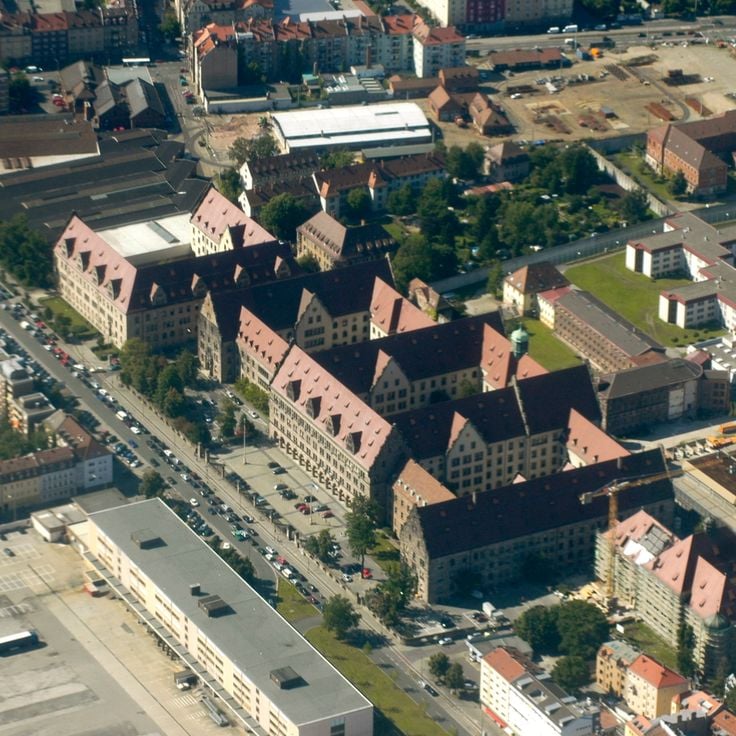
Nuremberg Palace of JusticeCourtroom where the trials of Nazi war criminals took place between 1945 and 1949, now a memorial museum documenting this judicial period.
Nuremberg, Germany
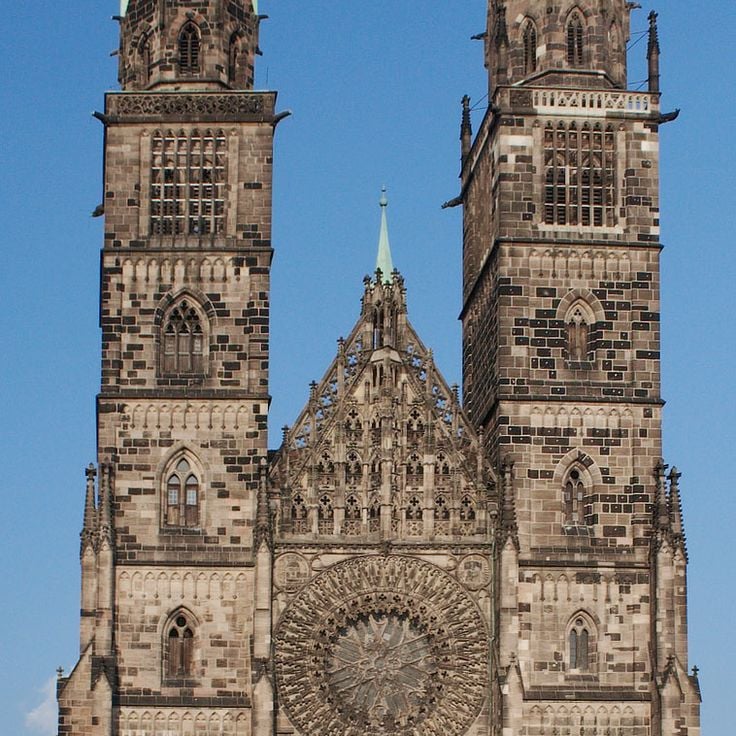
St. Lawrence ChurchGothic religious building constructed in the 13th and 14th centuries, preserving an outstanding sculptural tabernacle by Adam Kraft and authentic medieval stained glass windows.
Nuremberg, Germany
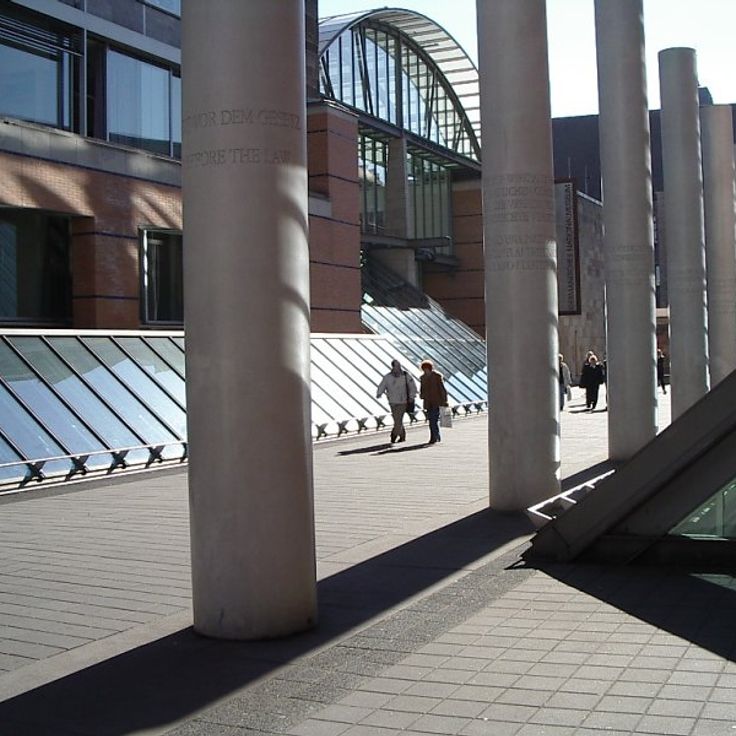
Germanisches NationalmuseumMuseum institution founded in 1852 gathering more than one million objects illustrating German cultural history from prehistory to the 20th century.
Nuremberg, Germany
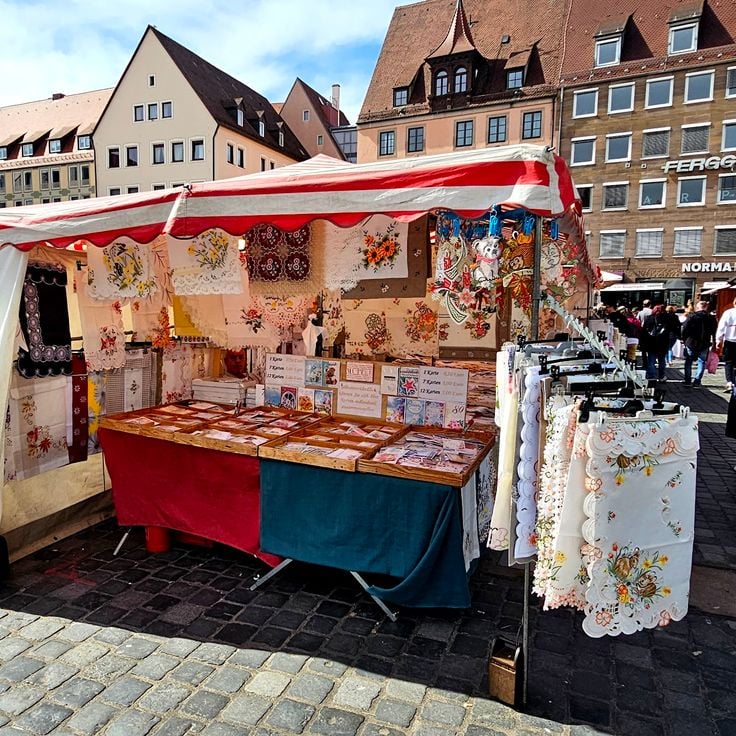
HauptmarktRectangular esplanade dating from the 14th century that hosts the weekly market, dominated by a Gothic fountain and the adjacent Church of Our Lady.
Nuremberg, Germany
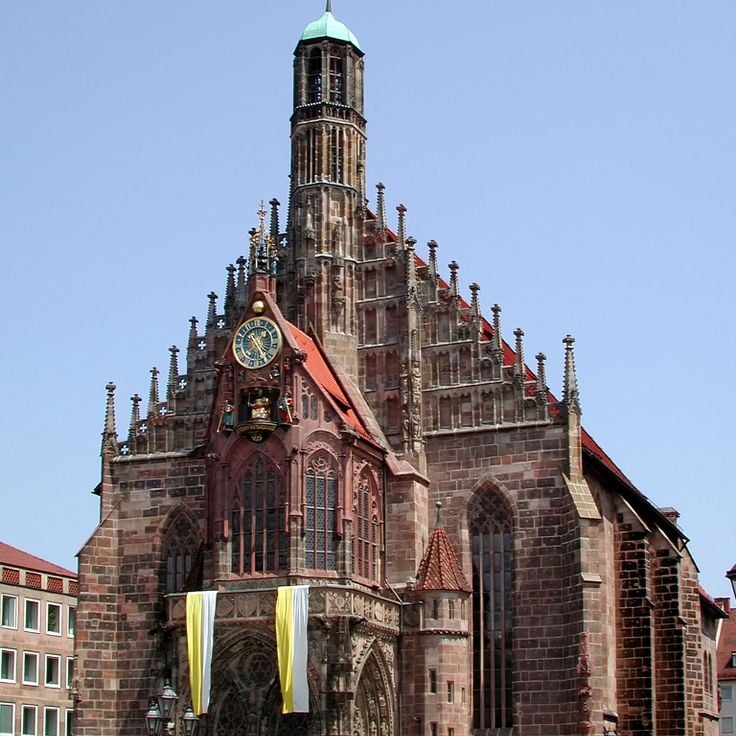
Church of Our LadyGothic religious building erected in the 14th century that rises on the city's main market square with its facade adorned with numerous sculpted stone carvings.
Nuremberg, Germany
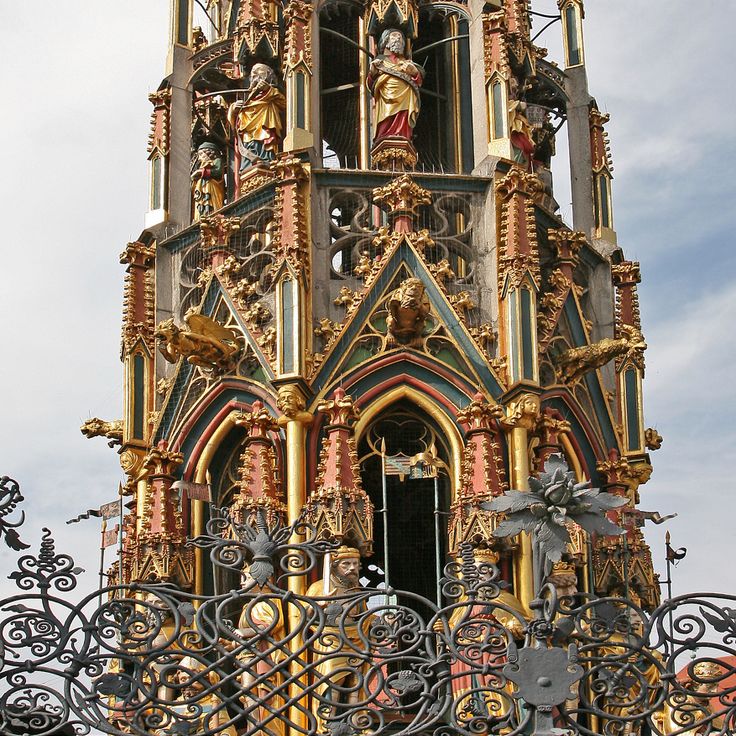
Beautiful Fountain14th-century Gothic monument rising to 19 meters high and displaying polychrome sculptures as well as a golden ring said to bring luck to visitors.
Nuremberg, Germany
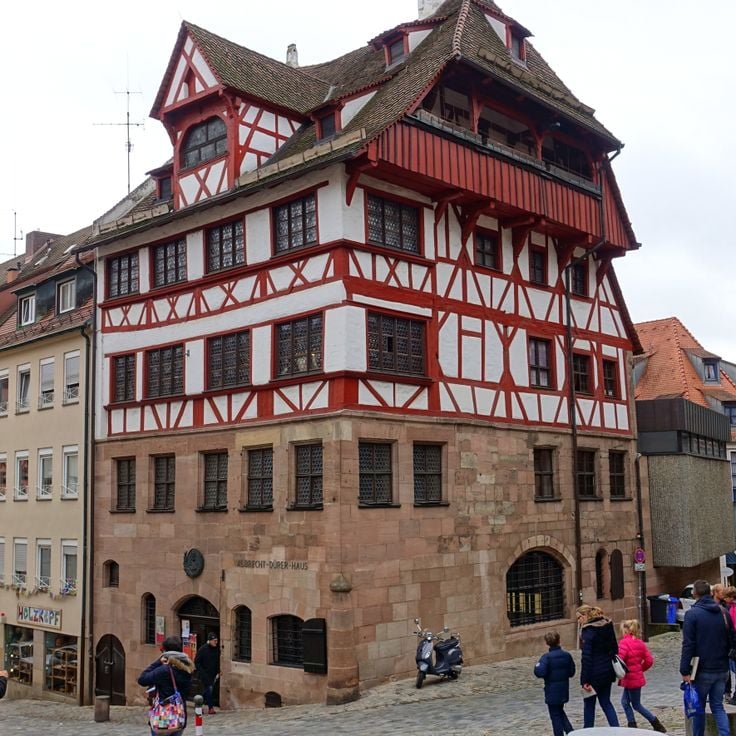
Albrecht Dürer HouseHalf-timbered dwelling built in the 15th century that was the residence of the renowned German painter from 1509 to 1528 and now serves as a museum dedicated to his work.
Nuremberg, Germany
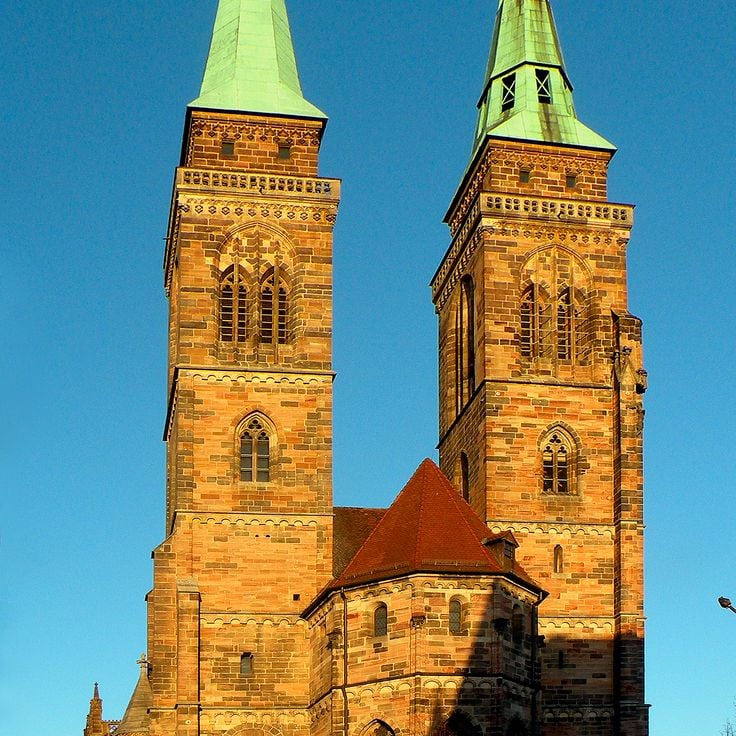
St. Sebald ChurchGothic religious building constructed in the 13th century housing the burial site of Saint Sebald, protector of the city, placed in a reliquary made of worked bronze.
Nuremberg, Germany
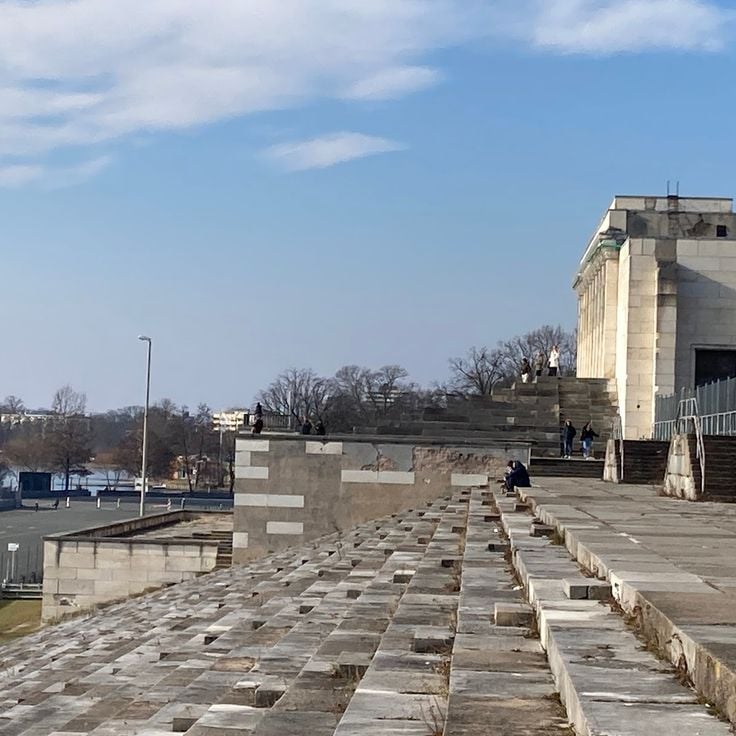
ZeppelinfeldParade ground built by the Nazi regime between 1935 and 1937, capable of accommodating 200,000 people during the gatherings of the National Socialist party.
Nuremberg, Germany
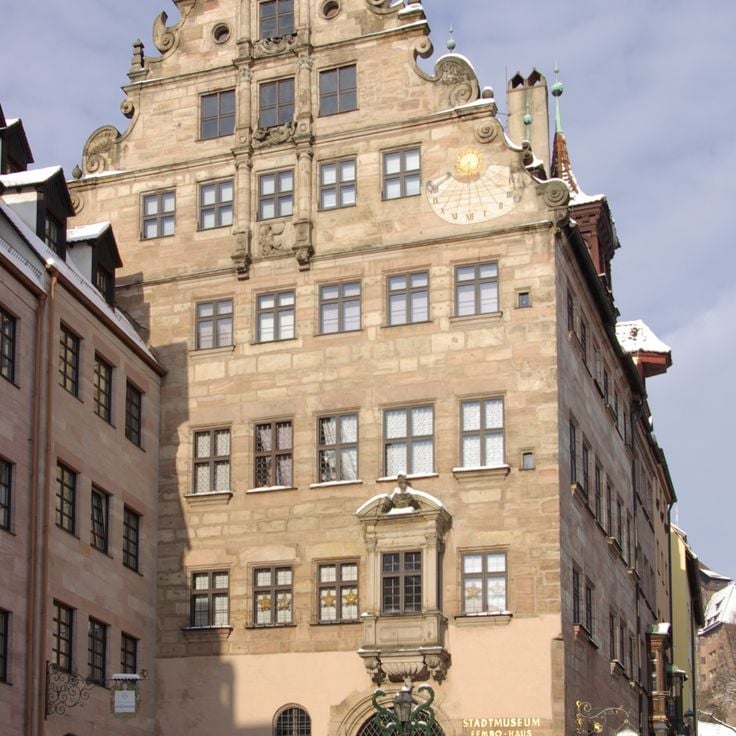
City Museum at Fembo HouseCultural institution established in a patrician house from 1596, exhibiting collections on the social, economic, and architectural development of the imperial city.
Nuremberg, Germany
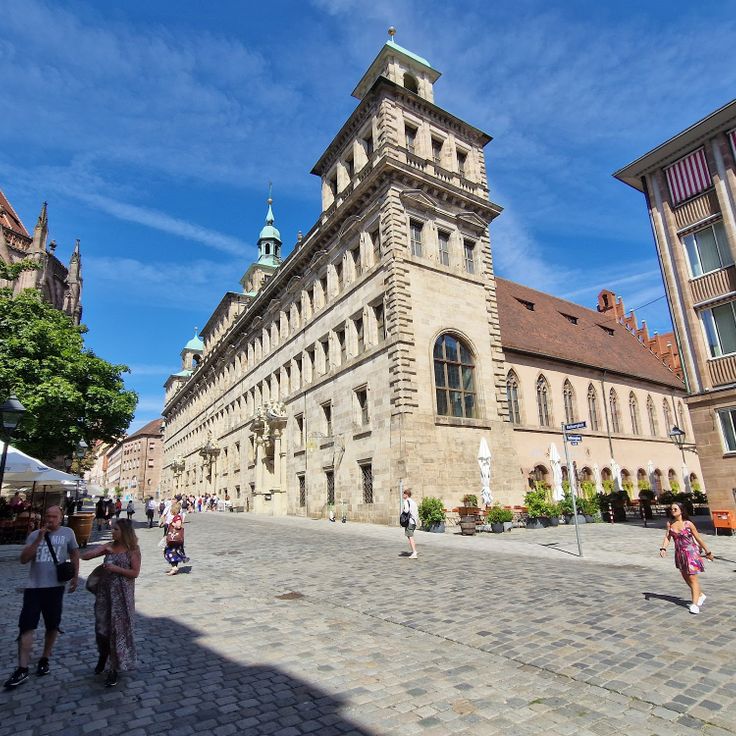
Medieval DungeonsSet of twelve underground cells dating from the 14th century, preserved under the old town hall and representing the medieval judicial system of the city.
Nuremberg, Germany
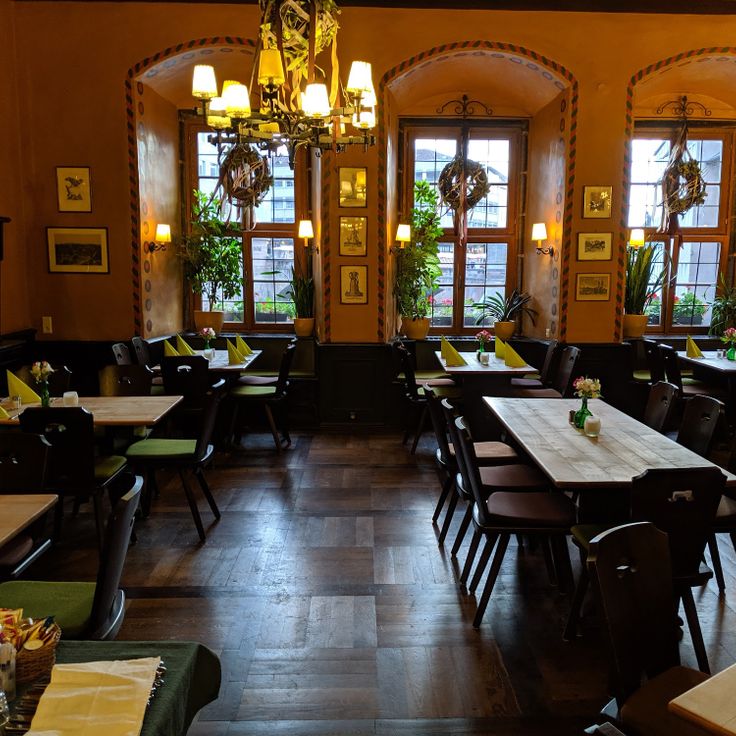
Hospital of the Holy SpiritHospital establishment founded in 1339, built on stilts above the Pegnitz to accommodate pilgrims, the sick, and elderly members of the community.
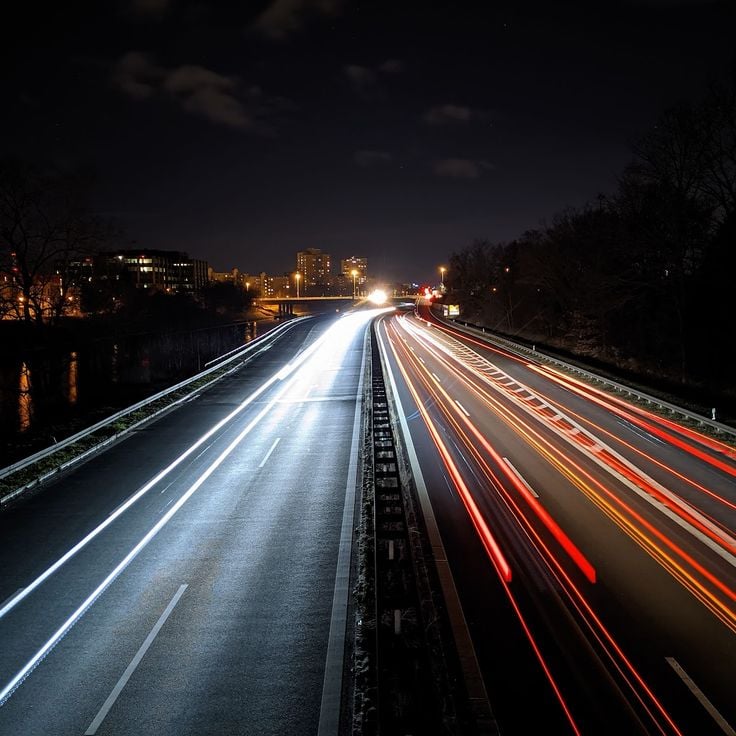
Nuremberg, Germany
Hangman's Bridge14th-century wooden construction crossing the Pegnitz, once connecting the city to the executioner's tower on the opposite bank.
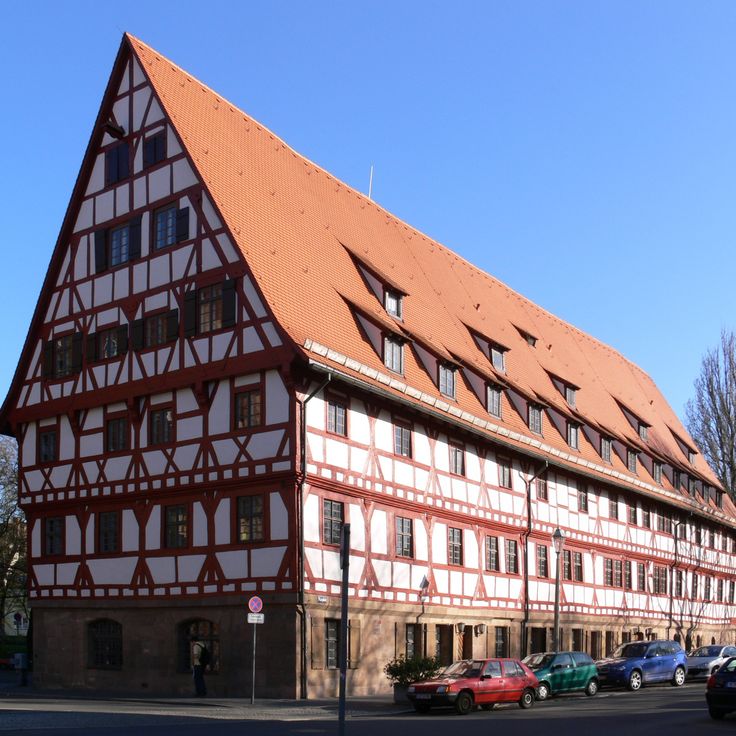
Nuremberg, Germany
Weinstadel15th-century Gothic building used as a warehouse for the wine trade, representing the city's medieval commercial architecture.
Nuremberg, Germany
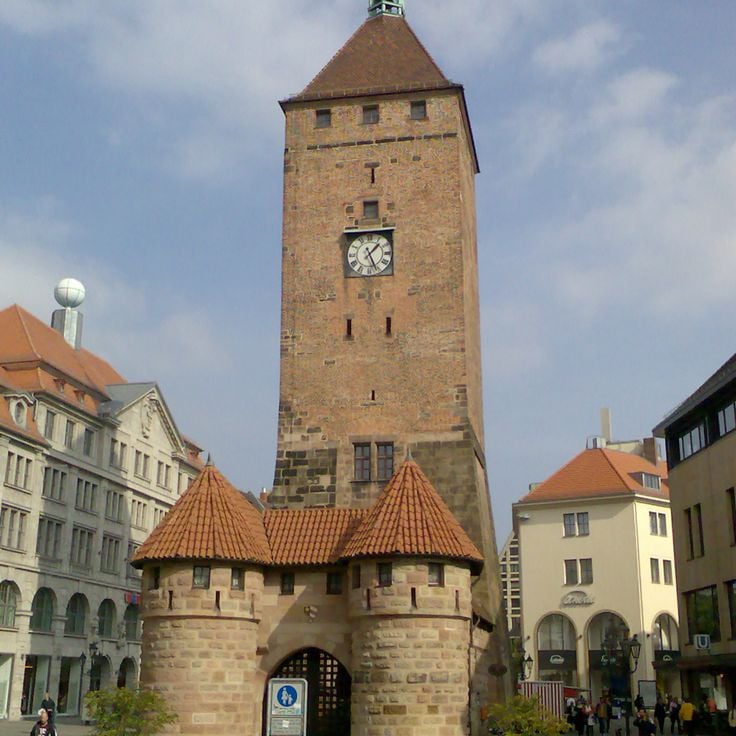
White Tower13th-century fortification built of local sandstone, integrated into the defensive system of the city and now marking the entrance to the historic center.
Nuremberg, Germany
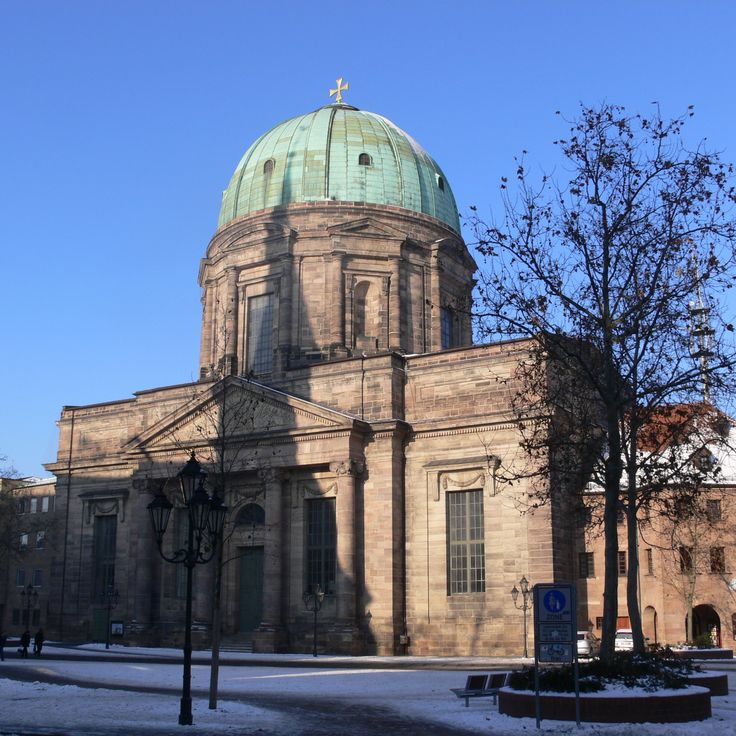
St. Elizabeth Church18th-century Catholic religious building in classical style, erected on the site of a former chapel dedicated to Saint Elizabeth of Hungary.
Nuremberg, Germany
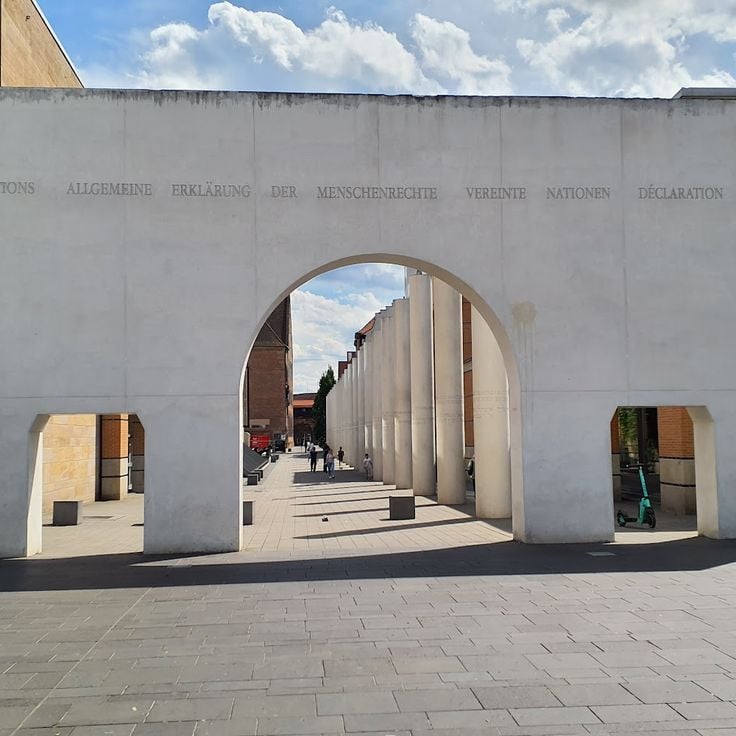
Way of Human RightsMonument composed of twenty-nine white concrete columns and an oak tree planted in the center, each column bearing an article of the Universal Declaration of Human Rights inscribed in a different language.
Nuremberg, Germany
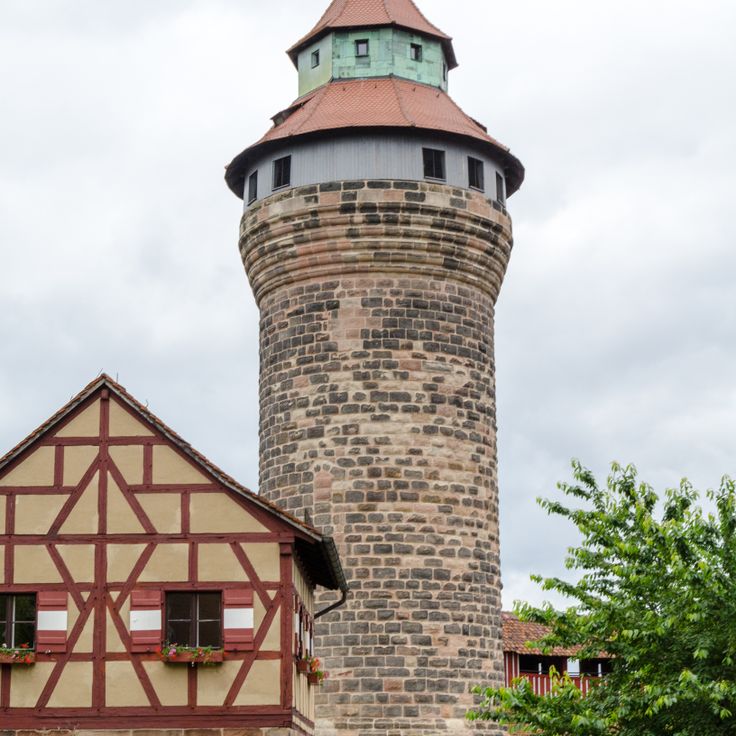
Sinwell TowerCircular stone structure from the Imperial Castle dating to the 12th century, forty-seven meters tall and accessible to visitors for views over the city from its upper platform.
Nuremberg, Germany
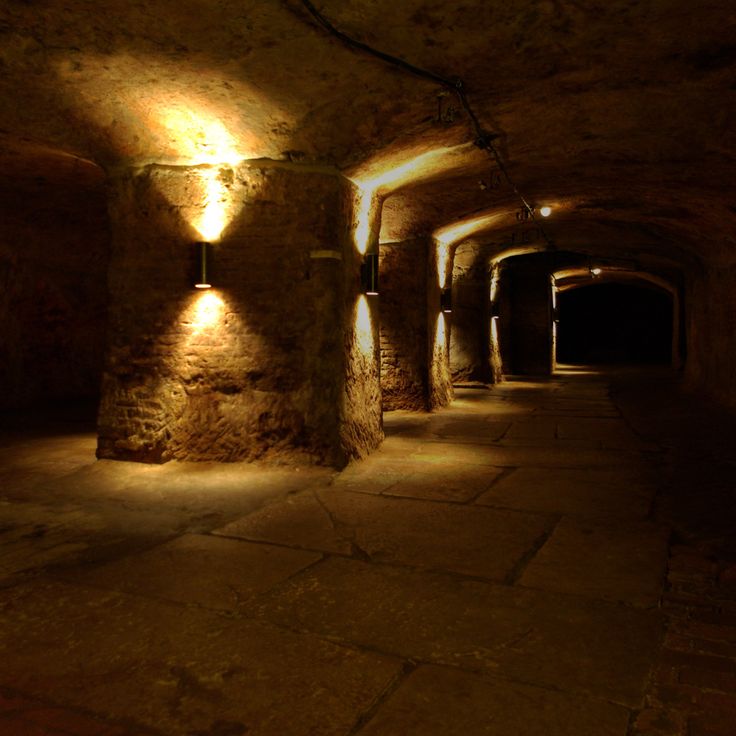
Deep WellUnderground structure cut into the red sandstone of the Imperial Castle, descending fifty meters deep, which previously supplied drinking water to the fortress during medieval sieges.
Nuremberg, Germany
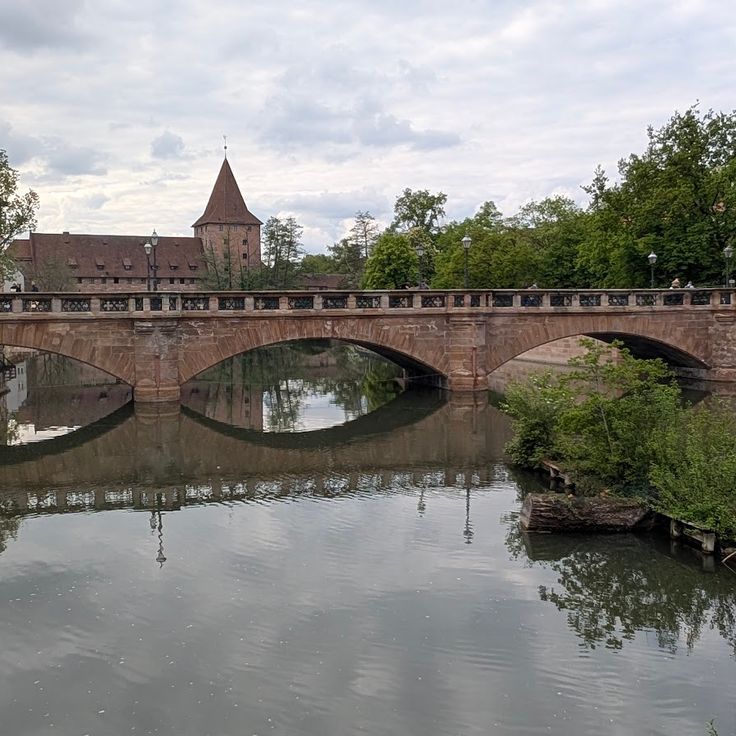
TrödelmarktRiver island lying between two arms of the Pegnitz in the old town, clustering several gastronomic establishments and shops in restored half-timbered buildings.
Nuremberg, Germany
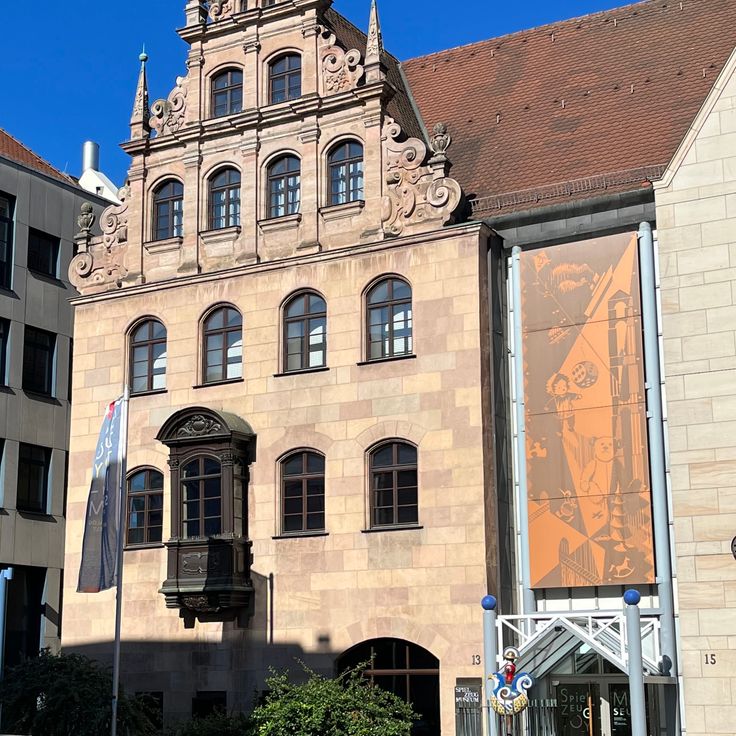
Toy MuseumPermanent collection of toys from the 14th century to nowadays, including antique dolls, model trains, wooden figurines, and traditional European board games.
Nuremberg, Germany
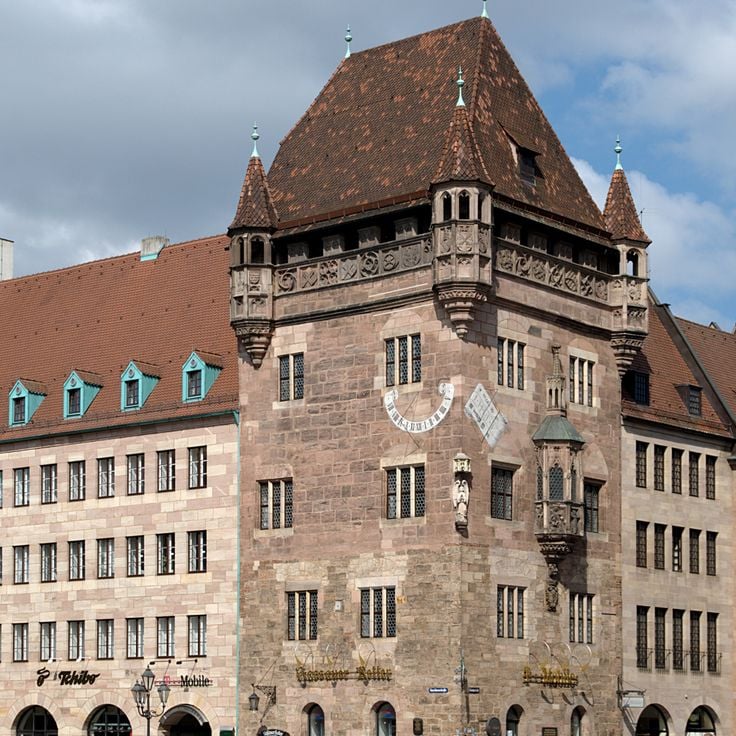
Nassau HouseFortified red sandstone building from the 13th century with four habitable stories, an interior spiral staircase, and sculpted decorations on the main facade.
Nuremberg, Germany
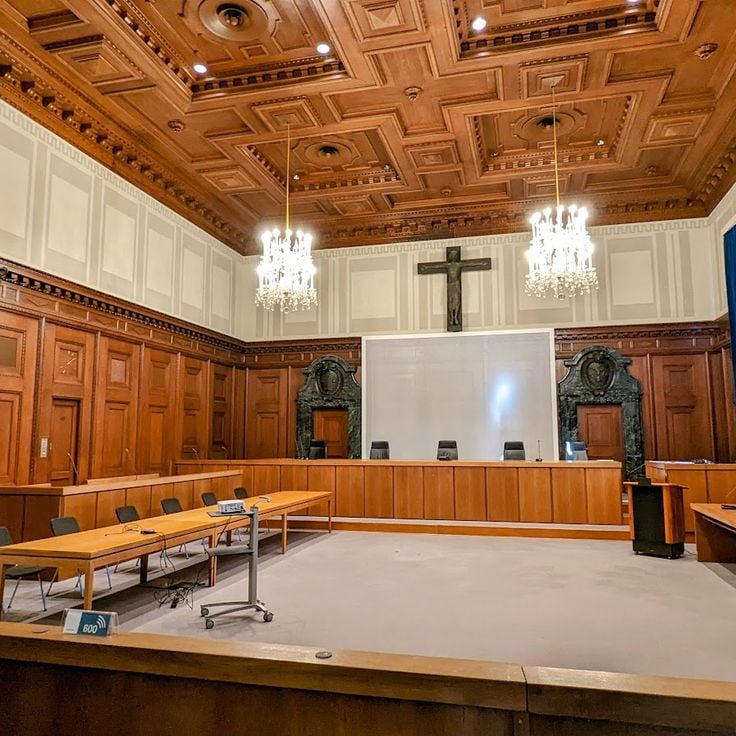
Nuremberg Trials MemorialHistorical documentation of the 1945-1949 judicial proceedings with photographic archives, original audio recordings, and a reconstruction of the international military tribunal courtroom.
Nuremberg, Germany
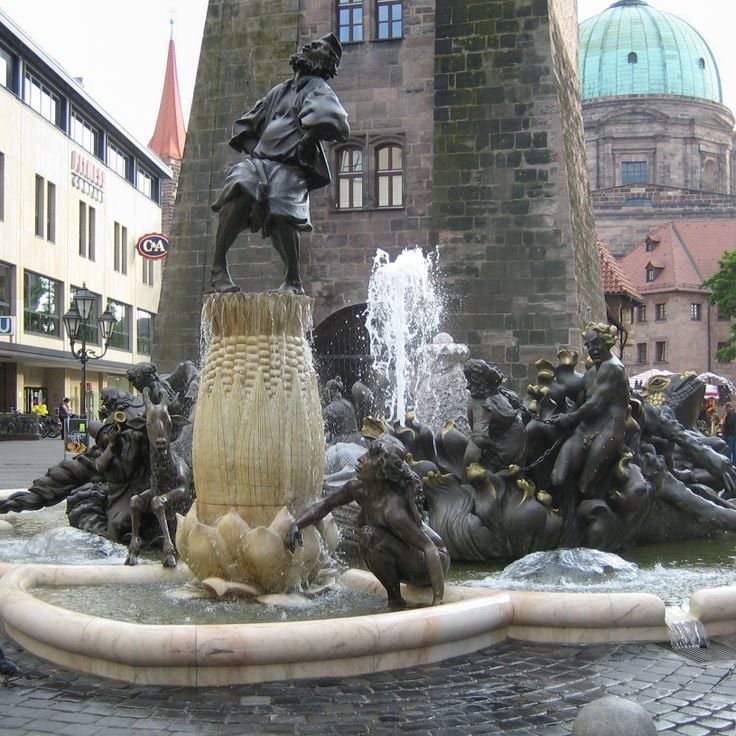
Marriage Carousel FountainBronze sculpture by Jürgen Weber installed in 1984 depicting six matrimonial scenes inspired by satirical verses from the local poet Hans Sachs.
Nuremberg, Germany
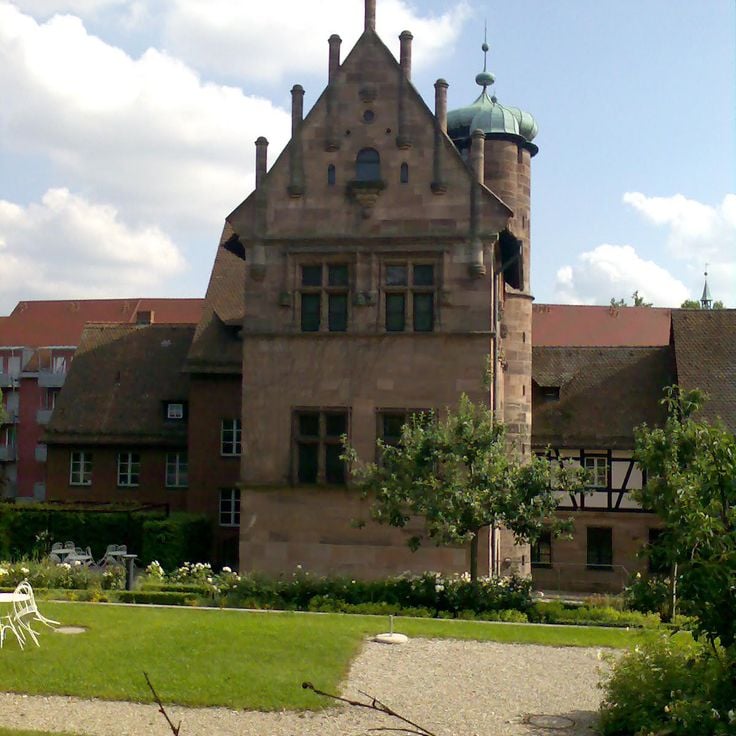
Tucher Castle and Hirsvogel HallMuseum set in a 16th-century manor house showing the daily life of Nuremberg merchant families with period furnishings and a Renaissance ballroom.
Nuremberg, Germany
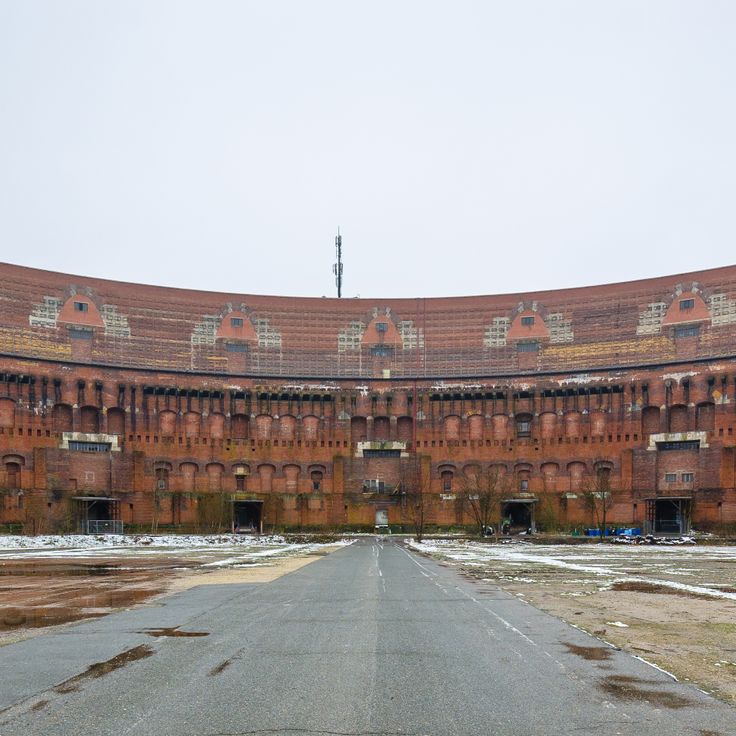
Congress HallMonumental structure designed by Albert Speer in the 1930s for Nazi party gatherings, today serving as a site of historical memory.
Nuremberg, Germany
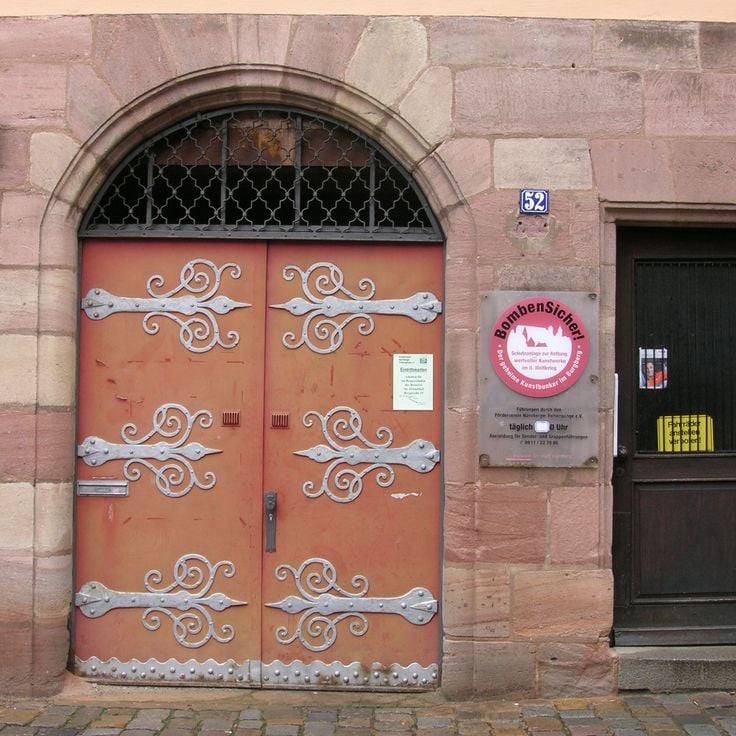
Historic Art BunkerNetwork of medieval underground tunnels converted into a climate-controlled bunker during World War II to preserve artistic treasures from Allied bombings.
Nuremberg, Germany
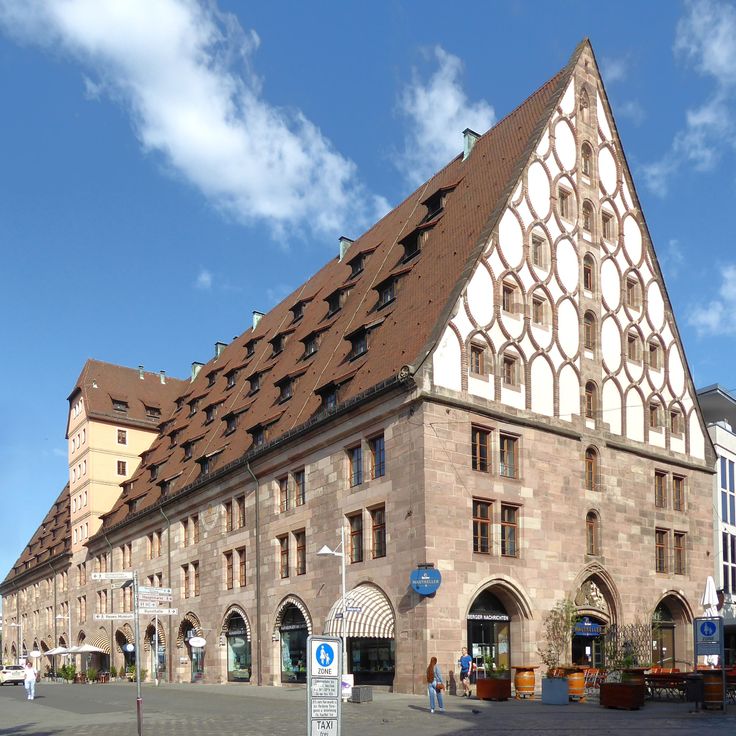
MauthalleGothic building from 1498 that served as a municipal granary for grain storage and as a customs office, representing the largest grain hall in the city.
Nuremberg, Germany
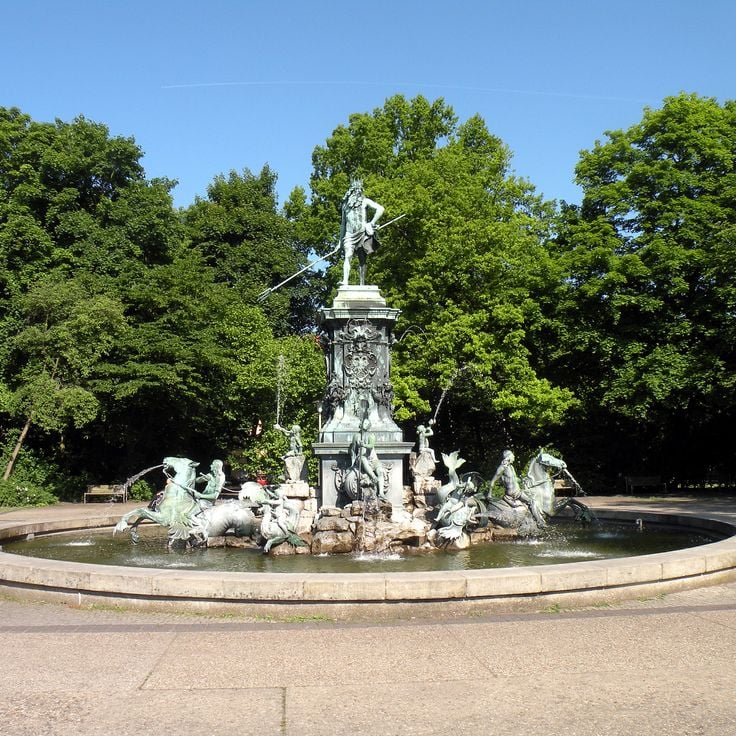
Fountain of VirtuesRenaissance structure dated to 1589 featuring six statues of cherubs symbolizing the Christian virtues of faith, love, hope, courage, moderation, and patience.
Nuremberg, Germany
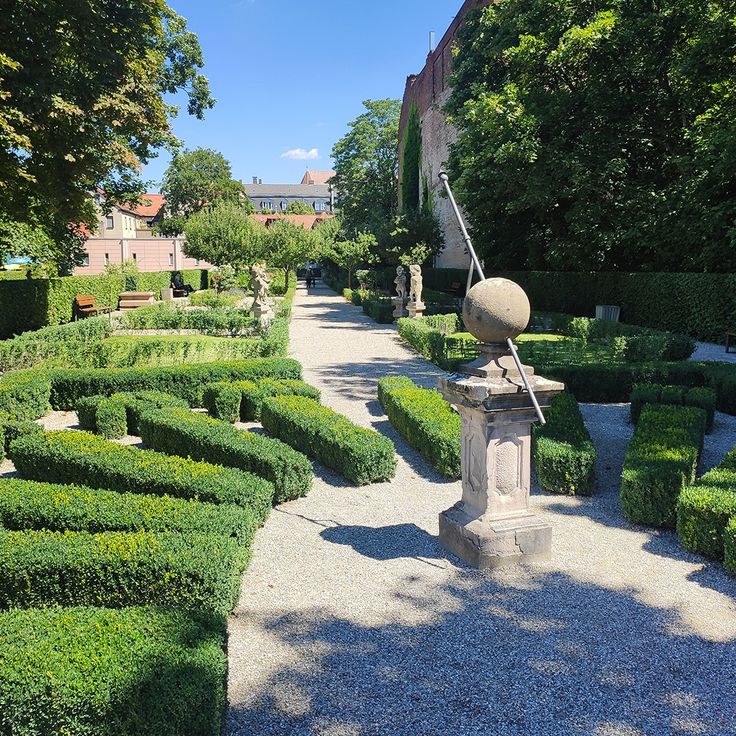
Hesperides GardensSet of Baroque and Classicist parks created in the 17th and 18th centuries in the Saint-Johannis district, comprising over 360 green spaces maintained according to historical horticultural traditions.
Nuremberg, Germany
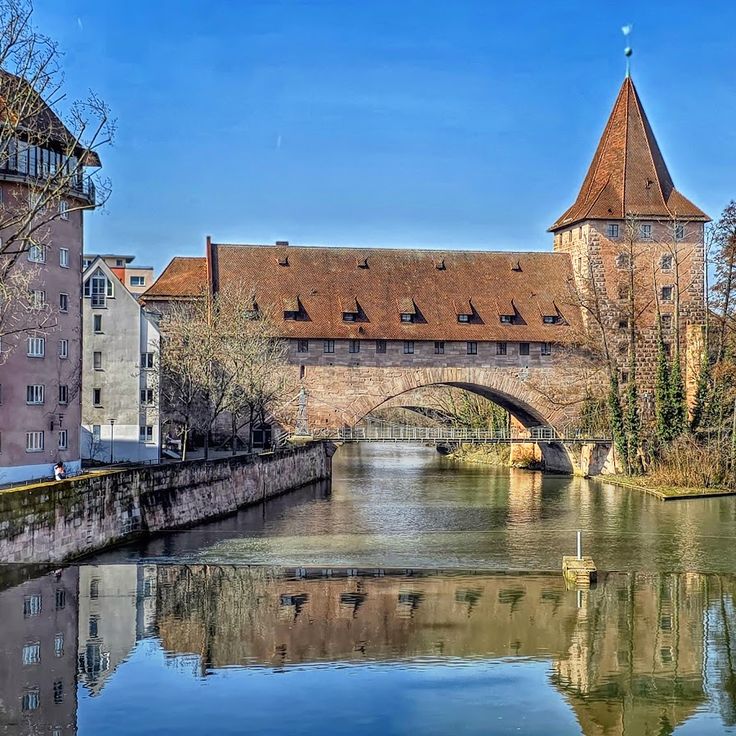
Schlayer TowerDefensive square-plan structure built in the 15th century from sandstone, constructed on an island formed by the Pegnitz River and integrated into the medieval city's fortification system.
Nuremberg, Germany
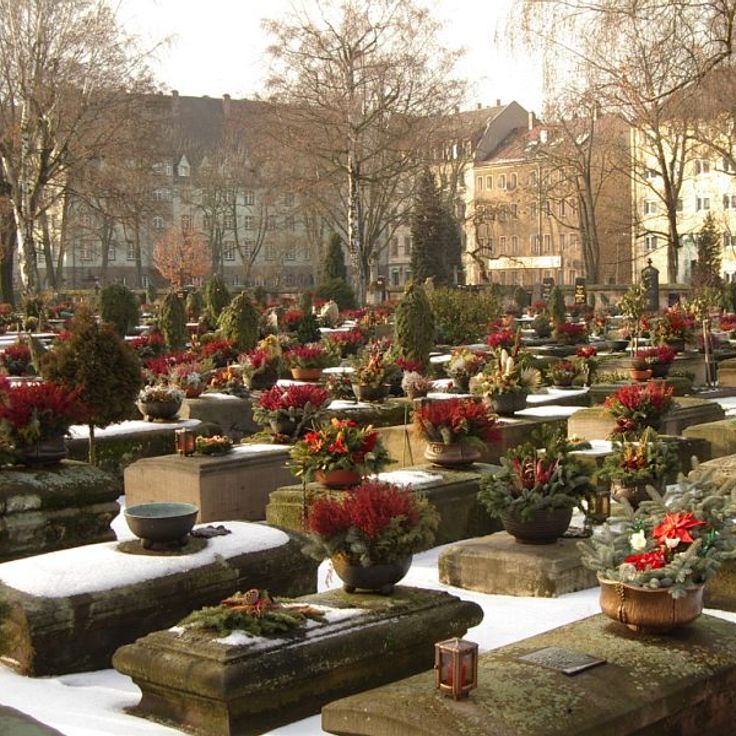
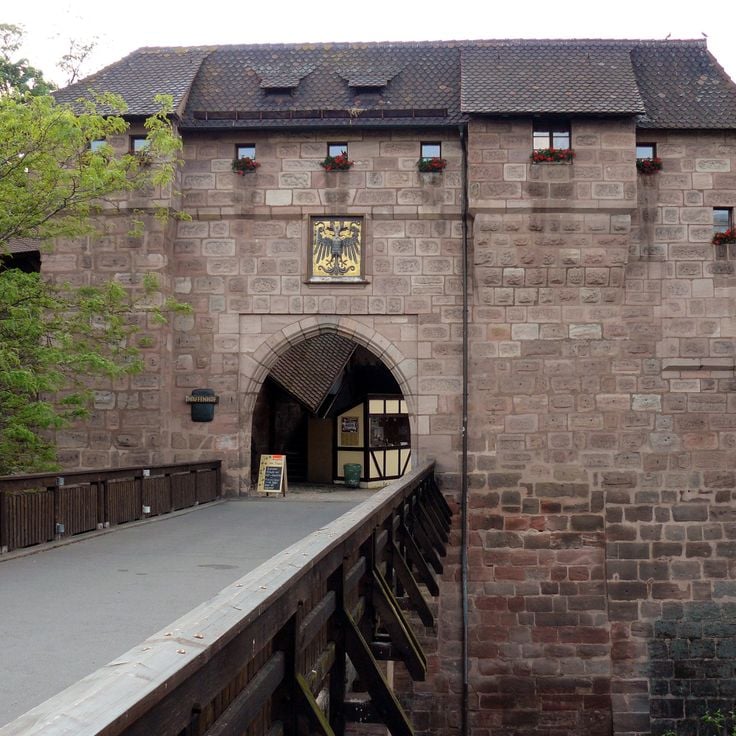
Saint Roch CemeteryNecropolis founded in 1510 during the bubonic plague epidemic, preserving the graves of figures such as Friedrich Staedtler, pencil maker, and Johann Pachelbel, Baroque composer.
Nuremberg, Germany
Frauentor GateHistorical 14th-century tower that was one of the main entrances to the city, rebuilt in its original medieval architecture.
Nuremberg, Germany
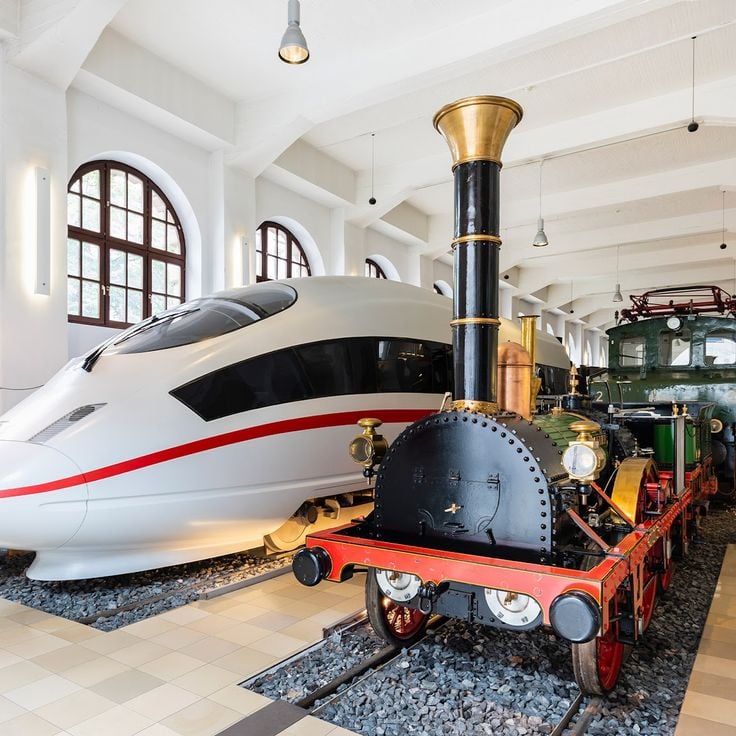
German Railway Museum – Hall 2Section of the German railway museum presenting the history of locomotives with period trains and activities for children.
Nuremberg, Germany
Frauentorturm TowerMedieval defensive tower from the 14th century that is part of the city's old fortifications, located near the central station.
Nuremberg, Germany
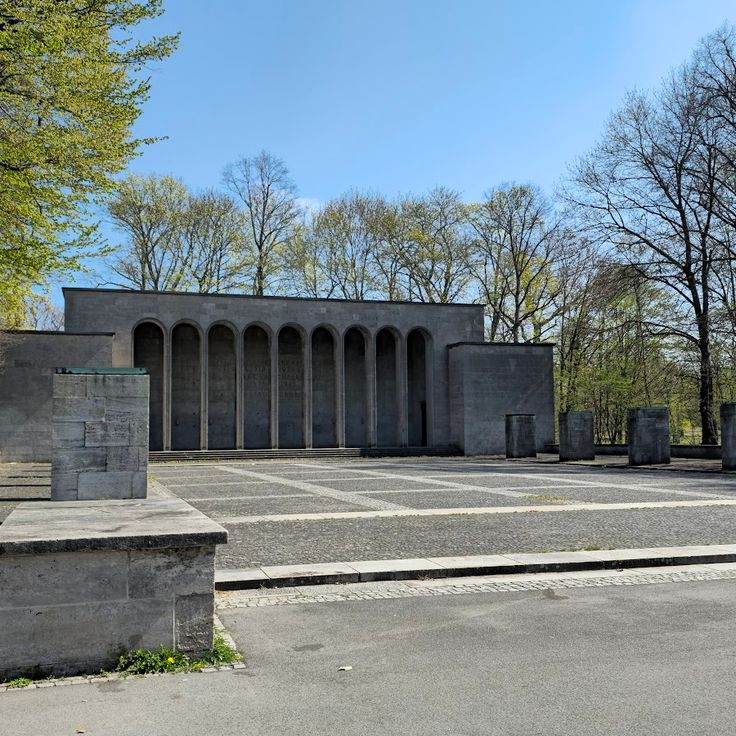
Hall of HonorMemorial built in 1930 to honor soldiers of the First World War, later used by the Nazis for their rallies.
Nuremberg, Germany
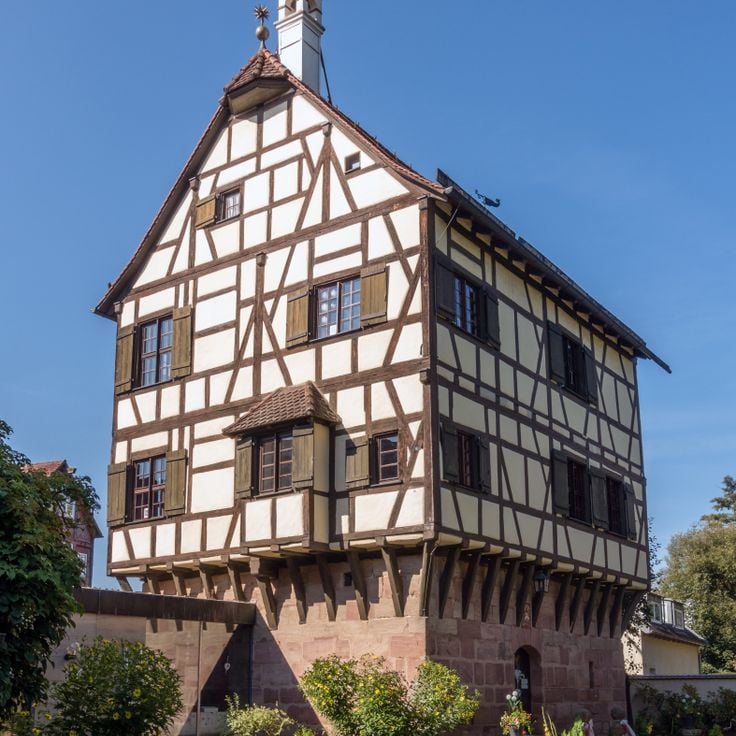
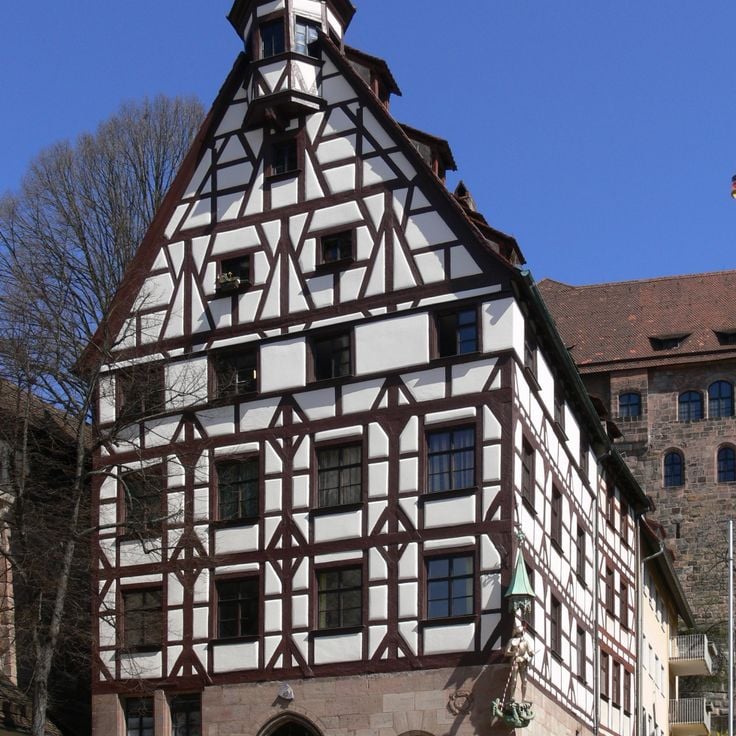
Peller House16th-century Renaissance building reconstructed after the Margrave wars, now owned by the municipality and used for cultural and administrative events.
Nuremberg, Germany
Pilate HouseLate Gothic building from 1489 with seven stories, formerly the residence of an armorer, offering a panoramic view from the top floor.
Nuremberg, Germany
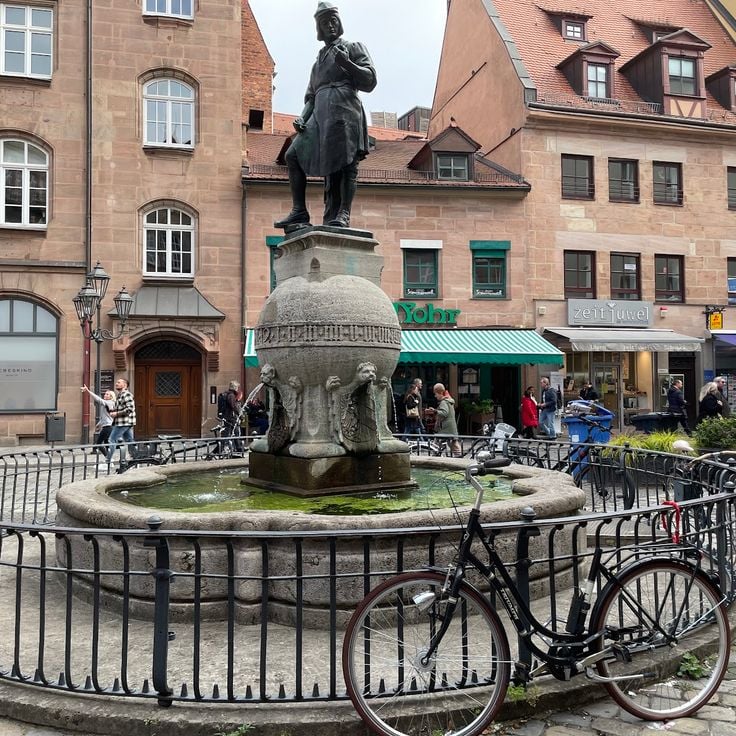
Peter Henlein FountainBronze monument erected in 1905 in honor of the 16th-century watchmaker who created the first pocket watch, installed at Hefnersplatz.
Nuremberg, Germany
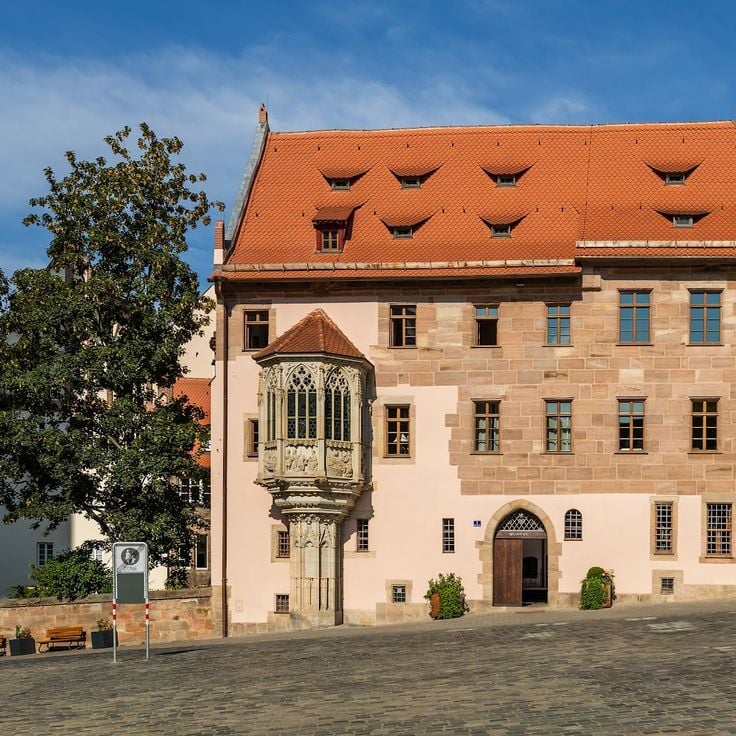
Saint Sebald Parish Courtyard14th-century building with a medieval courtyard, hosting a café and an exhibition dedicated to the Jewish history of Nuremberg.
Nuremberg, Germany
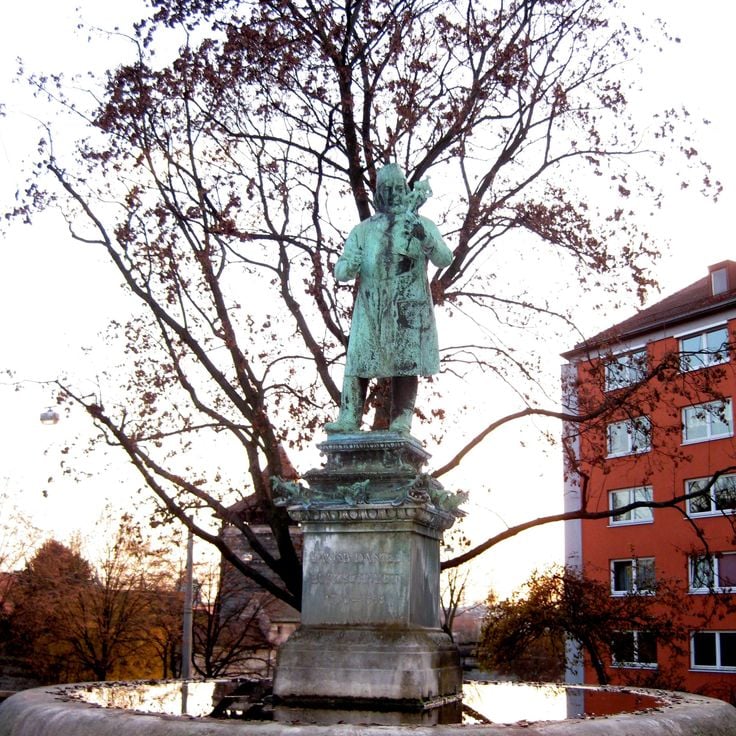
Burgschmiet FountainMemorial monument erected in 1897 to honor Jacob Daniel Burgschmiet, master founder and sculptor, responsible for the statues dedicated to Albrecht Dürer and Philipp Melanchthon in the city.
Nuremberg, Germany
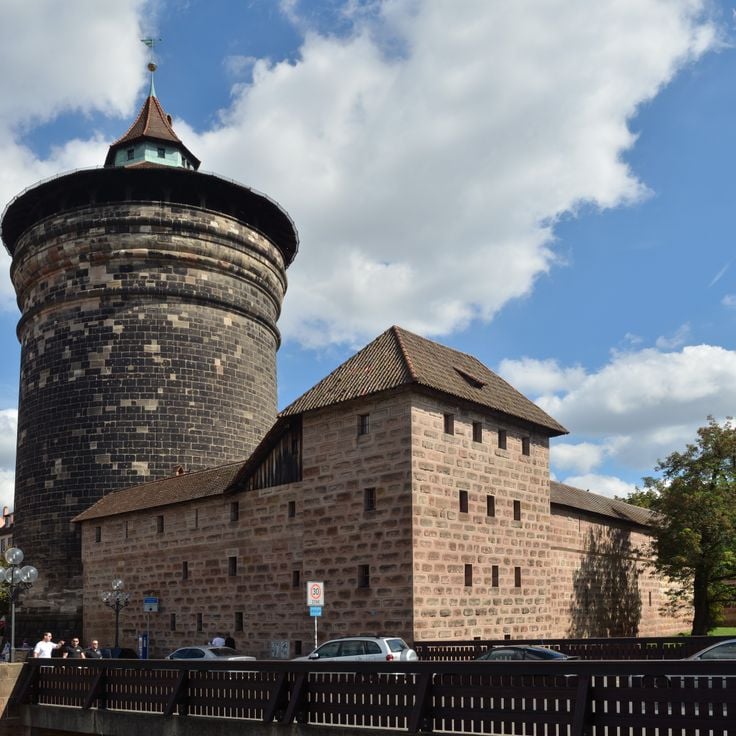
Spittlertor Gate TowerCylindrical defensive structure built in the 14th century, forming one of the four main bastions of the fortified system that protected the medieval city of Nuremberg.
Nuremberg, Germany
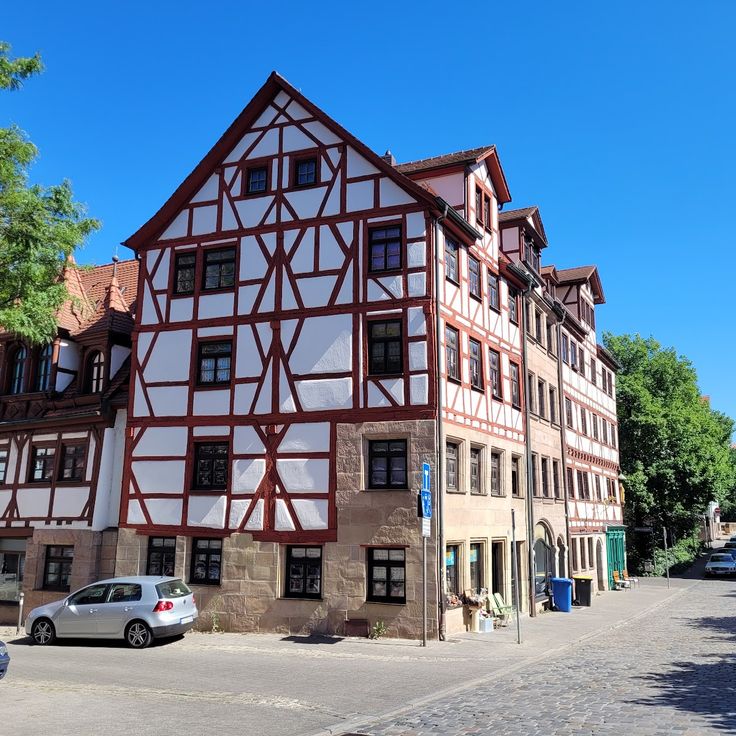
Unschlitt HouseGrain storage building constructed in 1491 by architect Hans Beheim the Elder, made from sandstone in Late Gothic style, later transformed into a commercial hall for selling fats.
Nuremberg, Germany
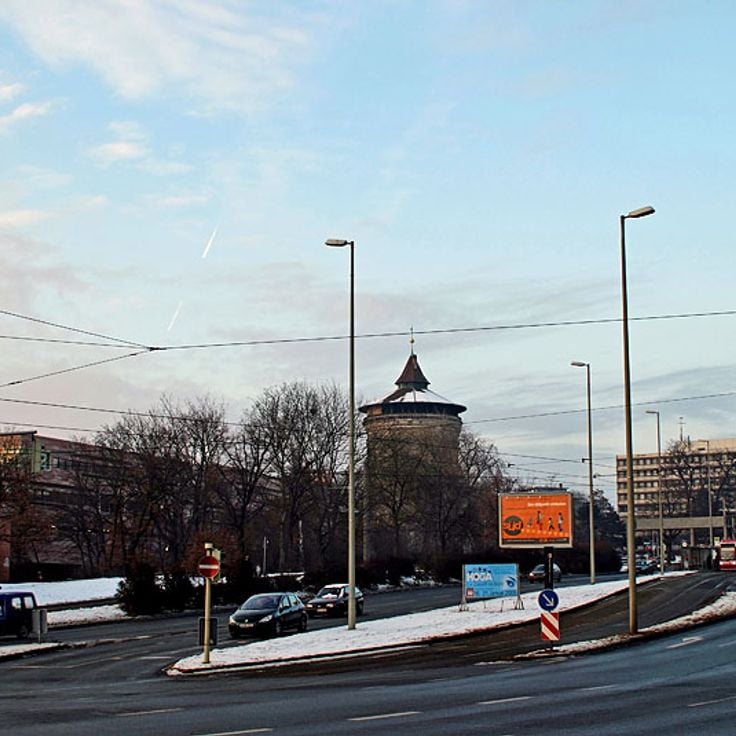
Laufer Gate TowerMedieval fortified structure located at the junction between the historic old town and the more recent urban extension districts of Nuremberg.
Nuremberg, Germany
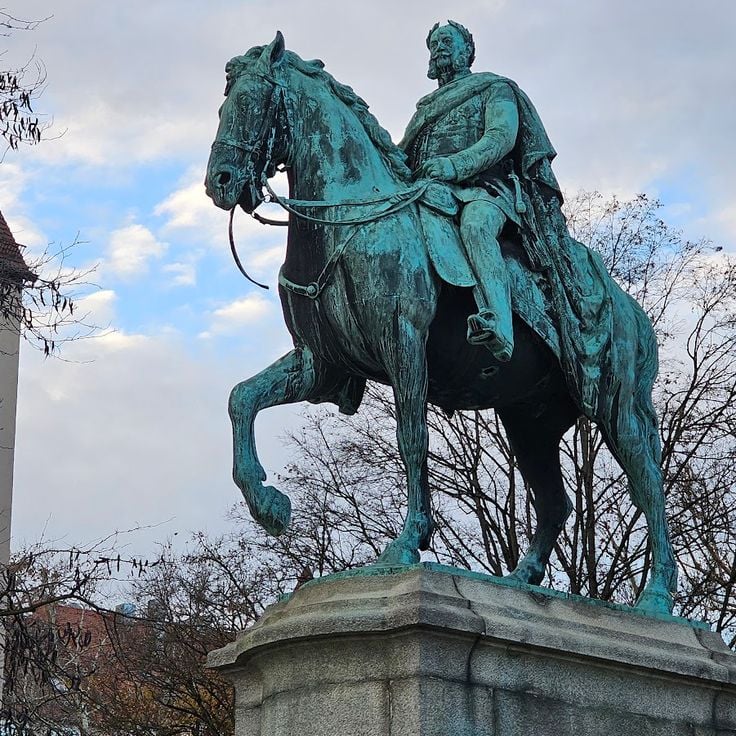
Emperor William I MonumentEquestrian bronze statue inaugurated in 1905 depicting Emperor William I, created by sculptor Wilhelm Rümann and erected at Egidienplatz in the historic center of the city.