Nuclear power plants: history of atomic energy, major accidents, and geopolitics
This collection brings together nuclear power plants that have shaped the history of civilian nuclear energy. Some experienced accidents that changed the world’s view of nuclear energy. Chernobyl in Ukraine remains a symbol of the 1986 disaster, while Fukushima in Japan showed the risks of natural events. Three Mile Island in Pennsylvania paused the building of new reactors in the US for many years. Other sites are among the largest in the world, like Kashiwazaki-Kariwa in Japan or Bruce in Canada. Many places are facing challenges today, such as the Zaporijia plant in Ukraine.
The collection also includes projects that tried to push the technical limits of this energy. Superphénix in France and Monju in Japan explored new types of reactors, with mixed results. Some facilities, like Bataan in the Philippines, were never operational despite being fully built. Others, like Oyster Creek or Tokai, helped start nuclear work in their countries. From Siberia to the United Arab Emirates, from Canada to India, these sites tell stories about energy choices, technical progress, failures, and questions that have surrounded this source of power for more than sixty years.
Nuclear power plants: history of atomic energy, major accidents, and geopolitics
This collection brings together nuclear power plants that have shaped the history of civilian nuclear energy. Some experienced accidents that changed the world’s view of nuclear energy. Chernobyl in Ukraine remains a symbol of the 1986 disaster, while Fukushima in Japan showed the risks of natural events. Three Mile Island in Pennsylvania paused the building of new reactors in the US for many years. Other sites are among the largest in the world, like Kashiwazaki-Kariwa in Japan or Bruce in Canada. Many places are facing challenges today, such as the Zaporijia plant in Ukraine.
The collection also includes projects that tried to push the technical limits of this energy. Superphénix in France and Monju in Japan explored new types of reactors, with mixed results. Some facilities, like Bataan in the Philippines, were never operational despite being fully built. Others, like Oyster Creek or Tokai, helped start nuclear work in their countries. From Siberia to the United Arab Emirates, from Canada to India, these sites tell stories about energy choices, technical progress, failures, and questions that have surrounded this source of power for more than sixty years.
The Chernobyl plant became the site of the worst nuclear accident in history in 1986, when one of its reactors exploded and released large amounts of radioactive particles into the air. The explosion forced tens of thousands of people to evacuate immediately and created an exclusion zone that remains to this day. After the disaster, the destroyed reactor was first covered with a temporary concrete shell, later replaced by a modern steel structure designed to prevent further radiation leaks. The abandoned buildings, the silent streets of the nearby town, and nature reclaiming its space paint a powerful picture of the long-term consequences of such an accident. The site is not freely accessible, but organized tours allow visitors to approach the technical remains and learn about the history of this place that fundamentally changed the global debate on nuclear energy.
The Fukushima Daiichi plant became the site of a serious nuclear accident when an earthquake and tsunami in 2011 triggered the meltdown of several reactor cores. This facility on the Pacific coast shows the dangers nuclear power faces from extreme natural events and changed the global debate about reactor safety. The disaster led many countries to reconsider their use of nuclear energy. The surrounding region was evacuated across a wide area, and the effects of radiation persist today. Dismantling and decontamination will take decades. For the history of civil atomic energy, this plant marks a turning point that revealed the vulnerability of even modern facilities.
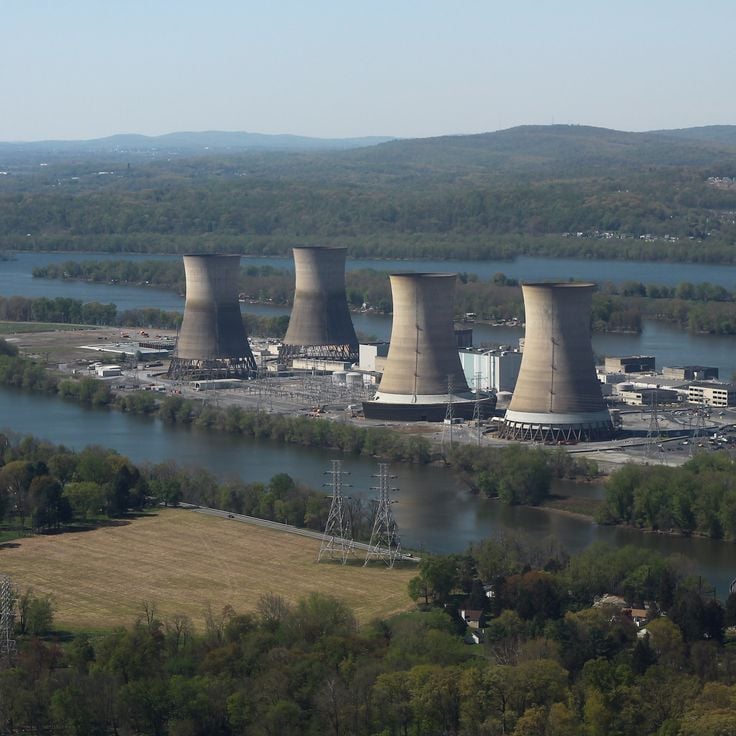
The Three Mile Island nuclear power plant lies along the Susquehanna River in Pennsylvania. On March 28, 1979, a partial core meltdown occurred in reactor 2, reshaping nuclear energy development in the United States. Though no deaths resulted, the event caused a decades-long halt in new reactor construction across the country. The accident unfolded through a combination of equipment failures and human misreading of warning signals. Today, the damaged reactor remains shut down while other units operated until recently. The plant occupies a river island surrounded by farmland and small towns. The cooling towers rise visible for miles, a reminder of that March morning when alarms filled the control rooms and the world watched Pennsylvania with concern.
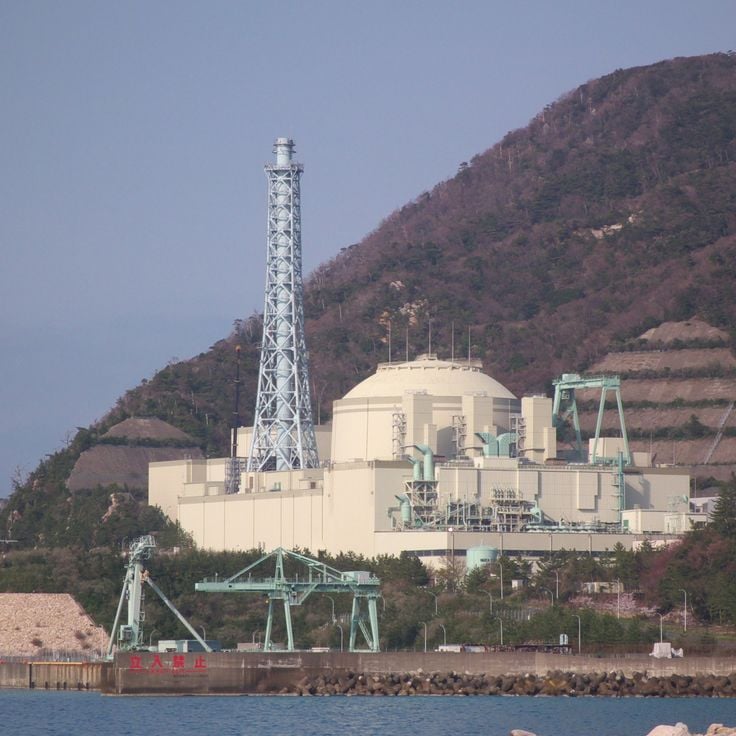
This reactor in Tsuruga was meant to show that a fast neutron reactor cooled with liquid sodium could work. The facility was designed to produce and consume plutonium, allowing for a closed fuel cycle. After it started operating, there were technical problems, including a sodium fire that forced a shutdown lasting many years. The plant remained closed for most of its existence, as repairs and safety checks dragged on. Eventually, the decision was made to close it permanently, since the technical difficulties and costs were too high. Today, the site is being dismantled, and its history shows the limits of this reactor technology.
The San Onofre Nuclear Generating Station stands directly on the Pacific coast of California, between Los Angeles and San Diego. Two white domes now sit silent, following the plant's permanent closure in 2013 after problems with steam generators. The seaside location, where Route 1 runs along the cliffs, was once well suited for cooling the reactors. For decades, this plant supplied electricity to millions of households in southern California, until technical difficulties and public pressure led to its shutdown. Today, the beaches and campgrounds right next to the domes remain open, while dismantling continues inside. This coastal facility shows how close some civilian nuclear plants can be to populated areas and recreational spots. From viewpoints along the coastal road, the domes are clearly visible, almost like artificial hills between the blue ocean and the brown mountains of the backcountry.
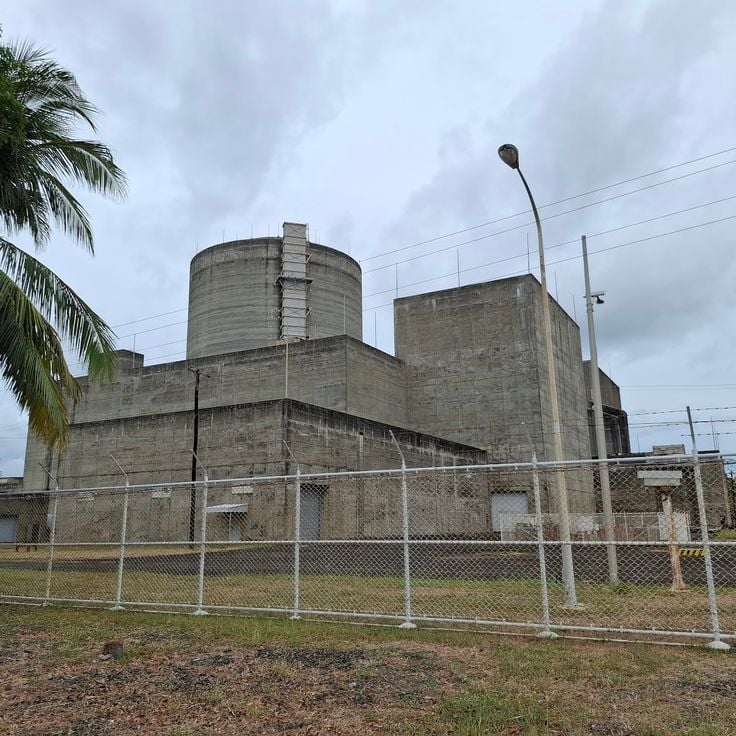
The Bataan nuclear plant stands on the coast of Morong in the Bataan Peninsula, about two hours west of Manila. It was built in the late 1970s and early 1980s when the country sought greater energy independence. Construction stretched over years and generated heavy costs, but when work finished in 1984, the plant never started operating. Concerns about its proximity to several geological faults and a volcano, along with political shifts after the end of the Marcos dictatorship, led to keeping the facility closed. Today, the Bataan plant remains a silent witness to an energy strategy that never materialized, surrounded by tropical vegetation, while debates continue over possible use or permanent decommissioning.
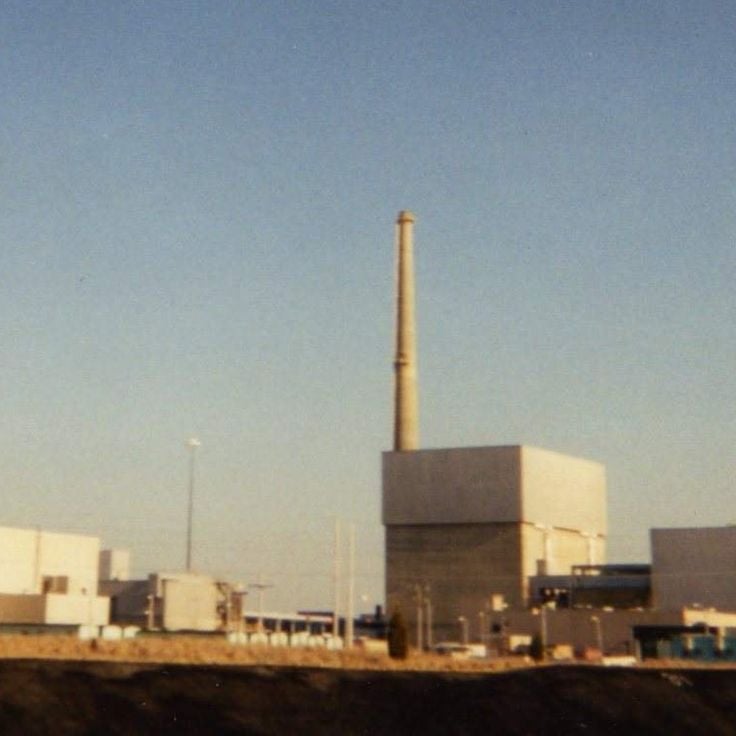
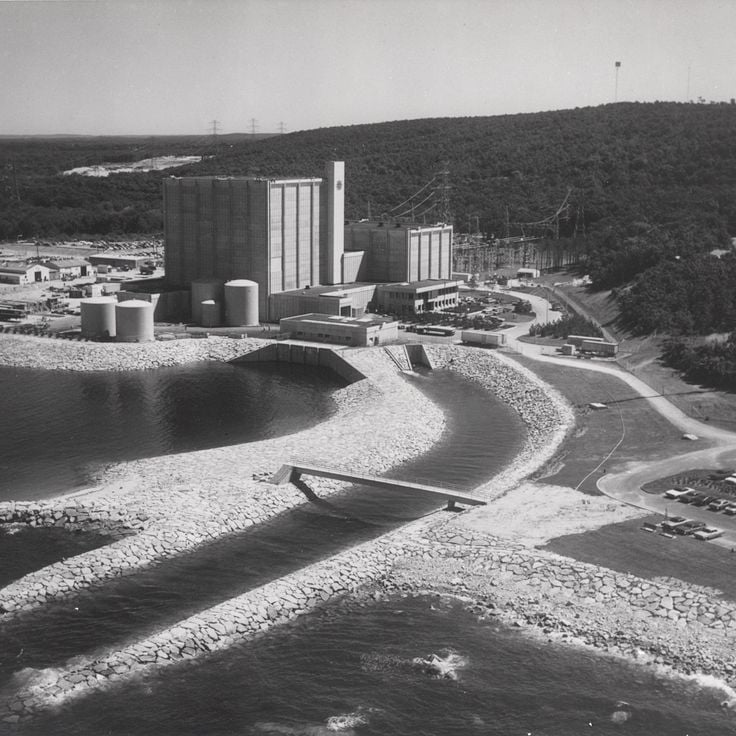
This power plant in New Jersey started operating in 1969, becoming one of the first commercial nuclear facilities in the United States. The site on the Delaware River supplied electricity to the region for nearly fifty years before its final closure in 2018. Oyster Creek was built following the reactor model that became the standard of the American nuclear industry in the sixties. Its proximity to the sea and the flat coastal landscape influenced its technical design. Over the decades, several safety improvements were made, but economic reasons eventually led to the shutdown. The site sits in a sparsely populated area, surrounded by forests and wetlands. Today, the long process of dismantling the buildings begins.
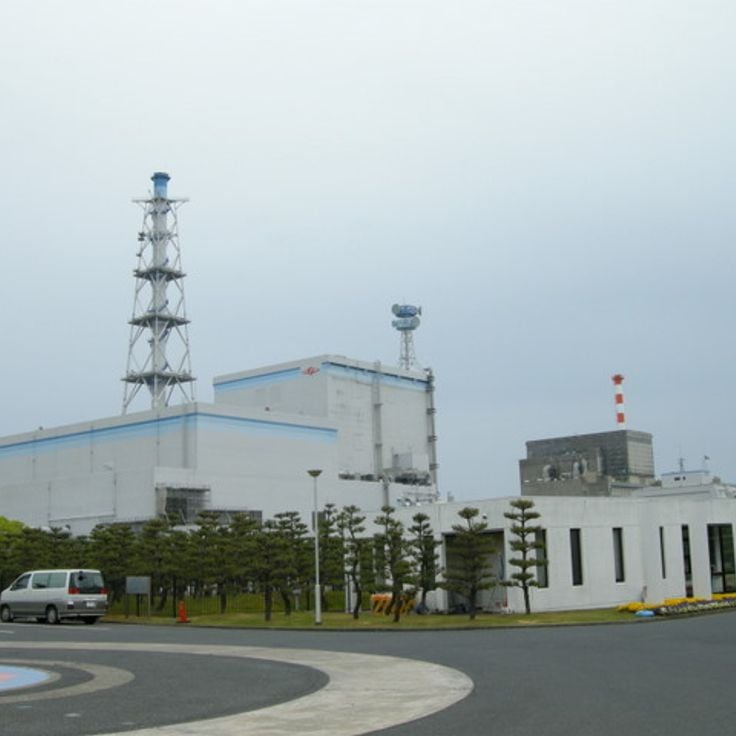
The Centrale nucléaire de Tokai was Japan's first commercial reactor and marked the beginning of civilian atomic energy in the country. This facility entered service in 1966 and supplied electricity to the region for thirty years before being shut down in 1998. Today, the plant is being decommissioned, a lengthy process that takes decades and presents technical challenges. The Centrale nucléaire de Tokai sits on the Pacific coast near Tokyo and played an important role in the history of Japanese energy policy. The decommissioning attracts specialists from around the world who study the dismantling of reactor components and the disposal of radioactive materials. The site is not open to the public, but the history of this plant remains closely tied to the development of nuclear technology in Asia.
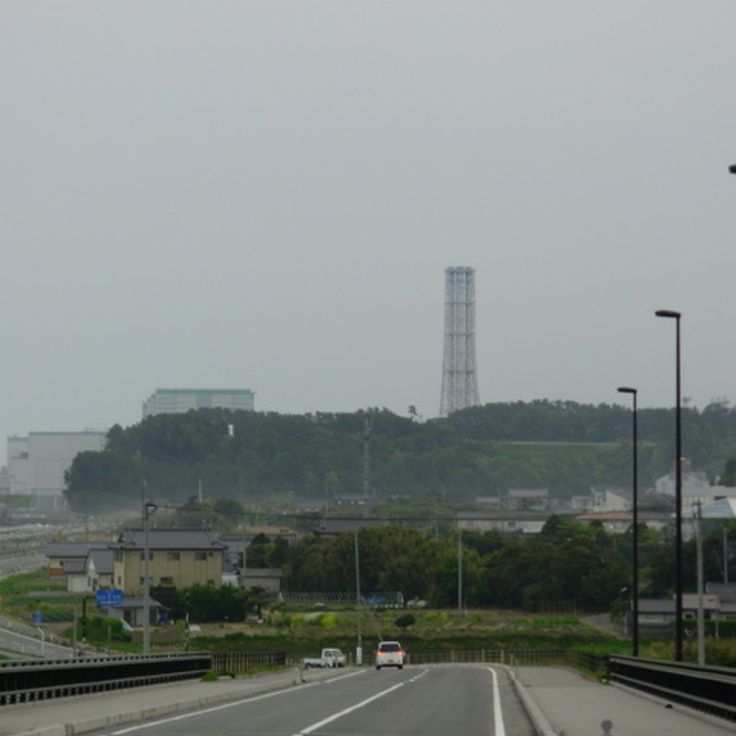
The Fukushima Daini nuclear plant sits on the coast of Fukushima Prefecture, south of Fukushima Daiichi. When the earthquake and tsunami struck in March 2011, the waves reached this site as well. The four reactors suffered damage to their cooling systems, but the operators managed to shut them down safely and avoid core meltdown. While Fukushima Daiichi became the symbol of nuclear disaster, Fukushima Daini shows how technical differences and rapid response can alter the outcome of such events. The plant remained in standby mode for years before its permanent closure was announced in 2019. The surrounding areas remain under restrictions, and the town of Naraha is among the places where residents returned slowly after evacuation.
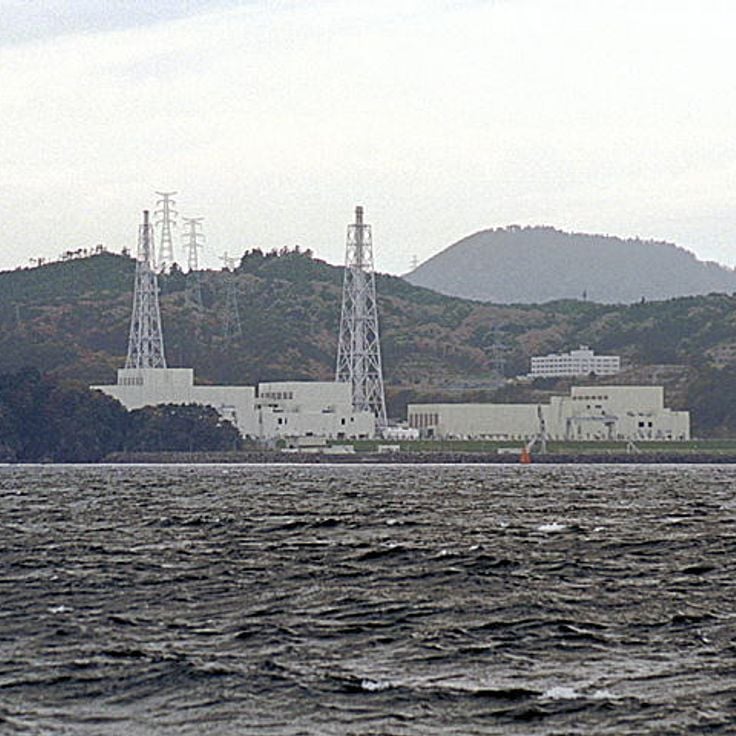
This plant sits closer to the epicenter of the 2011 earthquake than any other nuclear facility in the region. While Fukushima Daiichi suffered severe damage, Onagawa remained functional. Engineers had built the protective seawalls higher than standards required, about 46 feet (14 meters) above sea level. This decision rested on studying historical tsunamis in the area. When the wave arrived, water almost reached the top of the wall, but the reactors stayed safe. The facility even served as a shelter for residents from nearby towns. Three reactors stand here on the coast of Miyagi Prefecture. The site shows how caution and careful planning can make a difference.
This nuclear plant sits on the shore of Lake Erie in northern Ohio and became an example of how close a serious failure can come without anyone noticing. In 2002, technicians found that the steel lining of the reactor vessel had corroded from the inside. In some places, hardly any material was left. A thin layer of stainless steel was all that held back the radioactive water. If that layer had given way, the water would have leaked out and spread through the containment building. The reactor had been running for months before anyone discovered the problem. The plant stayed closed for over a year while specialists investigated the causes and replaced the damaged parts. This incident led to tighter inspections and raised questions about the safety of aging reactors across the United States. The plant went online in the 1970s and has supplied electricity to parts of Ohio ever since. It reminds us how technical flaws can develop over long periods without being noticed and what danger they pose.
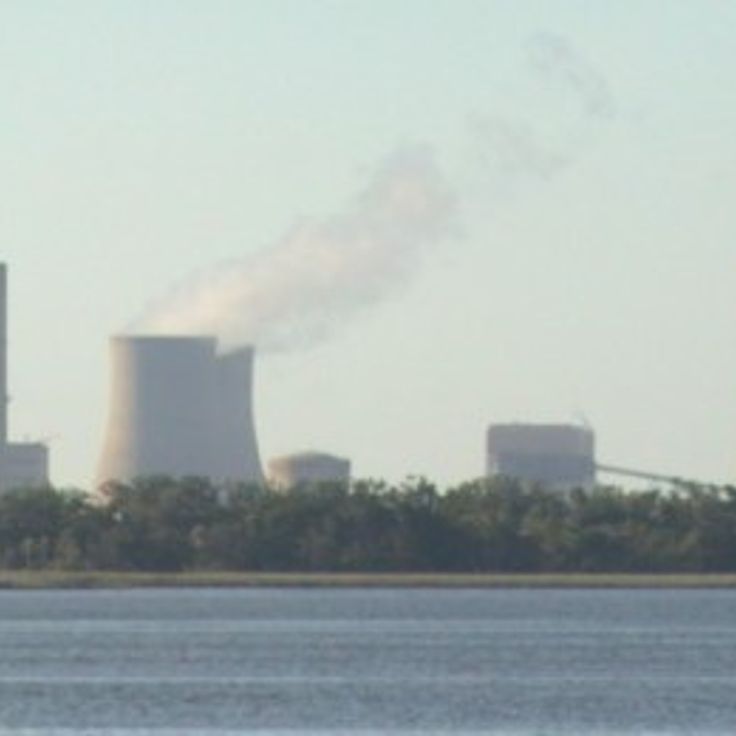
This facility on Florida's Gulf Coast came to an abrupt end after more than thirty years of operation when maintenance work on the reactor building caused severe damage. Repair costs were estimated at several billion dollars, leading the operator to permanently shut it down. The plant once supplied electricity to several hundred thousand homes. Today, dismantling is underway. Crystal River shows how technical problems with aging reactors can lead to unplanned closures, even without a classic accident.
This facility on the Atlantic coast generated electricity for Massachusetts for almost five decades before shutting down permanently in 2019. The reactor stood in a densely populated area where safety and environmental questions came up regularly over the years. Toward the end of its operating life, technical problems became more frequent as the equipment aged. The closure marks the end of an era in American atomic energy. Decommissioning work will continue for decades. The Pilgrim Nuclear Power Station remains an example of the challenges involved in running and shutting down older atomic plants, as this collection on the history of civilian nuclear energy shows.
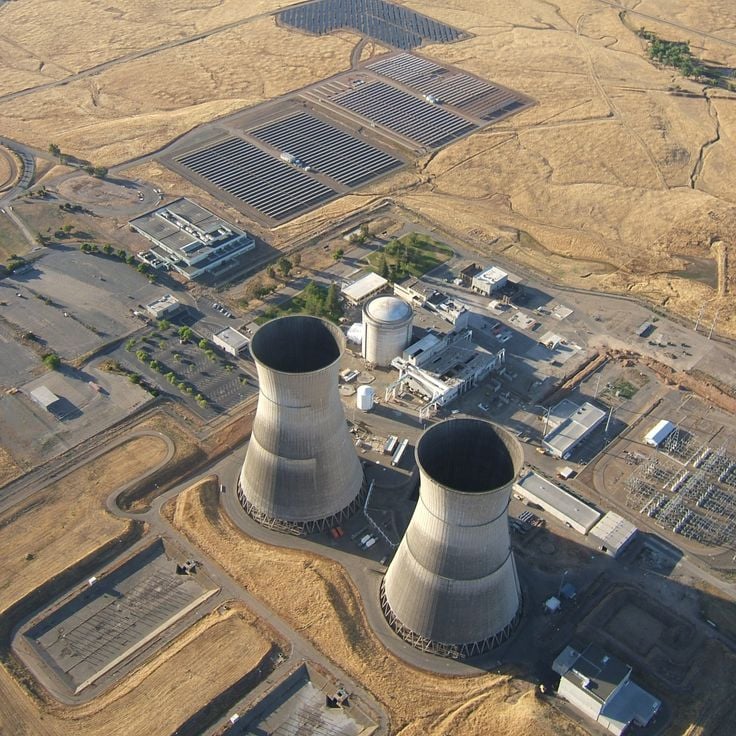
This California plant closed in 1989 after a local referendum, a rare case where the population voted directly on the fate of a reactor. The Centrale nucléaire de Rancho Seco marks a turning point in American nuclear policy, when technical difficulties and public concerns converged after the Three Mile Island incident. The reactor operated for about 15 years, supplying electricity to the Sacramento region, before citizens voted by a narrow margin for its closure. The decision came after several operational incidents and safety concerns that eroded trust in the facility. Today, the site shows that communities can play an active role in energy policy, revealing the limits of public acceptance of this technology in democratic societies.
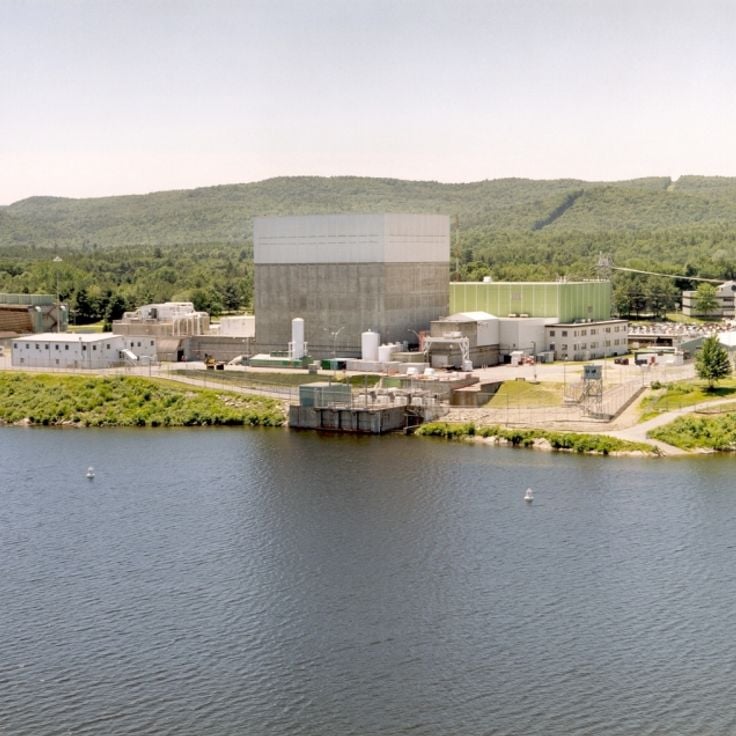
This power plant in Vermont stood on the banks of the Connecticut River for over forty years, at times supplying about a third of the state's households with electricity. The boiling water reactor closed in 2014 for economic reasons, even though its operating license had been extended. Low natural gas prices and growing competition from renewable energy made running the older reactor unprofitable. After the shutdown, dismantling work began, while debates over long-term storage of radioactive waste continue. This facility represents the challenges facing older reactors in the United States, which despite being technically capable of operating, could no longer withstand the changed market conditions.
The Piqua Nuclear Power Facility was a small experimental reactor in Ohio that operated for only a few years. The plant went into service in the early 1960s to test the use of organic liquids as a cooling fluid. This reactor was part of early American efforts to develop alternative technologies in civilian atomic energy. Technical problems multiplied quickly and the plant was shut down in 1966. Its brief operational period makes Piqua one of the shortest atomic energy experiments in United States history. The facility reflects a time when the industry was still testing different concepts before light water reactors became standard.
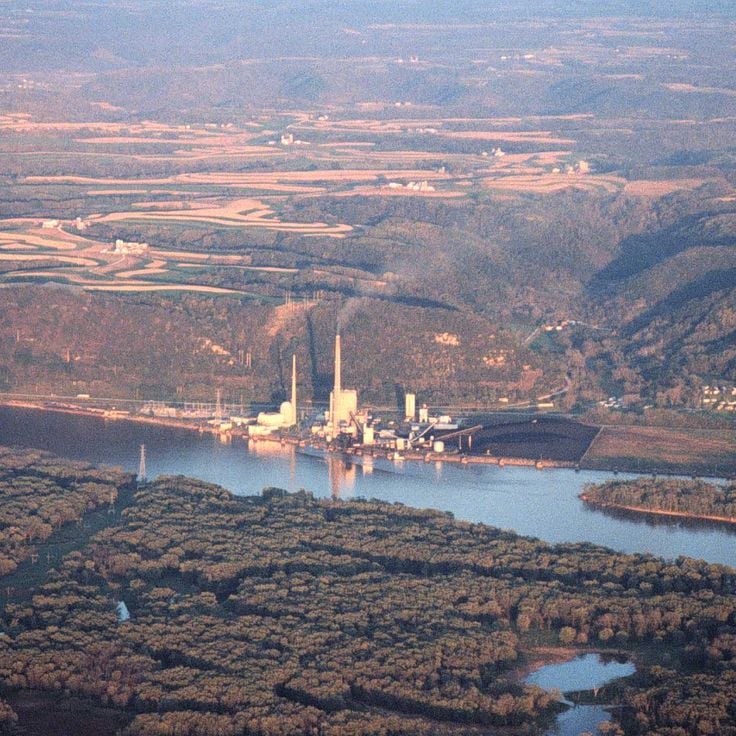
This facility on the Mississippi River housed a small boiling water reactor until operations ceased. The La Crosse Nuclear Generating Station became a testing ground for dismantling such installations after shutdown. The process stretched over several decades, as waste management and site rehabilitation required patience. Today, the land is almost entirely cleared. The history of this plant shows how long it can take to return a site to a natural state, and how complex the technical and legal challenges are.
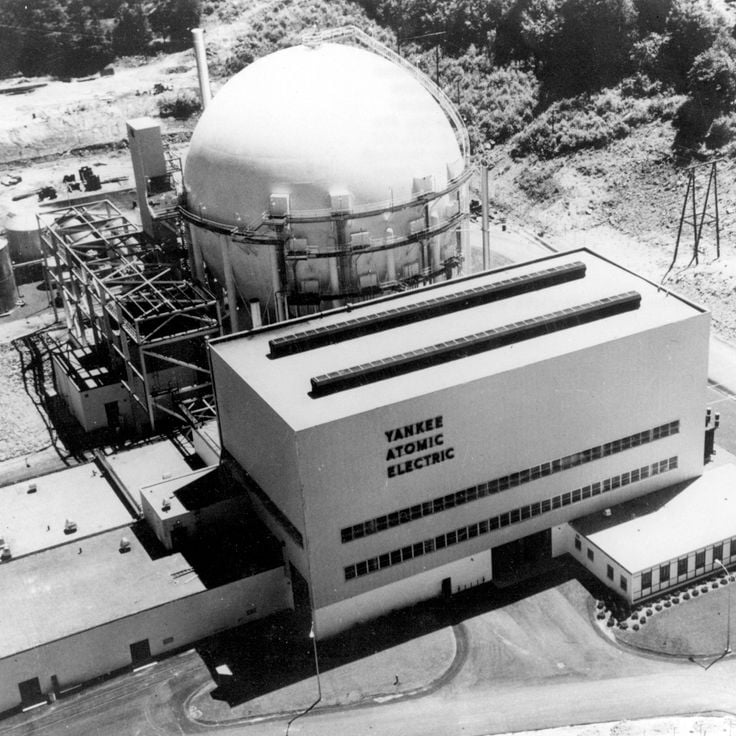
The Yankee Rowe nuclear power plant was the first commercial atomic facility in Massachusetts and generated electricity from 1961 to 1992 for the surrounding region, located in wooded hills near the Vermont border in an area of small villages and quiet river valleys. The reactor was among the earliest attempts by the United States to transform military atomic technology into a civilian energy source. After its closure, the facility went through a lengthy dismantling process that stretched over many years, showing how complex and slow the decommissioning of such plants can be. Today, few traces of its operation remain, as the landscape has reclaimed what was once an industrial site.
This plant stands on the shore of the Kakhovka Reservoir and ranks among the largest of its kind in Europe with six reactors. Since 2022, the site has been under military occupation, while Ukrainian technicians continue to monitor the systems. The reactor buildings and cooling towers dominate a flat, open landscape with security zones and checkpoints. The situation worries the international community because safe operation may be at risk. The plant once supplied much of Ukraine with electricity, but now represents the vulnerability of critical infrastructure in wartime.
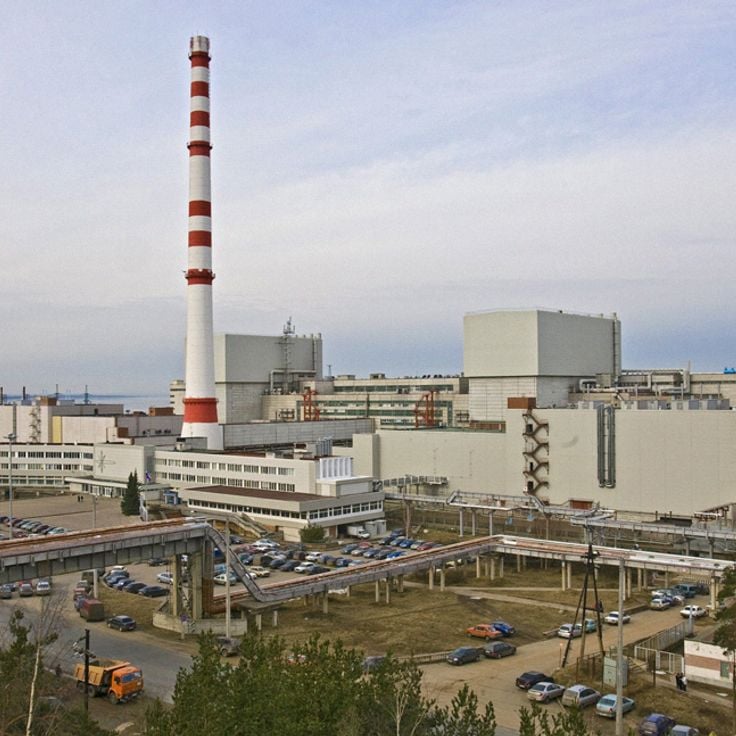
The Leningrad nuclear plant stands on the Gulf of Finland, roughly eighty kilometers west of Saint Petersburg. Built in the seventies and eighties, this facility uses RBMK reactors similar to those at Chernobyl, combining graphite as a moderator with water cooling. After the 1986 disaster, several safety improvements were introduced here. This nuclear plant supplies electricity to the surrounding region and plays an important role in energy provision across northwestern Russia. A more recent facility with pressurized water reactors is under construction nearby to gradually replace the older units. The complex sits in a wooded coastal zone where industry meets nature.
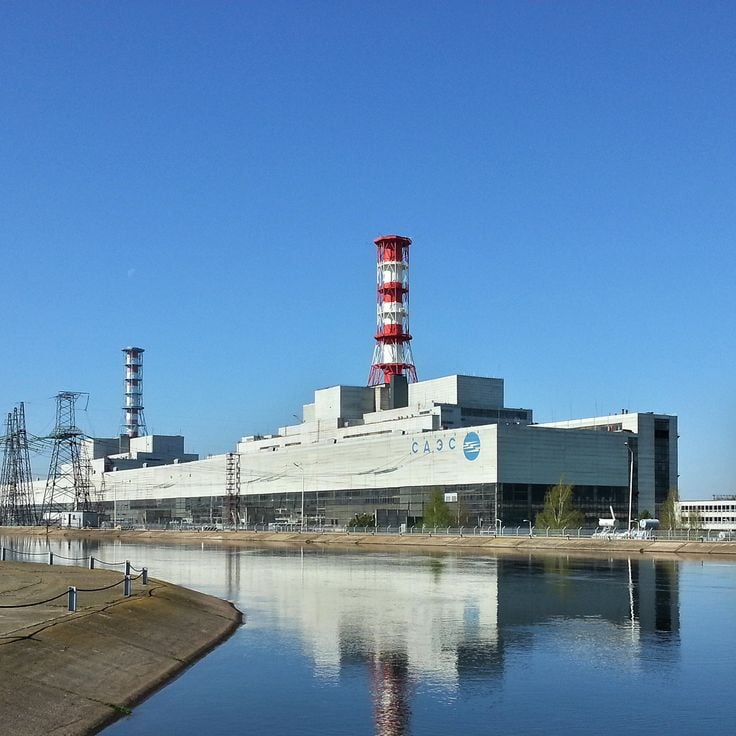
The Smolensk Nuclear Power Plant has supplied electricity to the region since Soviet times. It originally used RBMK reactors, the same design as Chernobyl, before older units were replaced with more recent installations. The development of this facility near Desnogorsk shows the evolution of Russian nuclear technology from early Soviet models to current systems. It provides power to several million households.
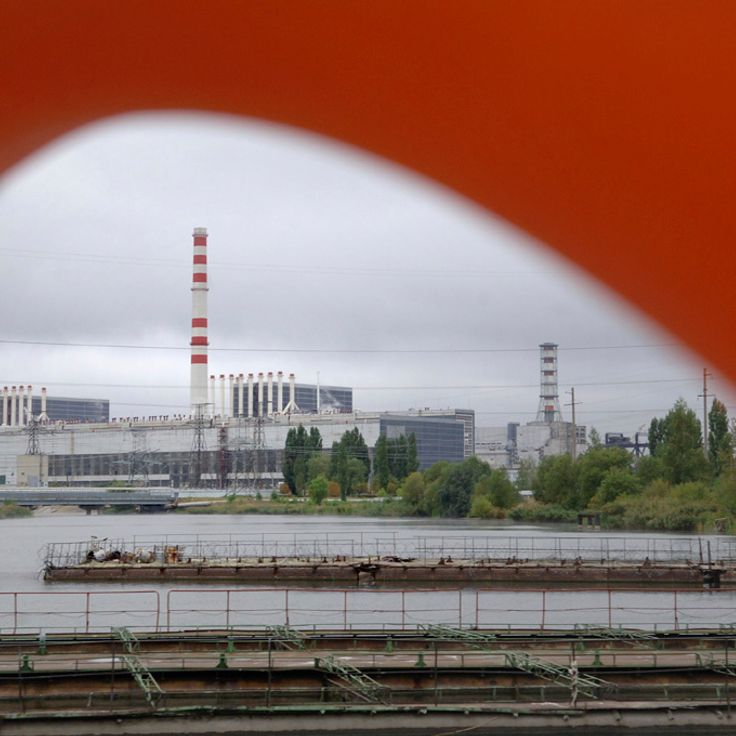
The Kursk nuclear plant is part of the Soviet installations built with RBMK reactors, the same type used in Chernobyl. It stands in southwestern Russia, near the town of Kurchatov, beside an artificial lake created for cooling. Its four reactors began operation between the 1970s and 1980s and supplied electricity to the region for decades. After the Chernobyl accident, safety measures were strengthened, but the design remained controversial. Today, a new generation of pressurized water reactors is under construction at the same site to gradually replace the older units. This plant shows how Russian nuclear technology has evolved over the decades and remains an essential part of the regional power grid.
The Balakovo nuclear plant stands on the shore of the Volga River and ranks among the largest of its kind in Russia. It operates with four VVER reactors, a design developed in the Soviet Union and now in use across several countries. The facility supplies electricity to a wide region. The river provides cooling for the reactors. The surrounding landscape is flat and agricultural. A small town was built nearby to house the staff. The plant came online in stages during the 1980s and 1990s. It plays an important role in Russian electricity supply and demonstrates how the country relies on large reactor blocks to meet its energy needs.
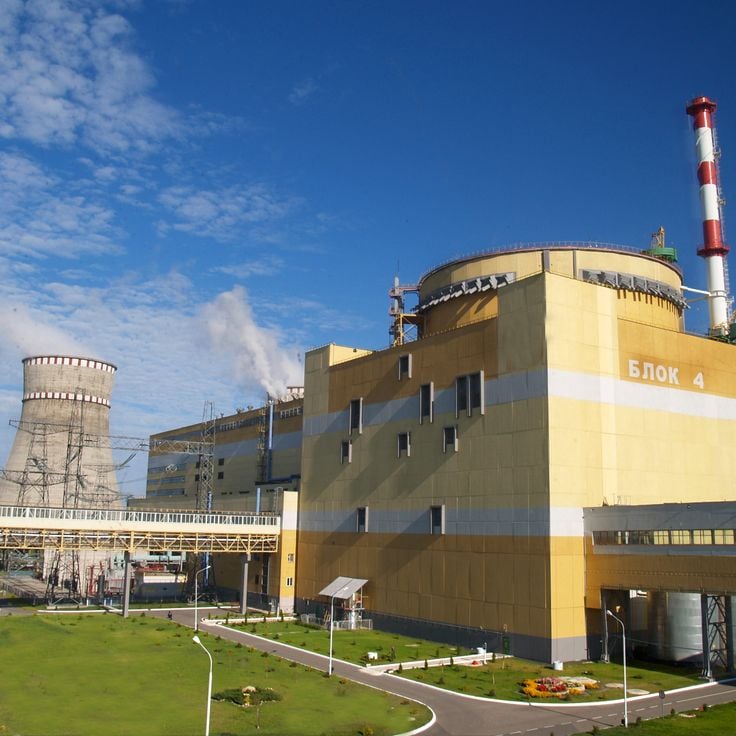
The Rivne nuclear power plant operates in western Ukraine with pressurized water reactors of Soviet design. The first units began operating in the 1980s, when Ukraine was still part of the Soviet Union. More reactors were added later, and the plant became one of the country's main sources of electricity. It sits in a rural area surrounded by forests and fields, where the industrial operations inside go almost unnoticed. Workers come from nearby villages and a small town close by. Despite its strategic role, the plant remains mostly out of sight for those passing at a distance, protected by security perimeters and long access roads. Its history is closely tied to the political upheavals of the region and debates over energy security in Eastern Europe.
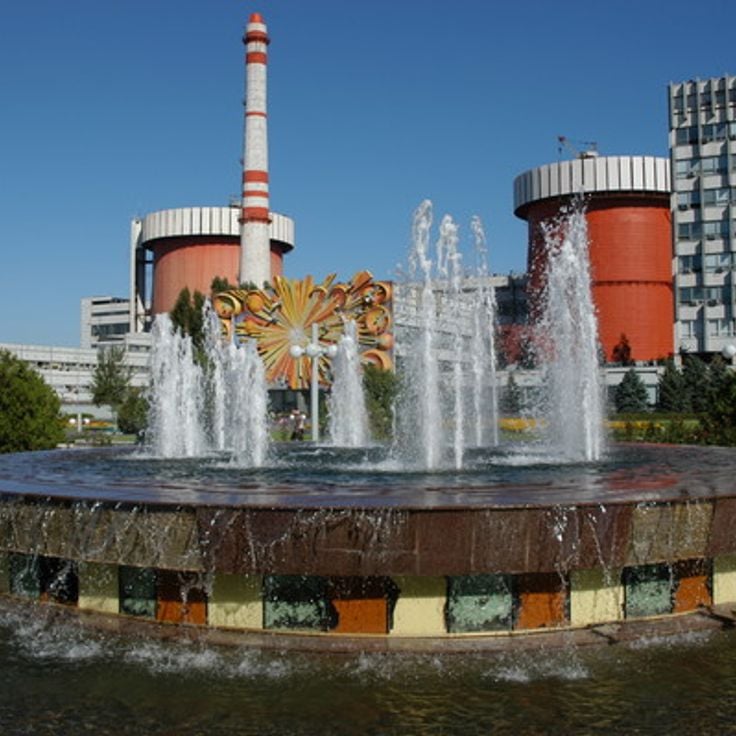
The South Ukraine Nuclear Power Plant stands near Youjnoukrainsk, a few dozen kilometers from the Buh River and not far from the Black Sea coast. This installation supplies electricity to a large part of the southern region and plays an important role in the energy supply of the area. Three reactors operate here, built in the 1980s following Soviet designs. The buildings rise above the flat steppe landscape, surrounded by cooling ponds and high-voltage lines that cross farmland. In the surrounding villages live many worker families whose daily lives are connected to the plant. This nuclear facility is located in a geographically sensitive zone, near Odessa and other port cities, which gives it strategic importance. The proximity to the sea influences the cooling system and the general operation of the installation.
This plant used two RBMK reactors, the same model as Chernobyl. The Soviet technology was mainly deployed in Lithuania and Russia. The facility started operating in the 1980s and supplied electricity to the country for over twenty years. After Lithuania joined the European Union, the plant was closed in 2009, a condition imposed for EU entry. These reactors are considered vulnerable because they lack a concrete containment shell. Today, the site is being decommissioned, a process that will take several decades. The nearby town of Visaginas was built for the plant workers and still lives with this industrial legacy.
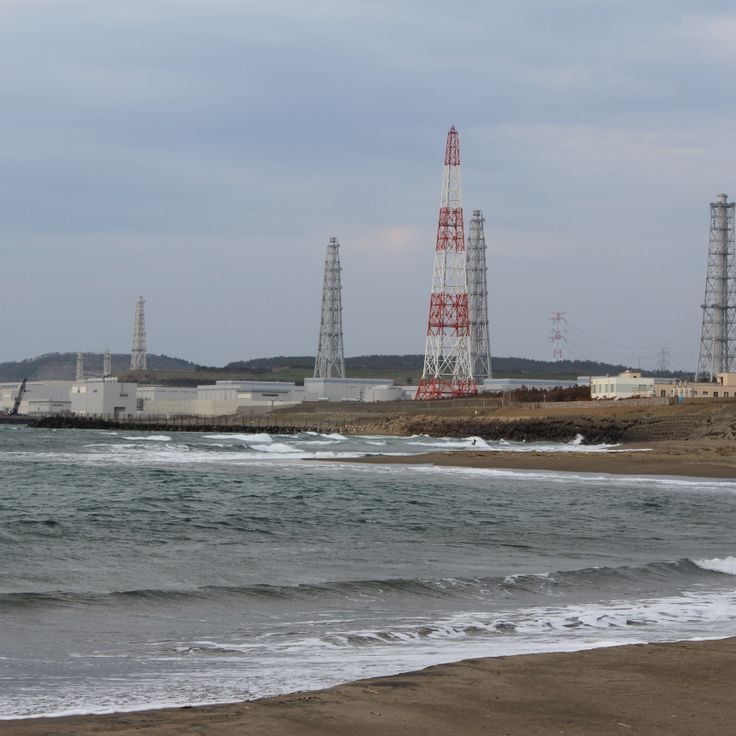
This facility on the west coast of Honshu has the highest installed capacity of its kind in the world. The plant includes seven reactors spread over an extended area. The seaside location was long considered an advantage for cooling, but it proved to be a weakness: after the 2007 earthquake, the reactors remained shut down for years. The surroundings are marked by rice paddies and small coastal villages. Seen from outside, the plant resembles a small industrial town with towers, pipes, and security fences. The coast is rough, the wind often strong. The local population has lived for decades with this installation, between economic benefits and worry after each major tremor.
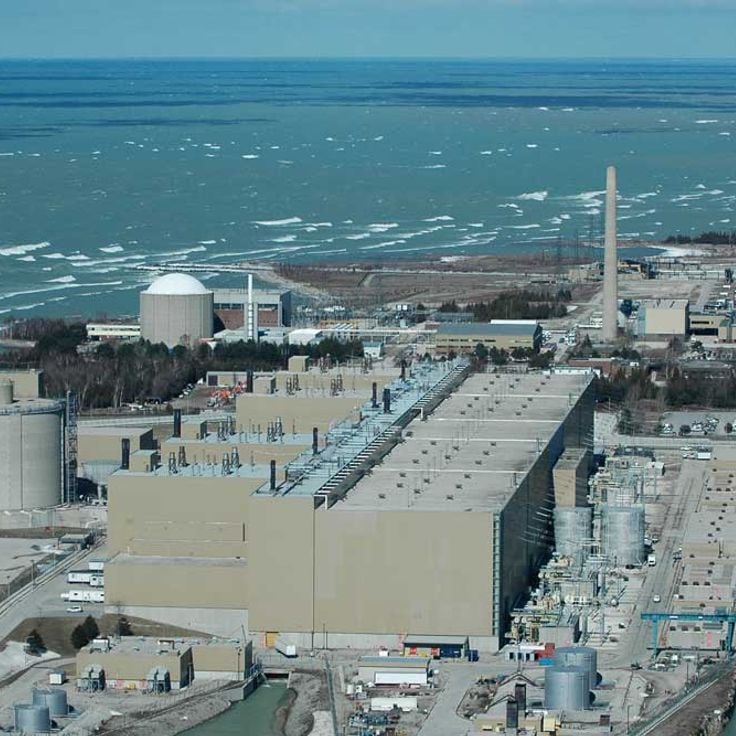
This facility in Tiverton ranks among the most powerful nuclear plants in the world and has supplied electricity to much of Ontario since the 1970s. Eight reactors operate here on a site beside Lake Huron, in a region long shaped by agriculture. The towers and buildings rise above flat farmland and form an industrial silhouette on the horizon. For Canada, this place plays a central role in electricity supply, and nearby communities have lived for decades with the proximity of nuclear technology. The facility has been gradually expanded and modernized to extend its lifespan and improve safety. Visitors mostly see the massive cooling towers, which release steam into the sky, and the security zones that surround the site.
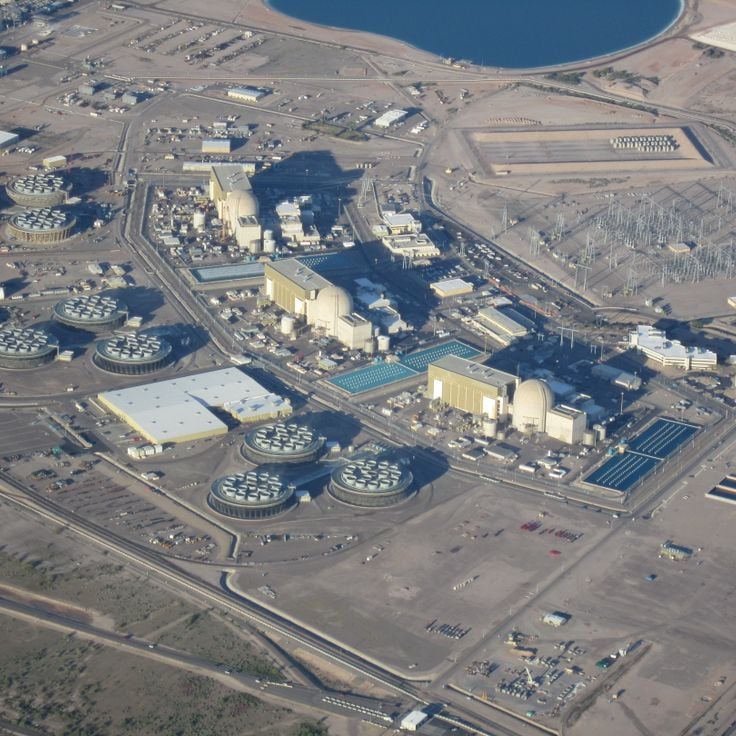
The Palo Verde nuclear plant stands in the middle of the Arizona desert and is the largest nuclear facility in the United States, measured by its electrical output. The three reactors supply several million households in the Southwest. The cooling towers rise above the flat, dry landscape, and the plant uses treated wastewater from Phoenix, since it sits far from any natural waterway. The installation shows how nuclear energy can operate even in extremely arid regions.
The Diablo Canyon plant sits directly on the Pacific coast, framed by steep cliffs and small coves. Its two reactors supply power to several million households in northern and central California. As the only active facility of its kind left in the state, it plays a central role in regional energy supply. Its location in a seismically active area makes it one of the most closely monitored sites in the country. Geologists regularly study the faults nearby. The grounds are large, fenced, and heavily secured. From the outside, you see only the characteristic domes and cooling towers standing out against the blue sky and open ocean. The surroundings are rather dry, with yellowed grass and low shrubs typical of the California coast. The plant sits at the heart of ongoing debates about energy security, seismic risks, and the future of nuclear power in a state that has committed strongly to renewable energy.
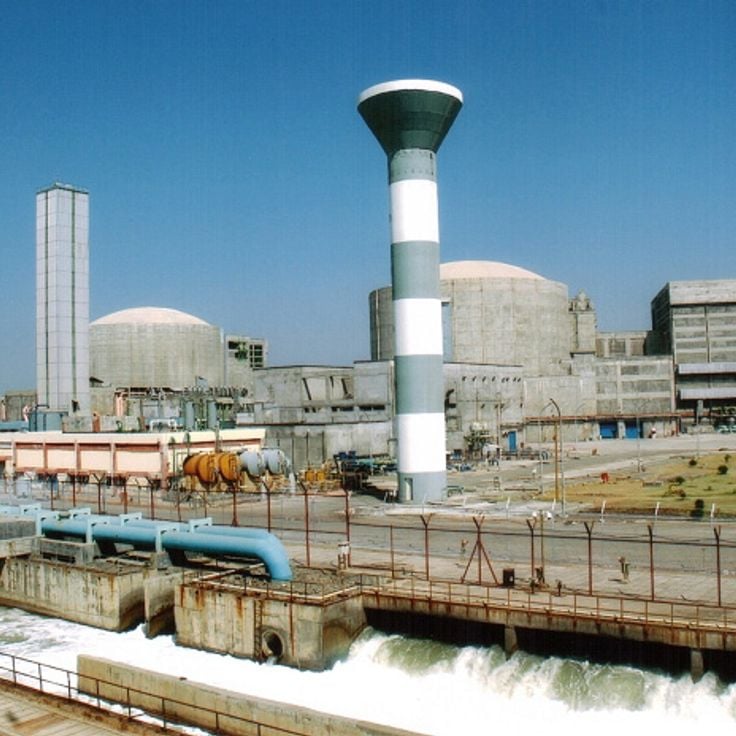
The Tarapur nuclear power plant was the first commercial facility of its kind in India and has been producing electricity since 1969. It sits on the coast of the Arabian Sea north of Mumbai and started with two boiling water reactors supplied by General Electric under an American-Indian agreement. Over the following decades, Tarapur expanded several times: two pressurized heavy water reactors of Canadian design were added in the 1980s, followed by reactors of Indian design as the country developed its own nuclear capabilities. Today, the complex contains several reactor units representing different generations of technology. The coastal position allows the use of seawater for cooling. The plant illustrates India's journey from dependence on foreign suppliers to self-reliance in reactor design and fuel cycle management. Tarapur has at times been the subject of public debates about safety standards and environmental impact, particularly regarding tritium releases and spent fuel treatment. Still, the facility continues to supply electricity to millions of households in Maharashtra and neighboring states.
The Vogtle nuclear power plant in Georgia brought new reactors online after nearly three decades without fresh units in the United States. Two additional reactors were built starting in the 2010s, joining the two that have operated since the 1980s. This expansion marks an attempt to revive nuclear power in the country after a long period of hesitation. The plant sits along the Savannah River, surrounded by wooded areas and flat terrain. Technical difficulties and delays during construction made the project a closely watched case in the industry. Vogtle represents the difficult restart of American reactor technology in a changed political and economic landscape.
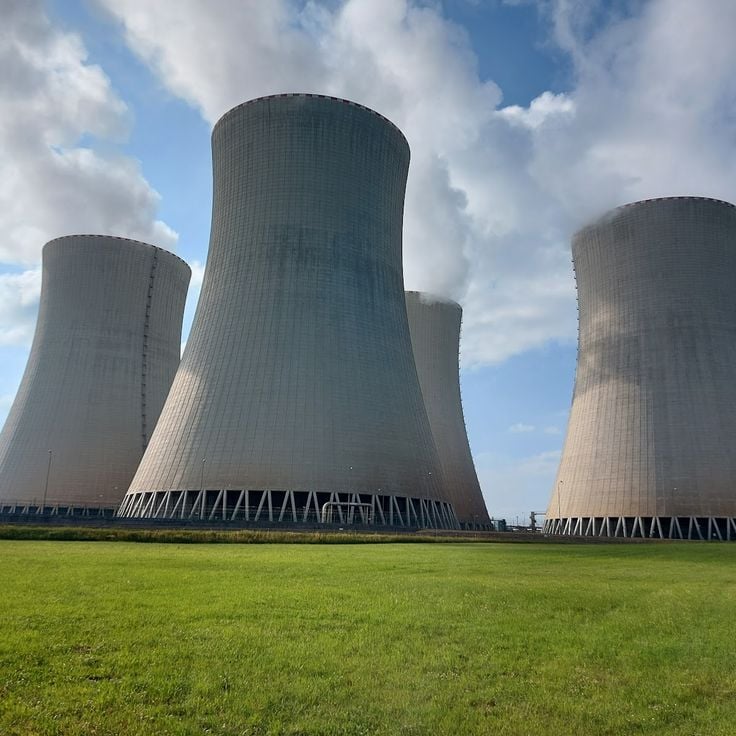
The Temelín Nuclear Power Station is the main source of atomic energy in the Czech Republic. The facility began operating in the early 2000s and supplies electricity to much of the country. Two pressurized water reactors of Soviet design were equipped here with Western technology, a project that sparked political and technical debates. The plant sits in a rural area of southern Bohemia and is among the facilities that formed a bridge between Eastern and Western nuclear standards after the end of the Cold War. The cooling towers rise above fields and forests, marking the landscape of the region. For the Czech Republic, this facility plays a central role in energy supply and in discussions about the future of nuclear power in Central Europe.
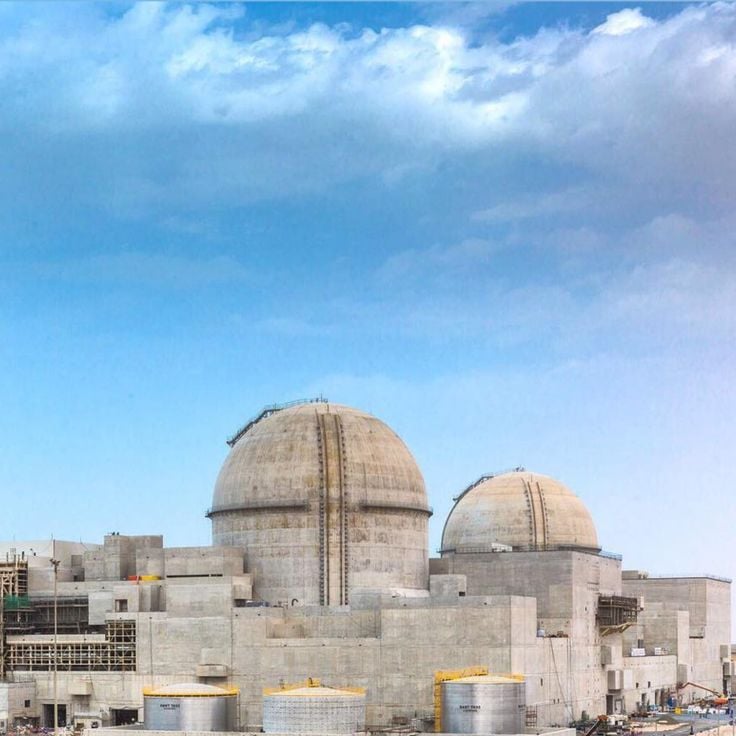
This plant brought the first nuclear power to the Arab world and sits west of Abu Dhabi in desert territory near the coast. Since 2020, four reactors have generated electricity using South Korean technology, reducing dependence on fossil fuels. The facility stands in flat, dry desert landscape where reactor buildings and cooling towers are visible from far away. Barakah marks the Gulf region's entry into civil atomic energy and changes the Emirates' energy strategy.
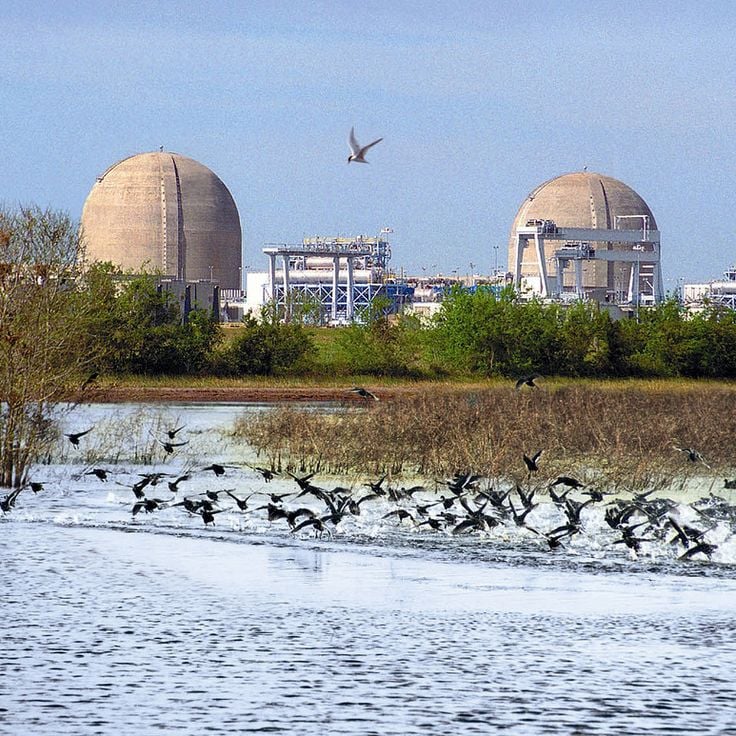
The South Texas plant sits south of Houston in a flat coastal area surrounded by prairies and canals. Commissioned in the 1980s, it supplies power to several million households. Its two cooling towers dominate the landscape and can be seen from far away. The site covers a large area marked by security zones and technical facilities. Its proximity to the Gulf of Mexico and major urban centers makes it a key part of the Texas energy infrastructure. Visitors can only view the plant from a distance, but its presence is clearly felt throughout the region.
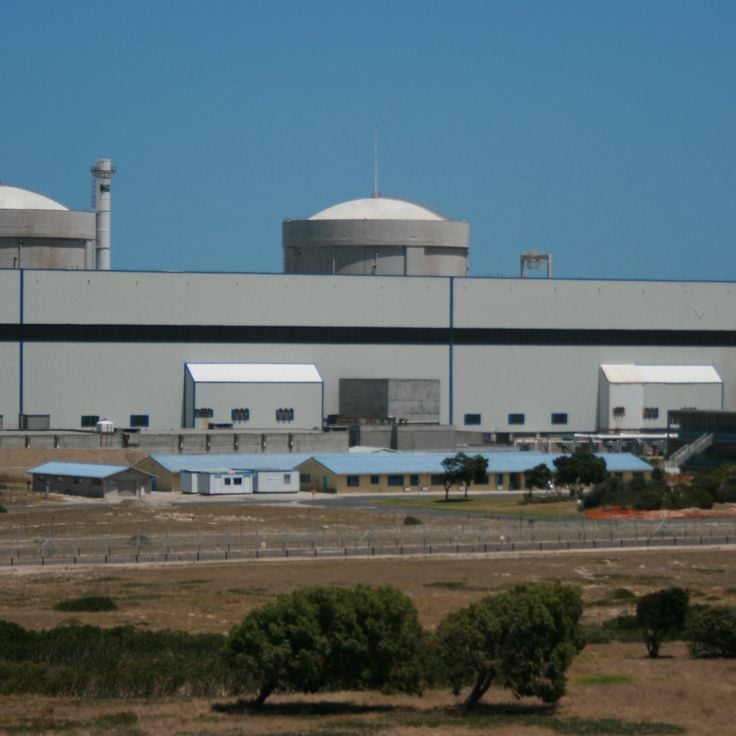
The Koeberg plant is the only nuclear power station on the African continent, standing about thirty kilometers north of Cape Town on the Atlantic coast. The two French-designed pressurized water reactors started operating in the 1980s and supply electricity to much of the Western Cape region. The site sits in an open coastal landscape of dunes and low scrub, not far from small fishing villages. Security zones separate the facility from its surroundings, but the cooling towers remain visible from a distance. In a country facing energy shortages, this power station plays an important role in supplying electricity to the metropolitan area and surrounding communities.
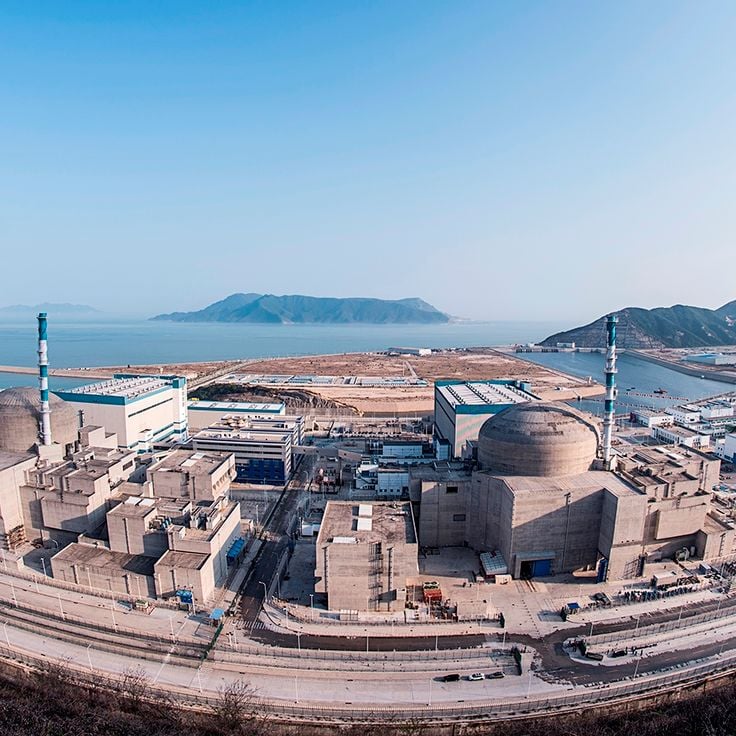
The Taishan Nuclear Power Plant uses French EPR reactors, some of the most powerful of their kind in the world. This facility demonstrates the technical cooperation between China and France in atomic energy and embodies China's drive to meet its growing electricity demand through advanced reactor technology. The reactors operate with modern safety systems and supply power to much of the southern coastal region of China. Seen from a distance, the cooling towers and containment buildings recall the industrial character of this form of electricity generation.
The Hongyanhe nuclear power plant supplies electricity to the industrial regions of northeastern China and ranks among the largest facilities in the country. Multiple reactors provide power to households and factories across Liaoning Province. Cooling towers and reactor buildings shape the coastal landscape along the Yellow Sea. Engineers and technicians work around the clock to maintain operations. The area surrounding the plant is restricted, with checkpoints and security perimeters encircling the site.
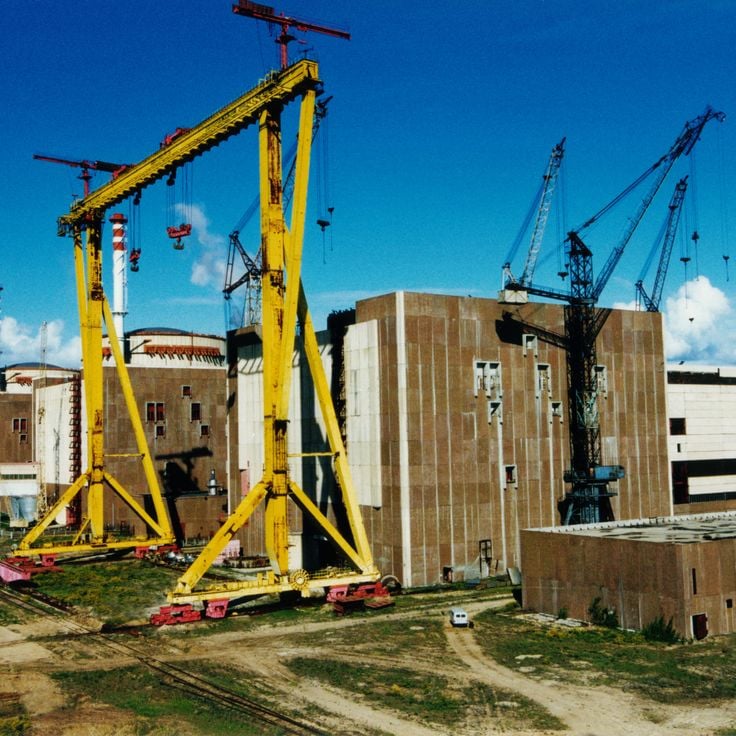
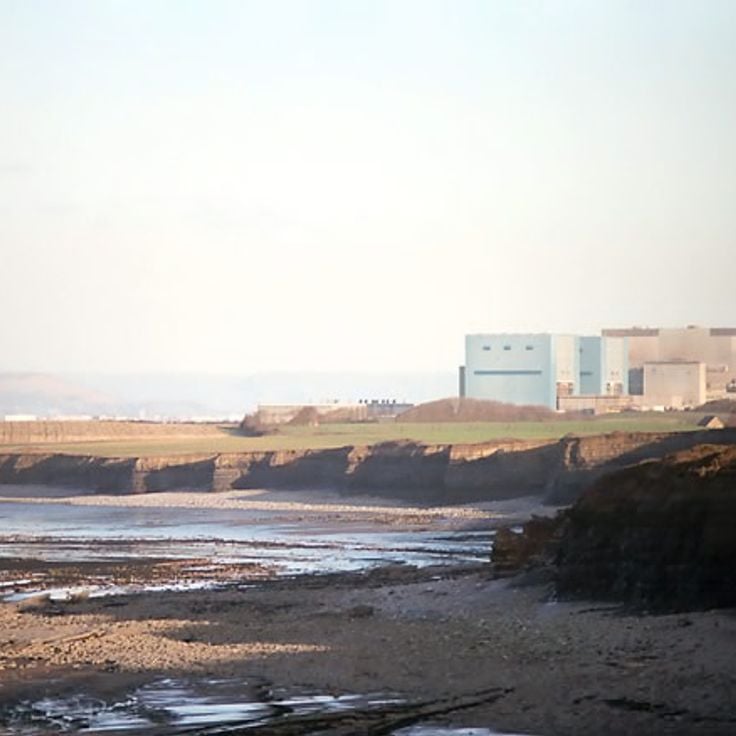
Hinkley Point C rises on the Somerset coast and is designed to house two EPR reactors of French design. The construction site spreads across a wide area near the sea, where two older nuclear power stations already operate. The facilities remain under construction, and their completion has been delayed for years. The EPR reactor model was developed in France and stands out for its technical complexity. The area around the site remains rural, with fields and small villages nearby. The station sits in a zone that has used nuclear energy for decades. Once operational, the new plant should supply a large portion of British electricity. The development of this project shows the difficulties and delays tied to building modern nuclear plants, and fits within the context of British energy policy after Brexit.
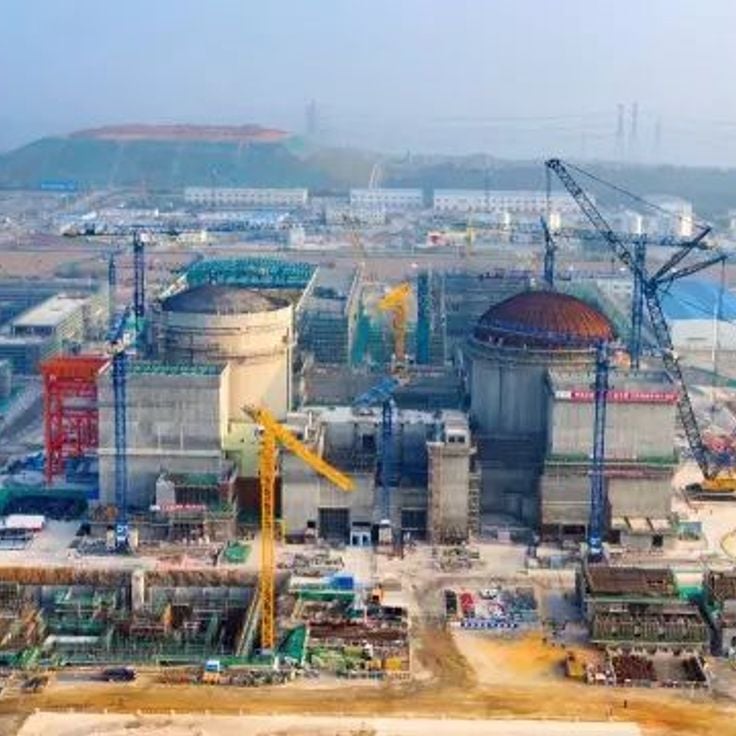
The Flamanville nuclear power plant stands on the Normandy coast, where it combines a long history of electricity production with one of the most debated construction sites in Europe. Two older pressurized water reactors have been generating power since the 1980s, while a third EPR-type reactor has been under construction since 2007. This project has far exceeded its original timelines and budgets, fueling ongoing debates about the economic viability of nuclear energy. The construction site sits in a rural area facing the English Channel, surrounded by fields and small villages. Over the years, local residents, engineers and policymakers have followed the progress while technical challenges and safety inspections repeatedly altered the schedule. This power plant represents the difficulties and ambitions of the European nuclear industry in the 21st century.
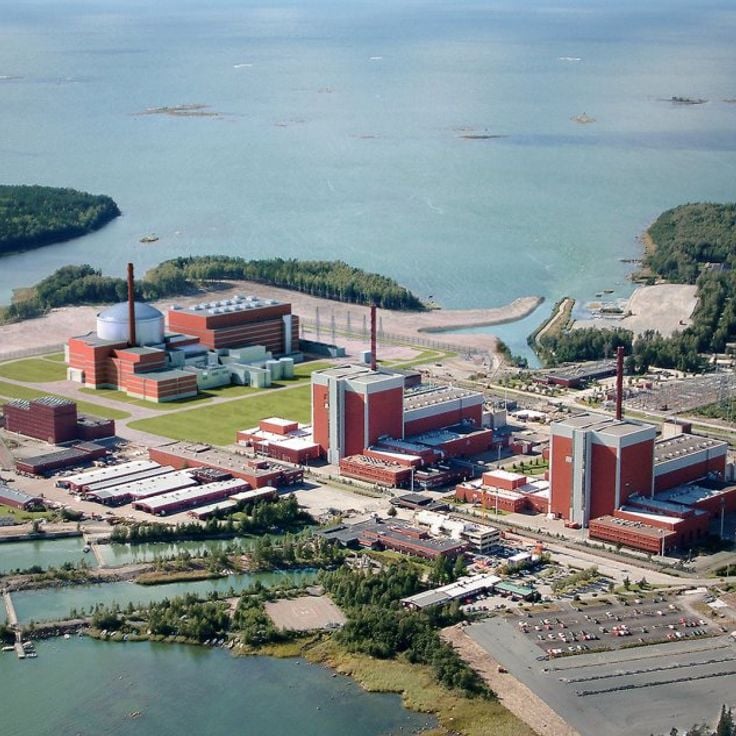
The Olkiluoto nuclear power plant sits on Finland's west coast and made history with its third reactor. This unit was the first European pressurized water reactor of its generation and began operating after more than a decade of delays and technical challenges. The facility produces a large share of Finnish electricity and shows the difficulties that can arise when building new reactor types. The two older reactors at the site had been running for decades before. The coastal location allows cooling with seawater, while the entire complex is anchored deep in the bedrock. Olkiluoto became a teaching example for the future of nuclear power in Europe, between technical ambition and the realities of managing large projects.
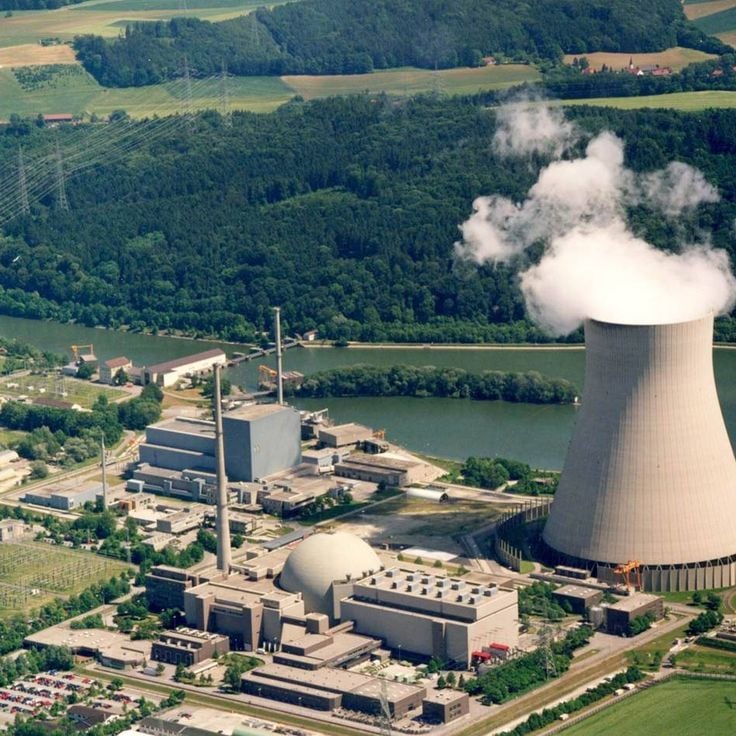
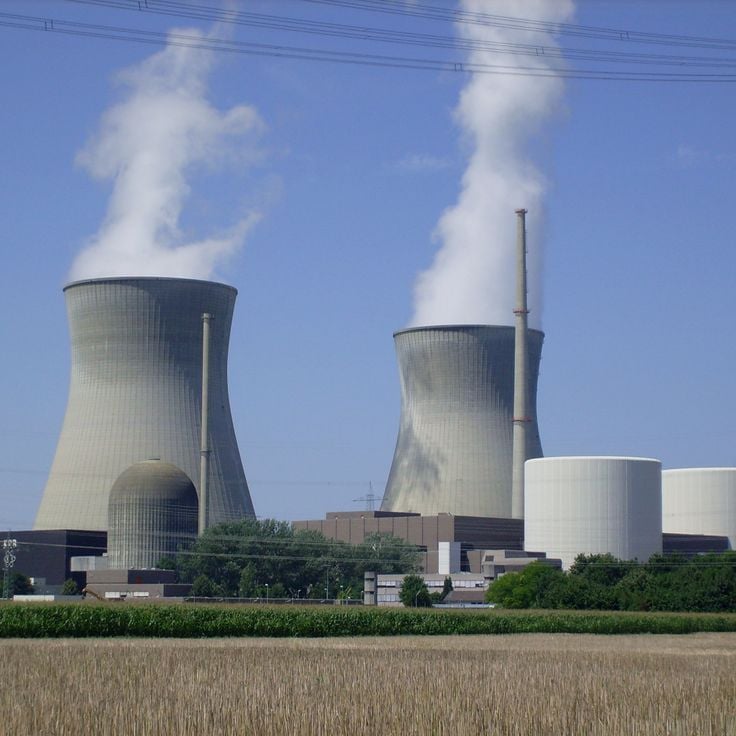
The Isar nuclear power plants stand southeast of Landshut along the Isar River in a rural area between Munich and the Austrian border. Until April 2023, two reactors supplied electricity for more than four decades and ranked among the last active atomic facilities in the country. With the final shutdown, a chapter of German energy policy came to a close, marked since the 1980s by public debates and demonstrations. Now the dismantling of the towers and buildings begins, a process that will take decades. The two cooling towers, which long defined the flat landscape, still stand but will gradually disappear. In the surrounding villages, people talk about the time when the plant offered thousands of jobs and shaped the local economy. Now the region slowly transforms as Germany reorients its energy mix.
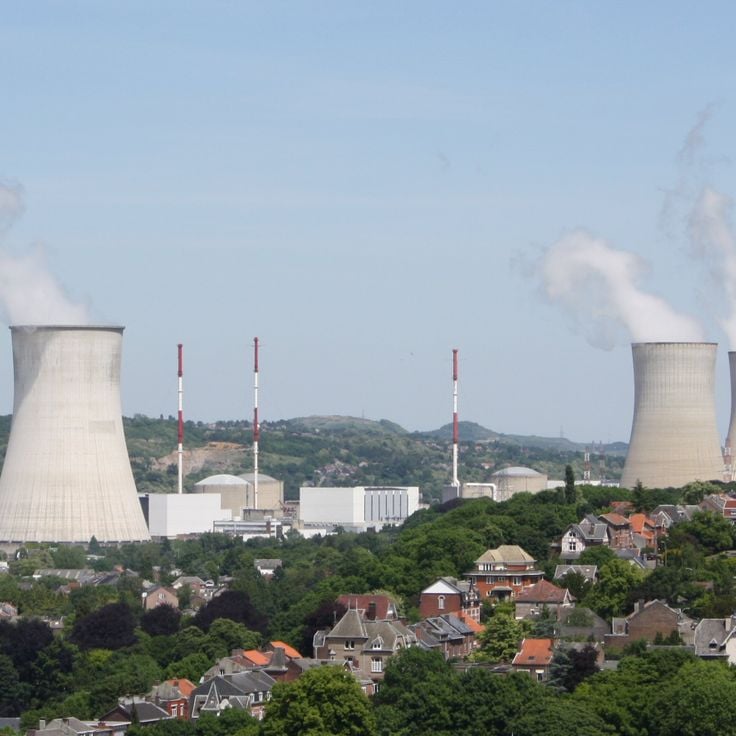
The Tihange Nuclear Power Station stands near the town of Huy along the Meuse River and supplies Belgian households with electricity. Its three reactors started operating in the 1970s and 1980s. In neighboring Dutch and German regions, residents have discussed the plant's safety for years. Inspections revealed cracks in the reactor vessels, and the technology is aging. The Belgian government and the operator maintain that international standards are met. For many people on both sides of the border, the topic has become part of daily life. There are information campaigns, distribution of iodine tablets, and regular debates in the media. The plant shows how national energy policy and regional safety concerns meet in a densely populated part of Europe.
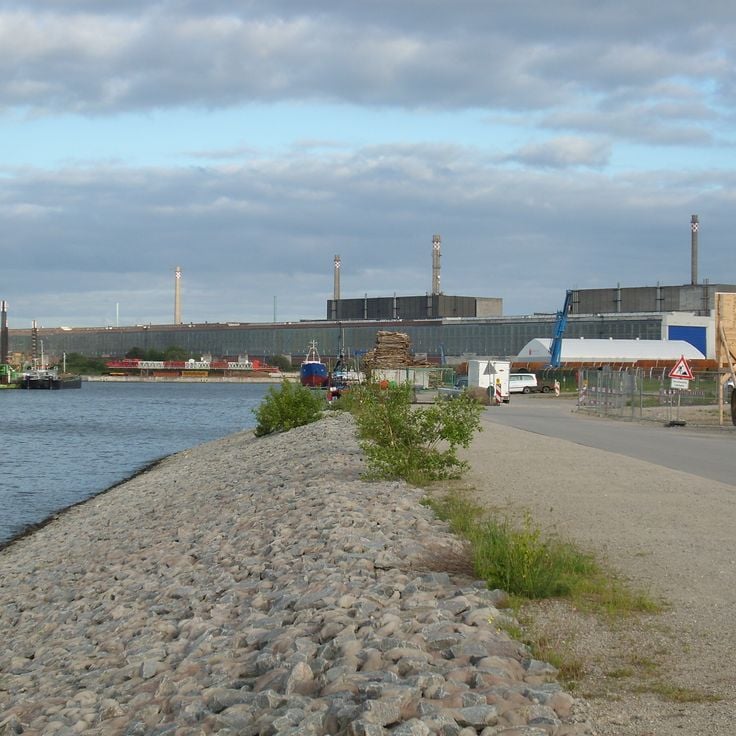
This plant was one of the largest nuclear facilities in East Germany and supplied much of the country with electricity. After the fall of the Berlin Wall and German reunification, the station was shut down for safety reasons. The Soviet reactors did not meet Western safety standards, which led to its permanent closure. Today the site is being dismantled, a process that takes several decades. The cooling towers and buildings recall a time when nuclear energy played a central role in the East German economy. The place shows how political changes can transform a country's energy policy.
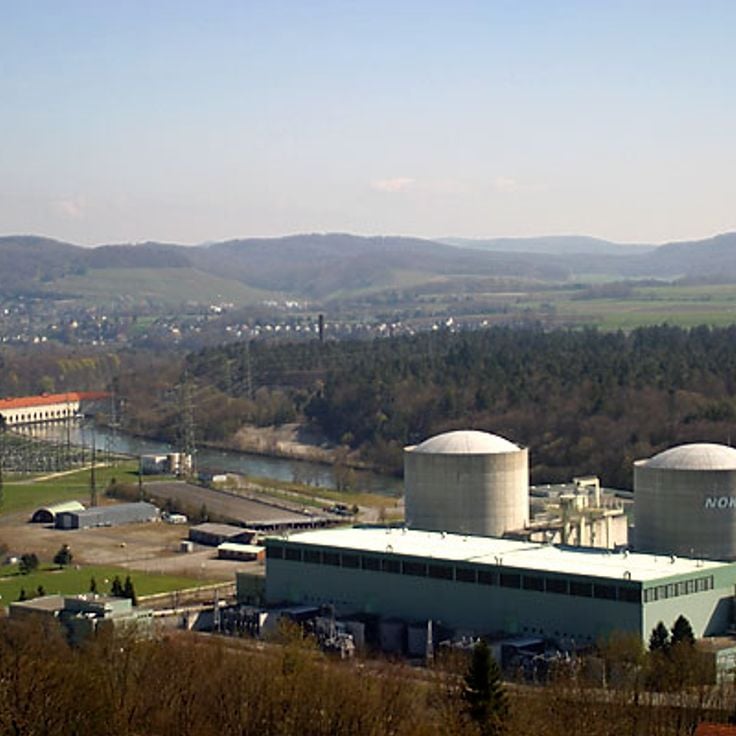
This facility on the banks of the Aare began producing electricity in 1969 and remains the oldest operating nuclear power plant in the world. The two reactors were originally designed for a lifespan of 40 years, but after several upgrades and safety reviews, they continue to supply energy to about one million people. The cooling towers and buildings rise in a river landscape near the German border. For decades, debates have accompanied this plant regarding the extension of its operation and its future shutdown, while it still plays an important role in Swiss energy supply.
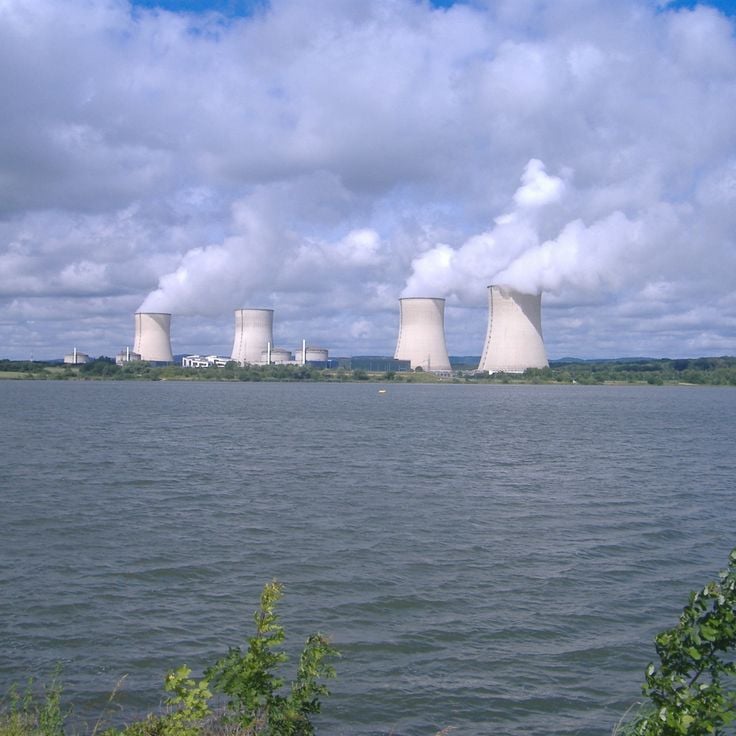
The Cattenom Nuclear Power Plant sits along the Moselle River, just a few miles from the Luxembourg border. This facility ranks among the largest in France and operates four pressurized water reactors. The cooling towers shape the landscape on the French side of this border region. Because of its proximity to Luxembourg and Germany, Cattenom has sparked political debates over the years, especially among neighbors who raise safety concerns. The plant supplies a considerable portion of the French power grid and plays a central role in the country's energy policy. Around the site stretch agricultural lands and small villages that live alongside this electrical infrastructure.
This nuclear plant stands on the Channel coast near the Belgian border and is the most powerful facility in France. Its six reactors supply electricity to several million homes. Built in the 1970s and 1980s, it shapes the flat coastal landscape with its cooling towers, visible for miles around. The nearby sea provides cooling water for the reactors. Fishing boats pass along the installations, while beachgoers see the large structures on the horizon. The Centrale nucléaire de Gravelines plays a central role in French electricity supply and shows the country's strong reliance on nuclear power.
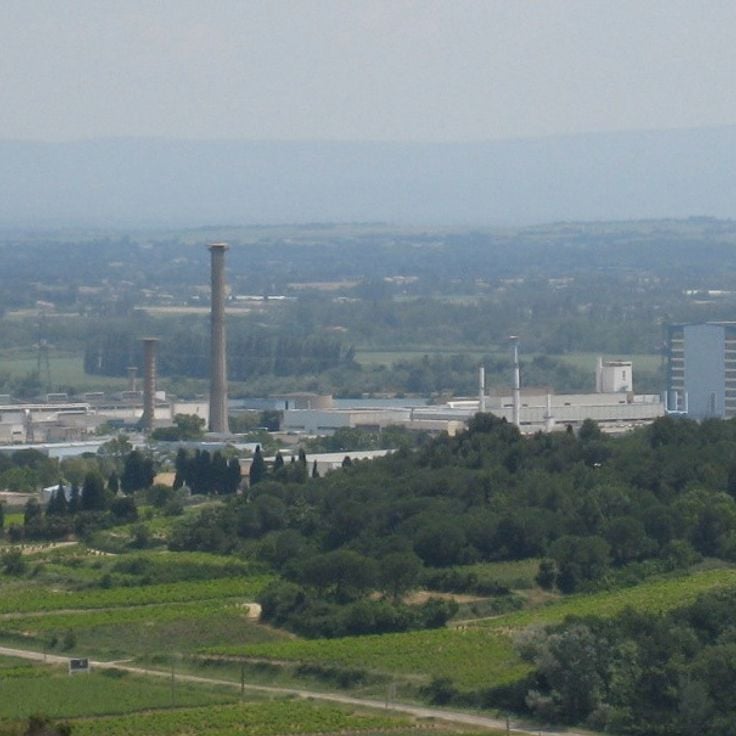
The Tricastin Nuclear Power Plant stands in the Rhône Valley and operates four reactors that supply electricity to homes in southern France. The site also houses uranium enrichment facilities. The plant spreads between vineyards and fields along the river that feeds the cooling circuits. Cooling towers rise above the landscape along the access roads. Nearby towns have grown alongside the plant for decades. The grounds combine power generation with industrial processes for fuel preparation. Security zones border the perimeter and frame the entrances. Anyone crossing this region sees a central piece of French energy infrastructure.
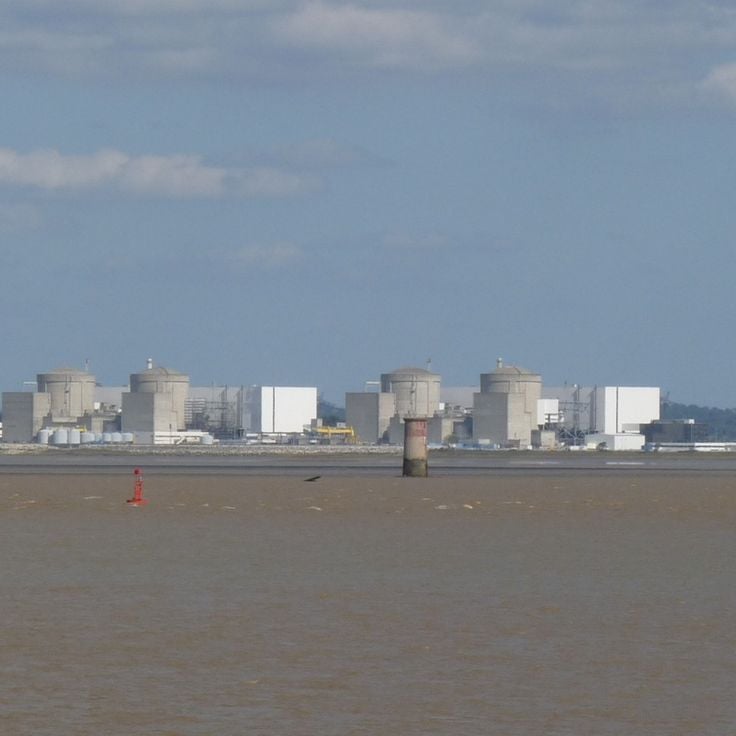
The plant stands on the banks of the Gironde estuary, a few miles north of the small town of Blaye. Four reactors were built here between the seventies and eighties on flat land protected by levees against tides. In December 1999, a storm caused flooding that submerged parts of the facility and knocked out several safety systems. This incident revealed the vulnerability of the infrastructure to extreme weather events and led to new protective measures at French sites. The area around the plant is marked by vineyards and farmland, while the cooling towers remain visible from far away. The proximity to water was essential for cooling, but it also carried risks.
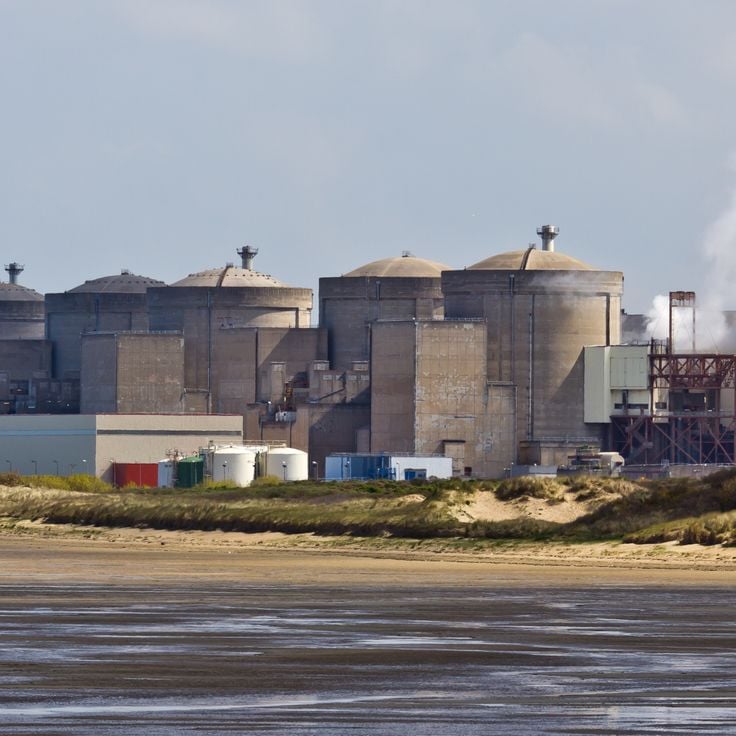
This plant in Normandy stands on the coast along the English Channel and ranks among the most powerful installations in the French nuclear fleet. Four reactors line the shore, their cooling towers rising above the cliffs and shaping the skyline of this coastal region. The facility supplies electricity to several million households and uses seawater to cool the turbines. The site sits in a rural area with fields and small villages, the contrast between industry and agriculture is clearly visible. Visitors notice the long access road leading directly to the coast and the security zones around the reactor buildings. On clear days you can spot the four main structures from the sea, in service since the 1980s.
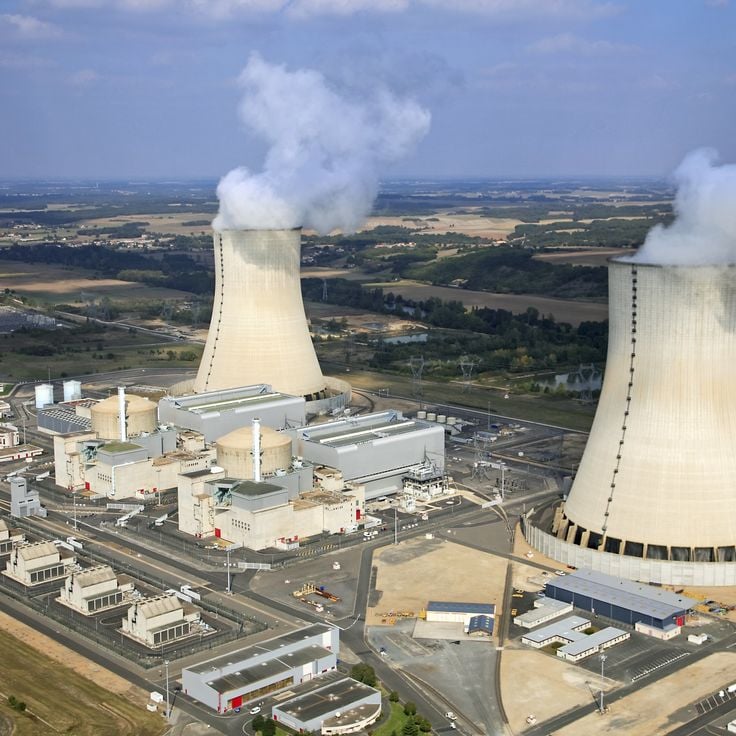
This nuclear power plant along the Vienne is among the most recent facilities in France. Its two pressurized water reactors went into operation in the late 1990s and early 2000s, using the most advanced construction generation of the French nuclear program. The cooling systems draw water from the river, and the two cooling towers can be seen from far away in the countryside. The plant supplies electricity to hundreds of thousands of households and shows the ongoing development of French nuclear technology after several decades of experience. It represents an attempt to improve the reliability of older models while raising safety standards.
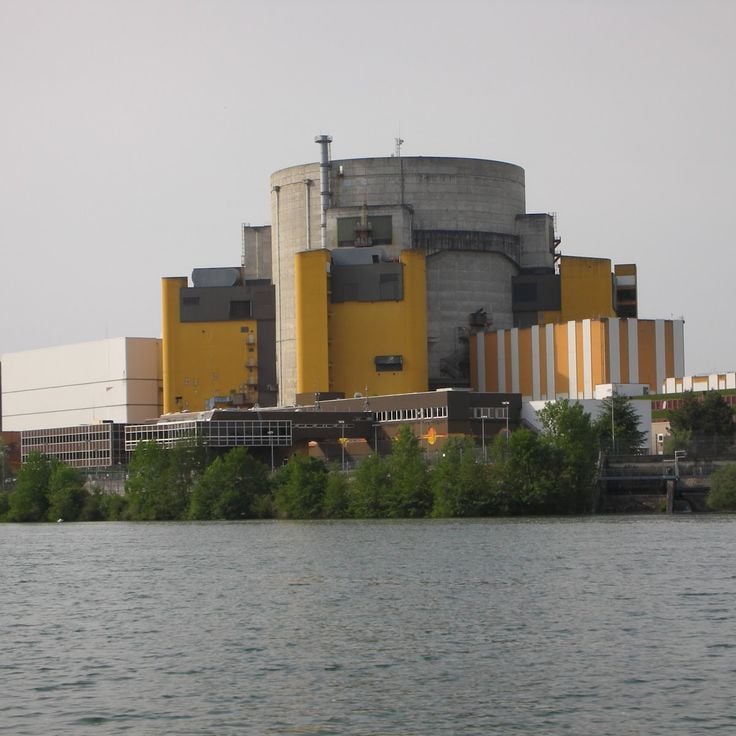
This facility on the banks of the Rhone River was one of the French attempts to develop fast breeder reactor technology. The reactor used liquid sodium for cooling and served as a step between experimental installations and large commercial projects like Superphénix. The plant operated for thirteen years, providing lessons about how this type of reactor functions and its limitations. Today the site is being dismantled, components are taken apart and materials removed piece by piece. The towers and buildings still stand, but the internal parts are being emptied gradually. The place shows how much time it takes to dismantle an atomic facility after it closes.
The Phénix reactor was an experimental facility at the Marcoule research center that operated from 1973 to 2009. It used liquid sodium as a coolant and operated with fast neutrons, a technology designed to use fuel more efficiently. For several decades, this installation served as a research platform and provided important lessons for building the larger Superphénix reactor. Although Phénix had a mainly experimental purpose, the reactor also produced electricity that supplied the French grid. The experience gained influenced French nuclear research and helped clarify the possibilities and limitations of this type of reactor.
The AVR reactor was an experimental facility that explored new approaches to nuclear energy in the 1960s and 1970s. Unlike most reactors of its time, it operated with spherical fuel elements that moved through a vertical core. The concept aimed to reach higher temperatures and improve safety, but it encountered technical difficulties. Graphite dust and unexpected radioactive releases led to the project's shutdown after several years of operation. Today, the facility is closed and undergoing decommissioning. It remains a witness to the experiments Germany conducted in the second half of the twentieth century to develop alternative reactor types.
The THTR-300 in Hamm represents a German attempt at high-temperature reactor technology. This plant worked with spherical fuel elements made of graphite, filled with enriched uranium. After starting operations in 1985, technical difficulties emerged, including a 1986 incident that released small amounts of radioactive particles. The operators faced problems with fuel loading and reactor core control. The plant shut down in 1989 when the economic and technical feasibility of this reactor type became questionable. The decommissioned reactor today recalls the search for alternative paths in nuclear technology and the limits of experimental approaches.
The Chernobyl plant became the site of the worst nuclear accident in history in 1986, when one of its reactors exploded and released large amounts of radioactive particles into the air. The explosion forced tens of thousands of people to evacuate immediately and created an exclusion zone that remains to this day. After the disaster, the destroyed reactor was first covered with a temporary concrete shell, later replaced by a modern steel structure designed to prevent further radiation leaks. The abandoned buildings, the silent streets of the nearby town, and nature reclaiming its space paint a powerful picture of the long-term consequences of such an accident. The site is not freely accessible, but organized tours allow visitors to approach the technical remains and learn about the history of this place that fundamentally changed the global debate on nuclear energy.
The Fukushima Daiichi plant became the site of a serious nuclear accident when an earthquake and tsunami in 2011 triggered the meltdown of several reactor cores. This facility on the Pacific coast shows the dangers nuclear power faces from extreme natural events and changed the global debate about reactor safety. The disaster led many countries to reconsider their use of nuclear energy. The surrounding region was evacuated across a wide area, and the effects of radiation persist today. Dismantling and decontamination will take decades. For the history of civil atomic energy, this plant marks a turning point that revealed the vulnerability of even modern facilities.
The Three Mile Island nuclear power plant lies along the Susquehanna River in Pennsylvania. On March 28, 1979, a partial core meltdown occurred in reactor 2, reshaping nuclear energy development in the United States. Though no deaths resulted, the event caused a decades-long halt in new reactor construction across the country. The accident unfolded through a combination of equipment failures and human misreading of warning signals. Today, the damaged reactor remains shut down while other units operated until recently. The plant occupies a river island surrounded by farmland and small towns. The cooling towers rise visible for miles, a reminder of that March morning when alarms filled the control rooms and the world watched Pennsylvania with concern.
This reactor in Tsuruga was meant to show that a fast neutron reactor cooled with liquid sodium could work. The facility was designed to produce and consume plutonium, allowing for a closed fuel cycle. After it started operating, there were technical problems, including a sodium fire that forced a shutdown lasting many years. The plant remained closed for most of its existence, as repairs and safety checks dragged on. Eventually, the decision was made to close it permanently, since the technical difficulties and costs were too high. Today, the site is being dismantled, and its history shows the limits of this reactor technology.
The San Onofre Nuclear Generating Station stands directly on the Pacific coast of California, between Los Angeles and San Diego. Two white domes now sit silent, following the plant's permanent closure in 2013 after problems with steam generators. The seaside location, where Route 1 runs along the cliffs, was once well suited for cooling the reactors. For decades, this plant supplied electricity to millions of households in southern California, until technical difficulties and public pressure led to its shutdown. Today, the beaches and campgrounds right next to the domes remain open, while dismantling continues inside. This coastal facility shows how close some civilian nuclear plants can be to populated areas and recreational spots. From viewpoints along the coastal road, the domes are clearly visible, almost like artificial hills between the blue ocean and the brown mountains of the backcountry.
The Bataan nuclear plant stands on the coast of Morong in the Bataan Peninsula, about two hours west of Manila. It was built in the late 1970s and early 1980s when the country sought greater energy independence. Construction stretched over years and generated heavy costs, but when work finished in 1984, the plant never started operating. Concerns about its proximity to several geological faults and a volcano, along with political shifts after the end of the Marcos dictatorship, led to keeping the facility closed. Today, the Bataan plant remains a silent witness to an energy strategy that never materialized, surrounded by tropical vegetation, while debates continue over possible use or permanent decommissioning.
This power plant in New Jersey started operating in 1969, becoming one of the first commercial nuclear facilities in the United States. The site on the Delaware River supplied electricity to the region for nearly fifty years before its final closure in 2018. Oyster Creek was built following the reactor model that became the standard of the American nuclear industry in the sixties. Its proximity to the sea and the flat coastal landscape influenced its technical design. Over the decades, several safety improvements were made, but economic reasons eventually led to the shutdown. The site sits in a sparsely populated area, surrounded by forests and wetlands. Today, the long process of dismantling the buildings begins.
The Centrale nucléaire de Tokai was Japan's first commercial reactor and marked the beginning of civilian atomic energy in the country. This facility entered service in 1966 and supplied electricity to the region for thirty years before being shut down in 1998. Today, the plant is being decommissioned, a lengthy process that takes decades and presents technical challenges. The Centrale nucléaire de Tokai sits on the Pacific coast near Tokyo and played an important role in the history of Japanese energy policy. The decommissioning attracts specialists from around the world who study the dismantling of reactor components and the disposal of radioactive materials. The site is not open to the public, but the history of this plant remains closely tied to the development of nuclear technology in Asia.
The Fukushima Daini nuclear plant sits on the coast of Fukushima Prefecture, south of Fukushima Daiichi. When the earthquake and tsunami struck in March 2011, the waves reached this site as well. The four reactors suffered damage to their cooling systems, but the operators managed to shut them down safely and avoid core meltdown. While Fukushima Daiichi became the symbol of nuclear disaster, Fukushima Daini shows how technical differences and rapid response can alter the outcome of such events. The plant remained in standby mode for years before its permanent closure was announced in 2019. The surrounding areas remain under restrictions, and the town of Naraha is among the places where residents returned slowly after evacuation.
This plant sits closer to the epicenter of the 2011 earthquake than any other nuclear facility in the region. While Fukushima Daiichi suffered severe damage, Onagawa remained functional. Engineers had built the protective seawalls higher than standards required, about 46 feet (14 meters) above sea level. This decision rested on studying historical tsunamis in the area. When the wave arrived, water almost reached the top of the wall, but the reactors stayed safe. The facility even served as a shelter for residents from nearby towns. Three reactors stand here on the coast of Miyagi Prefecture. The site shows how caution and careful planning can make a difference.
This nuclear plant sits on the shore of Lake Erie in northern Ohio and became an example of how close a serious failure can come without anyone noticing. In 2002, technicians found that the steel lining of the reactor vessel had corroded from the inside. In some places, hardly any material was left. A thin layer of stainless steel was all that held back the radioactive water. If that layer had given way, the water would have leaked out and spread through the containment building. The reactor had been running for months before anyone discovered the problem. The plant stayed closed for over a year while specialists investigated the causes and replaced the damaged parts. This incident led to tighter inspections and raised questions about the safety of aging reactors across the United States. The plant went online in the 1970s and has supplied electricity to parts of Ohio ever since. It reminds us how technical flaws can develop over long periods without being noticed and what danger they pose.
This facility on Florida's Gulf Coast came to an abrupt end after more than thirty years of operation when maintenance work on the reactor building caused severe damage. Repair costs were estimated at several billion dollars, leading the operator to permanently shut it down. The plant once supplied electricity to several hundred thousand homes. Today, dismantling is underway. Crystal River shows how technical problems with aging reactors can lead to unplanned closures, even without a classic accident.
This facility on the Atlantic coast generated electricity for Massachusetts for almost five decades before shutting down permanently in 2019. The reactor stood in a densely populated area where safety and environmental questions came up regularly over the years. Toward the end of its operating life, technical problems became more frequent as the equipment aged. The closure marks the end of an era in American atomic energy. Decommissioning work will continue for decades. The Pilgrim Nuclear Power Station remains an example of the challenges involved in running and shutting down older atomic plants, as this collection on the history of civilian nuclear energy shows.
This California plant closed in 1989 after a local referendum, a rare case where the population voted directly on the fate of a reactor. The Centrale nucléaire de Rancho Seco marks a turning point in American nuclear policy, when technical difficulties and public concerns converged after the Three Mile Island incident. The reactor operated for about 15 years, supplying electricity to the Sacramento region, before citizens voted by a narrow margin for its closure. The decision came after several operational incidents and safety concerns that eroded trust in the facility. Today, the site shows that communities can play an active role in energy policy, revealing the limits of public acceptance of this technology in democratic societies.
This power plant in Vermont stood on the banks of the Connecticut River for over forty years, at times supplying about a third of the state's households with electricity. The boiling water reactor closed in 2014 for economic reasons, even though its operating license had been extended. Low natural gas prices and growing competition from renewable energy made running the older reactor unprofitable. After the shutdown, dismantling work began, while debates over long-term storage of radioactive waste continue. This facility represents the challenges facing older reactors in the United States, which despite being technically capable of operating, could no longer withstand the changed market conditions.
The Piqua Nuclear Power Facility was a small experimental reactor in Ohio that operated for only a few years. The plant went into service in the early 1960s to test the use of organic liquids as a cooling fluid. This reactor was part of early American efforts to develop alternative technologies in civilian atomic energy. Technical problems multiplied quickly and the plant was shut down in 1966. Its brief operational period makes Piqua one of the shortest atomic energy experiments in United States history. The facility reflects a time when the industry was still testing different concepts before light water reactors became standard.
This facility on the Mississippi River housed a small boiling water reactor until operations ceased. The La Crosse Nuclear Generating Station became a testing ground for dismantling such installations after shutdown. The process stretched over several decades, as waste management and site rehabilitation required patience. Today, the land is almost entirely cleared. The history of this plant shows how long it can take to return a site to a natural state, and how complex the technical and legal challenges are.
The Yankee Rowe nuclear power plant was the first commercial atomic facility in Massachusetts and generated electricity from 1961 to 1992 for the surrounding region, located in wooded hills near the Vermont border in an area of small villages and quiet river valleys. The reactor was among the earliest attempts by the United States to transform military atomic technology into a civilian energy source. After its closure, the facility went through a lengthy dismantling process that stretched over many years, showing how complex and slow the decommissioning of such plants can be. Today, few traces of its operation remain, as the landscape has reclaimed what was once an industrial site.
This plant stands on the shore of the Kakhovka Reservoir and ranks among the largest of its kind in Europe with six reactors. Since 2022, the site has been under military occupation, while Ukrainian technicians continue to monitor the systems. The reactor buildings and cooling towers dominate a flat, open landscape with security zones and checkpoints. The situation worries the international community because safe operation may be at risk. The plant once supplied much of Ukraine with electricity, but now represents the vulnerability of critical infrastructure in wartime.
The Leningrad nuclear plant stands on the Gulf of Finland, roughly eighty kilometers west of Saint Petersburg. Built in the seventies and eighties, this facility uses RBMK reactors similar to those at Chernobyl, combining graphite as a moderator with water cooling. After the 1986 disaster, several safety improvements were introduced here. This nuclear plant supplies electricity to the surrounding region and plays an important role in energy provision across northwestern Russia. A more recent facility with pressurized water reactors is under construction nearby to gradually replace the older units. The complex sits in a wooded coastal zone where industry meets nature.
The Smolensk Nuclear Power Plant has supplied electricity to the region since Soviet times. It originally used RBMK reactors, the same design as Chernobyl, before older units were replaced with more recent installations. The development of this facility near Desnogorsk shows the evolution of Russian nuclear technology from early Soviet models to current systems. It provides power to several million households.
The Kursk nuclear plant is part of the Soviet installations built with RBMK reactors, the same type used in Chernobyl. It stands in southwestern Russia, near the town of Kurchatov, beside an artificial lake created for cooling. Its four reactors began operation between the 1970s and 1980s and supplied electricity to the region for decades. After the Chernobyl accident, safety measures were strengthened, but the design remained controversial. Today, a new generation of pressurized water reactors is under construction at the same site to gradually replace the older units. This plant shows how Russian nuclear technology has evolved over the decades and remains an essential part of the regional power grid.
The Balakovo nuclear plant stands on the shore of the Volga River and ranks among the largest of its kind in Russia. It operates with four VVER reactors, a design developed in the Soviet Union and now in use across several countries. The facility supplies electricity to a wide region. The river provides cooling for the reactors. The surrounding landscape is flat and agricultural. A small town was built nearby to house the staff. The plant came online in stages during the 1980s and 1990s. It plays an important role in Russian electricity supply and demonstrates how the country relies on large reactor blocks to meet its energy needs.
The Rivne nuclear power plant operates in western Ukraine with pressurized water reactors of Soviet design. The first units began operating in the 1980s, when Ukraine was still part of the Soviet Union. More reactors were added later, and the plant became one of the country's main sources of electricity. It sits in a rural area surrounded by forests and fields, where the industrial operations inside go almost unnoticed. Workers come from nearby villages and a small town close by. Despite its strategic role, the plant remains mostly out of sight for those passing at a distance, protected by security perimeters and long access roads. Its history is closely tied to the political upheavals of the region and debates over energy security in Eastern Europe.
The South Ukraine Nuclear Power Plant stands near Youjnoukrainsk, a few dozen kilometers from the Buh River and not far from the Black Sea coast. This installation supplies electricity to a large part of the southern region and plays an important role in the energy supply of the area. Three reactors operate here, built in the 1980s following Soviet designs. The buildings rise above the flat steppe landscape, surrounded by cooling ponds and high-voltage lines that cross farmland. In the surrounding villages live many worker families whose daily lives are connected to the plant. This nuclear facility is located in a geographically sensitive zone, near Odessa and other port cities, which gives it strategic importance. The proximity to the sea influences the cooling system and the general operation of the installation.
This plant used two RBMK reactors, the same model as Chernobyl. The Soviet technology was mainly deployed in Lithuania and Russia. The facility started operating in the 1980s and supplied electricity to the country for over twenty years. After Lithuania joined the European Union, the plant was closed in 2009, a condition imposed for EU entry. These reactors are considered vulnerable because they lack a concrete containment shell. Today, the site is being decommissioned, a process that will take several decades. The nearby town of Visaginas was built for the plant workers and still lives with this industrial legacy.
This facility on the west coast of Honshu has the highest installed capacity of its kind in the world. The plant includes seven reactors spread over an extended area. The seaside location was long considered an advantage for cooling, but it proved to be a weakness: after the 2007 earthquake, the reactors remained shut down for years. The surroundings are marked by rice paddies and small coastal villages. Seen from outside, the plant resembles a small industrial town with towers, pipes, and security fences. The coast is rough, the wind often strong. The local population has lived for decades with this installation, between economic benefits and worry after each major tremor.
This facility in Tiverton ranks among the most powerful nuclear plants in the world and has supplied electricity to much of Ontario since the 1970s. Eight reactors operate here on a site beside Lake Huron, in a region long shaped by agriculture. The towers and buildings rise above flat farmland and form an industrial silhouette on the horizon. For Canada, this place plays a central role in electricity supply, and nearby communities have lived for decades with the proximity of nuclear technology. The facility has been gradually expanded and modernized to extend its lifespan and improve safety. Visitors mostly see the massive cooling towers, which release steam into the sky, and the security zones that surround the site.
The Palo Verde nuclear plant stands in the middle of the Arizona desert and is the largest nuclear facility in the United States, measured by its electrical output. The three reactors supply several million households in the Southwest. The cooling towers rise above the flat, dry landscape, and the plant uses treated wastewater from Phoenix, since it sits far from any natural waterway. The installation shows how nuclear energy can operate even in extremely arid regions.
The Diablo Canyon plant sits directly on the Pacific coast, framed by steep cliffs and small coves. Its two reactors supply power to several million households in northern and central California. As the only active facility of its kind left in the state, it plays a central role in regional energy supply. Its location in a seismically active area makes it one of the most closely monitored sites in the country. Geologists regularly study the faults nearby. The grounds are large, fenced, and heavily secured. From the outside, you see only the characteristic domes and cooling towers standing out against the blue sky and open ocean. The surroundings are rather dry, with yellowed grass and low shrubs typical of the California coast. The plant sits at the heart of ongoing debates about energy security, seismic risks, and the future of nuclear power in a state that has committed strongly to renewable energy.
The Tarapur nuclear power plant was the first commercial facility of its kind in India and has been producing electricity since 1969. It sits on the coast of the Arabian Sea north of Mumbai and started with two boiling water reactors supplied by General Electric under an American-Indian agreement. Over the following decades, Tarapur expanded several times: two pressurized heavy water reactors of Canadian design were added in the 1980s, followed by reactors of Indian design as the country developed its own nuclear capabilities. Today, the complex contains several reactor units representing different generations of technology. The coastal position allows the use of seawater for cooling. The plant illustrates India's journey from dependence on foreign suppliers to self-reliance in reactor design and fuel cycle management. Tarapur has at times been the subject of public debates about safety standards and environmental impact, particularly regarding tritium releases and spent fuel treatment. Still, the facility continues to supply electricity to millions of households in Maharashtra and neighboring states.
The Vogtle nuclear power plant in Georgia brought new reactors online after nearly three decades without fresh units in the United States. Two additional reactors were built starting in the 2010s, joining the two that have operated since the 1980s. This expansion marks an attempt to revive nuclear power in the country after a long period of hesitation. The plant sits along the Savannah River, surrounded by wooded areas and flat terrain. Technical difficulties and delays during construction made the project a closely watched case in the industry. Vogtle represents the difficult restart of American reactor technology in a changed political and economic landscape.
The Temelín Nuclear Power Station is the main source of atomic energy in the Czech Republic. The facility began operating in the early 2000s and supplies electricity to much of the country. Two pressurized water reactors of Soviet design were equipped here with Western technology, a project that sparked political and technical debates. The plant sits in a rural area of southern Bohemia and is among the facilities that formed a bridge between Eastern and Western nuclear standards after the end of the Cold War. The cooling towers rise above fields and forests, marking the landscape of the region. For the Czech Republic, this facility plays a central role in energy supply and in discussions about the future of nuclear power in Central Europe.
This plant brought the first nuclear power to the Arab world and sits west of Abu Dhabi in desert territory near the coast. Since 2020, four reactors have generated electricity using South Korean technology, reducing dependence on fossil fuels. The facility stands in flat, dry desert landscape where reactor buildings and cooling towers are visible from far away. Barakah marks the Gulf region's entry into civil atomic energy and changes the Emirates' energy strategy.
The South Texas plant sits south of Houston in a flat coastal area surrounded by prairies and canals. Commissioned in the 1980s, it supplies power to several million households. Its two cooling towers dominate the landscape and can be seen from far away. The site covers a large area marked by security zones and technical facilities. Its proximity to the Gulf of Mexico and major urban centers makes it a key part of the Texas energy infrastructure. Visitors can only view the plant from a distance, but its presence is clearly felt throughout the region.
The Koeberg plant is the only nuclear power station on the African continent, standing about thirty kilometers north of Cape Town on the Atlantic coast. The two French-designed pressurized water reactors started operating in the 1980s and supply electricity to much of the Western Cape region. The site sits in an open coastal landscape of dunes and low scrub, not far from small fishing villages. Security zones separate the facility from its surroundings, but the cooling towers remain visible from a distance. In a country facing energy shortages, this power station plays an important role in supplying electricity to the metropolitan area and surrounding communities.
The Taishan Nuclear Power Plant uses French EPR reactors, some of the most powerful of their kind in the world. This facility demonstrates the technical cooperation between China and France in atomic energy and embodies China's drive to meet its growing electricity demand through advanced reactor technology. The reactors operate with modern safety systems and supply power to much of the southern coastal region of China. Seen from a distance, the cooling towers and containment buildings recall the industrial character of this form of electricity generation.
The Hongyanhe nuclear power plant supplies electricity to the industrial regions of northeastern China and ranks among the largest facilities in the country. Multiple reactors provide power to households and factories across Liaoning Province. Cooling towers and reactor buildings shape the coastal landscape along the Yellow Sea. Engineers and technicians work around the clock to maintain operations. The area surrounding the plant is restricted, with checkpoints and security perimeters encircling the site.
Hinkley Point C rises on the Somerset coast and is designed to house two EPR reactors of French design. The construction site spreads across a wide area near the sea, where two older nuclear power stations already operate. The facilities remain under construction, and their completion has been delayed for years. The EPR reactor model was developed in France and stands out for its technical complexity. The area around the site remains rural, with fields and small villages nearby. The station sits in a zone that has used nuclear energy for decades. Once operational, the new plant should supply a large portion of British electricity. The development of this project shows the difficulties and delays tied to building modern nuclear plants, and fits within the context of British energy policy after Brexit.
The Flamanville nuclear power plant stands on the Normandy coast, where it combines a long history of electricity production with one of the most debated construction sites in Europe. Two older pressurized water reactors have been generating power since the 1980s, while a third EPR-type reactor has been under construction since 2007. This project has far exceeded its original timelines and budgets, fueling ongoing debates about the economic viability of nuclear energy. The construction site sits in a rural area facing the English Channel, surrounded by fields and small villages. Over the years, local residents, engineers and policymakers have followed the progress while technical challenges and safety inspections repeatedly altered the schedule. This power plant represents the difficulties and ambitions of the European nuclear industry in the 21st century.
The Olkiluoto nuclear power plant sits on Finland's west coast and made history with its third reactor. This unit was the first European pressurized water reactor of its generation and began operating after more than a decade of delays and technical challenges. The facility produces a large share of Finnish electricity and shows the difficulties that can arise when building new reactor types. The two older reactors at the site had been running for decades before. The coastal location allows cooling with seawater, while the entire complex is anchored deep in the bedrock. Olkiluoto became a teaching example for the future of nuclear power in Europe, between technical ambition and the realities of managing large projects.
The Isar nuclear power plants stand southeast of Landshut along the Isar River in a rural area between Munich and the Austrian border. Until April 2023, two reactors supplied electricity for more than four decades and ranked among the last active atomic facilities in the country. With the final shutdown, a chapter of German energy policy came to a close, marked since the 1980s by public debates and demonstrations. Now the dismantling of the towers and buildings begins, a process that will take decades. The two cooling towers, which long defined the flat landscape, still stand but will gradually disappear. In the surrounding villages, people talk about the time when the plant offered thousands of jobs and shaped the local economy. Now the region slowly transforms as Germany reorients its energy mix.
The Tihange Nuclear Power Station stands near the town of Huy along the Meuse River and supplies Belgian households with electricity. Its three reactors started operating in the 1970s and 1980s. In neighboring Dutch and German regions, residents have discussed the plant's safety for years. Inspections revealed cracks in the reactor vessels, and the technology is aging. The Belgian government and the operator maintain that international standards are met. For many people on both sides of the border, the topic has become part of daily life. There are information campaigns, distribution of iodine tablets, and regular debates in the media. The plant shows how national energy policy and regional safety concerns meet in a densely populated part of Europe.
This plant was one of the largest nuclear facilities in East Germany and supplied much of the country with electricity. After the fall of the Berlin Wall and German reunification, the station was shut down for safety reasons. The Soviet reactors did not meet Western safety standards, which led to its permanent closure. Today the site is being dismantled, a process that takes several decades. The cooling towers and buildings recall a time when nuclear energy played a central role in the East German economy. The place shows how political changes can transform a country's energy policy.
This facility on the banks of the Aare began producing electricity in 1969 and remains the oldest operating nuclear power plant in the world. The two reactors were originally designed for a lifespan of 40 years, but after several upgrades and safety reviews, they continue to supply energy to about one million people. The cooling towers and buildings rise in a river landscape near the German border. For decades, debates have accompanied this plant regarding the extension of its operation and its future shutdown, while it still plays an important role in Swiss energy supply.
The Cattenom Nuclear Power Plant sits along the Moselle River, just a few miles from the Luxembourg border. This facility ranks among the largest in France and operates four pressurized water reactors. The cooling towers shape the landscape on the French side of this border region. Because of its proximity to Luxembourg and Germany, Cattenom has sparked political debates over the years, especially among neighbors who raise safety concerns. The plant supplies a considerable portion of the French power grid and plays a central role in the country's energy policy. Around the site stretch agricultural lands and small villages that live alongside this electrical infrastructure.
This nuclear plant stands on the Channel coast near the Belgian border and is the most powerful facility in France. Its six reactors supply electricity to several million homes. Built in the 1970s and 1980s, it shapes the flat coastal landscape with its cooling towers, visible for miles around. The nearby sea provides cooling water for the reactors. Fishing boats pass along the installations, while beachgoers see the large structures on the horizon. The Centrale nucléaire de Gravelines plays a central role in French electricity supply and shows the country's strong reliance on nuclear power.
The Tricastin Nuclear Power Plant stands in the Rhône Valley and operates four reactors that supply electricity to homes in southern France. The site also houses uranium enrichment facilities. The plant spreads between vineyards and fields along the river that feeds the cooling circuits. Cooling towers rise above the landscape along the access roads. Nearby towns have grown alongside the plant for decades. The grounds combine power generation with industrial processes for fuel preparation. Security zones border the perimeter and frame the entrances. Anyone crossing this region sees a central piece of French energy infrastructure.
The plant stands on the banks of the Gironde estuary, a few miles north of the small town of Blaye. Four reactors were built here between the seventies and eighties on flat land protected by levees against tides. In December 1999, a storm caused flooding that submerged parts of the facility and knocked out several safety systems. This incident revealed the vulnerability of the infrastructure to extreme weather events and led to new protective measures at French sites. The area around the plant is marked by vineyards and farmland, while the cooling towers remain visible from far away. The proximity to water was essential for cooling, but it also carried risks.
This plant in Normandy stands on the coast along the English Channel and ranks among the most powerful installations in the French nuclear fleet. Four reactors line the shore, their cooling towers rising above the cliffs and shaping the skyline of this coastal region. The facility supplies electricity to several million households and uses seawater to cool the turbines. The site sits in a rural area with fields and small villages, the contrast between industry and agriculture is clearly visible. Visitors notice the long access road leading directly to the coast and the security zones around the reactor buildings. On clear days you can spot the four main structures from the sea, in service since the 1980s.
This nuclear power plant along the Vienne is among the most recent facilities in France. Its two pressurized water reactors went into operation in the late 1990s and early 2000s, using the most advanced construction generation of the French nuclear program. The cooling systems draw water from the river, and the two cooling towers can be seen from far away in the countryside. The plant supplies electricity to hundreds of thousands of households and shows the ongoing development of French nuclear technology after several decades of experience. It represents an attempt to improve the reliability of older models while raising safety standards.
This facility on the banks of the Rhone River was one of the French attempts to develop fast breeder reactor technology. The reactor used liquid sodium for cooling and served as a step between experimental installations and large commercial projects like Superphénix. The plant operated for thirteen years, providing lessons about how this type of reactor functions and its limitations. Today the site is being dismantled, components are taken apart and materials removed piece by piece. The towers and buildings still stand, but the internal parts are being emptied gradually. The place shows how much time it takes to dismantle an atomic facility after it closes.
The Phénix reactor was an experimental facility at the Marcoule research center that operated from 1973 to 2009. It used liquid sodium as a coolant and operated with fast neutrons, a technology designed to use fuel more efficiently. For several decades, this installation served as a research platform and provided important lessons for building the larger Superphénix reactor. Although Phénix had a mainly experimental purpose, the reactor also produced electricity that supplied the French grid. The experience gained influenced French nuclear research and helped clarify the possibilities and limitations of this type of reactor.
The AVR reactor was an experimental facility that explored new approaches to nuclear energy in the 1960s and 1970s. Unlike most reactors of its time, it operated with spherical fuel elements that moved through a vertical core. The concept aimed to reach higher temperatures and improve safety, but it encountered technical difficulties. Graphite dust and unexpected radioactive releases led to the project's shutdown after several years of operation. Today, the facility is closed and undergoing decommissioning. It remains a witness to the experiments Germany conducted in the second half of the twentieth century to develop alternative reactor types.
The THTR-300 in Hamm represents a German attempt at high-temperature reactor technology. This plant worked with spherical fuel elements made of graphite, filled with enriched uranium. After starting operations in 1985, technical difficulties emerged, including a 1986 incident that released small amounts of radioactive particles. The operators faced problems with fuel loading and reactor core control. The plant shut down in 1989 when the economic and technical feasibility of this reactor type became questionable. The decommissioned reactor today recalls the search for alternative paths in nuclear technology and the limits of experimental approaches.
The Chernobyl plant became the site of the worst nuclear accident in history in 1986, when one of its reactors exploded and released large amounts of radioactive particles into the air. The explosion forced tens of thousands of people to evacuate immediately and created an exclusion zone that remains to this day. After the disaster, the destroyed reactor was first covered with a temporary concrete shell, later replaced by a modern steel structure designed to prevent further radiation leaks. The abandoned buildings, the silent streets of the nearby town, and nature reclaiming its space paint a powerful picture of the long-term consequences of such an accident. The site is not freely accessible, but organized tours allow visitors to approach the technical remains and learn about the history of this place that fundamentally changed the global debate on nuclear energy.
The Fukushima Daiichi plant became the site of a serious nuclear accident when an earthquake and tsunami in 2011 triggered the meltdown of several reactor cores. This facility on the Pacific coast shows the dangers nuclear power faces from extreme natural events and changed the global debate about reactor safety. The disaster led many countries to reconsider their use of nuclear energy. The surrounding region was evacuated across a wide area, and the effects of radiation persist today. Dismantling and decontamination will take decades. For the history of civil atomic energy, this plant marks a turning point that revealed the vulnerability of even modern facilities.
The Three Mile Island nuclear power plant lies along the Susquehanna River in Pennsylvania. On March 28, 1979, a partial core meltdown occurred in reactor 2, reshaping nuclear energy development in the United States. Though no deaths resulted, the event caused a decades-long halt in new reactor construction across the country. The accident unfolded through a combination of equipment failures and human misreading of warning signals. Today, the damaged reactor remains shut down while other units operated until recently. The plant occupies a river island surrounded by farmland and small towns. The cooling towers rise visible for miles, a reminder of that March morning when alarms filled the control rooms and the world watched Pennsylvania with concern.
This reactor in Tsuruga was meant to show that a fast neutron reactor cooled with liquid sodium could work. The facility was designed to produce and consume plutonium, allowing for a closed fuel cycle. After it started operating, there were technical problems, including a sodium fire that forced a shutdown lasting many years. The plant remained closed for most of its existence, as repairs and safety checks dragged on. Eventually, the decision was made to close it permanently, since the technical difficulties and costs were too high. Today, the site is being dismantled, and its history shows the limits of this reactor technology.
The San Onofre Nuclear Generating Station stands directly on the Pacific coast of California, between Los Angeles and San Diego. Two white domes now sit silent, following the plant's permanent closure in 2013 after problems with steam generators. The seaside location, where Route 1 runs along the cliffs, was once well suited for cooling the reactors. For decades, this plant supplied electricity to millions of households in southern California, until technical difficulties and public pressure led to its shutdown. Today, the beaches and campgrounds right next to the domes remain open, while dismantling continues inside. This coastal facility shows how close some civilian nuclear plants can be to populated areas and recreational spots. From viewpoints along the coastal road, the domes are clearly visible, almost like artificial hills between the blue ocean and the brown mountains of the backcountry.
The Bataan nuclear plant stands on the coast of Morong in the Bataan Peninsula, about two hours west of Manila. It was built in the late 1970s and early 1980s when the country sought greater energy independence. Construction stretched over years and generated heavy costs, but when work finished in 1984, the plant never started operating. Concerns about its proximity to several geological faults and a volcano, along with political shifts after the end of the Marcos dictatorship, led to keeping the facility closed. Today, the Bataan plant remains a silent witness to an energy strategy that never materialized, surrounded by tropical vegetation, while debates continue over possible use or permanent decommissioning.
This power plant in New Jersey started operating in 1969, becoming one of the first commercial nuclear facilities in the United States. The site on the Delaware River supplied electricity to the region for nearly fifty years before its final closure in 2018. Oyster Creek was built following the reactor model that became the standard of the American nuclear industry in the sixties. Its proximity to the sea and the flat coastal landscape influenced its technical design. Over the decades, several safety improvements were made, but economic reasons eventually led to the shutdown. The site sits in a sparsely populated area, surrounded by forests and wetlands. Today, the long process of dismantling the buildings begins.
The Centrale nucléaire de Tokai was Japan's first commercial reactor and marked the beginning of civilian atomic energy in the country. This facility entered service in 1966 and supplied electricity to the region for thirty years before being shut down in 1998. Today, the plant is being decommissioned, a lengthy process that takes decades and presents technical challenges. The Centrale nucléaire de Tokai sits on the Pacific coast near Tokyo and played an important role in the history of Japanese energy policy. The decommissioning attracts specialists from around the world who study the dismantling of reactor components and the disposal of radioactive materials. The site is not open to the public, but the history of this plant remains closely tied to the development of nuclear technology in Asia.
The Fukushima Daini nuclear plant sits on the coast of Fukushima Prefecture, south of Fukushima Daiichi. When the earthquake and tsunami struck in March 2011, the waves reached this site as well. The four reactors suffered damage to their cooling systems, but the operators managed to shut them down safely and avoid core meltdown. While Fukushima Daiichi became the symbol of nuclear disaster, Fukushima Daini shows how technical differences and rapid response can alter the outcome of such events. The plant remained in standby mode for years before its permanent closure was announced in 2019. The surrounding areas remain under restrictions, and the town of Naraha is among the places where residents returned slowly after evacuation.
This plant sits closer to the epicenter of the 2011 earthquake than any other nuclear facility in the region. While Fukushima Daiichi suffered severe damage, Onagawa remained functional. Engineers had built the protective seawalls higher than standards required, about 46 feet (14 meters) above sea level. This decision rested on studying historical tsunamis in the area. When the wave arrived, water almost reached the top of the wall, but the reactors stayed safe. The facility even served as a shelter for residents from nearby towns. Three reactors stand here on the coast of Miyagi Prefecture. The site shows how caution and careful planning can make a difference.
This nuclear plant sits on the shore of Lake Erie in northern Ohio and became an example of how close a serious failure can come without anyone noticing. In 2002, technicians found that the steel lining of the reactor vessel had corroded from the inside. In some places, hardly any material was left. A thin layer of stainless steel was all that held back the radioactive water. If that layer had given way, the water would have leaked out and spread through the containment building. The reactor had been running for months before anyone discovered the problem. The plant stayed closed for over a year while specialists investigated the causes and replaced the damaged parts. This incident led to tighter inspections and raised questions about the safety of aging reactors across the United States. The plant went online in the 1970s and has supplied electricity to parts of Ohio ever since. It reminds us how technical flaws can develop over long periods without being noticed and what danger they pose.
This facility on Florida's Gulf Coast came to an abrupt end after more than thirty years of operation when maintenance work on the reactor building caused severe damage. Repair costs were estimated at several billion dollars, leading the operator to permanently shut it down. The plant once supplied electricity to several hundred thousand homes. Today, dismantling is underway. Crystal River shows how technical problems with aging reactors can lead to unplanned closures, even without a classic accident.
This facility on the Atlantic coast generated electricity for Massachusetts for almost five decades before shutting down permanently in 2019. The reactor stood in a densely populated area where safety and environmental questions came up regularly over the years. Toward the end of its operating life, technical problems became more frequent as the equipment aged. The closure marks the end of an era in American atomic energy. Decommissioning work will continue for decades. The Pilgrim Nuclear Power Station remains an example of the challenges involved in running and shutting down older atomic plants, as this collection on the history of civilian nuclear energy shows.
This California plant closed in 1989 after a local referendum, a rare case where the population voted directly on the fate of a reactor. The Centrale nucléaire de Rancho Seco marks a turning point in American nuclear policy, when technical difficulties and public concerns converged after the Three Mile Island incident. The reactor operated for about 15 years, supplying electricity to the Sacramento region, before citizens voted by a narrow margin for its closure. The decision came after several operational incidents and safety concerns that eroded trust in the facility. Today, the site shows that communities can play an active role in energy policy, revealing the limits of public acceptance of this technology in democratic societies.
This power plant in Vermont stood on the banks of the Connecticut River for over forty years, at times supplying about a third of the state's households with electricity. The boiling water reactor closed in 2014 for economic reasons, even though its operating license had been extended. Low natural gas prices and growing competition from renewable energy made running the older reactor unprofitable. After the shutdown, dismantling work began, while debates over long-term storage of radioactive waste continue. This facility represents the challenges facing older reactors in the United States, which despite being technically capable of operating, could no longer withstand the changed market conditions.
The Piqua Nuclear Power Facility was a small experimental reactor in Ohio that operated for only a few years. The plant went into service in the early 1960s to test the use of organic liquids as a cooling fluid. This reactor was part of early American efforts to develop alternative technologies in civilian atomic energy. Technical problems multiplied quickly and the plant was shut down in 1966. Its brief operational period makes Piqua one of the shortest atomic energy experiments in United States history. The facility reflects a time when the industry was still testing different concepts before light water reactors became standard.
This facility on the Mississippi River housed a small boiling water reactor until operations ceased. The La Crosse Nuclear Generating Station became a testing ground for dismantling such installations after shutdown. The process stretched over several decades, as waste management and site rehabilitation required patience. Today, the land is almost entirely cleared. The history of this plant shows how long it can take to return a site to a natural state, and how complex the technical and legal challenges are.
The Yankee Rowe nuclear power plant was the first commercial atomic facility in Massachusetts and generated electricity from 1961 to 1992 for the surrounding region, located in wooded hills near the Vermont border in an area of small villages and quiet river valleys. The reactor was among the earliest attempts by the United States to transform military atomic technology into a civilian energy source. After its closure, the facility went through a lengthy dismantling process that stretched over many years, showing how complex and slow the decommissioning of such plants can be. Today, few traces of its operation remain, as the landscape has reclaimed what was once an industrial site.
This plant stands on the shore of the Kakhovka Reservoir and ranks among the largest of its kind in Europe with six reactors. Since 2022, the site has been under military occupation, while Ukrainian technicians continue to monitor the systems. The reactor buildings and cooling towers dominate a flat, open landscape with security zones and checkpoints. The situation worries the international community because safe operation may be at risk. The plant once supplied much of Ukraine with electricity, but now represents the vulnerability of critical infrastructure in wartime.
The Leningrad nuclear plant stands on the Gulf of Finland, roughly eighty kilometers west of Saint Petersburg. Built in the seventies and eighties, this facility uses RBMK reactors similar to those at Chernobyl, combining graphite as a moderator with water cooling. After the 1986 disaster, several safety improvements were introduced here. This nuclear plant supplies electricity to the surrounding region and plays an important role in energy provision across northwestern Russia. A more recent facility with pressurized water reactors is under construction nearby to gradually replace the older units. The complex sits in a wooded coastal zone where industry meets nature.
The Smolensk Nuclear Power Plant has supplied electricity to the region since Soviet times. It originally used RBMK reactors, the same design as Chernobyl, before older units were replaced with more recent installations. The development of this facility near Desnogorsk shows the evolution of Russian nuclear technology from early Soviet models to current systems. It provides power to several million households.
The Kursk nuclear plant is part of the Soviet installations built with RBMK reactors, the same type used in Chernobyl. It stands in southwestern Russia, near the town of Kurchatov, beside an artificial lake created for cooling. Its four reactors began operation between the 1970s and 1980s and supplied electricity to the region for decades. After the Chernobyl accident, safety measures were strengthened, but the design remained controversial. Today, a new generation of pressurized water reactors is under construction at the same site to gradually replace the older units. This plant shows how Russian nuclear technology has evolved over the decades and remains an essential part of the regional power grid.
The Balakovo nuclear plant stands on the shore of the Volga River and ranks among the largest of its kind in Russia. It operates with four VVER reactors, a design developed in the Soviet Union and now in use across several countries. The facility supplies electricity to a wide region. The river provides cooling for the reactors. The surrounding landscape is flat and agricultural. A small town was built nearby to house the staff. The plant came online in stages during the 1980s and 1990s. It plays an important role in Russian electricity supply and demonstrates how the country relies on large reactor blocks to meet its energy needs.
The Rivne nuclear power plant operates in western Ukraine with pressurized water reactors of Soviet design. The first units began operating in the 1980s, when Ukraine was still part of the Soviet Union. More reactors were added later, and the plant became one of the country's main sources of electricity. It sits in a rural area surrounded by forests and fields, where the industrial operations inside go almost unnoticed. Workers come from nearby villages and a small town close by. Despite its strategic role, the plant remains mostly out of sight for those passing at a distance, protected by security perimeters and long access roads. Its history is closely tied to the political upheavals of the region and debates over energy security in Eastern Europe.
The South Ukraine Nuclear Power Plant stands near Youjnoukrainsk, a few dozen kilometers from the Buh River and not far from the Black Sea coast. This installation supplies electricity to a large part of the southern region and plays an important role in the energy supply of the area. Three reactors operate here, built in the 1980s following Soviet designs. The buildings rise above the flat steppe landscape, surrounded by cooling ponds and high-voltage lines that cross farmland. In the surrounding villages live many worker families whose daily lives are connected to the plant. This nuclear facility is located in a geographically sensitive zone, near Odessa and other port cities, which gives it strategic importance. The proximity to the sea influences the cooling system and the general operation of the installation.
This plant used two RBMK reactors, the same model as Chernobyl. The Soviet technology was mainly deployed in Lithuania and Russia. The facility started operating in the 1980s and supplied electricity to the country for over twenty years. After Lithuania joined the European Union, the plant was closed in 2009, a condition imposed for EU entry. These reactors are considered vulnerable because they lack a concrete containment shell. Today, the site is being decommissioned, a process that will take several decades. The nearby town of Visaginas was built for the plant workers and still lives with this industrial legacy.
This facility on the west coast of Honshu has the highest installed capacity of its kind in the world. The plant includes seven reactors spread over an extended area. The seaside location was long considered an advantage for cooling, but it proved to be a weakness: after the 2007 earthquake, the reactors remained shut down for years. The surroundings are marked by rice paddies and small coastal villages. Seen from outside, the plant resembles a small industrial town with towers, pipes, and security fences. The coast is rough, the wind often strong. The local population has lived for decades with this installation, between economic benefits and worry after each major tremor.
This facility in Tiverton ranks among the most powerful nuclear plants in the world and has supplied electricity to much of Ontario since the 1970s. Eight reactors operate here on a site beside Lake Huron, in a region long shaped by agriculture. The towers and buildings rise above flat farmland and form an industrial silhouette on the horizon. For Canada, this place plays a central role in electricity supply, and nearby communities have lived for decades with the proximity of nuclear technology. The facility has been gradually expanded and modernized to extend its lifespan and improve safety. Visitors mostly see the massive cooling towers, which release steam into the sky, and the security zones that surround the site.
The Palo Verde nuclear plant stands in the middle of the Arizona desert and is the largest nuclear facility in the United States, measured by its electrical output. The three reactors supply several million households in the Southwest. The cooling towers rise above the flat, dry landscape, and the plant uses treated wastewater from Phoenix, since it sits far from any natural waterway. The installation shows how nuclear energy can operate even in extremely arid regions.
The Diablo Canyon plant sits directly on the Pacific coast, framed by steep cliffs and small coves. Its two reactors supply power to several million households in northern and central California. As the only active facility of its kind left in the state, it plays a central role in regional energy supply. Its location in a seismically active area makes it one of the most closely monitored sites in the country. Geologists regularly study the faults nearby. The grounds are large, fenced, and heavily secured. From the outside, you see only the characteristic domes and cooling towers standing out against the blue sky and open ocean. The surroundings are rather dry, with yellowed grass and low shrubs typical of the California coast. The plant sits at the heart of ongoing debates about energy security, seismic risks, and the future of nuclear power in a state that has committed strongly to renewable energy.
The Tarapur nuclear power plant was the first commercial facility of its kind in India and has been producing electricity since 1969. It sits on the coast of the Arabian Sea north of Mumbai and started with two boiling water reactors supplied by General Electric under an American-Indian agreement. Over the following decades, Tarapur expanded several times: two pressurized heavy water reactors of Canadian design were added in the 1980s, followed by reactors of Indian design as the country developed its own nuclear capabilities. Today, the complex contains several reactor units representing different generations of technology. The coastal position allows the use of seawater for cooling. The plant illustrates India's journey from dependence on foreign suppliers to self-reliance in reactor design and fuel cycle management. Tarapur has at times been the subject of public debates about safety standards and environmental impact, particularly regarding tritium releases and spent fuel treatment. Still, the facility continues to supply electricity to millions of households in Maharashtra and neighboring states.
The Vogtle nuclear power plant in Georgia brought new reactors online after nearly three decades without fresh units in the United States. Two additional reactors were built starting in the 2010s, joining the two that have operated since the 1980s. This expansion marks an attempt to revive nuclear power in the country after a long period of hesitation. The plant sits along the Savannah River, surrounded by wooded areas and flat terrain. Technical difficulties and delays during construction made the project a closely watched case in the industry. Vogtle represents the difficult restart of American reactor technology in a changed political and economic landscape.
The Temelín Nuclear Power Station is the main source of atomic energy in the Czech Republic. The facility began operating in the early 2000s and supplies electricity to much of the country. Two pressurized water reactors of Soviet design were equipped here with Western technology, a project that sparked political and technical debates. The plant sits in a rural area of southern Bohemia and is among the facilities that formed a bridge between Eastern and Western nuclear standards after the end of the Cold War. The cooling towers rise above fields and forests, marking the landscape of the region. For the Czech Republic, this facility plays a central role in energy supply and in discussions about the future of nuclear power in Central Europe.
This plant brought the first nuclear power to the Arab world and sits west of Abu Dhabi in desert territory near the coast. Since 2020, four reactors have generated electricity using South Korean technology, reducing dependence on fossil fuels. The facility stands in flat, dry desert landscape where reactor buildings and cooling towers are visible from far away. Barakah marks the Gulf region's entry into civil atomic energy and changes the Emirates' energy strategy.
The South Texas plant sits south of Houston in a flat coastal area surrounded by prairies and canals. Commissioned in the 1980s, it supplies power to several million households. Its two cooling towers dominate the landscape and can be seen from far away. The site covers a large area marked by security zones and technical facilities. Its proximity to the Gulf of Mexico and major urban centers makes it a key part of the Texas energy infrastructure. Visitors can only view the plant from a distance, but its presence is clearly felt throughout the region.
The Koeberg plant is the only nuclear power station on the African continent, standing about thirty kilometers north of Cape Town on the Atlantic coast. The two French-designed pressurized water reactors started operating in the 1980s and supply electricity to much of the Western Cape region. The site sits in an open coastal landscape of dunes and low scrub, not far from small fishing villages. Security zones separate the facility from its surroundings, but the cooling towers remain visible from a distance. In a country facing energy shortages, this power station plays an important role in supplying electricity to the metropolitan area and surrounding communities.
The Taishan Nuclear Power Plant uses French EPR reactors, some of the most powerful of their kind in the world. This facility demonstrates the technical cooperation between China and France in atomic energy and embodies China's drive to meet its growing electricity demand through advanced reactor technology. The reactors operate with modern safety systems and supply power to much of the southern coastal region of China. Seen from a distance, the cooling towers and containment buildings recall the industrial character of this form of electricity generation.
The Hongyanhe nuclear power plant supplies electricity to the industrial regions of northeastern China and ranks among the largest facilities in the country. Multiple reactors provide power to households and factories across Liaoning Province. Cooling towers and reactor buildings shape the coastal landscape along the Yellow Sea. Engineers and technicians work around the clock to maintain operations. The area surrounding the plant is restricted, with checkpoints and security perimeters encircling the site.
Hinkley Point C rises on the Somerset coast and is designed to house two EPR reactors of French design. The construction site spreads across a wide area near the sea, where two older nuclear power stations already operate. The facilities remain under construction, and their completion has been delayed for years. The EPR reactor model was developed in France and stands out for its technical complexity. The area around the site remains rural, with fields and small villages nearby. The station sits in a zone that has used nuclear energy for decades. Once operational, the new plant should supply a large portion of British electricity. The development of this project shows the difficulties and delays tied to building modern nuclear plants, and fits within the context of British energy policy after Brexit.
The Flamanville nuclear power plant stands on the Normandy coast, where it combines a long history of electricity production with one of the most debated construction sites in Europe. Two older pressurized water reactors have been generating power since the 1980s, while a third EPR-type reactor has been under construction since 2007. This project has far exceeded its original timelines and budgets, fueling ongoing debates about the economic viability of nuclear energy. The construction site sits in a rural area facing the English Channel, surrounded by fields and small villages. Over the years, local residents, engineers and policymakers have followed the progress while technical challenges and safety inspections repeatedly altered the schedule. This power plant represents the difficulties and ambitions of the European nuclear industry in the 21st century.
The Olkiluoto nuclear power plant sits on Finland's west coast and made history with its third reactor. This unit was the first European pressurized water reactor of its generation and began operating after more than a decade of delays and technical challenges. The facility produces a large share of Finnish electricity and shows the difficulties that can arise when building new reactor types. The two older reactors at the site had been running for decades before. The coastal location allows cooling with seawater, while the entire complex is anchored deep in the bedrock. Olkiluoto became a teaching example for the future of nuclear power in Europe, between technical ambition and the realities of managing large projects.
The Isar nuclear power plants stand southeast of Landshut along the Isar River in a rural area between Munich and the Austrian border. Until April 2023, two reactors supplied electricity for more than four decades and ranked among the last active atomic facilities in the country. With the final shutdown, a chapter of German energy policy came to a close, marked since the 1980s by public debates and demonstrations. Now the dismantling of the towers and buildings begins, a process that will take decades. The two cooling towers, which long defined the flat landscape, still stand but will gradually disappear. In the surrounding villages, people talk about the time when the plant offered thousands of jobs and shaped the local economy. Now the region slowly transforms as Germany reorients its energy mix.
The Tihange Nuclear Power Station stands near the town of Huy along the Meuse River and supplies Belgian households with electricity. Its three reactors started operating in the 1970s and 1980s. In neighboring Dutch and German regions, residents have discussed the plant's safety for years. Inspections revealed cracks in the reactor vessels, and the technology is aging. The Belgian government and the operator maintain that international standards are met. For many people on both sides of the border, the topic has become part of daily life. There are information campaigns, distribution of iodine tablets, and regular debates in the media. The plant shows how national energy policy and regional safety concerns meet in a densely populated part of Europe.
This plant was one of the largest nuclear facilities in East Germany and supplied much of the country with electricity. After the fall of the Berlin Wall and German reunification, the station was shut down for safety reasons. The Soviet reactors did not meet Western safety standards, which led to its permanent closure. Today the site is being dismantled, a process that takes several decades. The cooling towers and buildings recall a time when nuclear energy played a central role in the East German economy. The place shows how political changes can transform a country's energy policy.
This facility on the banks of the Aare began producing electricity in 1969 and remains the oldest operating nuclear power plant in the world. The two reactors were originally designed for a lifespan of 40 years, but after several upgrades and safety reviews, they continue to supply energy to about one million people. The cooling towers and buildings rise in a river landscape near the German border. For decades, debates have accompanied this plant regarding the extension of its operation and its future shutdown, while it still plays an important role in Swiss energy supply.
The Cattenom Nuclear Power Plant sits along the Moselle River, just a few miles from the Luxembourg border. This facility ranks among the largest in France and operates four pressurized water reactors. The cooling towers shape the landscape on the French side of this border region. Because of its proximity to Luxembourg and Germany, Cattenom has sparked political debates over the years, especially among neighbors who raise safety concerns. The plant supplies a considerable portion of the French power grid and plays a central role in the country's energy policy. Around the site stretch agricultural lands and small villages that live alongside this electrical infrastructure.
This nuclear plant stands on the Channel coast near the Belgian border and is the most powerful facility in France. Its six reactors supply electricity to several million homes. Built in the 1970s and 1980s, it shapes the flat coastal landscape with its cooling towers, visible for miles around. The nearby sea provides cooling water for the reactors. Fishing boats pass along the installations, while beachgoers see the large structures on the horizon. The Centrale nucléaire de Gravelines plays a central role in French electricity supply and shows the country's strong reliance on nuclear power.
The Tricastin Nuclear Power Plant stands in the Rhône Valley and operates four reactors that supply electricity to homes in southern France. The site also houses uranium enrichment facilities. The plant spreads between vineyards and fields along the river that feeds the cooling circuits. Cooling towers rise above the landscape along the access roads. Nearby towns have grown alongside the plant for decades. The grounds combine power generation with industrial processes for fuel preparation. Security zones border the perimeter and frame the entrances. Anyone crossing this region sees a central piece of French energy infrastructure.
The plant stands on the banks of the Gironde estuary, a few miles north of the small town of Blaye. Four reactors were built here between the seventies and eighties on flat land protected by levees against tides. In December 1999, a storm caused flooding that submerged parts of the facility and knocked out several safety systems. This incident revealed the vulnerability of the infrastructure to extreme weather events and led to new protective measures at French sites. The area around the plant is marked by vineyards and farmland, while the cooling towers remain visible from far away. The proximity to water was essential for cooling, but it also carried risks.
This plant in Normandy stands on the coast along the English Channel and ranks among the most powerful installations in the French nuclear fleet. Four reactors line the shore, their cooling towers rising above the cliffs and shaping the skyline of this coastal region. The facility supplies electricity to several million households and uses seawater to cool the turbines. The site sits in a rural area with fields and small villages, the contrast between industry and agriculture is clearly visible. Visitors notice the long access road leading directly to the coast and the security zones around the reactor buildings. On clear days you can spot the four main structures from the sea, in service since the 1980s.
This nuclear power plant along the Vienne is among the most recent facilities in France. Its two pressurized water reactors went into operation in the late 1990s and early 2000s, using the most advanced construction generation of the French nuclear program. The cooling systems draw water from the river, and the two cooling towers can be seen from far away in the countryside. The plant supplies electricity to hundreds of thousands of households and shows the ongoing development of French nuclear technology after several decades of experience. It represents an attempt to improve the reliability of older models while raising safety standards.
This facility on the banks of the Rhone River was one of the French attempts to develop fast breeder reactor technology. The reactor used liquid sodium for cooling and served as a step between experimental installations and large commercial projects like Superphénix. The plant operated for thirteen years, providing lessons about how this type of reactor functions and its limitations. Today the site is being dismantled, components are taken apart and materials removed piece by piece. The towers and buildings still stand, but the internal parts are being emptied gradually. The place shows how much time it takes to dismantle an atomic facility after it closes.
The Phénix reactor was an experimental facility at the Marcoule research center that operated from 1973 to 2009. It used liquid sodium as a coolant and operated with fast neutrons, a technology designed to use fuel more efficiently. For several decades, this installation served as a research platform and provided important lessons for building the larger Superphénix reactor. Although Phénix had a mainly experimental purpose, the reactor also produced electricity that supplied the French grid. The experience gained influenced French nuclear research and helped clarify the possibilities and limitations of this type of reactor.
The AVR reactor was an experimental facility that explored new approaches to nuclear energy in the 1960s and 1970s. Unlike most reactors of its time, it operated with spherical fuel elements that moved through a vertical core. The concept aimed to reach higher temperatures and improve safety, but it encountered technical difficulties. Graphite dust and unexpected radioactive releases led to the project's shutdown after several years of operation. Today, the facility is closed and undergoing decommissioning. It remains a witness to the experiments Germany conducted in the second half of the twentieth century to develop alternative reactor types.
The THTR-300 in Hamm represents a German attempt at high-temperature reactor technology. This plant worked with spherical fuel elements made of graphite, filled with enriched uranium. After starting operations in 1985, technical difficulties emerged, including a 1986 incident that released small amounts of radioactive particles. The operators faced problems with fuel loading and reactor core control. The plant shut down in 1989 when the economic and technical feasibility of this reactor type became questionable. The decommissioned reactor today recalls the search for alternative paths in nuclear technology and the limits of experimental approaches.