See the monuments around you in AROpen chests in the app
Around Us is built for your phone — point your camera at the streets and discover the monuments and places around you in augmented reality.Around Us is built for your phone — chests unlock when you walk, explore and capture nearby places.
Alentejo: historical sites, fortified villages and natural landscapes of Portugal
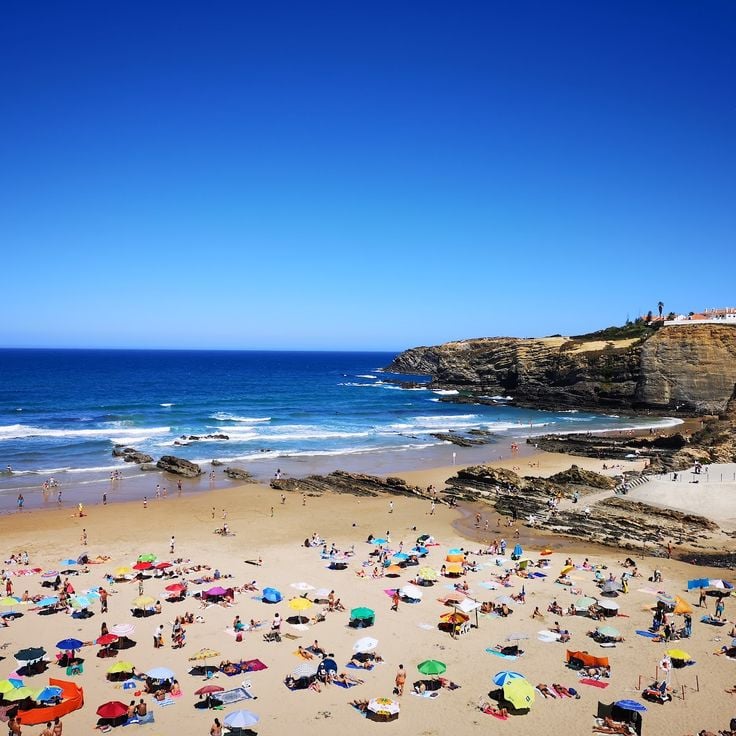
Alentejo extends south of Lisbon over a wide land of golden plains, hills covered with olive trees and cork oaks. This region shows signs of many civilizations: Roman ruins in Evora, medieval castles over the valleys, and white villages clinging to rocky tops like Monsaraz or Marvão. Towns keep their old centers, where you can walk among churches, palaces, and shaded squares. Along the coast, long beaches stretch beside cliffs shaped by the ocean.
This collection highlights the main places to see, from the monuments in Evora listed by UNESCO to the walled villages inland, including vineyards and natural parks. You can visit the Roman temple of Diane, the ossuary chapel decorated with bones, the landscapes of Serra de São Mamede park, or the quiet roads crossing the vineyards. Each place shows a different side of Alentejo, mixing history and nature.
Alentejo: historical sites, fortified villages and natural landscapes of Portugal
Alentejo extends south of Lisbon over a wide land of golden plains, hills covered with olive trees and cork oaks. This region shows signs of many civilizations: Roman ruins in Evora, medieval castles over the valleys, and white villages clinging to rocky tops like Monsaraz or Marvão. Towns keep their old centers, where you can walk among churches, palaces, and shaded squares. Along the coast, long beaches stretch beside cliffs shaped by the ocean.
This collection highlights the main places to see, from the monuments in Evora listed by UNESCO to the walled villages inland, including vineyards and natural parks. You can visit the Roman temple of Diane, the ossuary chapel decorated with bones, the landscapes of Serra de São Mamede park, or the quiet roads crossing the vineyards. Each place shows a different side of Alentejo, mixing history and nature.
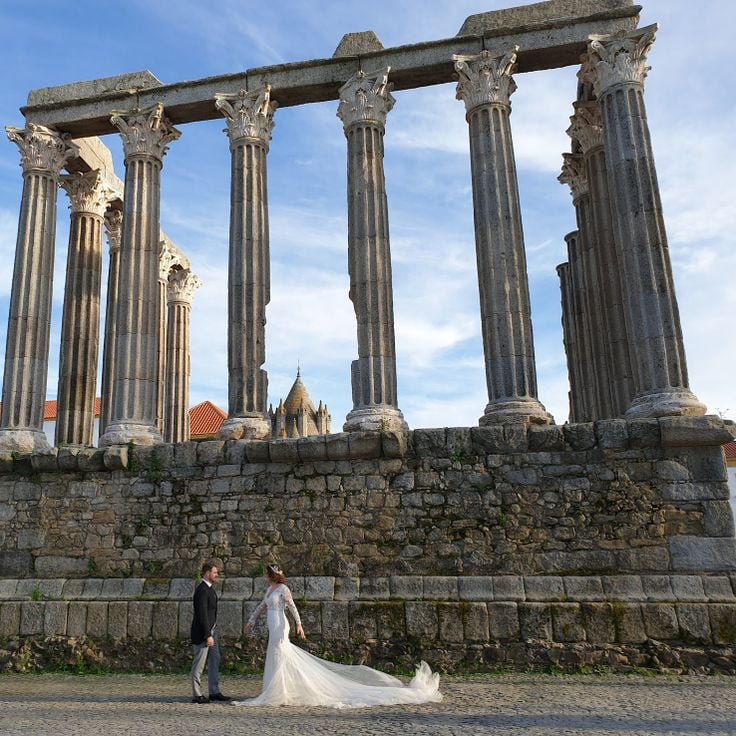
The Temple of Diana is a Roman ruin located in Evora, dating back to ancient times. The building once featured Corinthian columns and was dedicated to the goddess Diana. Today, visitors can see the preserved columns and foundation remains that show how this shrine looked centuries ago. The temple stands in the old town of Evora and offers insight into the life of the Romans who inhabited this region.
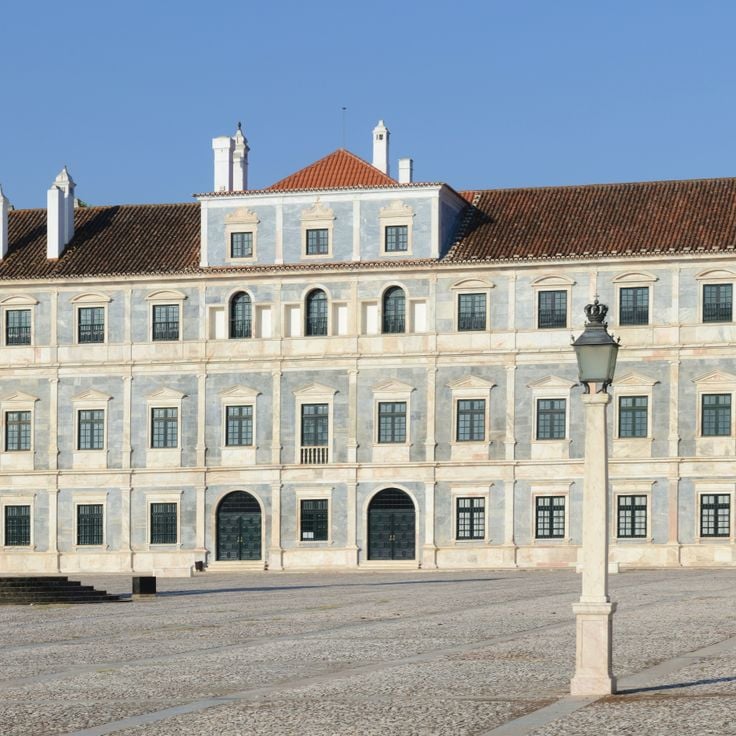
The Ducal Palace of Vila Viçosa sits at the heart of this white marble town and shows the power of the noble families who shaped the region. The palace with its halls and courtyards tells centuries of Portuguese history. Around it lie cobbled streets, old churches, and houses with carved stone fronts. Vila Viçosa is a journey into the past, where every corner speaks of time.
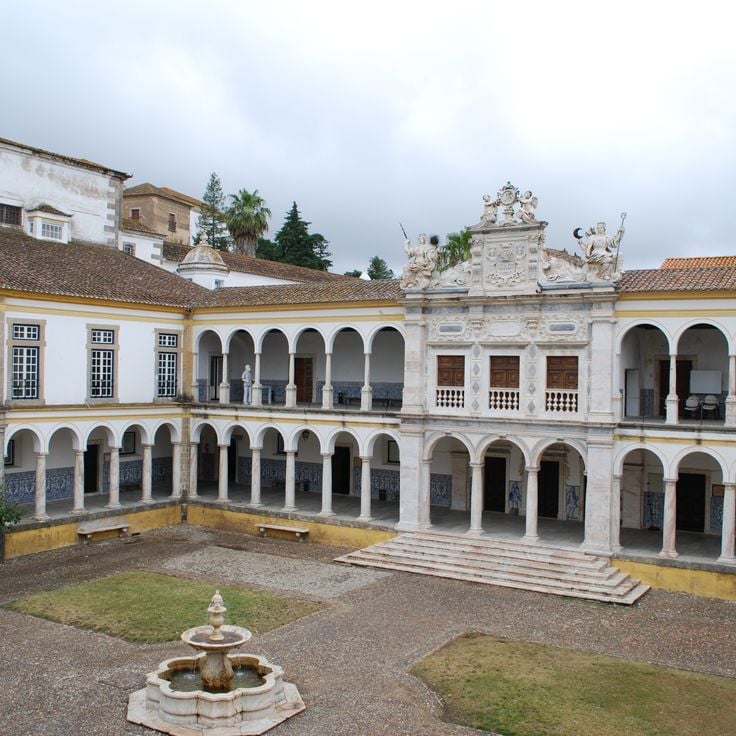
The University of Évora stands as a former Jesuit institution established in the 16th century. Its cloister and historic buildings preserve the architecture and scholarly traditions of that era. Walking through these structures offers insight into how education and religious life were organized in the medieval and early modern period. The university is part of Évora's historical heritage that defines much of the Alentejo region.
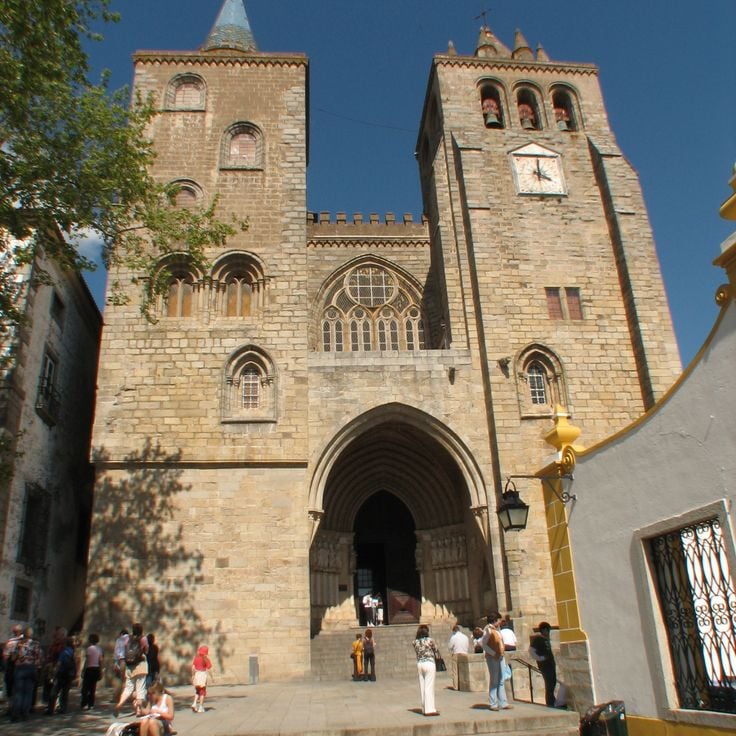
The Cathedral of Evora is a large Gothic church built in the 13th century. Inside, you find carved stone details and religious artworks that speak to centuries of worship and belief. Its two distinctive towers stand out in the city skyline and are visible from many parts of Evora. The building sits at the heart of the city and reveals how central the Church was to life in this region over the centuries.
Beja is the heart of a historic town in the Alentejo with narrow streets, traditional houses, and old churches. The town preserves its medieval layout and shows how people have lived in this region for centuries. White facades line the streets, and from higher points you can see the surrounding fields. Beja is an important place to understand the daily life and architecture of the Alentejo.
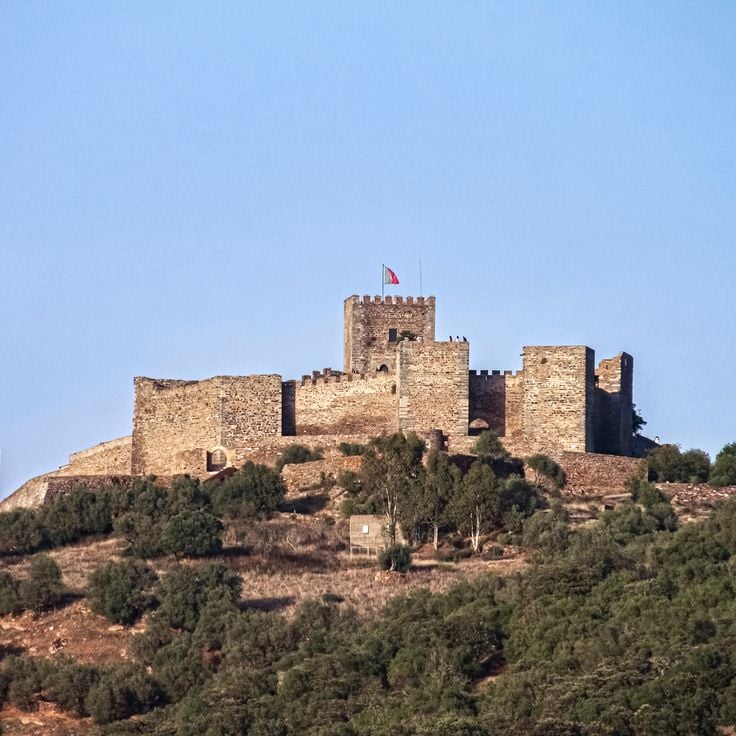
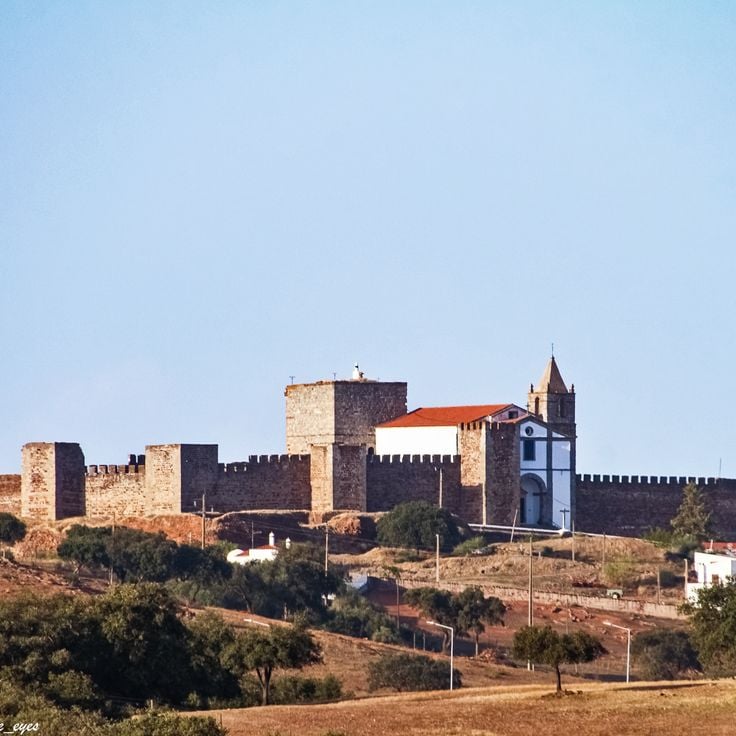
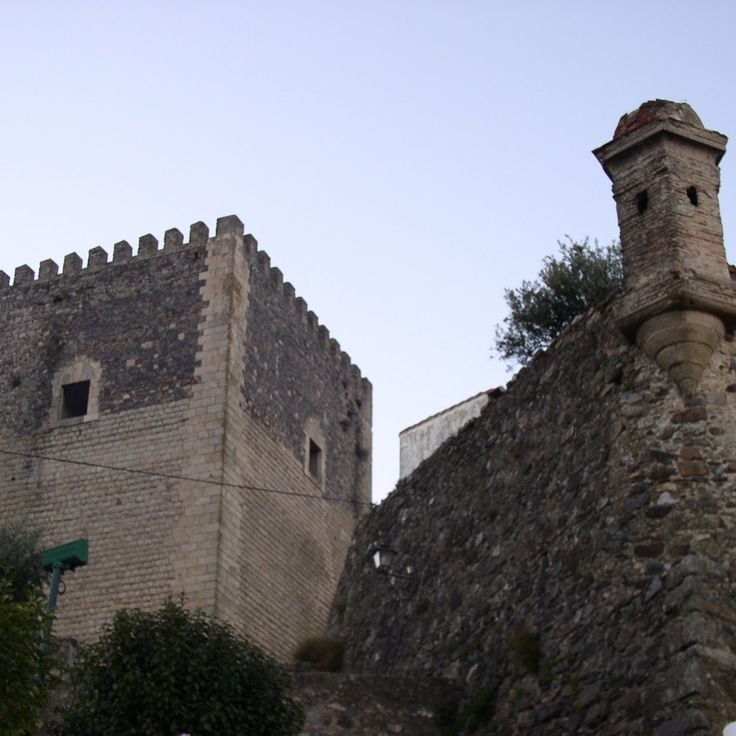
Monsaraz Castle is where you can walk through a place that holds centuries of Portuguese history. The fortress rises above a white village perched on a hill, overlooking the wide plains of Alentejo and the Guadiana river valley below. Inside the walls, narrow streets lead past old stone houses, and from the ramparts you can see far across the land. This castle shows how the region was defended and how life unfolded within these protective walls.
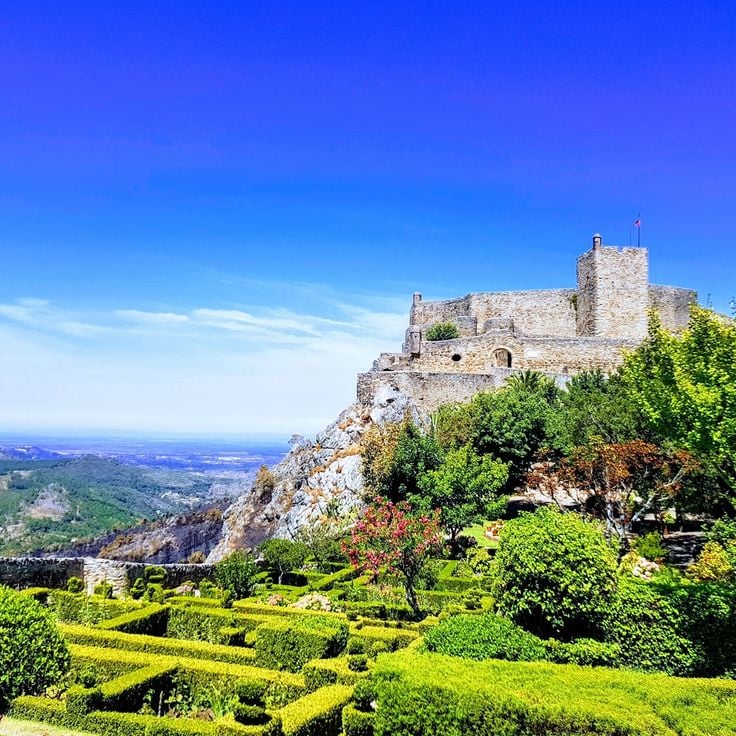
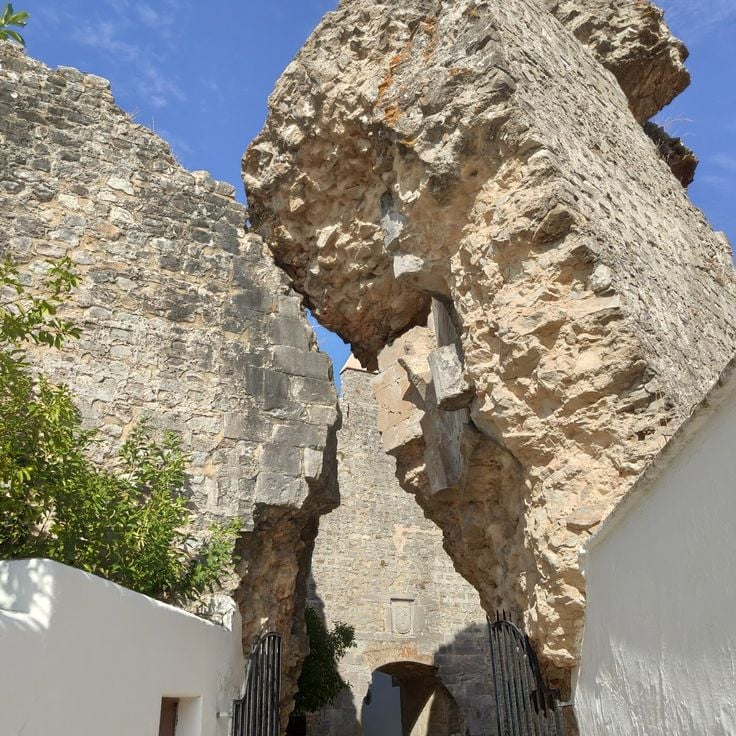
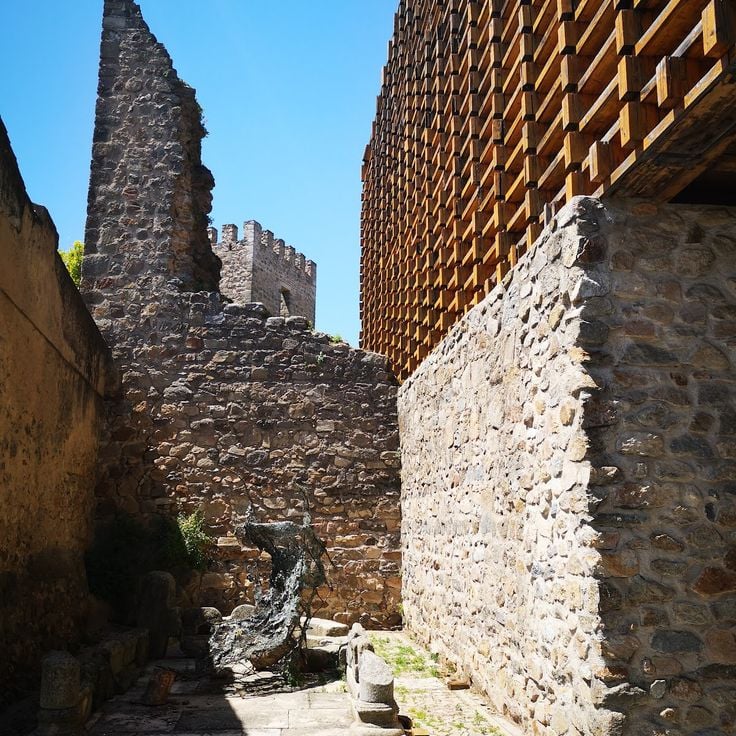
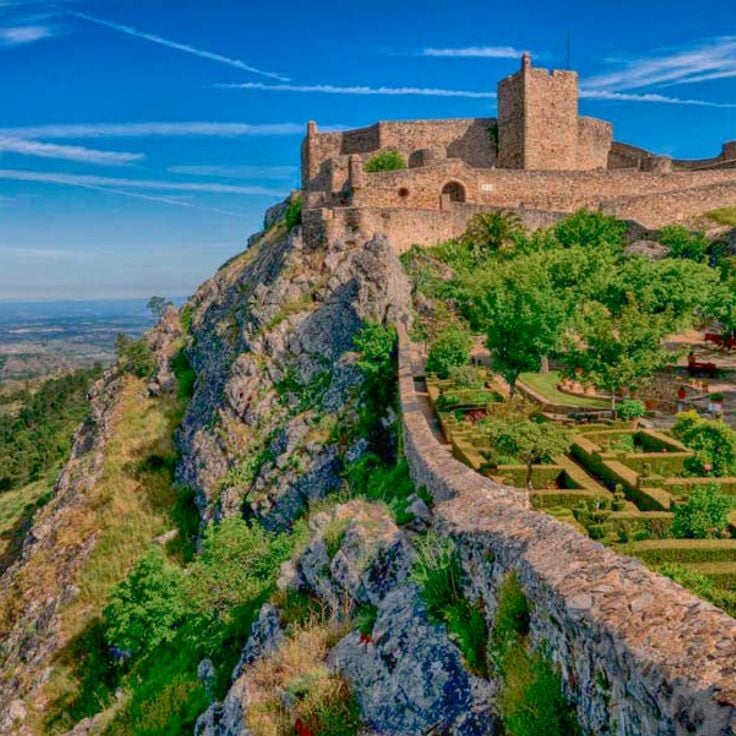
The castle of Marvão sits on a steep rocky outcrop in the Alentejo, overlooking vast plains and distant hills. Stone walls encircle the village, and narrow lanes connect houses built tightly together along the slopes. The castle itself stands in ruins, with fragments of walls and towers still visible. From the ramparts, views extend across the surrounding countryside.
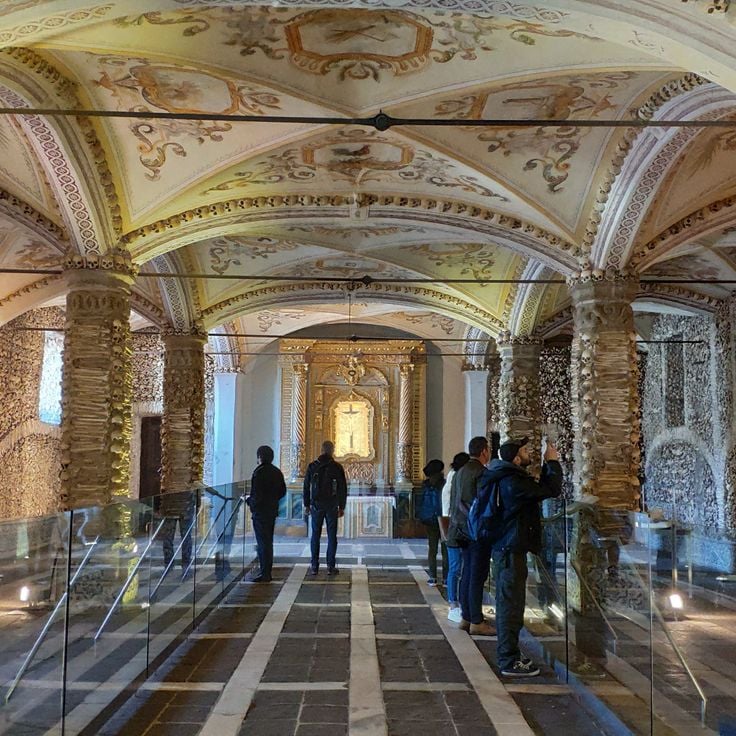
The Chapel of Bones sits beneath the Church of São Francisco in Évora and is a small chapel from the 16th century. Its walls are decorated entirely with human bones and skulls arranged into patterns and designs. This place shows how people of that time thought about death and the passing of time. The chapel tells a story about medieval Évora and its religious practices.
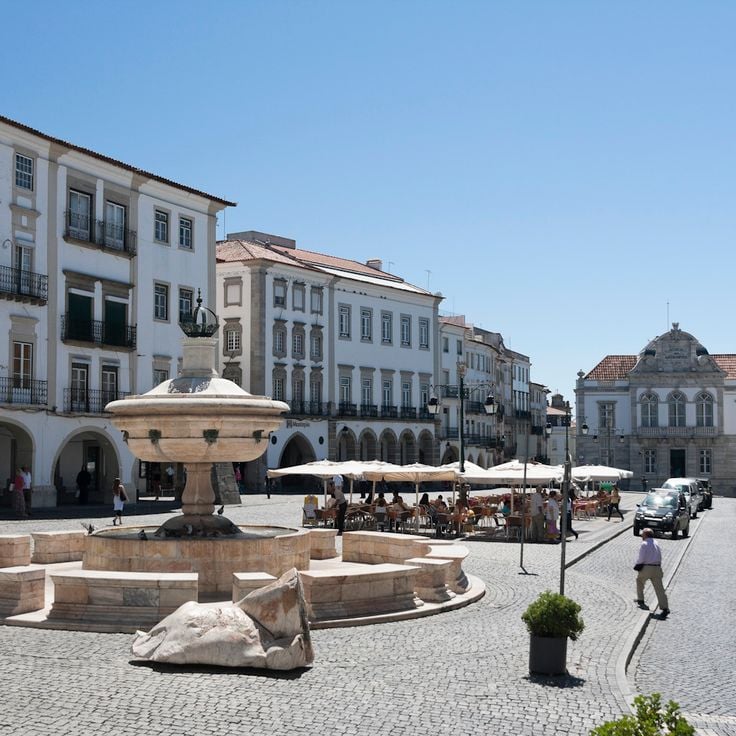
Evora sits at the heart of Alentejo as a city of stone streets, white buildings, and centuries of history. Here you find Roman remains, including the Temple of Diana, alongside medieval structures that speak to different periods. The old town invites walks past churches, squares, and alleys where daily life has flowed for generations. Since 1986, Evora has been a UNESCO World Heritage Site, showing how city architecture developed through many eras. The Chapel of Bones, decorated with intricate designs made from human bone, is a particular sight to see.
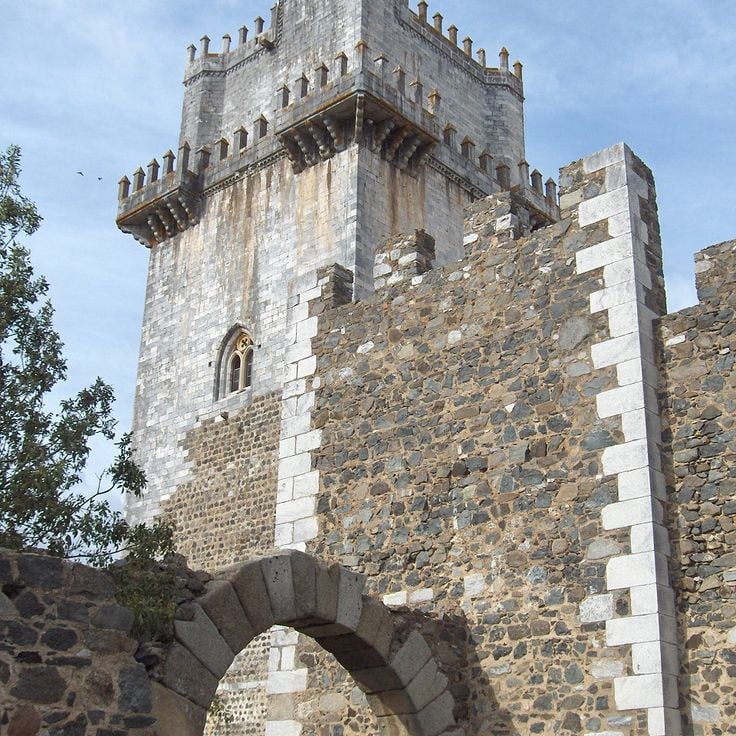
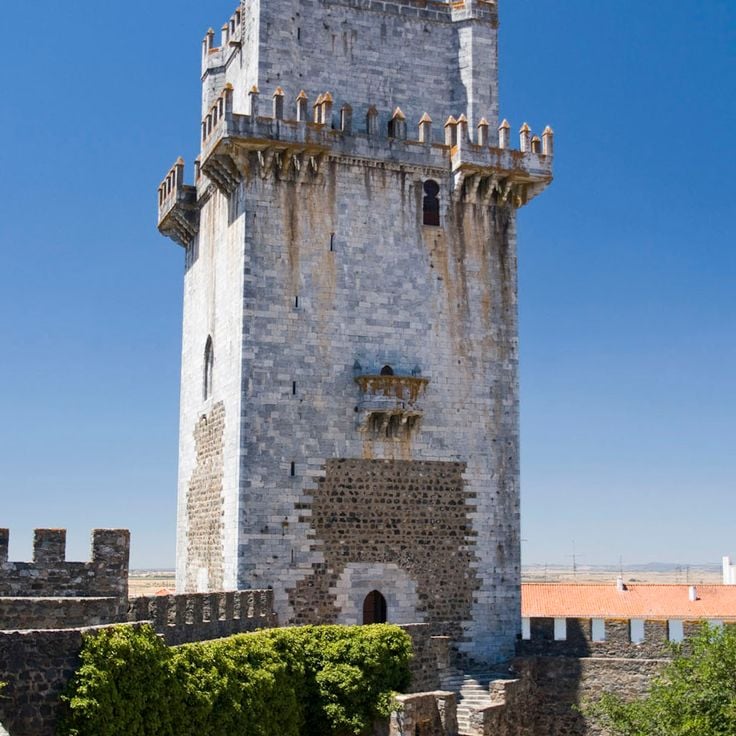
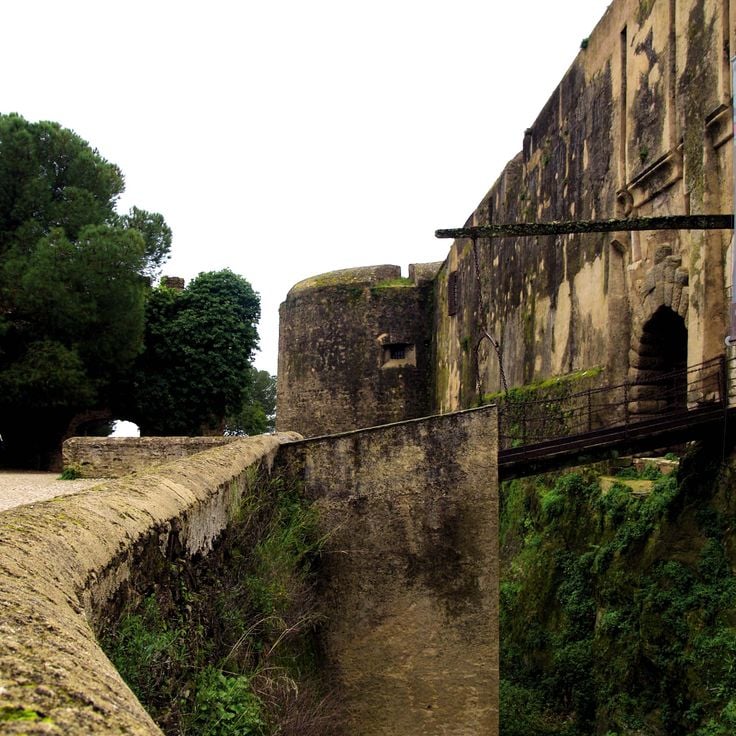
Beja Castle is a medieval fortress that rises above the town. Its watchtower and walls have survived through the centuries, telling the story of how this region was defended long ago. From the top, you can see across the flat plains of the Alentejo spreading out in all directions.
Elvas is a fortified town in the Alentejo region south of Lisbon. The town is defined by 17th-century fortifications arranged in a star pattern. These defensive walls still surround the town and remain visible today. Within the walls, narrow streets, old houses, and historic buildings create the heart of the town. Elvas has maintained its original character and layout through the centuries. Walking through the town gives a sense of how people lived here in past centuries. The star-shaped fortifications show how important this location was for protecting the border and defending Portugal.
Mourão Castle is a fortified village that rises above the Alqueva Lake. Its walls and narrow streets tell of times when this place was an important defensive stronghold. From here you can look out over the lake and the surrounding landscape. The village keeps its medieval layout with steep streets and old stone houses. The view from the castle down to the water creates a special connection between the history and the nature of this region.
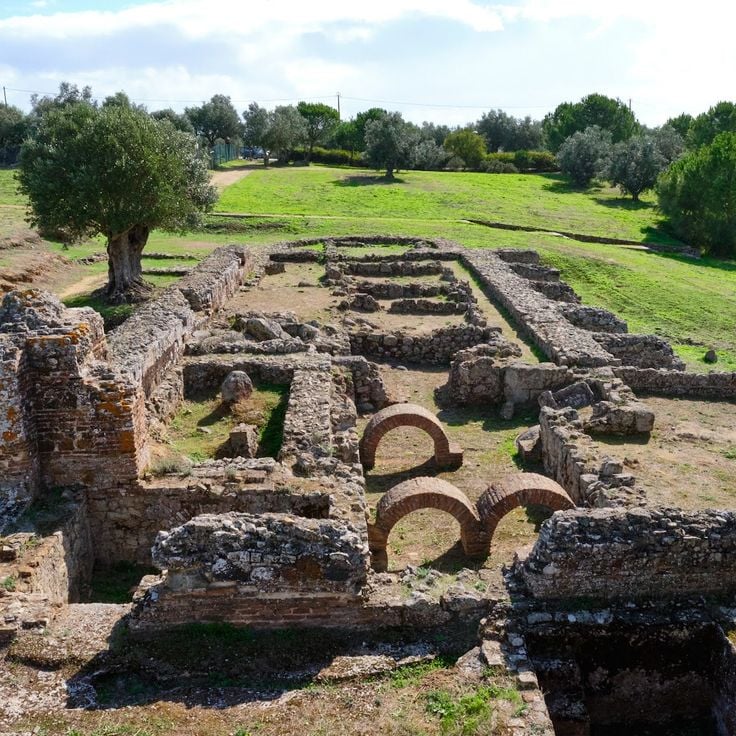
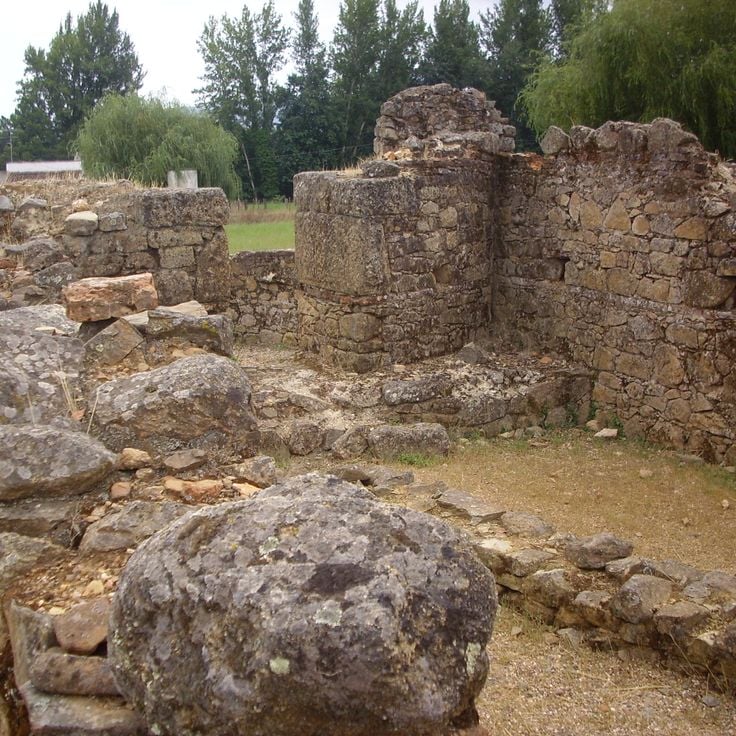
The ruins of São Cucufate are remains of a Roman villa from the 1st century, with preserved walls, mosaics, and artifacts. This archaeological site shows how Romans lived and worked in the region. The finds reveal the connection between Rome and Alentejo in ancient times. Visitors can see the outlines of buildings and imagine what life was like here nearly 2000 years ago.
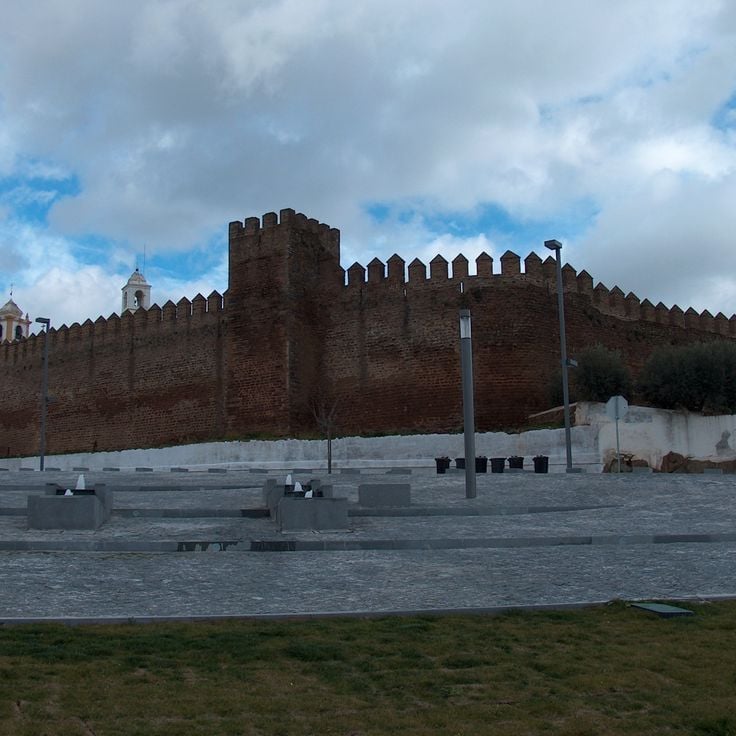
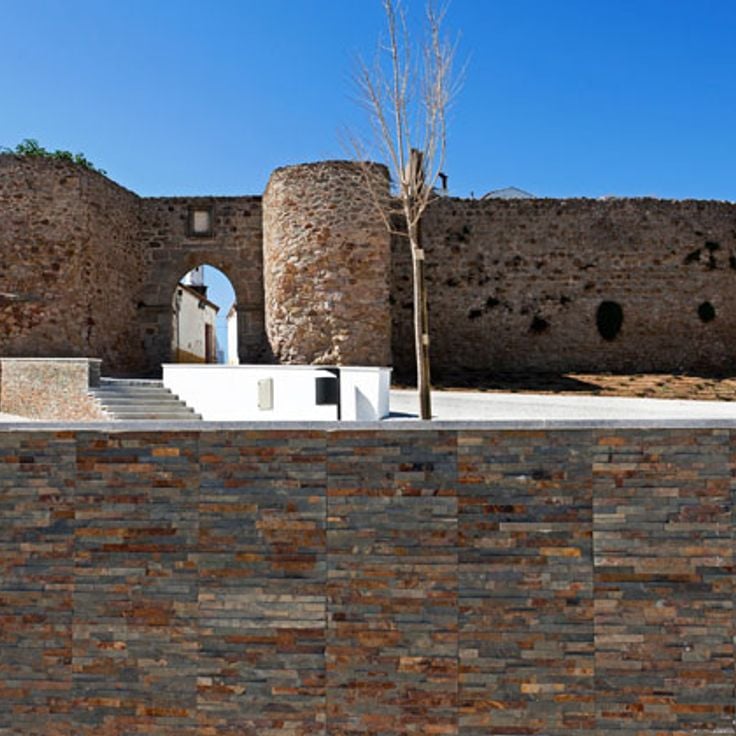
Serpa is an old city in the Alentejo region that has kept its medieval walls and the ruins of a castle. Stone-paved streets wind through narrow passages where you can walk for hours without hearing much noise. The city sits on a hilltop and from the walls you can see across the surrounding landscape. Visitors can move through the layers of history here and find traces of different periods carved into the buildings and streets.
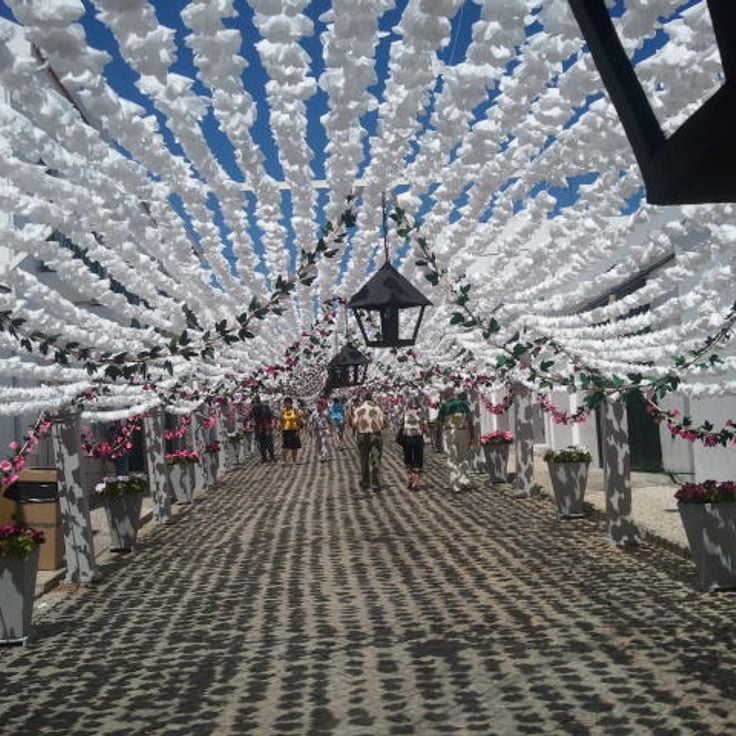
Campo Maior is a small town in the Alentejo region with a historic center featuring white-washed houses and small chapels typical of the area. The town shows the character that defines many Alentejo settlements, where centuries of history are reflected in its layout and buildings. Walking through the narrow streets, you encounter squares and religious structures that shaped daily life here. Campo Maior represents the fortified towns scattered across the Alentejo, each with its own story to tell about this part of Portugal.
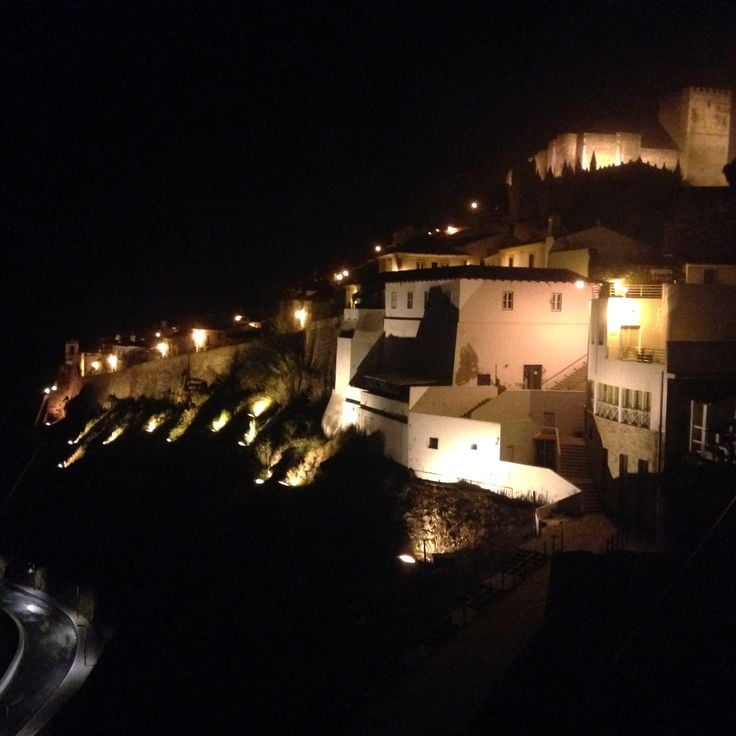
This castle stands in a village on the banks of the Guadiana River and connects the history of the Alentejo with the importance of the waterway. The village of Mértola keeps traces of different cultures that came through the river. The river was an important trade route for centuries, and the castle shows how this valuable connection was controlled. Around the castle ruins, narrow streets wind between white houses. The location between the fortress and the water shows how people here have lived for hundreds of years.
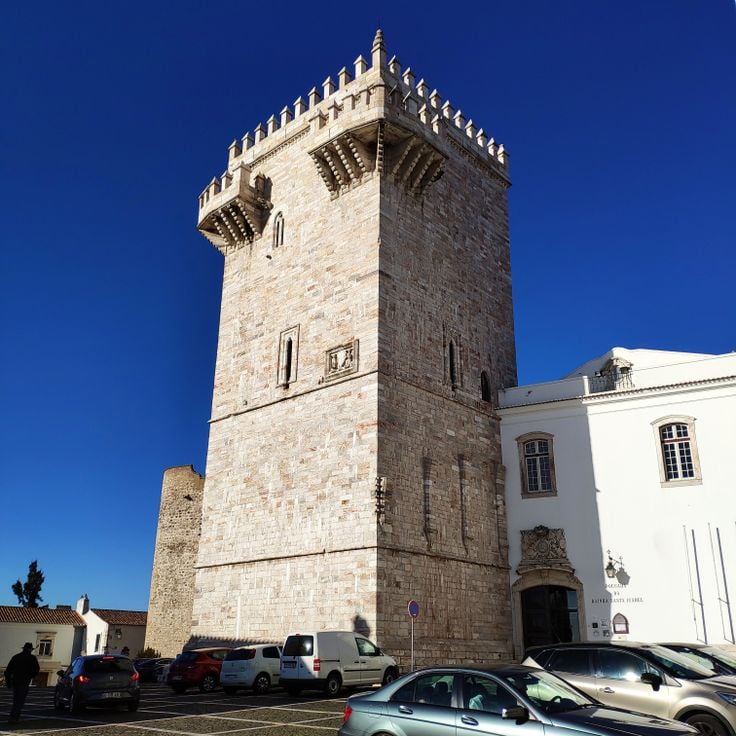
The castle of Estremoz rises above a historic town spread across gentle hills. This fortress once served as a seat of power and still dominates the rooflines below. Beneath its walls lie paved squares where people have gathered for centuries. White-washed houses surround these spaces, a hallmark of the Alentejo region. The famous market of Estremoz animates these streets with colors and sounds, drawing people from the countryside. Walking through Estremoz, you encounter layers of time where medieval stone walls stand beside daily life.
Alandroal is an old village in the Alentejo region with a ruined castle and traditionally whitewashed houses. The village shows the medieval history of the region and sits on a hilltop overlooking the surrounding landscape. Narrow streets lead to small squares, and the old walls tell of a longer past. This village is part of the fortified settlements that shape the interior of the Alentejo.
Reguengos de Monsaraz is a traditional town in the Alentejo region, known for its wines and local craftsmanship. The town retains its historical character with white-washed buildings and narrow streets. The surrounding landscape is defined by olive groves and vineyards that spread across the gentle hills. Visitors can explore local artisan workshops and discover the wine culture that defines this area.
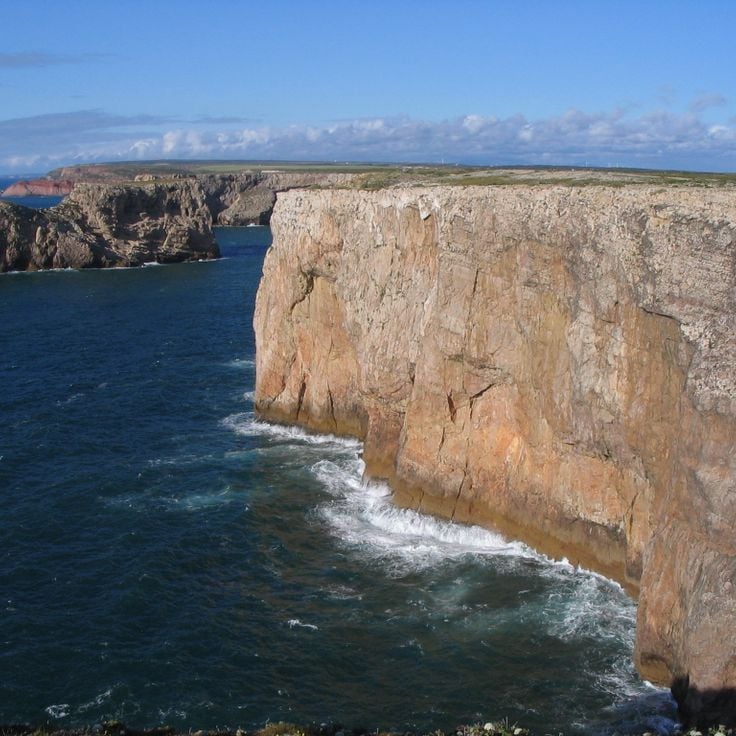
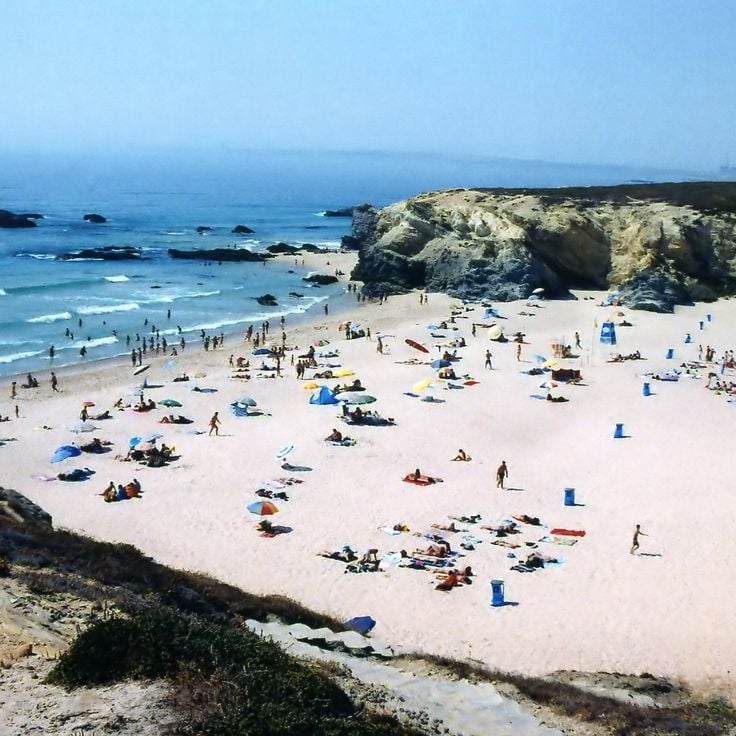
Costa Vicentina is a protected coastal area in the Alentejo with steep rocky cliffs, empty beaches and a largely unspoiled landscape. This stretch ranks among Europe's least developed coastlines. Rugged cliffs meet the Atlantic Ocean, while behind them sand dunes and coastal plants shape the terrain. Hikers find quiet coves and trails along the cliffs offering wide views of the sea. The area remains largely undeveloped and keeps its natural character, making it a special place for those who seek nature.
Castelo de Vide is a medieval village in the Alentejo region with an old Jewish quarter, paved narrow streets, and a castle overlooking the town. The village sits on a hilltop and preserves traces of many periods. Winding streets lead between whitewashed houses, and from the castle you can see across the golden plains and olive groves of the region. The Jewish quarter still shows the history of the communities that lived there. Castelo de Vide represents the medieval past of the Alentejo through its architecture and character.
The Château de Vila Viçosa was once a royal residence with white marble facades, formal gardens, and grand architecture. This castle shows how Portuguese royalty lived in past centuries. Visitors walk through rooms filled with furniture, paintings, and decorations from that era. The building stands as a reminder of Portugal's historical power and wealth, situated in the heart of Alentejo's wine region.
Portalegre is an old city in the Alentejo with a preserved center featuring churches, palaces, and narrow streets from the 17th century. The city sits on a hilltop and shows different building styles from various periods. Its museums tell the story of the region and display artworks and local craftsmanship. Around the city stretch the typical Alentejo landscapes with olive trees, cork oaks, and rolling hills.
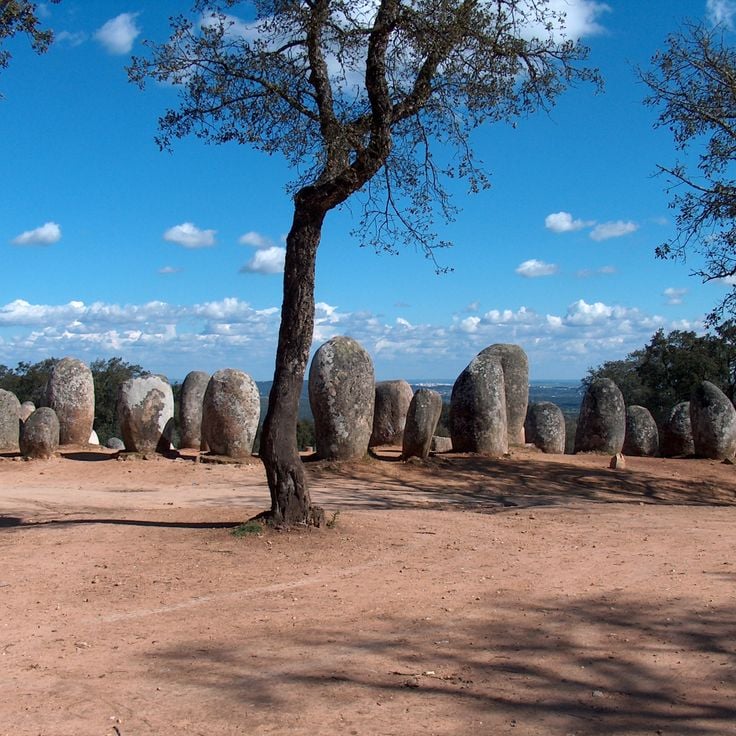
The Cromlech of Almendres is one of the oldest megalithic sites in the Alentejo region. Around 95 standing stones form concentric circles and date back to prehistoric times. This monument shows how the first inhabitants of this land shaped and used the space around them. The site sits in open countryside, away from villages, and lets visitors imagine the rituals and daily life of people from thousands of years ago. The Cromlech tells a story that goes back much further than the Roman ruins of Evora.
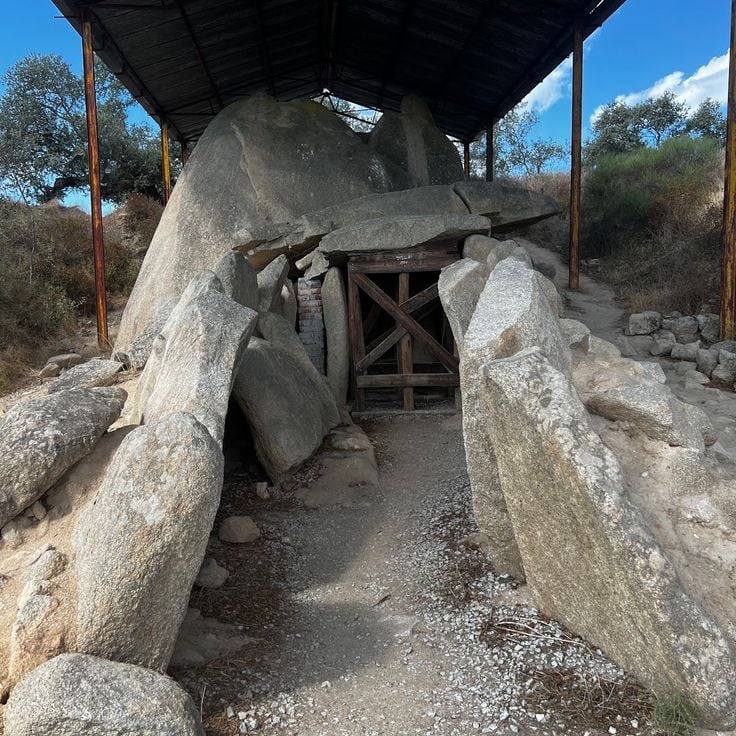
The Anta Grande do Zambujeiro is one of the largest megalithic burial sites in Portugal. This structure consists of massive stones arranged to form a burial chamber. Built in prehistoric times, it shows how early inhabitants of the region honored their dead. The large stones are striking in their size and were erected without modern tools. Located in the landscape around Valverde, this site offers insight into life from thousands of years ago.
The Roman city of Ammaia is an archaeological site near Marvão where visitors can explore ruins of buildings, roads, and remains from the 1st to 3rd century. This place shows how Romans lived and built in this part of the Alentejo. The discoveries help us understand what role this city played in the ancient world.
The Serra de São Mamede Natural Park offers forested mountains, hiking trails, and diverse wildlife with panoramic views across the landscape. This protected area represents one of the natural highlights of the Alentejo region and invites visitors to explore the local flora and fauna. The paths wind through dense vegetation and open plateaus, where hikers encounter birds, small mammals, and plant species typical of the region. The park provides opportunities to experience nature on foot and observe how the land changes with elevation.
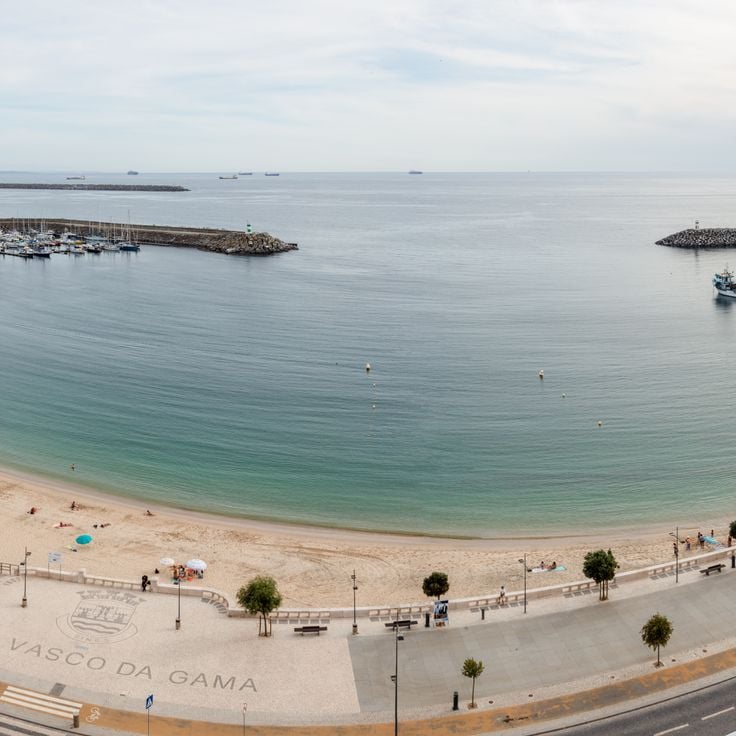
Sines is a coastal town where maritime activity shapes daily life. The historic center preserves the character of a port town, with narrow streets and traditional buildings. The fort rises above the shoreline and speaks to centuries of seafaring history. The port remains active today, with fishing boats and cargo vessels coming and going. This town shows a side of Alentejo directly connected to the sea.
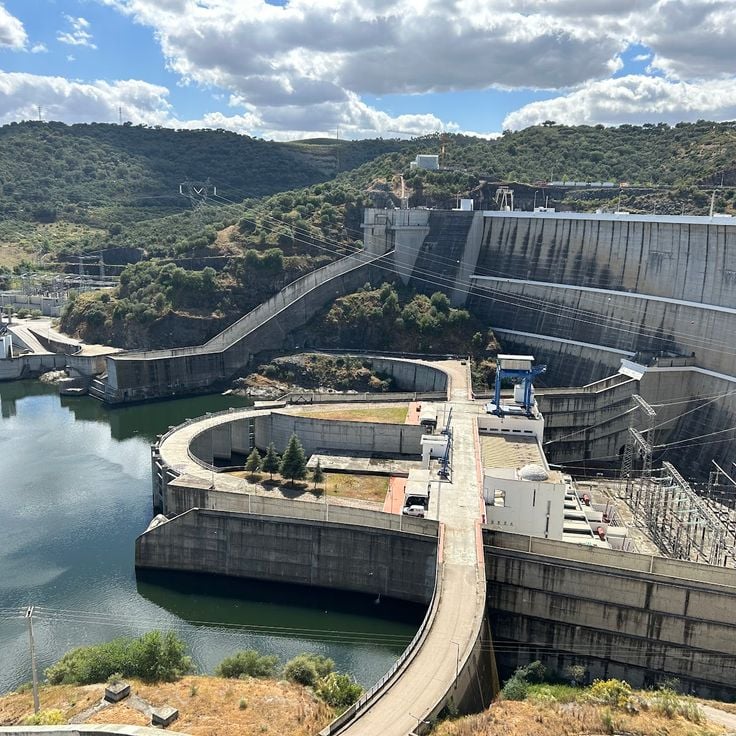
The Alqueva Dam and lake form a vast water reservoir in the heart of the Alentejo. This artificial landscape transformed the region, creating new shorelines where small villages nestle against hillsides. Agriculture shapes the surroundings, and leisure facilities dot the area. The lake provides a striking contrast to the dry, golden plains typical of the region and has become a focal point for people seeking to explore nature in a different way.
The Alqueva Dark Sky Observatory near Monsaraz is a place for watching the night sky in one of Europe's darkest locations. Visitors can observe stars and learn about astronomy in an area where light pollution is minimal. The observatory takes advantage of the region's natural darkness to offer clear views of the heavens. It represents an effort to preserve this part of the Alentejo as a valuable site for stargazing.
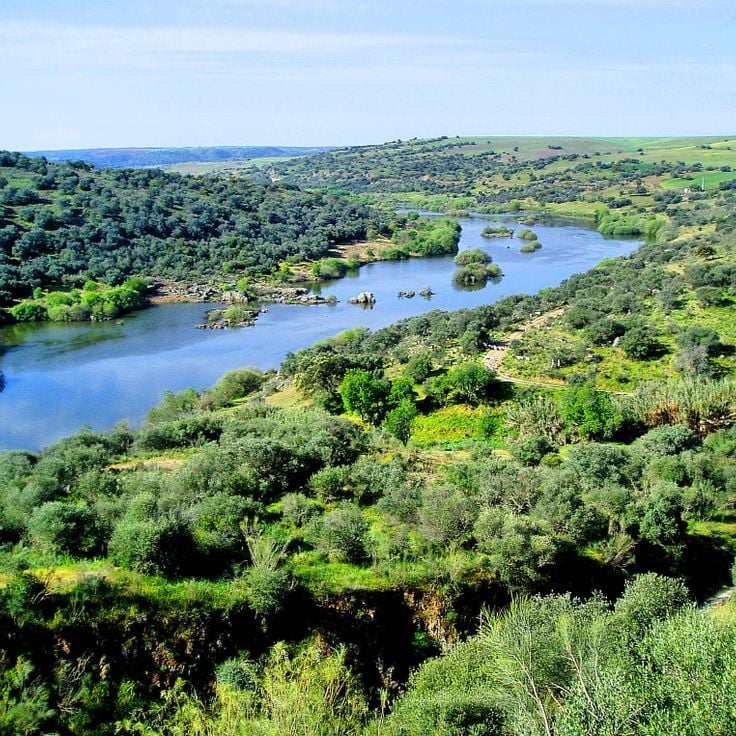
The Guadiana Valley flows through the Alentejo region, shaping the landscape with its river and surrounding lands. Villages rest along the river's edge, with farmland spreading across the floodplain where people have worked the soil for generations. This valley serves as home to numerous plants and animals, making it an important ecological area. The gentle hills and flowing water create a different kind of scenery compared to the dry plains found elsewhere in the region.
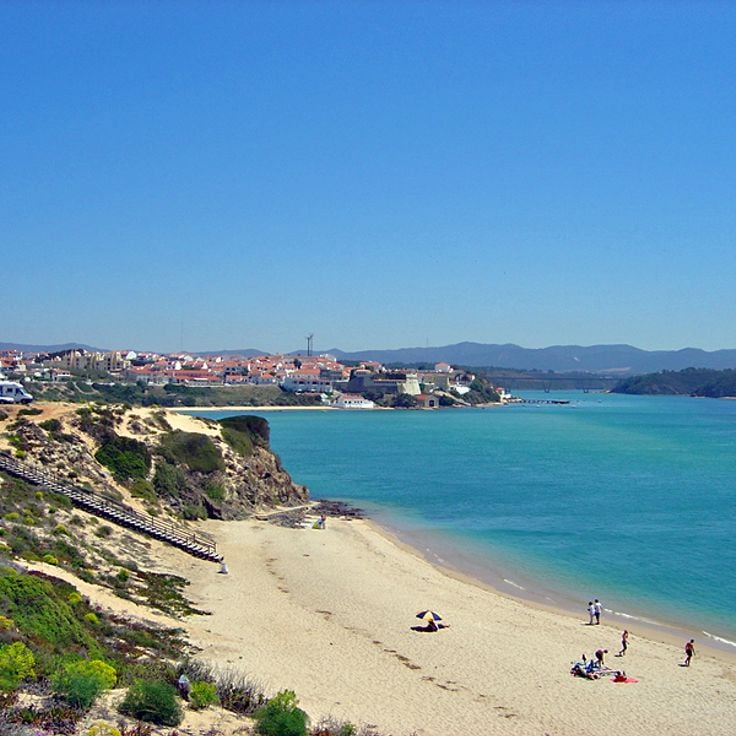
Vila Nova de Milfontes is a small fishing village on the southwestern coast of Portugal, built around the mouth of a river. The village has long sandy beaches and a laid-back character that sets it apart from busier destinations. Whitewashed houses sit on hillsides overlooking the water, while local fishing boats anchor in the calm estuary. The place has a simple, genuine quality with fishermen's restaurants and cafes by the water. Here you experience the slower pace of coastal Alentejo life, where visitors swim in the waves, walk along the rocky cliffs, or spend time in the village squares.
Zambujeira do Mar is a coastal village in the Alentejo region where red cliffs meet sandy beaches. The seafront walk offers views across the water and the dramatic rock formations. The place feels shaped by the ocean and the steep terrain that drops to the shore.
Redondo Castle rises above this small town in the Alentejo region. The town is known for its traditional craftsmanship, especially pottery, which has been practiced here for generations. In the center of town you will find old streets, traditional houses, and the rural character that defines the region. The castle itself offers views over the surrounding landscapes and tells of the medieval history of this area.
Porto Covo is a small fishing village on the Alentejo coast that spreads across a sheltered bay on the Atlantic shore. The village has white houses tucked into the hillside and several small beaches nearby. Fishing boats rest in the bay, and the place feels quiet and remote, far from the bustle of larger coastal towns.
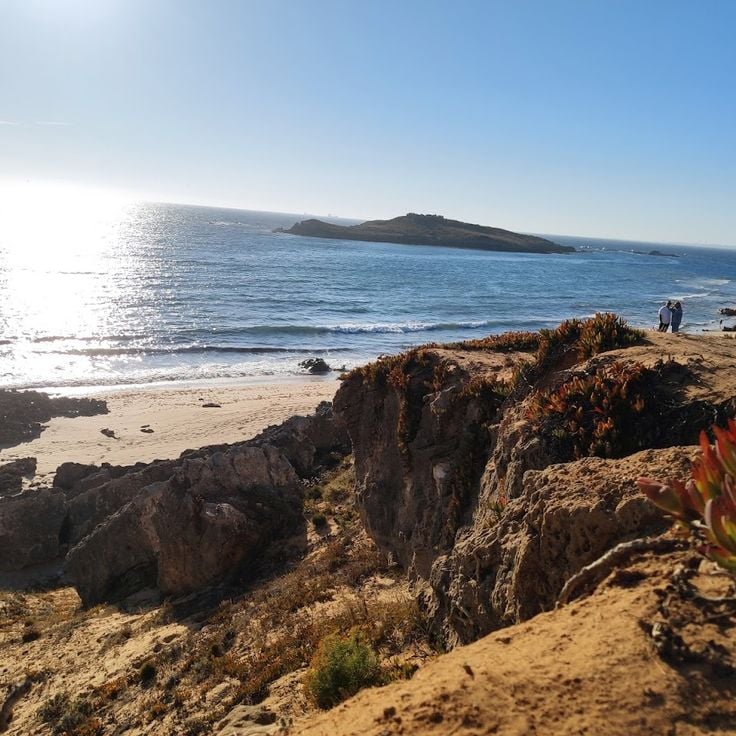
The beach at Ilha do Pessegueiro is a rocky island off the coast of Sines. Ancient fort ruins stand on this island, remnants of a structure that once guarded the shore. The site shows evidence of human habitation across different periods of history. Located in the waters off the Alentejo coast, this place connects the region's past with the raw power of the ocean. Visitors can explore the fort ruins and take in the views of the sea and rocky landscape.
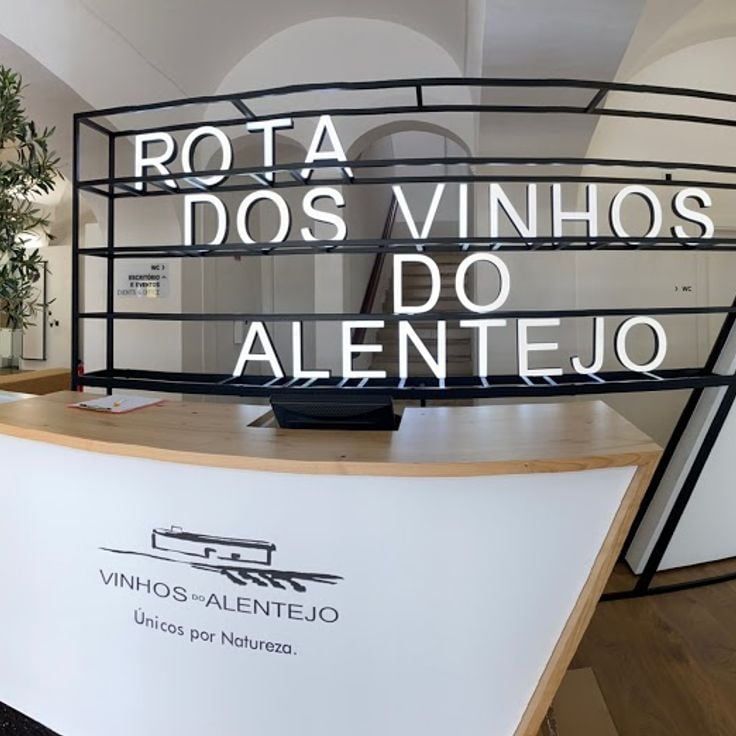
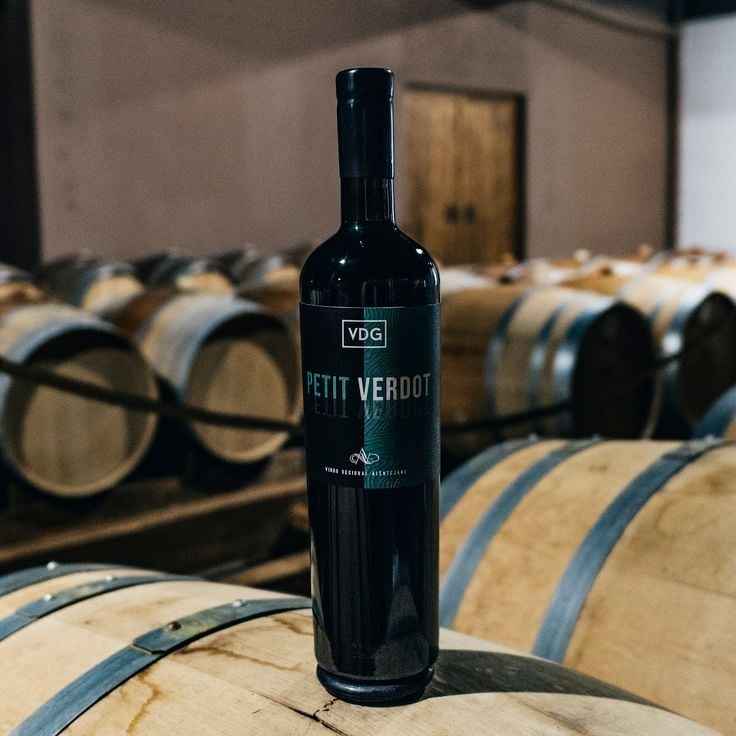
The Wine Route of Alentejo winds through vineyards that have been cultivated for centuries. Visitors travel on foot or by car, stopping at wineries to taste and learn about the wines made here. The route passes through rolling hills covered with grapevines, past farmhouses and small villages where wine production is part of everyday life. Along the way, travelers see how the landscape has been shaped by generations of viticulture. Each stop on this route offers a chance to understand the deep connection between this region and its wine heritage.
The vineyards of Vidigueira are located in the heart of the Alentejo and reveal the long wine-making tradition of this region. Here rows of grapevines stretch across gentle hills, and wine estates preserve old techniques of wine production. This landscape tells of generations of winemakers who perfected their craft. Visitors can see how grapes are grown and processed, and feel the connection between people and land that defines this area.
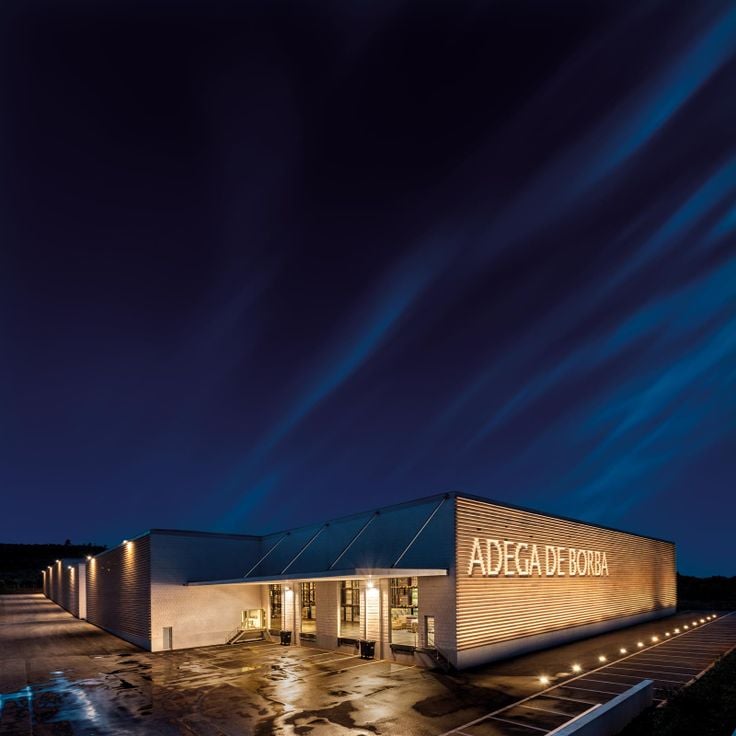
The vineyards of Borba are a core part of the Alentejo wine region. Grapevines grow on the gentle hills surrounding the town. Visitors can tour the traditional wineries where wine is made using time-honored craft methods. The winemakers offer tastings and share stories about techniques passed down through generations. The landscape stays with you: vines rolling across the slopes, old farmsteads, and a quietness broken only by work in the fields.
The Sanctuary of Nossa Senhora d'Aires is a white sanctuary perched on a hilltop in Viana do Alentejo that offers wide views across the region. It serves as a pilgrimage site where visitors come to reflect and pray. This sanctuary represents the religious heritage of the Alentejo region and fits naturally within the collection of historical places, ranging from ancient Roman ruins to medieval fortified villages.
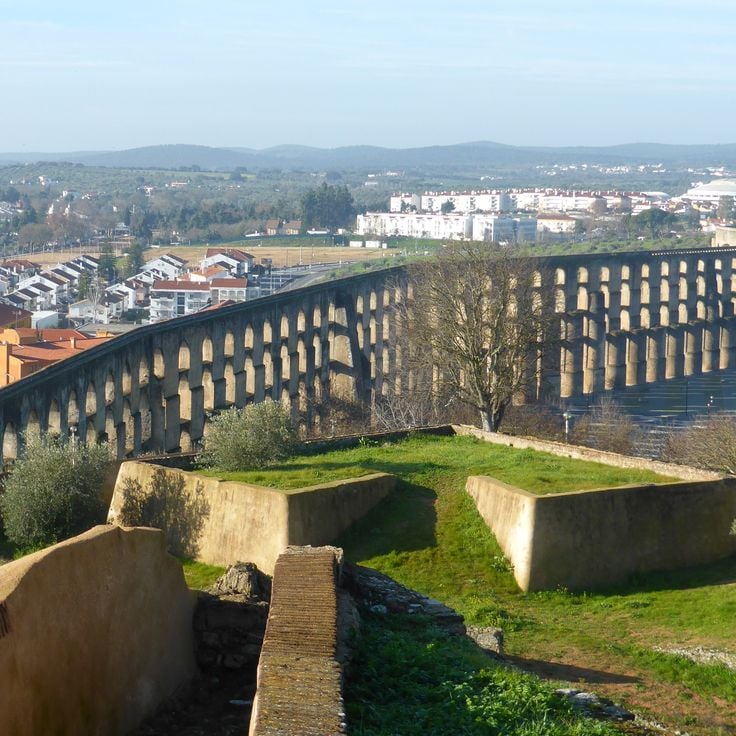
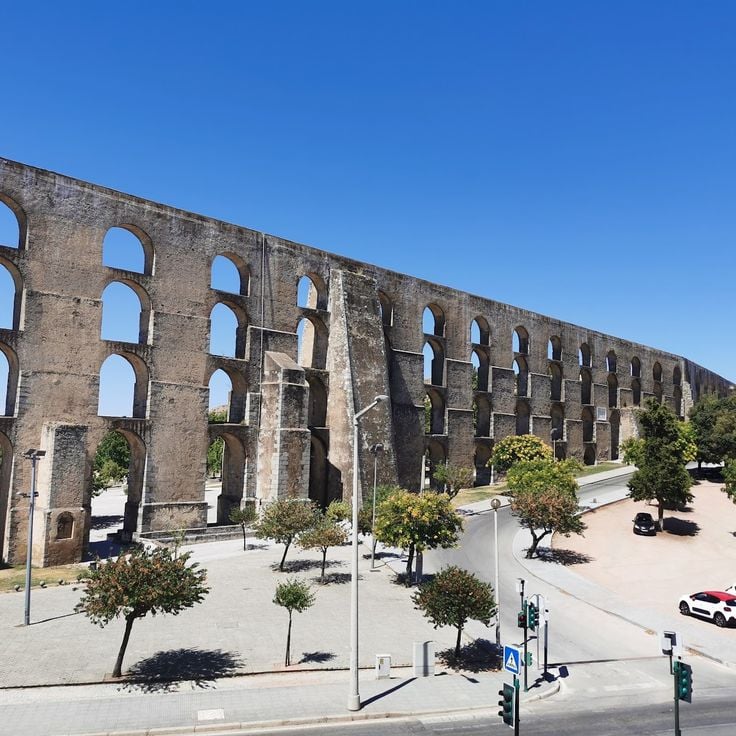
The Amoreira Aqueduct is a 16th-century water structure that crosses Elvas with its monumental arches and historic pipelines. This construction belongs to the engineering achievements that shaped the region, showing how people then transported water across long distances. The aqueduct is part of the fortification system surrounding Elvas and stands as an example of the lasting structures built during that period.
The Convent of São Paulo in Redondo showcases religious architecture from the 16th century. The building retains its cloisters and displays the construction methods of the time, when monks lived and worked within these walls. It fits into the broader history of Alentejo, where medieval and early modern structures mark the landscape. This site offers insight into the religious life that shaped the region over centuries.
The Temple of Diana is a Roman ruin located in Evora, dating back to ancient times. The building once featured Corinthian columns and was dedicated to the goddess Diana. Today, visitors can see the preserved columns and foundation remains that show how this shrine looked centuries ago. The temple stands in the old town of Evora and offers insight into the life of the Romans who inhabited this region.
The Ducal Palace of Vila Viçosa sits at the heart of this white marble town and shows the power of the noble families who shaped the region. The palace with its halls and courtyards tells centuries of Portuguese history. Around it lie cobbled streets, old churches, and houses with carved stone fronts. Vila Viçosa is a journey into the past, where every corner speaks of time.
The University of Évora stands as a former Jesuit institution established in the 16th century. Its cloister and historic buildings preserve the architecture and scholarly traditions of that era. Walking through these structures offers insight into how education and religious life were organized in the medieval and early modern period. The university is part of Évora's historical heritage that defines much of the Alentejo region.
The Cathedral of Evora is a large Gothic church built in the 13th century. Inside, you find carved stone details and religious artworks that speak to centuries of worship and belief. Its two distinctive towers stand out in the city skyline and are visible from many parts of Evora. The building sits at the heart of the city and reveals how central the Church was to life in this region over the centuries.
Beja is the heart of a historic town in the Alentejo with narrow streets, traditional houses, and old churches. The town preserves its medieval layout and shows how people have lived in this region for centuries. White facades line the streets, and from higher points you can see the surrounding fields. Beja is an important place to understand the daily life and architecture of the Alentejo.
Monsaraz Castle is where you can walk through a place that holds centuries of Portuguese history. The fortress rises above a white village perched on a hill, overlooking the wide plains of Alentejo and the Guadiana river valley below. Inside the walls, narrow streets lead past old stone houses, and from the ramparts you can see far across the land. This castle shows how the region was defended and how life unfolded within these protective walls.
The castle of Marvão sits on a steep rocky outcrop in the Alentejo, overlooking vast plains and distant hills. Stone walls encircle the village, and narrow lanes connect houses built tightly together along the slopes. The castle itself stands in ruins, with fragments of walls and towers still visible. From the ramparts, views extend across the surrounding countryside.
The Chapel of Bones sits beneath the Church of São Francisco in Évora and is a small chapel from the 16th century. Its walls are decorated entirely with human bones and skulls arranged into patterns and designs. This place shows how people of that time thought about death and the passing of time. The chapel tells a story about medieval Évora and its religious practices.
Evora sits at the heart of Alentejo as a city of stone streets, white buildings, and centuries of history. Here you find Roman remains, including the Temple of Diana, alongside medieval structures that speak to different periods. The old town invites walks past churches, squares, and alleys where daily life has flowed for generations. Since 1986, Evora has been a UNESCO World Heritage Site, showing how city architecture developed through many eras. The Chapel of Bones, decorated with intricate designs made from human bone, is a particular sight to see.
Beja Castle is a medieval fortress that rises above the town. Its watchtower and walls have survived through the centuries, telling the story of how this region was defended long ago. From the top, you can see across the flat plains of the Alentejo spreading out in all directions.
Elvas is a fortified town in the Alentejo region south of Lisbon. The town is defined by 17th-century fortifications arranged in a star pattern. These defensive walls still surround the town and remain visible today. Within the walls, narrow streets, old houses, and historic buildings create the heart of the town. Elvas has maintained its original character and layout through the centuries. Walking through the town gives a sense of how people lived here in past centuries. The star-shaped fortifications show how important this location was for protecting the border and defending Portugal.
Mourão Castle is a fortified village that rises above the Alqueva Lake. Its walls and narrow streets tell of times when this place was an important defensive stronghold. From here you can look out over the lake and the surrounding landscape. The village keeps its medieval layout with steep streets and old stone houses. The view from the castle down to the water creates a special connection between the history and the nature of this region.
The ruins of São Cucufate are remains of a Roman villa from the 1st century, with preserved walls, mosaics, and artifacts. This archaeological site shows how Romans lived and worked in the region. The finds reveal the connection between Rome and Alentejo in ancient times. Visitors can see the outlines of buildings and imagine what life was like here nearly 2000 years ago.
Serpa is an old city in the Alentejo region that has kept its medieval walls and the ruins of a castle. Stone-paved streets wind through narrow passages where you can walk for hours without hearing much noise. The city sits on a hilltop and from the walls you can see across the surrounding landscape. Visitors can move through the layers of history here and find traces of different periods carved into the buildings and streets.
Campo Maior is a small town in the Alentejo region with a historic center featuring white-washed houses and small chapels typical of the area. The town shows the character that defines many Alentejo settlements, where centuries of history are reflected in its layout and buildings. Walking through the narrow streets, you encounter squares and religious structures that shaped daily life here. Campo Maior represents the fortified towns scattered across the Alentejo, each with its own story to tell about this part of Portugal.
This castle stands in a village on the banks of the Guadiana River and connects the history of the Alentejo with the importance of the waterway. The village of Mértola keeps traces of different cultures that came through the river. The river was an important trade route for centuries, and the castle shows how this valuable connection was controlled. Around the castle ruins, narrow streets wind between white houses. The location between the fortress and the water shows how people here have lived for hundreds of years.
The castle of Estremoz rises above a historic town spread across gentle hills. This fortress once served as a seat of power and still dominates the rooflines below. Beneath its walls lie paved squares where people have gathered for centuries. White-washed houses surround these spaces, a hallmark of the Alentejo region. The famous market of Estremoz animates these streets with colors and sounds, drawing people from the countryside. Walking through Estremoz, you encounter layers of time where medieval stone walls stand beside daily life.
Alandroal is an old village in the Alentejo region with a ruined castle and traditionally whitewashed houses. The village shows the medieval history of the region and sits on a hilltop overlooking the surrounding landscape. Narrow streets lead to small squares, and the old walls tell of a longer past. This village is part of the fortified settlements that shape the interior of the Alentejo.
Reguengos de Monsaraz is a traditional town in the Alentejo region, known for its wines and local craftsmanship. The town retains its historical character with white-washed buildings and narrow streets. The surrounding landscape is defined by olive groves and vineyards that spread across the gentle hills. Visitors can explore local artisan workshops and discover the wine culture that defines this area.
Costa Vicentina is a protected coastal area in the Alentejo with steep rocky cliffs, empty beaches and a largely unspoiled landscape. This stretch ranks among Europe's least developed coastlines. Rugged cliffs meet the Atlantic Ocean, while behind them sand dunes and coastal plants shape the terrain. Hikers find quiet coves and trails along the cliffs offering wide views of the sea. The area remains largely undeveloped and keeps its natural character, making it a special place for those who seek nature.
Castelo de Vide is a medieval village in the Alentejo region with an old Jewish quarter, paved narrow streets, and a castle overlooking the town. The village sits on a hilltop and preserves traces of many periods. Winding streets lead between whitewashed houses, and from the castle you can see across the golden plains and olive groves of the region. The Jewish quarter still shows the history of the communities that lived there. Castelo de Vide represents the medieval past of the Alentejo through its architecture and character.
The Château de Vila Viçosa was once a royal residence with white marble facades, formal gardens, and grand architecture. This castle shows how Portuguese royalty lived in past centuries. Visitors walk through rooms filled with furniture, paintings, and decorations from that era. The building stands as a reminder of Portugal's historical power and wealth, situated in the heart of Alentejo's wine region.
Portalegre is an old city in the Alentejo with a preserved center featuring churches, palaces, and narrow streets from the 17th century. The city sits on a hilltop and shows different building styles from various periods. Its museums tell the story of the region and display artworks and local craftsmanship. Around the city stretch the typical Alentejo landscapes with olive trees, cork oaks, and rolling hills.
The Cromlech of Almendres is one of the oldest megalithic sites in the Alentejo region. Around 95 standing stones form concentric circles and date back to prehistoric times. This monument shows how the first inhabitants of this land shaped and used the space around them. The site sits in open countryside, away from villages, and lets visitors imagine the rituals and daily life of people from thousands of years ago. The Cromlech tells a story that goes back much further than the Roman ruins of Evora.
The Anta Grande do Zambujeiro is one of the largest megalithic burial sites in Portugal. This structure consists of massive stones arranged to form a burial chamber. Built in prehistoric times, it shows how early inhabitants of the region honored their dead. The large stones are striking in their size and were erected without modern tools. Located in the landscape around Valverde, this site offers insight into life from thousands of years ago.
The Roman city of Ammaia is an archaeological site near Marvão where visitors can explore ruins of buildings, roads, and remains from the 1st to 3rd century. This place shows how Romans lived and built in this part of the Alentejo. The discoveries help us understand what role this city played in the ancient world.
The Serra de São Mamede Natural Park offers forested mountains, hiking trails, and diverse wildlife with panoramic views across the landscape. This protected area represents one of the natural highlights of the Alentejo region and invites visitors to explore the local flora and fauna. The paths wind through dense vegetation and open plateaus, where hikers encounter birds, small mammals, and plant species typical of the region. The park provides opportunities to experience nature on foot and observe how the land changes with elevation.
Sines is a coastal town where maritime activity shapes daily life. The historic center preserves the character of a port town, with narrow streets and traditional buildings. The fort rises above the shoreline and speaks to centuries of seafaring history. The port remains active today, with fishing boats and cargo vessels coming and going. This town shows a side of Alentejo directly connected to the sea.
The Alqueva Dam and lake form a vast water reservoir in the heart of the Alentejo. This artificial landscape transformed the region, creating new shorelines where small villages nestle against hillsides. Agriculture shapes the surroundings, and leisure facilities dot the area. The lake provides a striking contrast to the dry, golden plains typical of the region and has become a focal point for people seeking to explore nature in a different way.
The Alqueva Dark Sky Observatory near Monsaraz is a place for watching the night sky in one of Europe's darkest locations. Visitors can observe stars and learn about astronomy in an area where light pollution is minimal. The observatory takes advantage of the region's natural darkness to offer clear views of the heavens. It represents an effort to preserve this part of the Alentejo as a valuable site for stargazing.
The Guadiana Valley flows through the Alentejo region, shaping the landscape with its river and surrounding lands. Villages rest along the river's edge, with farmland spreading across the floodplain where people have worked the soil for generations. This valley serves as home to numerous plants and animals, making it an important ecological area. The gentle hills and flowing water create a different kind of scenery compared to the dry plains found elsewhere in the region.
Vila Nova de Milfontes is a small fishing village on the southwestern coast of Portugal, built around the mouth of a river. The village has long sandy beaches and a laid-back character that sets it apart from busier destinations. Whitewashed houses sit on hillsides overlooking the water, while local fishing boats anchor in the calm estuary. The place has a simple, genuine quality with fishermen's restaurants and cafes by the water. Here you experience the slower pace of coastal Alentejo life, where visitors swim in the waves, walk along the rocky cliffs, or spend time in the village squares.
Zambujeira do Mar is a coastal village in the Alentejo region where red cliffs meet sandy beaches. The seafront walk offers views across the water and the dramatic rock formations. The place feels shaped by the ocean and the steep terrain that drops to the shore.
Redondo Castle rises above this small town in the Alentejo region. The town is known for its traditional craftsmanship, especially pottery, which has been practiced here for generations. In the center of town you will find old streets, traditional houses, and the rural character that defines the region. The castle itself offers views over the surrounding landscapes and tells of the medieval history of this area.
Porto Covo is a small fishing village on the Alentejo coast that spreads across a sheltered bay on the Atlantic shore. The village has white houses tucked into the hillside and several small beaches nearby. Fishing boats rest in the bay, and the place feels quiet and remote, far from the bustle of larger coastal towns.
The beach at Ilha do Pessegueiro is a rocky island off the coast of Sines. Ancient fort ruins stand on this island, remnants of a structure that once guarded the shore. The site shows evidence of human habitation across different periods of history. Located in the waters off the Alentejo coast, this place connects the region's past with the raw power of the ocean. Visitors can explore the fort ruins and take in the views of the sea and rocky landscape.
The Wine Route of Alentejo winds through vineyards that have been cultivated for centuries. Visitors travel on foot or by car, stopping at wineries to taste and learn about the wines made here. The route passes through rolling hills covered with grapevines, past farmhouses and small villages where wine production is part of everyday life. Along the way, travelers see how the landscape has been shaped by generations of viticulture. Each stop on this route offers a chance to understand the deep connection between this region and its wine heritage.
The vineyards of Vidigueira are located in the heart of the Alentejo and reveal the long wine-making tradition of this region. Here rows of grapevines stretch across gentle hills, and wine estates preserve old techniques of wine production. This landscape tells of generations of winemakers who perfected their craft. Visitors can see how grapes are grown and processed, and feel the connection between people and land that defines this area.
The vineyards of Borba are a core part of the Alentejo wine region. Grapevines grow on the gentle hills surrounding the town. Visitors can tour the traditional wineries where wine is made using time-honored craft methods. The winemakers offer tastings and share stories about techniques passed down through generations. The landscape stays with you: vines rolling across the slopes, old farmsteads, and a quietness broken only by work in the fields.
The Sanctuary of Nossa Senhora d'Aires is a white sanctuary perched on a hilltop in Viana do Alentejo that offers wide views across the region. It serves as a pilgrimage site where visitors come to reflect and pray. This sanctuary represents the religious heritage of the Alentejo region and fits naturally within the collection of historical places, ranging from ancient Roman ruins to medieval fortified villages.
The Amoreira Aqueduct is a 16th-century water structure that crosses Elvas with its monumental arches and historic pipelines. This construction belongs to the engineering achievements that shaped the region, showing how people then transported water across long distances. The aqueduct is part of the fortification system surrounding Elvas and stands as an example of the lasting structures built during that period.
The Convent of São Paulo in Redondo showcases religious architecture from the 16th century. The building retains its cloisters and displays the construction methods of the time, when monks lived and worked within these walls. It fits into the broader history of Alentejo, where medieval and early modern structures mark the landscape. This site offers insight into the religious life that shaped the region over centuries.
The Temple of Diana is a Roman ruin located in Evora, dating back to ancient times. The building once featured Corinthian columns and was dedicated to the goddess Diana. Today, visitors can see the preserved columns and foundation remains that show how this shrine looked centuries ago. The temple stands in the old town of Evora and offers insight into the life of the Romans who inhabited this region.
The Ducal Palace of Vila Viçosa sits at the heart of this white marble town and shows the power of the noble families who shaped the region. The palace with its halls and courtyards tells centuries of Portuguese history. Around it lie cobbled streets, old churches, and houses with carved stone fronts. Vila Viçosa is a journey into the past, where every corner speaks of time.
The University of Évora stands as a former Jesuit institution established in the 16th century. Its cloister and historic buildings preserve the architecture and scholarly traditions of that era. Walking through these structures offers insight into how education and religious life were organized in the medieval and early modern period. The university is part of Évora's historical heritage that defines much of the Alentejo region.
The Cathedral of Evora is a large Gothic church built in the 13th century. Inside, you find carved stone details and religious artworks that speak to centuries of worship and belief. Its two distinctive towers stand out in the city skyline and are visible from many parts of Evora. The building sits at the heart of the city and reveals how central the Church was to life in this region over the centuries.
Beja is the heart of a historic town in the Alentejo with narrow streets, traditional houses, and old churches. The town preserves its medieval layout and shows how people have lived in this region for centuries. White facades line the streets, and from higher points you can see the surrounding fields. Beja is an important place to understand the daily life and architecture of the Alentejo.
Monsaraz Castle is where you can walk through a place that holds centuries of Portuguese history. The fortress rises above a white village perched on a hill, overlooking the wide plains of Alentejo and the Guadiana river valley below. Inside the walls, narrow streets lead past old stone houses, and from the ramparts you can see far across the land. This castle shows how the region was defended and how life unfolded within these protective walls.
The castle of Marvão sits on a steep rocky outcrop in the Alentejo, overlooking vast plains and distant hills. Stone walls encircle the village, and narrow lanes connect houses built tightly together along the slopes. The castle itself stands in ruins, with fragments of walls and towers still visible. From the ramparts, views extend across the surrounding countryside.
The Chapel of Bones sits beneath the Church of São Francisco in Évora and is a small chapel from the 16th century. Its walls are decorated entirely with human bones and skulls arranged into patterns and designs. This place shows how people of that time thought about death and the passing of time. The chapel tells a story about medieval Évora and its religious practices.
Evora sits at the heart of Alentejo as a city of stone streets, white buildings, and centuries of history. Here you find Roman remains, including the Temple of Diana, alongside medieval structures that speak to different periods. The old town invites walks past churches, squares, and alleys where daily life has flowed for generations. Since 1986, Evora has been a UNESCO World Heritage Site, showing how city architecture developed through many eras. The Chapel of Bones, decorated with intricate designs made from human bone, is a particular sight to see.
Beja Castle is a medieval fortress that rises above the town. Its watchtower and walls have survived through the centuries, telling the story of how this region was defended long ago. From the top, you can see across the flat plains of the Alentejo spreading out in all directions.
Elvas is a fortified town in the Alentejo region south of Lisbon. The town is defined by 17th-century fortifications arranged in a star pattern. These defensive walls still surround the town and remain visible today. Within the walls, narrow streets, old houses, and historic buildings create the heart of the town. Elvas has maintained its original character and layout through the centuries. Walking through the town gives a sense of how people lived here in past centuries. The star-shaped fortifications show how important this location was for protecting the border and defending Portugal.
Mourão Castle is a fortified village that rises above the Alqueva Lake. Its walls and narrow streets tell of times when this place was an important defensive stronghold. From here you can look out over the lake and the surrounding landscape. The village keeps its medieval layout with steep streets and old stone houses. The view from the castle down to the water creates a special connection between the history and the nature of this region.
The ruins of São Cucufate are remains of a Roman villa from the 1st century, with preserved walls, mosaics, and artifacts. This archaeological site shows how Romans lived and worked in the region. The finds reveal the connection between Rome and Alentejo in ancient times. Visitors can see the outlines of buildings and imagine what life was like here nearly 2000 years ago.
Serpa is an old city in the Alentejo region that has kept its medieval walls and the ruins of a castle. Stone-paved streets wind through narrow passages where you can walk for hours without hearing much noise. The city sits on a hilltop and from the walls you can see across the surrounding landscape. Visitors can move through the layers of history here and find traces of different periods carved into the buildings and streets.
Campo Maior is a small town in the Alentejo region with a historic center featuring white-washed houses and small chapels typical of the area. The town shows the character that defines many Alentejo settlements, where centuries of history are reflected in its layout and buildings. Walking through the narrow streets, you encounter squares and religious structures that shaped daily life here. Campo Maior represents the fortified towns scattered across the Alentejo, each with its own story to tell about this part of Portugal.
This castle stands in a village on the banks of the Guadiana River and connects the history of the Alentejo with the importance of the waterway. The village of Mértola keeps traces of different cultures that came through the river. The river was an important trade route for centuries, and the castle shows how this valuable connection was controlled. Around the castle ruins, narrow streets wind between white houses. The location between the fortress and the water shows how people here have lived for hundreds of years.
The castle of Estremoz rises above a historic town spread across gentle hills. This fortress once served as a seat of power and still dominates the rooflines below. Beneath its walls lie paved squares where people have gathered for centuries. White-washed houses surround these spaces, a hallmark of the Alentejo region. The famous market of Estremoz animates these streets with colors and sounds, drawing people from the countryside. Walking through Estremoz, you encounter layers of time where medieval stone walls stand beside daily life.
Alandroal is an old village in the Alentejo region with a ruined castle and traditionally whitewashed houses. The village shows the medieval history of the region and sits on a hilltop overlooking the surrounding landscape. Narrow streets lead to small squares, and the old walls tell of a longer past. This village is part of the fortified settlements that shape the interior of the Alentejo.
Reguengos de Monsaraz is a traditional town in the Alentejo region, known for its wines and local craftsmanship. The town retains its historical character with white-washed buildings and narrow streets. The surrounding landscape is defined by olive groves and vineyards that spread across the gentle hills. Visitors can explore local artisan workshops and discover the wine culture that defines this area.
Costa Vicentina is a protected coastal area in the Alentejo with steep rocky cliffs, empty beaches and a largely unspoiled landscape. This stretch ranks among Europe's least developed coastlines. Rugged cliffs meet the Atlantic Ocean, while behind them sand dunes and coastal plants shape the terrain. Hikers find quiet coves and trails along the cliffs offering wide views of the sea. The area remains largely undeveloped and keeps its natural character, making it a special place for those who seek nature.
Castelo de Vide is a medieval village in the Alentejo region with an old Jewish quarter, paved narrow streets, and a castle overlooking the town. The village sits on a hilltop and preserves traces of many periods. Winding streets lead between whitewashed houses, and from the castle you can see across the golden plains and olive groves of the region. The Jewish quarter still shows the history of the communities that lived there. Castelo de Vide represents the medieval past of the Alentejo through its architecture and character.
The Château de Vila Viçosa was once a royal residence with white marble facades, formal gardens, and grand architecture. This castle shows how Portuguese royalty lived in past centuries. Visitors walk through rooms filled with furniture, paintings, and decorations from that era. The building stands as a reminder of Portugal's historical power and wealth, situated in the heart of Alentejo's wine region.
Portalegre is an old city in the Alentejo with a preserved center featuring churches, palaces, and narrow streets from the 17th century. The city sits on a hilltop and shows different building styles from various periods. Its museums tell the story of the region and display artworks and local craftsmanship. Around the city stretch the typical Alentejo landscapes with olive trees, cork oaks, and rolling hills.
The Cromlech of Almendres is one of the oldest megalithic sites in the Alentejo region. Around 95 standing stones form concentric circles and date back to prehistoric times. This monument shows how the first inhabitants of this land shaped and used the space around them. The site sits in open countryside, away from villages, and lets visitors imagine the rituals and daily life of people from thousands of years ago. The Cromlech tells a story that goes back much further than the Roman ruins of Evora.
The Anta Grande do Zambujeiro is one of the largest megalithic burial sites in Portugal. This structure consists of massive stones arranged to form a burial chamber. Built in prehistoric times, it shows how early inhabitants of the region honored their dead. The large stones are striking in their size and were erected without modern tools. Located in the landscape around Valverde, this site offers insight into life from thousands of years ago.
The Roman city of Ammaia is an archaeological site near Marvão where visitors can explore ruins of buildings, roads, and remains from the 1st to 3rd century. This place shows how Romans lived and built in this part of the Alentejo. The discoveries help us understand what role this city played in the ancient world.
The Serra de São Mamede Natural Park offers forested mountains, hiking trails, and diverse wildlife with panoramic views across the landscape. This protected area represents one of the natural highlights of the Alentejo region and invites visitors to explore the local flora and fauna. The paths wind through dense vegetation and open plateaus, where hikers encounter birds, small mammals, and plant species typical of the region. The park provides opportunities to experience nature on foot and observe how the land changes with elevation.
Sines is a coastal town where maritime activity shapes daily life. The historic center preserves the character of a port town, with narrow streets and traditional buildings. The fort rises above the shoreline and speaks to centuries of seafaring history. The port remains active today, with fishing boats and cargo vessels coming and going. This town shows a side of Alentejo directly connected to the sea.
The Alqueva Dam and lake form a vast water reservoir in the heart of the Alentejo. This artificial landscape transformed the region, creating new shorelines where small villages nestle against hillsides. Agriculture shapes the surroundings, and leisure facilities dot the area. The lake provides a striking contrast to the dry, golden plains typical of the region and has become a focal point for people seeking to explore nature in a different way.
The Alqueva Dark Sky Observatory near Monsaraz is a place for watching the night sky in one of Europe's darkest locations. Visitors can observe stars and learn about astronomy in an area where light pollution is minimal. The observatory takes advantage of the region's natural darkness to offer clear views of the heavens. It represents an effort to preserve this part of the Alentejo as a valuable site for stargazing.
The Guadiana Valley flows through the Alentejo region, shaping the landscape with its river and surrounding lands. Villages rest along the river's edge, with farmland spreading across the floodplain where people have worked the soil for generations. This valley serves as home to numerous plants and animals, making it an important ecological area. The gentle hills and flowing water create a different kind of scenery compared to the dry plains found elsewhere in the region.
Vila Nova de Milfontes is a small fishing village on the southwestern coast of Portugal, built around the mouth of a river. The village has long sandy beaches and a laid-back character that sets it apart from busier destinations. Whitewashed houses sit on hillsides overlooking the water, while local fishing boats anchor in the calm estuary. The place has a simple, genuine quality with fishermen's restaurants and cafes by the water. Here you experience the slower pace of coastal Alentejo life, where visitors swim in the waves, walk along the rocky cliffs, or spend time in the village squares.
Zambujeira do Mar is a coastal village in the Alentejo region where red cliffs meet sandy beaches. The seafront walk offers views across the water and the dramatic rock formations. The place feels shaped by the ocean and the steep terrain that drops to the shore.
Redondo Castle rises above this small town in the Alentejo region. The town is known for its traditional craftsmanship, especially pottery, which has been practiced here for generations. In the center of town you will find old streets, traditional houses, and the rural character that defines the region. The castle itself offers views over the surrounding landscapes and tells of the medieval history of this area.
Porto Covo is a small fishing village on the Alentejo coast that spreads across a sheltered bay on the Atlantic shore. The village has white houses tucked into the hillside and several small beaches nearby. Fishing boats rest in the bay, and the place feels quiet and remote, far from the bustle of larger coastal towns.
The beach at Ilha do Pessegueiro is a rocky island off the coast of Sines. Ancient fort ruins stand on this island, remnants of a structure that once guarded the shore. The site shows evidence of human habitation across different periods of history. Located in the waters off the Alentejo coast, this place connects the region's past with the raw power of the ocean. Visitors can explore the fort ruins and take in the views of the sea and rocky landscape.
The Wine Route of Alentejo winds through vineyards that have been cultivated for centuries. Visitors travel on foot or by car, stopping at wineries to taste and learn about the wines made here. The route passes through rolling hills covered with grapevines, past farmhouses and small villages where wine production is part of everyday life. Along the way, travelers see how the landscape has been shaped by generations of viticulture. Each stop on this route offers a chance to understand the deep connection between this region and its wine heritage.
The vineyards of Vidigueira are located in the heart of the Alentejo and reveal the long wine-making tradition of this region. Here rows of grapevines stretch across gentle hills, and wine estates preserve old techniques of wine production. This landscape tells of generations of winemakers who perfected their craft. Visitors can see how grapes are grown and processed, and feel the connection between people and land that defines this area.
The vineyards of Borba are a core part of the Alentejo wine region. Grapevines grow on the gentle hills surrounding the town. Visitors can tour the traditional wineries where wine is made using time-honored craft methods. The winemakers offer tastings and share stories about techniques passed down through generations. The landscape stays with you: vines rolling across the slopes, old farmsteads, and a quietness broken only by work in the fields.
The Sanctuary of Nossa Senhora d'Aires is a white sanctuary perched on a hilltop in Viana do Alentejo that offers wide views across the region. It serves as a pilgrimage site where visitors come to reflect and pray. This sanctuary represents the religious heritage of the Alentejo region and fits naturally within the collection of historical places, ranging from ancient Roman ruins to medieval fortified villages.
The Amoreira Aqueduct is a 16th-century water structure that crosses Elvas with its monumental arches and historic pipelines. This construction belongs to the engineering achievements that shaped the region, showing how people then transported water across long distances. The aqueduct is part of the fortification system surrounding Elvas and stands as an example of the lasting structures built during that period.
The Convent of São Paulo in Redondo showcases religious architecture from the 16th century. The building retains its cloisters and displays the construction methods of the time, when monks lived and worked within these walls. It fits into the broader history of Alentejo, where medieval and early modern structures mark the landscape. This site offers insight into the religious life that shaped the region over centuries.