Jingren Palace, Imperial palace in Forbidden City, Beijing, China
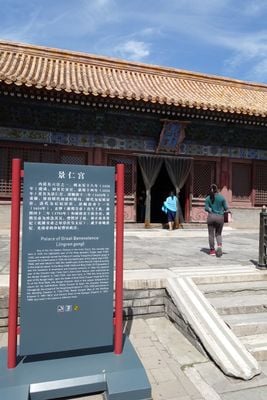
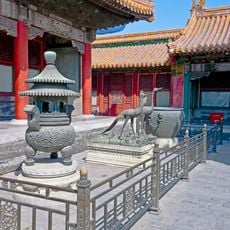
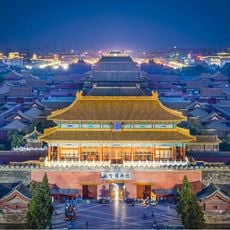
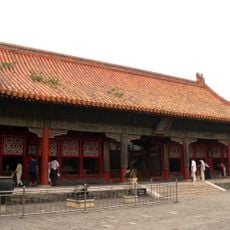
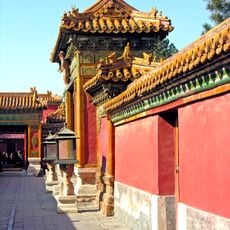
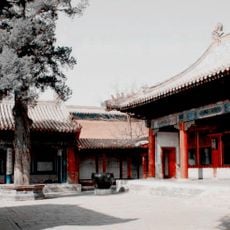
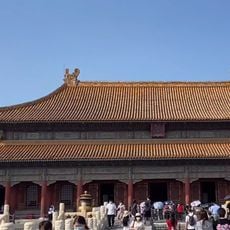
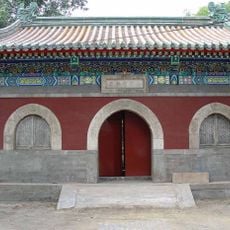
Jingren Palace is a building in the Forbidden City that displays classical Chinese architecture with straight wooden beams, colored roof tiles, and carved stone details. The structure contains multiple halls connected by courtyards, each designed for specific functions within the imperial household.
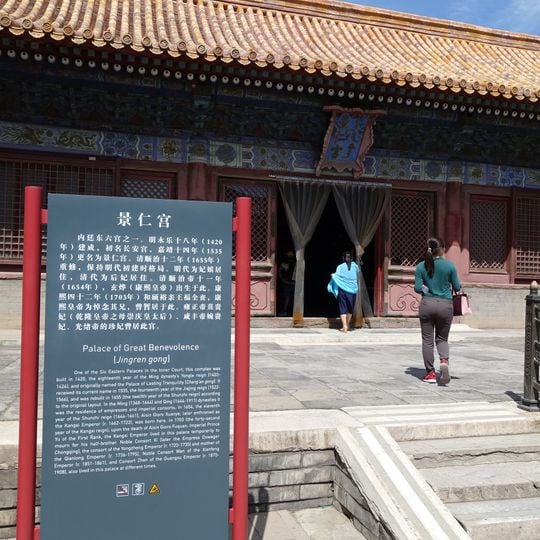
Construction began in 1420 during the Ming Dynasty as a residence for imperial family members. The building continued to serve the court across multiple dynasties, adapting to changing needs over the centuries.
The name Jingren means "revering benevolence and virtue." Since 2005 the main hall has held the Jingren Bang, wooden boards carved with the names of 682 donors who gave more than 33,400 artifacts to the Palace Museum between 1939 and 2005; names such as Li Ao and Na Zhiliang were added later.
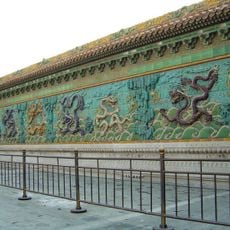
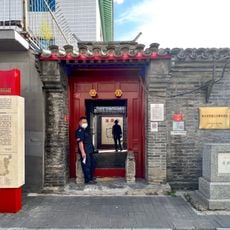
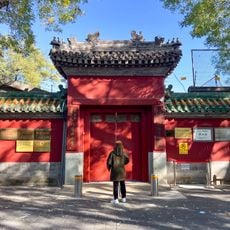
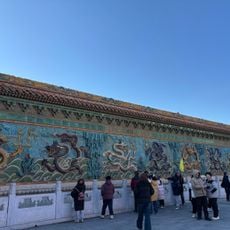
Jingren Palace stands in the southwest corner of the East Six Palaces, with its gate facing south and the rear hall opening toward Chengqian Palace to the north. Enter through Jingren Gate, where a stone screen wall attributed to the Yuan dynasty stands just inside. The two-courtyard layout is compact, and the palace has been open year-round since 28 April 2005.
The Jingren Bang, a wooden board on the main hall's wall, lists 682 donors who gave more than 33,400 artifacts to the Palace Museum between 1939 and 2005. Names have been added since, including the scholar Li Ao. The palace opened year-round as the museum's donation gallery on 28 April 2005.
The community of curious travelers
AroundUs brings together thousands of curated places, local tips, and hidden gems, enriched daily by 93,095 contributors worldwide.