Punkurí, Archaeological site in Nepeña Valley, Peru.
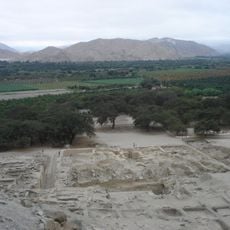
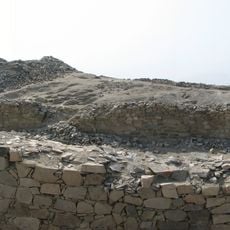
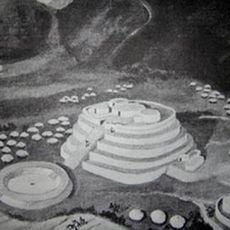
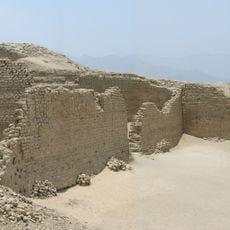
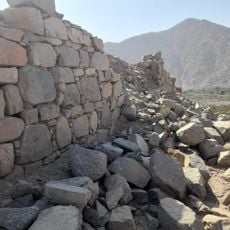
Punkurí is an ancient temple located in the Nepeña Valley consisting of two connected platforms with multiple interior chambers. The structure was built using adobe blocks and stone slabs bonded together with mud mortar and features decorated walls throughout.
The site was discovered in 1933 by archaeologist Julio C. Tello, revealing a significant example of Chavín architectural style. The stone structures and their decorated elements demonstrate how this influential culture shaped building traditions in the region.
The temple displays wall paintings and a feline figure carved into the adobe doorway that reflect the spiritual beliefs of its ancient inhabitants. These decorations show how religious practices shaped daily life at this location.
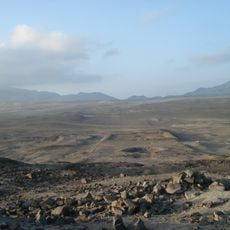
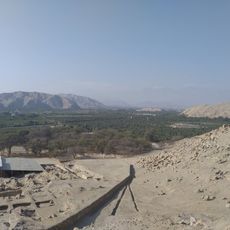
The site is accessible daily and is best visited in early morning hours when sunlight helps reveal the decorative details. Reaching this remote location requires sturdy footwear and some preparation, as the terrain is exposed and can be uneven.
Excavations uncovered a ceremonial burial containing remains of a woman along with carefully placed ritual objects. Among these finds was an unusual snail shell that reveals the far-reaching trade networks of this ancient community.
The community of curious travelers
AroundUs brings together thousands of curated places, local tips, and hidden gems, enriched daily by 92,836 contributors worldwide.