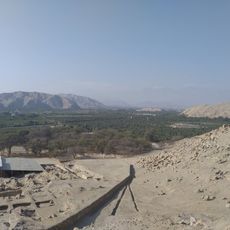
Cerro Sechín, Archaeological site in Casma District, Peru
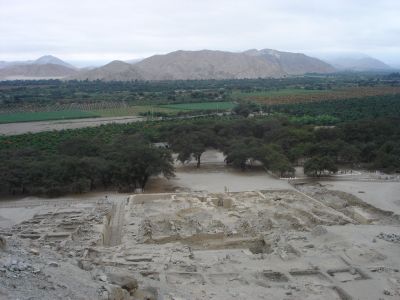
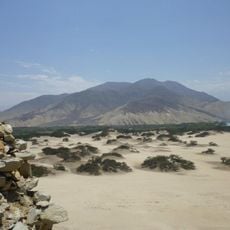
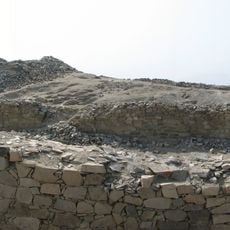
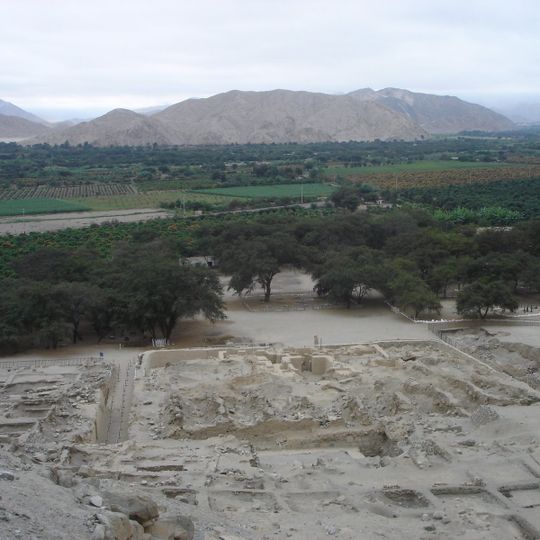
Cerro Sechín is a pre-Columbian site in Casma Province in the Ancash Department, known for its relief-carved stone walls and a central adobe structure. The grounds stretch across several terraces and display around four hundred carved slabs depicting human figures.
The site dates back to the second millennium BC and belongs to the oldest known ceremonial centers in Peru. Discovered in the late nineteen thirties, the grounds testify to early societies that lived in the coastal region.
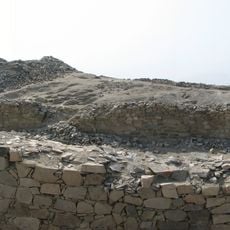
The stone slabs show figures in procession, including priests and warriors with clear faces and bodies, still visible today along the outer walls. The depictions feel alive and form a kind of visual ritual that visitors can follow as they walk around the monument.
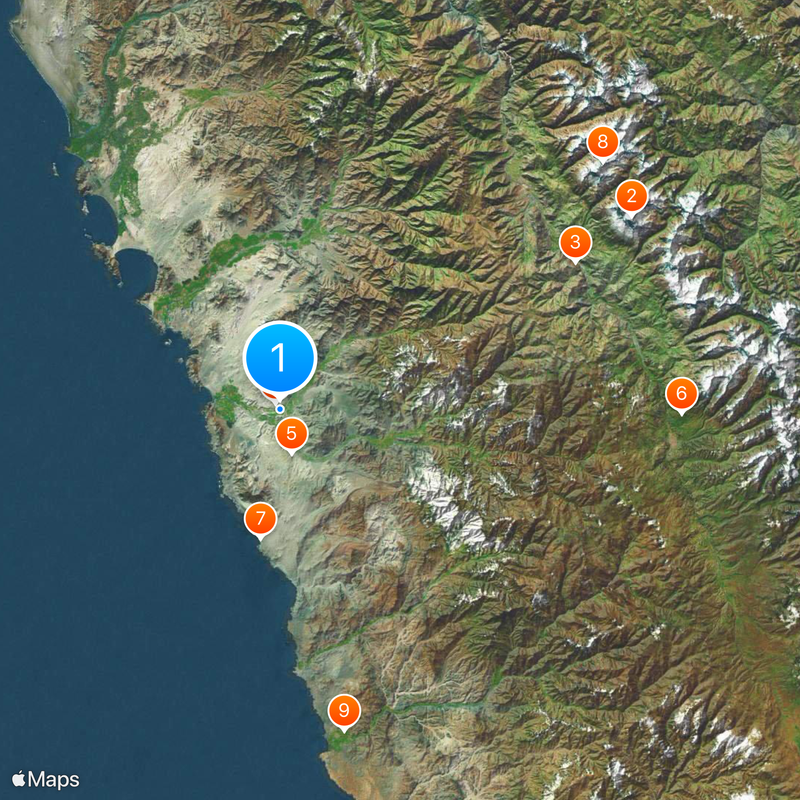
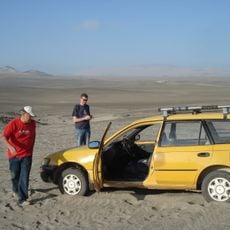
Access is via an unpaved road that branches off the Panamericana highway, and the grounds can easily be explored on foot. A small museum next to the entrance displays finds and explains the discovery history.
The outer walls show only human figures, while the inner sides of the structure carry marine motifs, a duality that researchers still discuss today. This division may hint at different rituals or worldviews that were maintained simultaneously.
The community of curious travelers
AroundUs brings together thousands of curated places, local tips, and hidden gems, enriched daily by 91,355 contributors worldwide.