Zaña, human settlement in Peru
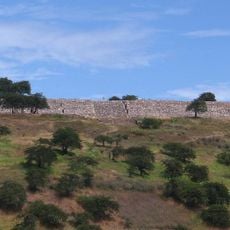
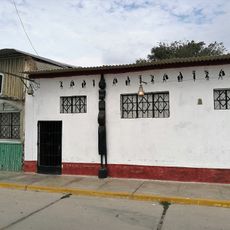
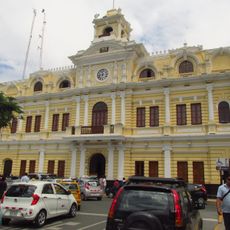
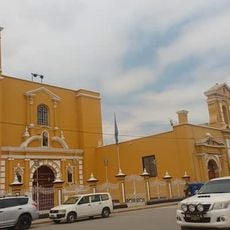
Zaña is a small town in the Lambayeque region with aging buildings and quiet streets that reflect its former importance during the colonial period. The settlement contains several churches including San Agustín, La Merced, and San Francisco, each displaying architectural styles from different eras.
The town was founded in the 1500s as Villa Santiago de Miraflores and grew through trade and farming. In 1686, pirate Edward Davis attacked and raided the settlement, and in 1720, a major flood destroyed much of the town.
The town is known for its Afro-Peruvian dance traditions, particularly tondero and festejo, which are still performed at local celebrations today. These dances connect the community to its roots and remain an active part of how residents gather and express their heritage.
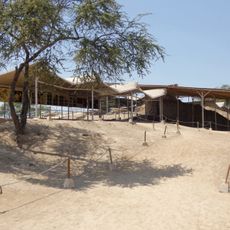
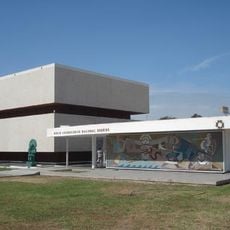
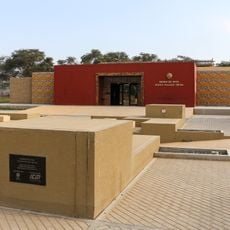
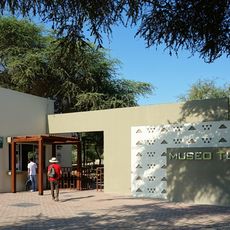
Visitors can explore the old churches and ruins on foot or join guided tours to learn about the town's history. The Museo Afroperuano provides additional information about the Afro-Peruvian culture of the region.
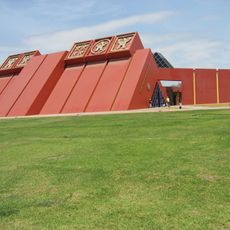
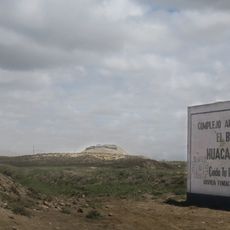
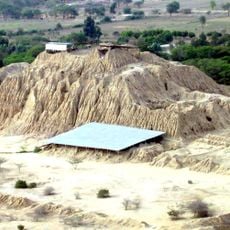
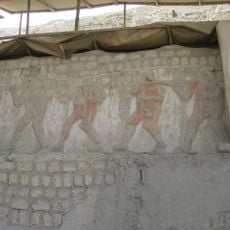
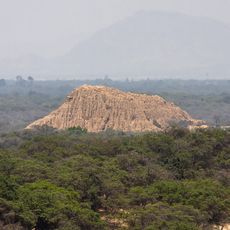
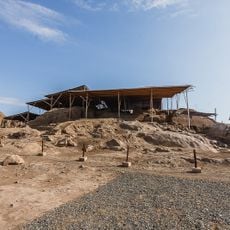
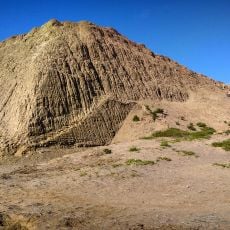
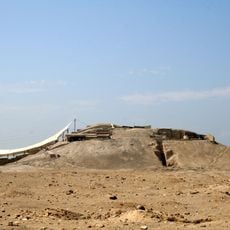
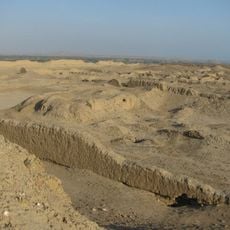
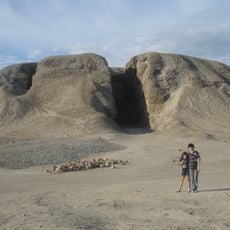
Near Zaña lies the archaeological site of Huaca Rajada-Sipán, where the tomb of the Lord of Sipán, an ancient Mochica ruler, was discovered. This find is considered one of the most significant archaeological discoveries in South America.
The community of curious travelers
AroundUs brings together thousands of curated places, local tips, and hidden gems, enriched daily by 60,000 contributors worldwide.