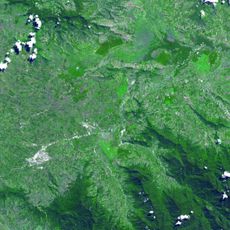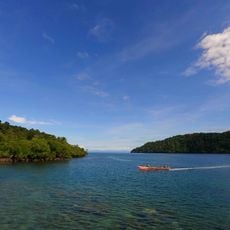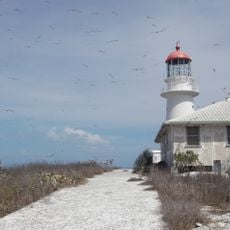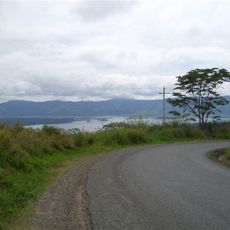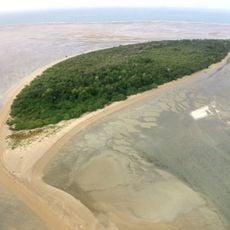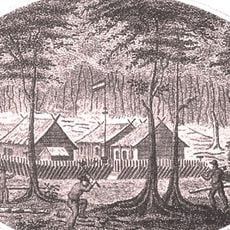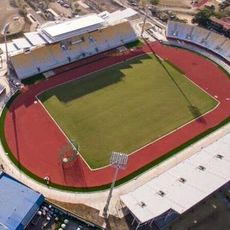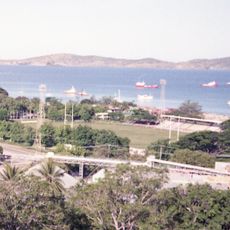
New Guinea, Second largest island in Melanesia, Pacific Ocean.
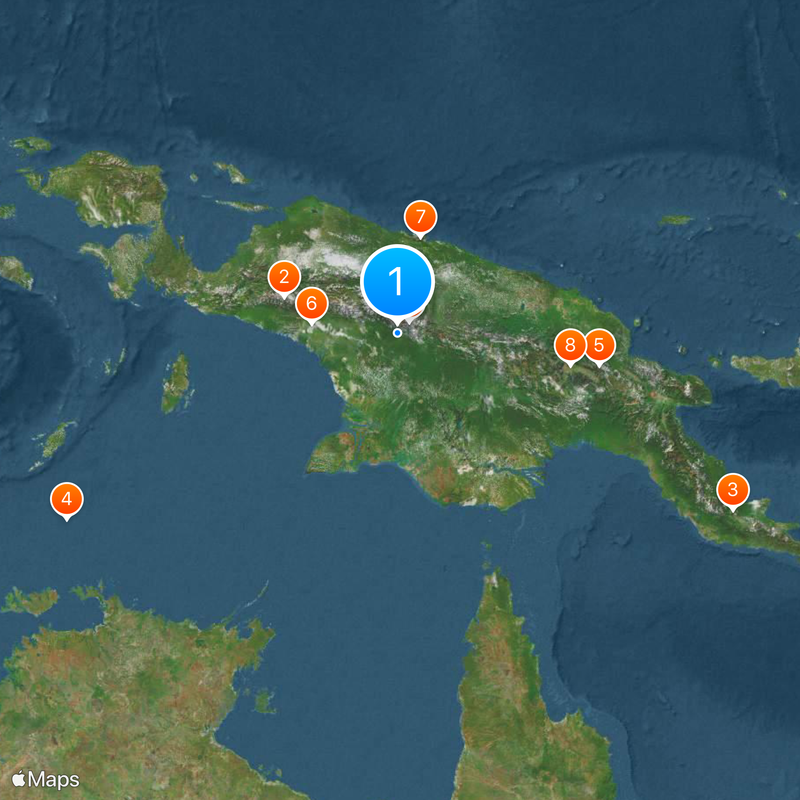
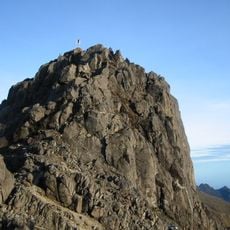
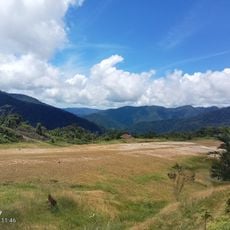
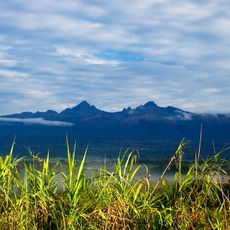
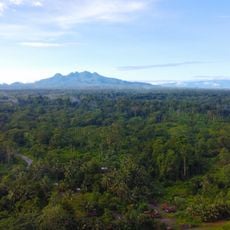
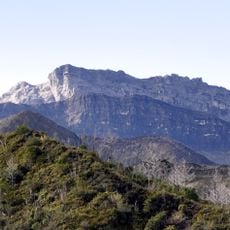
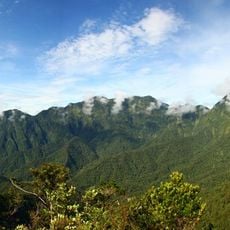
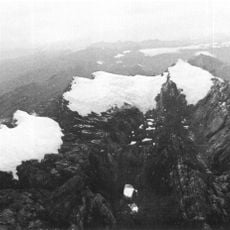
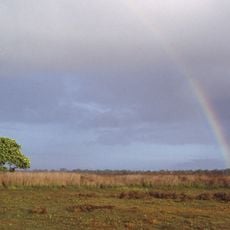
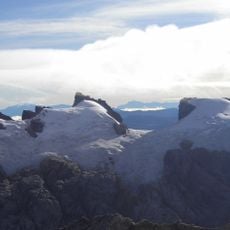
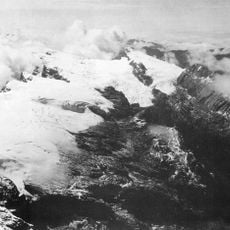
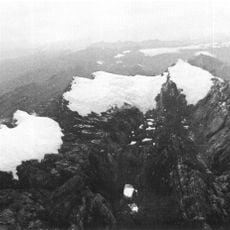
New Guinea stretches roughly 1,500 miles across the Pacific and forms the second largest island in the world after Greenland, with a central mountain range that reaches heights of 16,024 feet (4,884 meters). Deep valleys, tropical rainforests and wide swamplands cover most of the landscape, while narrow coastal plains run along the north and south.
A Spanish explorer named the island in 1545 because he saw similarities between the inhabitants and coastal people in West Africa. The eastern half gained independence in the 20th century, while the western side came under Indonesian control in the 1960s.
Around 1,000 different communities live here, each speaking its own language, so travelers encounter entirely different dialects even in neighboring villages. Markets and festivals show this diversity through changing costumes, rituals and handcrafted traditions that shift from valley to valley.
The eastern part belongs to Papua New Guinea with Port Moresby as its capital, while the western part belongs to Indonesia with several provinces and Jayapura as the largest city. Flights connect to both sides, but overland travel between east and west requires border formalities and long distances through difficult terrain.
The island holds around five percent of all known plant and animal species worldwide, even though it covers only a tiny fraction of the Earth's surface. Researchers regularly discover animals and plants that exist nowhere else and were previously unknown.
The community of curious travelers
AroundUs brings together thousands of curated places, local tips, and hidden gems, enriched daily by 92,530 contributors worldwide.