Valley of Oaxaca, Highland valley in Oaxaca state, Mexico.
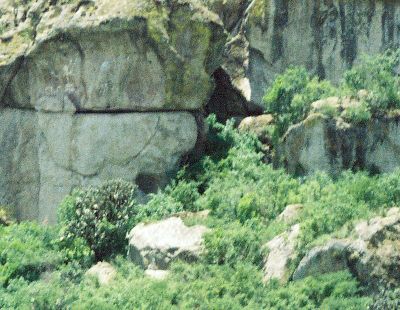
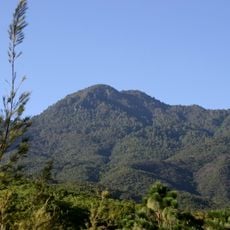
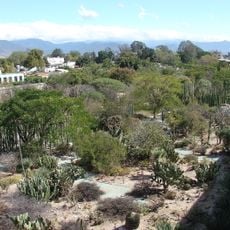
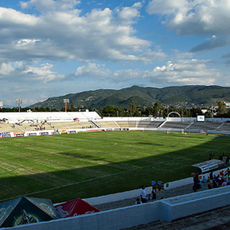
The Valley of Oaxaca is a highland valley in southern Mexico that sits at around 1,550 meters above sea level and spreads in a Y shape, with three arms opening in different directions. The valley floor is flat and agricultural, covered in corn fields and agave plants, with small towns scattered between mountain slopes.
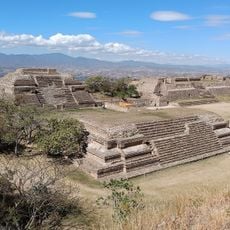
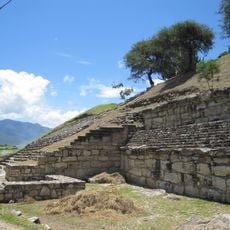
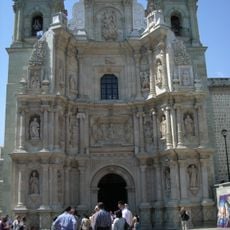
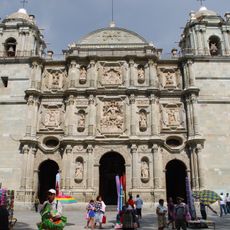
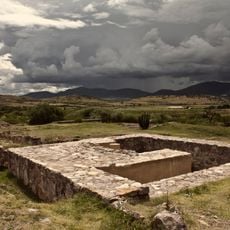
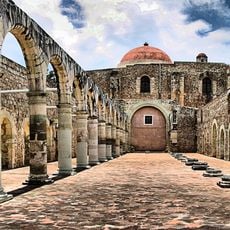
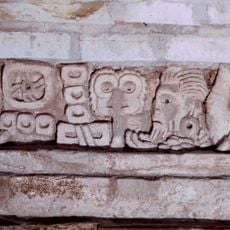
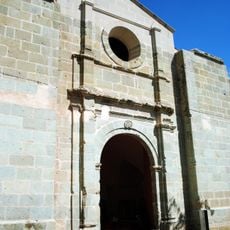
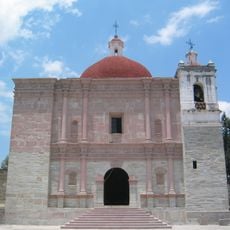
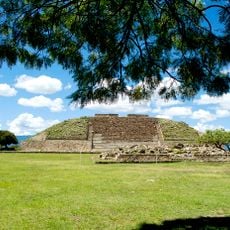
The valley was the heart of Zapotec civilization, which built Monte Albán on a hilltop overlooking the valley floor around 500 BCE. After the decline of that civilization, Mixtec peoples moved in before Spanish forces arrived in the 16th century and reshaped the region through new settlements and the Catholic Church.
Craftspeople in small towns like Teotitlán del Valle weave rugs using natural dyes and patterns passed from one generation to the next. Visitors can watch the process in family workshops, where the work happens in open courtyards visible from the street.
November through March offers the driest conditions for exploring the valley, with clear skies and moderate temperatures most days. From June to September, heavy rain falls regularly and can make some unpaved roads to villages and archaeological sites harder to navigate.
Monte Albán was not built in a natural clearing but on a hilltop that was manually leveled, with large amounts of earth and rock moved to create a flat platform. This work was done without metal tools, draft animals, or the wheel.
The community of curious travelers
AroundUs brings together thousands of curated places, local tips, and hidden gems, enriched daily by 91,816 contributors worldwide.