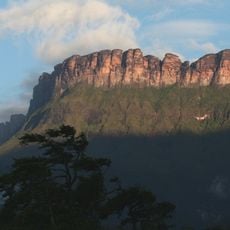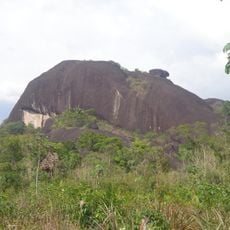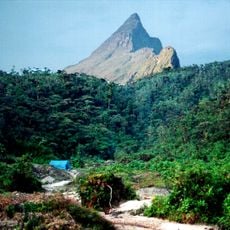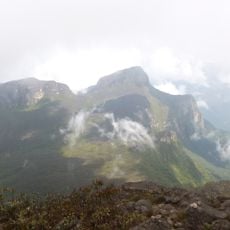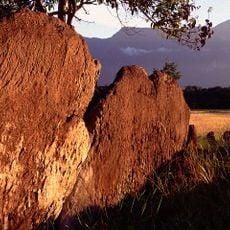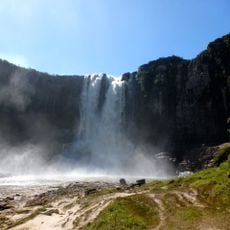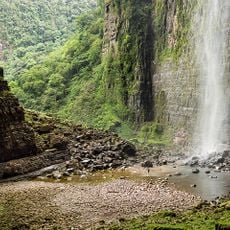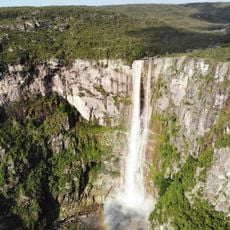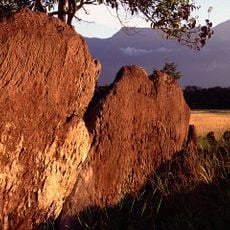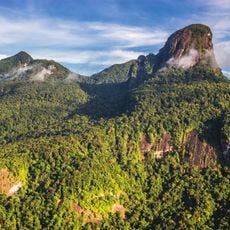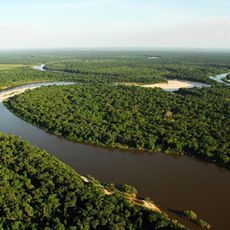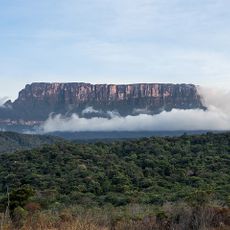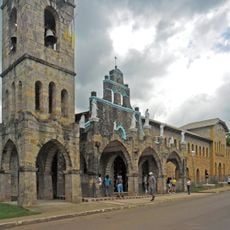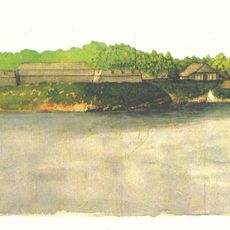
Terra Indígena Yanomami, Indigenous reservation in northern Amazon rainforest, Brazil.
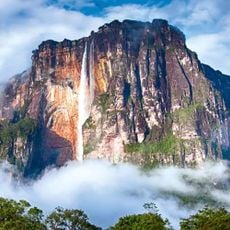
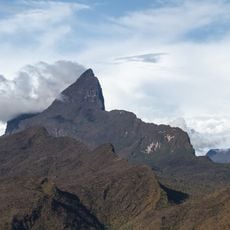
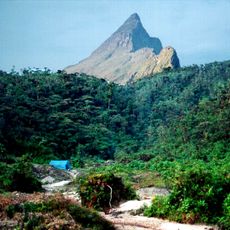
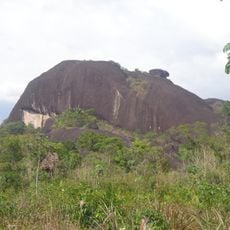
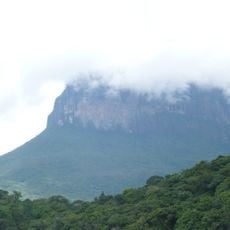
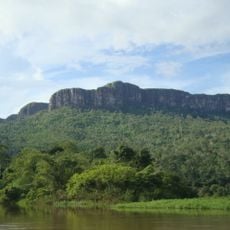
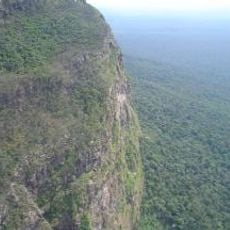
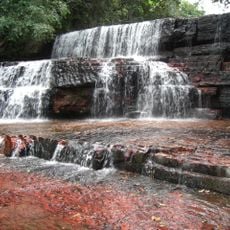
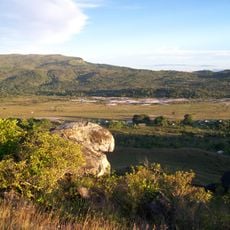
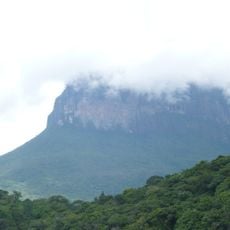
Terra Indígena Yanomami spans 9.6 million hectares across Amazonas and Roraima states, covering diverse ecological zones from lowland rainforests to mountain ranges. The territory includes river systems, extensive forest cover, and elevated regions that together form one of the largest continuous wilderness areas in the Amazon.
The territory was officially established as Yanomami Indigenous Territory in 1992 following international campaigns to protect native communities from external threats. This recognition came after decades of contact and adaptation that had transformed Yanomami society.
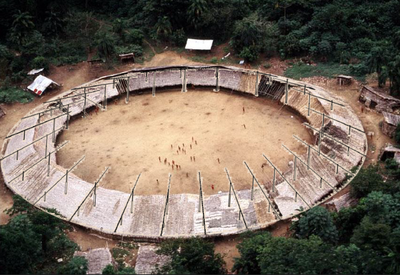
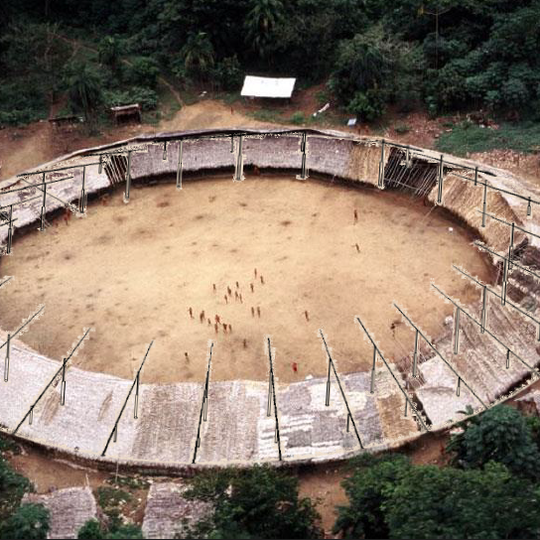
Yanomami communities live in circular communal houses called shabonos, where each family maintains its own hearth and gathers for shared ceremonies. This living arrangement reflects how the group balances individual family needs with collective life and cultural practices.
The territory borders Venezuela and includes sections of national parks, requiring coordination between Brazilian environmental agencies and indigenous authorities. Access for visitors is highly restricted, and contacting local authorities ahead of time is essential.
The Yanomami cultivate around 60 different crop species and utilize some 500 plant varieties based on their traditional ecological knowledge. This forest knowledge has been passed down through generations and is central to their survival strategy.
The community of curious travelers
AroundUs brings together thousands of curated places, local tips, and hidden gems, enriched daily by 91,269 contributors worldwide.