Surmang, Tibetan Buddhist monastery in Yushu Prefecture, China
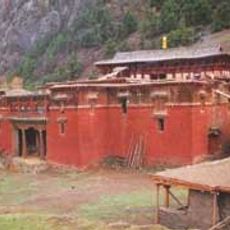
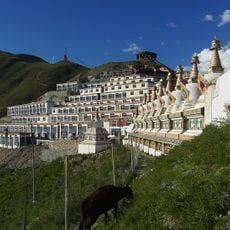
Surmang is a Tibetan Buddhist monastery in Yushu Prefecture, Tibet, sitting at high altitude and made up of nine religious buildings. The structures follow traditional Tibetan architectural forms, with carved wooden details and painted murals covering the interior walls.
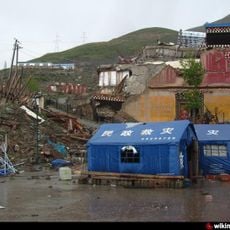
Surmang was founded in 1414 by Trungmase, a student of the fifth Gyalwa Karmapa, making it one of the oldest monasteries in the region. It was destroyed several times over the centuries, including during the Cultural Revolution, and rebuilt each time afterward.
The monastery carries the Surmang Kagyu lineage, a branch of Tibetan Buddhism that absorbed teachings from the older Nyingma school. Visitors can notice traces of both traditions in the rituals practiced here and in the painted details found inside the prayer halls.
The area is remote and has few services, so planning ahead is important before making the journey. The high altitude calls for time to adjust on arrival, and visitors should be in good physical condition before setting out.
The name Surmang comes from the reed huts that the earliest monks lived in, meaning roughly 'many corners' in Tibetan, a reference to their irregular shape. Chogyam Trungpa, who later brought Tibetan Buddhism to the West, was the abbot of this monastery before leaving Tibet in 1959.
The community of curious travelers
AroundUs brings together thousands of curated places, local tips, and hidden gems, enriched daily by 90,826 contributors worldwide.