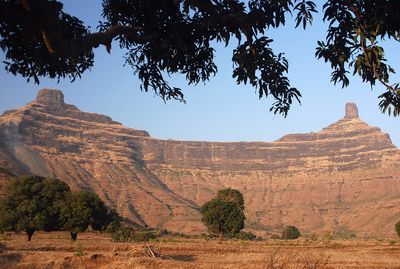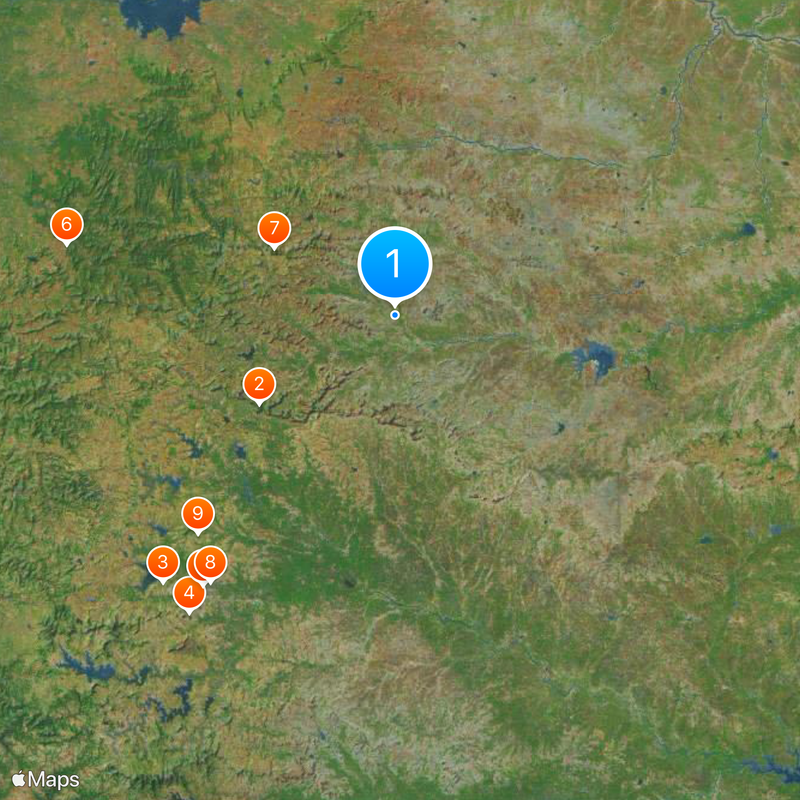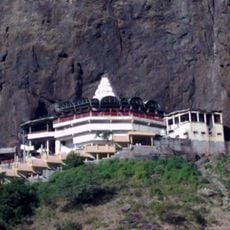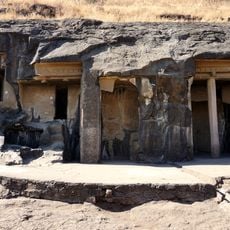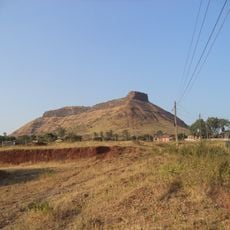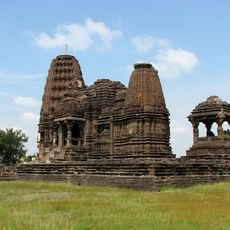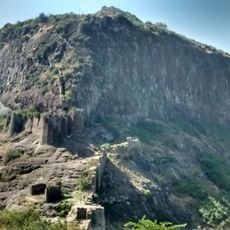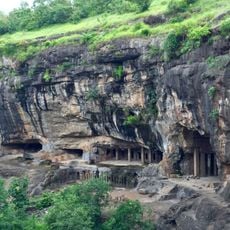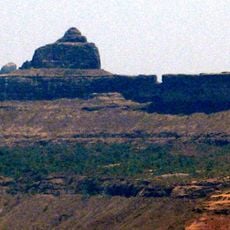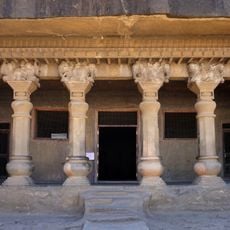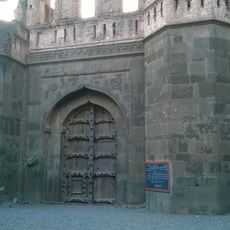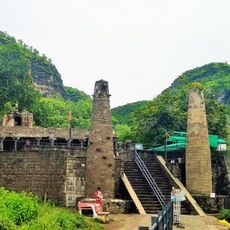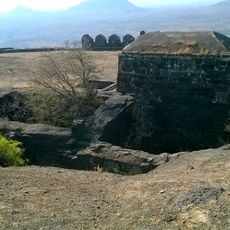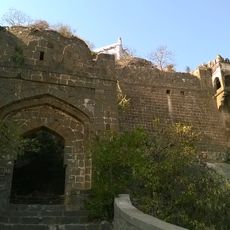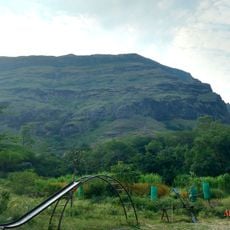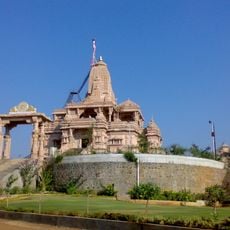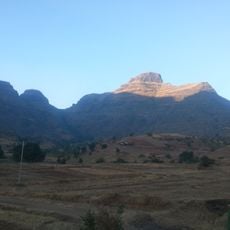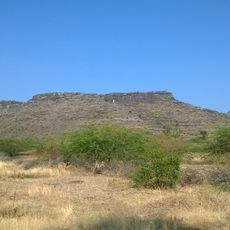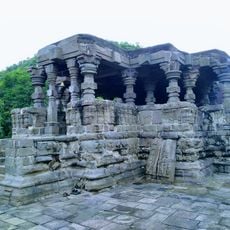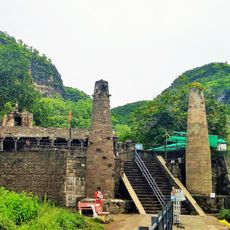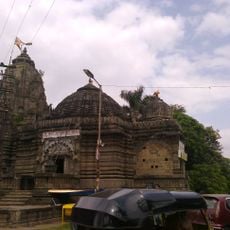
Mangi-Tungi, Jain temple complex in Nashik district, India.
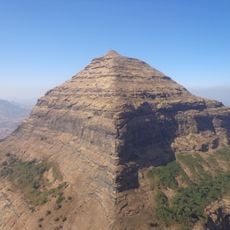
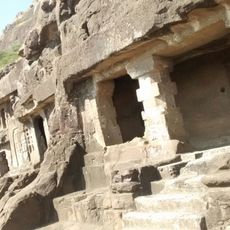
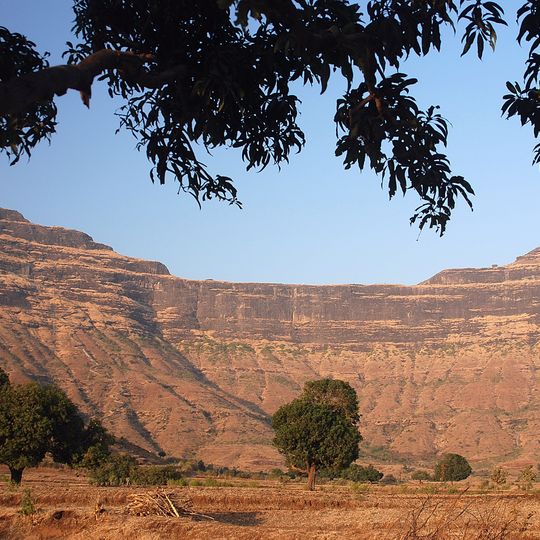
Mangi-Tungi consists of twin peaks rising 4500 feet (1370 meters) above sea level, with multiple cave temples carved into the mountain slopes containing ancient inscriptions. The temple structures are spread across both hills and include both natural caves and rock-cut shrines.
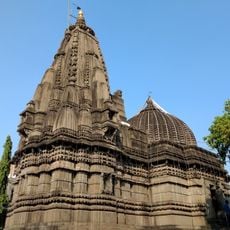
Sanskrit inscriptions from the Adinath and Shantinath caves date to the fourteenth century. King Viramdeo built temples on both hills four hundred years ago, shaping the religious heritage of the region to this day.
The temple complex holds the reputation of a Siddha Kshetra, a place where according to religious tradition ninety-nine crore ascetics attained liberation through meditation. Pilgrims today climb to the different cave temples carved into the mountain flanks, which preserve inscriptions from past centuries.
Regular bus services run from Nasik in the afternoon, from Malegaon in the morning and evening, and from Manmarh in the late morning to the temple complex. The climb to the cave temples requires good physical condition and sturdy footwear, as the paths are steep and sometimes uneven.
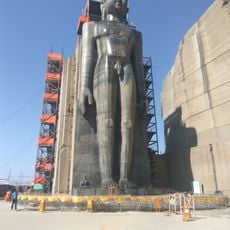
A 108-foot (33-meter) statue of Lord Rishabhdev stands on the site and was designed after extensive research incorporating Greek philosophy and texts in ten languages. This blending of Indian tradition and Greek thought makes the representation a distinctive example of intercultural religious art.
The community of curious travelers
AroundUs brings together thousands of curated places, local tips, and hidden gems, enriched daily by 90,930 contributors worldwide.