Dhodap Fort, Mountain fort in Chandwad, India
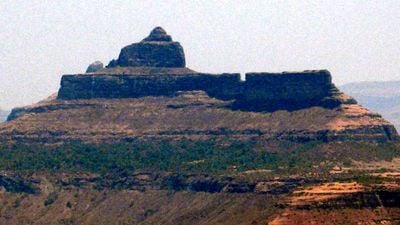
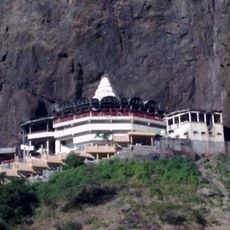
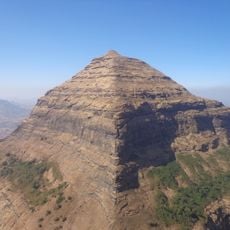
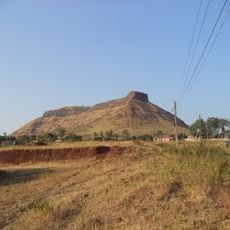
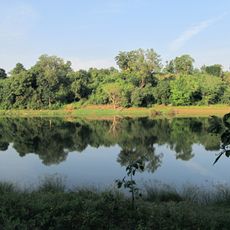
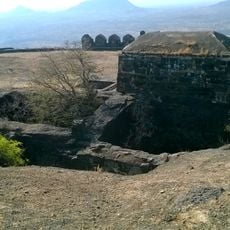
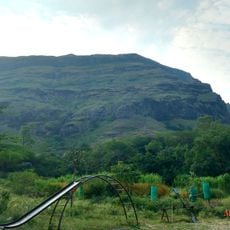
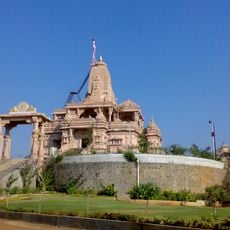
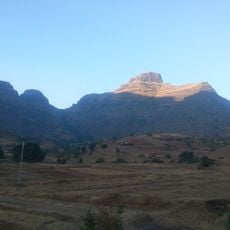
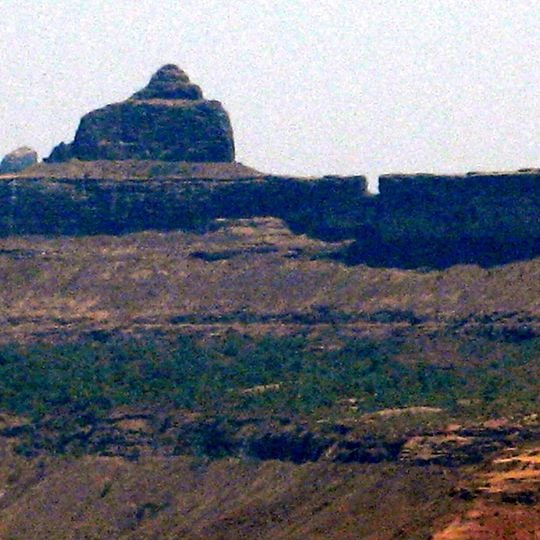
Dhodap Fort is a mountain fort in the Satmala range, featuring steep cliffs and fortified walls across a high plateau. The fort's grounds contain natural caves, carved rock chambers, and temples built into the hillside.
The fort was controlled by Nizamshahi rulers before passing to Mughal forces, later becoming a Maratha stronghold until British conquest in the 1800s. This series of changes reflects the shifting powers across the region over several centuries.
Villagers near the base tell of a stone cow said to move four grains deeper into the hill each Vasubaras, a Marathi festival day. The fort's other names, Dhudap, Dharab and Dharb, appear in local usage. A Persian inscription on the wall left of the second gate records Alavardi Khan Turkman taking fourteen forts, Dhodap among them, in the month of Muharram, Hijri 1046.
Two main routes lead to the fort from Wadali Bhoi or Kalwan, with the climb from Hatti village taking around 90 minutes. The ascent is steep, so wear sturdy footwear and start early to have plenty of daylight for exploring.
The plateau holds ancient water storage systems carved into cave chambers, showing how inhabitants once collected water in this mountain region. These underground structures remain visible and reveal details about how people lived and survived here long ago.
The community of curious travelers
AroundUs brings together thousands of curated places, local tips, and hidden gems, enriched daily by 93,119 contributors worldwide.