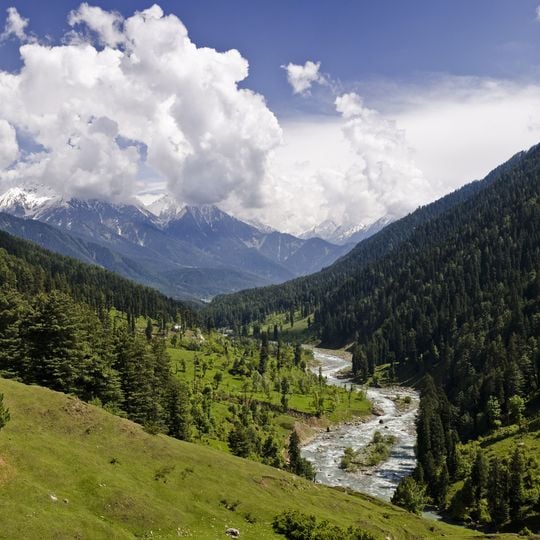
Jammu and Kashmir, Union territory in northern India
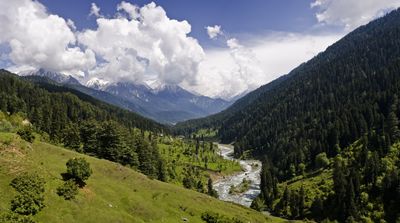
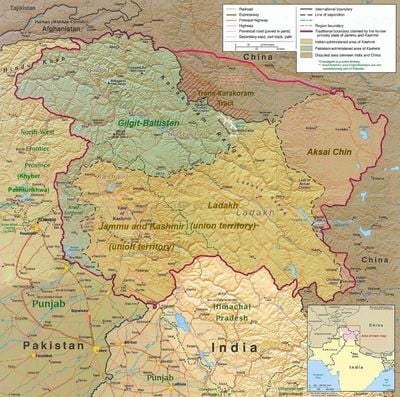
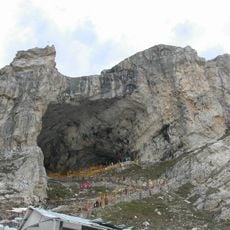
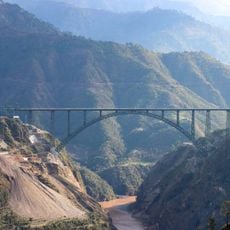
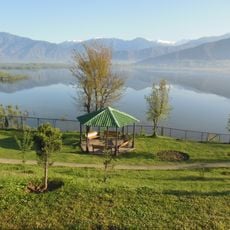
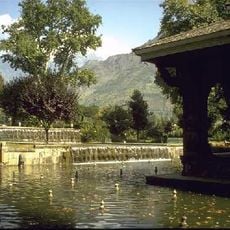
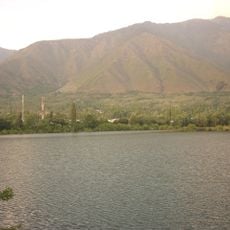
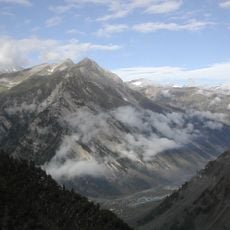
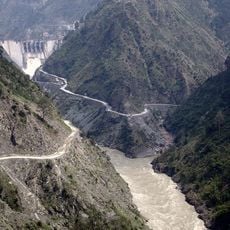
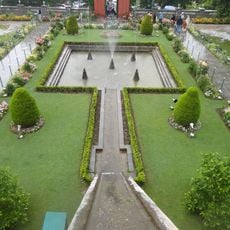
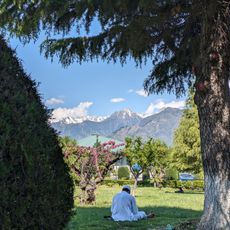
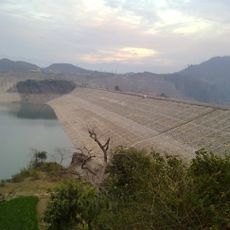
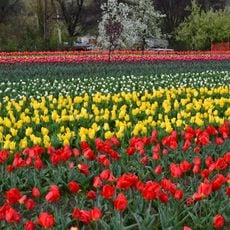
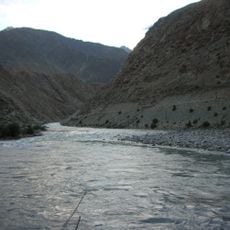
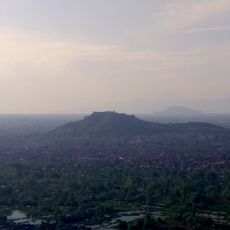
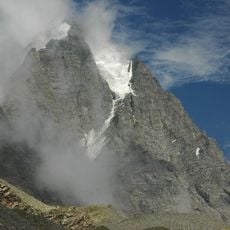
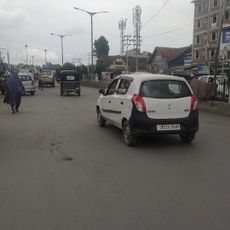
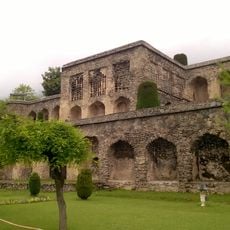
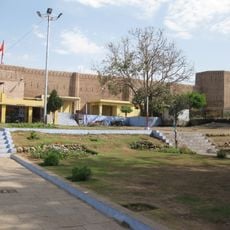
Jammu and Kashmir is a union territory in northern India that stretches across valleys, mountains, and lakes, with the Himalayas marking its northern edge and two capitals, Srinagar in summer and Jammu in winter. The area ranges from low plains to high mountain passes and includes several distinct geographic zones.
For centuries, the region was an independent state under various rulers before becoming part of India. On October 31, 2019, its status changed to a union territory, altering the way it is governed.
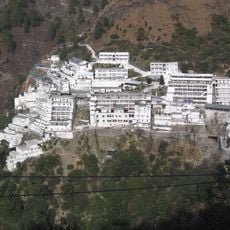
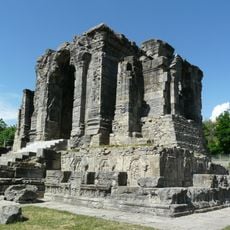
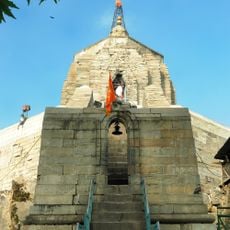
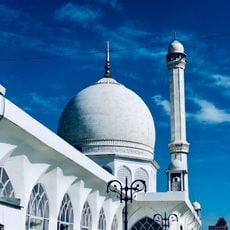
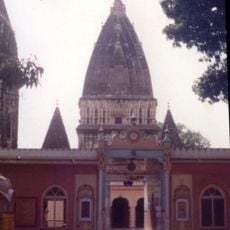
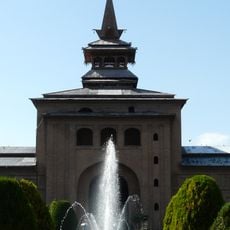
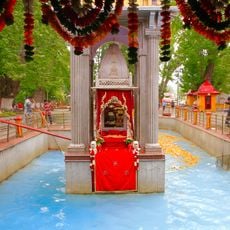
Hindu, Buddhist, and Muslim communities live side by side in the valleys and towns, each maintaining their own temples, monasteries, and mosques. In the markets, craftspeople sell handwoven shawls, carpets, and carved wooden items that have sustained local families for generations.
Visitors need special permits for certain areas, and the season affects access considerably, with cold and snowy winters. In summer, the valleys turn green and roads remain open, while many passes close during winter months.
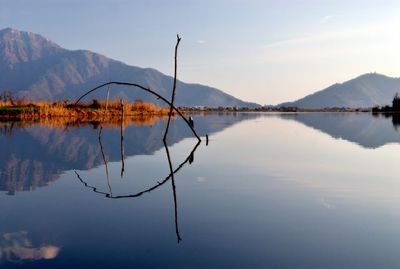
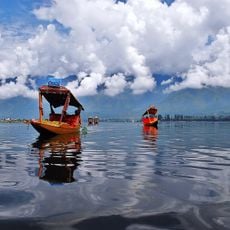
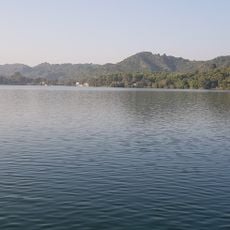
Dal Lake hosts traditional houseboats where visitors can sleep, shop, and eat while floating on the water. Floating gardens supply vegetables to surrounding communities, grown directly on the lake surface.
The community of curious travelers
AroundUs brings together thousands of curated places, local tips, and hidden gems, enriched daily by 91,450 contributors worldwide.