See the monuments around you in AROpen chests in the app
Around Us is built for your phone — point your camera at the streets and discover the monuments and places around you in augmented reality.Around Us is built for your phone — chests unlock when you walk, explore and capture nearby places.
The Marmara region brings together centuries of history with its Ottoman mosques, Byzantine remains and stone villages, each telling a different story.
The Marmara region extends far beyond Istanbul. It includes eight historic provinces – Bursa, Çanakkale, Edirne, Balıkesir, Sakarya, Yalova, Kırklareli and Tekirdağ – that together tell several centuries of Turkish history. Here you will find Ottoman and Byzantine monuments known around the world, such as the Blue Mosque and Hagia Sophia, but also places few visitors discover, like the seaside village of Trilye or the floodplain forests of İğneada.
This region blends several worlds. Istanbul remains the beating heart, with its monumental mosques, labyrinthine bazaars and terraces overlooking the Bosphorus. But once you leave the city, you enter preserved Ottoman villages like Cumalıkızık, with its timber and stone houses. You can also climb Mount Uludağ in summer or soak in the thermal springs of Yalova. On the Aegean coast, islands like Bozcaada and Cunda keep their colorful Greek houses and calm streets.
Whether you are looking for history, nature or simply to understand how people live here, the Marmara region has it all. You can explore the ancient ruins of Assos or Troy in the morning, then stop at a local café in the evening to watch the sunset. It is a place where every village and every monument has a story to tell, and where you can choose to follow the crowds or lose yourself in the quiet alleys.
The Marmara region brings together centuries of history with its Ottoman mosques, Byzantine remains and stone villages, each telling a different story.
The Marmara region extends far beyond Istanbul. It includes eight historic provinces – Bursa, Çanakkale, Edirne, Balıkesir, Sakarya, Yalova, Kırklareli and Tekirdağ – that together tell several centuries of Turkish history. Here you will find Ottoman and Byzantine monuments known around the world, such as the Blue Mosque and Hagia Sophia, but also places few visitors discover, like the seaside village of Trilye or the floodplain forests of İğneada.
This region blends several worlds. Istanbul remains the beating heart, with its monumental mosques, labyrinthine bazaars and terraces overlooking the Bosphorus. But once you leave the city, you enter preserved Ottoman villages like Cumalıkızık, with its timber and stone houses. You can also climb Mount Uludağ in summer or soak in the thermal springs of Yalova. On the Aegean coast, islands like Bozcaada and Cunda keep their colorful Greek houses and calm streets.
Whether you are looking for history, nature or simply to understand how people live here, the Marmara region has it all. You can explore the ancient ruins of Assos or Troy in the morning, then stop at a local café in the evening to watch the sunset. It is a place where every village and every monument has a story to tell, and where you can choose to follow the crowds or lose yourself in the quiet alleys.
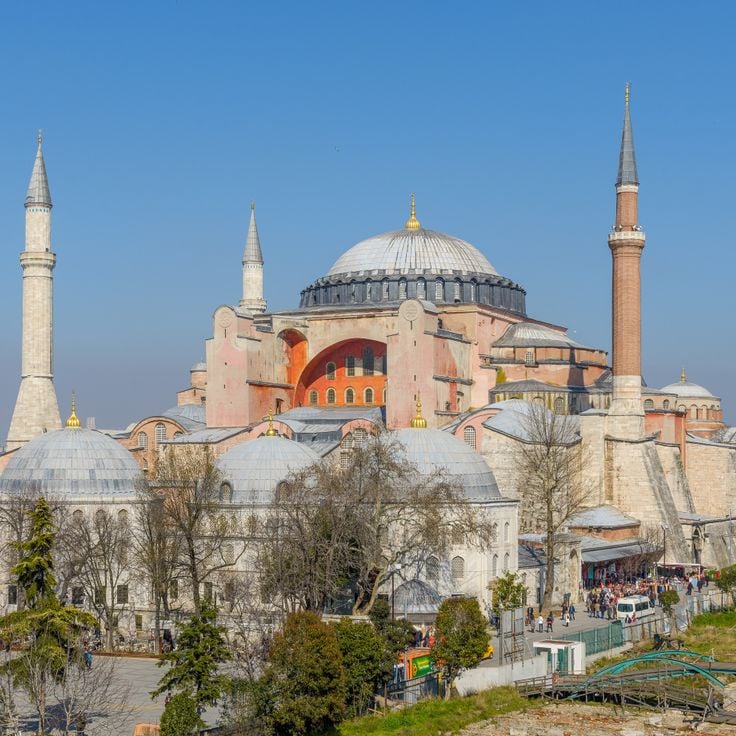
The Hagia Sophia in Istanbul was built in the 6th century as a Christian church, then became a mosque, then a museum, and is now a mosque again. Inside, a massive dome rises above the floor, letting in light from dozens of windows. Byzantine mosaics and Islamic calligraphy share the same walls, making the building a rare place where centuries of history are visible at once.
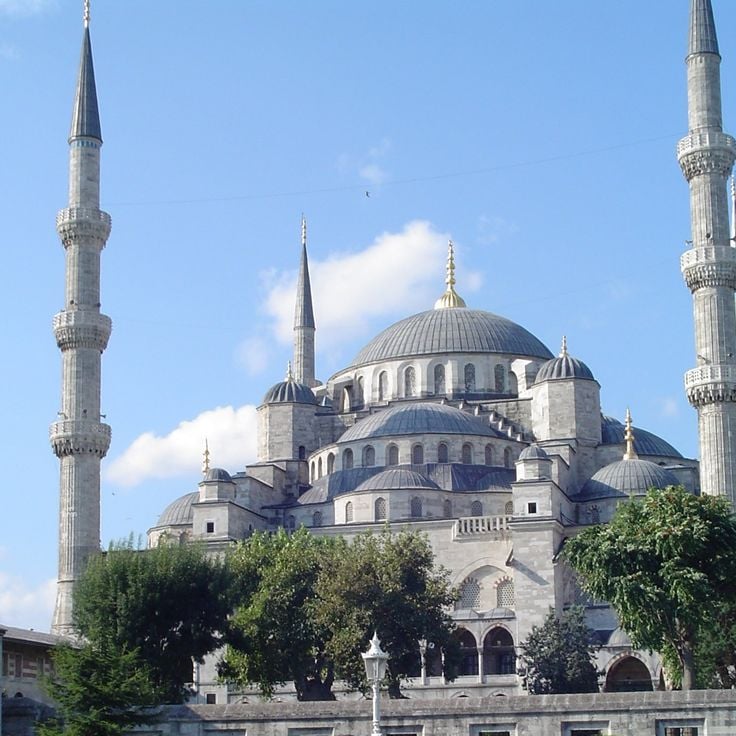
The Blue Mosque was built in the 17th century, directly across from Hagia Sophia in Istanbul. Its name comes from the blue tiles that cover its interior walls. It is one of the most recognized mosques in Turkey and still an active place of worship, which sets it apart from many other historical sites in the city.
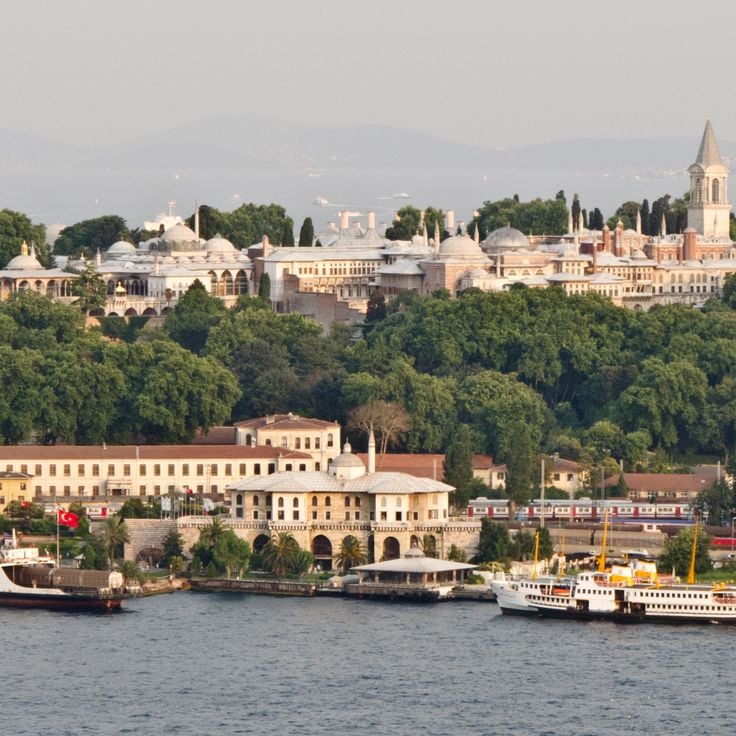
Topkapı Palace served as the main residence of the Ottoman sultans for more than 400 years. Walking through its open courtyards and shaded gardens, you get a real sense of how the empire was run day to day. The rooms range from the private quarters of the harem to grand halls where sultans received foreign ambassadors. The treasury holds objects that were collected over centuries of Ottoman rule. The palace sits on a hilltop at the tip of the old city, with water visible on three sides.
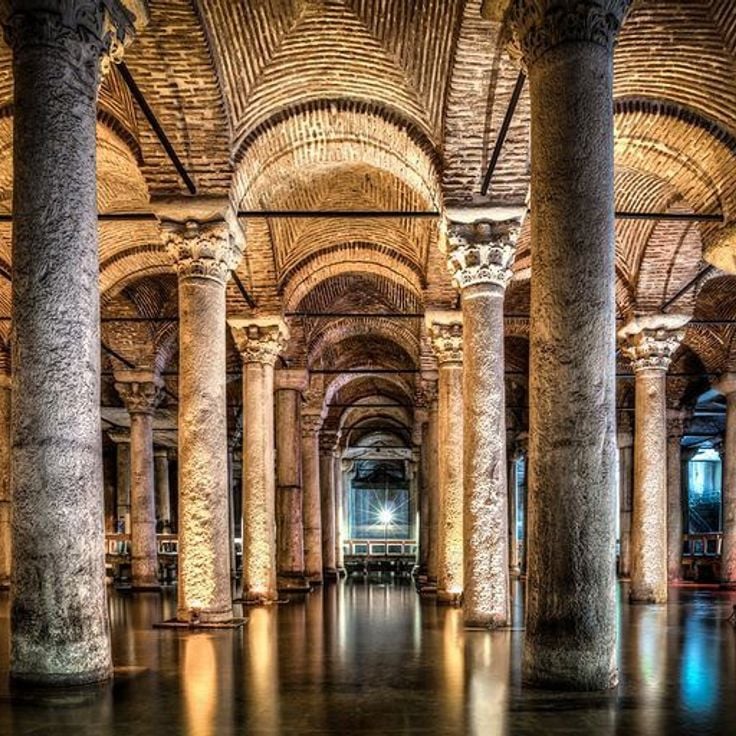
The Basilica Cistern sits beneath the streets of Istanbul, a short walk from Hagia Sophia. Built in the 6th century under Emperor Justinian I, it was designed to store water for the Byzantine city above. Inside, hundreds of marble columns rise from a shallow pool of water, their reflections shimmering in the dim light. The air is cool and the space feels vast and quiet. At the far end, two column bases carved with Medusa heads rest upside down or sideways, placed there centuries ago without explanation.
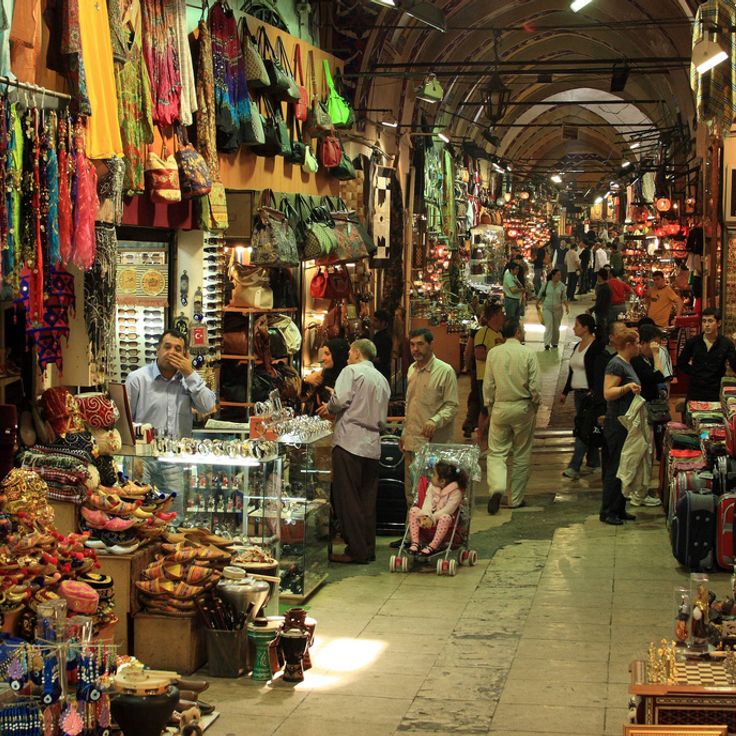
The Grand Bazaar has been open since the 15th century and sits at the heart of Istanbul. It is a network of covered alleys and small shops where you can find spices, jewelry, carpets, leather goods and ceramics. People come here to shop, to bargain, or simply to walk through its busy corridors. It is a place where the daily life of Istanbul and its history meet naturally.
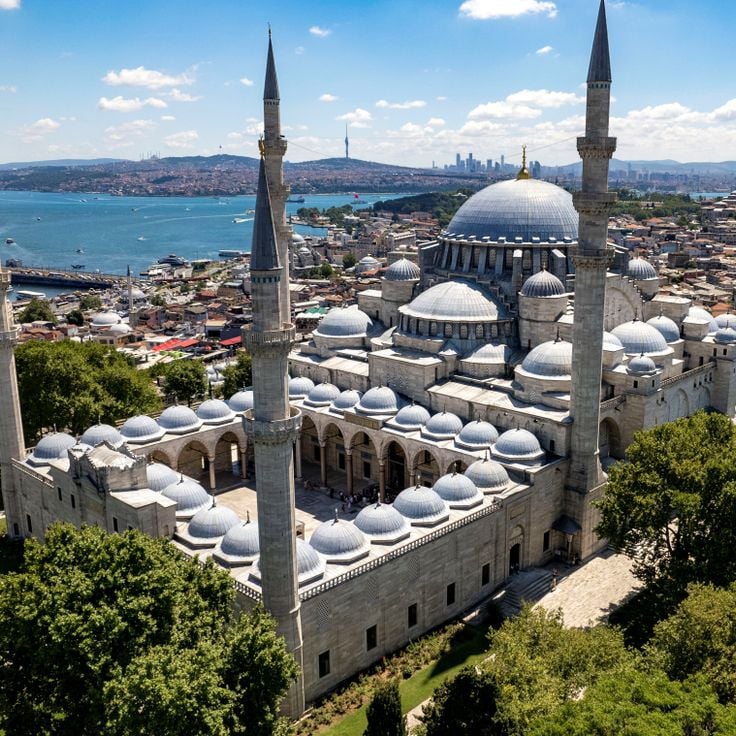
The Süleymaniye Mosque was built in the 16th century on a hill above the Golden Horn. From the courtyard, you can see the rooftops of the old city and the Bosphorus in the distance. Inside, the space feels open and airy, with colored windows casting soft light across the floor. This is one of the largest mosques in Istanbul, and it still serves as an active place of worship for the people of the surrounding neighborhood.
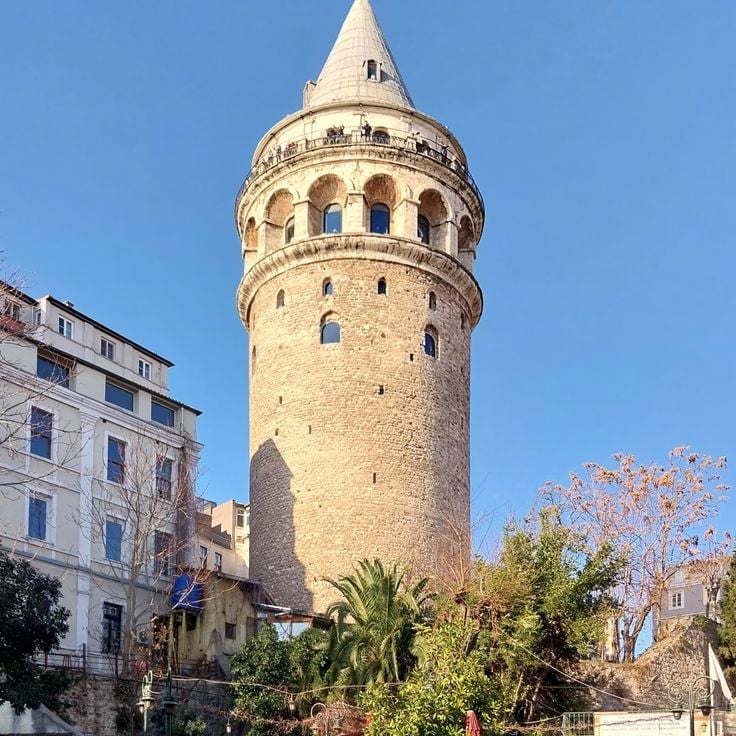
The Galata Tower is a medieval tower built in the 14th century, standing tall over the Galata neighborhood in Istanbul. From the top, you can see the old city, the Bosphorus, and the Golden Horn all at once. It is one of the best spots to understand how Istanbul is laid out between its two shores.
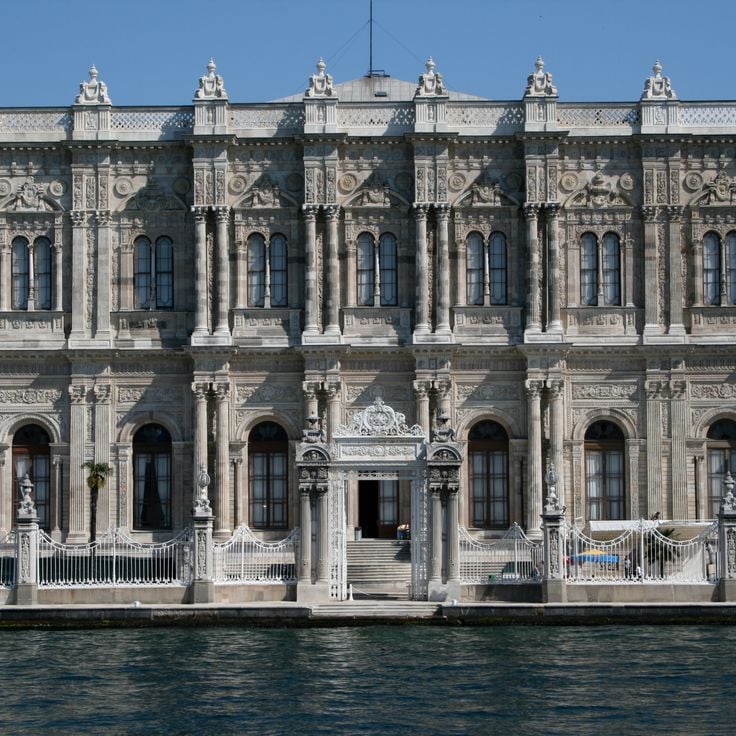
The Dolmabahçe Palace sits right on the Bosphorus waterfront and was built in the 19th century to serve as the new home of the Ottoman sultans. Its facade mixes Ottoman traditions with baroque and European styles, giving it a very different look from the older palaces in the city. Inside, large reception halls, gilded ceilings and wide staircases follow one after another. Atatürk spent his final years here and died in one of the palace rooms in 1938.
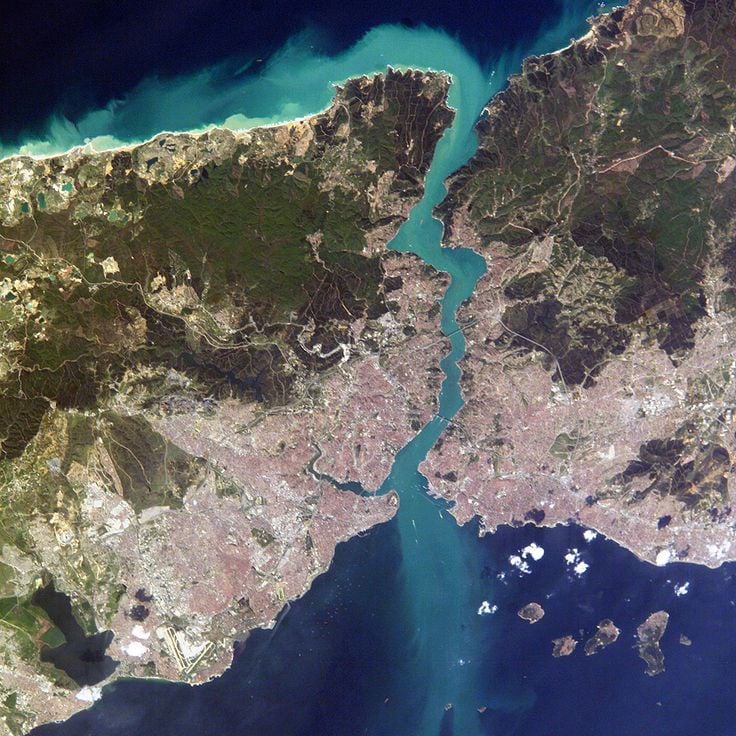
The Bosphorus is a narrow strait that separates Europe from Asia and connects the Black Sea to the Sea of Marmara. A boat ride along this waterway gives you a view of Istanbul that is hard to get from land: mosques, palaces and old wooden houses line both shores, while cargo ships and ferries cross in every direction. The two sides of the city feel different from each other, and the Bosphorus is where that difference is most visible.
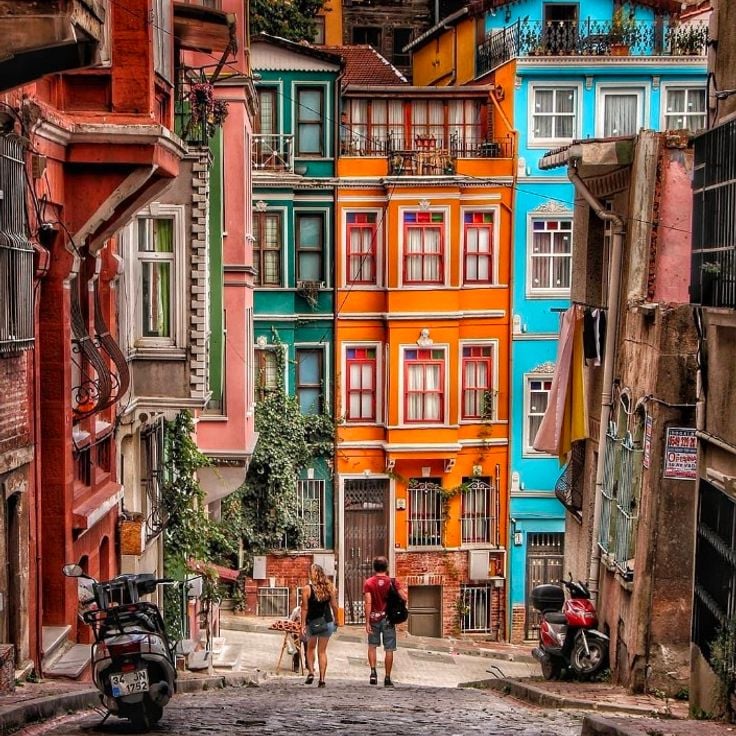
Balat and Fener sit along the Golden Horn in Istanbul, and for centuries they were home to Greek, Jewish, and Armenian communities. The streets are narrow and hilly, lined with colorful old houses. Today, small cafés and workshops sit beside ancient churches and synagogues. Walking here feels different from the rest of the old city, slower and more everyday.
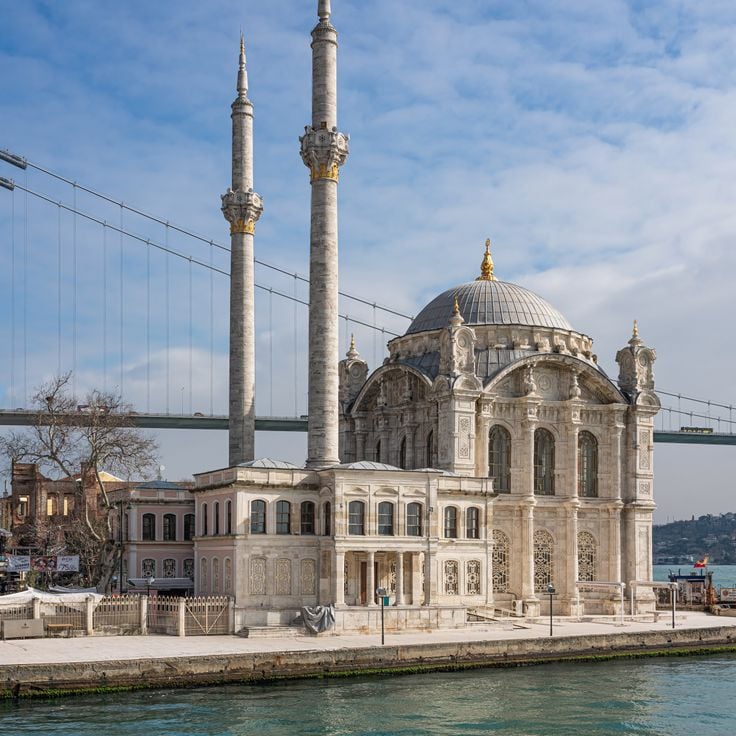
The Ortaköy Mosque was built in the 19th century and stands right at the waterfront, at the foot of the Bosphorus Bridge. Its white facade faces the strait, and walking along the shore here gives you a clear sense of how Istanbul sits between two continents. The surrounding neighborhood has small food stalls, cafes, and a steady flow of people watching the ships pass.
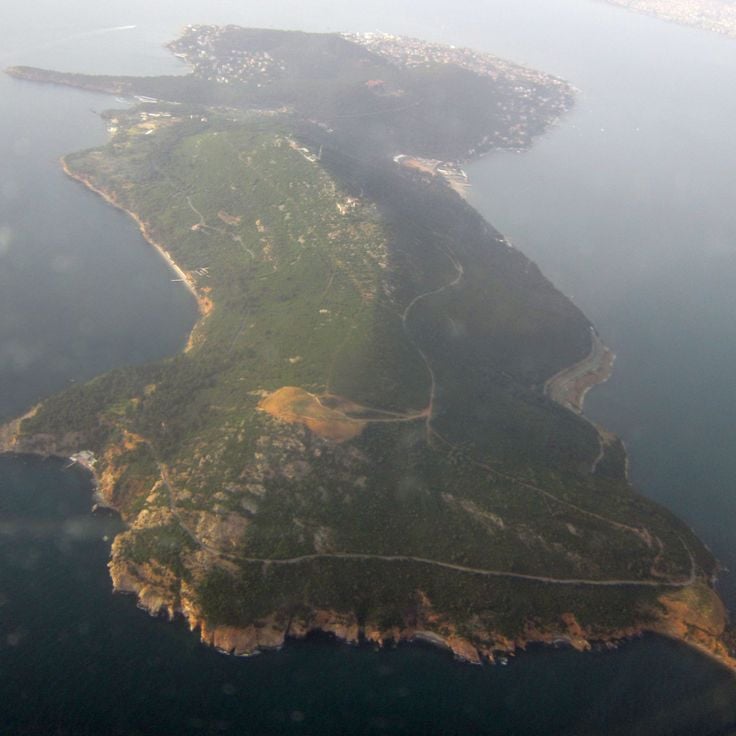
Büyükada is the largest of the Princes' Islands, sitting in the Sea of Marmara a short ferry ride from Istanbul. Cars are not allowed here, so the streets are quiet and people get around by horse-drawn carriage or bicycle. Old wooden villas from the 19th century line the hillside roads, and the pace of daily life feels very different from the city. In summer, locals come to walk, eat at waterfront restaurants, and enjoy the sea breeze. The island offers a real break from Istanbul without going very far.
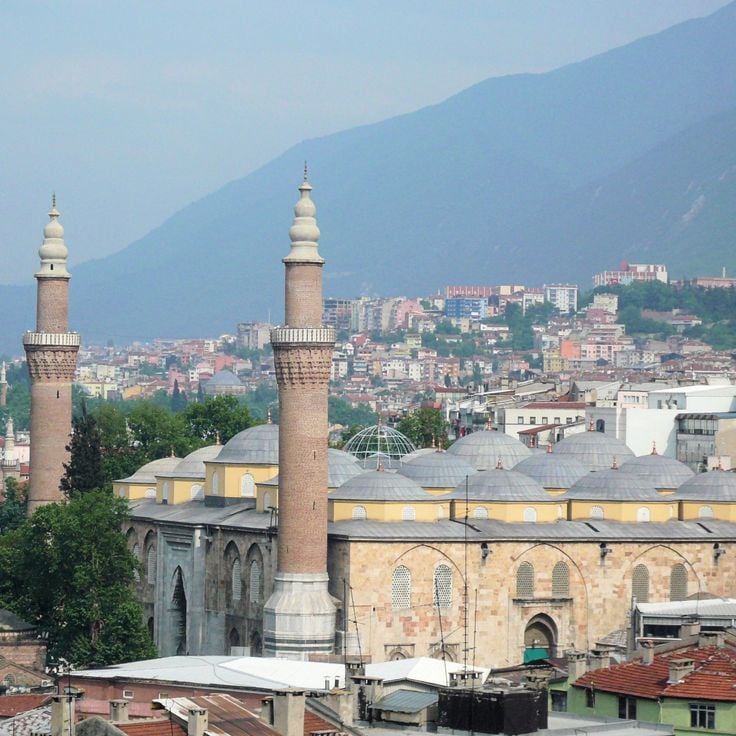
The Grand Mosque of Bursa stands at the heart of the old Ottoman capital. Built in the 15th century, it is one of the most important religious buildings from the early Ottoman period. Its 20 domes are visible from the streets around it and shape the skyline of the old city. Inside, the space is wide and open, with a large fountain at the center of the prayer hall. People come here to pray every day, and visitors can walk through and take in the carved stone and calligraphy that cover the walls.
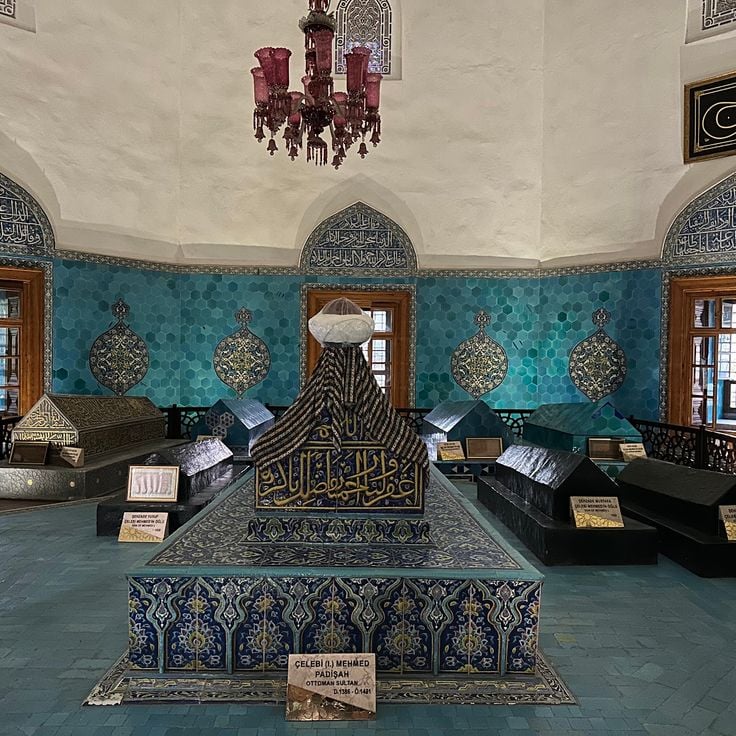
The Green Mosque and Green Tomb in Bursa were built in the early 15th century and are two of the most celebrated Ottoman monuments in the city. Both buildings are covered with colored ceramic tiles that give them their name. The tomb holds the remains of Sultan Mehmed I. Walking through these structures, you get a clear sense of how Ottoman craftsmen worked at the height of their early creative period.
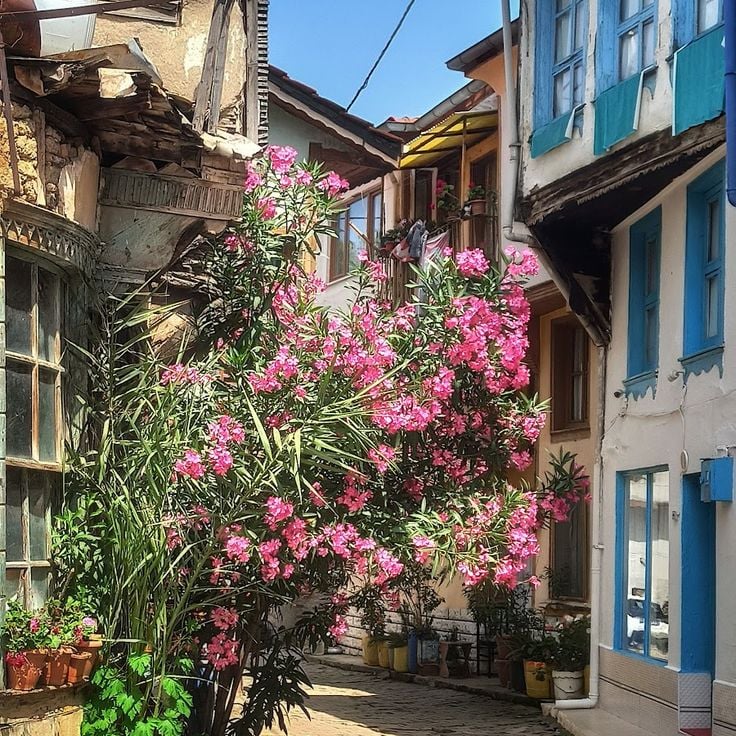
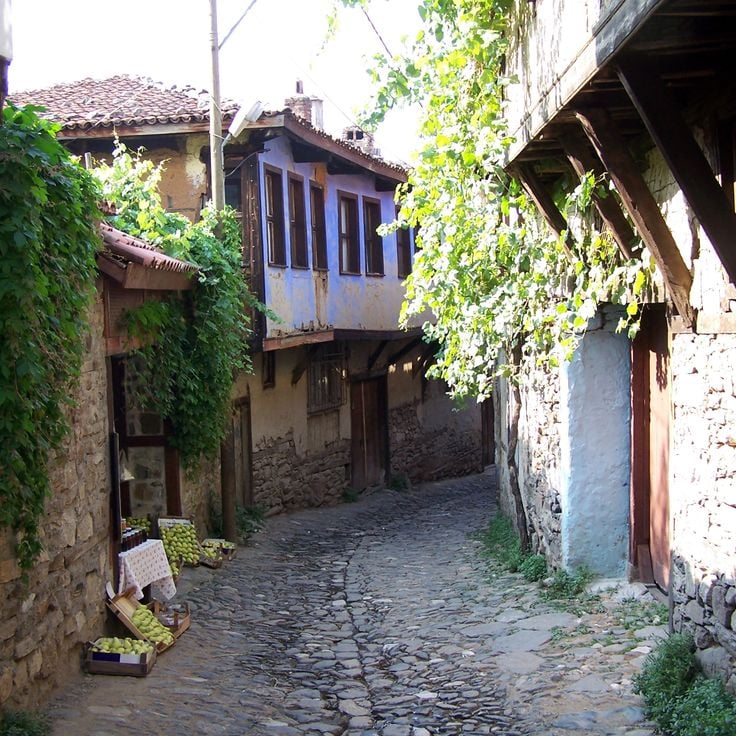
The village of Cumalıkızık sits at the foot of the Uludağ mountain, just outside Bursa, and is one of the oldest Ottoman villages still standing in Turkey. Its narrow cobblestone lanes run between timber-and-stone houses whose upper floors lean out over the street. The village is part of the UNESCO World Heritage Site of Bursa and gives a clear sense of what daily life looked like in Ottoman times several centuries ago. People still live here today, and small cafés and local craftspeople fill the lanes.
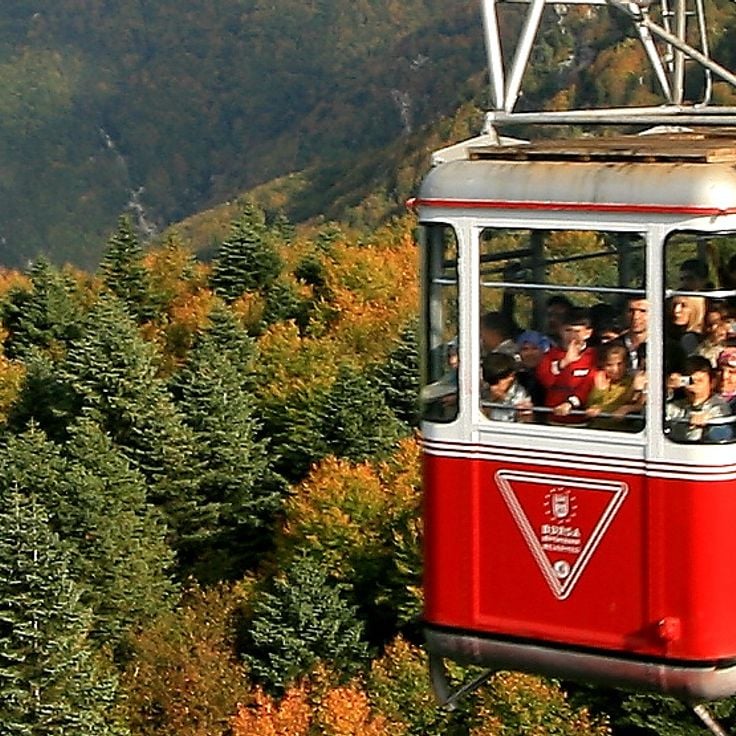
Mount Uludağ rises above the city of Bursa and is one of the most visited natural spots in the Marmara region. In summer, its forests offer good hiking trails with fresh air and shade. In winter, the mountain turns into a ski resort that draws visitors from across Turkey. A cable car runs directly from Bursa to the upper slopes, making the ascent part of the experience.
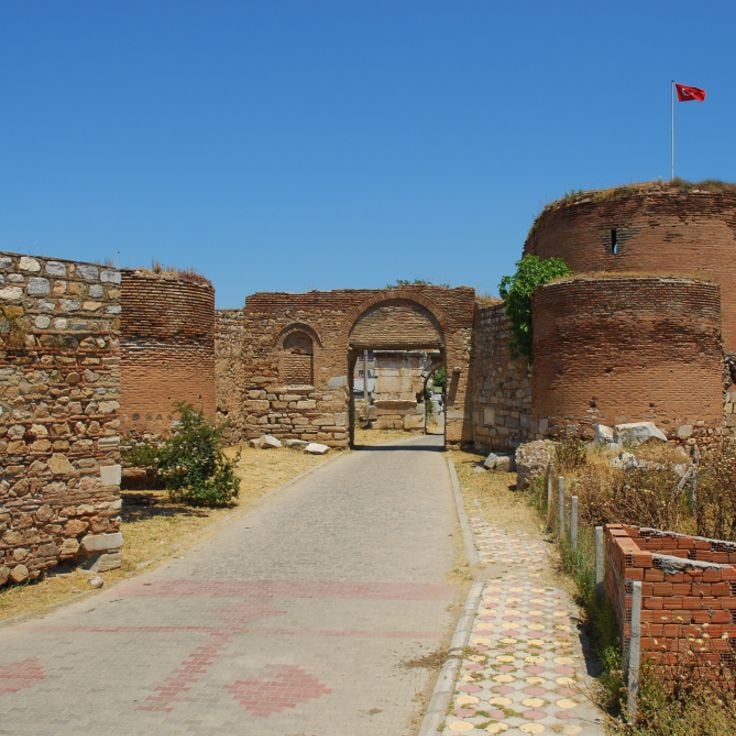
İznik, the ancient Nicaea, sits on the shore of a lake not far from Bursa. The city is known for two councils held here in the 4th and 8th centuries, which shaped the Christian creed. Later, under Ottoman rule, İznik became a center for tile production: the blue-and-white ceramics made here decorated the great mosques of Istanbul. Today you can still walk along the old city walls, visit a Byzantine church and an Ottoman bazaar, while daily life in town moves at a slow and easy pace.
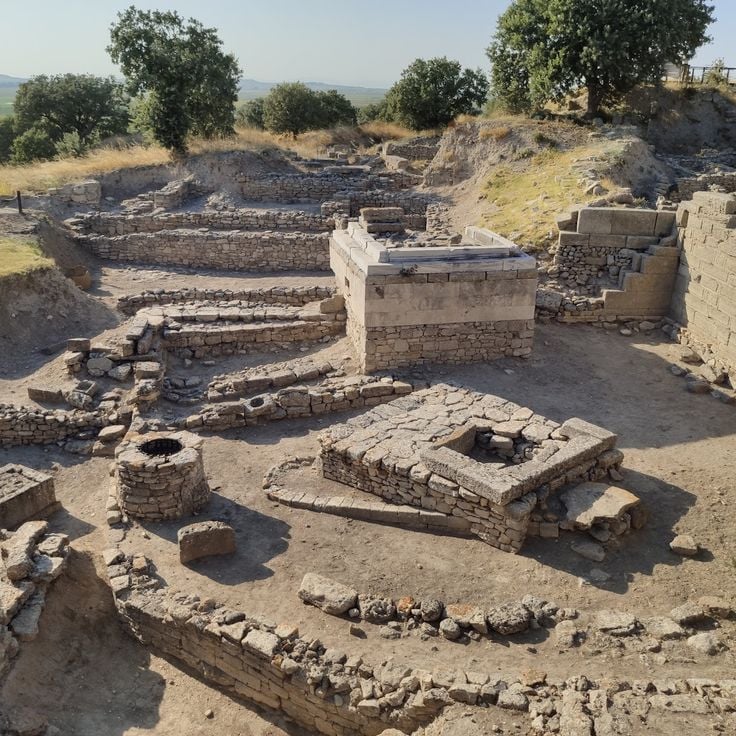
The archaeological site of Troy sits near Çanakkale and is tied to Homer's Iliad. Excavations here reveal layers of cities built one on top of another over roughly 3000 years. Visitors can walk among stone walls, gateways, and foundations from the Bronze Age through Roman times. The site has been on the UNESCO World Heritage List since 1998.
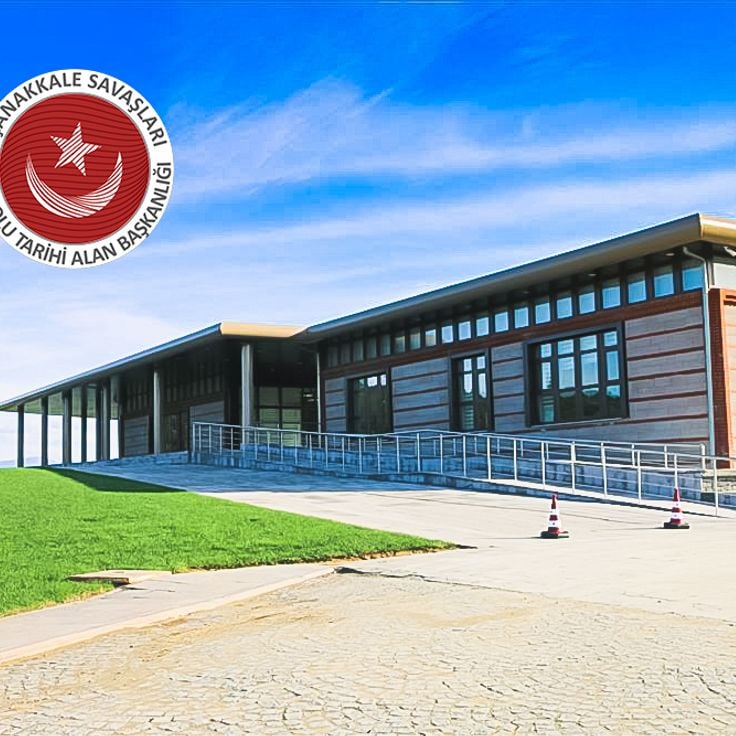
The Gallipoli Peninsula lies along the coast of Çanakkale and was the site of one of the deadliest battles of World War I. The area holds battlefields, cemeteries, and memorials that carry deep meaning for Turkey, Australia, New Zealand, and other countries. Walking through the peninsula, you pass over hills and shorelines that still feel shaped by that history. The site is on Turkey's indicative list for UNESCO World Heritage status.
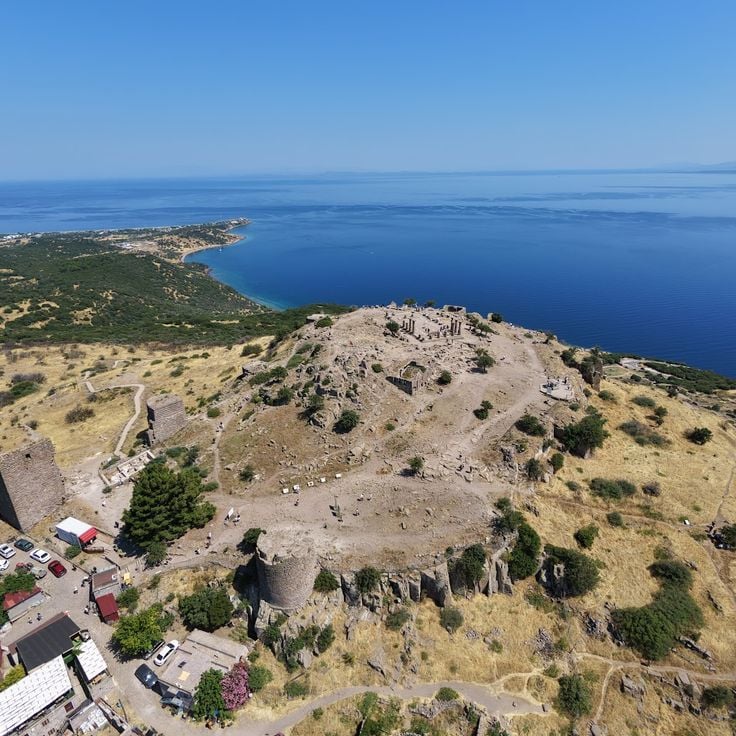
Assos-Behramkale is one of the oldest sites in the Marmara region, set on a hill above the Aegean Sea in Çanakkale province. A Temple of Athena from the 6th century BC still stands at the top, with stone columns framing the view over the water. The village below is built entirely of stone, with narrow streets and old houses that feel unchanged for centuries.
Bozcaada sits in the Aegean Sea off the Turkish coast and is a small island reachable by ferry from Çanakkale. A castle built by Venetians and later expanded by the Ottomans watches over the harbor, while the village streets are lined with stone houses that once belonged to Greek families, some still painted in faded colors. Vineyards cover much of the land, and local winemakers are known for their white wine. The coastline shifts between rocky coves and sandy beaches depending on which side of the island you walk.
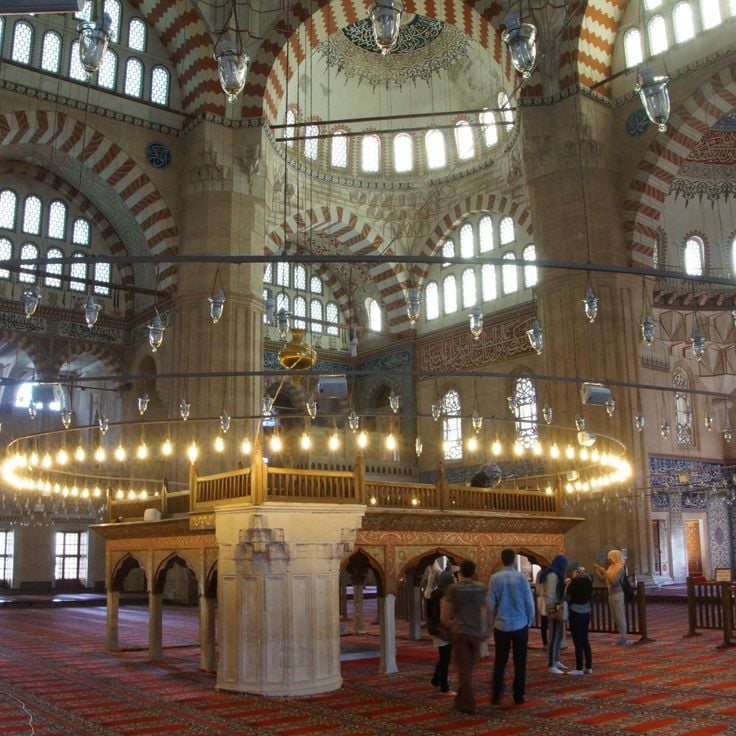
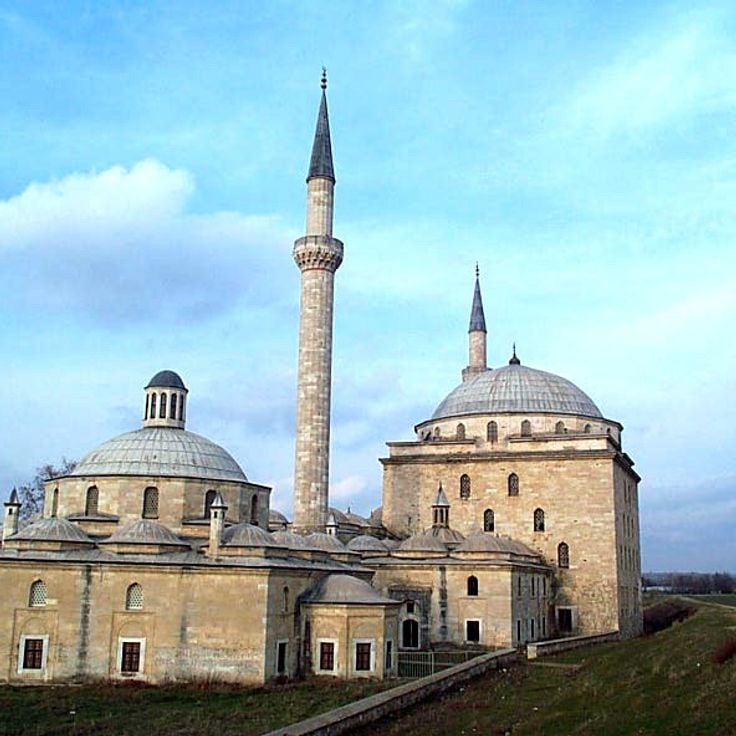
The Selimiye Mosque in Edirne was built in the 16th century by the architect Sinan, who considered it his greatest work. Its dome rises above the city and can be seen from far away. Inside, light pours through many windows, filling the space with a soft glow. The Selimiye is a UNESCO World Heritage Site and one of the finest examples of Ottoman architecture outside Istanbul.
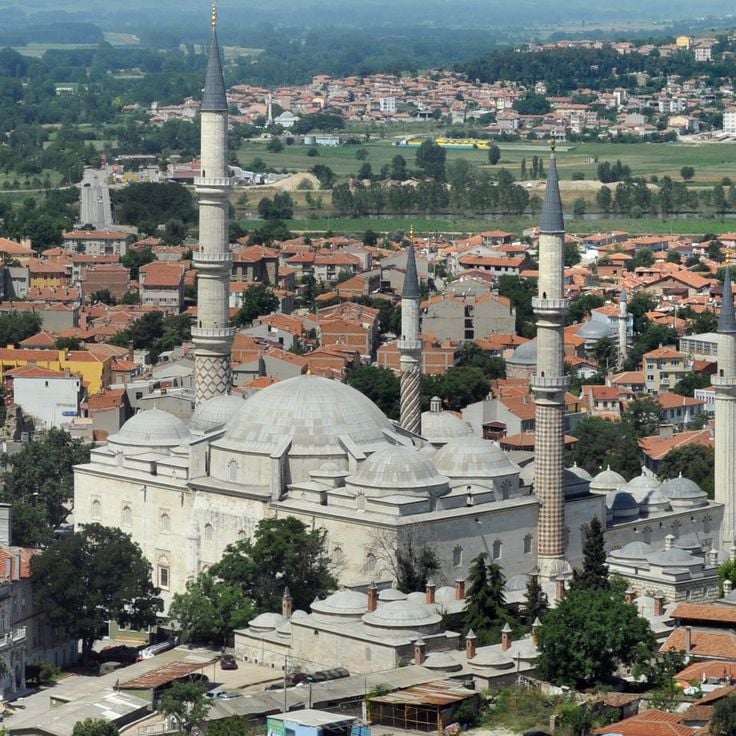
The old town of Edirne was once the capital of the Ottoman Empire before Istanbul. The Üç Şerefeli Mosque, built in the 15th century, stands at the center with four minarets, each one shaped differently. Walking through the surrounding streets, you pass old caravanserais, covered markets, and bathhouses that have shaped daily life here for centuries.
The Sultan Bayezid II Complex in Edirne was built in the 15th century as an Ottoman medical center. It was unusual for its time, using music and water to treat patients. Today it houses a museum dedicated to the history of medicine and is on the UNESCO tentative list.
Ayvalık is a coastal town in Balıkesir province, known for its narrow streets, old Greek stone houses, and olive oil mills. The old town has kept much of its original feel: walking through it, you pass colorful wooden shops and small cafés where locals gather. The historic olive oil mill landscape is on the UNESCO tentative list.
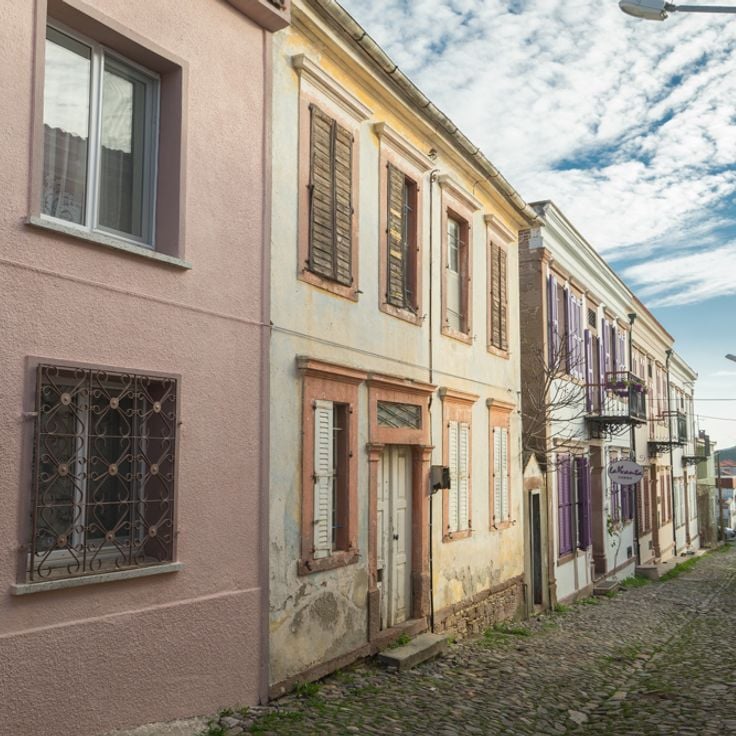
Cunda, also called Alibey Adası, sits just off the coast of Ayvalık and is connected to the mainland by a causeway. The island is lined with old stone houses that once belonged to Greek families. The streets are narrow and paved, the tavernas simple and welcoming. The Taksiyarhis Orthodox church, now a museum, speaks to the island's Greek past. Cunda moves at a slower pace than Ayvalık and invites you to walk its streets without hurizing and sit by the water.
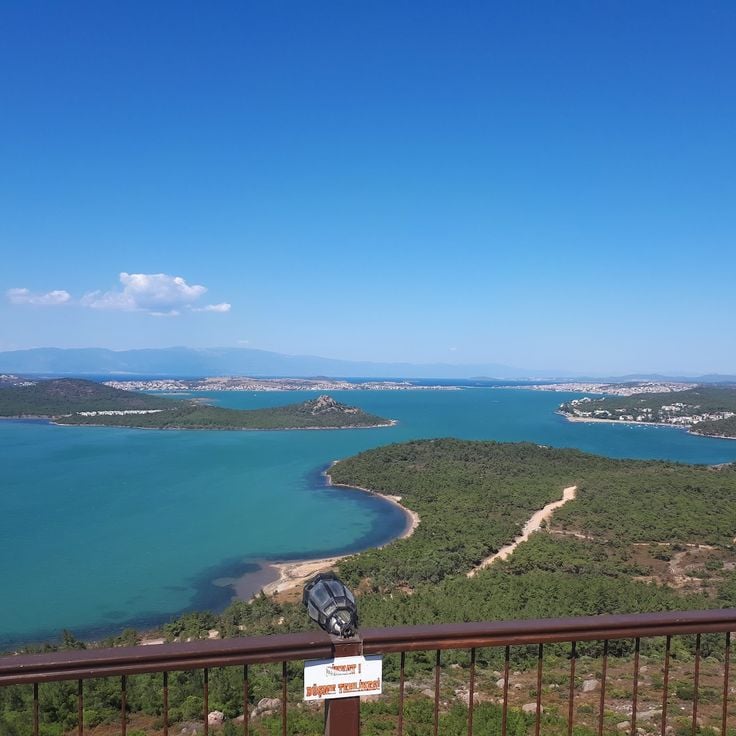
Şeytan Sofrası, or Devil's Table, is a natural rock outcrop near Ayvalık where visitors gather to look out over the islands of the archipelago and the Aegean Sea. In the evening, many people come to watch the sun go down over the water, which makes it a lively spot at the end of the day.
Kuşcenneti National Park sits on the shores of Lake Manyas and is one of the most important bird sanctuaries in Turkey. Each year, migratory birds from Europe and Asia stop here on their way to warmer regions. From the shore, visitors can watch pelicans, cormorants, and herons moving across the shallow waters of the lake. For those exploring the historical sites of the Marmara region, this park offers a natural counterpoint away from stone monuments and old city streets.
Lake Sapanca sits in the Sakarya province, wrapped by forested hills and gentle peaks. It is one of the main freshwater lakes in Turkey and supplies drinking water to Istanbul and the surrounding area. Along its shores, you can walk, breathe the cool air, and slow down. Many visitors from Istanbul come here to spend a quiet day away from the city, making it a popular spot for a short trip into nature.
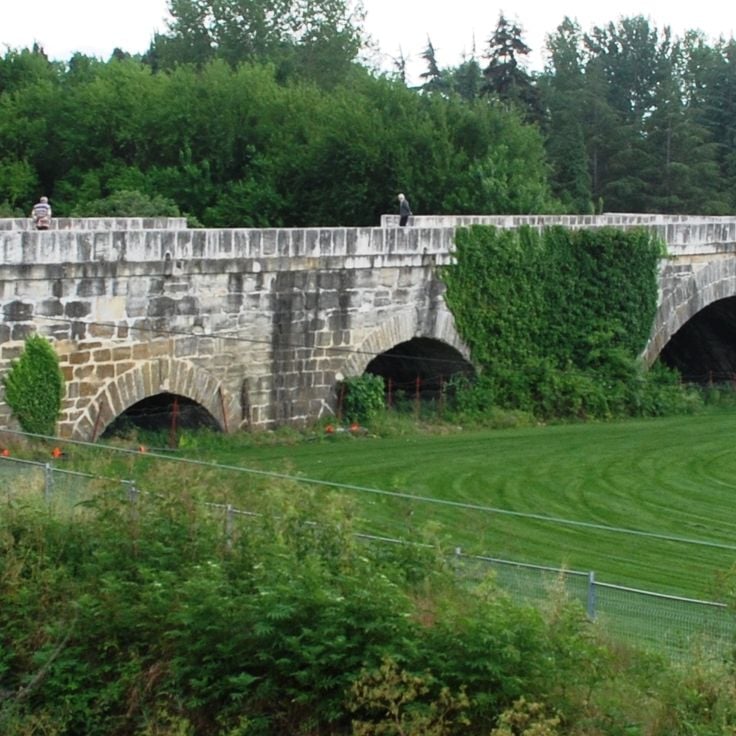
The Bridge of Justinian crosses a gorge in Sakarya province and dates back to the 6th century. Built during the Byzantine era, it appears on the UNESCO tentative list. Few international travelers make it here, but the bridge is one of the oldest of its kind still standing in Turkey. For those exploring the Marmara region beyond Istanbul, it offers a rare look at ancient engineering still visible in the landscape.
The Yalova thermal baths sit in a wooded area on the southern shore of the Sea of Marmara, about 1.5 hours (roughly 80 km) from Istanbul by ferry. The water comes out of the ground hot and full of minerals, and people have been coming here for centuries to soak and rest. Atatürk was a regular visitor and had a house built nearby, which you can still visit today. The site draws both local families and visitors looking for a break from the city, with options ranging from simple public baths to modern spa facilities.
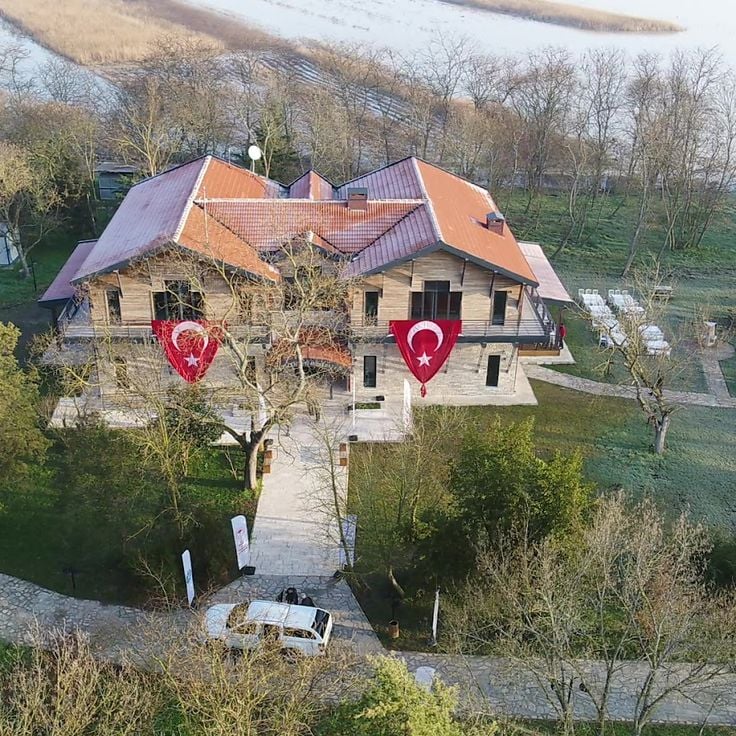
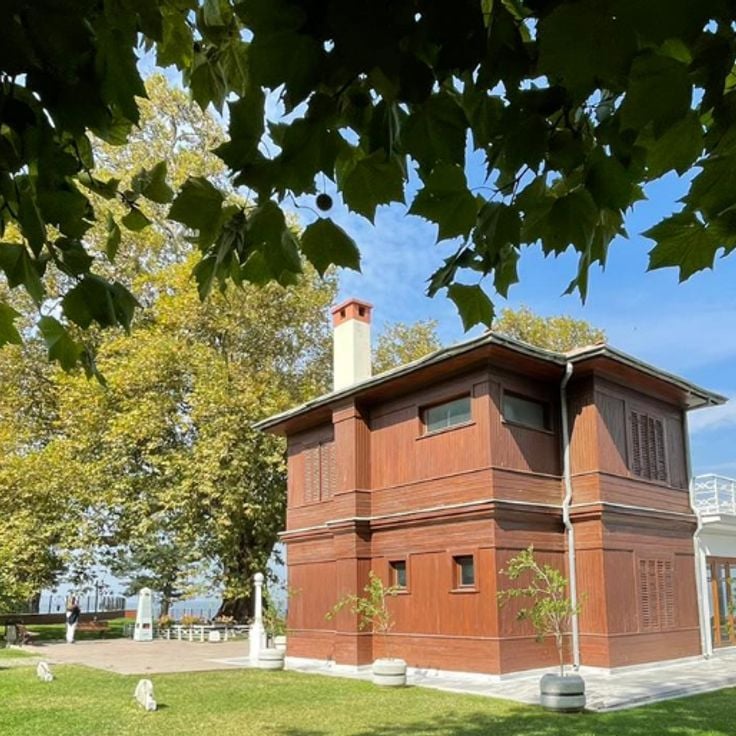
The Yürüyen Köşk in Yalova is a historic mansion that represents the Ottoman architecture of the Marmara region. This building offers a glimpse into the daily life and lifestyle of past periods, away from the grand mosques and monuments of Istanbul. By visiting this residence, you discover how people lived and built their homes in this region, which enriches your understanding of local history and the architectural evolution of the area.
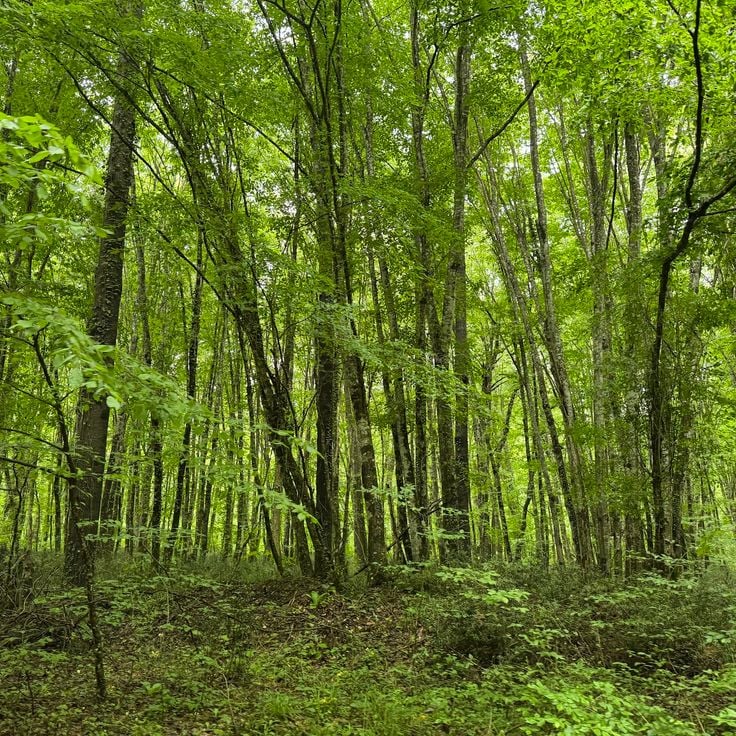
The flooded forests of İğneada sit on the Black Sea coast in northwestern Turkey. Here, riverside forests, lagoons, and sand dunes meet in a setting that is rare for this part of the country. Trees stand in still water, birds nest among the roots, and the air carries a mix of damp earth and sea. It feels far from the busy cities of the Marmara region, and that distance is exactly what makes it worth the trip.
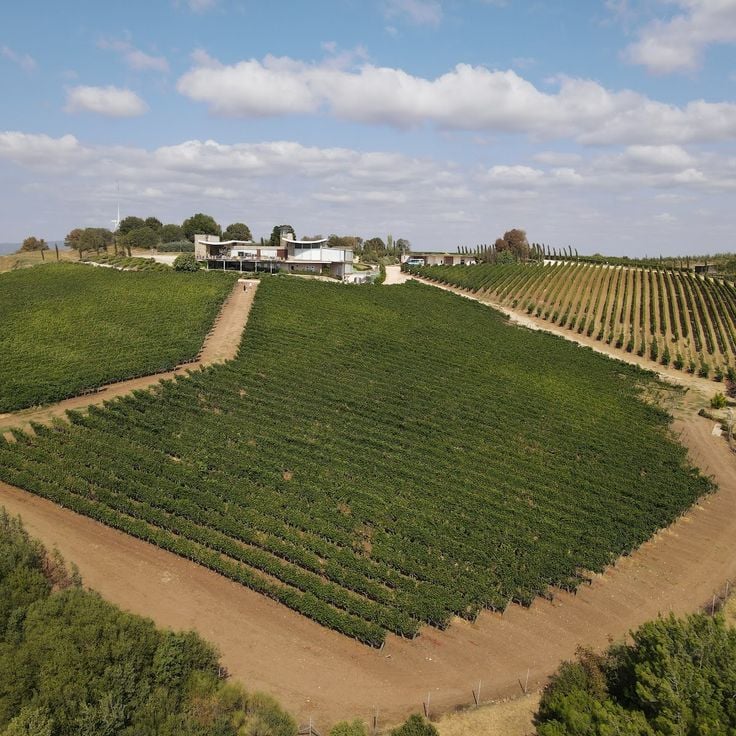
Şarköy is a small port town in the Tekirdağ province, west of Istanbul. Around it spread the vineyards of Thrace, one of the oldest wine-growing areas in Turkey. Along what locals call the vineyard road, visitors drive through villages where harvesting and pressing are still done by hand. The Marmara coast offers calm coves and a simple fishing life. Travelers who leave the main routes behind find here landscapes, wine, and village traditions far from the crowds of Istanbul.
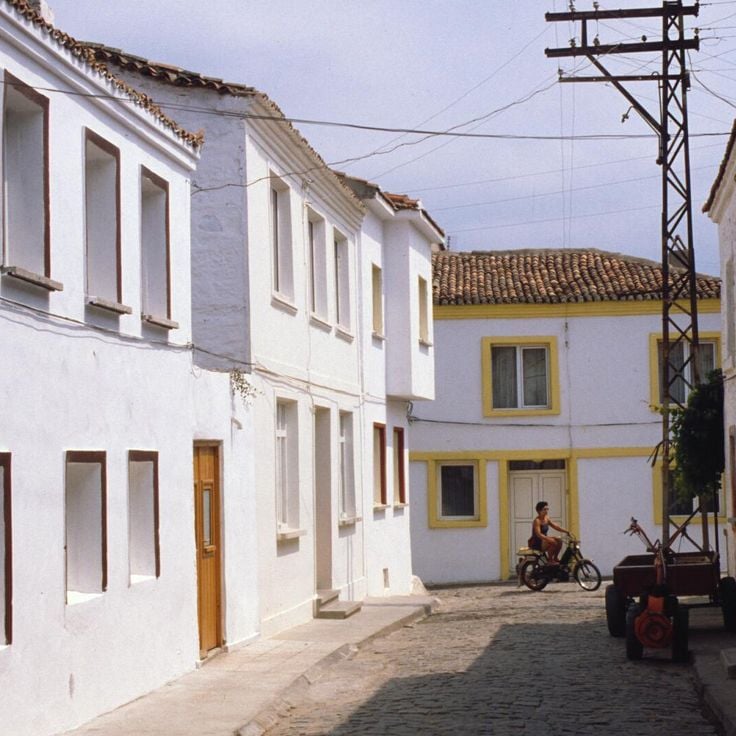
Trilye is a small village on the shore of the Sea of Marmara, far from the crowds that gather in Istanbul or Bursa. Its old Greek and Ottoman houses line narrow streets, and a modest fishing harbor sets the pace of daily life here. Walking through Trilye, you get a sense of how a coastal village in this region has looked for centuries.
The Hagia Sophia in Istanbul was built in the 6th century as a Christian church, then became a mosque, then a museum, and is now a mosque again. Inside, a massive dome rises above the floor, letting in light from dozens of windows. Byzantine mosaics and Islamic calligraphy share the same walls, making the building a rare place where centuries of history are visible at once.
The Blue Mosque was built in the 17th century, directly across from Hagia Sophia in Istanbul. Its name comes from the blue tiles that cover its interior walls. It is one of the most recognized mosques in Turkey and still an active place of worship, which sets it apart from many other historical sites in the city.
Topkapı Palace served as the main residence of the Ottoman sultans for more than 400 years. Walking through its open courtyards and shaded gardens, you get a real sense of how the empire was run day to day. The rooms range from the private quarters of the harem to grand halls where sultans received foreign ambassadors. The treasury holds objects that were collected over centuries of Ottoman rule. The palace sits on a hilltop at the tip of the old city, with water visible on three sides.
The Basilica Cistern sits beneath the streets of Istanbul, a short walk from Hagia Sophia. Built in the 6th century under Emperor Justinian I, it was designed to store water for the Byzantine city above. Inside, hundreds of marble columns rise from a shallow pool of water, their reflections shimmering in the dim light. The air is cool and the space feels vast and quiet. At the far end, two column bases carved with Medusa heads rest upside down or sideways, placed there centuries ago without explanation.
The Grand Bazaar has been open since the 15th century and sits at the heart of Istanbul. It is a network of covered alleys and small shops where you can find spices, jewelry, carpets, leather goods and ceramics. People come here to shop, to bargain, or simply to walk through its busy corridors. It is a place where the daily life of Istanbul and its history meet naturally.
The Süleymaniye Mosque was built in the 16th century on a hill above the Golden Horn. From the courtyard, you can see the rooftops of the old city and the Bosphorus in the distance. Inside, the space feels open and airy, with colored windows casting soft light across the floor. This is one of the largest mosques in Istanbul, and it still serves as an active place of worship for the people of the surrounding neighborhood.
The Galata Tower is a medieval tower built in the 14th century, standing tall over the Galata neighborhood in Istanbul. From the top, you can see the old city, the Bosphorus, and the Golden Horn all at once. It is one of the best spots to understand how Istanbul is laid out between its two shores.
The Dolmabahçe Palace sits right on the Bosphorus waterfront and was built in the 19th century to serve as the new home of the Ottoman sultans. Its facade mixes Ottoman traditions with baroque and European styles, giving it a very different look from the older palaces in the city. Inside, large reception halls, gilded ceilings and wide staircases follow one after another. Atatürk spent his final years here and died in one of the palace rooms in 1938.
The Bosphorus is a narrow strait that separates Europe from Asia and connects the Black Sea to the Sea of Marmara. A boat ride along this waterway gives you a view of Istanbul that is hard to get from land: mosques, palaces and old wooden houses line both shores, while cargo ships and ferries cross in every direction. The two sides of the city feel different from each other, and the Bosphorus is where that difference is most visible.
Balat and Fener sit along the Golden Horn in Istanbul, and for centuries they were home to Greek, Jewish, and Armenian communities. The streets are narrow and hilly, lined with colorful old houses. Today, small cafés and workshops sit beside ancient churches and synagogues. Walking here feels different from the rest of the old city, slower and more everyday.
The Ortaköy Mosque was built in the 19th century and stands right at the waterfront, at the foot of the Bosphorus Bridge. Its white facade faces the strait, and walking along the shore here gives you a clear sense of how Istanbul sits between two continents. The surrounding neighborhood has small food stalls, cafes, and a steady flow of people watching the ships pass.
Büyükada is the largest of the Princes' Islands, sitting in the Sea of Marmara a short ferry ride from Istanbul. Cars are not allowed here, so the streets are quiet and people get around by horse-drawn carriage or bicycle. Old wooden villas from the 19th century line the hillside roads, and the pace of daily life feels very different from the city. In summer, locals come to walk, eat at waterfront restaurants, and enjoy the sea breeze. The island offers a real break from Istanbul without going very far.
The Grand Mosque of Bursa stands at the heart of the old Ottoman capital. Built in the 15th century, it is one of the most important religious buildings from the early Ottoman period. Its 20 domes are visible from the streets around it and shape the skyline of the old city. Inside, the space is wide and open, with a large fountain at the center of the prayer hall. People come here to pray every day, and visitors can walk through and take in the carved stone and calligraphy that cover the walls.
The Green Mosque and Green Tomb in Bursa were built in the early 15th century and are two of the most celebrated Ottoman monuments in the city. Both buildings are covered with colored ceramic tiles that give them their name. The tomb holds the remains of Sultan Mehmed I. Walking through these structures, you get a clear sense of how Ottoman craftsmen worked at the height of their early creative period.
The village of Cumalıkızık sits at the foot of the Uludağ mountain, just outside Bursa, and is one of the oldest Ottoman villages still standing in Turkey. Its narrow cobblestone lanes run between timber-and-stone houses whose upper floors lean out over the street. The village is part of the UNESCO World Heritage Site of Bursa and gives a clear sense of what daily life looked like in Ottoman times several centuries ago. People still live here today, and small cafés and local craftspeople fill the lanes.
Mount Uludağ rises above the city of Bursa and is one of the most visited natural spots in the Marmara region. In summer, its forests offer good hiking trails with fresh air and shade. In winter, the mountain turns into a ski resort that draws visitors from across Turkey. A cable car runs directly from Bursa to the upper slopes, making the ascent part of the experience.
İznik, the ancient Nicaea, sits on the shore of a lake not far from Bursa. The city is known for two councils held here in the 4th and 8th centuries, which shaped the Christian creed. Later, under Ottoman rule, İznik became a center for tile production: the blue-and-white ceramics made here decorated the great mosques of Istanbul. Today you can still walk along the old city walls, visit a Byzantine church and an Ottoman bazaar, while daily life in town moves at a slow and easy pace.
The archaeological site of Troy sits near Çanakkale and is tied to Homer's Iliad. Excavations here reveal layers of cities built one on top of another over roughly 3000 years. Visitors can walk among stone walls, gateways, and foundations from the Bronze Age through Roman times. The site has been on the UNESCO World Heritage List since 1998.
The Gallipoli Peninsula lies along the coast of Çanakkale and was the site of one of the deadliest battles of World War I. The area holds battlefields, cemeteries, and memorials that carry deep meaning for Turkey, Australia, New Zealand, and other countries. Walking through the peninsula, you pass over hills and shorelines that still feel shaped by that history. The site is on Turkey's indicative list for UNESCO World Heritage status.
Assos-Behramkale is one of the oldest sites in the Marmara region, set on a hill above the Aegean Sea in Çanakkale province. A Temple of Athena from the 6th century BC still stands at the top, with stone columns framing the view over the water. The village below is built entirely of stone, with narrow streets and old houses that feel unchanged for centuries.
Bozcaada sits in the Aegean Sea off the Turkish coast and is a small island reachable by ferry from Çanakkale. A castle built by Venetians and later expanded by the Ottomans watches over the harbor, while the village streets are lined with stone houses that once belonged to Greek families, some still painted in faded colors. Vineyards cover much of the land, and local winemakers are known for their white wine. The coastline shifts between rocky coves and sandy beaches depending on which side of the island you walk.
The Selimiye Mosque in Edirne was built in the 16th century by the architect Sinan, who considered it his greatest work. Its dome rises above the city and can be seen from far away. Inside, light pours through many windows, filling the space with a soft glow. The Selimiye is a UNESCO World Heritage Site and one of the finest examples of Ottoman architecture outside Istanbul.
The old town of Edirne was once the capital of the Ottoman Empire before Istanbul. The Üç Şerefeli Mosque, built in the 15th century, stands at the center with four minarets, each one shaped differently. Walking through the surrounding streets, you pass old caravanserais, covered markets, and bathhouses that have shaped daily life here for centuries.
The Sultan Bayezid II Complex in Edirne was built in the 15th century as an Ottoman medical center. It was unusual for its time, using music and water to treat patients. Today it houses a museum dedicated to the history of medicine and is on the UNESCO tentative list.
Ayvalık is a coastal town in Balıkesir province, known for its narrow streets, old Greek stone houses, and olive oil mills. The old town has kept much of its original feel: walking through it, you pass colorful wooden shops and small cafés where locals gather. The historic olive oil mill landscape is on the UNESCO tentative list.
Cunda, also called Alibey Adası, sits just off the coast of Ayvalık and is connected to the mainland by a causeway. The island is lined with old stone houses that once belonged to Greek families. The streets are narrow and paved, the tavernas simple and welcoming. The Taksiyarhis Orthodox church, now a museum, speaks to the island's Greek past. Cunda moves at a slower pace than Ayvalık and invites you to walk its streets without hurizing and sit by the water.
Şeytan Sofrası, or Devil's Table, is a natural rock outcrop near Ayvalık where visitors gather to look out over the islands of the archipelago and the Aegean Sea. In the evening, many people come to watch the sun go down over the water, which makes it a lively spot at the end of the day.
Kuşcenneti National Park sits on the shores of Lake Manyas and is one of the most important bird sanctuaries in Turkey. Each year, migratory birds from Europe and Asia stop here on their way to warmer regions. From the shore, visitors can watch pelicans, cormorants, and herons moving across the shallow waters of the lake. For those exploring the historical sites of the Marmara region, this park offers a natural counterpoint away from stone monuments and old city streets.
Lake Sapanca sits in the Sakarya province, wrapped by forested hills and gentle peaks. It is one of the main freshwater lakes in Turkey and supplies drinking water to Istanbul and the surrounding area. Along its shores, you can walk, breathe the cool air, and slow down. Many visitors from Istanbul come here to spend a quiet day away from the city, making it a popular spot for a short trip into nature.
The Bridge of Justinian crosses a gorge in Sakarya province and dates back to the 6th century. Built during the Byzantine era, it appears on the UNESCO tentative list. Few international travelers make it here, but the bridge is one of the oldest of its kind still standing in Turkey. For those exploring the Marmara region beyond Istanbul, it offers a rare look at ancient engineering still visible in the landscape.
The Yalova thermal baths sit in a wooded area on the southern shore of the Sea of Marmara, about 1.5 hours (roughly 80 km) from Istanbul by ferry. The water comes out of the ground hot and full of minerals, and people have been coming here for centuries to soak and rest. Atatürk was a regular visitor and had a house built nearby, which you can still visit today. The site draws both local families and visitors looking for a break from the city, with options ranging from simple public baths to modern spa facilities.
The Yürüyen Köşk in Yalova is a historic mansion that represents the Ottoman architecture of the Marmara region. This building offers a glimpse into the daily life and lifestyle of past periods, away from the grand mosques and monuments of Istanbul. By visiting this residence, you discover how people lived and built their homes in this region, which enriches your understanding of local history and the architectural evolution of the area.
The flooded forests of İğneada sit on the Black Sea coast in northwestern Turkey. Here, riverside forests, lagoons, and sand dunes meet in a setting that is rare for this part of the country. Trees stand in still water, birds nest among the roots, and the air carries a mix of damp earth and sea. It feels far from the busy cities of the Marmara region, and that distance is exactly what makes it worth the trip.
Şarköy is a small port town in the Tekirdağ province, west of Istanbul. Around it spread the vineyards of Thrace, one of the oldest wine-growing areas in Turkey. Along what locals call the vineyard road, visitors drive through villages where harvesting and pressing are still done by hand. The Marmara coast offers calm coves and a simple fishing life. Travelers who leave the main routes behind find here landscapes, wine, and village traditions far from the crowds of Istanbul.
Trilye is a small village on the shore of the Sea of Marmara, far from the crowds that gather in Istanbul or Bursa. Its old Greek and Ottoman houses line narrow streets, and a modest fishing harbor sets the pace of daily life here. Walking through Trilye, you get a sense of how a coastal village in this region has looked for centuries.
The Hagia Sophia in Istanbul was built in the 6th century as a Christian church, then became a mosque, then a museum, and is now a mosque again. Inside, a massive dome rises above the floor, letting in light from dozens of windows. Byzantine mosaics and Islamic calligraphy share the same walls, making the building a rare place where centuries of history are visible at once.
The Blue Mosque was built in the 17th century, directly across from Hagia Sophia in Istanbul. Its name comes from the blue tiles that cover its interior walls. It is one of the most recognized mosques in Turkey and still an active place of worship, which sets it apart from many other historical sites in the city.
Topkapı Palace served as the main residence of the Ottoman sultans for more than 400 years. Walking through its open courtyards and shaded gardens, you get a real sense of how the empire was run day to day. The rooms range from the private quarters of the harem to grand halls where sultans received foreign ambassadors. The treasury holds objects that were collected over centuries of Ottoman rule. The palace sits on a hilltop at the tip of the old city, with water visible on three sides.
The Basilica Cistern sits beneath the streets of Istanbul, a short walk from Hagia Sophia. Built in the 6th century under Emperor Justinian I, it was designed to store water for the Byzantine city above. Inside, hundreds of marble columns rise from a shallow pool of water, their reflections shimmering in the dim light. The air is cool and the space feels vast and quiet. At the far end, two column bases carved with Medusa heads rest upside down or sideways, placed there centuries ago without explanation.
The Grand Bazaar has been open since the 15th century and sits at the heart of Istanbul. It is a network of covered alleys and small shops where you can find spices, jewelry, carpets, leather goods and ceramics. People come here to shop, to bargain, or simply to walk through its busy corridors. It is a place where the daily life of Istanbul and its history meet naturally.
The Süleymaniye Mosque was built in the 16th century on a hill above the Golden Horn. From the courtyard, you can see the rooftops of the old city and the Bosphorus in the distance. Inside, the space feels open and airy, with colored windows casting soft light across the floor. This is one of the largest mosques in Istanbul, and it still serves as an active place of worship for the people of the surrounding neighborhood.
The Galata Tower is a medieval tower built in the 14th century, standing tall over the Galata neighborhood in Istanbul. From the top, you can see the old city, the Bosphorus, and the Golden Horn all at once. It is one of the best spots to understand how Istanbul is laid out between its two shores.
The Dolmabahçe Palace sits right on the Bosphorus waterfront and was built in the 19th century to serve as the new home of the Ottoman sultans. Its facade mixes Ottoman traditions with baroque and European styles, giving it a very different look from the older palaces in the city. Inside, large reception halls, gilded ceilings and wide staircases follow one after another. Atatürk spent his final years here and died in one of the palace rooms in 1938.
The Bosphorus is a narrow strait that separates Europe from Asia and connects the Black Sea to the Sea of Marmara. A boat ride along this waterway gives you a view of Istanbul that is hard to get from land: mosques, palaces and old wooden houses line both shores, while cargo ships and ferries cross in every direction. The two sides of the city feel different from each other, and the Bosphorus is where that difference is most visible.
Balat and Fener sit along the Golden Horn in Istanbul, and for centuries they were home to Greek, Jewish, and Armenian communities. The streets are narrow and hilly, lined with colorful old houses. Today, small cafés and workshops sit beside ancient churches and synagogues. Walking here feels different from the rest of the old city, slower and more everyday.
The Ortaköy Mosque was built in the 19th century and stands right at the waterfront, at the foot of the Bosphorus Bridge. Its white facade faces the strait, and walking along the shore here gives you a clear sense of how Istanbul sits between two continents. The surrounding neighborhood has small food stalls, cafes, and a steady flow of people watching the ships pass.
Büyükada is the largest of the Princes' Islands, sitting in the Sea of Marmara a short ferry ride from Istanbul. Cars are not allowed here, so the streets are quiet and people get around by horse-drawn carriage or bicycle. Old wooden villas from the 19th century line the hillside roads, and the pace of daily life feels very different from the city. In summer, locals come to walk, eat at waterfront restaurants, and enjoy the sea breeze. The island offers a real break from Istanbul without going very far.
The Grand Mosque of Bursa stands at the heart of the old Ottoman capital. Built in the 15th century, it is one of the most important religious buildings from the early Ottoman period. Its 20 domes are visible from the streets around it and shape the skyline of the old city. Inside, the space is wide and open, with a large fountain at the center of the prayer hall. People come here to pray every day, and visitors can walk through and take in the carved stone and calligraphy that cover the walls.
The Green Mosque and Green Tomb in Bursa were built in the early 15th century and are two of the most celebrated Ottoman monuments in the city. Both buildings are covered with colored ceramic tiles that give them their name. The tomb holds the remains of Sultan Mehmed I. Walking through these structures, you get a clear sense of how Ottoman craftsmen worked at the height of their early creative period.
The village of Cumalıkızık sits at the foot of the Uludağ mountain, just outside Bursa, and is one of the oldest Ottoman villages still standing in Turkey. Its narrow cobblestone lanes run between timber-and-stone houses whose upper floors lean out over the street. The village is part of the UNESCO World Heritage Site of Bursa and gives a clear sense of what daily life looked like in Ottoman times several centuries ago. People still live here today, and small cafés and local craftspeople fill the lanes.
Mount Uludağ rises above the city of Bursa and is one of the most visited natural spots in the Marmara region. In summer, its forests offer good hiking trails with fresh air and shade. In winter, the mountain turns into a ski resort that draws visitors from across Turkey. A cable car runs directly from Bursa to the upper slopes, making the ascent part of the experience.
İznik, the ancient Nicaea, sits on the shore of a lake not far from Bursa. The city is known for two councils held here in the 4th and 8th centuries, which shaped the Christian creed. Later, under Ottoman rule, İznik became a center for tile production: the blue-and-white ceramics made here decorated the great mosques of Istanbul. Today you can still walk along the old city walls, visit a Byzantine church and an Ottoman bazaar, while daily life in town moves at a slow and easy pace.
The archaeological site of Troy sits near Çanakkale and is tied to Homer's Iliad. Excavations here reveal layers of cities built one on top of another over roughly 3000 years. Visitors can walk among stone walls, gateways, and foundations from the Bronze Age through Roman times. The site has been on the UNESCO World Heritage List since 1998.
The Gallipoli Peninsula lies along the coast of Çanakkale and was the site of one of the deadliest battles of World War I. The area holds battlefields, cemeteries, and memorials that carry deep meaning for Turkey, Australia, New Zealand, and other countries. Walking through the peninsula, you pass over hills and shorelines that still feel shaped by that history. The site is on Turkey's indicative list for UNESCO World Heritage status.
Assos-Behramkale is one of the oldest sites in the Marmara region, set on a hill above the Aegean Sea in Çanakkale province. A Temple of Athena from the 6th century BC still stands at the top, with stone columns framing the view over the water. The village below is built entirely of stone, with narrow streets and old houses that feel unchanged for centuries.
Bozcaada sits in the Aegean Sea off the Turkish coast and is a small island reachable by ferry from Çanakkale. A castle built by Venetians and later expanded by the Ottomans watches over the harbor, while the village streets are lined with stone houses that once belonged to Greek families, some still painted in faded colors. Vineyards cover much of the land, and local winemakers are known for their white wine. The coastline shifts between rocky coves and sandy beaches depending on which side of the island you walk.
The Selimiye Mosque in Edirne was built in the 16th century by the architect Sinan, who considered it his greatest work. Its dome rises above the city and can be seen from far away. Inside, light pours through many windows, filling the space with a soft glow. The Selimiye is a UNESCO World Heritage Site and one of the finest examples of Ottoman architecture outside Istanbul.
The old town of Edirne was once the capital of the Ottoman Empire before Istanbul. The Üç Şerefeli Mosque, built in the 15th century, stands at the center with four minarets, each one shaped differently. Walking through the surrounding streets, you pass old caravanserais, covered markets, and bathhouses that have shaped daily life here for centuries.
The Sultan Bayezid II Complex in Edirne was built in the 15th century as an Ottoman medical center. It was unusual for its time, using music and water to treat patients. Today it houses a museum dedicated to the history of medicine and is on the UNESCO tentative list.
Ayvalık is a coastal town in Balıkesir province, known for its narrow streets, old Greek stone houses, and olive oil mills. The old town has kept much of its original feel: walking through it, you pass colorful wooden shops and small cafés where locals gather. The historic olive oil mill landscape is on the UNESCO tentative list.
Cunda, also called Alibey Adası, sits just off the coast of Ayvalık and is connected to the mainland by a causeway. The island is lined with old stone houses that once belonged to Greek families. The streets are narrow and paved, the tavernas simple and welcoming. The Taksiyarhis Orthodox church, now a museum, speaks to the island's Greek past. Cunda moves at a slower pace than Ayvalık and invites you to walk its streets without hurizing and sit by the water.
Şeytan Sofrası, or Devil's Table, is a natural rock outcrop near Ayvalık where visitors gather to look out over the islands of the archipelago and the Aegean Sea. In the evening, many people come to watch the sun go down over the water, which makes it a lively spot at the end of the day.
Kuşcenneti National Park sits on the shores of Lake Manyas and is one of the most important bird sanctuaries in Turkey. Each year, migratory birds from Europe and Asia stop here on their way to warmer regions. From the shore, visitors can watch pelicans, cormorants, and herons moving across the shallow waters of the lake. For those exploring the historical sites of the Marmara region, this park offers a natural counterpoint away from stone monuments and old city streets.
Lake Sapanca sits in the Sakarya province, wrapped by forested hills and gentle peaks. It is one of the main freshwater lakes in Turkey and supplies drinking water to Istanbul and the surrounding area. Along its shores, you can walk, breathe the cool air, and slow down. Many visitors from Istanbul come here to spend a quiet day away from the city, making it a popular spot for a short trip into nature.
The Bridge of Justinian crosses a gorge in Sakarya province and dates back to the 6th century. Built during the Byzantine era, it appears on the UNESCO tentative list. Few international travelers make it here, but the bridge is one of the oldest of its kind still standing in Turkey. For those exploring the Marmara region beyond Istanbul, it offers a rare look at ancient engineering still visible in the landscape.
The Yalova thermal baths sit in a wooded area on the southern shore of the Sea of Marmara, about 1.5 hours (roughly 80 km) from Istanbul by ferry. The water comes out of the ground hot and full of minerals, and people have been coming here for centuries to soak and rest. Atatürk was a regular visitor and had a house built nearby, which you can still visit today. The site draws both local families and visitors looking for a break from the city, with options ranging from simple public baths to modern spa facilities.
The Yürüyen Köşk in Yalova is a historic mansion that represents the Ottoman architecture of the Marmara region. This building offers a glimpse into the daily life and lifestyle of past periods, away from the grand mosques and monuments of Istanbul. By visiting this residence, you discover how people lived and built their homes in this region, which enriches your understanding of local history and the architectural evolution of the area.
The flooded forests of İğneada sit on the Black Sea coast in northwestern Turkey. Here, riverside forests, lagoons, and sand dunes meet in a setting that is rare for this part of the country. Trees stand in still water, birds nest among the roots, and the air carries a mix of damp earth and sea. It feels far from the busy cities of the Marmara region, and that distance is exactly what makes it worth the trip.
Şarköy is a small port town in the Tekirdağ province, west of Istanbul. Around it spread the vineyards of Thrace, one of the oldest wine-growing areas in Turkey. Along what locals call the vineyard road, visitors drive through villages where harvesting and pressing are still done by hand. The Marmara coast offers calm coves and a simple fishing life. Travelers who leave the main routes behind find here landscapes, wine, and village traditions far from the crowds of Istanbul.
Trilye is a small village on the shore of the Sea of Marmara, far from the crowds that gather in Istanbul or Bursa. Its old Greek and Ottoman houses line narrow streets, and a modest fishing harbor sets the pace of daily life here. Walking through Trilye, you get a sense of how a coastal village in this region has looked for centuries.
The Marmara region offers much more than the great monuments of Istanbul. Leaving the city, you discover villages where time seems to have stood still, thermal springs where you can relax, and islands with a quiet charm. Plan time to explore beyond the famous sites, especially if you travel in summer when the coastal roads are passable. Keep in mind that some small villages close their restaurants early in the low season.