See the monuments around you in AROpen chests in the app
Around Us is built for your phone — point your camera at the streets and discover the monuments and places around you in augmented reality.Around Us is built for your phone — chests unlock when you walk, explore and capture nearby places.
France has entire territories that remain outside the usual tourist circuits. This collection brings together natural regions where life follows its own rhythm, away from the bustle of mainstream destinations. Here you find forested mountains like Morvan and the Vosges, volcanic plateaus in Cantal and Aubrac, rolling countryside in Creuse and Berry. These places offer varied landscapes, from the gentle rolling hills of Perche to the peaks of the Jura, passing through dense forests and quiet valleys of Bugey.
These territories share a way of living rooted in local everyday life. Villages remain calm, hiking trails cross deep forests and mountain meadows, markets offer regional products. You encounter locals more often than visitor groups. The Massif Central spreads out with open spaces, the Vosges alternate between fir forests and lakes, Perche undulates between hedgerows and manor houses.
These destinations suit anyone seeking to discover France differently, without crowds or marked routes. They simply ask that you take time to observe, to walk, to taste local food, and to exchange a few words with those who live there.
France has entire territories that remain outside the usual tourist circuits. This collection brings together natural regions where life follows its own rhythm, away from the bustle of mainstream destinations. Here you find forested mountains like Morvan and the Vosges, volcanic plateaus in Cantal and Aubrac, rolling countryside in Creuse and Berry. These places offer varied landscapes, from the gentle rolling hills of Perche to the peaks of the Jura, passing through dense forests and quiet valleys of Bugey.
These territories share a way of living rooted in local everyday life. Villages remain calm, hiking trails cross deep forests and mountain meadows, markets offer regional products. You encounter locals more often than visitor groups. The Massif Central spreads out with open spaces, the Vosges alternate between fir forests and lakes, Perche undulates between hedgerows and manor houses.
These destinations suit anyone seeking to discover France differently, without crowds or marked routes. They simply ask that you take time to observe, to walk, to taste local food, and to exchange a few words with those who live there.
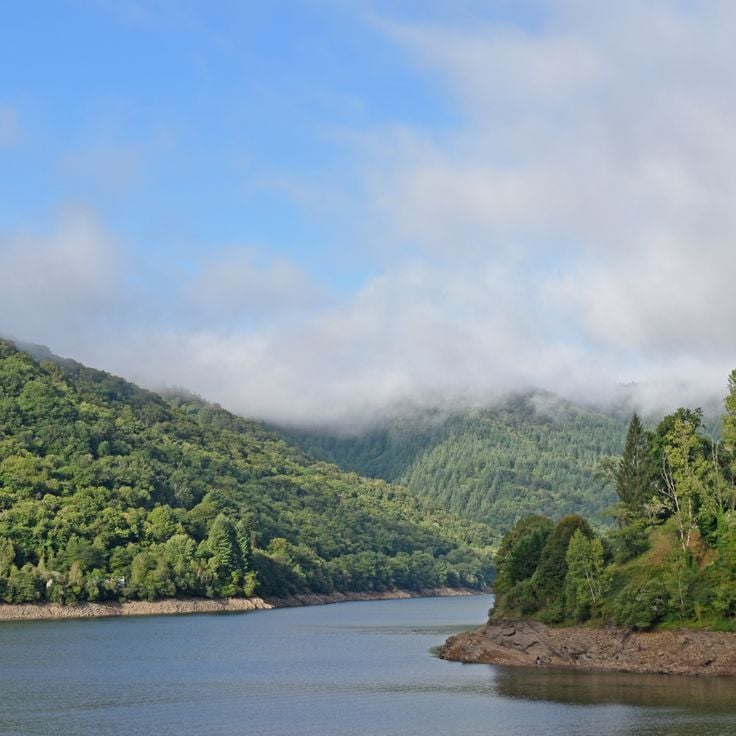
Le Morvan is a forested mountain region in Burgundy, marked by its forests, lakes and stone villages. This place remains outside the usual tourist routes and maintains its local rhythm. You will find deep forests, small villages built from cut stone, and hiking trails that run through undeveloped nature. People live according to local traditions, the markets offer regional products, and you are more likely to meet residents than visitor groups. Le Morvan offers the chance to discover France in a different way, without crowds or marked paths.
The Vosges are a mountain range in eastern France with glacial lakes, thick forests, and small villages. This region sits apart from the usual tourist circuits and preserves the rhythm of everyday life. Here fir forests and lakes alternate, hiking trails cross deep woodlands and high meadows. The villages keep their steady pace, markets offer regional products. You encounter more locals than visitor groups.
The Jura in Bourgogne-Franche-Comté is a high plateau at the border between France and Switzerland. This region lies away from the usual tourist routes and keeps its ordinary rhythm of life. The landscape shifts between dense fir forests, quiet lakes, and valleys with hiking trails. Here you meet more locals than tour groups. The villages are peaceful and local markets offer regional products. The Jura invites you to discover France differently, without crowds and without marked routes.
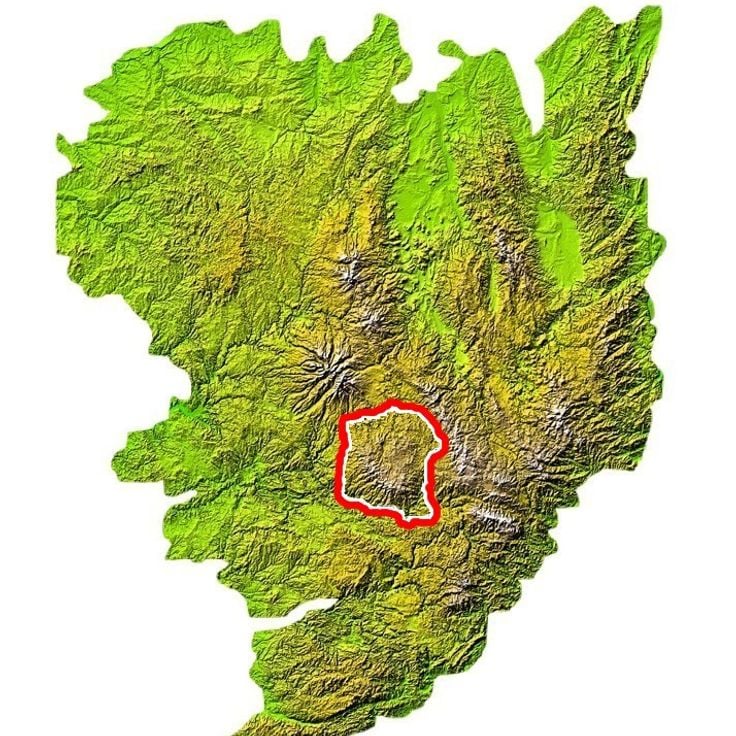
The Massif Central is a vast volcanic plateau in the center of France with open landscapes marked by heathland and gentle hills. Small towns with their own character dot the region, where daily life follows a natural rhythm. Here you find hiking trails through forests and mountain meadows, markets with regional products, and a way of living shaped more by local habits than tourism. The Massif Central appeals to those seeking to discover France away from standard routes. This region preserves real French country life, untouched by the flow of typical tourist activity.
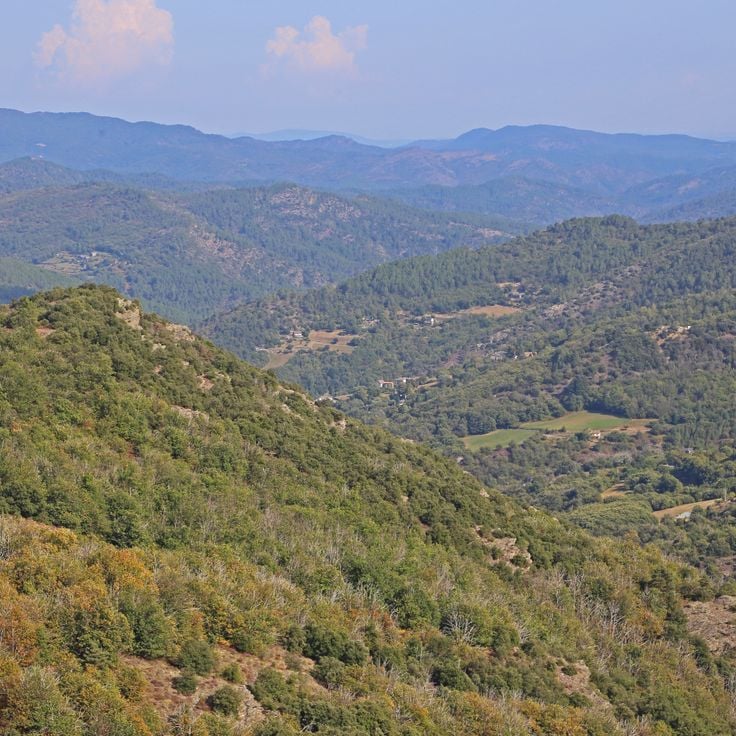
Le Cantal is a mountainous region in Auvergne with volcanic peaks and isolated valleys. This landscape features high plateaus, steep slopes, and ancient lava fields covered by forests. Small villages are scattered throughout the valleys, where life follows a local rhythm. Hiking trails cross meadows and woodlands, markets sell regional products. Visitors here meet more residents than tourists.
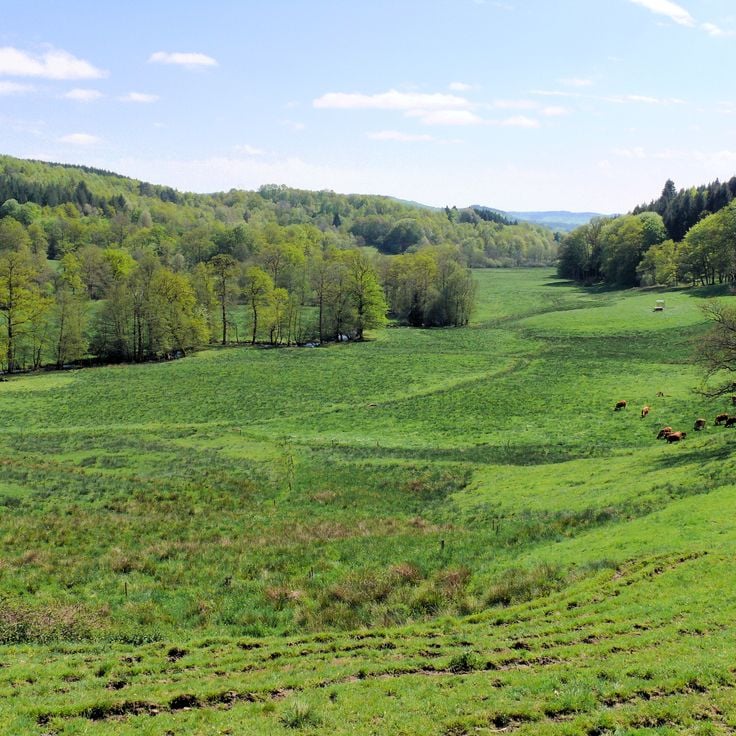
Aubrac is a high plateau in Auvergne shaped by pastoral and grazing traditions. The landscape shows gentle hills and vast grasslands used for cattle herding. Small villages and stone houses sit scattered across the heights. Paths wind through meadows and forests where you can watch shepherds and herders at their daily work. Cheese making and regional cooking are woven into everyday life. The plateau offers space to walk and explore without crowds.
La Creuse is a rural department with rolling hills, lakes, and small villages where life follows its natural course. You find deep forests, cultivated lands that shape the landscape, and markets selling regional products. You encounter more local people than tourist groups here. The terrain alternates between meadows and woods, lakes and valleys. This region unfolds at a slow pace, rooted in everyday life, without the hustle of better-known destinations.
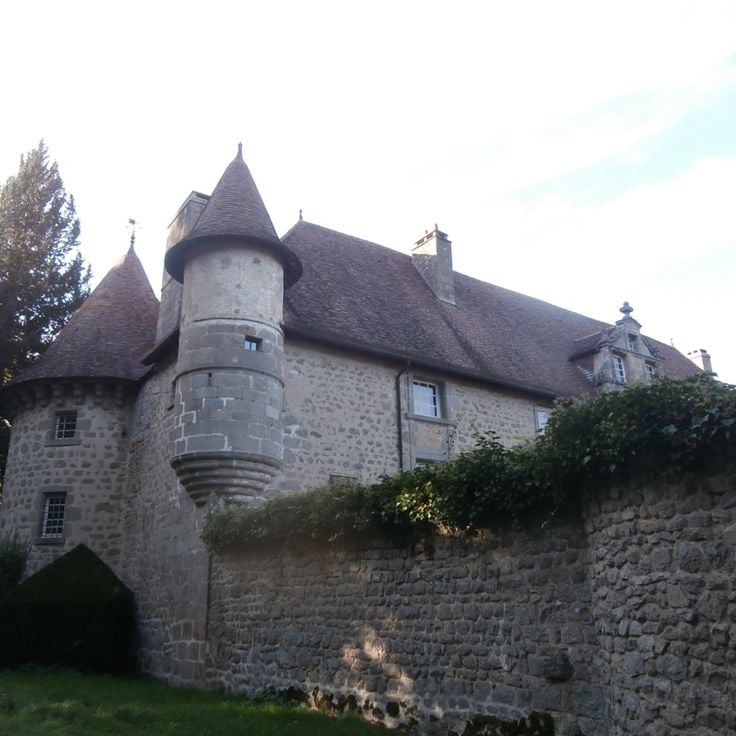
Le Berry in the Centre-Val de Loire region stands apart from usual tourist routes. The landscape rolls gently with forests and small villages that follow their own rhythm. Quiet castles dot the territory, surrounded by fields lined with hedges. People here live by local customs, markets offer regional products, and walking paths cross through peaceful forests. Le Berry simply asks that you take time to truly observe the place, walk through the landscape, and talk with those who live there.
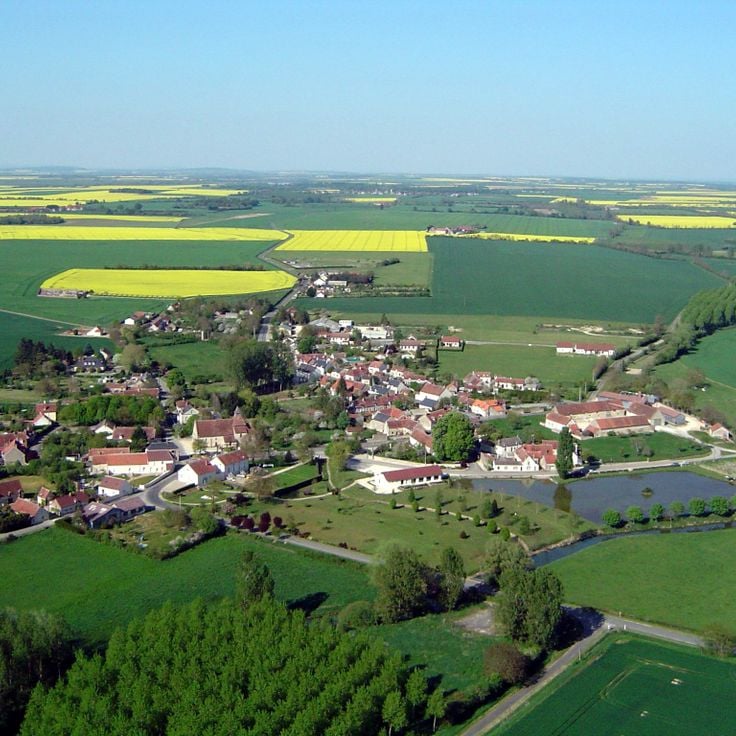
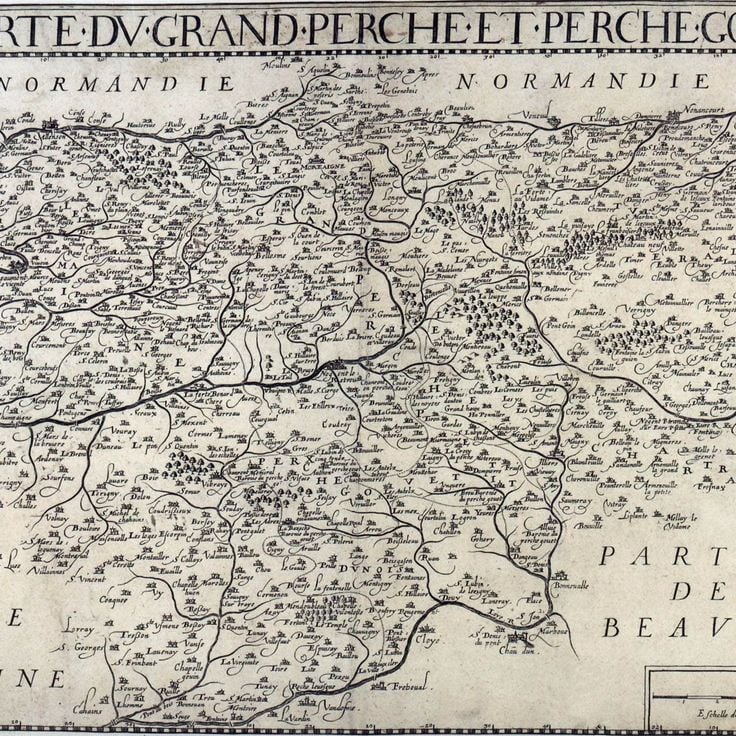
Le Perche is a region in Normandy marked by rolling hills and hedgerow landscapes. Old manor houses sit scattered across the fields, surrounded by woodlands and hedge rows. Life here follows the rhythm of farming and traditional crafts. Small villages blend naturally into the rural setting. Those who walk through this area discover old country paths, streams, and farms that tell stories of the past. Markets showcase local products and crafts.
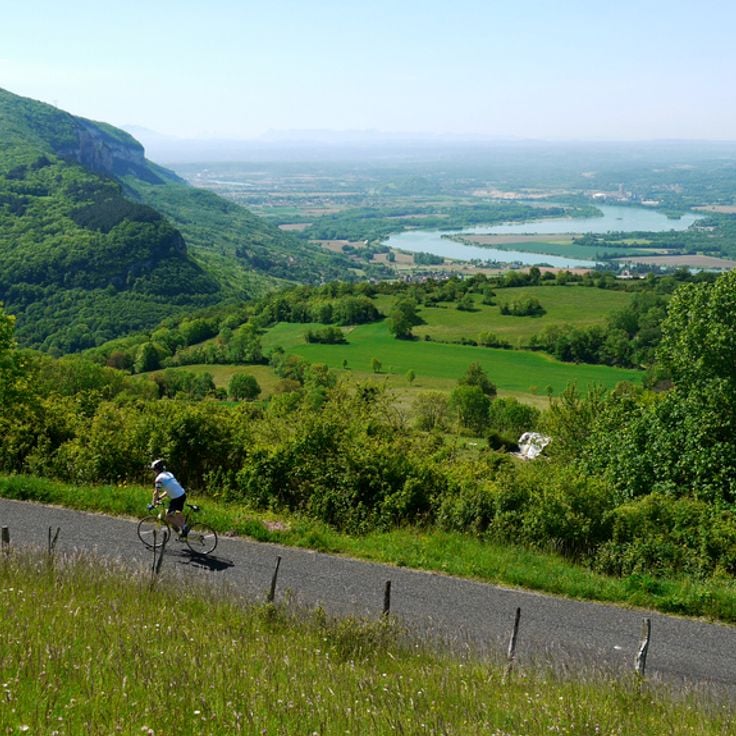
Le Bugey sits between the Saône and the Jura, shaped by gentle mountain landscapes. This region offers a place where vineyards and lakes scatter across the land and daily life follows its own rhythm. Walkers discover deep forests, open spaces, and small villages away from usual tourist paths. The landscape alternates between vine-covered hillsides and wooded areas, dotted with calm waters. Residents and visitors rarely meet in groups; instead, people encounter each other at local markets or in traditional restaurants. Le Bugey suits those who want to explore France beyond the beaten path.
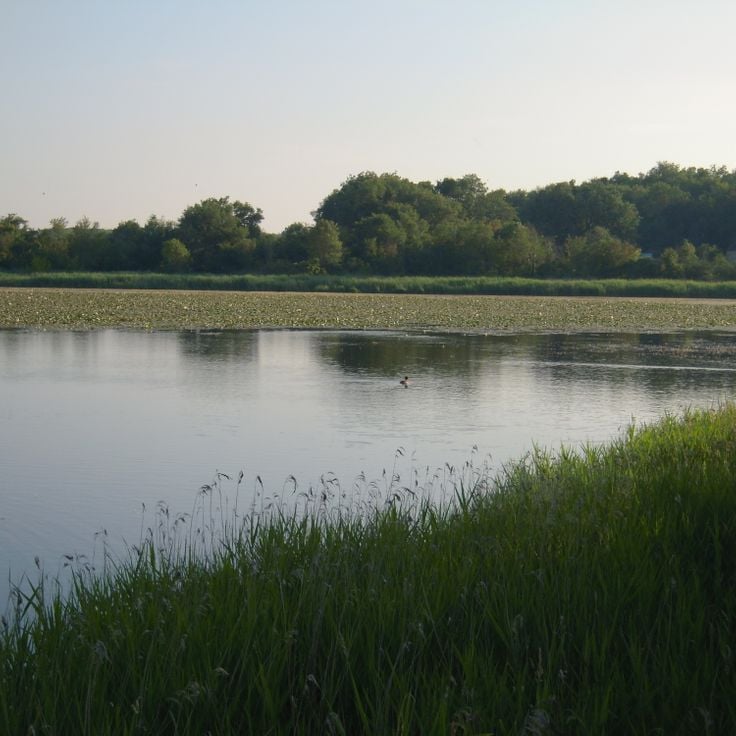
La Brenne is a natural area in central France shaped by lakes and wetlands. Here, waterfowl, fish, and specialized plants find their habitat. The landscape appears open and flat, with water visible between meadows and reed beds. Visitors come here to watch birds or simply walk in a quiet setting. La Brenne is a protected natural area where nature takes its course without major disturbance.
Limousin is a land of granite and water in the Nouvelle-Aquitaine region. It welcomes lakes, green meadows, and craft traditions that persist. The landscape rolls gently with forests and streams that run through the territory. Those who visit Limousin find villages where ordinary life unfolds at its own pace. Small markets sell regional products. Local trades remain visible in workshops and in the way people work and live from day to day.
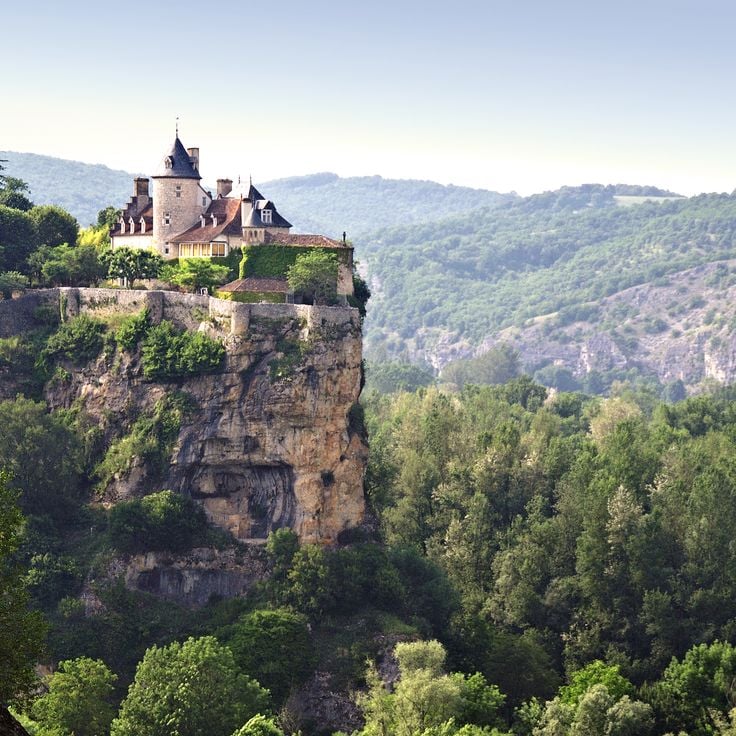
Quercy is a region in Occitanie with limestone plateaus and valleys where medieval villages are scattered through the landscape. This place follows the rhythm of ordinary life, far from the usual tourist paths. You walk through karst terrain, past old stone buildings and along paths that wind between meadows and forests. The people who live here maintain their daily habits and the markets show what the region produces. Quercy invites you to discover France differently, without haste and without marked routes.
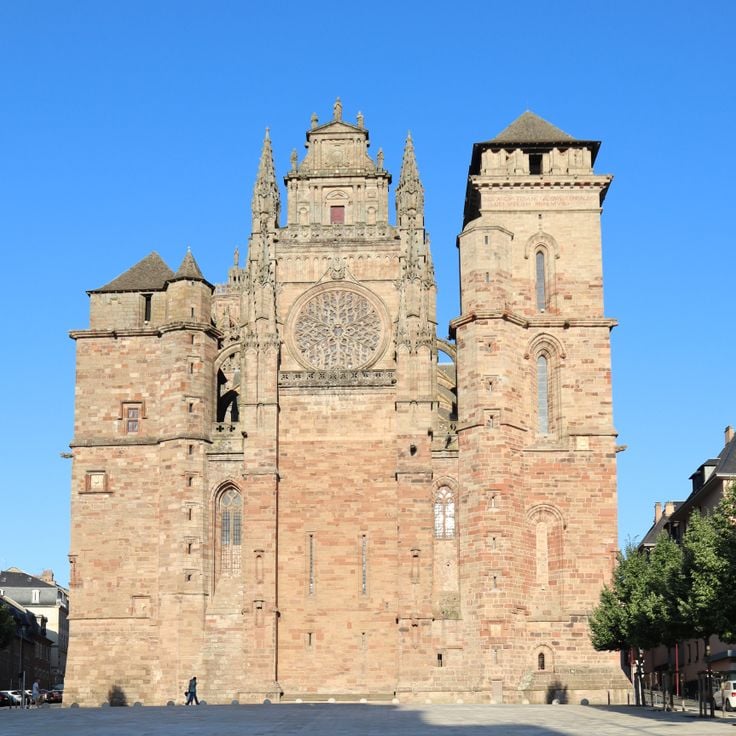
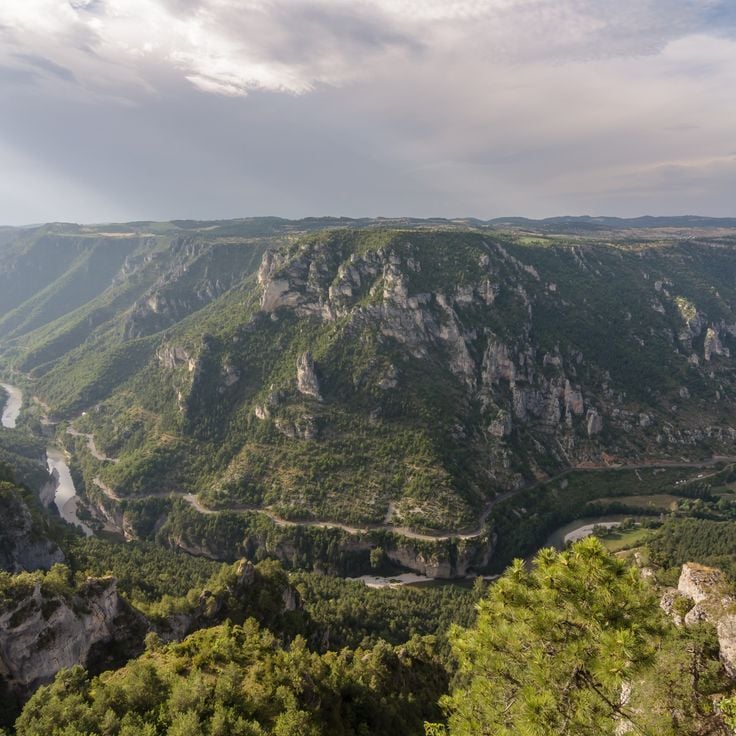
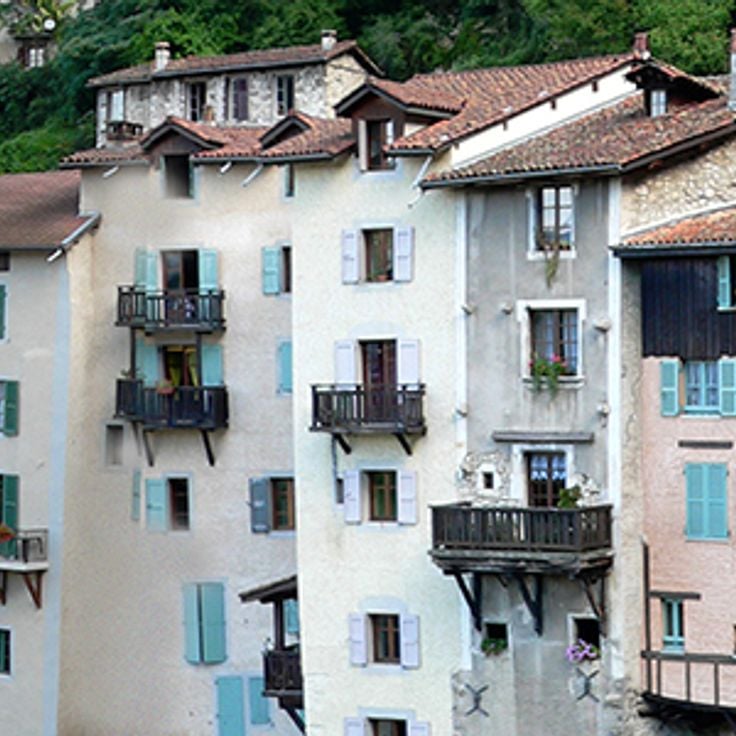
Aveyron is a department shaped by gorges and plateaus that cut into the landscape. Here, limestone cliffs define the terrain, carved by green valleys and quiet watercourses. Villages keep their local building style with stone houses and traditional facades. Life follows the rhythm of seasons and rural work. Hiking trails cross through forests and open spaces. Markets offer regional products, and locals speak about their land.
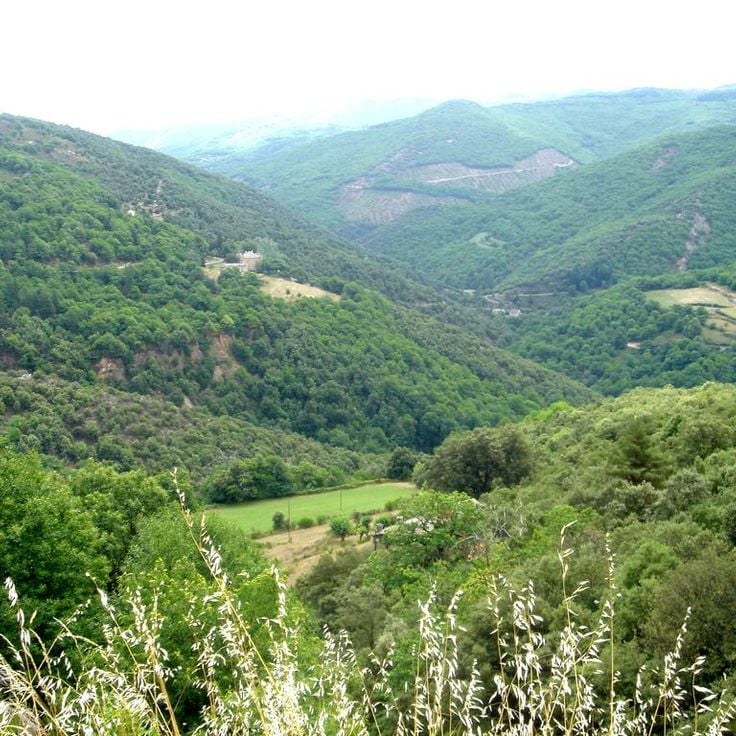
La Lozère is a wild plateau in the Cevennes where paths cross through deep forests and isolated villages sit away from typical tourist routes. The terrain shifts between open spaces and forested areas, cut through by quiet valleys. Life follows the local rhythm, shaped by those who live here rather than by visitor flows. Markets offer regional products, and the countryside invites you to walk, observe, and take time to discover its character.
The Cevennes are mountains between the Rhone and the Atlantic. Here you find gorges, chestnut forests, and local crafting traditions. Life in this region moves at its own pace. There are quiet villages where people live as their ancestors did for generations. Hikers walk through forests, mountain paths, and valleys with small streams. Local markets sell products made by people who live there. The landscape shifts between open plateaus and deep valleys.
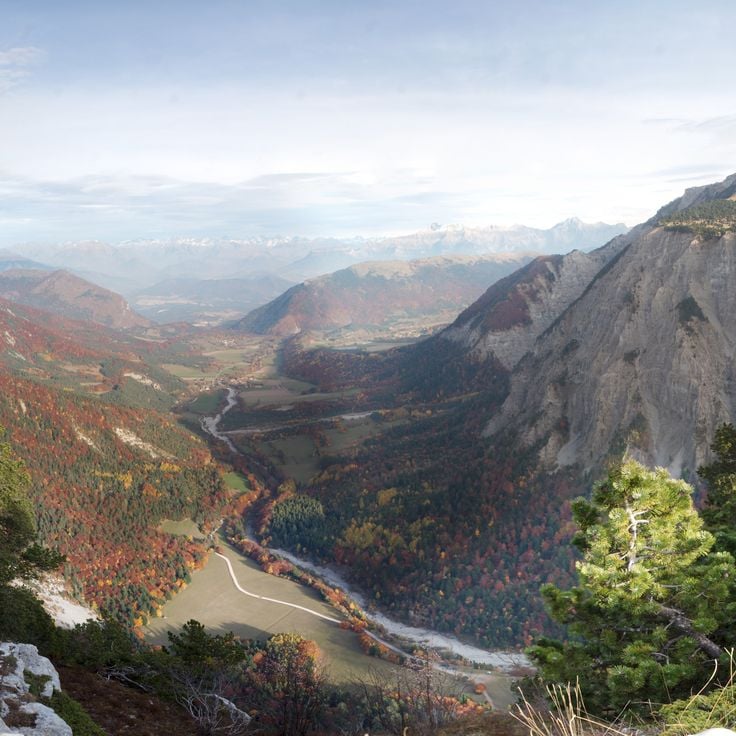
Le Vercors is a limestone massif in the Northern Alps with steep cliffs, gorges, and mountain villages. This region stays away from typical tourist routes. You can walk through forests, alpine meadows, and villages that live at their own pace, meeting more local residents than other visitors. The landscape alternates between narrow valleys and open plateaus where you can taste food rooted in regional production.
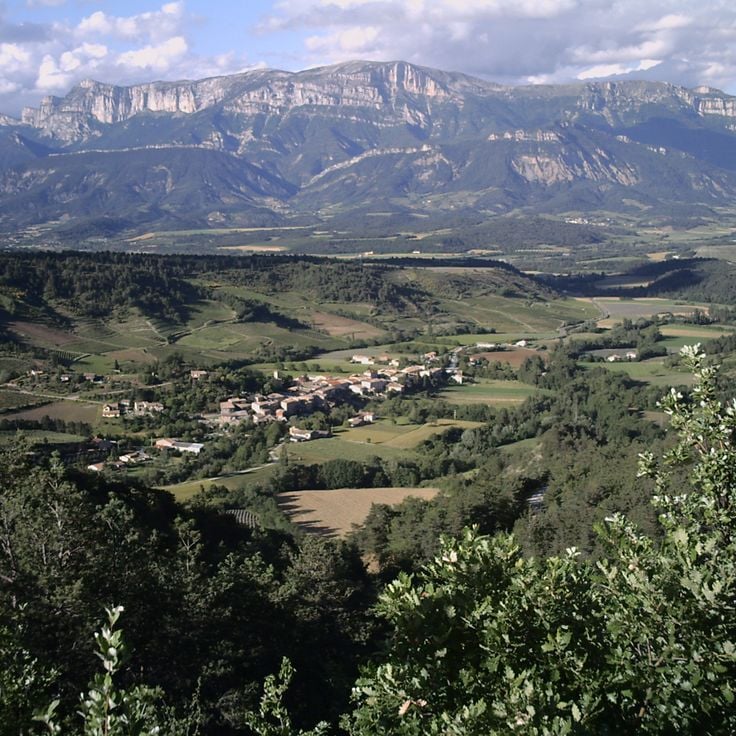
The Trièves is a valley situated between the Vercors and the Dévoluy, a region where the landscape changes with altitude. This area features gentle hills, a lake, and forests that vary with elevation. Life moves here without rush and without the crowds found elsewhere. The small villages preserve their local character, and walking paths cross meadows and wooded areas. The lake forms the heart of the valley and invites you to stop and observe. It is a place to explore on foot, taste local products, and speak with those who live there.
Le Diois is a mountainous region in the Drome where vines cling to the slopes and small Provencal villages dot the territory. This area fits the collection of French regions that remain outside usual tourist circuits. You will find hiking trails through vineyard landscapes, local markets with regional products, and a life shaped by the seasons. Villages keep their calm, and you meet more residents than visitor groups.
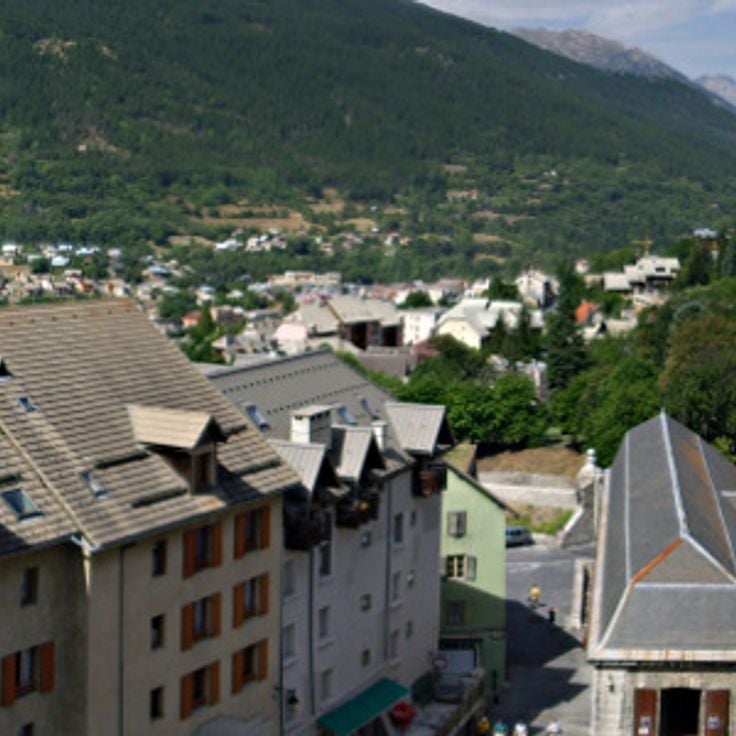
The Briançonnais is a high alpine region where villages of stone are built on steep slopes. The landscape consists of mountains, meadows and forests that change with the seasons. People here have lived for generations in this demanding environment. The villages feature narrow streets and old houses built from local stone. Winter covers everything in snow, while summer reveals green alpine pastures. Daily life follows the rhythm of the mountains rather than tourist schedules.
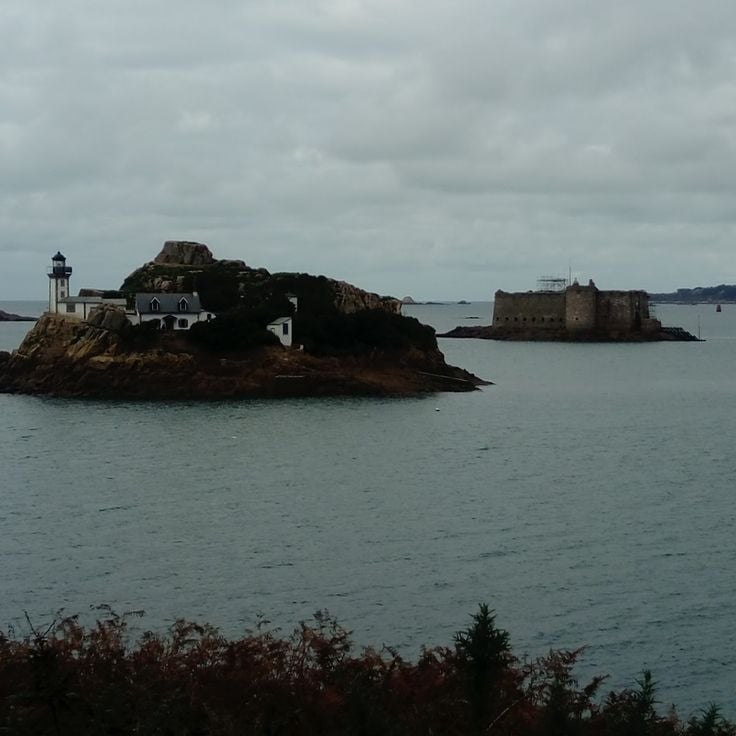
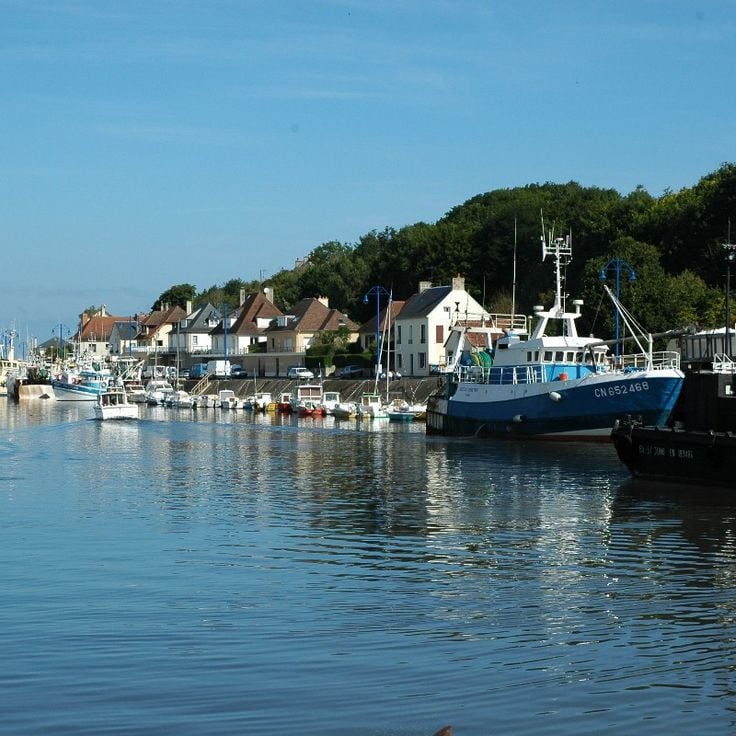
Morlaix Bay is a Breton coastline with cliffs, islands, and small villages that stay outside the summer crowds. This place keeps the rhythm of daily life for fishers and residents. The small harbors show stone houses and narrow streets without tourist masses. You walk through the landscape as in the past, watch sailboats in the bay, and meet people who live there rather than just passing through.
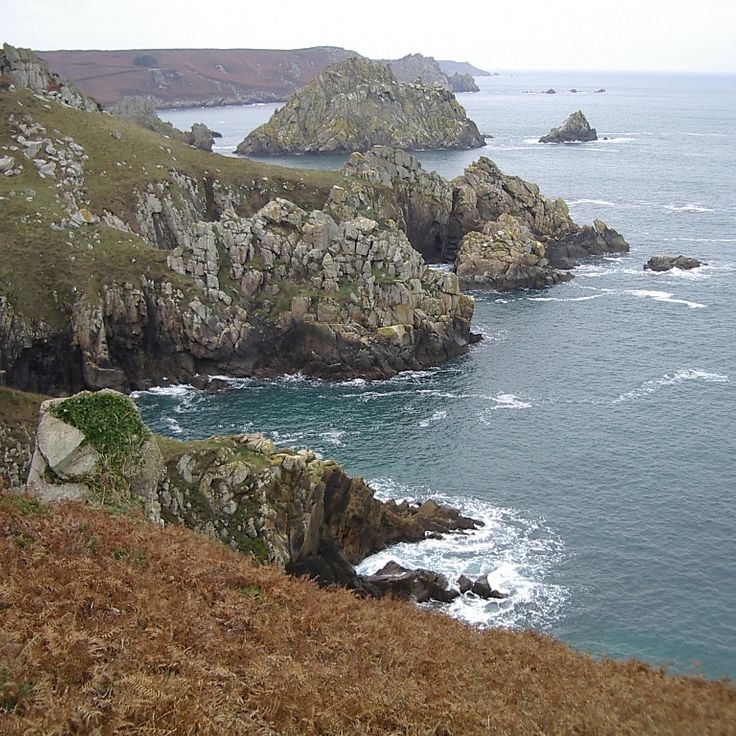
Cap Sizun in Brittany is a rocky headland on the northern coast where steep cliffs meet the ocean. A lighthouse has stood here for a long time, guiding ships. The coastline remains wild and undeveloped, with rock formations rising from the water. Paths run along the cliff edges and offer views of the sea below. This corner of Brittany draws fewer visitors than well-known beaches. Cap Sizun represents the kind of French place that keeps its natural character and follows its everyday rhythm.
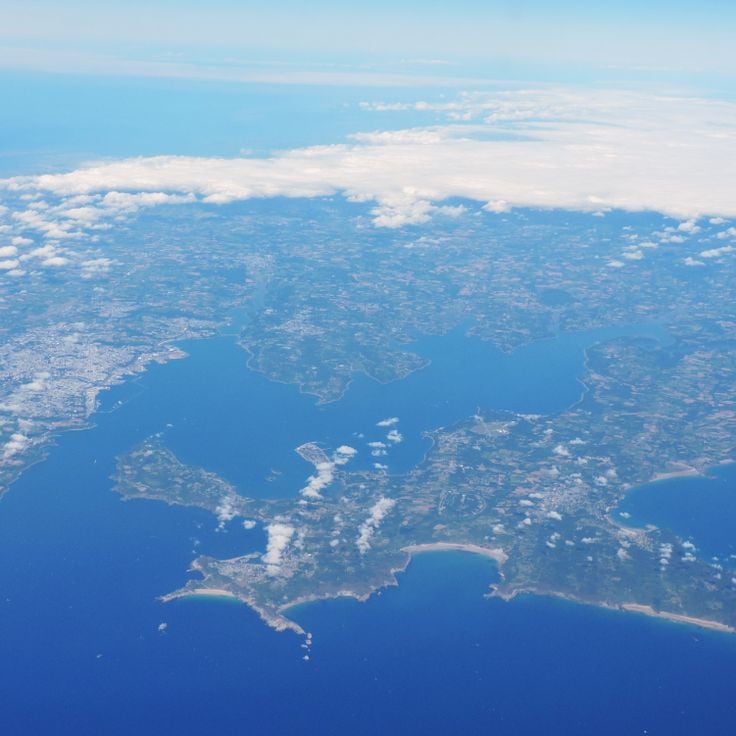
The Crozon Peninsula is a Breton strip of land with fine sandy beaches, cliffs, and fishing villages. It sits away from the usual tourist routes and offers space to breathe. The coastline shifts between quiet sections and rock formations. The villages keep their fishing traditions, markets display regional products, and locals enjoy talking with visitors. You can walk for hours along the shore, explore small harbors, and taste the local food.
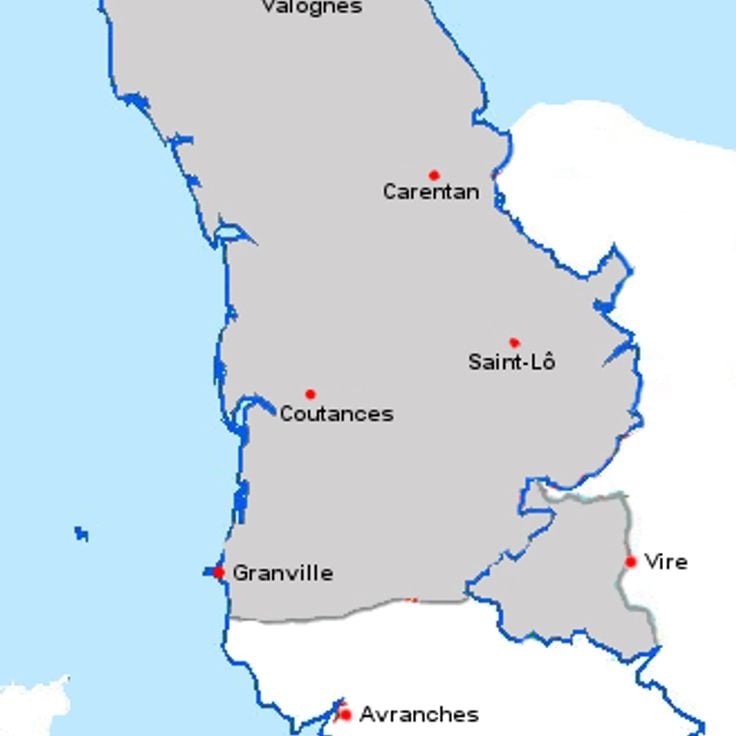
Le Cotentin is a peninsula in Normandy with beaches, bays, and authentic coastal landscapes that sit outside the usual French tourism routes. Visitors find here a natural coastline, small villages, and local markets offering regional products. Life follows its own pace here, far from large tourist flows. Walking paths cross meadows and run along cliffs, while fishermen and farmers go about their daily work. The place invites you to take time, explore the coast, and talk with the people who live there.
Le Bessin is a Normandy region where coastal cliffs meet rolling green countryside. Bocage patterns characterize the landscape, broken up by fields and small villages. This region combines the raw character of the coast with the gentle hills of the inland. Paths cross through meadows, old farmhouses dot the area, and local markets display regional products. Life follows the rhythm of the seasons and the proximity of the sea.
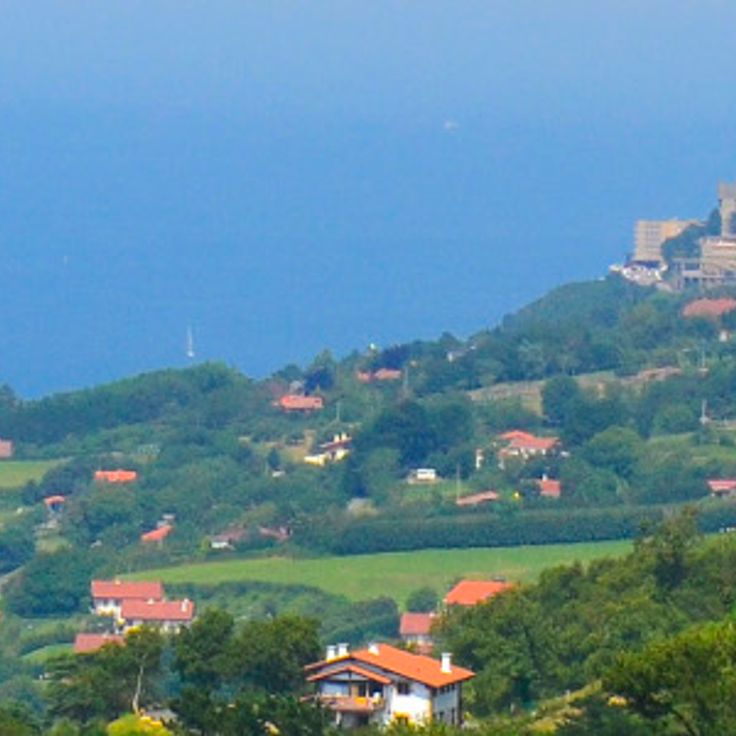
The interior of the Basque Country is a region of rolling hills, white and red villages, and strong local traditions. This area stands apart from well-known coastal destinations and preserves its own rhythm of life. The landscape shifts between forested slopes and open meadows. In the villages, you find traditional houses with characteristic white and red facades. People here still speak Basque, celebrate their festivals, and maintain craft techniques. When you visit, you encounter more local residents than tourists and experience directly the everyday culture of the region.
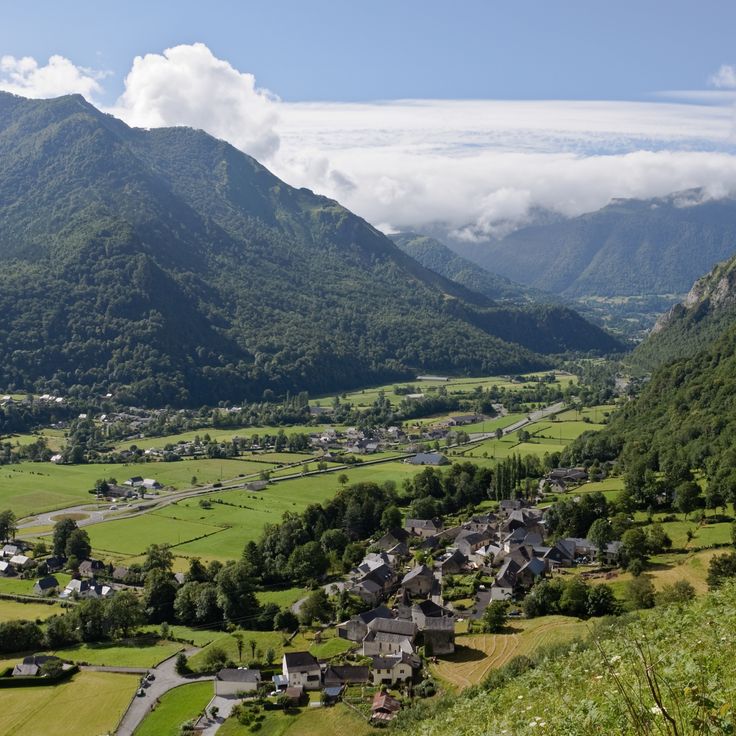
Le Béarn sits at the foot of the Pyrenees, a region with natural thermal springs, gently rolling hills, and its own rhythm. The villages here preserve local traditions, markets offer regional products, and hiking trails lead through forested valleys. Those who visit Le Béarn encounter more locals than tourist groups. The landscape shifts between open spaces and deeper forests, crossed by streams and rivers.
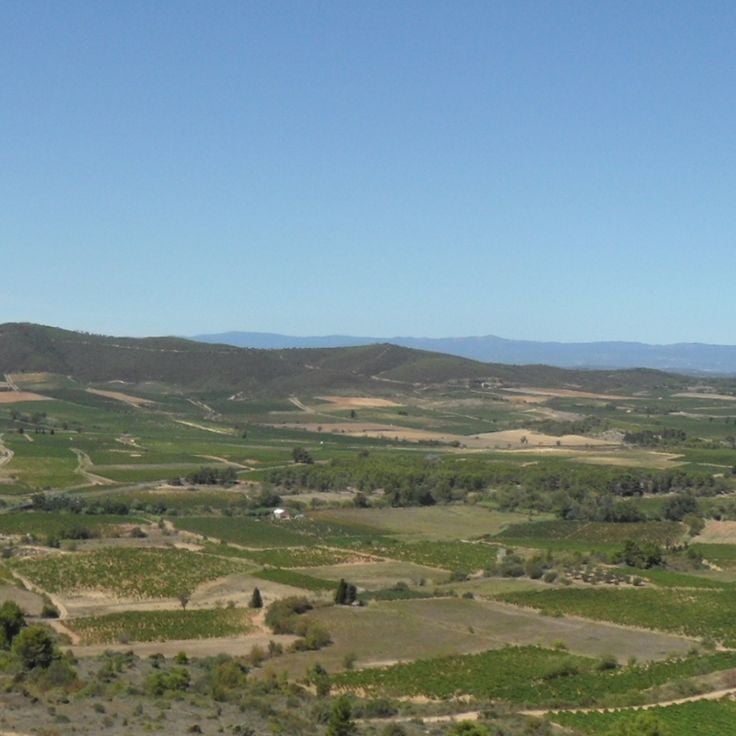
The Corbières are a limestone ridge in the southwest where vines cover the slopes and fortified villages dot the territory. This region stays away from the usual tourist routes and follows the rhythm of wine work and rural life. The terrain shifts between vineyards, dry meadows, and Mediterranean vegetation. You discover towns with old walls, small family-run wineries, and walking paths through sparsely populated spaces.
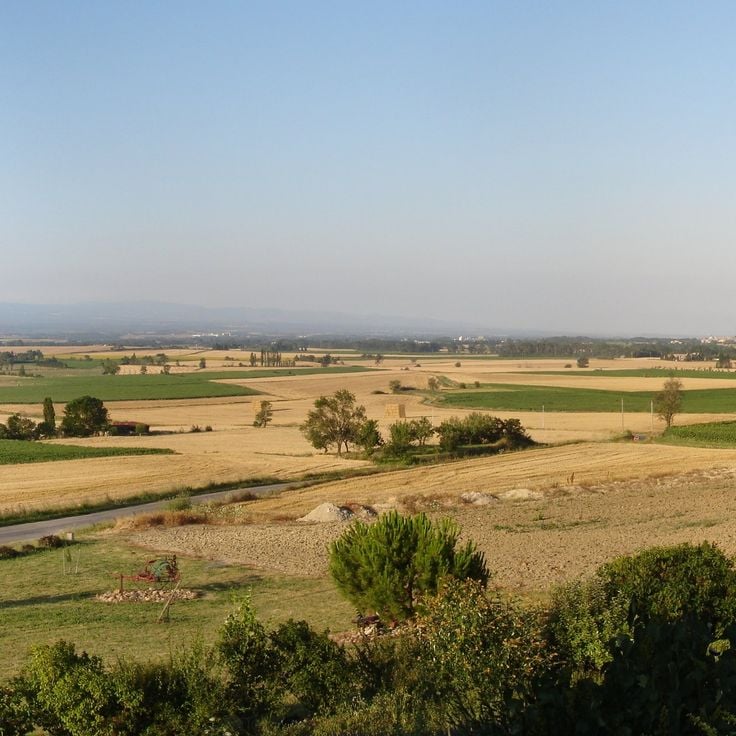
The Lauragais is a rolling agricultural region situated between Toulouse and Carcassonne, where rural life follows the rhythms of farmwork. Gentle hills and open fields characterize the terrain, with sunflowers and cereal crops occupying much of the cultivated land. Small villages are scattered throughout the region, each organized around local services and historic buildings. The roads connecting these villages cross through cultivated lands where you see the practical gestures of rural life. Residents work the fields according to the seasons, and local markets offer products from nearby farms. This territory provides perspective on how French agriculture functions in a landscape shaped by generations of farm labor.
The Montagne Noire mountain range stretches between Toulouse and Carcassonne, forming a small massif with dense forests and quiet trails. This region belongs to the French territories that remain away from ordinary tourist routes. Life here follows its natural rhythm. Forests cover the hillsides extensively, paths lead through broadleaf and coniferous woodlands, and you encounter local residents far more often than groups of visitors. The massif offers space to walk, observe nature, and experience local daily life.
The Pays de Bray in Normandy shows how French landscapes appeal far from the usual tourist routes. This valley is crossed by a river, with deep forests and red brick villages that fit quietly into the surroundings. Life follows a local rhythm here, with walking paths through the woods and small markets selling regional products. You meet more local residents than visitor groups. The Pays de Bray suits those who want to discover Normandy in a more genuine way, without crowds or marked trails.
The Sundgau is a region in southern Alsace where lakes and hills shape the landscape. Rural traditions run deep here, far from the crowds of tourist zones in the north. Small villages keep their everyday character, farming structures the territory, and local products tell the story of these lands. The lakes invite you to walks without rush. The Sundgau appeals to those looking to discover Alsace differently, without crowds or organized routes.
Le Val de Saône is a river valley between Burgundy and the Rhône-Alpes region. Villages line its banks while vineyards cover the slopes. The Saône creates a landscape where daily life moves at its own pace. People work in the vineyards, shop at local markets, and move through small villages that have changed little. The river sits at the center of this region, with banks that offer places to walk and cycle. The valley shows how nature and human work intertwine here.
Le Médoc is a wine region near Bordeaux that spreads across gentle hills covered with grapevines. The landscape shows rows of vines, old estates and villages nestled among the fields. Life here follows the rhythm of harvest and winemaking throughout the year. You find wine properties of varying sizes and country roads that cross through the vineyards. This place rewards those who take time to taste the wines, walk on the land and speak with the people who work here.
Le Morvan is a forested mountain region in Burgundy, marked by its forests, lakes and stone villages. This place remains outside the usual tourist routes and maintains its local rhythm. You will find deep forests, small villages built from cut stone, and hiking trails that run through undeveloped nature. People live according to local traditions, the markets offer regional products, and you are more likely to meet residents than visitor groups. Le Morvan offers the chance to discover France in a different way, without crowds or marked paths.
The Vosges are a mountain range in eastern France with glacial lakes, thick forests, and small villages. This region sits apart from the usual tourist circuits and preserves the rhythm of everyday life. Here fir forests and lakes alternate, hiking trails cross deep woodlands and high meadows. The villages keep their steady pace, markets offer regional products. You encounter more locals than visitor groups.
The Jura in Bourgogne-Franche-Comté is a high plateau at the border between France and Switzerland. This region lies away from the usual tourist routes and keeps its ordinary rhythm of life. The landscape shifts between dense fir forests, quiet lakes, and valleys with hiking trails. Here you meet more locals than tour groups. The villages are peaceful and local markets offer regional products. The Jura invites you to discover France differently, without crowds and without marked routes.
The Massif Central is a vast volcanic plateau in the center of France with open landscapes marked by heathland and gentle hills. Small towns with their own character dot the region, where daily life follows a natural rhythm. Here you find hiking trails through forests and mountain meadows, markets with regional products, and a way of living shaped more by local habits than tourism. The Massif Central appeals to those seeking to discover France away from standard routes. This region preserves real French country life, untouched by the flow of typical tourist activity.
Le Cantal is a mountainous region in Auvergne with volcanic peaks and isolated valleys. This landscape features high plateaus, steep slopes, and ancient lava fields covered by forests. Small villages are scattered throughout the valleys, where life follows a local rhythm. Hiking trails cross meadows and woodlands, markets sell regional products. Visitors here meet more residents than tourists.
Aubrac is a high plateau in Auvergne shaped by pastoral and grazing traditions. The landscape shows gentle hills and vast grasslands used for cattle herding. Small villages and stone houses sit scattered across the heights. Paths wind through meadows and forests where you can watch shepherds and herders at their daily work. Cheese making and regional cooking are woven into everyday life. The plateau offers space to walk and explore without crowds.
La Creuse is a rural department with rolling hills, lakes, and small villages where life follows its natural course. You find deep forests, cultivated lands that shape the landscape, and markets selling regional products. You encounter more local people than tourist groups here. The terrain alternates between meadows and woods, lakes and valleys. This region unfolds at a slow pace, rooted in everyday life, without the hustle of better-known destinations.
Le Berry in the Centre-Val de Loire region stands apart from usual tourist routes. The landscape rolls gently with forests and small villages that follow their own rhythm. Quiet castles dot the territory, surrounded by fields lined with hedges. People here live by local customs, markets offer regional products, and walking paths cross through peaceful forests. Le Berry simply asks that you take time to truly observe the place, walk through the landscape, and talk with those who live there.
Le Perche is a region in Normandy marked by rolling hills and hedgerow landscapes. Old manor houses sit scattered across the fields, surrounded by woodlands and hedge rows. Life here follows the rhythm of farming and traditional crafts. Small villages blend naturally into the rural setting. Those who walk through this area discover old country paths, streams, and farms that tell stories of the past. Markets showcase local products and crafts.
Le Bugey sits between the Saône and the Jura, shaped by gentle mountain landscapes. This region offers a place where vineyards and lakes scatter across the land and daily life follows its own rhythm. Walkers discover deep forests, open spaces, and small villages away from usual tourist paths. The landscape alternates between vine-covered hillsides and wooded areas, dotted with calm waters. Residents and visitors rarely meet in groups; instead, people encounter each other at local markets or in traditional restaurants. Le Bugey suits those who want to explore France beyond the beaten path.
La Brenne is a natural area in central France shaped by lakes and wetlands. Here, waterfowl, fish, and specialized plants find their habitat. The landscape appears open and flat, with water visible between meadows and reed beds. Visitors come here to watch birds or simply walk in a quiet setting. La Brenne is a protected natural area where nature takes its course without major disturbance.
Limousin is a land of granite and water in the Nouvelle-Aquitaine region. It welcomes lakes, green meadows, and craft traditions that persist. The landscape rolls gently with forests and streams that run through the territory. Those who visit Limousin find villages where ordinary life unfolds at its own pace. Small markets sell regional products. Local trades remain visible in workshops and in the way people work and live from day to day.
Quercy is a region in Occitanie with limestone plateaus and valleys where medieval villages are scattered through the landscape. This place follows the rhythm of ordinary life, far from the usual tourist paths. You walk through karst terrain, past old stone buildings and along paths that wind between meadows and forests. The people who live here maintain their daily habits and the markets show what the region produces. Quercy invites you to discover France differently, without haste and without marked routes.
Aveyron is a department shaped by gorges and plateaus that cut into the landscape. Here, limestone cliffs define the terrain, carved by green valleys and quiet watercourses. Villages keep their local building style with stone houses and traditional facades. Life follows the rhythm of seasons and rural work. Hiking trails cross through forests and open spaces. Markets offer regional products, and locals speak about their land.
La Lozère is a wild plateau in the Cevennes where paths cross through deep forests and isolated villages sit away from typical tourist routes. The terrain shifts between open spaces and forested areas, cut through by quiet valleys. Life follows the local rhythm, shaped by those who live here rather than by visitor flows. Markets offer regional products, and the countryside invites you to walk, observe, and take time to discover its character.
The Cevennes are mountains between the Rhone and the Atlantic. Here you find gorges, chestnut forests, and local crafting traditions. Life in this region moves at its own pace. There are quiet villages where people live as their ancestors did for generations. Hikers walk through forests, mountain paths, and valleys with small streams. Local markets sell products made by people who live there. The landscape shifts between open plateaus and deep valleys.
Le Vercors is a limestone massif in the Northern Alps with steep cliffs, gorges, and mountain villages. This region stays away from typical tourist routes. You can walk through forests, alpine meadows, and villages that live at their own pace, meeting more local residents than other visitors. The landscape alternates between narrow valleys and open plateaus where you can taste food rooted in regional production.
The Trièves is a valley situated between the Vercors and the Dévoluy, a region where the landscape changes with altitude. This area features gentle hills, a lake, and forests that vary with elevation. Life moves here without rush and without the crowds found elsewhere. The small villages preserve their local character, and walking paths cross meadows and wooded areas. The lake forms the heart of the valley and invites you to stop and observe. It is a place to explore on foot, taste local products, and speak with those who live there.
Le Diois is a mountainous region in the Drome where vines cling to the slopes and small Provencal villages dot the territory. This area fits the collection of French regions that remain outside usual tourist circuits. You will find hiking trails through vineyard landscapes, local markets with regional products, and a life shaped by the seasons. Villages keep their calm, and you meet more residents than visitor groups.
The Briançonnais is a high alpine region where villages of stone are built on steep slopes. The landscape consists of mountains, meadows and forests that change with the seasons. People here have lived for generations in this demanding environment. The villages feature narrow streets and old houses built from local stone. Winter covers everything in snow, while summer reveals green alpine pastures. Daily life follows the rhythm of the mountains rather than tourist schedules.
Morlaix Bay is a Breton coastline with cliffs, islands, and small villages that stay outside the summer crowds. This place keeps the rhythm of daily life for fishers and residents. The small harbors show stone houses and narrow streets without tourist masses. You walk through the landscape as in the past, watch sailboats in the bay, and meet people who live there rather than just passing through.
Cap Sizun in Brittany is a rocky headland on the northern coast where steep cliffs meet the ocean. A lighthouse has stood here for a long time, guiding ships. The coastline remains wild and undeveloped, with rock formations rising from the water. Paths run along the cliff edges and offer views of the sea below. This corner of Brittany draws fewer visitors than well-known beaches. Cap Sizun represents the kind of French place that keeps its natural character and follows its everyday rhythm.
The Crozon Peninsula is a Breton strip of land with fine sandy beaches, cliffs, and fishing villages. It sits away from the usual tourist routes and offers space to breathe. The coastline shifts between quiet sections and rock formations. The villages keep their fishing traditions, markets display regional products, and locals enjoy talking with visitors. You can walk for hours along the shore, explore small harbors, and taste the local food.
Le Cotentin is a peninsula in Normandy with beaches, bays, and authentic coastal landscapes that sit outside the usual French tourism routes. Visitors find here a natural coastline, small villages, and local markets offering regional products. Life follows its own pace here, far from large tourist flows. Walking paths cross meadows and run along cliffs, while fishermen and farmers go about their daily work. The place invites you to take time, explore the coast, and talk with the people who live there.
Le Bessin is a Normandy region where coastal cliffs meet rolling green countryside. Bocage patterns characterize the landscape, broken up by fields and small villages. This region combines the raw character of the coast with the gentle hills of the inland. Paths cross through meadows, old farmhouses dot the area, and local markets display regional products. Life follows the rhythm of the seasons and the proximity of the sea.
The interior of the Basque Country is a region of rolling hills, white and red villages, and strong local traditions. This area stands apart from well-known coastal destinations and preserves its own rhythm of life. The landscape shifts between forested slopes and open meadows. In the villages, you find traditional houses with characteristic white and red facades. People here still speak Basque, celebrate their festivals, and maintain craft techniques. When you visit, you encounter more local residents than tourists and experience directly the everyday culture of the region.
Le Béarn sits at the foot of the Pyrenees, a region with natural thermal springs, gently rolling hills, and its own rhythm. The villages here preserve local traditions, markets offer regional products, and hiking trails lead through forested valleys. Those who visit Le Béarn encounter more locals than tourist groups. The landscape shifts between open spaces and deeper forests, crossed by streams and rivers.
The Corbières are a limestone ridge in the southwest where vines cover the slopes and fortified villages dot the territory. This region stays away from the usual tourist routes and follows the rhythm of wine work and rural life. The terrain shifts between vineyards, dry meadows, and Mediterranean vegetation. You discover towns with old walls, small family-run wineries, and walking paths through sparsely populated spaces.
The Lauragais is a rolling agricultural region situated between Toulouse and Carcassonne, where rural life follows the rhythms of farmwork. Gentle hills and open fields characterize the terrain, with sunflowers and cereal crops occupying much of the cultivated land. Small villages are scattered throughout the region, each organized around local services and historic buildings. The roads connecting these villages cross through cultivated lands where you see the practical gestures of rural life. Residents work the fields according to the seasons, and local markets offer products from nearby farms. This territory provides perspective on how French agriculture functions in a landscape shaped by generations of farm labor.
The Montagne Noire mountain range stretches between Toulouse and Carcassonne, forming a small massif with dense forests and quiet trails. This region belongs to the French territories that remain away from ordinary tourist routes. Life here follows its natural rhythm. Forests cover the hillsides extensively, paths lead through broadleaf and coniferous woodlands, and you encounter local residents far more often than groups of visitors. The massif offers space to walk, observe nature, and experience local daily life.
The Pays de Bray in Normandy shows how French landscapes appeal far from the usual tourist routes. This valley is crossed by a river, with deep forests and red brick villages that fit quietly into the surroundings. Life follows a local rhythm here, with walking paths through the woods and small markets selling regional products. You meet more local residents than visitor groups. The Pays de Bray suits those who want to discover Normandy in a more genuine way, without crowds or marked trails.
The Sundgau is a region in southern Alsace where lakes and hills shape the landscape. Rural traditions run deep here, far from the crowds of tourist zones in the north. Small villages keep their everyday character, farming structures the territory, and local products tell the story of these lands. The lakes invite you to walks without rush. The Sundgau appeals to those looking to discover Alsace differently, without crowds or organized routes.
Le Val de Saône is a river valley between Burgundy and the Rhône-Alpes region. Villages line its banks while vineyards cover the slopes. The Saône creates a landscape where daily life moves at its own pace. People work in the vineyards, shop at local markets, and move through small villages that have changed little. The river sits at the center of this region, with banks that offer places to walk and cycle. The valley shows how nature and human work intertwine here.
Le Médoc is a wine region near Bordeaux that spreads across gentle hills covered with grapevines. The landscape shows rows of vines, old estates and villages nestled among the fields. Life here follows the rhythm of harvest and winemaking throughout the year. You find wine properties of varying sizes and country roads that cross through the vineyards. This place rewards those who take time to taste the wines, walk on the land and speak with the people who work here.
Le Morvan is a forested mountain region in Burgundy, marked by its forests, lakes and stone villages. This place remains outside the usual tourist routes and maintains its local rhythm. You will find deep forests, small villages built from cut stone, and hiking trails that run through undeveloped nature. People live according to local traditions, the markets offer regional products, and you are more likely to meet residents than visitor groups. Le Morvan offers the chance to discover France in a different way, without crowds or marked paths.
The Vosges are a mountain range in eastern France with glacial lakes, thick forests, and small villages. This region sits apart from the usual tourist circuits and preserves the rhythm of everyday life. Here fir forests and lakes alternate, hiking trails cross deep woodlands and high meadows. The villages keep their steady pace, markets offer regional products. You encounter more locals than visitor groups.
The Jura in Bourgogne-Franche-Comté is a high plateau at the border between France and Switzerland. This region lies away from the usual tourist routes and keeps its ordinary rhythm of life. The landscape shifts between dense fir forests, quiet lakes, and valleys with hiking trails. Here you meet more locals than tour groups. The villages are peaceful and local markets offer regional products. The Jura invites you to discover France differently, without crowds and without marked routes.
The Massif Central is a vast volcanic plateau in the center of France with open landscapes marked by heathland and gentle hills. Small towns with their own character dot the region, where daily life follows a natural rhythm. Here you find hiking trails through forests and mountain meadows, markets with regional products, and a way of living shaped more by local habits than tourism. The Massif Central appeals to those seeking to discover France away from standard routes. This region preserves real French country life, untouched by the flow of typical tourist activity.
Le Cantal is a mountainous region in Auvergne with volcanic peaks and isolated valleys. This landscape features high plateaus, steep slopes, and ancient lava fields covered by forests. Small villages are scattered throughout the valleys, where life follows a local rhythm. Hiking trails cross meadows and woodlands, markets sell regional products. Visitors here meet more residents than tourists.
Aubrac is a high plateau in Auvergne shaped by pastoral and grazing traditions. The landscape shows gentle hills and vast grasslands used for cattle herding. Small villages and stone houses sit scattered across the heights. Paths wind through meadows and forests where you can watch shepherds and herders at their daily work. Cheese making and regional cooking are woven into everyday life. The plateau offers space to walk and explore without crowds.
La Creuse is a rural department with rolling hills, lakes, and small villages where life follows its natural course. You find deep forests, cultivated lands that shape the landscape, and markets selling regional products. You encounter more local people than tourist groups here. The terrain alternates between meadows and woods, lakes and valleys. This region unfolds at a slow pace, rooted in everyday life, without the hustle of better-known destinations.
Le Berry in the Centre-Val de Loire region stands apart from usual tourist routes. The landscape rolls gently with forests and small villages that follow their own rhythm. Quiet castles dot the territory, surrounded by fields lined with hedges. People here live by local customs, markets offer regional products, and walking paths cross through peaceful forests. Le Berry simply asks that you take time to truly observe the place, walk through the landscape, and talk with those who live there.
Le Perche is a region in Normandy marked by rolling hills and hedgerow landscapes. Old manor houses sit scattered across the fields, surrounded by woodlands and hedge rows. Life here follows the rhythm of farming and traditional crafts. Small villages blend naturally into the rural setting. Those who walk through this area discover old country paths, streams, and farms that tell stories of the past. Markets showcase local products and crafts.
Le Bugey sits between the Saône and the Jura, shaped by gentle mountain landscapes. This region offers a place where vineyards and lakes scatter across the land and daily life follows its own rhythm. Walkers discover deep forests, open spaces, and small villages away from usual tourist paths. The landscape alternates between vine-covered hillsides and wooded areas, dotted with calm waters. Residents and visitors rarely meet in groups; instead, people encounter each other at local markets or in traditional restaurants. Le Bugey suits those who want to explore France beyond the beaten path.
La Brenne is a natural area in central France shaped by lakes and wetlands. Here, waterfowl, fish, and specialized plants find their habitat. The landscape appears open and flat, with water visible between meadows and reed beds. Visitors come here to watch birds or simply walk in a quiet setting. La Brenne is a protected natural area where nature takes its course without major disturbance.
Limousin is a land of granite and water in the Nouvelle-Aquitaine region. It welcomes lakes, green meadows, and craft traditions that persist. The landscape rolls gently with forests and streams that run through the territory. Those who visit Limousin find villages where ordinary life unfolds at its own pace. Small markets sell regional products. Local trades remain visible in workshops and in the way people work and live from day to day.
Quercy is a region in Occitanie with limestone plateaus and valleys where medieval villages are scattered through the landscape. This place follows the rhythm of ordinary life, far from the usual tourist paths. You walk through karst terrain, past old stone buildings and along paths that wind between meadows and forests. The people who live here maintain their daily habits and the markets show what the region produces. Quercy invites you to discover France differently, without haste and without marked routes.
Aveyron is a department shaped by gorges and plateaus that cut into the landscape. Here, limestone cliffs define the terrain, carved by green valleys and quiet watercourses. Villages keep their local building style with stone houses and traditional facades. Life follows the rhythm of seasons and rural work. Hiking trails cross through forests and open spaces. Markets offer regional products, and locals speak about their land.
La Lozère is a wild plateau in the Cevennes where paths cross through deep forests and isolated villages sit away from typical tourist routes. The terrain shifts between open spaces and forested areas, cut through by quiet valleys. Life follows the local rhythm, shaped by those who live here rather than by visitor flows. Markets offer regional products, and the countryside invites you to walk, observe, and take time to discover its character.
The Cevennes are mountains between the Rhone and the Atlantic. Here you find gorges, chestnut forests, and local crafting traditions. Life in this region moves at its own pace. There are quiet villages where people live as their ancestors did for generations. Hikers walk through forests, mountain paths, and valleys with small streams. Local markets sell products made by people who live there. The landscape shifts between open plateaus and deep valleys.
Le Vercors is a limestone massif in the Northern Alps with steep cliffs, gorges, and mountain villages. This region stays away from typical tourist routes. You can walk through forests, alpine meadows, and villages that live at their own pace, meeting more local residents than other visitors. The landscape alternates between narrow valleys and open plateaus where you can taste food rooted in regional production.
The Trièves is a valley situated between the Vercors and the Dévoluy, a region where the landscape changes with altitude. This area features gentle hills, a lake, and forests that vary with elevation. Life moves here without rush and without the crowds found elsewhere. The small villages preserve their local character, and walking paths cross meadows and wooded areas. The lake forms the heart of the valley and invites you to stop and observe. It is a place to explore on foot, taste local products, and speak with those who live there.
Le Diois is a mountainous region in the Drome where vines cling to the slopes and small Provencal villages dot the territory. This area fits the collection of French regions that remain outside usual tourist circuits. You will find hiking trails through vineyard landscapes, local markets with regional products, and a life shaped by the seasons. Villages keep their calm, and you meet more residents than visitor groups.
The Briançonnais is a high alpine region where villages of stone are built on steep slopes. The landscape consists of mountains, meadows and forests that change with the seasons. People here have lived for generations in this demanding environment. The villages feature narrow streets and old houses built from local stone. Winter covers everything in snow, while summer reveals green alpine pastures. Daily life follows the rhythm of the mountains rather than tourist schedules.
Morlaix Bay is a Breton coastline with cliffs, islands, and small villages that stay outside the summer crowds. This place keeps the rhythm of daily life for fishers and residents. The small harbors show stone houses and narrow streets without tourist masses. You walk through the landscape as in the past, watch sailboats in the bay, and meet people who live there rather than just passing through.
Cap Sizun in Brittany is a rocky headland on the northern coast where steep cliffs meet the ocean. A lighthouse has stood here for a long time, guiding ships. The coastline remains wild and undeveloped, with rock formations rising from the water. Paths run along the cliff edges and offer views of the sea below. This corner of Brittany draws fewer visitors than well-known beaches. Cap Sizun represents the kind of French place that keeps its natural character and follows its everyday rhythm.
The Crozon Peninsula is a Breton strip of land with fine sandy beaches, cliffs, and fishing villages. It sits away from the usual tourist routes and offers space to breathe. The coastline shifts between quiet sections and rock formations. The villages keep their fishing traditions, markets display regional products, and locals enjoy talking with visitors. You can walk for hours along the shore, explore small harbors, and taste the local food.
Le Cotentin is a peninsula in Normandy with beaches, bays, and authentic coastal landscapes that sit outside the usual French tourism routes. Visitors find here a natural coastline, small villages, and local markets offering regional products. Life follows its own pace here, far from large tourist flows. Walking paths cross meadows and run along cliffs, while fishermen and farmers go about their daily work. The place invites you to take time, explore the coast, and talk with the people who live there.
Le Bessin is a Normandy region where coastal cliffs meet rolling green countryside. Bocage patterns characterize the landscape, broken up by fields and small villages. This region combines the raw character of the coast with the gentle hills of the inland. Paths cross through meadows, old farmhouses dot the area, and local markets display regional products. Life follows the rhythm of the seasons and the proximity of the sea.
The interior of the Basque Country is a region of rolling hills, white and red villages, and strong local traditions. This area stands apart from well-known coastal destinations and preserves its own rhythm of life. The landscape shifts between forested slopes and open meadows. In the villages, you find traditional houses with characteristic white and red facades. People here still speak Basque, celebrate their festivals, and maintain craft techniques. When you visit, you encounter more local residents than tourists and experience directly the everyday culture of the region.
Le Béarn sits at the foot of the Pyrenees, a region with natural thermal springs, gently rolling hills, and its own rhythm. The villages here preserve local traditions, markets offer regional products, and hiking trails lead through forested valleys. Those who visit Le Béarn encounter more locals than tourist groups. The landscape shifts between open spaces and deeper forests, crossed by streams and rivers.
The Corbières are a limestone ridge in the southwest where vines cover the slopes and fortified villages dot the territory. This region stays away from the usual tourist routes and follows the rhythm of wine work and rural life. The terrain shifts between vineyards, dry meadows, and Mediterranean vegetation. You discover towns with old walls, small family-run wineries, and walking paths through sparsely populated spaces.
The Lauragais is a rolling agricultural region situated between Toulouse and Carcassonne, where rural life follows the rhythms of farmwork. Gentle hills and open fields characterize the terrain, with sunflowers and cereal crops occupying much of the cultivated land. Small villages are scattered throughout the region, each organized around local services and historic buildings. The roads connecting these villages cross through cultivated lands where you see the practical gestures of rural life. Residents work the fields according to the seasons, and local markets offer products from nearby farms. This territory provides perspective on how French agriculture functions in a landscape shaped by generations of farm labor.
The Montagne Noire mountain range stretches between Toulouse and Carcassonne, forming a small massif with dense forests and quiet trails. This region belongs to the French territories that remain away from ordinary tourist routes. Life here follows its natural rhythm. Forests cover the hillsides extensively, paths lead through broadleaf and coniferous woodlands, and you encounter local residents far more often than groups of visitors. The massif offers space to walk, observe nature, and experience local daily life.
The Pays de Bray in Normandy shows how French landscapes appeal far from the usual tourist routes. This valley is crossed by a river, with deep forests and red brick villages that fit quietly into the surroundings. Life follows a local rhythm here, with walking paths through the woods and small markets selling regional products. You meet more local residents than visitor groups. The Pays de Bray suits those who want to discover Normandy in a more genuine way, without crowds or marked trails.
The Sundgau is a region in southern Alsace where lakes and hills shape the landscape. Rural traditions run deep here, far from the crowds of tourist zones in the north. Small villages keep their everyday character, farming structures the territory, and local products tell the story of these lands. The lakes invite you to walks without rush. The Sundgau appeals to those looking to discover Alsace differently, without crowds or organized routes.
Le Val de Saône is a river valley between Burgundy and the Rhône-Alpes region. Villages line its banks while vineyards cover the slopes. The Saône creates a landscape where daily life moves at its own pace. People work in the vineyards, shop at local markets, and move through small villages that have changed little. The river sits at the center of this region, with banks that offer places to walk and cycle. The valley shows how nature and human work intertwine here.
Le Médoc is a wine region near Bordeaux that spreads across gentle hills covered with grapevines. The landscape shows rows of vines, old estates and villages nestled among the fields. Life here follows the rhythm of harvest and winemaking throughout the year. You find wine properties of varying sizes and country roads that cross through the vineyards. This place rewards those who take time to taste the wines, walk on the land and speak with the people who work here.