Emilia-Romagna in Italy: historic sites, museums and heritage
Emilia-Romagna in Italy has towns like Bologna, Modena, Parma, and Ravenna. Old squares, cathedrals, and historic arcades tell many years of history. The region has several sites listed by UNESCO. These include the Byzantine mosaics in Ravenna, the porticoes in Bologna, and the buildings in Modena. Castles and fortresses, such as Rocchetta Mattei, show the old feudal times.
Beyond the cities, there are mountain villages in the Apennines, beaches on the Adriatic coast, and natural parks to walk through. You will also find museums about car making, like those of Ducati and Ferrari. Famous places for food include Parma ham and Modena balsamic vinegar. In all, there are forty sites that show what the region offers to visitors.
Emilia-Romagna in Italy: historic sites, museums and heritage
Emilia-Romagna in Italy has towns like Bologna, Modena, Parma, and Ravenna. Old squares, cathedrals, and historic arcades tell many years of history. The region has several sites listed by UNESCO. These include the Byzantine mosaics in Ravenna, the porticoes in Bologna, and the buildings in Modena. Castles and fortresses, such as Rocchetta Mattei, show the old feudal times.
Beyond the cities, there are mountain villages in the Apennines, beaches on the Adriatic coast, and natural parks to walk through. You will also find museums about car making, like those of Ducati and Ferrari. Famous places for food include Parma ham and Modena balsamic vinegar. In all, there are forty sites that show what the region offers to visitors.
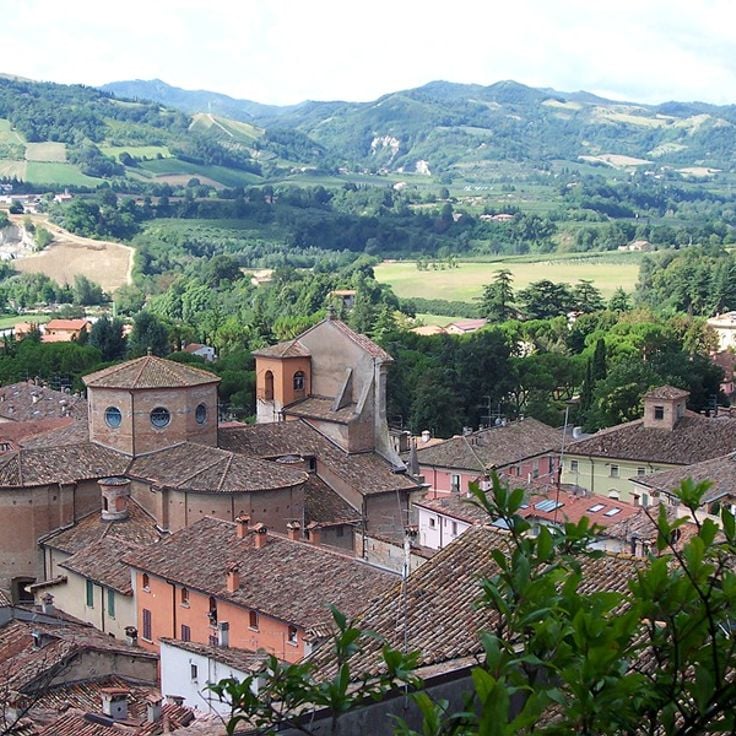
Brisighella is a small medieval village in the province of Ravenna that stands out for its unusual Via degli Asini. This narrow street runs between two rows of houses and is paved with bricks. The village sits in the hills of the region and features tight streets, old buildings, and views across the surrounding landscape. The architecture dates from medieval times and shows how people once lived and worked in this area.
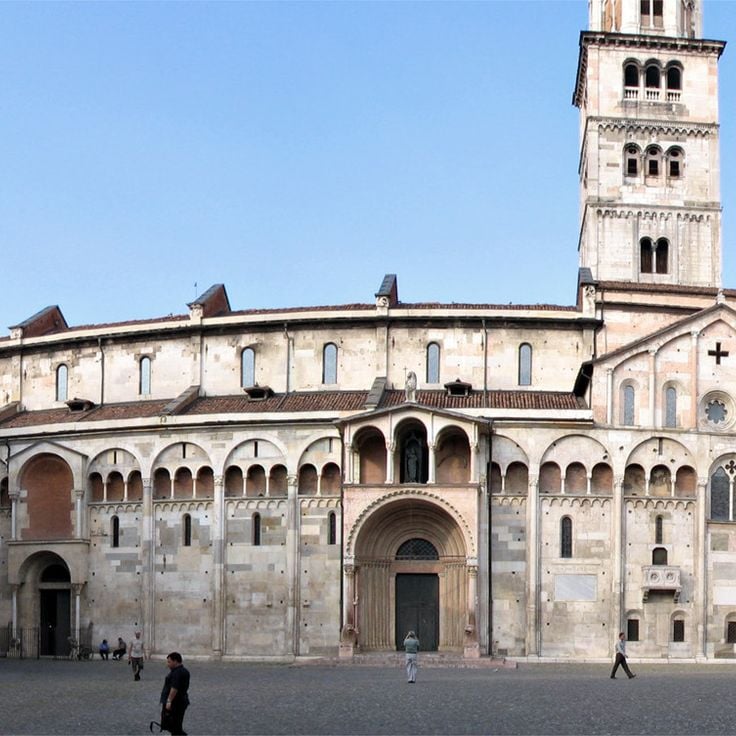
The Cathedral of Modena is a Romanesque building from the 12th century that stands on Piazza Grande. Its distinctive bell tower, the Torre Ghirlandina, shapes the city skyline and is visible from far away. The building is inscribed on the UNESCO World Heritage list and displays the architectural features common to medieval cathedrals in Emilia-Romagna. The square in front serves as the center of city life, where locals and visitors gather. The facade tells of centuries of craftsmanship and religious tradition.
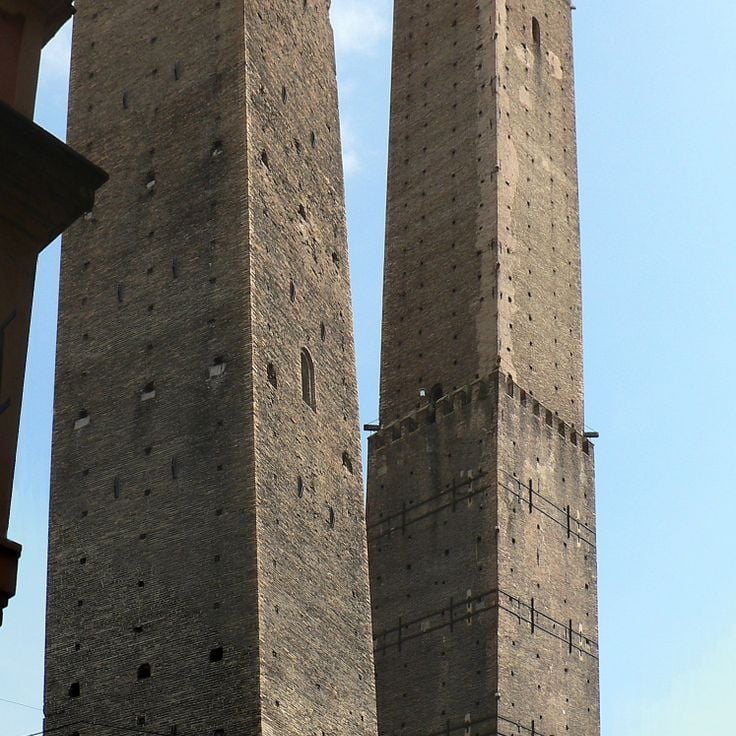
The Asinelli and Garisenda towers are two medieval towers that have shaped the Bologna skyline since the 12th century. These leaning towers sit in the heart of the city and tell the story of when wealthy families displayed their power through such structures. Visitors today can see the height and the tilt of these buildings and understand how important they were to the medieval city.
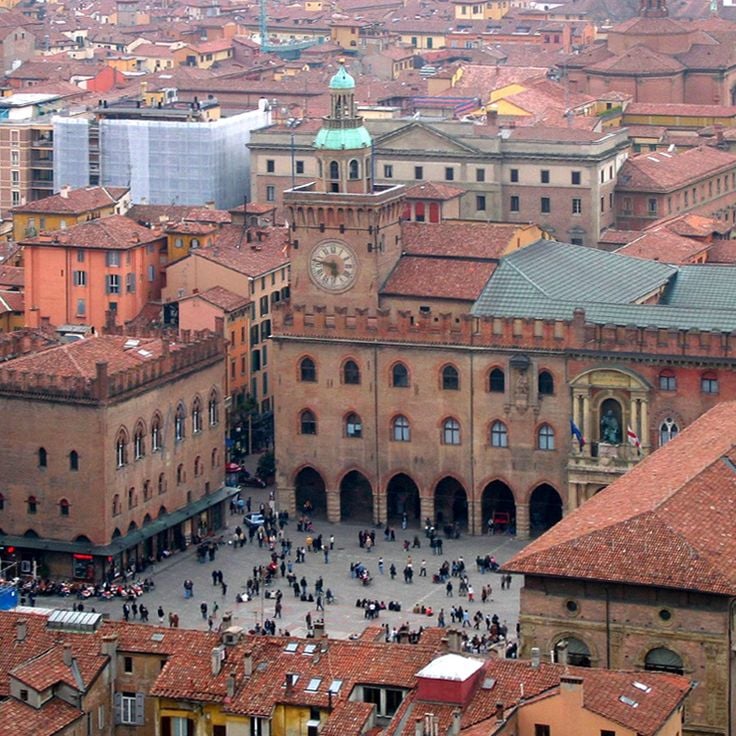
The Piazza Maggiore is the central plaza in the heart of historic Bologna, surrounded by old buildings and arcades. This square is an important location in the collection showcasing the art cities of Emilia-Romagna, where medieval squares, cathedrals, and historic arcades tell the story of centuries of history. The plaza itself demonstrates the kind of architecture and urban design that defines the region and draws visitors seeking to understand the cultural depth of this Italian region.
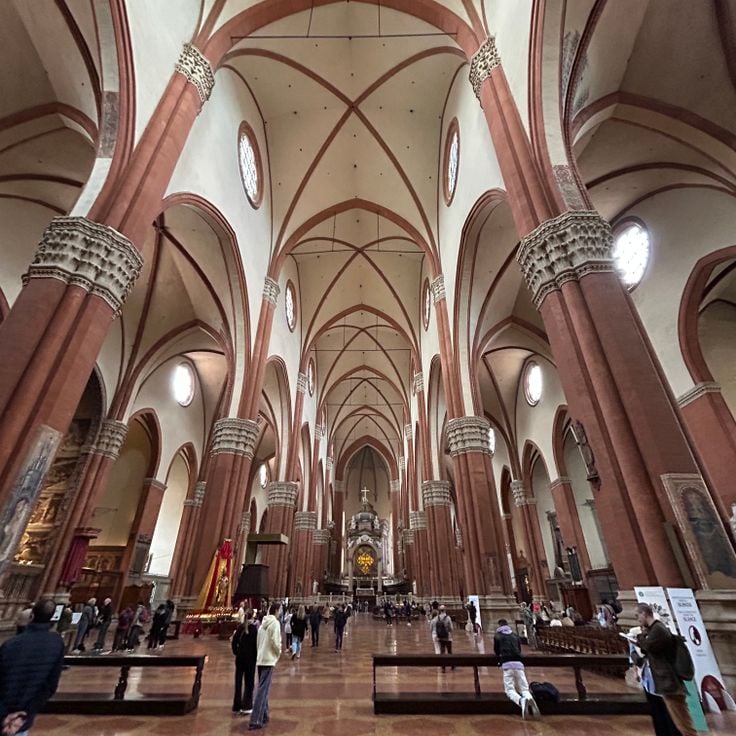
The Basilica San Petronio dominates Piazza Maggiore in Bologna with its large Gothic structure. The facade displays characteristic Gothic features with pointed arches and intricate stonework. Inside, richly decorated chapels and artistic elements reflect centuries of craftsmanship and religious devotion. The basilica has been the setting for significant historical events and remains a central destination for visitors seeking to understand Bologna's religious and artistic heritage.
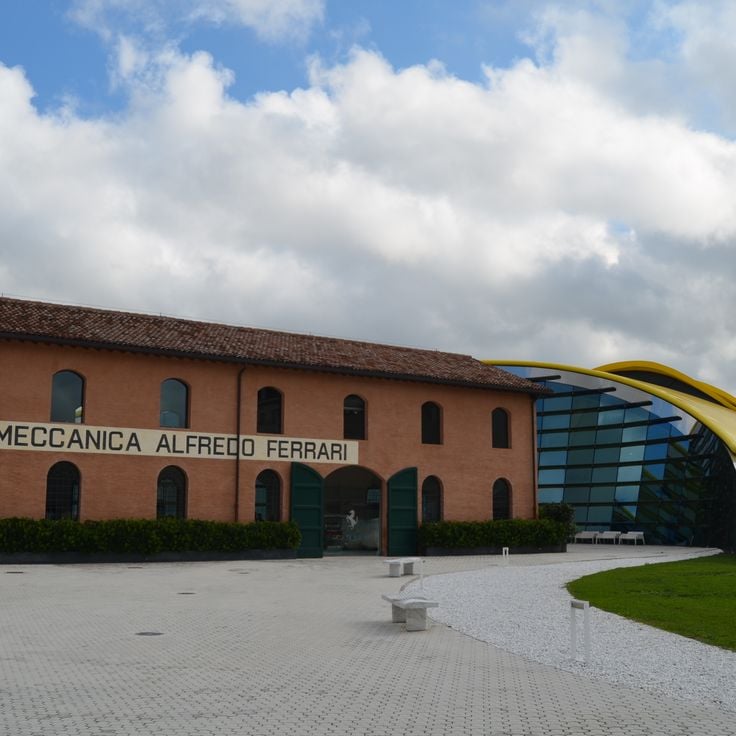
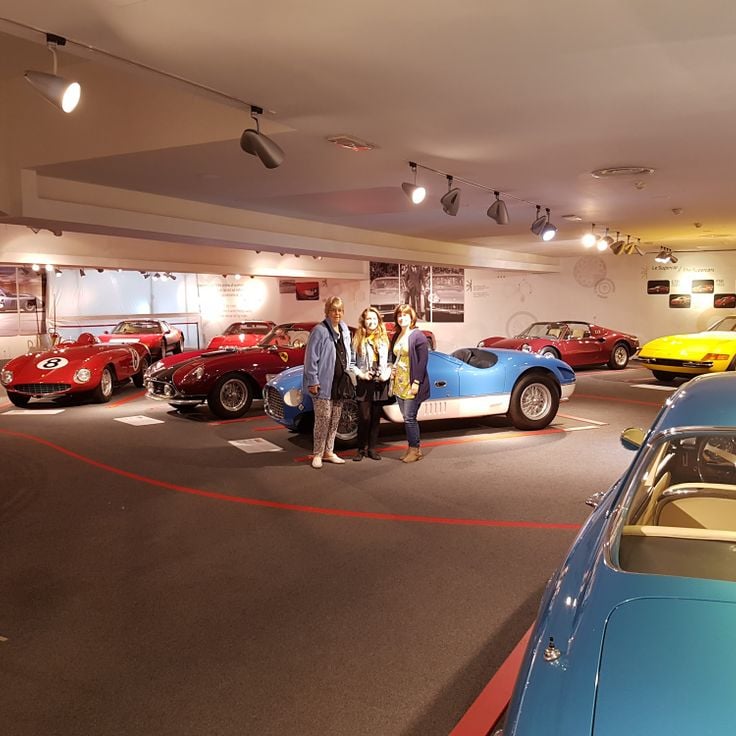
The Museo Enzo Ferrari in Modena tells the story of the famous Ferrari car brand and its founder. The museum shows how Enzo Ferrari built his company and the role it played in Italian industrial history. Visitors can see cars from different periods and understand how the brand became a symbol of speed and craftsmanship. The museum is located in the center of Modena, a city known for its automobile industry and culinary tradition.
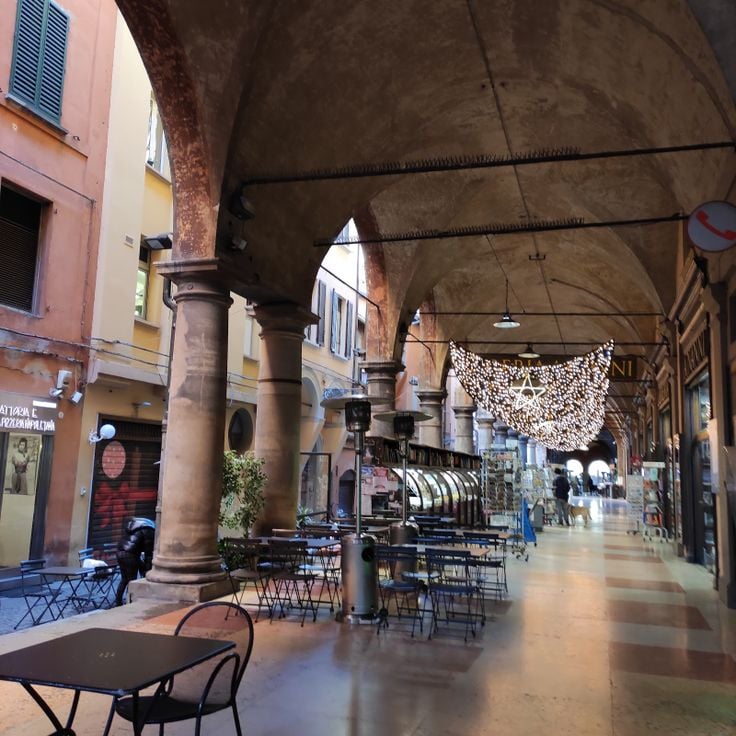
The Arcades of Bologna are a network of covered galleries that wind through the streets of the city center. Built over centuries, these structures shape the character of Bologna. They serve as both an architectural feature and a practical space where people walk, shop, and gather. The arcades are recognized by UNESCO and reflect the craftsmanship and urban planning skills of medieval times. They connect different parts of the city and create a continuous, sheltered path for pedestrians.
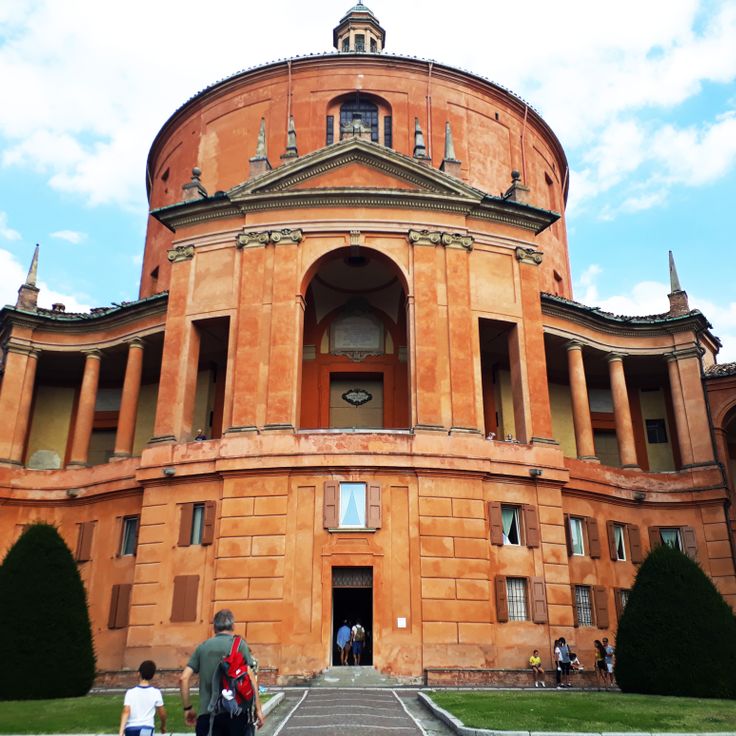
The Madonna di San Luca sanctuary stands on a hill overlooking Bologna and connects to the city center through an impressive series of arcades. This place of pilgrimage has drawn visitors for centuries who walk beneath the porticos that define Bologna's character. From this height, you can see across the city and the countryside beyond.
The Piazza Grande di Modena is one of the city's most important squares and displays the medieval architecture that shaped Modena. The cathedral and the Palazzo Comunale frame the square and tell of centuries of urban history. This square bears witness to the artistic and political power that Modena held during the Middle Ages. The square itself is a living place where residents gather and the daily history of the city unfolds.
The Quadrilatero is the historic heart of Bologna, a district of narrow alleyways and small shops that have housed generations of craftspeople and merchants. Here you will find the Mercato di Mezzo, a traditional market that has operated for centuries. The feeling is one of real Bologna, where people shop, work, and gather in streets lined by arcades and medieval buildings. This is a place for walking and spending time, where you can see how daily life unfolds in an Italian city.
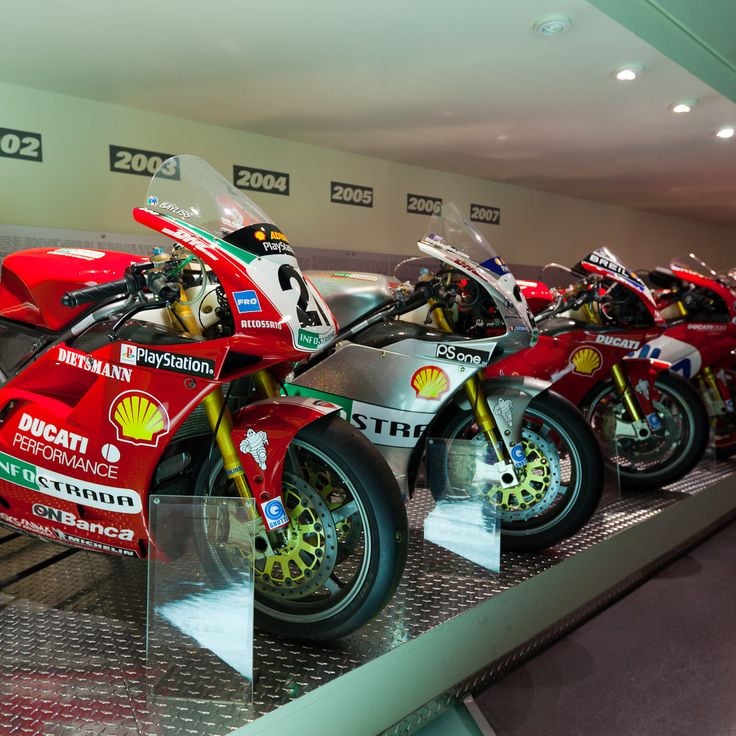
The Ducati Museum in Borgo Panigale tells the story of this Bologna-based motorcycle manufacturer. You will see historical models displayed alongside contemporary machines, showing how the brand evolved over time. The museum walks you through decades of design and engineering achievements. The collection reveals Ducati's role in motorcycle racing and innovation. Visitors can explore how the company's motorcycles were built and what made them stand out in the industry.
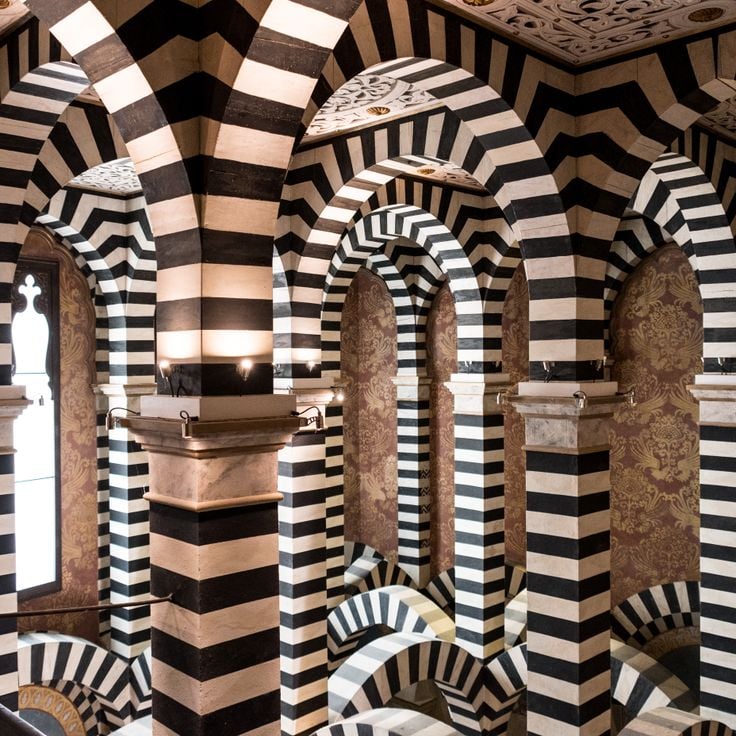
The Rocchetta Mattei is a castle built in the late 19th century on a wooded hill near Grizzana Morandi. The building displays neogothic architectural elements and reflects how wealthy families of that era constructed grand residences to show their status and power. Its location on the hillside offers views across the surrounding landscape of Emilia-Romagna.
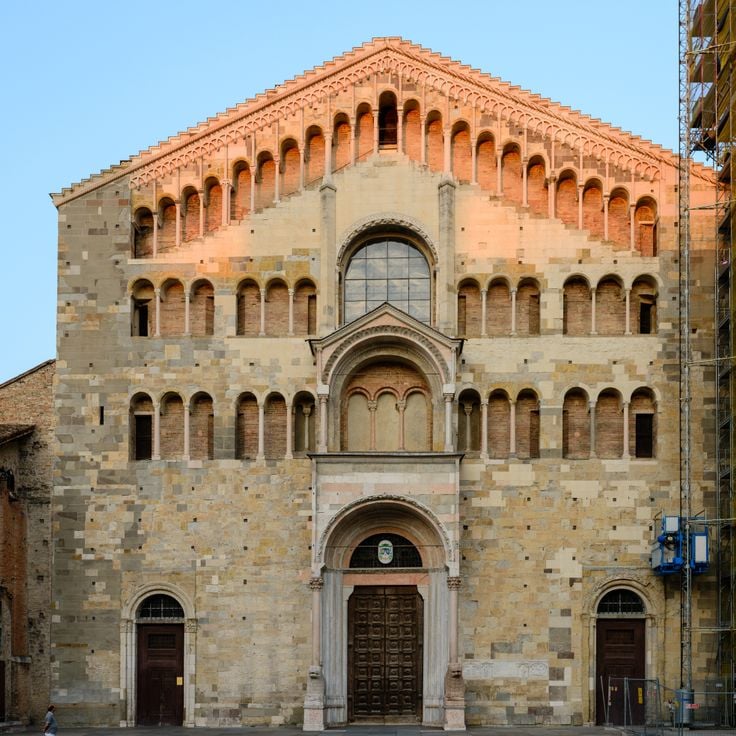
The Cathedral of Parma is a Romanesque building that, together with its octagonal baptistery, represents the artistic heritage of the city. Both structures are decorated with frescoes from the 12th century that depict religious scenes and details. The cathedral stands at the heart of Parma, a city known for its art historical treasures. This architecture tells the story of centuries of development and artistic creation in Emilia-Romagna.
The Museo Ferrari in Maranello presents the history of the legendary Ferrari brand. Inside the museum, you can see historic racing cars and road vehicles from different periods. The exhibitions explain how Ferrari evolved from its beginnings to today. You will also find information about famous drivers and racing victories. The museum is an important place for anyone interested in Italian automotive history.
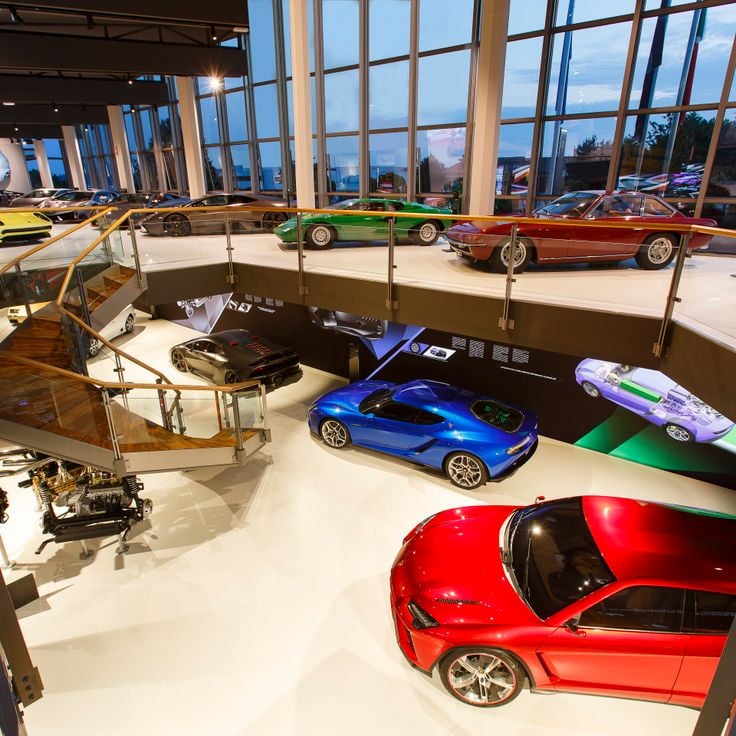
The Lamborghini Museum in Sant'Agata Bolognese tells the story of this legendary Italian car brand. Here you can see rare models and prototypes that document how Lamborghini evolved over the decades. The museum offers a look at how one of the world's most famous luxury car makers operates. The collection includes classic and modern vehicles that show both craftsmanship and innovation.
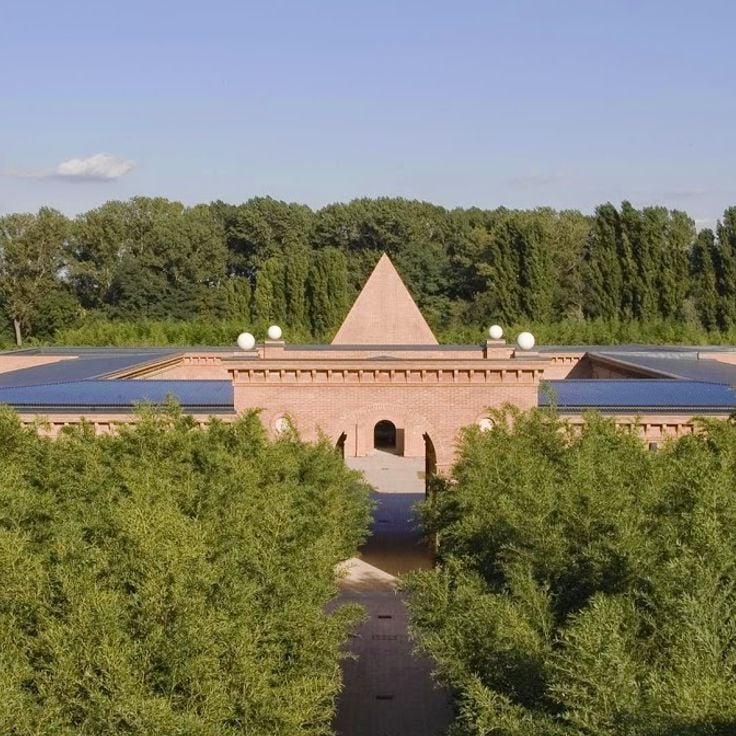
The Labirinto della Masone is a giant bamboo maze created by artist Franco Maria Ricci. The maze features winding passages and underground galleries that visitors can explore. A museum is located within the labyrinth. Situated in Fontanellato, this attraction fits within the Emilia-Romagna region, known for medieval cities like Bologna and Ravenna, historic plazas, cathedrals, and UNESCO World Heritage sites that span centuries of history.
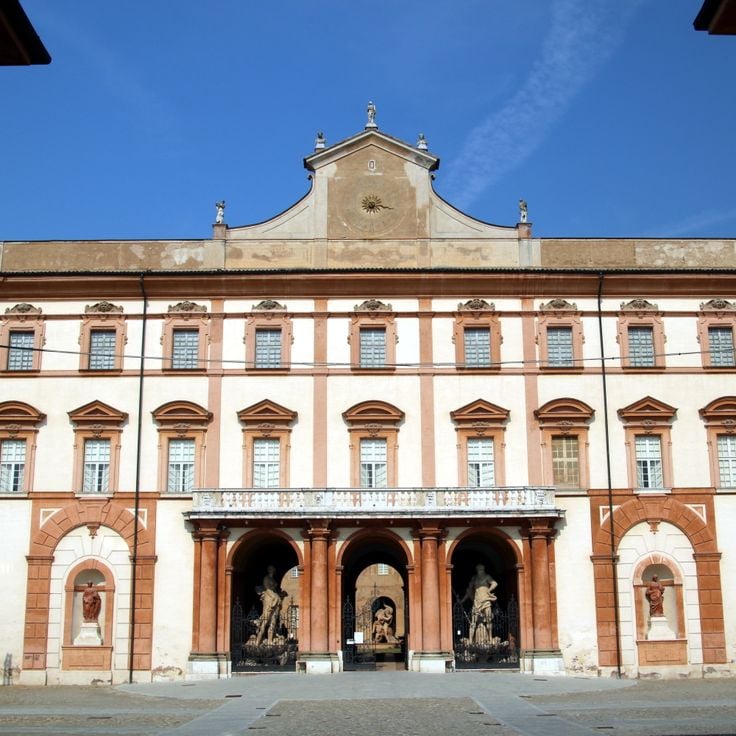
The Palazzo Ducale di Sassuolo is a 17th-century Baroque palace set within a landscaped park designed for leisurely walks. Built as a princely residence, this palace features richly decorated rooms that reflect the taste and wealth of its former inhabitants. The surrounding park follows classical design principles and invites visitors to explore its paths. This palace and its grounds tell the story of the rulers of Modena and their way of living between urban power and rural retreat.
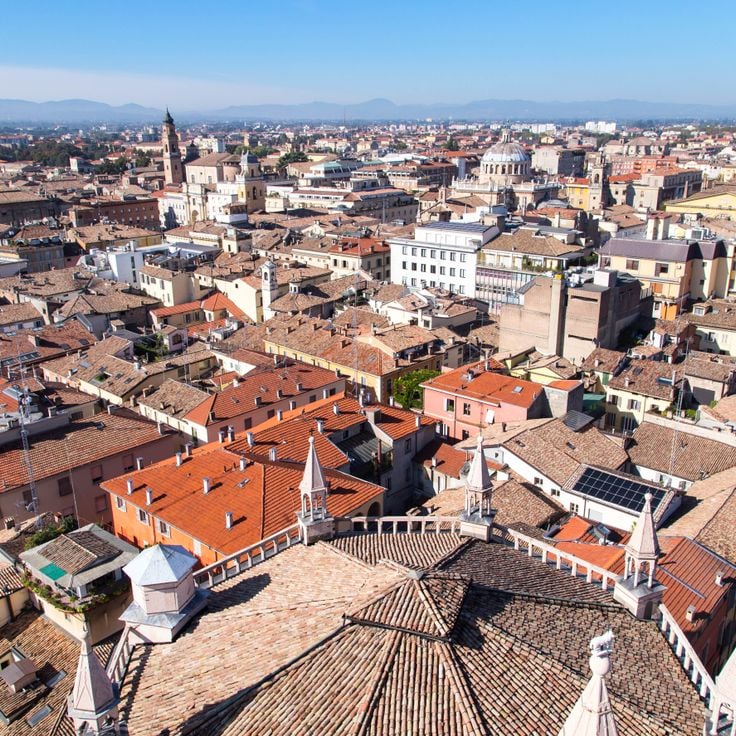
The historic center of Parma shows how the city developed under the rule of the Farnese dukes. Wide squares open between old streets where palaces from different periods stand side by side. The cathedral and baptistry shape the cityscape, while arcades line the pathways. You walk through spaces that hold centuries of history, where every corner speaks of the Renaissance and Baroque periods.
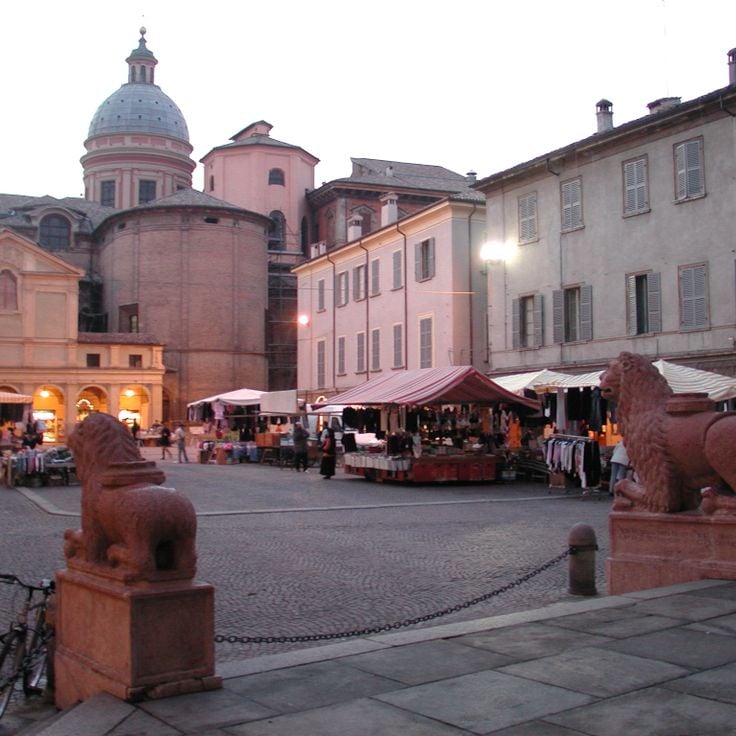
The historic center of Reggio Emilia forms the heart of the city with its squares, galleries, and historic theaters that recall its time as a ducal seat. This area shows how the city developed during the Middle Ages and Renaissance. Here you will find buildings from different periods, wide streets, and squares where local people gather and daily life unfolds. The center tells the story of a city that was long ruled by dukes, and preserves the traces of this past in its architecture and layout.
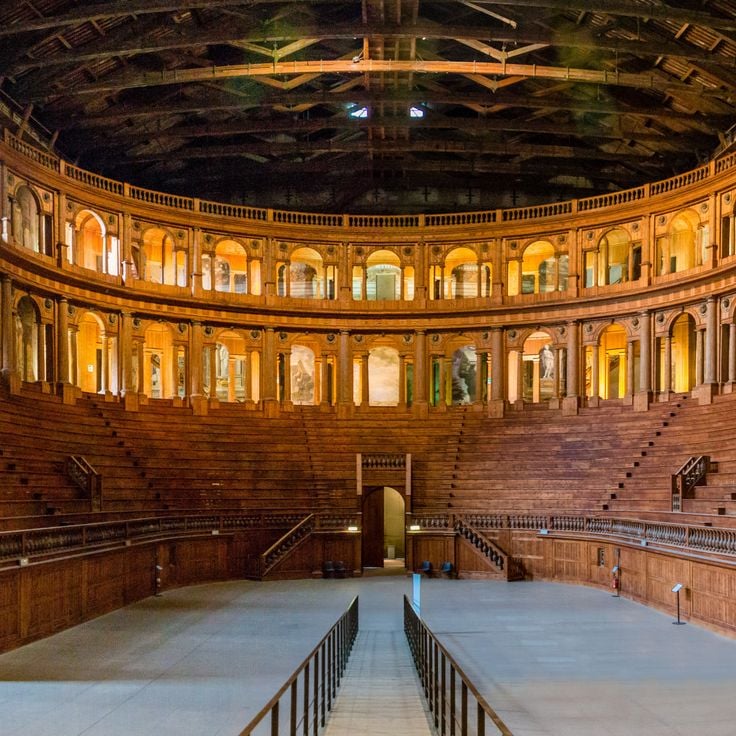
The Teatro Farnese sits inside the Palazzo della Pilotta, a large palace complex built in the 17th century in Parma. The theater was constructed in the Baroque style and features a wooden interior with a spacious auditorium. Visitors can tour the theater and see its ornate construction and decoration. The Palazzo della Pilotta also holds an art gallery displaying works by Italian masters. Together, these spaces show the grandeur that the Farnese family brought to their city.
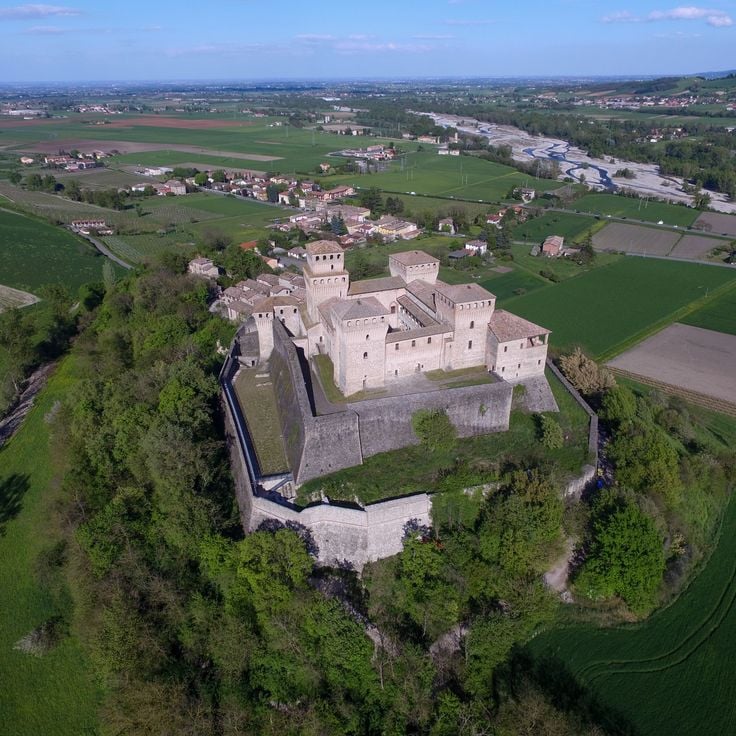
Torrechiara Castle is a 15th-century fortress sitting on a hilltop near Parma. This castle shows the medieval architecture that defines the region and offers sweeping views across the landscape. With its walls and towers, the castle tells the story of this area, where nobles once lived and ruled. It is part of the rich heritage of Emilia-Romagna, where medieval fortresses shape the landscape.
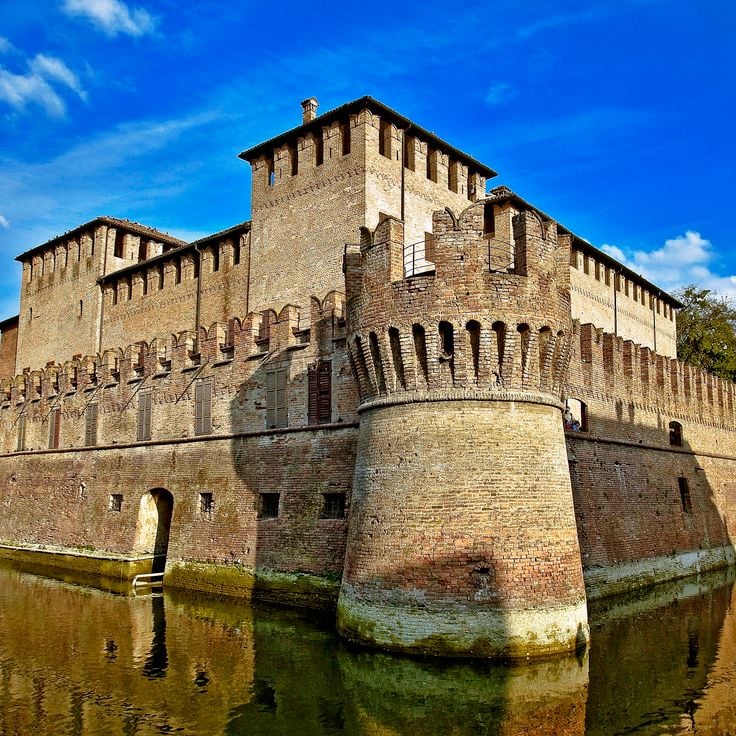
The Rocca Sanvitale is a 15th-century fortress in Fontanellato surrounded by moats. Inside, you find Renaissance frescoes and a collection of arms and weapons. This castle shows how the noble families of the region displayed their power and defended their lands. The site is part of a long chain of fortresses and castles that preserve the feudal heritage of Emilia-Romagna.
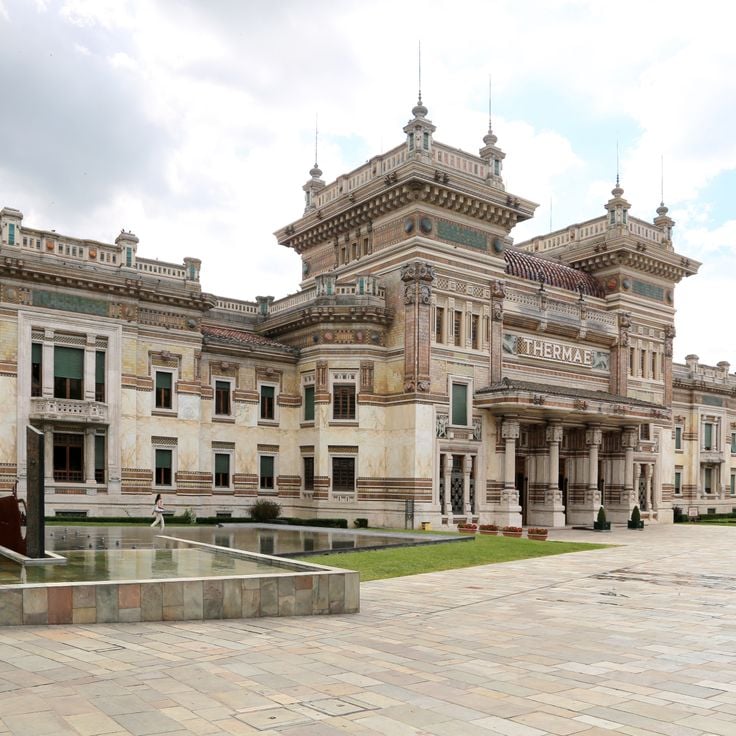
Thermes Berzieri in Salsomaggiore Terme is a spa facility built around natural mineral salt water springs. The centerpiece is the Palazzo dei Congressi Berzieri, an impressive building from the era when thermal resorts were popular across Europe. Visitors come here to bathe in the mineralized waters and experience the architecture of this historic spa complex. The facility brings together the therapeutic properties of the natural springs with the refined building style of earlier times.
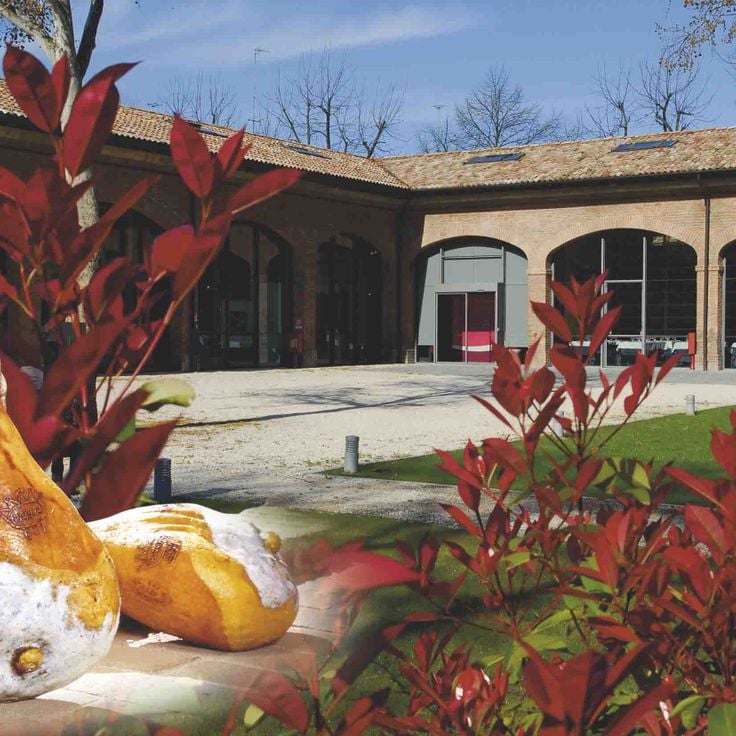
The Museo del prosciutto e dei salumi di Parma in Langhirano showcases the traditional cellars where Parma ham ages slowly in the surrounding hills. The museum documents the production and storage of this protected product, made according to strict rules that have been followed for centuries. Visitors can see the natural conditions necessary for ham aging and learn about the craft techniques that define this tradition.
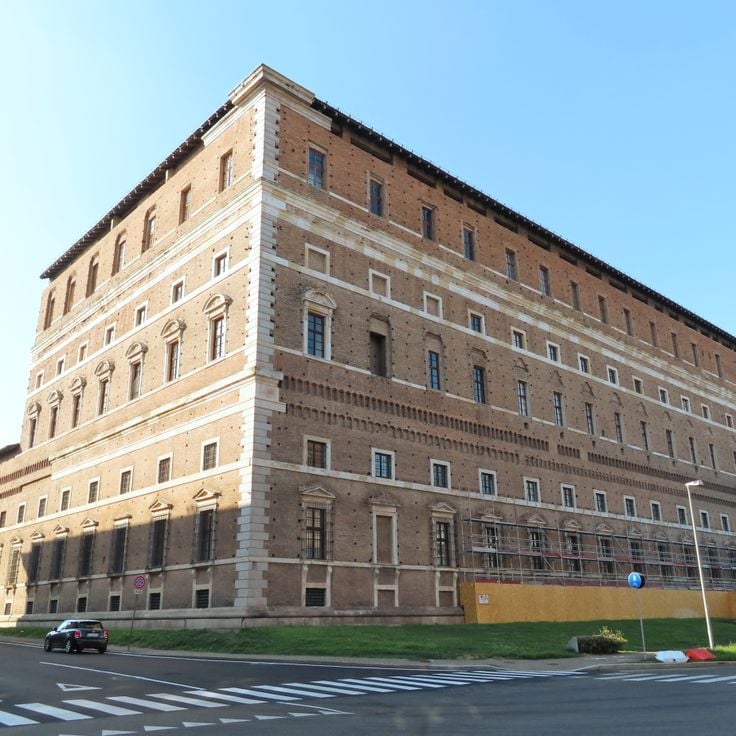
The Palazzo Farnese in Piacenza is a Renaissance palace that now functions as a museum. The building houses art collections, historical weapons, and archaeological finds. The rooms display the grandeur of the Farnese family and tell the story of this powerful dynasty. Visitors can walk through the elegant halls and view the artworks on display throughout the palace.
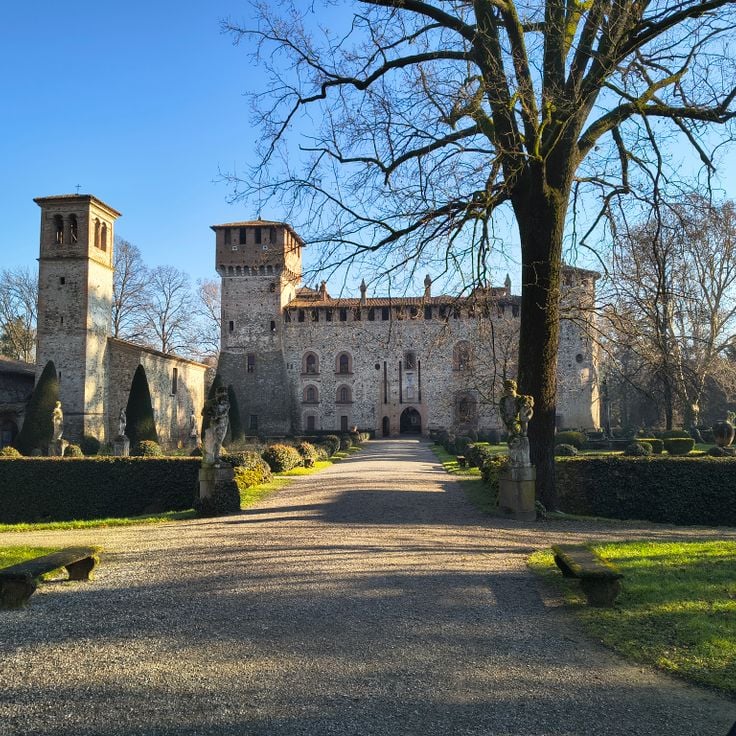
Grazzano Visconti is a reconstructed medieval village from the 14th century located near Piacenza. The village preserves the appearance of a medieval settlement with cobblestone streets, artisan shops, and a castle. Visitors can walk through narrow streets and see how people lived and worked in the Emilia-Romagna region during the Middle Ages. The village offers a glimpse into daily life from centuries past.
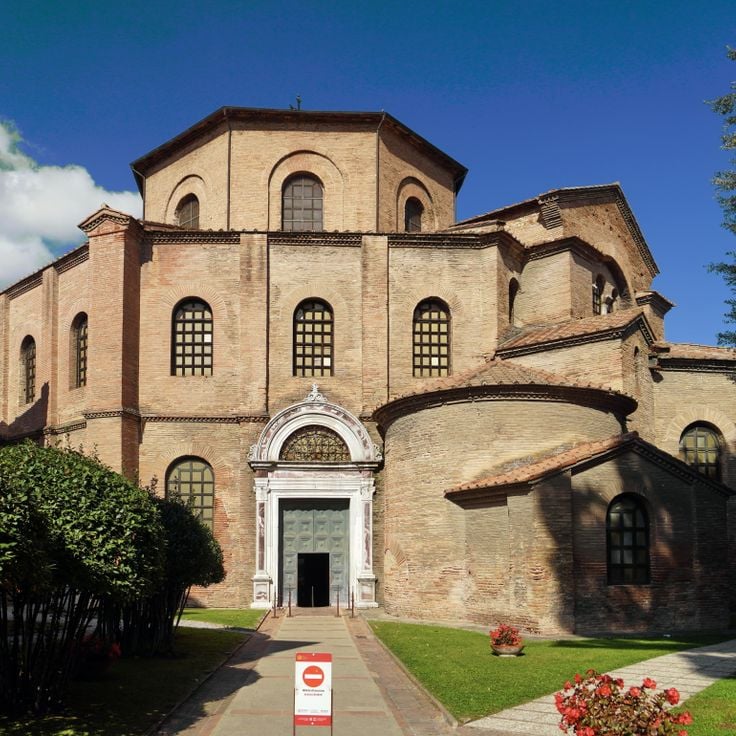
San Vitale Basilica is a 6th century Byzantine building in Ravenne. Its walls are covered with shimmering mosaics depicting biblical scenes and imperial figures. The interior feels spacious and filled with light, while the dome appears to float above. This basilica is part of the UNESCO World Heritage collection and shows the artistic skill of the Byzantine era. Walking through it, you sense the religious and political power that shaped this place.
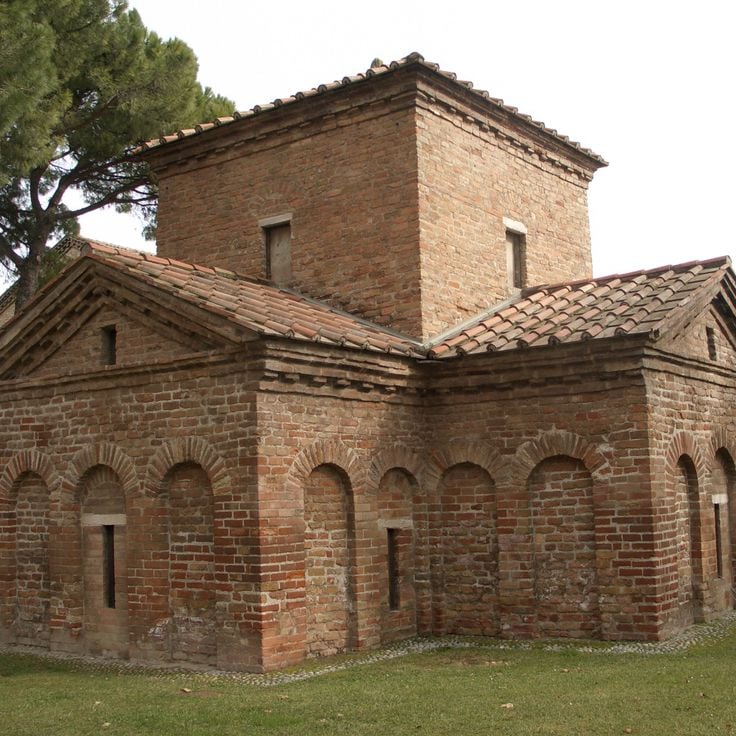
The Mausoleum of Galla Placidia is a small 5th-century building in Ravenna. Its walls are covered with blue mosaics that still shine today. This structure is part of UNESCO's World Heritage and shows the Byzantine art that shaped the city. When you step inside, the light filtering through the small windows creates a special effect on the mosaics. The space is intimate, but the beauty of the decoration captures your attention immediately.
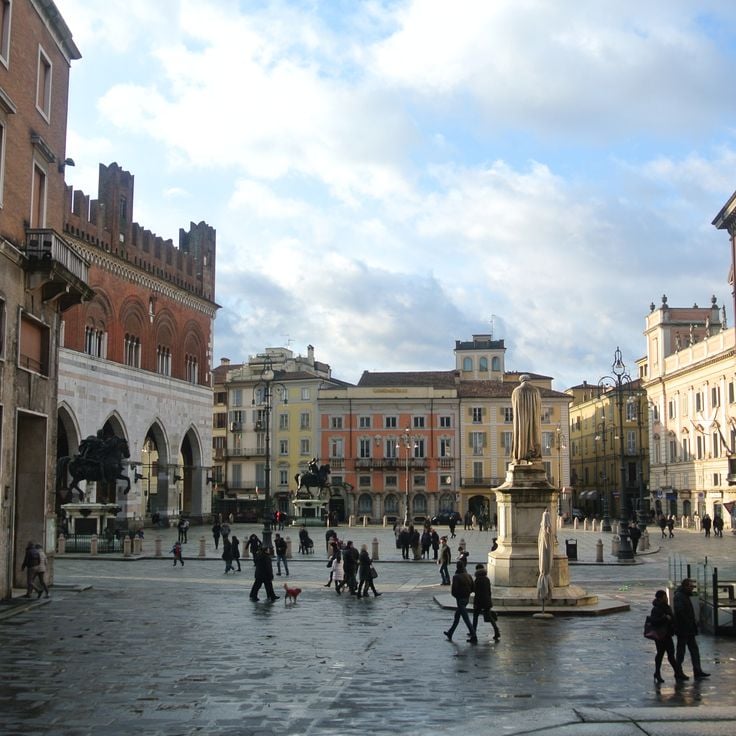
The historic center of Piacenza centers on the large Piazza Cavalli and its Renaissance buildings. This is where the heart of the city beats, surrounded by structures that reflect centuries of history. The square itself has been a gathering place for locals and travelers alike, with elegant facades of buildings creating a sense of continuity with the past. The center maintains the medieval layout of the city, with narrow streets and characteristic arcades typical of Emilia-Romagna. Walking through this area gives you a sense of how urban life developed in this part of Italy.
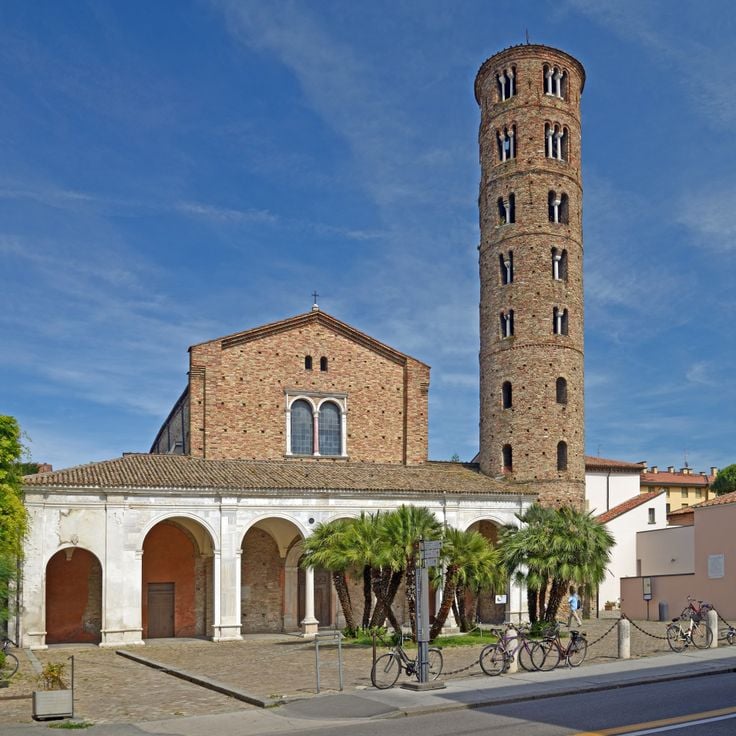
The Basilica of Sant'Apollinare Nuovo is a 6th century church in Ravenna. It features mosaics depicting processions of saints and biblical scenes across its walls. The artworks tell stories from the early Christian era. This basilica is part of the UNESCO World Heritage list and demonstrates the artistic skill of the Byzantine Empire. Visitors can see how ancient craftspeople arranged thousands of small stones to create large, detailed images that still shine today.
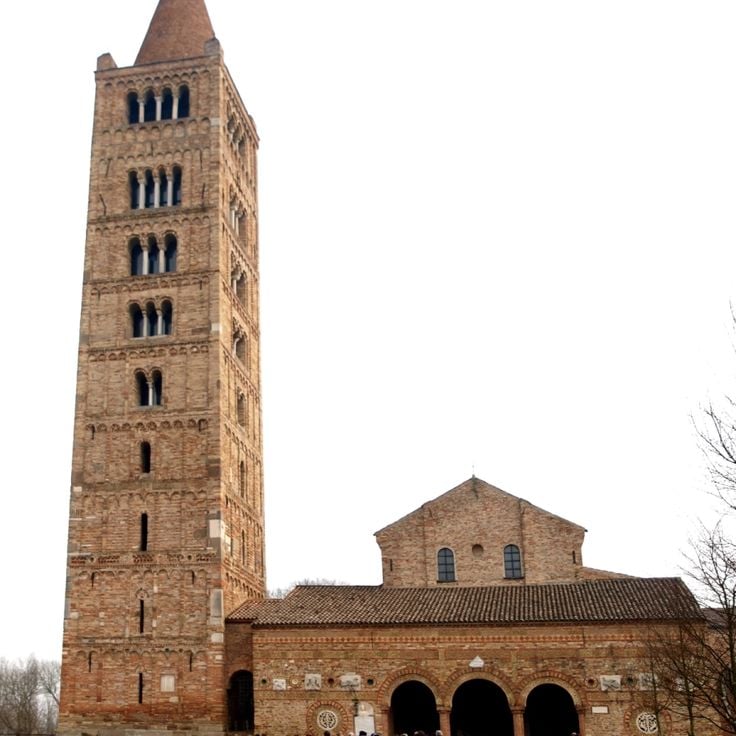
Abbazia di Pomposa is a former Benedictine monastery from the 9th century located in Emilia-Romagna. The complex features a Romanesque bell tower and medieval frescoes that reflect the artistic achievements of its time. This abbey represents the religious and cultural importance that monastic communities held in the region. Visitors can explore the architecture and artwork that has survived through the centuries.
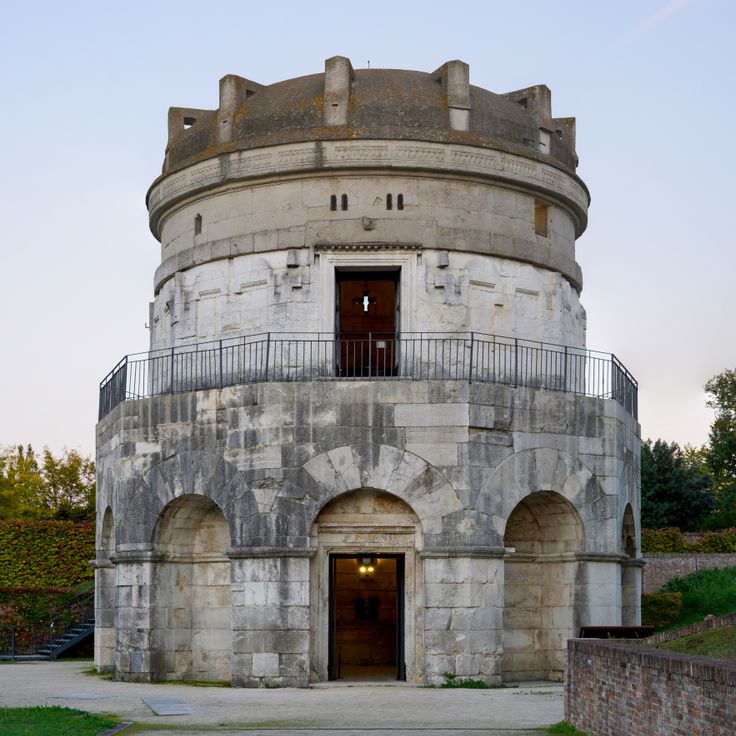
The Mausoleum of Theodoric in Ravenna is a 6th-century burial monument distinguished by its singular architectural design. The structure blends Roman and Gothic elements and serves as a testament to Ostrogothic rule in the region. Theodoric's tomb is part of Ravenna's UNESCO World Heritage site and offers insight into the historical importance of this city in the early Middle Ages.
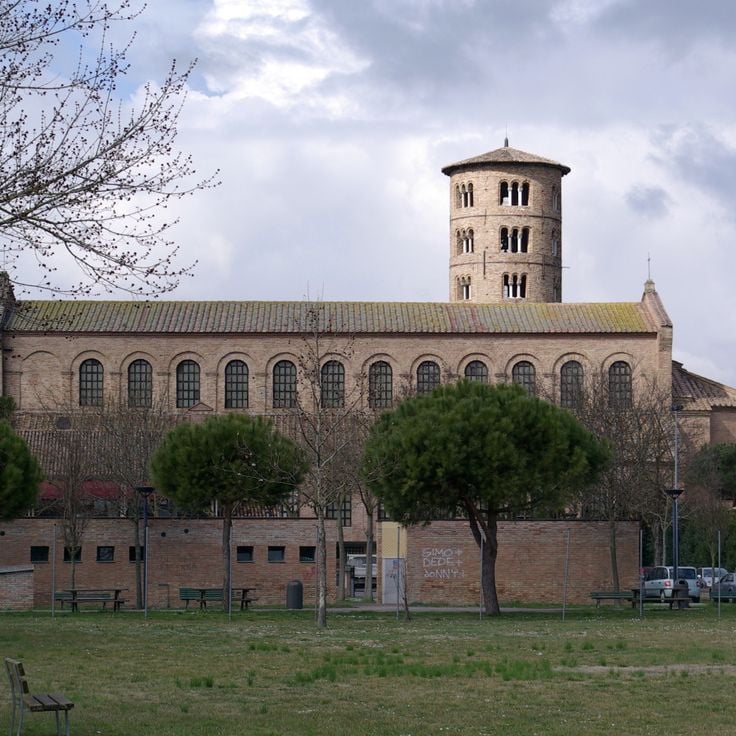
The Basilica Sant'Apollinare in Classe is a 6th-century building located in the former port city of Classe near Ravenna. It houses exceptional Byzantine mosaics and is part of the UNESCO World Heritage sites. This basilica demonstrates the religious and artistic development of the region during the early Middle Ages and stands as an important testament to Emilia-Romagna's history.
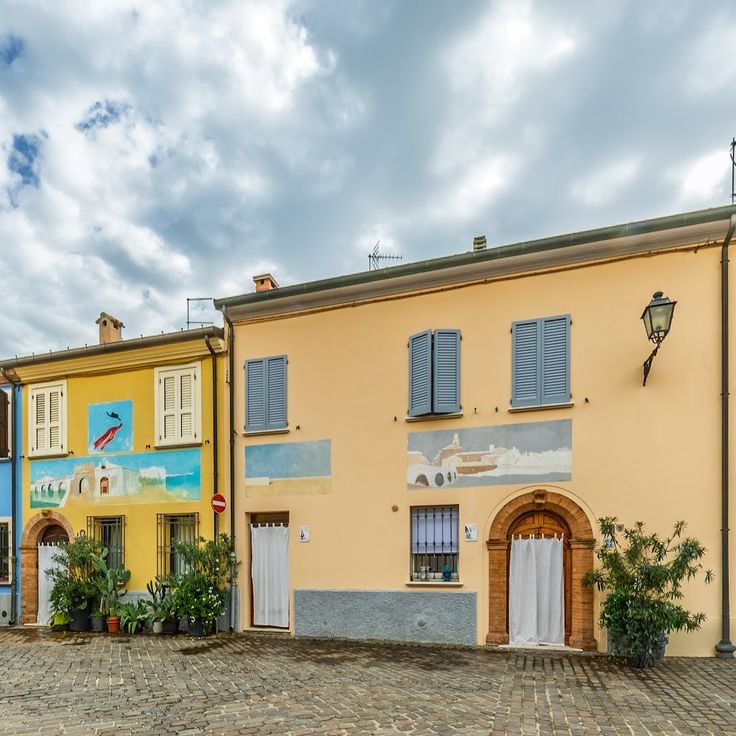
Borgo San Giuliano is a coastal neighborhood of Rimini with colorful houses, small restaurants, and a gallery of murals. This place shows how life by the sea has developed over generations. Narrow streets lead to cozy squares where locals spend their days. The murals tell stories from the past and present of the neighborhood. Restaurants serve simple, tasty dishes from the region. The neighborhood offers a glimpse into daily life on the Adriatic coast.
Ferrara is a city with a regular grid of streets, founded during the Renaissance by the Este family. The city is a UNESCO World Heritage site and shows the urban planning of that era. Wide streets pass by palaces, churches and fortifications. The Castello Estense stands in the center and shapes the appearance of the city. The old town invites you to walk and discover Renaissance architecture and the history of this region.
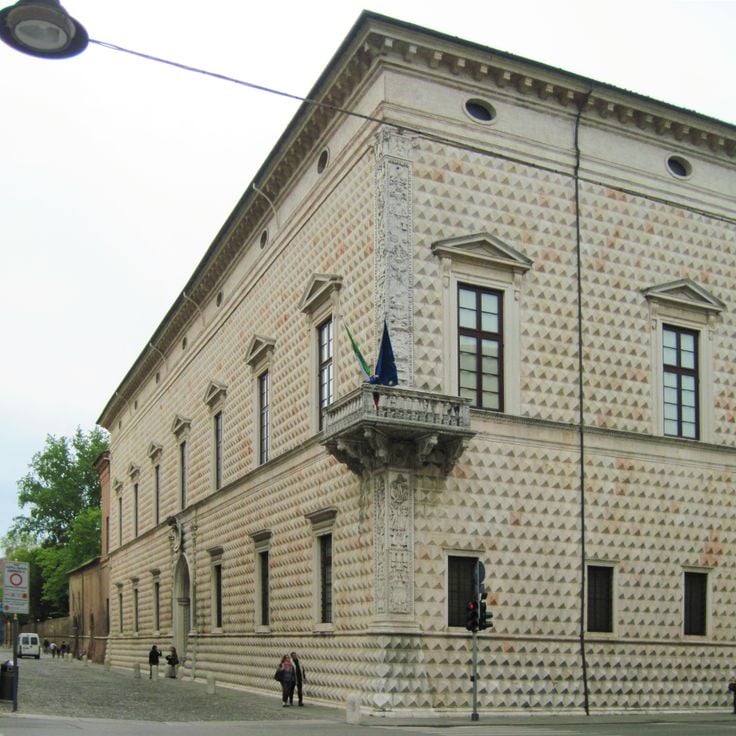
The Palazzo dei Diamanti is a Renaissance palace in Ferrara with a distinctive facade made of pointed stones that resemble diamonds. Inside, the building houses an art museum and modern gallery where visitors can explore works from different periods. The unique architecture makes this palazzo a landmark of the city and an important destination for those interested in art.
The Po Delta Park sits between the provinces of Ferrara and Ravenna, forming a large wetland area with canals, lagoons, and coastal landscapes. The park represents an important part of Emilia-Romagna's natural spaces and provides crucial habitat for birds and aquatic plants. Visitors can walk through marshes and watch for birds while exploring the flat terrain that has been shaped by humans for centuries. The park shows a different side of the region beyond its historic cities.
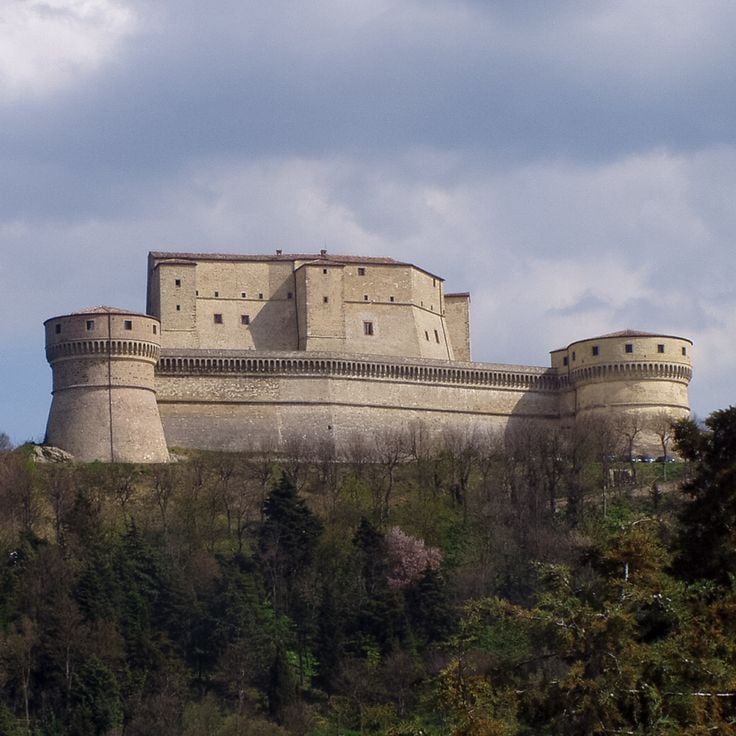
San Leo Castle is a medieval fortress perched on a rocky peak with sweeping views across the valley below. This stronghold served as an important defense point in the region for centuries and displays construction styles from different periods. Today visitors can walk through the walls and enjoy panoramic views of the surrounding Emilia-Romagna landscape from various vantage points.
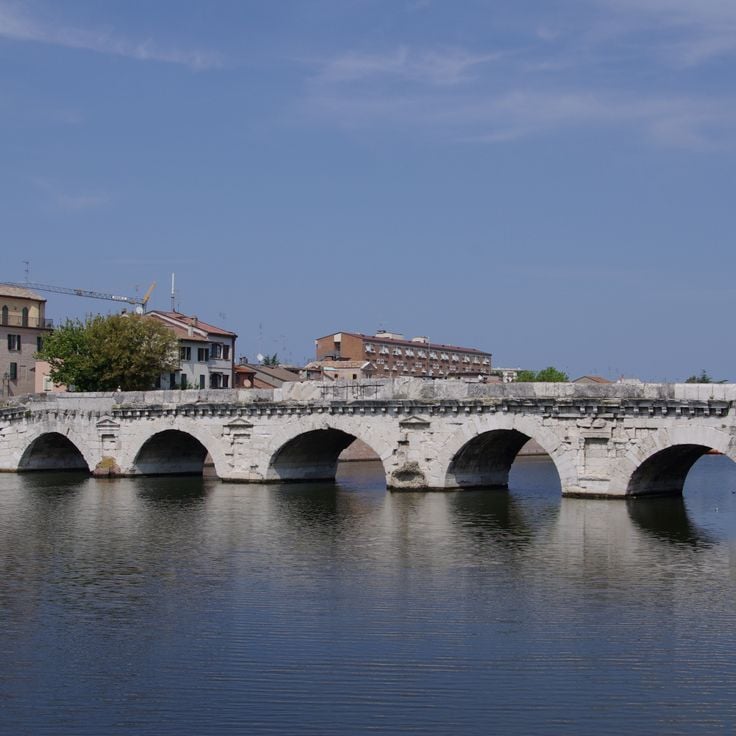
The Bridge of Tiberius is a Roman bridge built in the 1st century BC that has connected Rimini's shores for centuries. This ancient stone structure still welcomes pedestrians crossing its arches today. The bridge reflects the engineering skill of Roman builders and stands as a key landmark in this Adriatic coastal city.
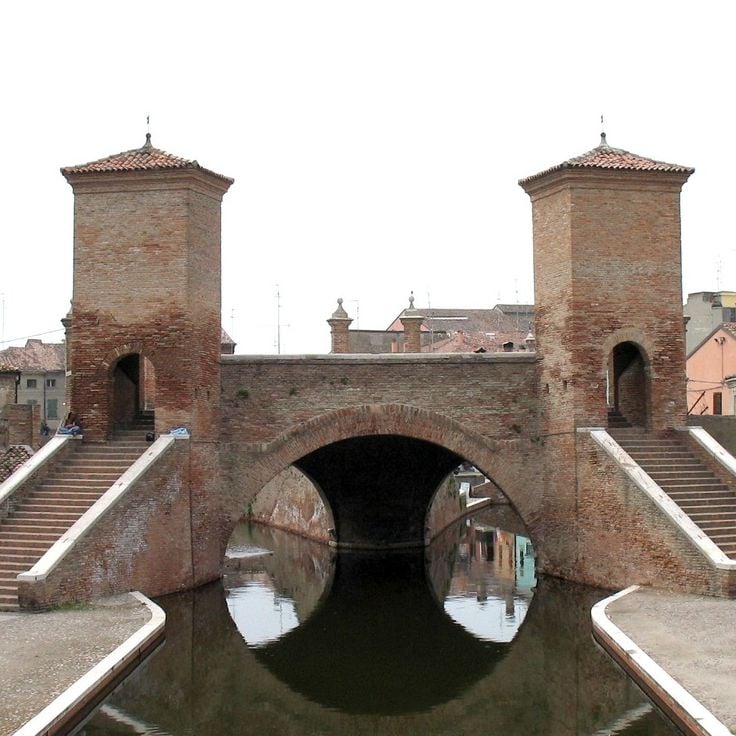
Comacchio is a small fishing village in Emilia-Romagna that spreads along waterways and canals. The colorful houses reflect in the water, earning the town the nickname Venice of Romagna. Narrow streets and bridges create a walkable layout that invites exploration on foot. Here you experience the slow pace of a traditional fishing community, away from busy tourist centers. The surrounding lagoons and salt marshes form part of the region's natural heritage.
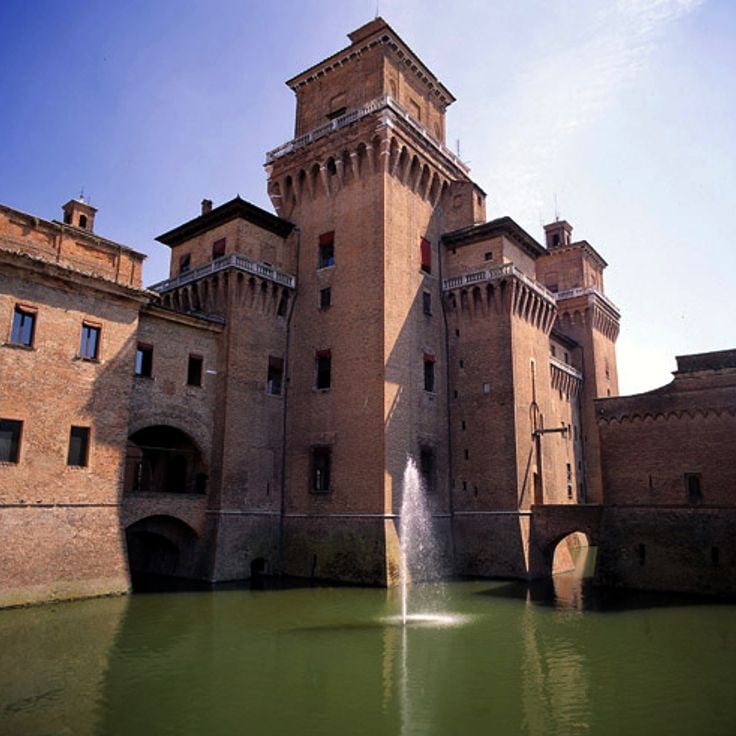
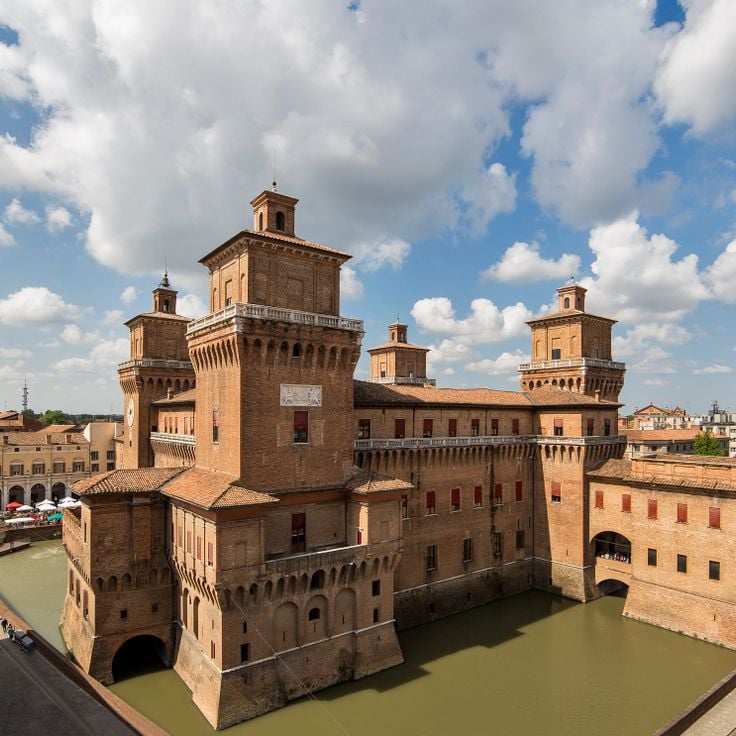
The Castello d'Este in Ferrara is a 14th-century medieval fortress that served as the seat of the Este family. Four imposing towers rise above the moat that surrounds and protects the structure. Inside, decorated chambers display frescoes and ornaments that speak to the power and wealth of this noble dynasty. The castle stands at the heart of the city and has shaped Ferrara's character for centuries.
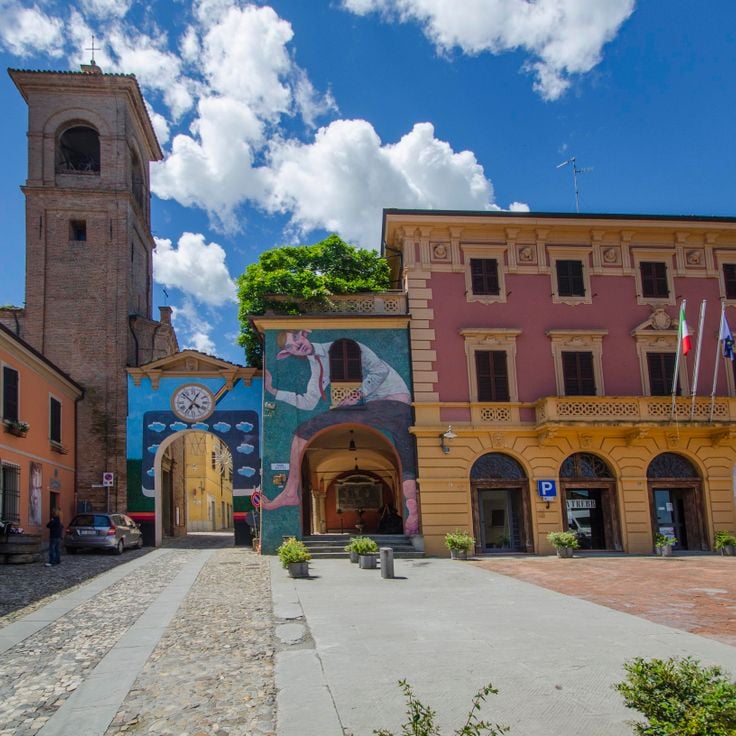
Dozza is a village where the walls are painted by artists. At the top sits the Rocca Sforzesca, an old fortress. The painted walls tell stories and give the place character. Walking through the narrow streets, you see artwork covering the buildings. The fortress offers views over the surrounding countryside. Art and history blend together in this small hilltop settlement.
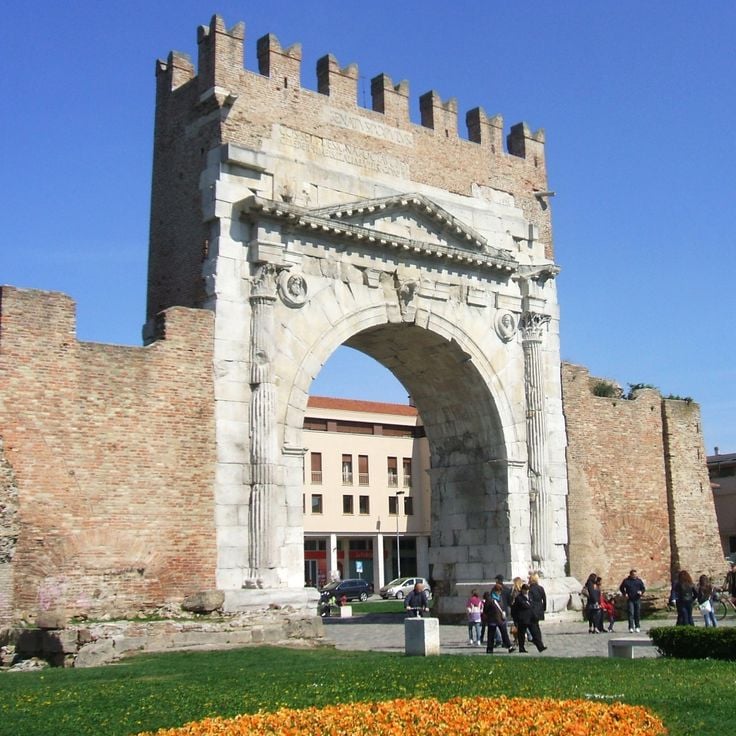
The Arch of Augustus in Rimini stands among Italy's oldest surviving Roman structures. Built in the 1st century BC, this gateway shows Roman architecture in its earliest form. The arch connects the city's history with the legacy of ancient Rome and is part of Rimini's significance as an important Roman settlement. Within a region filled with medieval cities and UNESCO World Heritage sites like Ravenna, the Arch of Augustus provides insight into the even older Roman past of Emilia-Romagna.
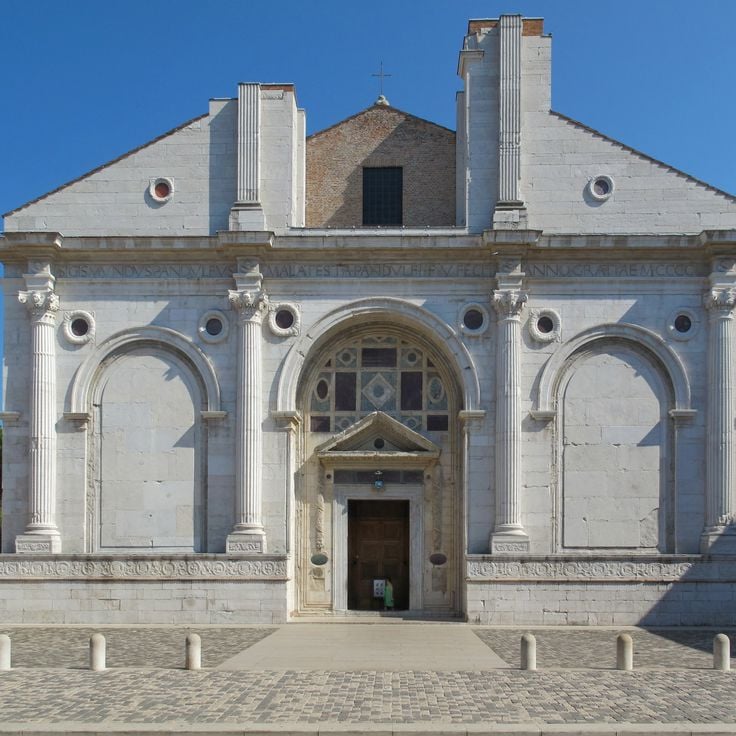
The Tempio Malatestiano is a remarkable Renaissance building located in Rimini. Malatesta transformed the structure, blending Gothic architecture with Renaissance elements. Visitors can admire the elaborate decorations and artworks that adorn the interior. Today it functions as a museum, showcasing the history of the region through its collections and architectural design.
Santarcangelo di Romagna is a medieval village located near Rimini. The old town has narrow streets and squares surrounded by ancient stone buildings. What makes this place special are the caves dug deep beneath the town into soft stone. These underground rooms were used by residents over many centuries and give the town a quiet, timeless quality. Above ground, visitors can walk through winding paths and discover small shops, cafes, and old churches.
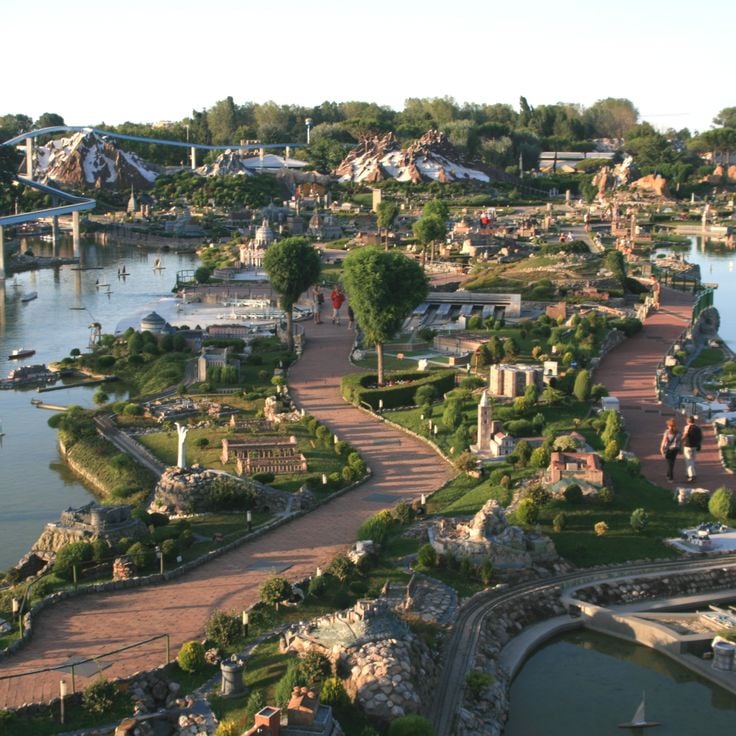
Italia in Miniatura is a theme park in Rimini where you can explore miniature versions of famous Italian monuments and landmarks. The park offers a playful overview of Italy's architectural heritage, from historic churches to modern structures. Visitors can walk through a landscape that displays the diversity of Italian culture in small-scale form.
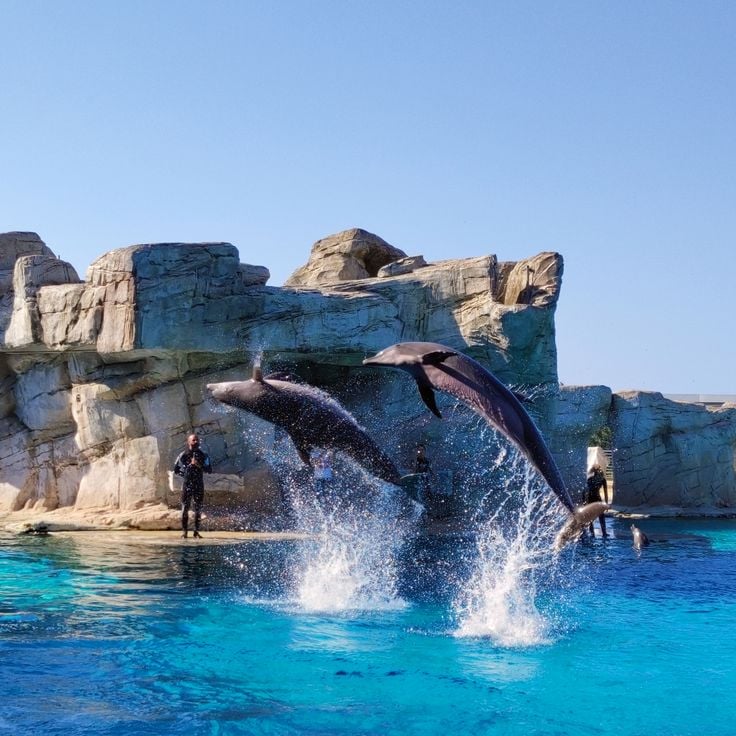
Oltremare in Riccione is a water and marine park on the Adriatic coast that offers dolphin shows and various leisure facilities. The park represents another side of Emilia-Romagna, a region known for its historic cities like Bologna and Ravenna, but also for its beaches and natural spaces. This place brings together entertainment and seaside exploration.
Bagno di Romagna is a thermal spa nestled in the Apennine Mountains, where hot springs rise naturally from the ground. Visitors can soak in warm waters while surrounded by forested slopes and mountain air. The location serves as a gateway to hiking trails and outdoor activities in the surrounding landscape. This spa is part of a region celebrated for its medieval cities, historical sites, and strong connection to nature and countryside life.
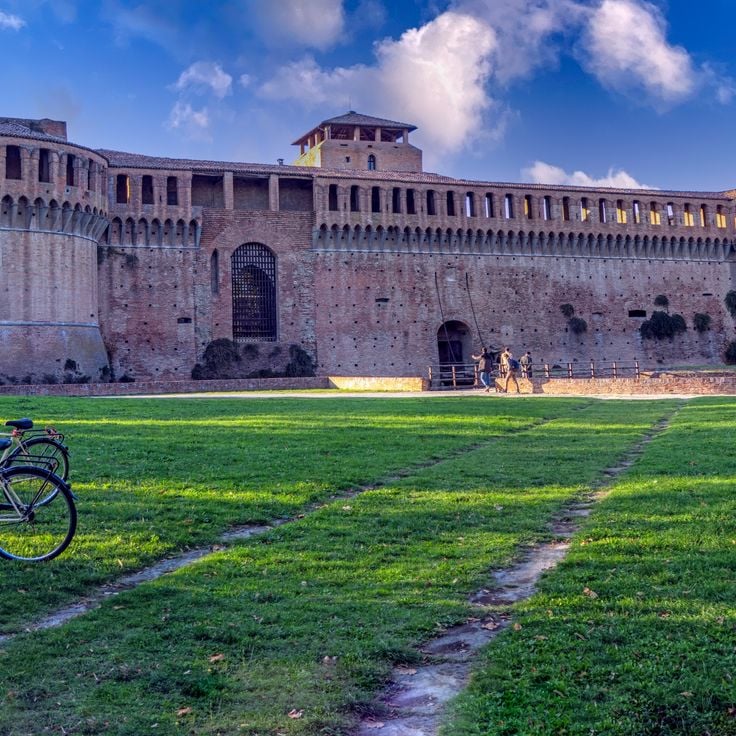
Rocca Sforzesca is a Renaissance fortress in Imola with towers and walls that once protected the territory. The castle shows the power of the Sforza family and their rule in this area. Walking through it, you can see how people lived and defended themselves during the Renaissance. It stands as a reminder of the feudal past that shaped the Emilia-Romagna region.
Bertinoro is a village perched on a hill in the province of Forlì-Cesena, part of the Emilia-Romagna region rich in history and culture. The village overlooks the surrounding countryside and sits among vineyards that reflect the area's long-standing wine tradition. With its medieval streets and elevated position, Bertinoro embodies the character of smaller towns in this historical region, where the connection to agriculture and wine shapes the rhythm of community life.
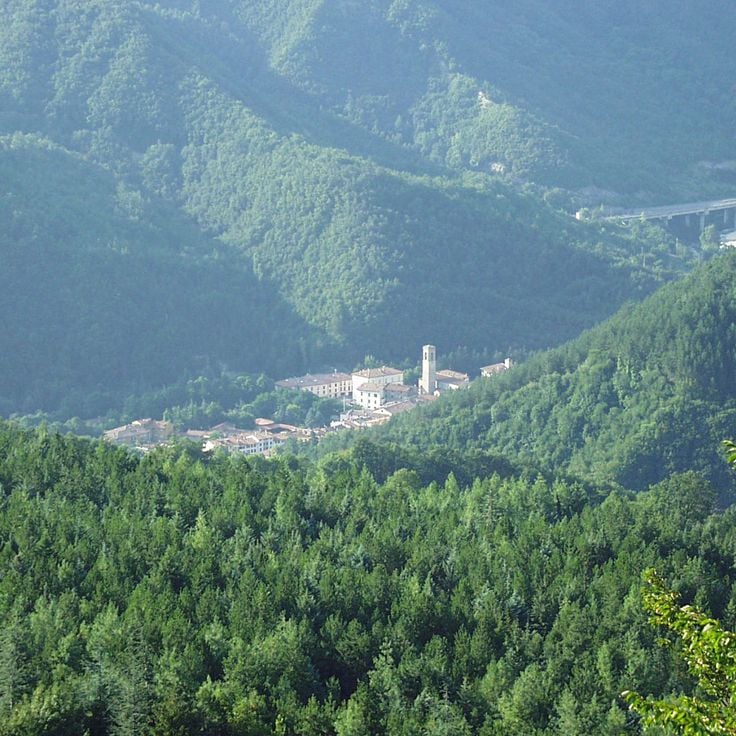
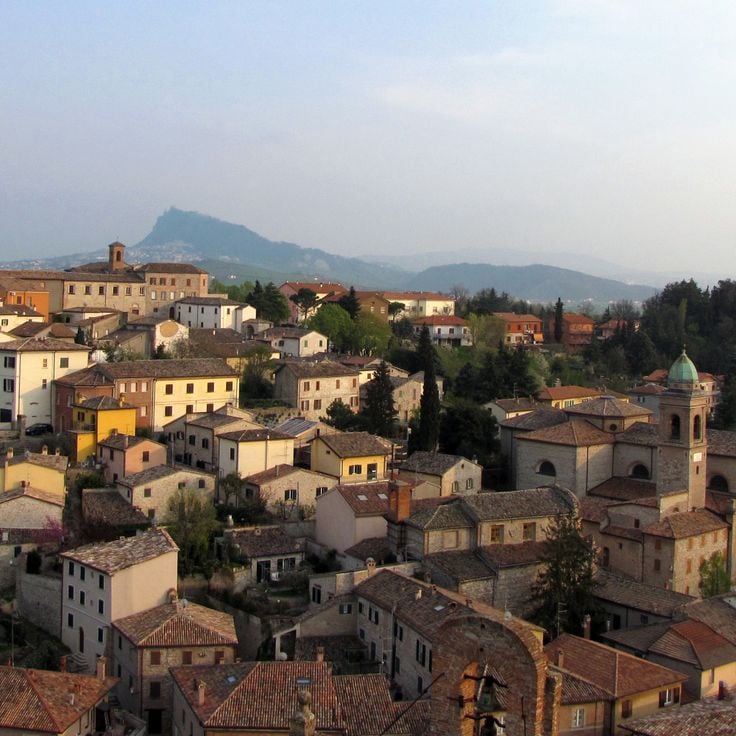
Verucchio is a village perched on a hilltop in the Valmarecchia, offering views across the Marecchia valley. The village itself bears traces from Etruscan times. Archaeological sites nearby reveal what life was like for the people who lived here thousands of years ago. The streets are narrow and winding, as in many old settlements. From above, you can see the green landscape spreading across the region.
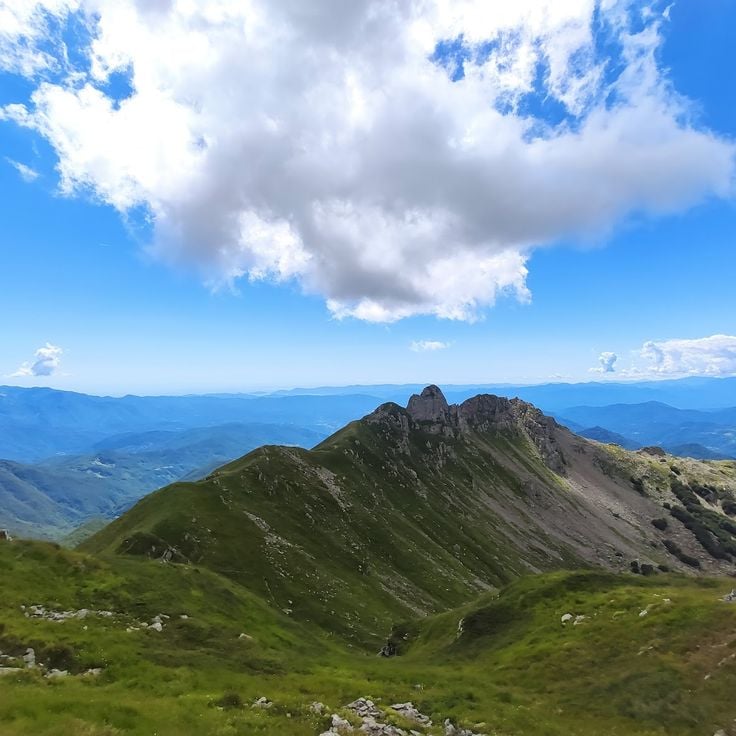
The Apennino Tosco-Emiliano National Park is a protected mountain area in the Apennines offering forests and walking trails. The landscape shows typical features of mid-range mountains with steep slopes and natural habitats. Visitors can explore on foot and experience the quiet of the mountain environment. This park complements the cultural identity of Emilia-Romagna, where alongside urban art treasures, natural spaces invite exploration.
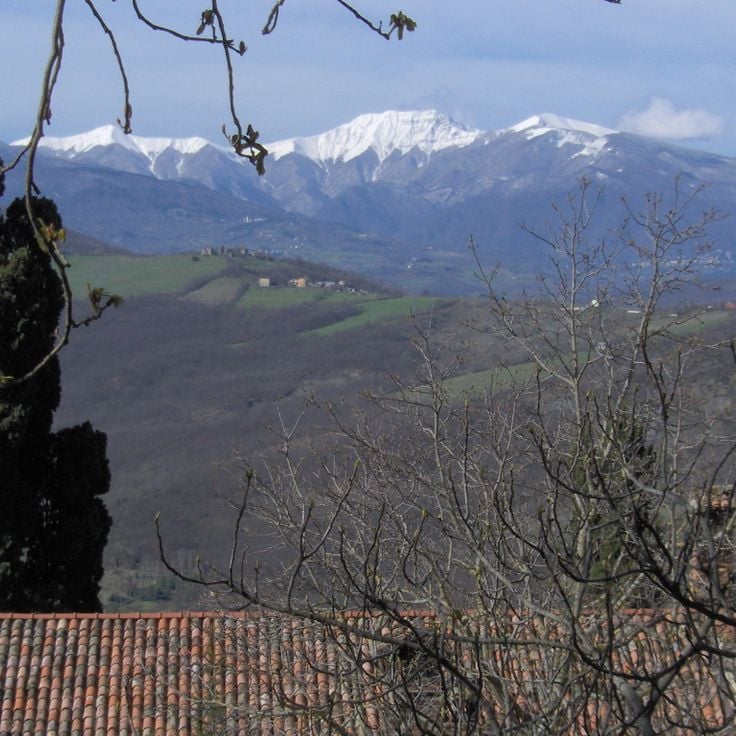
Corno alle Scale is a mountain peak in the Apennines near Bologna. This location offers hiking trails through alpine landscapes. Snow covers the area in winter. It is a popular destination for walking and experiencing nature in the mountains.
Brisighella is a small medieval village in the province of Ravenna that stands out for its unusual Via degli Asini. This narrow street runs between two rows of houses and is paved with bricks. The village sits in the hills of the region and features tight streets, old buildings, and views across the surrounding landscape. The architecture dates from medieval times and shows how people once lived and worked in this area.
The Cathedral of Modena is a Romanesque building from the 12th century that stands on Piazza Grande. Its distinctive bell tower, the Torre Ghirlandina, shapes the city skyline and is visible from far away. The building is inscribed on the UNESCO World Heritage list and displays the architectural features common to medieval cathedrals in Emilia-Romagna. The square in front serves as the center of city life, where locals and visitors gather. The facade tells of centuries of craftsmanship and religious tradition.
The Asinelli and Garisenda towers are two medieval towers that have shaped the Bologna skyline since the 12th century. These leaning towers sit in the heart of the city and tell the story of when wealthy families displayed their power through such structures. Visitors today can see the height and the tilt of these buildings and understand how important they were to the medieval city.
The Piazza Maggiore is the central plaza in the heart of historic Bologna, surrounded by old buildings and arcades. This square is an important location in the collection showcasing the art cities of Emilia-Romagna, where medieval squares, cathedrals, and historic arcades tell the story of centuries of history. The plaza itself demonstrates the kind of architecture and urban design that defines the region and draws visitors seeking to understand the cultural depth of this Italian region.
The Basilica San Petronio dominates Piazza Maggiore in Bologna with its large Gothic structure. The facade displays characteristic Gothic features with pointed arches and intricate stonework. Inside, richly decorated chapels and artistic elements reflect centuries of craftsmanship and religious devotion. The basilica has been the setting for significant historical events and remains a central destination for visitors seeking to understand Bologna's religious and artistic heritage.
The Museo Enzo Ferrari in Modena tells the story of the famous Ferrari car brand and its founder. The museum shows how Enzo Ferrari built his company and the role it played in Italian industrial history. Visitors can see cars from different periods and understand how the brand became a symbol of speed and craftsmanship. The museum is located in the center of Modena, a city known for its automobile industry and culinary tradition.
The Arcades of Bologna are a network of covered galleries that wind through the streets of the city center. Built over centuries, these structures shape the character of Bologna. They serve as both an architectural feature and a practical space where people walk, shop, and gather. The arcades are recognized by UNESCO and reflect the craftsmanship and urban planning skills of medieval times. They connect different parts of the city and create a continuous, sheltered path for pedestrians.
The Madonna di San Luca sanctuary stands on a hill overlooking Bologna and connects to the city center through an impressive series of arcades. This place of pilgrimage has drawn visitors for centuries who walk beneath the porticos that define Bologna's character. From this height, you can see across the city and the countryside beyond.
The Piazza Grande di Modena is one of the city's most important squares and displays the medieval architecture that shaped Modena. The cathedral and the Palazzo Comunale frame the square and tell of centuries of urban history. This square bears witness to the artistic and political power that Modena held during the Middle Ages. The square itself is a living place where residents gather and the daily history of the city unfolds.
The Quadrilatero is the historic heart of Bologna, a district of narrow alleyways and small shops that have housed generations of craftspeople and merchants. Here you will find the Mercato di Mezzo, a traditional market that has operated for centuries. The feeling is one of real Bologna, where people shop, work, and gather in streets lined by arcades and medieval buildings. This is a place for walking and spending time, where you can see how daily life unfolds in an Italian city.
The Ducati Museum in Borgo Panigale tells the story of this Bologna-based motorcycle manufacturer. You will see historical models displayed alongside contemporary machines, showing how the brand evolved over time. The museum walks you through decades of design and engineering achievements. The collection reveals Ducati's role in motorcycle racing and innovation. Visitors can explore how the company's motorcycles were built and what made them stand out in the industry.
The Rocchetta Mattei is a castle built in the late 19th century on a wooded hill near Grizzana Morandi. The building displays neogothic architectural elements and reflects how wealthy families of that era constructed grand residences to show their status and power. Its location on the hillside offers views across the surrounding landscape of Emilia-Romagna.
The Cathedral of Parma is a Romanesque building that, together with its octagonal baptistery, represents the artistic heritage of the city. Both structures are decorated with frescoes from the 12th century that depict religious scenes and details. The cathedral stands at the heart of Parma, a city known for its art historical treasures. This architecture tells the story of centuries of development and artistic creation in Emilia-Romagna.
The Museo Ferrari in Maranello presents the history of the legendary Ferrari brand. Inside the museum, you can see historic racing cars and road vehicles from different periods. The exhibitions explain how Ferrari evolved from its beginnings to today. You will also find information about famous drivers and racing victories. The museum is an important place for anyone interested in Italian automotive history.
The Lamborghini Museum in Sant'Agata Bolognese tells the story of this legendary Italian car brand. Here you can see rare models and prototypes that document how Lamborghini evolved over the decades. The museum offers a look at how one of the world's most famous luxury car makers operates. The collection includes classic and modern vehicles that show both craftsmanship and innovation.
The Labirinto della Masone is a giant bamboo maze created by artist Franco Maria Ricci. The maze features winding passages and underground galleries that visitors can explore. A museum is located within the labyrinth. Situated in Fontanellato, this attraction fits within the Emilia-Romagna region, known for medieval cities like Bologna and Ravenna, historic plazas, cathedrals, and UNESCO World Heritage sites that span centuries of history.
The Palazzo Ducale di Sassuolo is a 17th-century Baroque palace set within a landscaped park designed for leisurely walks. Built as a princely residence, this palace features richly decorated rooms that reflect the taste and wealth of its former inhabitants. The surrounding park follows classical design principles and invites visitors to explore its paths. This palace and its grounds tell the story of the rulers of Modena and their way of living between urban power and rural retreat.
The historic center of Parma shows how the city developed under the rule of the Farnese dukes. Wide squares open between old streets where palaces from different periods stand side by side. The cathedral and baptistry shape the cityscape, while arcades line the pathways. You walk through spaces that hold centuries of history, where every corner speaks of the Renaissance and Baroque periods.
The historic center of Reggio Emilia forms the heart of the city with its squares, galleries, and historic theaters that recall its time as a ducal seat. This area shows how the city developed during the Middle Ages and Renaissance. Here you will find buildings from different periods, wide streets, and squares where local people gather and daily life unfolds. The center tells the story of a city that was long ruled by dukes, and preserves the traces of this past in its architecture and layout.
The Teatro Farnese sits inside the Palazzo della Pilotta, a large palace complex built in the 17th century in Parma. The theater was constructed in the Baroque style and features a wooden interior with a spacious auditorium. Visitors can tour the theater and see its ornate construction and decoration. The Palazzo della Pilotta also holds an art gallery displaying works by Italian masters. Together, these spaces show the grandeur that the Farnese family brought to their city.
Torrechiara Castle is a 15th-century fortress sitting on a hilltop near Parma. This castle shows the medieval architecture that defines the region and offers sweeping views across the landscape. With its walls and towers, the castle tells the story of this area, where nobles once lived and ruled. It is part of the rich heritage of Emilia-Romagna, where medieval fortresses shape the landscape.
The Rocca Sanvitale is a 15th-century fortress in Fontanellato surrounded by moats. Inside, you find Renaissance frescoes and a collection of arms and weapons. This castle shows how the noble families of the region displayed their power and defended their lands. The site is part of a long chain of fortresses and castles that preserve the feudal heritage of Emilia-Romagna.
Thermes Berzieri in Salsomaggiore Terme is a spa facility built around natural mineral salt water springs. The centerpiece is the Palazzo dei Congressi Berzieri, an impressive building from the era when thermal resorts were popular across Europe. Visitors come here to bathe in the mineralized waters and experience the architecture of this historic spa complex. The facility brings together the therapeutic properties of the natural springs with the refined building style of earlier times.
The Museo del prosciutto e dei salumi di Parma in Langhirano showcases the traditional cellars where Parma ham ages slowly in the surrounding hills. The museum documents the production and storage of this protected product, made according to strict rules that have been followed for centuries. Visitors can see the natural conditions necessary for ham aging and learn about the craft techniques that define this tradition.
The Palazzo Farnese in Piacenza is a Renaissance palace that now functions as a museum. The building houses art collections, historical weapons, and archaeological finds. The rooms display the grandeur of the Farnese family and tell the story of this powerful dynasty. Visitors can walk through the elegant halls and view the artworks on display throughout the palace.
Grazzano Visconti is a reconstructed medieval village from the 14th century located near Piacenza. The village preserves the appearance of a medieval settlement with cobblestone streets, artisan shops, and a castle. Visitors can walk through narrow streets and see how people lived and worked in the Emilia-Romagna region during the Middle Ages. The village offers a glimpse into daily life from centuries past.
San Vitale Basilica is a 6th century Byzantine building in Ravenne. Its walls are covered with shimmering mosaics depicting biblical scenes and imperial figures. The interior feels spacious and filled with light, while the dome appears to float above. This basilica is part of the UNESCO World Heritage collection and shows the artistic skill of the Byzantine era. Walking through it, you sense the religious and political power that shaped this place.
The Mausoleum of Galla Placidia is a small 5th-century building in Ravenna. Its walls are covered with blue mosaics that still shine today. This structure is part of UNESCO's World Heritage and shows the Byzantine art that shaped the city. When you step inside, the light filtering through the small windows creates a special effect on the mosaics. The space is intimate, but the beauty of the decoration captures your attention immediately.
The historic center of Piacenza centers on the large Piazza Cavalli and its Renaissance buildings. This is where the heart of the city beats, surrounded by structures that reflect centuries of history. The square itself has been a gathering place for locals and travelers alike, with elegant facades of buildings creating a sense of continuity with the past. The center maintains the medieval layout of the city, with narrow streets and characteristic arcades typical of Emilia-Romagna. Walking through this area gives you a sense of how urban life developed in this part of Italy.
The Basilica of Sant'Apollinare Nuovo is a 6th century church in Ravenna. It features mosaics depicting processions of saints and biblical scenes across its walls. The artworks tell stories from the early Christian era. This basilica is part of the UNESCO World Heritage list and demonstrates the artistic skill of the Byzantine Empire. Visitors can see how ancient craftspeople arranged thousands of small stones to create large, detailed images that still shine today.
Abbazia di Pomposa is a former Benedictine monastery from the 9th century located in Emilia-Romagna. The complex features a Romanesque bell tower and medieval frescoes that reflect the artistic achievements of its time. This abbey represents the religious and cultural importance that monastic communities held in the region. Visitors can explore the architecture and artwork that has survived through the centuries.
The Mausoleum of Theodoric in Ravenna is a 6th-century burial monument distinguished by its singular architectural design. The structure blends Roman and Gothic elements and serves as a testament to Ostrogothic rule in the region. Theodoric's tomb is part of Ravenna's UNESCO World Heritage site and offers insight into the historical importance of this city in the early Middle Ages.
The Basilica Sant'Apollinare in Classe is a 6th-century building located in the former port city of Classe near Ravenna. It houses exceptional Byzantine mosaics and is part of the UNESCO World Heritage sites. This basilica demonstrates the religious and artistic development of the region during the early Middle Ages and stands as an important testament to Emilia-Romagna's history.
Borgo San Giuliano is a coastal neighborhood of Rimini with colorful houses, small restaurants, and a gallery of murals. This place shows how life by the sea has developed over generations. Narrow streets lead to cozy squares where locals spend their days. The murals tell stories from the past and present of the neighborhood. Restaurants serve simple, tasty dishes from the region. The neighborhood offers a glimpse into daily life on the Adriatic coast.
Ferrara is a city with a regular grid of streets, founded during the Renaissance by the Este family. The city is a UNESCO World Heritage site and shows the urban planning of that era. Wide streets pass by palaces, churches and fortifications. The Castello Estense stands in the center and shapes the appearance of the city. The old town invites you to walk and discover Renaissance architecture and the history of this region.
The Palazzo dei Diamanti is a Renaissance palace in Ferrara with a distinctive facade made of pointed stones that resemble diamonds. Inside, the building houses an art museum and modern gallery where visitors can explore works from different periods. The unique architecture makes this palazzo a landmark of the city and an important destination for those interested in art.
The Po Delta Park sits between the provinces of Ferrara and Ravenna, forming a large wetland area with canals, lagoons, and coastal landscapes. The park represents an important part of Emilia-Romagna's natural spaces and provides crucial habitat for birds and aquatic plants. Visitors can walk through marshes and watch for birds while exploring the flat terrain that has been shaped by humans for centuries. The park shows a different side of the region beyond its historic cities.
San Leo Castle is a medieval fortress perched on a rocky peak with sweeping views across the valley below. This stronghold served as an important defense point in the region for centuries and displays construction styles from different periods. Today visitors can walk through the walls and enjoy panoramic views of the surrounding Emilia-Romagna landscape from various vantage points.
The Bridge of Tiberius is a Roman bridge built in the 1st century BC that has connected Rimini's shores for centuries. This ancient stone structure still welcomes pedestrians crossing its arches today. The bridge reflects the engineering skill of Roman builders and stands as a key landmark in this Adriatic coastal city.
Comacchio is a small fishing village in Emilia-Romagna that spreads along waterways and canals. The colorful houses reflect in the water, earning the town the nickname Venice of Romagna. Narrow streets and bridges create a walkable layout that invites exploration on foot. Here you experience the slow pace of a traditional fishing community, away from busy tourist centers. The surrounding lagoons and salt marshes form part of the region's natural heritage.
The Castello d'Este in Ferrara is a 14th-century medieval fortress that served as the seat of the Este family. Four imposing towers rise above the moat that surrounds and protects the structure. Inside, decorated chambers display frescoes and ornaments that speak to the power and wealth of this noble dynasty. The castle stands at the heart of the city and has shaped Ferrara's character for centuries.
Dozza is a village where the walls are painted by artists. At the top sits the Rocca Sforzesca, an old fortress. The painted walls tell stories and give the place character. Walking through the narrow streets, you see artwork covering the buildings. The fortress offers views over the surrounding countryside. Art and history blend together in this small hilltop settlement.
The Arch of Augustus in Rimini stands among Italy's oldest surviving Roman structures. Built in the 1st century BC, this gateway shows Roman architecture in its earliest form. The arch connects the city's history with the legacy of ancient Rome and is part of Rimini's significance as an important Roman settlement. Within a region filled with medieval cities and UNESCO World Heritage sites like Ravenna, the Arch of Augustus provides insight into the even older Roman past of Emilia-Romagna.
The Tempio Malatestiano is a remarkable Renaissance building located in Rimini. Malatesta transformed the structure, blending Gothic architecture with Renaissance elements. Visitors can admire the elaborate decorations and artworks that adorn the interior. Today it functions as a museum, showcasing the history of the region through its collections and architectural design.
Santarcangelo di Romagna is a medieval village located near Rimini. The old town has narrow streets and squares surrounded by ancient stone buildings. What makes this place special are the caves dug deep beneath the town into soft stone. These underground rooms were used by residents over many centuries and give the town a quiet, timeless quality. Above ground, visitors can walk through winding paths and discover small shops, cafes, and old churches.
Italia in Miniatura is a theme park in Rimini where you can explore miniature versions of famous Italian monuments and landmarks. The park offers a playful overview of Italy's architectural heritage, from historic churches to modern structures. Visitors can walk through a landscape that displays the diversity of Italian culture in small-scale form.
Oltremare in Riccione is a water and marine park on the Adriatic coast that offers dolphin shows and various leisure facilities. The park represents another side of Emilia-Romagna, a region known for its historic cities like Bologna and Ravenna, but also for its beaches and natural spaces. This place brings together entertainment and seaside exploration.
Bagno di Romagna is a thermal spa nestled in the Apennine Mountains, where hot springs rise naturally from the ground. Visitors can soak in warm waters while surrounded by forested slopes and mountain air. The location serves as a gateway to hiking trails and outdoor activities in the surrounding landscape. This spa is part of a region celebrated for its medieval cities, historical sites, and strong connection to nature and countryside life.
Rocca Sforzesca is a Renaissance fortress in Imola with towers and walls that once protected the territory. The castle shows the power of the Sforza family and their rule in this area. Walking through it, you can see how people lived and defended themselves during the Renaissance. It stands as a reminder of the feudal past that shaped the Emilia-Romagna region.
Bertinoro is a village perched on a hill in the province of Forlì-Cesena, part of the Emilia-Romagna region rich in history and culture. The village overlooks the surrounding countryside and sits among vineyards that reflect the area's long-standing wine tradition. With its medieval streets and elevated position, Bertinoro embodies the character of smaller towns in this historical region, where the connection to agriculture and wine shapes the rhythm of community life.
Verucchio is a village perched on a hilltop in the Valmarecchia, offering views across the Marecchia valley. The village itself bears traces from Etruscan times. Archaeological sites nearby reveal what life was like for the people who lived here thousands of years ago. The streets are narrow and winding, as in many old settlements. From above, you can see the green landscape spreading across the region.
The Apennino Tosco-Emiliano National Park is a protected mountain area in the Apennines offering forests and walking trails. The landscape shows typical features of mid-range mountains with steep slopes and natural habitats. Visitors can explore on foot and experience the quiet of the mountain environment. This park complements the cultural identity of Emilia-Romagna, where alongside urban art treasures, natural spaces invite exploration.
Corno alle Scale is a mountain peak in the Apennines near Bologna. This location offers hiking trails through alpine landscapes. Snow covers the area in winter. It is a popular destination for walking and experiencing nature in the mountains.
Brisighella is a small medieval village in the province of Ravenna that stands out for its unusual Via degli Asini. This narrow street runs between two rows of houses and is paved with bricks. The village sits in the hills of the region and features tight streets, old buildings, and views across the surrounding landscape. The architecture dates from medieval times and shows how people once lived and worked in this area.
The Cathedral of Modena is a Romanesque building from the 12th century that stands on Piazza Grande. Its distinctive bell tower, the Torre Ghirlandina, shapes the city skyline and is visible from far away. The building is inscribed on the UNESCO World Heritage list and displays the architectural features common to medieval cathedrals in Emilia-Romagna. The square in front serves as the center of city life, where locals and visitors gather. The facade tells of centuries of craftsmanship and religious tradition.
The Asinelli and Garisenda towers are two medieval towers that have shaped the Bologna skyline since the 12th century. These leaning towers sit in the heart of the city and tell the story of when wealthy families displayed their power through such structures. Visitors today can see the height and the tilt of these buildings and understand how important they were to the medieval city.
The Piazza Maggiore is the central plaza in the heart of historic Bologna, surrounded by old buildings and arcades. This square is an important location in the collection showcasing the art cities of Emilia-Romagna, where medieval squares, cathedrals, and historic arcades tell the story of centuries of history. The plaza itself demonstrates the kind of architecture and urban design that defines the region and draws visitors seeking to understand the cultural depth of this Italian region.
The Basilica San Petronio dominates Piazza Maggiore in Bologna with its large Gothic structure. The facade displays characteristic Gothic features with pointed arches and intricate stonework. Inside, richly decorated chapels and artistic elements reflect centuries of craftsmanship and religious devotion. The basilica has been the setting for significant historical events and remains a central destination for visitors seeking to understand Bologna's religious and artistic heritage.
The Museo Enzo Ferrari in Modena tells the story of the famous Ferrari car brand and its founder. The museum shows how Enzo Ferrari built his company and the role it played in Italian industrial history. Visitors can see cars from different periods and understand how the brand became a symbol of speed and craftsmanship. The museum is located in the center of Modena, a city known for its automobile industry and culinary tradition.
The Arcades of Bologna are a network of covered galleries that wind through the streets of the city center. Built over centuries, these structures shape the character of Bologna. They serve as both an architectural feature and a practical space where people walk, shop, and gather. The arcades are recognized by UNESCO and reflect the craftsmanship and urban planning skills of medieval times. They connect different parts of the city and create a continuous, sheltered path for pedestrians.
The Madonna di San Luca sanctuary stands on a hill overlooking Bologna and connects to the city center through an impressive series of arcades. This place of pilgrimage has drawn visitors for centuries who walk beneath the porticos that define Bologna's character. From this height, you can see across the city and the countryside beyond.
The Piazza Grande di Modena is one of the city's most important squares and displays the medieval architecture that shaped Modena. The cathedral and the Palazzo Comunale frame the square and tell of centuries of urban history. This square bears witness to the artistic and political power that Modena held during the Middle Ages. The square itself is a living place where residents gather and the daily history of the city unfolds.
The Quadrilatero is the historic heart of Bologna, a district of narrow alleyways and small shops that have housed generations of craftspeople and merchants. Here you will find the Mercato di Mezzo, a traditional market that has operated for centuries. The feeling is one of real Bologna, where people shop, work, and gather in streets lined by arcades and medieval buildings. This is a place for walking and spending time, where you can see how daily life unfolds in an Italian city.
The Ducati Museum in Borgo Panigale tells the story of this Bologna-based motorcycle manufacturer. You will see historical models displayed alongside contemporary machines, showing how the brand evolved over time. The museum walks you through decades of design and engineering achievements. The collection reveals Ducati's role in motorcycle racing and innovation. Visitors can explore how the company's motorcycles were built and what made them stand out in the industry.
The Rocchetta Mattei is a castle built in the late 19th century on a wooded hill near Grizzana Morandi. The building displays neogothic architectural elements and reflects how wealthy families of that era constructed grand residences to show their status and power. Its location on the hillside offers views across the surrounding landscape of Emilia-Romagna.
The Cathedral of Parma is a Romanesque building that, together with its octagonal baptistery, represents the artistic heritage of the city. Both structures are decorated with frescoes from the 12th century that depict religious scenes and details. The cathedral stands at the heart of Parma, a city known for its art historical treasures. This architecture tells the story of centuries of development and artistic creation in Emilia-Romagna.
The Museo Ferrari in Maranello presents the history of the legendary Ferrari brand. Inside the museum, you can see historic racing cars and road vehicles from different periods. The exhibitions explain how Ferrari evolved from its beginnings to today. You will also find information about famous drivers and racing victories. The museum is an important place for anyone interested in Italian automotive history.
The Lamborghini Museum in Sant'Agata Bolognese tells the story of this legendary Italian car brand. Here you can see rare models and prototypes that document how Lamborghini evolved over the decades. The museum offers a look at how one of the world's most famous luxury car makers operates. The collection includes classic and modern vehicles that show both craftsmanship and innovation.
The Labirinto della Masone is a giant bamboo maze created by artist Franco Maria Ricci. The maze features winding passages and underground galleries that visitors can explore. A museum is located within the labyrinth. Situated in Fontanellato, this attraction fits within the Emilia-Romagna region, known for medieval cities like Bologna and Ravenna, historic plazas, cathedrals, and UNESCO World Heritage sites that span centuries of history.
The Palazzo Ducale di Sassuolo is a 17th-century Baroque palace set within a landscaped park designed for leisurely walks. Built as a princely residence, this palace features richly decorated rooms that reflect the taste and wealth of its former inhabitants. The surrounding park follows classical design principles and invites visitors to explore its paths. This palace and its grounds tell the story of the rulers of Modena and their way of living between urban power and rural retreat.
The historic center of Parma shows how the city developed under the rule of the Farnese dukes. Wide squares open between old streets where palaces from different periods stand side by side. The cathedral and baptistry shape the cityscape, while arcades line the pathways. You walk through spaces that hold centuries of history, where every corner speaks of the Renaissance and Baroque periods.
The historic center of Reggio Emilia forms the heart of the city with its squares, galleries, and historic theaters that recall its time as a ducal seat. This area shows how the city developed during the Middle Ages and Renaissance. Here you will find buildings from different periods, wide streets, and squares where local people gather and daily life unfolds. The center tells the story of a city that was long ruled by dukes, and preserves the traces of this past in its architecture and layout.
The Teatro Farnese sits inside the Palazzo della Pilotta, a large palace complex built in the 17th century in Parma. The theater was constructed in the Baroque style and features a wooden interior with a spacious auditorium. Visitors can tour the theater and see its ornate construction and decoration. The Palazzo della Pilotta also holds an art gallery displaying works by Italian masters. Together, these spaces show the grandeur that the Farnese family brought to their city.
Torrechiara Castle is a 15th-century fortress sitting on a hilltop near Parma. This castle shows the medieval architecture that defines the region and offers sweeping views across the landscape. With its walls and towers, the castle tells the story of this area, where nobles once lived and ruled. It is part of the rich heritage of Emilia-Romagna, where medieval fortresses shape the landscape.
The Rocca Sanvitale is a 15th-century fortress in Fontanellato surrounded by moats. Inside, you find Renaissance frescoes and a collection of arms and weapons. This castle shows how the noble families of the region displayed their power and defended their lands. The site is part of a long chain of fortresses and castles that preserve the feudal heritage of Emilia-Romagna.
Thermes Berzieri in Salsomaggiore Terme is a spa facility built around natural mineral salt water springs. The centerpiece is the Palazzo dei Congressi Berzieri, an impressive building from the era when thermal resorts were popular across Europe. Visitors come here to bathe in the mineralized waters and experience the architecture of this historic spa complex. The facility brings together the therapeutic properties of the natural springs with the refined building style of earlier times.
The Museo del prosciutto e dei salumi di Parma in Langhirano showcases the traditional cellars where Parma ham ages slowly in the surrounding hills. The museum documents the production and storage of this protected product, made according to strict rules that have been followed for centuries. Visitors can see the natural conditions necessary for ham aging and learn about the craft techniques that define this tradition.
The Palazzo Farnese in Piacenza is a Renaissance palace that now functions as a museum. The building houses art collections, historical weapons, and archaeological finds. The rooms display the grandeur of the Farnese family and tell the story of this powerful dynasty. Visitors can walk through the elegant halls and view the artworks on display throughout the palace.
Grazzano Visconti is a reconstructed medieval village from the 14th century located near Piacenza. The village preserves the appearance of a medieval settlement with cobblestone streets, artisan shops, and a castle. Visitors can walk through narrow streets and see how people lived and worked in the Emilia-Romagna region during the Middle Ages. The village offers a glimpse into daily life from centuries past.
San Vitale Basilica is a 6th century Byzantine building in Ravenne. Its walls are covered with shimmering mosaics depicting biblical scenes and imperial figures. The interior feels spacious and filled with light, while the dome appears to float above. This basilica is part of the UNESCO World Heritage collection and shows the artistic skill of the Byzantine era. Walking through it, you sense the religious and political power that shaped this place.
The Mausoleum of Galla Placidia is a small 5th-century building in Ravenna. Its walls are covered with blue mosaics that still shine today. This structure is part of UNESCO's World Heritage and shows the Byzantine art that shaped the city. When you step inside, the light filtering through the small windows creates a special effect on the mosaics. The space is intimate, but the beauty of the decoration captures your attention immediately.
The historic center of Piacenza centers on the large Piazza Cavalli and its Renaissance buildings. This is where the heart of the city beats, surrounded by structures that reflect centuries of history. The square itself has been a gathering place for locals and travelers alike, with elegant facades of buildings creating a sense of continuity with the past. The center maintains the medieval layout of the city, with narrow streets and characteristic arcades typical of Emilia-Romagna. Walking through this area gives you a sense of how urban life developed in this part of Italy.
The Basilica of Sant'Apollinare Nuovo is a 6th century church in Ravenna. It features mosaics depicting processions of saints and biblical scenes across its walls. The artworks tell stories from the early Christian era. This basilica is part of the UNESCO World Heritage list and demonstrates the artistic skill of the Byzantine Empire. Visitors can see how ancient craftspeople arranged thousands of small stones to create large, detailed images that still shine today.
Abbazia di Pomposa is a former Benedictine monastery from the 9th century located in Emilia-Romagna. The complex features a Romanesque bell tower and medieval frescoes that reflect the artistic achievements of its time. This abbey represents the religious and cultural importance that monastic communities held in the region. Visitors can explore the architecture and artwork that has survived through the centuries.
The Mausoleum of Theodoric in Ravenna is a 6th-century burial monument distinguished by its singular architectural design. The structure blends Roman and Gothic elements and serves as a testament to Ostrogothic rule in the region. Theodoric's tomb is part of Ravenna's UNESCO World Heritage site and offers insight into the historical importance of this city in the early Middle Ages.
The Basilica Sant'Apollinare in Classe is a 6th-century building located in the former port city of Classe near Ravenna. It houses exceptional Byzantine mosaics and is part of the UNESCO World Heritage sites. This basilica demonstrates the religious and artistic development of the region during the early Middle Ages and stands as an important testament to Emilia-Romagna's history.
Borgo San Giuliano is a coastal neighborhood of Rimini with colorful houses, small restaurants, and a gallery of murals. This place shows how life by the sea has developed over generations. Narrow streets lead to cozy squares where locals spend their days. The murals tell stories from the past and present of the neighborhood. Restaurants serve simple, tasty dishes from the region. The neighborhood offers a glimpse into daily life on the Adriatic coast.
Ferrara is a city with a regular grid of streets, founded during the Renaissance by the Este family. The city is a UNESCO World Heritage site and shows the urban planning of that era. Wide streets pass by palaces, churches and fortifications. The Castello Estense stands in the center and shapes the appearance of the city. The old town invites you to walk and discover Renaissance architecture and the history of this region.
The Palazzo dei Diamanti is a Renaissance palace in Ferrara with a distinctive facade made of pointed stones that resemble diamonds. Inside, the building houses an art museum and modern gallery where visitors can explore works from different periods. The unique architecture makes this palazzo a landmark of the city and an important destination for those interested in art.
The Po Delta Park sits between the provinces of Ferrara and Ravenna, forming a large wetland area with canals, lagoons, and coastal landscapes. The park represents an important part of Emilia-Romagna's natural spaces and provides crucial habitat for birds and aquatic plants. Visitors can walk through marshes and watch for birds while exploring the flat terrain that has been shaped by humans for centuries. The park shows a different side of the region beyond its historic cities.
San Leo Castle is a medieval fortress perched on a rocky peak with sweeping views across the valley below. This stronghold served as an important defense point in the region for centuries and displays construction styles from different periods. Today visitors can walk through the walls and enjoy panoramic views of the surrounding Emilia-Romagna landscape from various vantage points.
The Bridge of Tiberius is a Roman bridge built in the 1st century BC that has connected Rimini's shores for centuries. This ancient stone structure still welcomes pedestrians crossing its arches today. The bridge reflects the engineering skill of Roman builders and stands as a key landmark in this Adriatic coastal city.
Comacchio is a small fishing village in Emilia-Romagna that spreads along waterways and canals. The colorful houses reflect in the water, earning the town the nickname Venice of Romagna. Narrow streets and bridges create a walkable layout that invites exploration on foot. Here you experience the slow pace of a traditional fishing community, away from busy tourist centers. The surrounding lagoons and salt marshes form part of the region's natural heritage.
The Castello d'Este in Ferrara is a 14th-century medieval fortress that served as the seat of the Este family. Four imposing towers rise above the moat that surrounds and protects the structure. Inside, decorated chambers display frescoes and ornaments that speak to the power and wealth of this noble dynasty. The castle stands at the heart of the city and has shaped Ferrara's character for centuries.
Dozza is a village where the walls are painted by artists. At the top sits the Rocca Sforzesca, an old fortress. The painted walls tell stories and give the place character. Walking through the narrow streets, you see artwork covering the buildings. The fortress offers views over the surrounding countryside. Art and history blend together in this small hilltop settlement.
The Arch of Augustus in Rimini stands among Italy's oldest surviving Roman structures. Built in the 1st century BC, this gateway shows Roman architecture in its earliest form. The arch connects the city's history with the legacy of ancient Rome and is part of Rimini's significance as an important Roman settlement. Within a region filled with medieval cities and UNESCO World Heritage sites like Ravenna, the Arch of Augustus provides insight into the even older Roman past of Emilia-Romagna.
The Tempio Malatestiano is a remarkable Renaissance building located in Rimini. Malatesta transformed the structure, blending Gothic architecture with Renaissance elements. Visitors can admire the elaborate decorations and artworks that adorn the interior. Today it functions as a museum, showcasing the history of the region through its collections and architectural design.
Santarcangelo di Romagna is a medieval village located near Rimini. The old town has narrow streets and squares surrounded by ancient stone buildings. What makes this place special are the caves dug deep beneath the town into soft stone. These underground rooms were used by residents over many centuries and give the town a quiet, timeless quality. Above ground, visitors can walk through winding paths and discover small shops, cafes, and old churches.
Italia in Miniatura is a theme park in Rimini where you can explore miniature versions of famous Italian monuments and landmarks. The park offers a playful overview of Italy's architectural heritage, from historic churches to modern structures. Visitors can walk through a landscape that displays the diversity of Italian culture in small-scale form.
Oltremare in Riccione is a water and marine park on the Adriatic coast that offers dolphin shows and various leisure facilities. The park represents another side of Emilia-Romagna, a region known for its historic cities like Bologna and Ravenna, but also for its beaches and natural spaces. This place brings together entertainment and seaside exploration.
Bagno di Romagna is a thermal spa nestled in the Apennine Mountains, where hot springs rise naturally from the ground. Visitors can soak in warm waters while surrounded by forested slopes and mountain air. The location serves as a gateway to hiking trails and outdoor activities in the surrounding landscape. This spa is part of a region celebrated for its medieval cities, historical sites, and strong connection to nature and countryside life.
Rocca Sforzesca is a Renaissance fortress in Imola with towers and walls that once protected the territory. The castle shows the power of the Sforza family and their rule in this area. Walking through it, you can see how people lived and defended themselves during the Renaissance. It stands as a reminder of the feudal past that shaped the Emilia-Romagna region.
Bertinoro is a village perched on a hill in the province of Forlì-Cesena, part of the Emilia-Romagna region rich in history and culture. The village overlooks the surrounding countryside and sits among vineyards that reflect the area's long-standing wine tradition. With its medieval streets and elevated position, Bertinoro embodies the character of smaller towns in this historical region, where the connection to agriculture and wine shapes the rhythm of community life.
Verucchio is a village perched on a hilltop in the Valmarecchia, offering views across the Marecchia valley. The village itself bears traces from Etruscan times. Archaeological sites nearby reveal what life was like for the people who lived here thousands of years ago. The streets are narrow and winding, as in many old settlements. From above, you can see the green landscape spreading across the region.
The Apennino Tosco-Emiliano National Park is a protected mountain area in the Apennines offering forests and walking trails. The landscape shows typical features of mid-range mountains with steep slopes and natural habitats. Visitors can explore on foot and experience the quiet of the mountain environment. This park complements the cultural identity of Emilia-Romagna, where alongside urban art treasures, natural spaces invite exploration.
Corno alle Scale is a mountain peak in the Apennines near Bologna. This location offers hiking trails through alpine landscapes. Snow covers the area in winter. It is a popular destination for walking and experiencing nature in the mountains.