See the monuments around you in AROpen chests in the app
Around Us is built for your phone — point your camera at the streets and discover the monuments and places around you in augmented reality.Around Us is built for your phone — chests unlock when you walk, explore and capture nearby places.
Lazio in Italy: major sites, Roman history, villas and villages
Latium brings together places that tell twenty centuries of history. In Rome, the Colosseum, the Roman Forum, and the Pantheon remind us of the strength of the Roman Empire. The Vatican Museums and the Sistine Chapel hold works of art known around the world. St. Peter's Basilica, Castel Sant'Angelo, Piazza Navona, and the Trevi Fountain are everyday sights in a city where history and modern life meet.
Beyond the capital, the area has Etruscan sites, old villas like those in Tivoli with their gardens, monasteries on the hills, and villages that have kept their character. Volcanic lakes, natural parks, and beaches along the Mediterranean coast add variety. This collection includes places that let you see the history, art, and landscapes of Latium.
Lazio in Italy: major sites, Roman history, villas and villages
Latium brings together places that tell twenty centuries of history. In Rome, the Colosseum, the Roman Forum, and the Pantheon remind us of the strength of the Roman Empire. The Vatican Museums and the Sistine Chapel hold works of art known around the world. St. Peter's Basilica, Castel Sant'Angelo, Piazza Navona, and the Trevi Fountain are everyday sights in a city where history and modern life meet.
Beyond the capital, the area has Etruscan sites, old villas like those in Tivoli with their gardens, monasteries on the hills, and villages that have kept their character. Volcanic lakes, natural parks, and beaches along the Mediterranean coast add variety. This collection includes places that let you see the history, art, and landscapes of Latium.
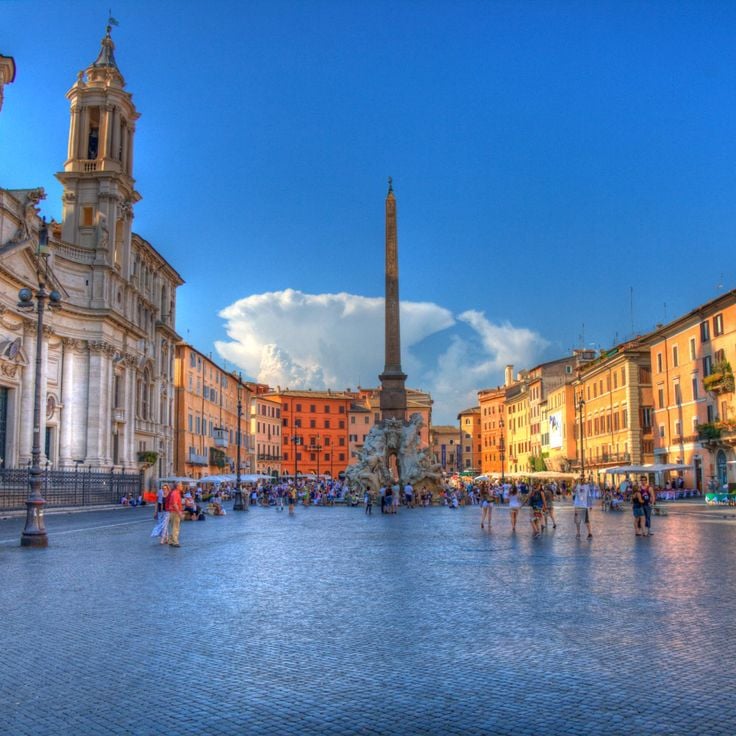
Piazza Navona is where Roman life unfolds. This Baroque square with its three fountains is always filled with people who walk, sit and watch the crowds. The Fontana dei Quattro Fiumi, the Fontana del Nettuno and the Fontana del Moro are not just artworks but also places where Romans and visitors meet. Around the square there are restaurants, cafes and street artists drawing portraits. The square has the rhythm of a city where history and everyday life exist together. At night the square is lit up and feels even more welcoming.
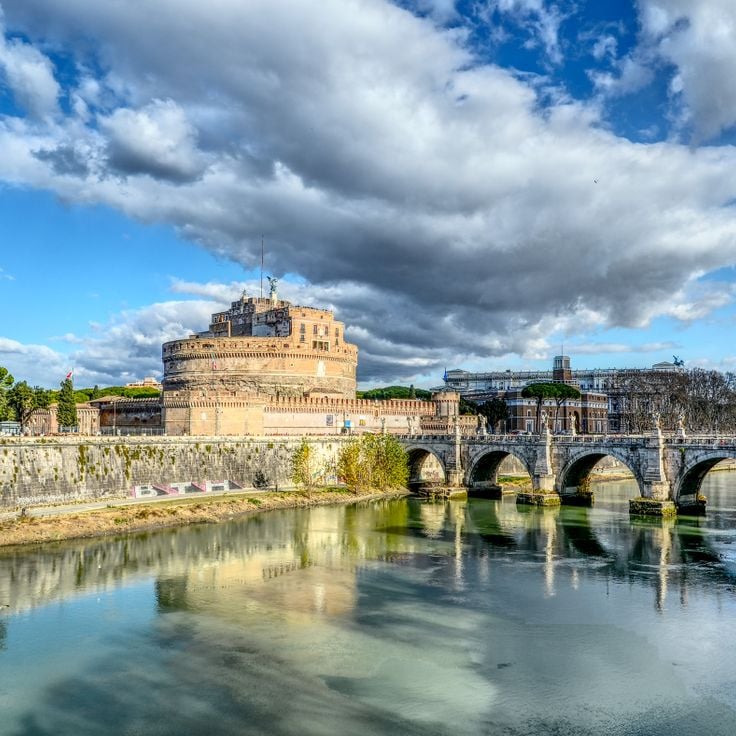
Castel Sant'Angelo is a medieval castle built on the mausoleum of Emperor Hadrian. This structure combines Roman history with medieval architecture. Visitors can see a collection of artworks and view the city from the terraces. The place tells the story of power, religion, and Rome's development over centuries.
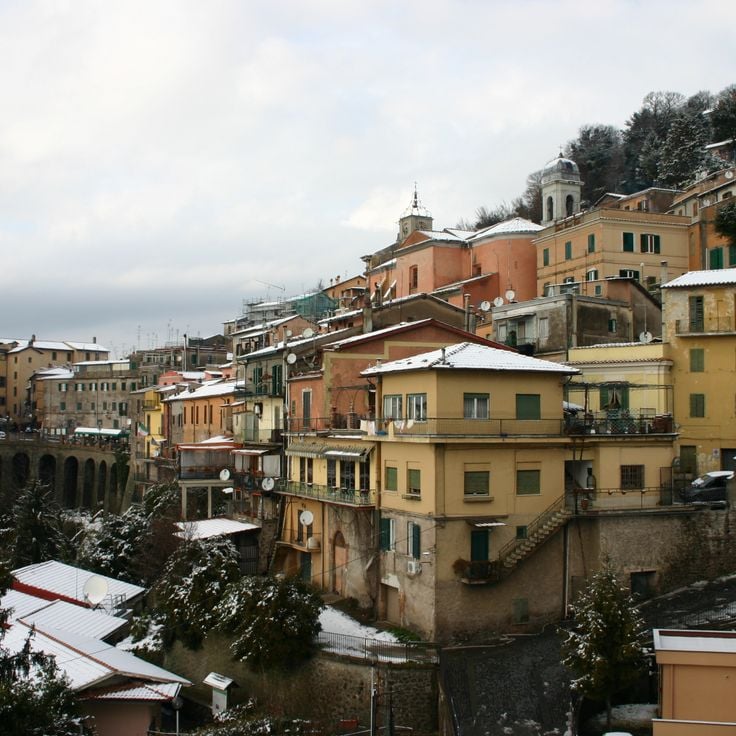
Nemi is a small village perched on a hilltop above Lake Nemi in the Castelli Romani region. The lake is circular, surrounded by steep forests, and feels like a secluded place. The village itself has a simple character, shaped by generations of people living quietly here. Fishing and local agriculture have long been part of daily life. From above, you can see across the entire lake and the surrounding volcanic hills. The area has long attracted people seeking a break from nearby Rome.
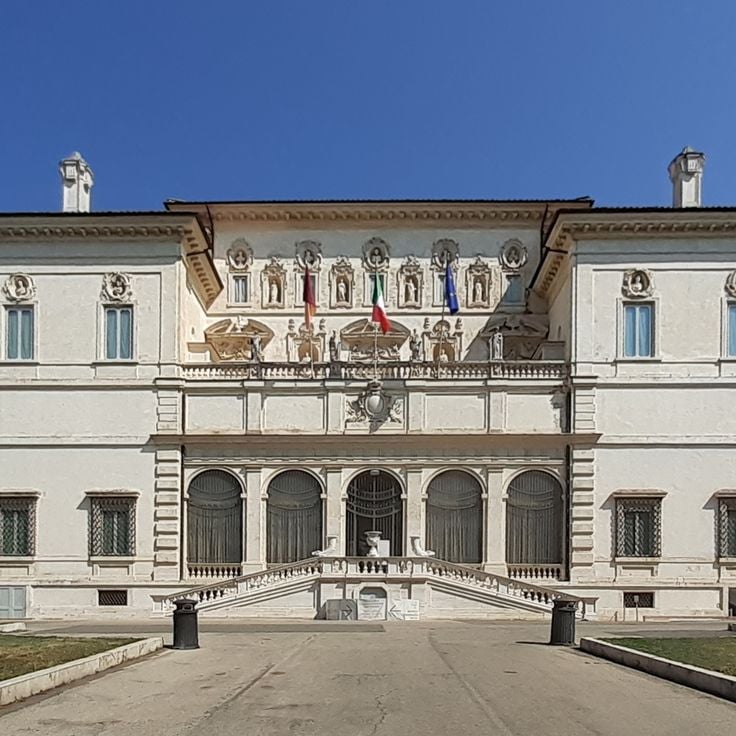
The Galleria Borghese is located in Villa Borghese and houses one of Rome's most important art collections. The museum displays works by artists such as Titian, Raphael, and Bernini. The collection includes paintings, sculptures, and other artworks from different periods. The location sits in the heart of a large park that invites visitors to walk and relax. Here you can experience both art and nature together.
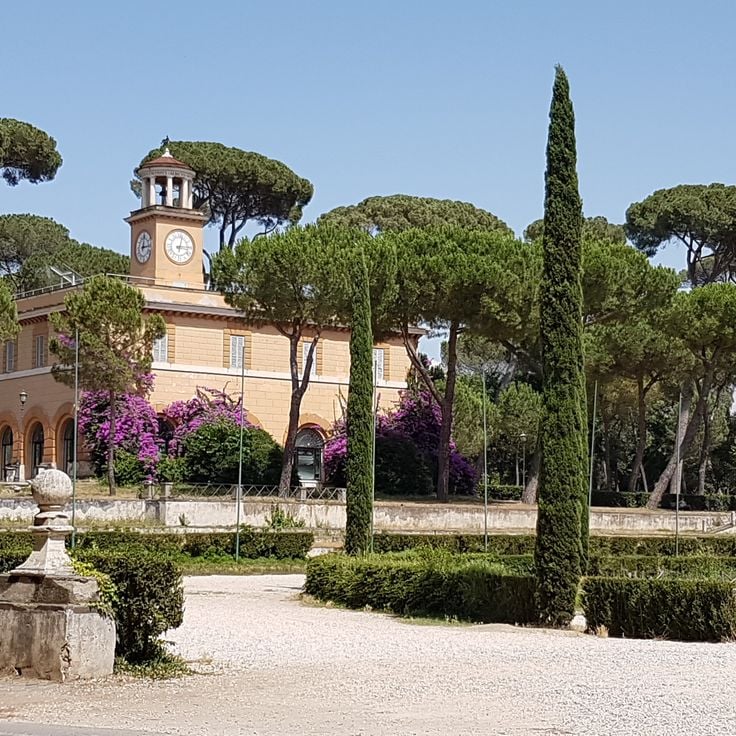
Villa Borghese is a large park in the heart of Rome that reflects the artistic and cultural riches of Lazio. The park houses the Galleria Borghese, one of Italy's most important art museums, with works by Bernini, Titian, and other masters. Villa Borghese brings together nature and art, showing how Romans designed gardens and how the Renaissance built upon classical traditions. Visitors walk through winding pathways, encounter ancient sculptures, and enjoy views across Rome. This place demonstrates how past and present blend in the region's approach to beauty and public life.
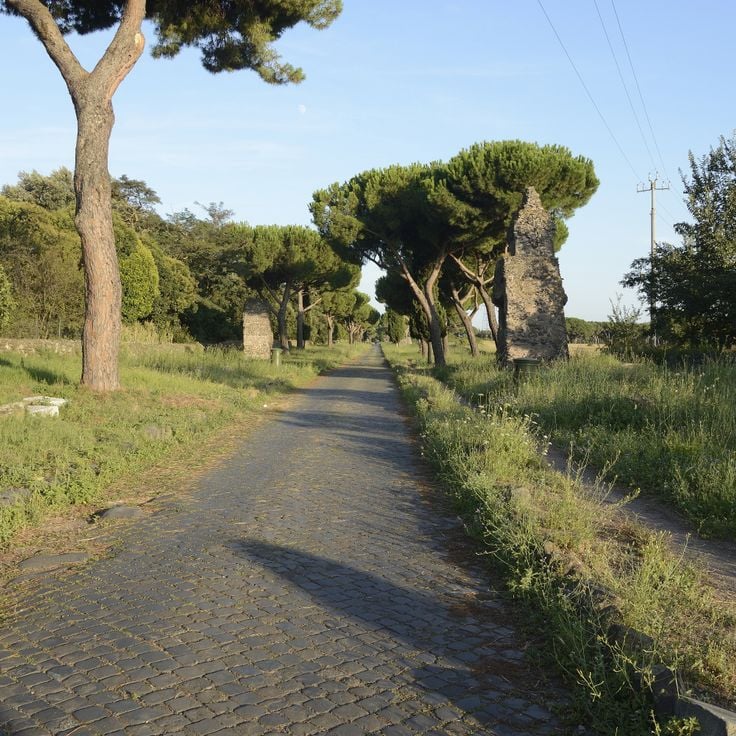
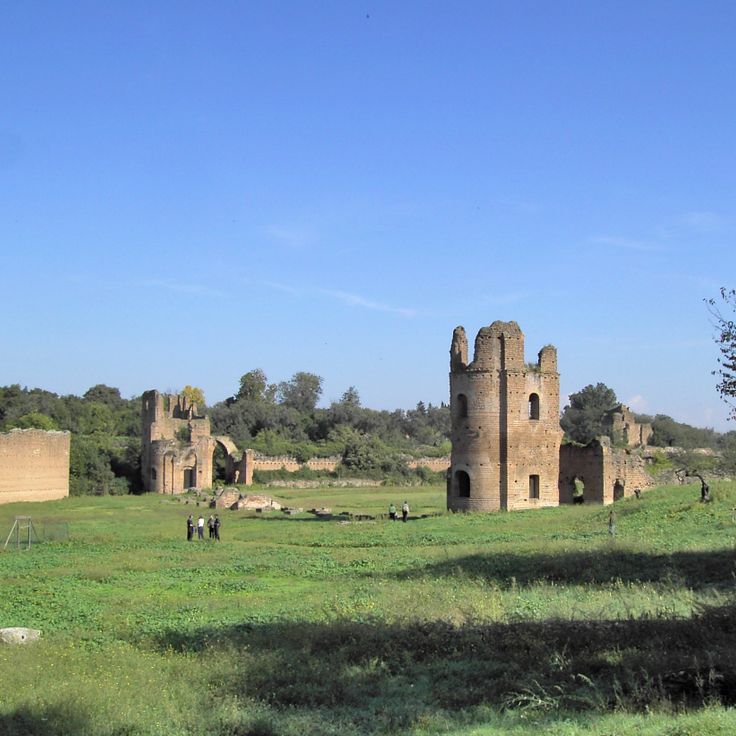
The Via Appia Antica is one of Rome's oldest roads, stretching through the countryside with ancient tombs and ruins alongside its path. It once connected Rome to Brindisi and served as a major trade route of the Empire. Today you can walk along this historic road and see remains of monuments that show how important this route was. Parts of the road are in open country, while other sections are protected, offering insight into how the ancient Romans built and used their infrastructure.
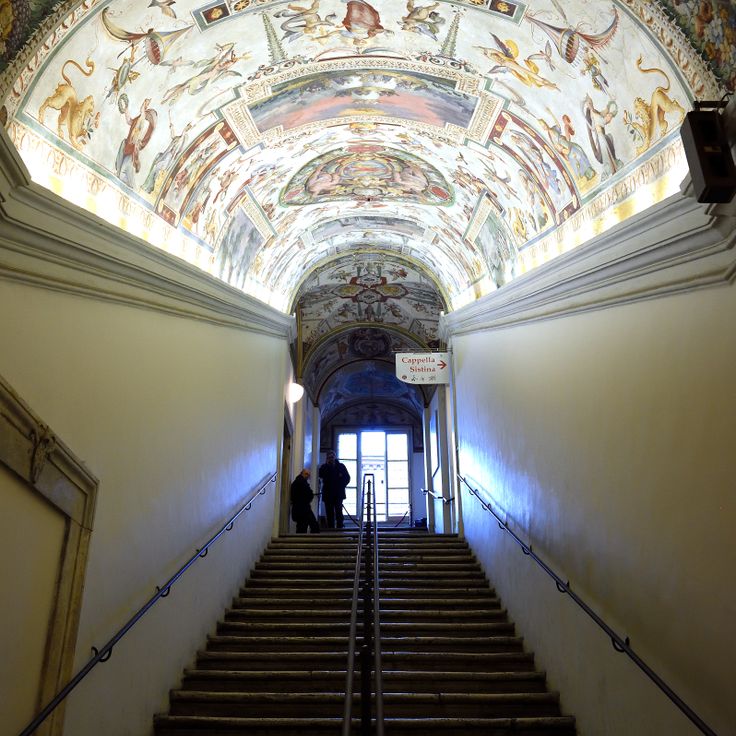
The Vatican Museums house art collections gathered over many centuries. They display works from different periods and cultures that lead visitors through long corridors and halls. The collections tell the story of artistic creation and papal collecting efforts across generations. Beyond paintings and sculptures, you find ancient objects, tapestries, and decorative arts. These museums are central to European religious and artistic history.
The Palatine is a hill in Rome where the remains of Roman emperors' palaces stand. This site brings together the history of the Roman Empire with the natural features of the city. The ruins show how emperors lived and ruled, allowing visitors to understand the power and wealth of the empire. The Palatine sits near the Forum and the Colosseum and is part of the archaeological layers that make up Rome.
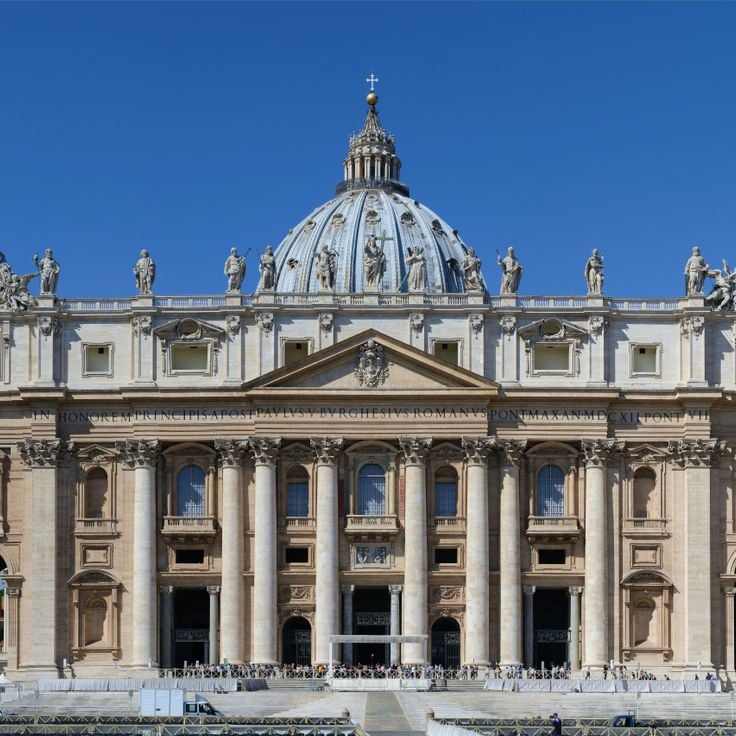
The Basilica of Saint Peter is the center of the Catholic faith and one of the most important places in Rome. Its construction took more than a century, and today it houses artworks of immense value. Visitors enter a space defined by its scale and the artistic creations of Michelangelo and other masters. The dome dominates Rome's skyline and is visible from many points throughout the city. Inside, you find mosaics, marble, and religious treasures created by generations of artists.
The Parco dell'Appia Antica is an archaeological park that preserves the ancient Roman road Via Appia and its monuments. The park follows the historic route that connected Rome to other regions. Walking through the paths, you encounter remains of tombs, villas, and sanctuaries from different periods. This site reveals how the Romans traveled and lived, blending archaeological remains with the natural landscape of the Roman countryside.
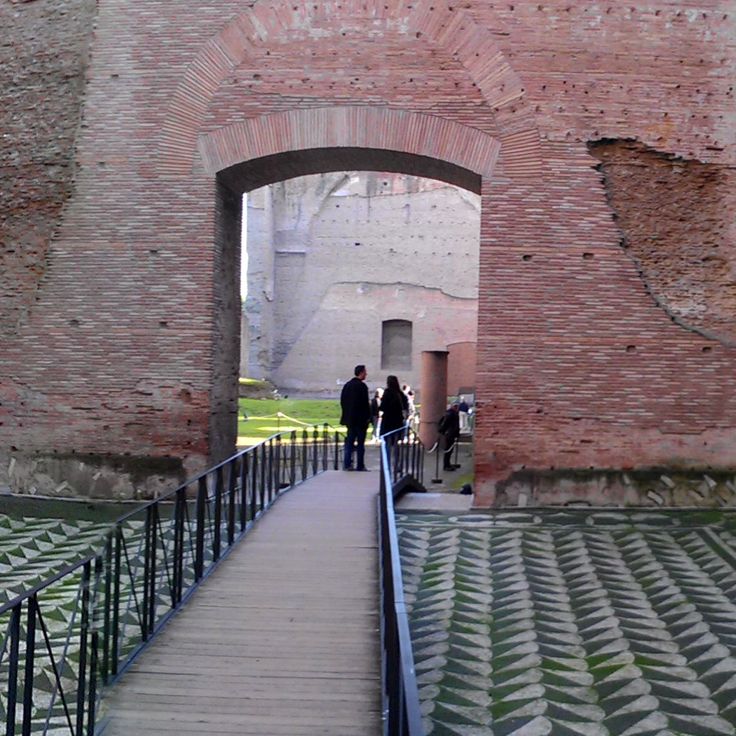
The Caracalla Baths are ruins of large Roman bathing complexes from the 3rd century. Located in Rome, they show the architecture and daily life of the Roman Empire. The baths served not only for personal hygiene but were also gathering places for social life. Visitors can see the layouts of different rooms and understand how Romans spent their leisure time.
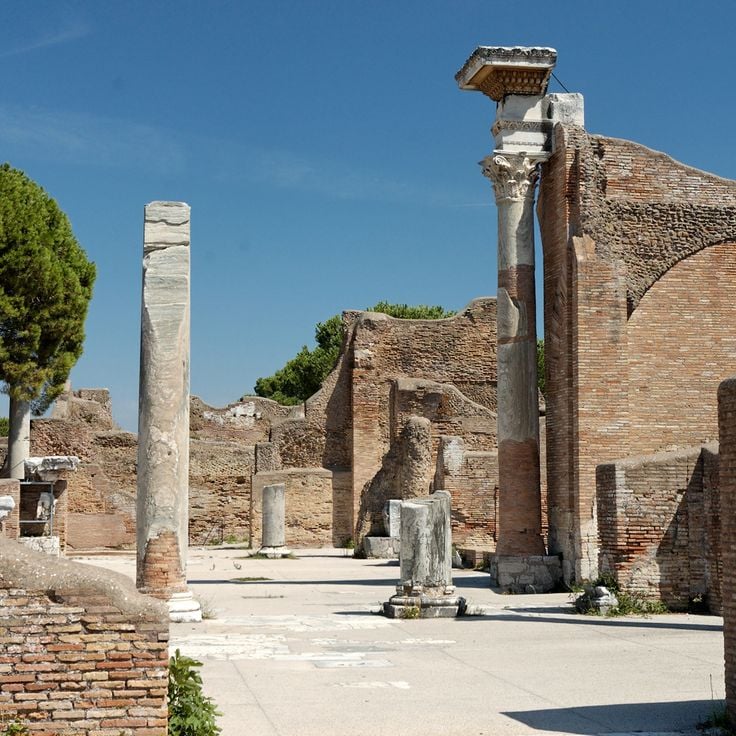
Ostia Antica is the archaeological site of Rome's ancient harbor. The ruins show the life of a Roman port city with houses, shops, temples, and public buildings. You can walk through paved streets and see traces of daily life from two thousand years ago. Mosaics on floors and inscriptions on walls tell stories of merchants, craftspeople, and families who lived here. This place helps you understand how Romans worked and lived, away from the grand monuments of the capital.
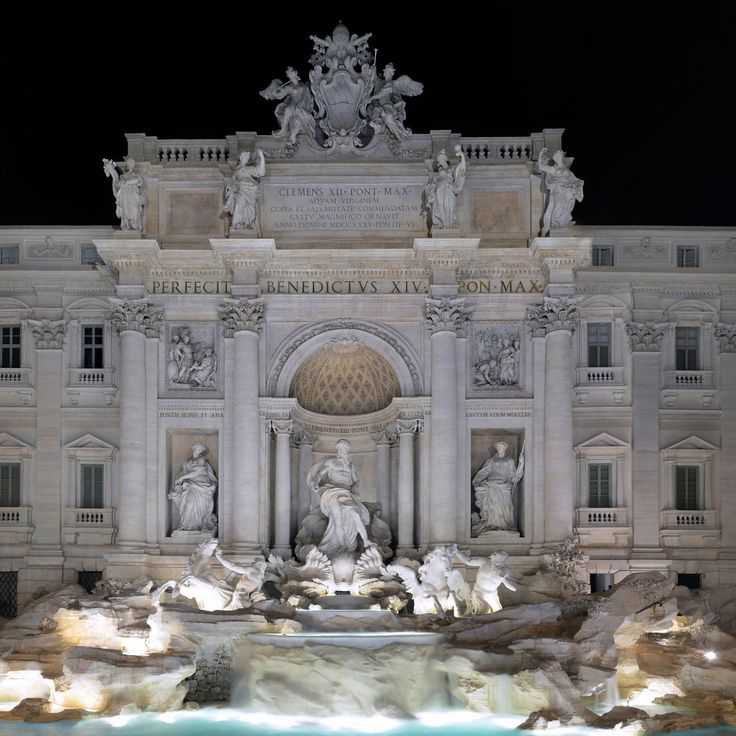
The Trevi Fountain is a baroque fountain built in the 18th century, located in Rome. It displays the art and wealth of that era. Visitors from around the world throw coins into the water, which has become part of daily life at this famous site. The fountain sits in a square that is always filled with people, and its architecture with figures and flowing water makes it an important part of Rome's cityscape.
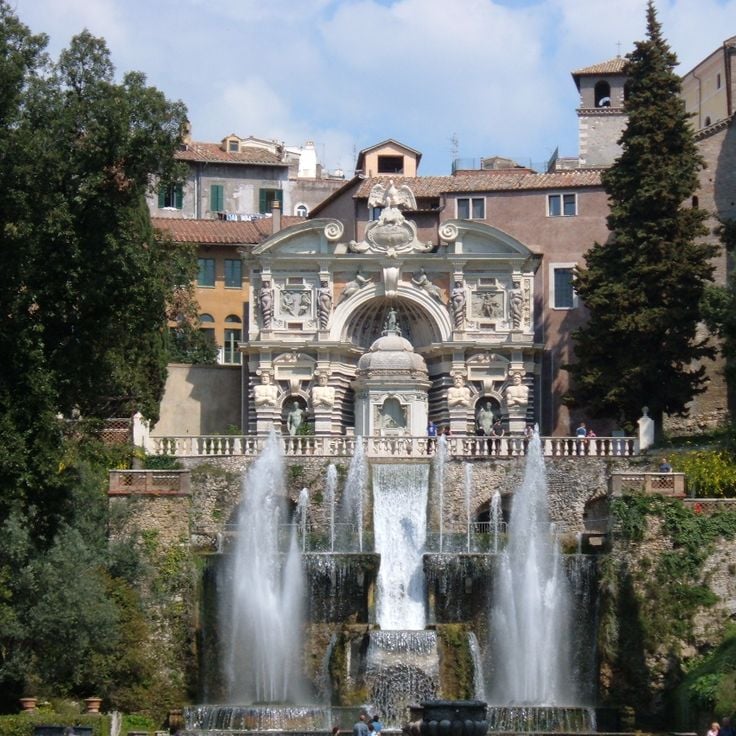
Villa d'Este in Tivoli is a Renaissance villa with elaborate gardens that showcase the era's mastery of water engineering. Fountains are scattered throughout the grounds, each one a display of artistic skill and creative design. Walking through these gardens, visitors discover hidden niches, cascading water features, and carefully planted trees and hedges. The villa's rooms display frescoes and decorative arts from the period. The overall design reflects how Renaissance creators saw nature as something to be shaped and enhanced with human artistry. This property represents one of the finest examples of Renaissance garden design in the Lazio region, demonstrating the blend of architecture, art, and landscape that defined the era.
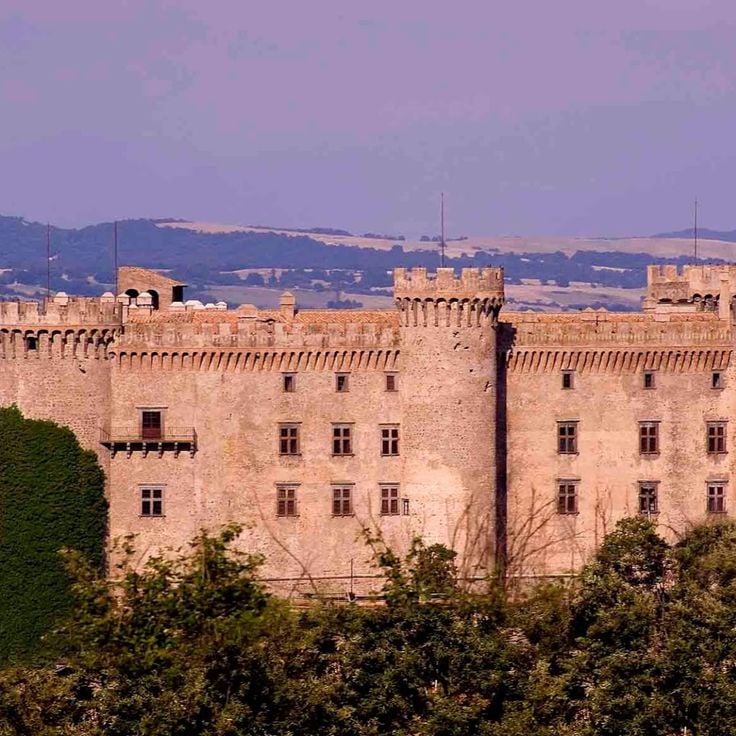
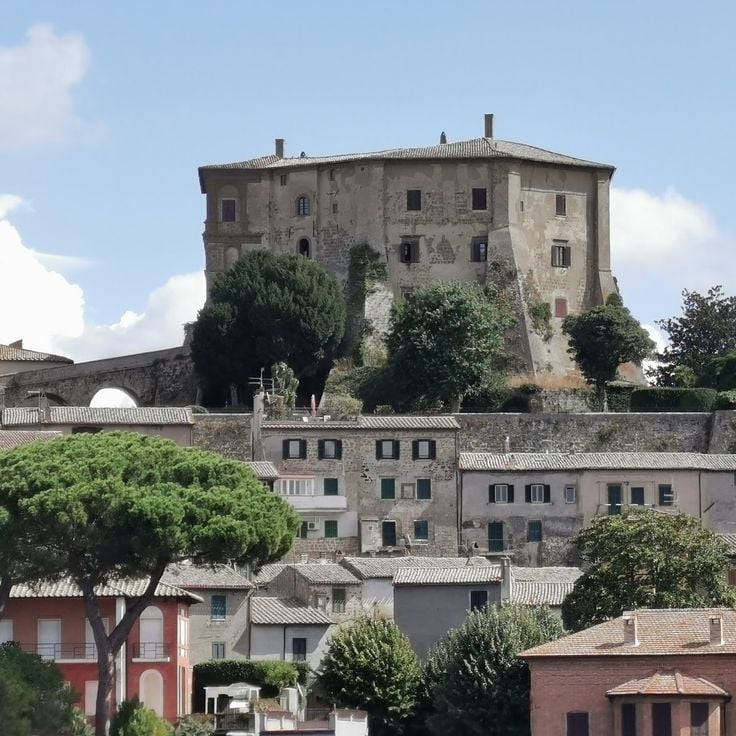
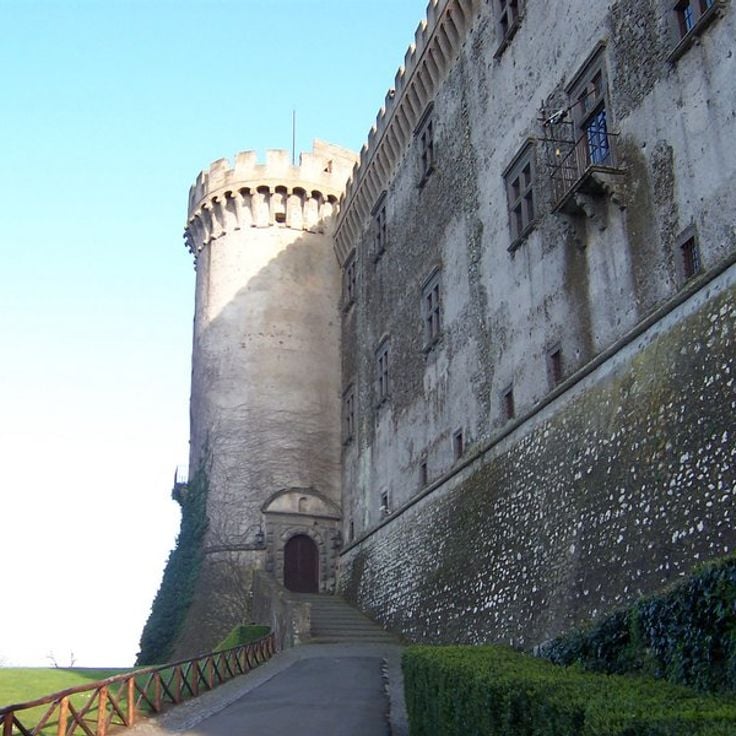
Castello Odescalchi rises above the lake at Bracciano and shows how a medieval fortress shaped the region. Built in the 15th century by the Odescalchi family, the castle displays the power and style of the nobility who ruled the Latium. Its walls and towers reveal how people lived in a fortified palace, with the lake below adding to its setting. The castle is a window into the medieval and Renaissance history of the area.
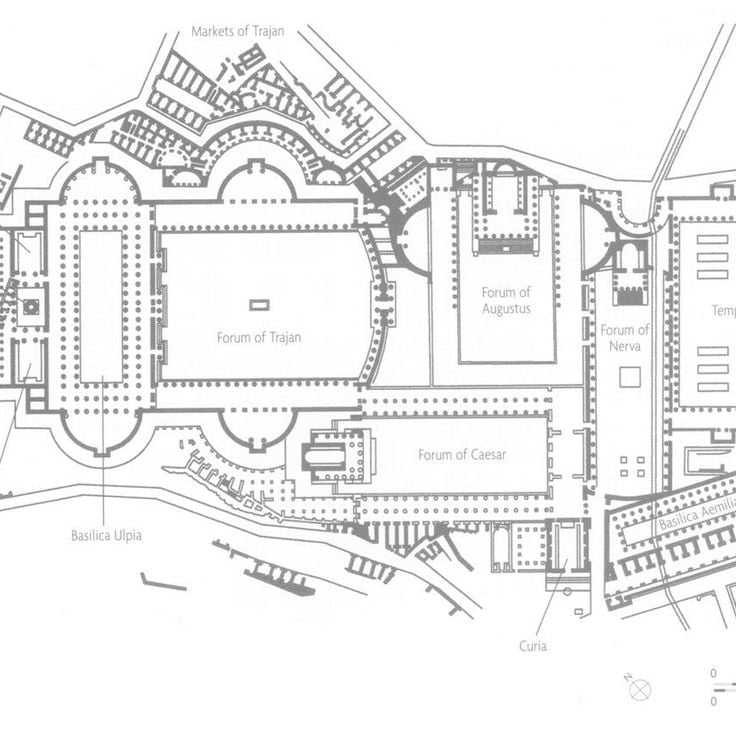
The Roman Forum was the heart of ancient Rome. This place is where Romans gathered for political meetings, religious ceremonies, and everyday business. The ruins you see today come from different periods and show how the city developed over centuries. Temples, basilicas, and public buildings fill the site. The Forum tells the story of Roman civilization at the spot where people lived and made decisions.
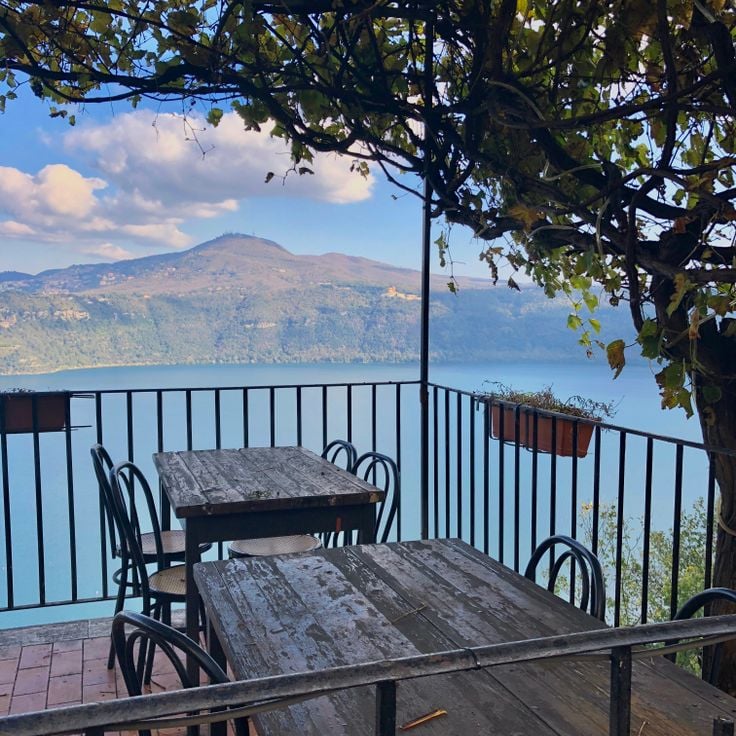
Lake Albano sits in the Castelli Romani and is a volcanic lake where you can swim. The water is clear and surrounded by green hills. On warm days, visitors come here to cool off and enjoy the landscape. The lake has roots in ancient times, and the shores are lined with small villages and local restaurants.
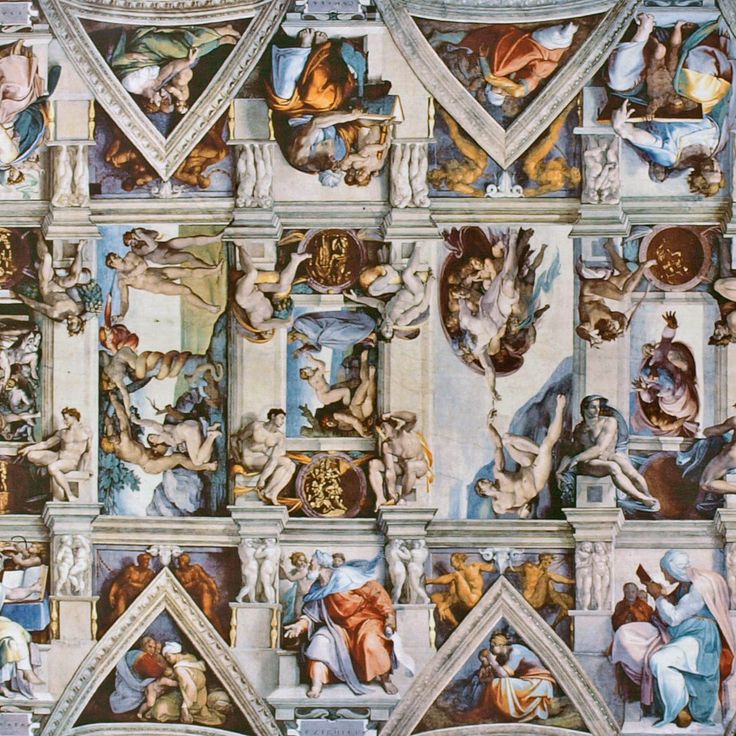
The Sistine Chapel sits in the heart of the Vatican and is known above all for Michelangelo's frescoes. Between 1508 and 1512, the artist created the ceiling paintings that tell the story of creation. The walls hold additional frescoes, including the Last Judgment behind the altar, which Michelangelo painted later. Visitors come from all over the world to see these works of art. The chapel also serves as a place for important religious ceremonies, especially during papal conclaves. The connection between art and faith makes this space special.
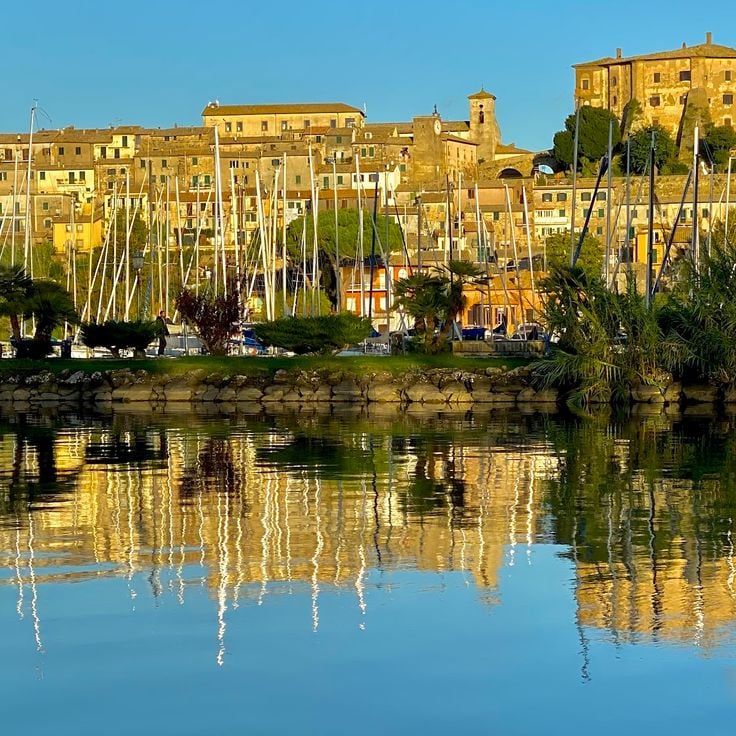
Capodimonte is a village on the shore of Lake Bolsena in the Lazio region. The village sits directly on the water, with views across the volcanic lake. Houses gather along the waterfront, and the life of residents is closely tied to the lake. The place fits into the larger picture of Lazio, which alongside historical sites in Rome also contains natural landscapes and rural villages with preserved character.
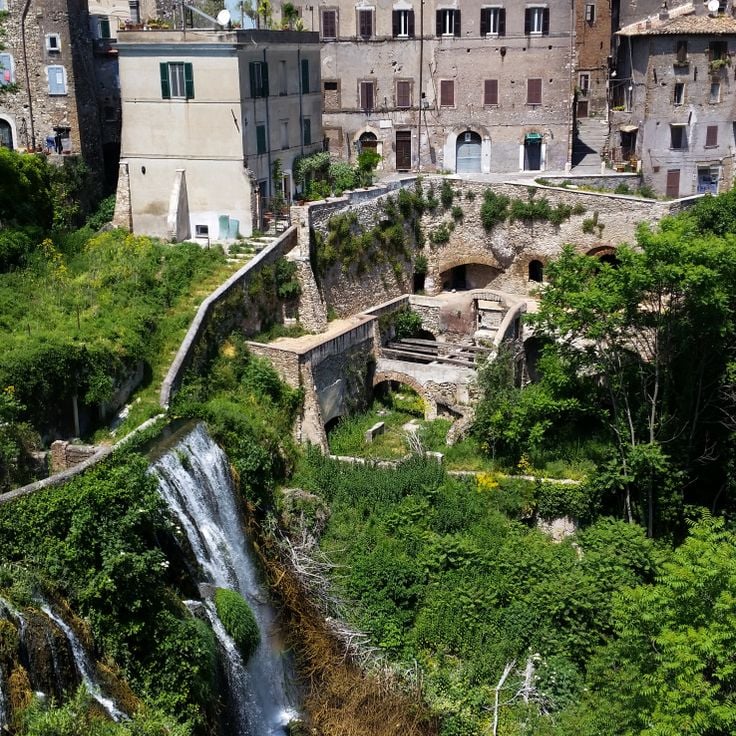
Villa Gregoriana in Tivoli is a villa with waterfalls and gorges that offer natural views. It fits into the history of the Lazio region, where ancient villas like this one are among the major sites to visit to understand the art and landscapes of Lazio.
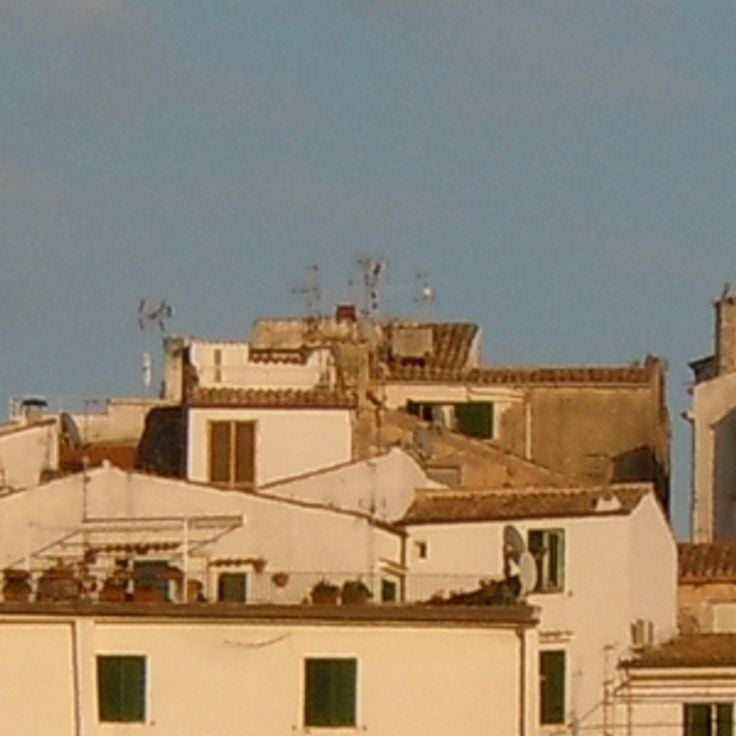
Trastevere is a neighborhood across the Tiber River, shaped by narrow streets and the rhythm of neighborhood life. Small restaurants line the winding alleys, where locals gather to eat and talk. The buildings have faded yellow and orange walls, and laundry hangs between windows. Walking here feels different from the tourist areas of Rome. In the evening, people fill the squares and streets, and you sense the weight of centuries in these old stones.
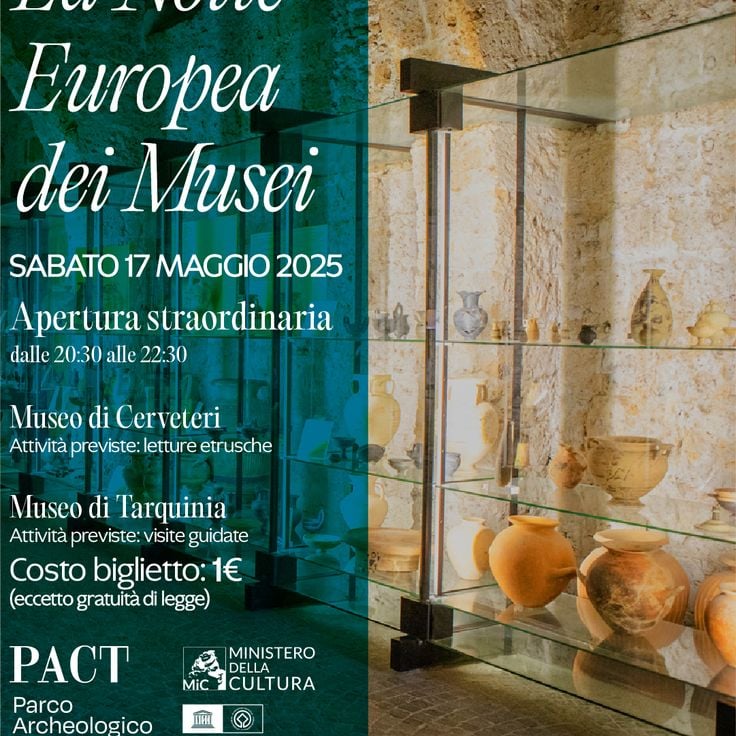
The National Archaeological Museum of Cerveteri displays the rich history of Etruscan civilization. The collection includes craftwork, pottery, and objects from the daily life of the Etruscans, who lived in this region thousands of years ago. The museum helps visitors understand the culture and customs of this ancient people who came before Rome. The nearby Etruscan necropolis, part of UNESCO World Heritage, shows tombs carved into the rock that resemble houses.
The necropolises of Tarquinia contain painted Etruscan chamber tombs from ancient times. The wall paintings in these tombs show scenes of daily life, celebrations, and beliefs about the afterlife of a people who shaped this region long before Rome. These necropolises are among the most important archaeological sites for understanding Etruscan civilization, which played a foundational role in the history of Latium.
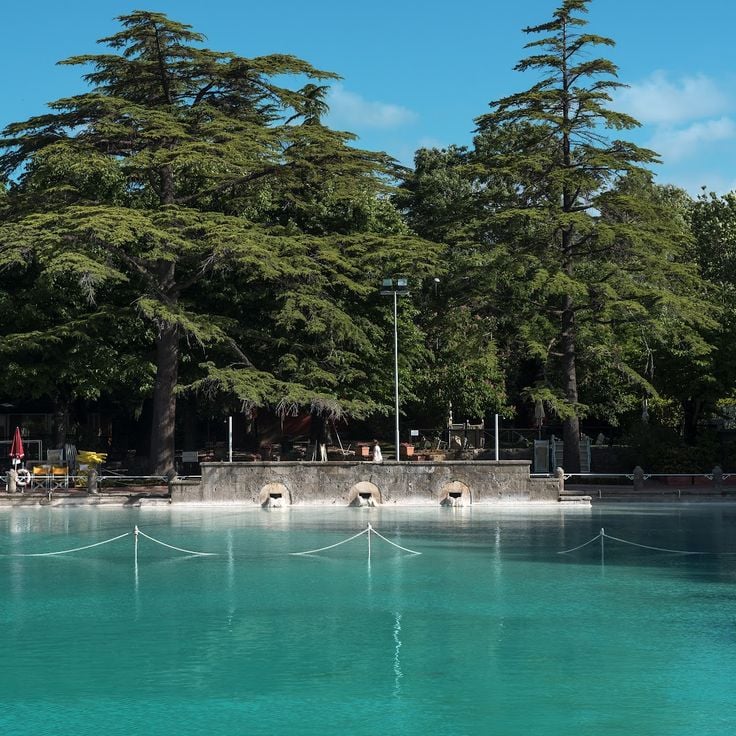
The Terme dei Papi near Viterbo is a thermal bath facility with naturally hot water located in the hilly landscape of Lazio. This bathing complex uses springs that have been known for their warming properties for centuries. Visitors can bathe in several pools while enjoying the surrounding countryside. The facility offers a place to relax and experience the natural resources of the region.
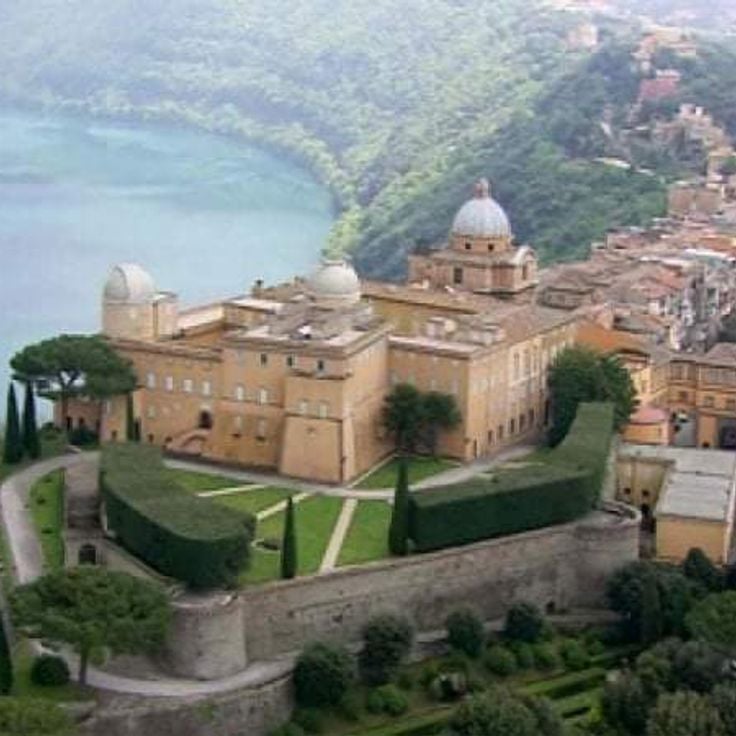
Castel Gandolfo sits in the Castelli Romani and is home to the Pope's summer residence. The village itself has a quiet character with typical local buildings and narrow streets. The papal villa shapes the landscape and makes this place an important religious center. From here, you can look out over Lake Albano, which marks the valley below. The town blends history with the present, showing how this spot has been a refuge for the Church for centuries.
Lake Bolsena is a large volcanic lake in the province of Viterbo. Its shores feature beaches and small villages where visitors can swim and spend time by the water. The lake formed thousands of years ago from volcanic activity. Walking paths around the lake let you explore the surrounding landscape. The villages on the shore have deep roots in the region and reflect daily life here. The water is clean and the setting feels open and relaxed.
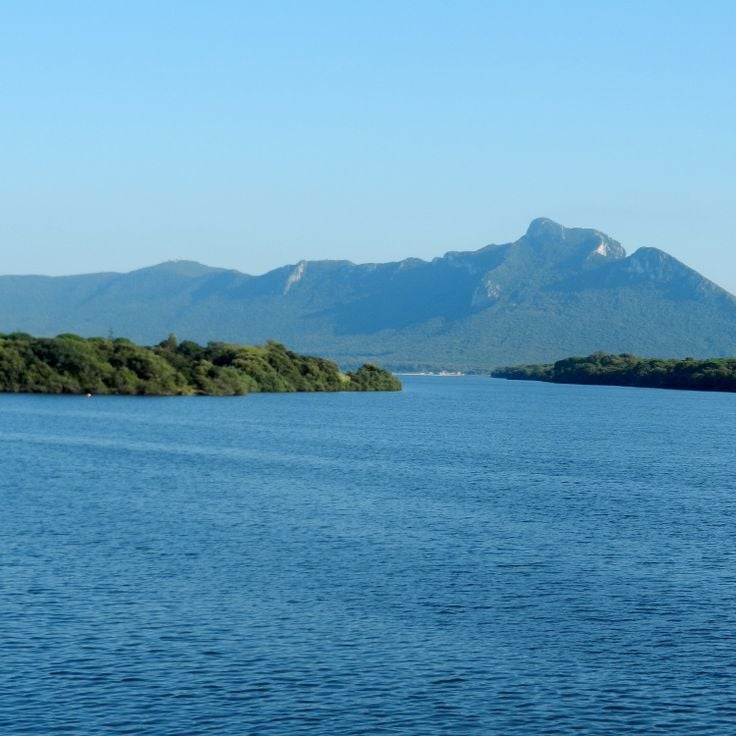
Monte Circeo is a coastal mountain near Circeo where hikers follow narrow paths between rocky slopes and Mediterranean plants. The trails offer views of the sea and the shoreline, while the steep terrain reveals local vegetation and expansive perspectives. This mountain is part of the national park and attracts visitors who want to explore the natural landscapes of the Lazio region.
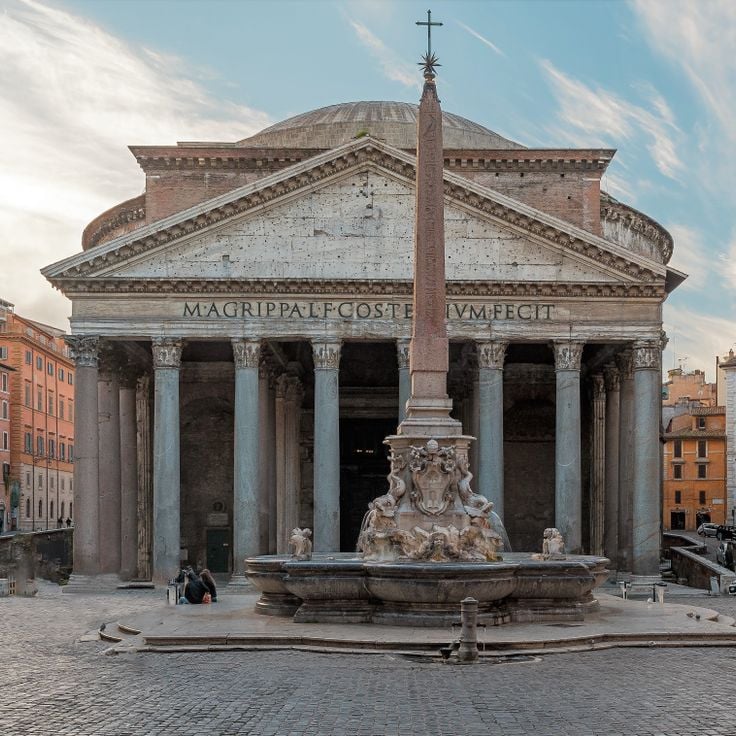
The Pantheon in Rome is a temple from the 2nd century that was later converted into a church. Its impressive structure stands out for its remarkable proportions. The circular floor plan and massive dome with a large opening at the top are characteristic of Roman architecture. Inside, the space is defined by the light that falls through the opening in the dome. The Pantheon shows the technical skill of the Romans and is one of the best-preserved temples from that period. Today it is a place that many visitors come to understand the history and craftsmanship of ancient times.
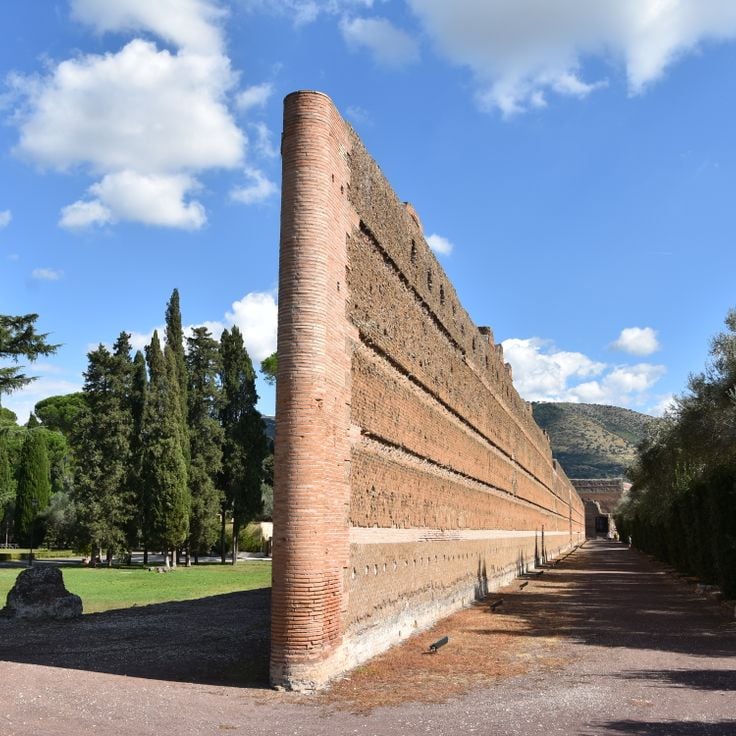
Villa Adriana was the residence of Emperor Hadrian in the 2nd century. This complex in Tivoli shows how Roman emperors lived. The site spreads across hills and valleys with buildings, gardens, and water features. Hadrian designed the villa with elements from Egypt, Greece, and the Orient. Visitors walk through ruins and see the remains of palaces, temples, and baths. This UNESCO World Heritage site tells the story of Roman power and wealth, and of Hadrian's passion for architecture and art.
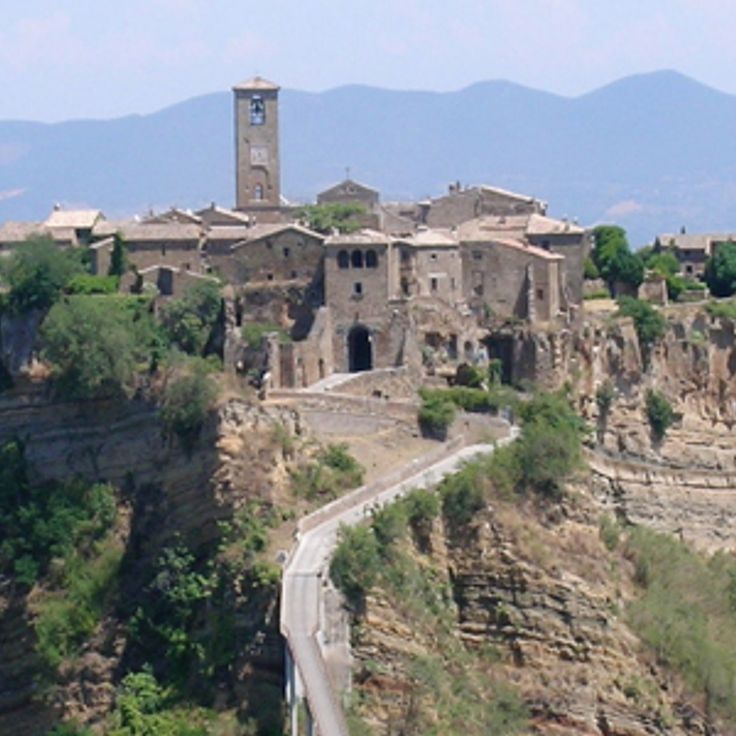
Civita di Bagnoregio is a small whitewashed village perched on a plateau and slowly disappearing. The village faces constant erosion as the ravine around it deepens over time. A narrow path, almost like a footbridge suspended in air, connects Civita to the surrounding landscape. Only a handful of residents and visitors make their way across it. This place shows how nature reshapes the land while people adapt to change. Civita fits into the broader story of Lazio, where Roman monuments and ancient villas stand alongside landscapes transformed by natural forces.
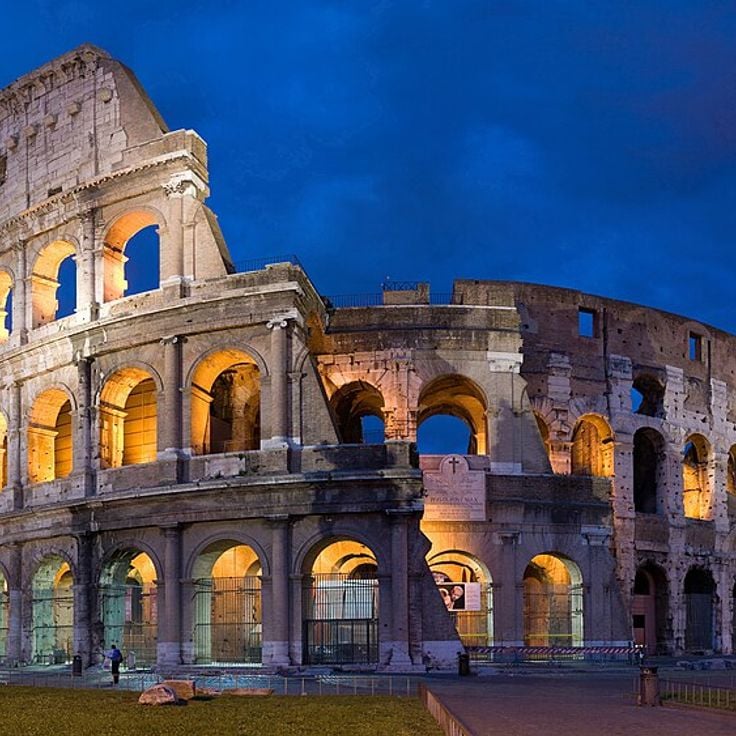
The Colosseum is an ancient Roman amphitheater from the 1st century, built under the Flavian dynasty. This structure displays the power and engineering skill of the Roman Empire. With its massive stone walls and multiple levels, it once hosted gladiator fights and public games. Today the Colosseum stands as one of Rome's most recognizable remains, telling the story of one of history's most powerful civilizations.
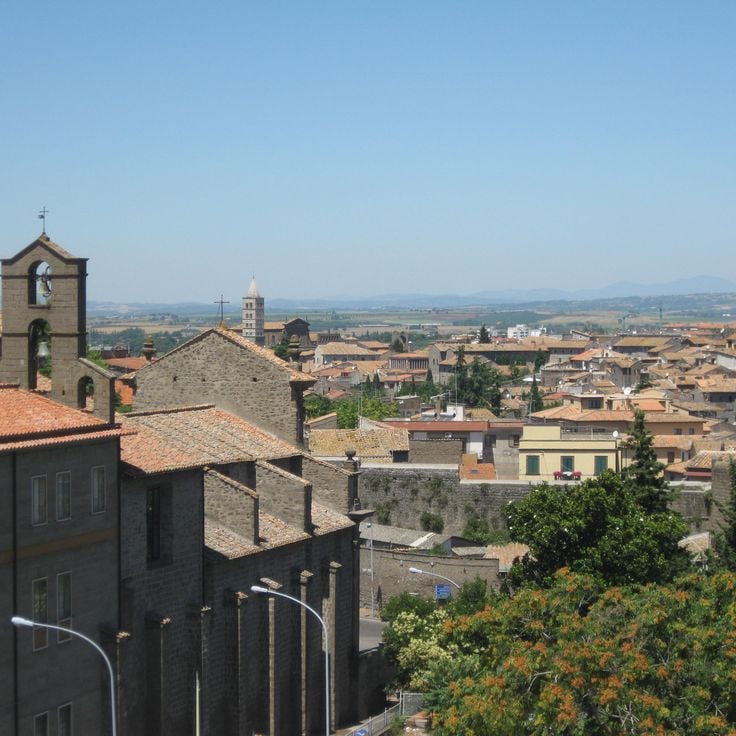
Viterbo is a medieval city with a historic center and natural hot springs. The old town features narrow streets, ancient squares, and buildings from centuries past. The city held importance for centuries and hosted significant historical events. Viterbo is known for its thermal waters that have drawn people for generations. These springs emerge naturally from the earth and attract visitors seeking their reputed beneficial properties. Throughout the city and its surroundings stand churches and palaces that reflect its past. Walking through Viterbo offers a genuine experience of medieval Italy.
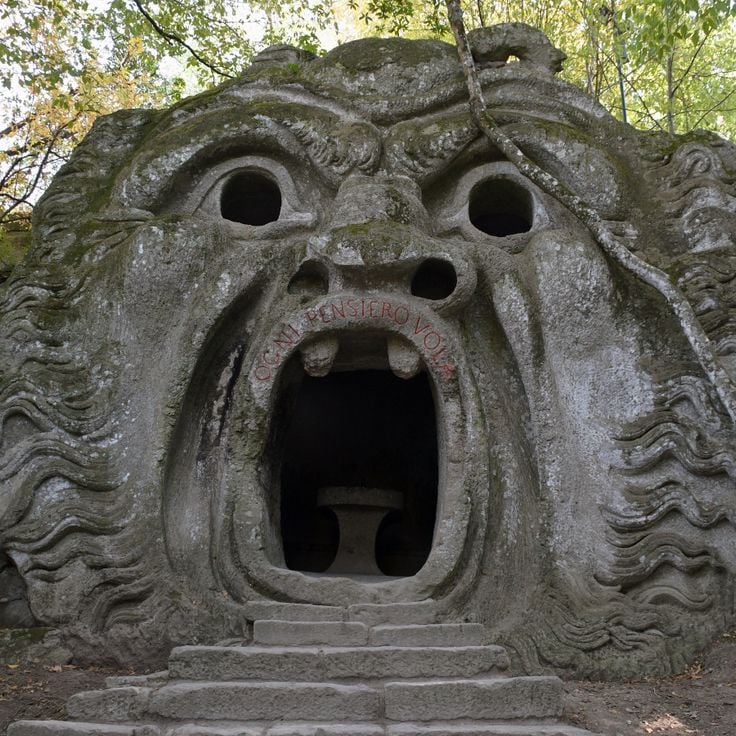
The Gardens of Bomarzo feature an unusual collection of sculptures and grottos built during the 16th century. This garden stands apart from other Renaissance gardens through its strange figures and imaginative forms. Visitors encounter statues of animals, mythological creatures, and fantastic beings scattered among the trees and pathways. The grottos invite exploration and create moments of surprise as you move through the space. The garden shows how artists of this period expressed their creativity in stone.
Bracciano is a small town built along the shores of a volcanic lake. The medieval castle Castello Orsini towers above the surrounding landscape and has watched over the area for centuries. The town has narrow streets and old houses that reflect how people lived in the past. Today Bracciano remains a quiet place where visitors can walk through history and enjoy views of the water and surrounding hills.
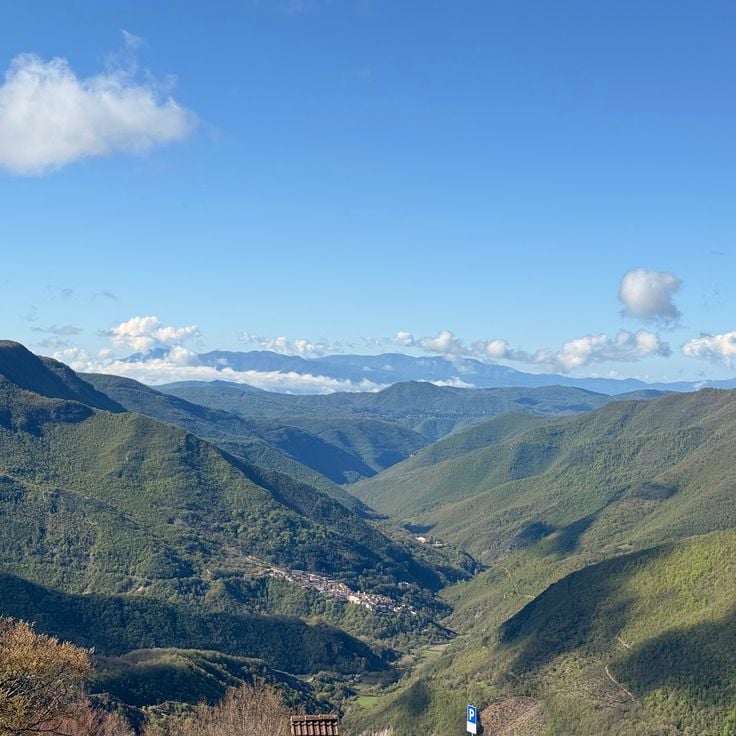
The Monti Simbruini Regional Park near Subiaco shows the natural side of Lazio. The park covers mountainous terrain with forests of beech and fir trees. Small villages nestle in the valleys below. The landscape changes as you move through it, with hiking trails that wind through the mountains. This park offers a different view from Rome's ancient monuments, displaying the rural character of the region.
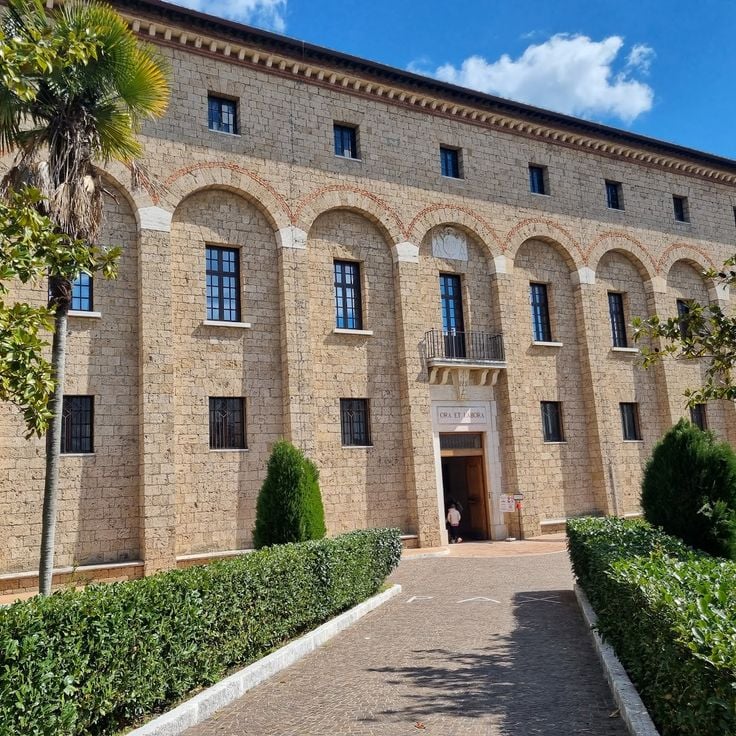
The Santa Scolastica Monastery sits in the mountains east of Rome and ranks among the oldest Benedictine monasteries in the world. Its story starts in the 6th century, when Saint Benedict and his sister Scholastica founded communities in this area. The monastery displays three different building styles from different periods: Romanesque arches, Gothic windows, and Renaissance structures. The cloisters offer spaces for reflection, and the library holds ancient handwritten books that document monastic life across centuries. The place conveys a sense of a location where faith and daily labor have been woven together.
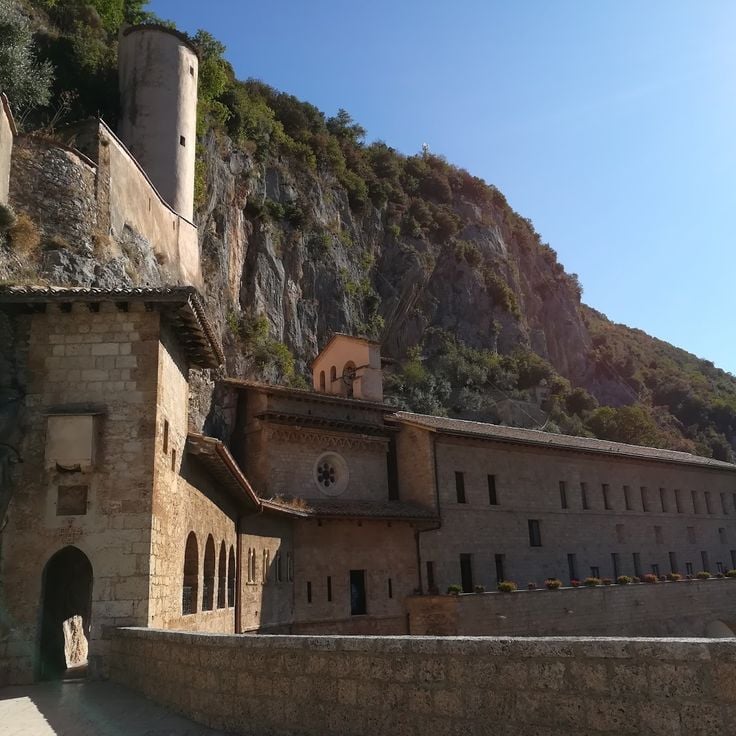
The Sacro Speco di San Benedetto is a sanctuary in Subiaco built within a grotto and dedicated to Saint Benedict. This site connects to the medieval history of Lazio and shows how monks built their communities in the hills of the region. The monastery sits within a natural cave and preserves traces of centuries of faith and the search for solitude.
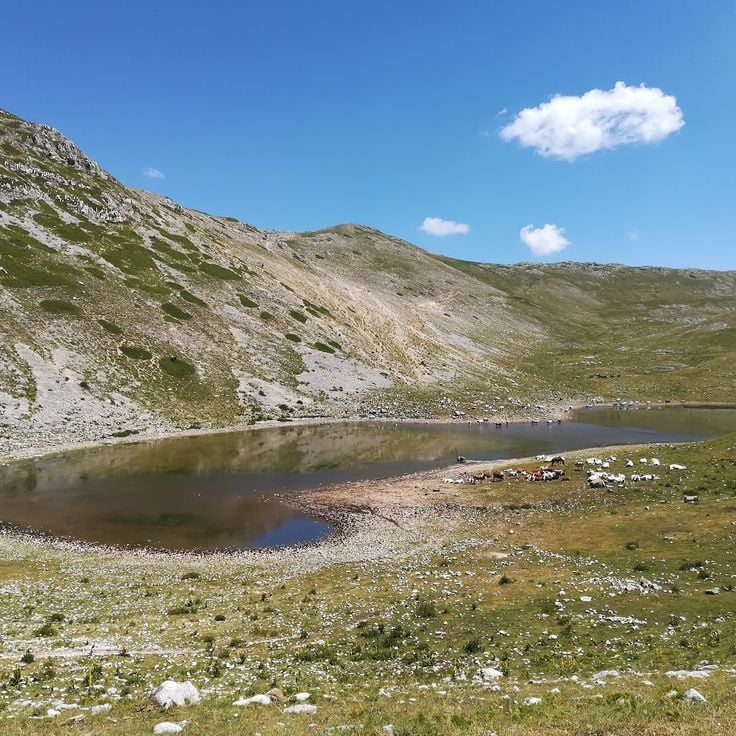
The Monti della Duchessa nature reserve protects a mountainous area in the Lazio region with diverse plant and animal life. The landscape features rocky peaks and forest habitats that change with elevation. This reserve demonstrates the natural side of a region better known for its ancient ruins and art collections.
The Temple of Jupiter Anxur in Terracina preserves the remains of an ancient Roman sanctuary that overlooks the sea. Built on a limestone cliff above the town, this temple was sacred to the Romans and served as a landmark for sailors crossing the Tyrrhenian Sea. Walking through the ruins, you can see the scale and position of the original structure and understand why this location mattered to ancient travelers. The views of the coast and the sea below help you appreciate how Romans chose this dramatic perch for their worship.
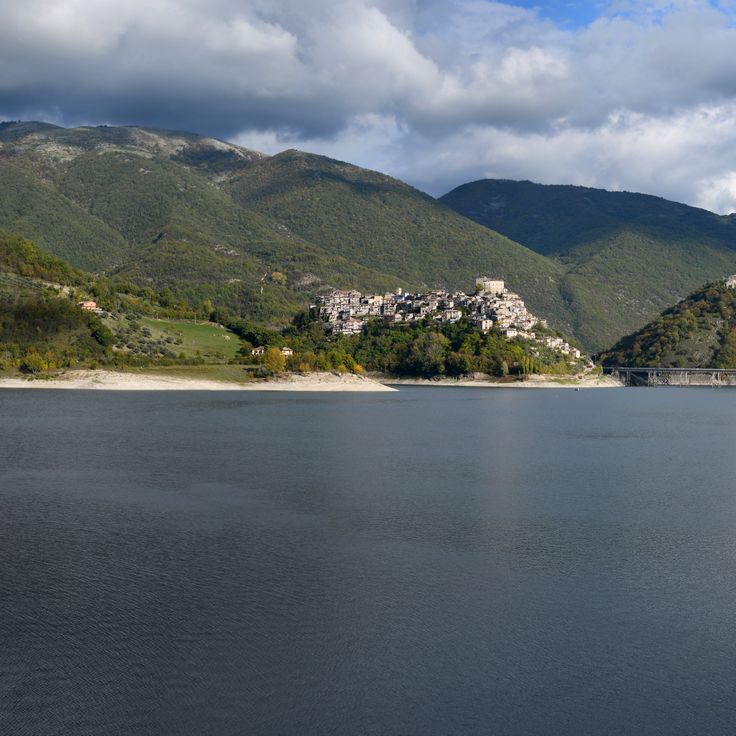
Lake Turano near Rieti is a reservoir surrounded by mountain landscapes. Traditional villages sit along its shores, nestled into the hillsides where life follows a slower rhythm. The water reflects the surrounding peaks, and walking paths trace the edges of the lake. This lake is part of Lazio's natural diversity, offering a contrast to the monuments and crowds of Rome. It is a place where you can sit quietly and watch the mountains.
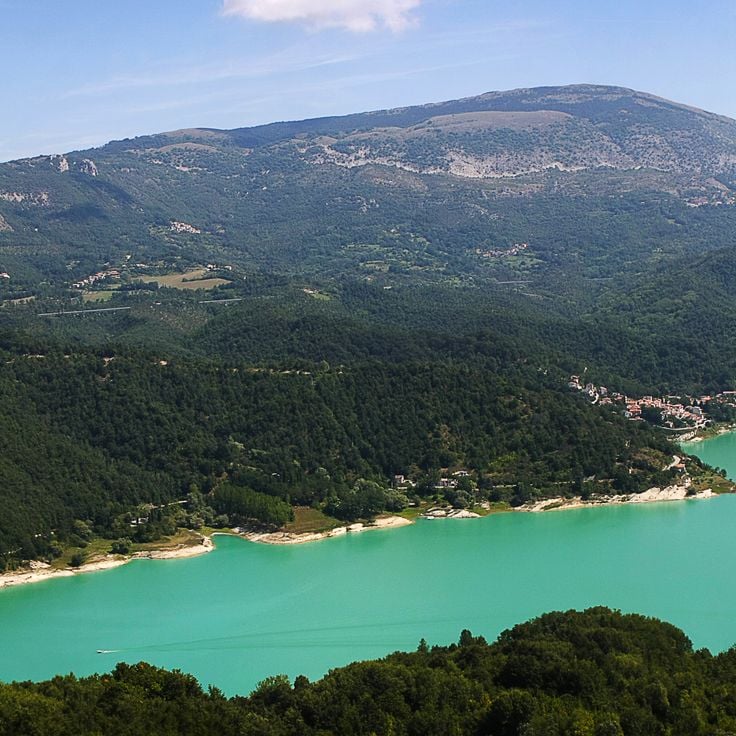
Lago del Salto is a reservoir lake in the Rieti area surrounded by mountains. The water reflects the peaks that rise around it, creating a calm setting. Small villages dot the landscape near the shore. This lake is part of the natural diversity of Lazio, offering a contrast to the historic sites of Rome. Visitors can experience the mountains and rural character of the region.
Sperlonga is a white village on the coast of Latina Province that clings to a rocky slope. Narrow streets lined with whitewashed houses lead down to the sea, where a beach and fish restaurants welcome visitors. The village retains the character of a traditional coastal settlement, where daily life remains tied to fishing.
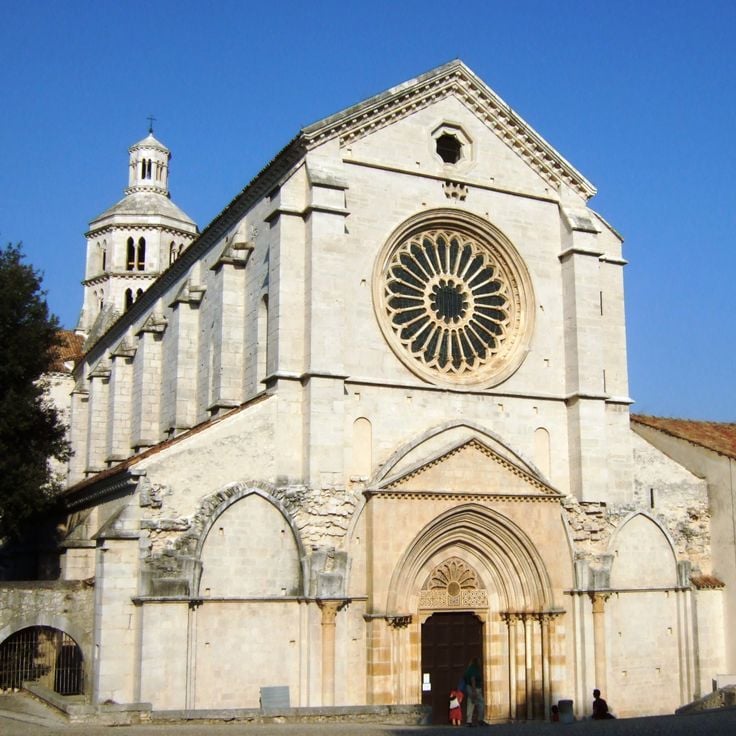
Abbazia di Fossanova is a Gothic monastery from the 13th century located in the Lazio region. Built in Priverno, this abbey reflects the medieval architecture that shaped Europe during the Middle Ages. The structure displays characteristic Gothic elements such as high vaults, slender columns, and pointed arches. The cloister and church retain their original design features. The abbey reveals how monasteries functioned as centers of religious life and learning. The spatial arrangement follows the traditional layout of Benedictine monasteries. Fossanova stands as one of the notable Gothic buildings in southern Italy and contributes to the understanding of medieval religious communities.
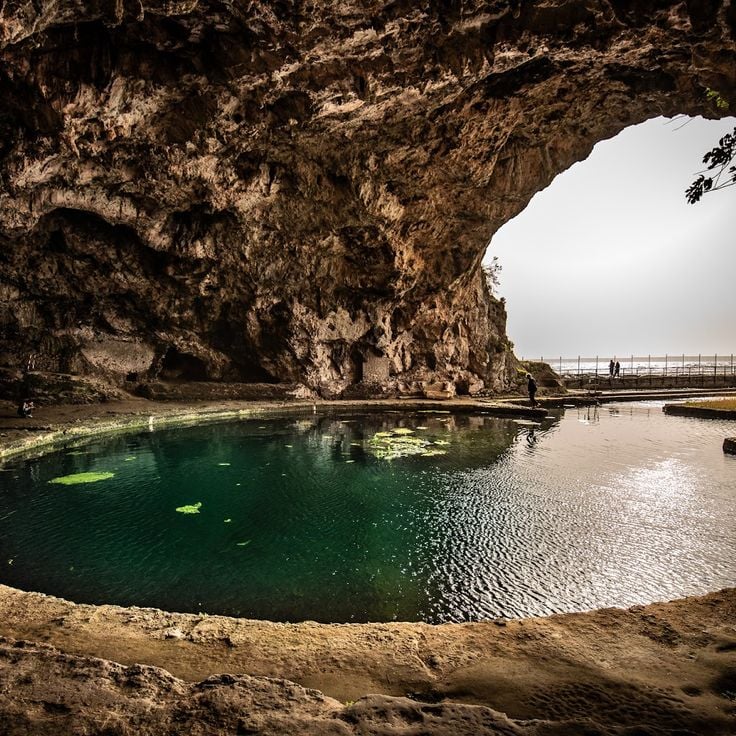
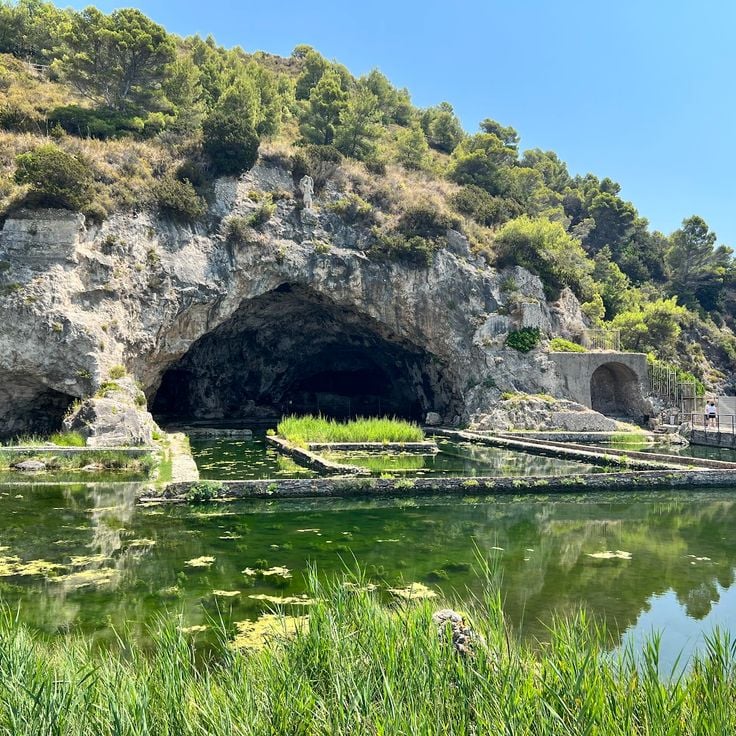
The Villa di Tiberio in Sperlonga is the seaside residence that Emperor Tiberius built for himself. What remains today are ruins that show how imperial Roman villas were constructed and decorated. This site is part of the larger story of Lazio, where ancient monuments, art, and natural landscapes tell the history of 2000 years of civilization. The ruins sit on the coast between Rome and the Bay of Naples.
The Grotta di Sperlonga is a sea cave within an ancient Roman villa near the town of Sperlonga. Sculptures from antiquity were discovered here, revealing the skill and wealth of the Romans who lived in this retreat. The cave was once part of a grand residence where wealthy Romans spent their leisure time. The sculptures tell stories from classical mythology and show how Romans blended nature with human creation. This site offers insight into the life of Roman elites and their appreciation for art and craftsmanship.
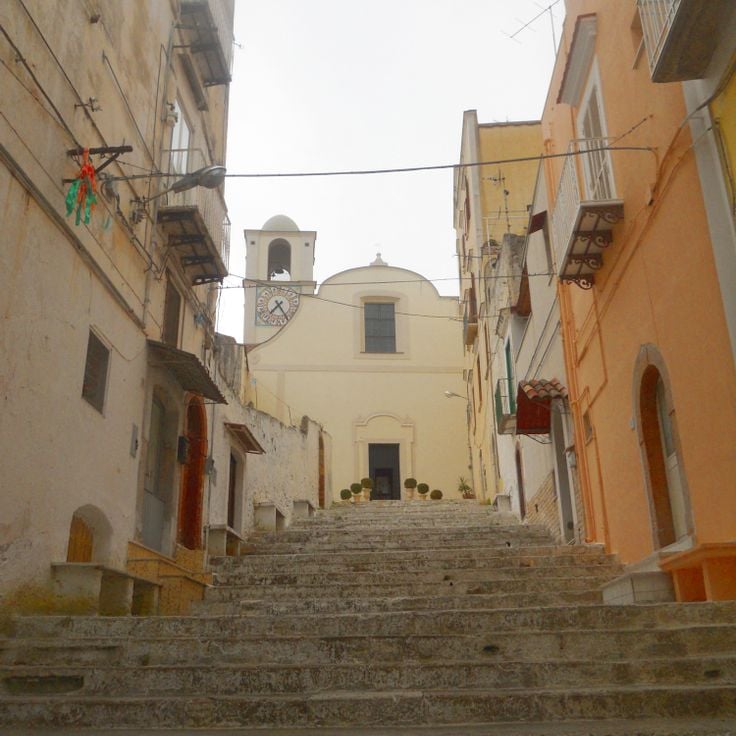
Gaeta is a coastal town south of Rome with a medieval old town and beaches. The winding streets of the historic center reveal stone buildings and churches that date back centuries. The waterfront offers sandy beaches and rocky coves. In the context of Lazio's story, Gaeta shows how maritime trade and medieval life shaped communities along the Mediterranean coast.
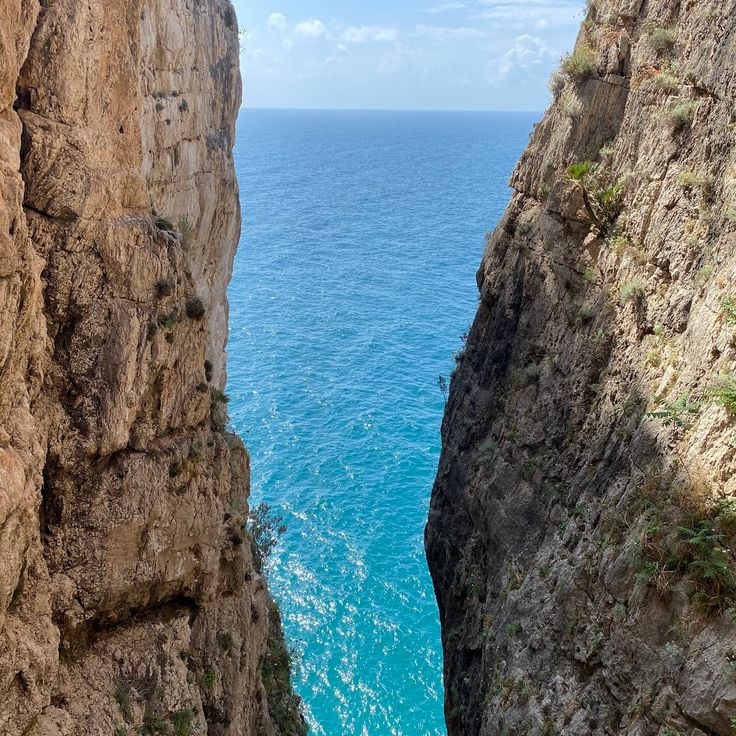
The Sanctuary of SS Trinita is a shrine built within a cave in Gaeta. Located in southern Italy, it combines the natural beauty of this coastal area with religious devotion. The site attracts pilgrims and visitors who come to venerate the Holy Trinity. This sanctuary represents one of many religious sites found throughout the Lazio region, demonstrating how faith intertwines with the natural landscape.
Formia is a coastal port town in the Lazio region with a working harbor and waterfront restaurants. Located in the province of Latina, it offers a window into everyday life along the Italian coast where fishing traditions and modern tourism meet. The harbor forms the heart of the town, inviting visitors to walk along the water's edge and experience the rhythm of a living port. Restaurants and cafes line the waterfront, reflecting the local connection to the sea.
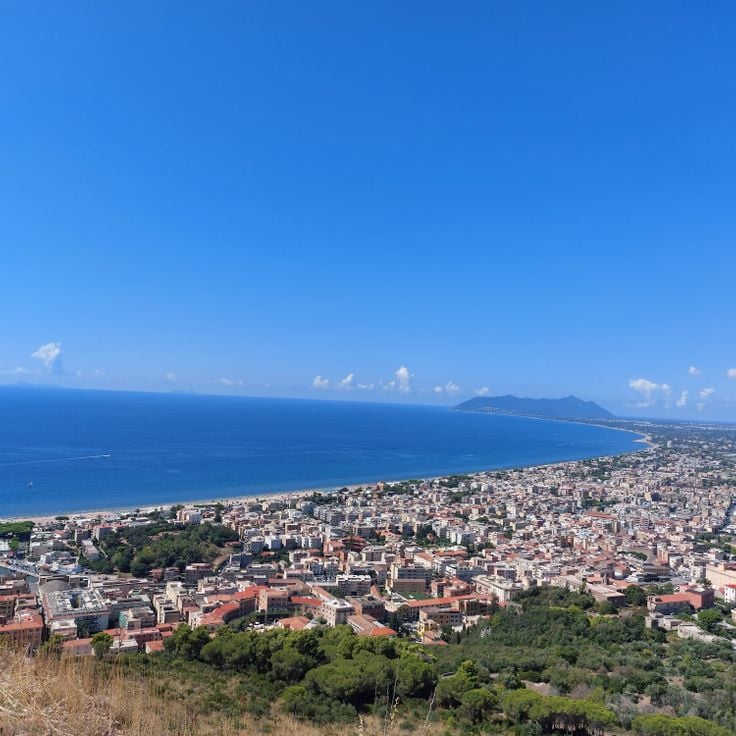
Terracina is a coastal town in the Province of Latina that preserves its ancient Roman past. The landmark of the town is an old Roman temple perched on a hilltop above the sea, visible from far away. The town sits on the Tyrrhenian coast and offers long beaches where visitors can swim and relax. Narrow streets in the old town lead down to the harbor, where fishing boats and small restaurants shape daily life. Terracina combines history and nature in a straightforward way.
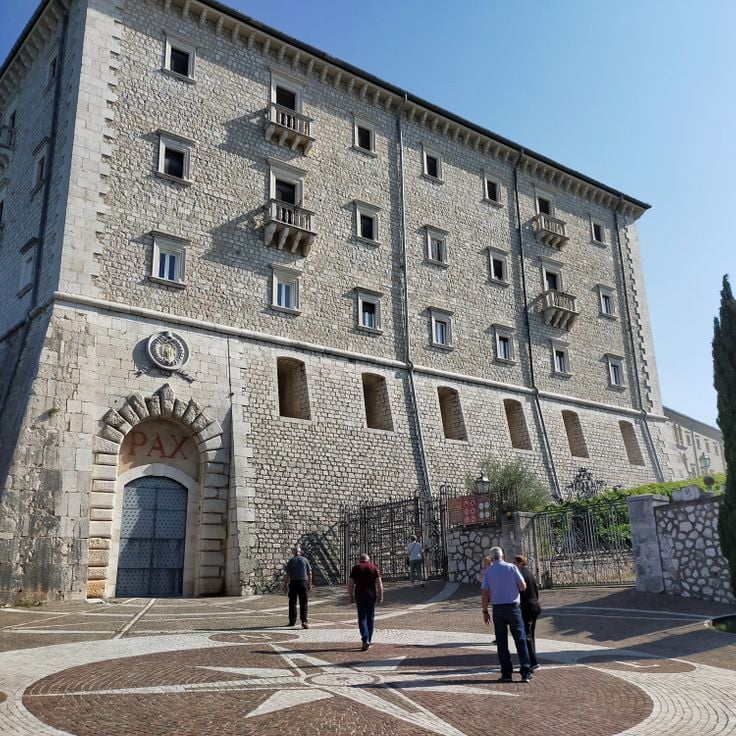
The Abbey of Monte Cassino is a Benedictine monastery perched high above the valley and stands as the birthplace of the Benedictine order. It embodies an important part of Italy's religious and cultural history, revealing through its architecture and artworks the development of medieval monastic life. The monastery demonstrates the role of the Church in European civilization and offers visitors insight into how monks lived and worked over the centuries.
Piazza Navona is where Roman life unfolds. This Baroque square with its three fountains is always filled with people who walk, sit and watch the crowds. The Fontana dei Quattro Fiumi, the Fontana del Nettuno and the Fontana del Moro are not just artworks but also places where Romans and visitors meet. Around the square there are restaurants, cafes and street artists drawing portraits. The square has the rhythm of a city where history and everyday life exist together. At night the square is lit up and feels even more welcoming.
Castel Sant'Angelo is a medieval castle built on the mausoleum of Emperor Hadrian. This structure combines Roman history with medieval architecture. Visitors can see a collection of artworks and view the city from the terraces. The place tells the story of power, religion, and Rome's development over centuries.
Nemi is a small village perched on a hilltop above Lake Nemi in the Castelli Romani region. The lake is circular, surrounded by steep forests, and feels like a secluded place. The village itself has a simple character, shaped by generations of people living quietly here. Fishing and local agriculture have long been part of daily life. From above, you can see across the entire lake and the surrounding volcanic hills. The area has long attracted people seeking a break from nearby Rome.
The Galleria Borghese is located in Villa Borghese and houses one of Rome's most important art collections. The museum displays works by artists such as Titian, Raphael, and Bernini. The collection includes paintings, sculptures, and other artworks from different periods. The location sits in the heart of a large park that invites visitors to walk and relax. Here you can experience both art and nature together.
Villa Borghese is a large park in the heart of Rome that reflects the artistic and cultural riches of Lazio. The park houses the Galleria Borghese, one of Italy's most important art museums, with works by Bernini, Titian, and other masters. Villa Borghese brings together nature and art, showing how Romans designed gardens and how the Renaissance built upon classical traditions. Visitors walk through winding pathways, encounter ancient sculptures, and enjoy views across Rome. This place demonstrates how past and present blend in the region's approach to beauty and public life.
The Via Appia Antica is one of Rome's oldest roads, stretching through the countryside with ancient tombs and ruins alongside its path. It once connected Rome to Brindisi and served as a major trade route of the Empire. Today you can walk along this historic road and see remains of monuments that show how important this route was. Parts of the road are in open country, while other sections are protected, offering insight into how the ancient Romans built and used their infrastructure.
The Vatican Museums house art collections gathered over many centuries. They display works from different periods and cultures that lead visitors through long corridors and halls. The collections tell the story of artistic creation and papal collecting efforts across generations. Beyond paintings and sculptures, you find ancient objects, tapestries, and decorative arts. These museums are central to European religious and artistic history.
The Palatine is a hill in Rome where the remains of Roman emperors' palaces stand. This site brings together the history of the Roman Empire with the natural features of the city. The ruins show how emperors lived and ruled, allowing visitors to understand the power and wealth of the empire. The Palatine sits near the Forum and the Colosseum and is part of the archaeological layers that make up Rome.
The Basilica of Saint Peter is the center of the Catholic faith and one of the most important places in Rome. Its construction took more than a century, and today it houses artworks of immense value. Visitors enter a space defined by its scale and the artistic creations of Michelangelo and other masters. The dome dominates Rome's skyline and is visible from many points throughout the city. Inside, you find mosaics, marble, and religious treasures created by generations of artists.
The Parco dell'Appia Antica is an archaeological park that preserves the ancient Roman road Via Appia and its monuments. The park follows the historic route that connected Rome to other regions. Walking through the paths, you encounter remains of tombs, villas, and sanctuaries from different periods. This site reveals how the Romans traveled and lived, blending archaeological remains with the natural landscape of the Roman countryside.
The Caracalla Baths are ruins of large Roman bathing complexes from the 3rd century. Located in Rome, they show the architecture and daily life of the Roman Empire. The baths served not only for personal hygiene but were also gathering places for social life. Visitors can see the layouts of different rooms and understand how Romans spent their leisure time.
Ostia Antica is the archaeological site of Rome's ancient harbor. The ruins show the life of a Roman port city with houses, shops, temples, and public buildings. You can walk through paved streets and see traces of daily life from two thousand years ago. Mosaics on floors and inscriptions on walls tell stories of merchants, craftspeople, and families who lived here. This place helps you understand how Romans worked and lived, away from the grand monuments of the capital.
The Trevi Fountain is a baroque fountain built in the 18th century, located in Rome. It displays the art and wealth of that era. Visitors from around the world throw coins into the water, which has become part of daily life at this famous site. The fountain sits in a square that is always filled with people, and its architecture with figures and flowing water makes it an important part of Rome's cityscape.
Villa d'Este in Tivoli is a Renaissance villa with elaborate gardens that showcase the era's mastery of water engineering. Fountains are scattered throughout the grounds, each one a display of artistic skill and creative design. Walking through these gardens, visitors discover hidden niches, cascading water features, and carefully planted trees and hedges. The villa's rooms display frescoes and decorative arts from the period. The overall design reflects how Renaissance creators saw nature as something to be shaped and enhanced with human artistry. This property represents one of the finest examples of Renaissance garden design in the Lazio region, demonstrating the blend of architecture, art, and landscape that defined the era.
Castello Odescalchi rises above the lake at Bracciano and shows how a medieval fortress shaped the region. Built in the 15th century by the Odescalchi family, the castle displays the power and style of the nobility who ruled the Latium. Its walls and towers reveal how people lived in a fortified palace, with the lake below adding to its setting. The castle is a window into the medieval and Renaissance history of the area.
The Roman Forum was the heart of ancient Rome. This place is where Romans gathered for political meetings, religious ceremonies, and everyday business. The ruins you see today come from different periods and show how the city developed over centuries. Temples, basilicas, and public buildings fill the site. The Forum tells the story of Roman civilization at the spot where people lived and made decisions.
Lake Albano sits in the Castelli Romani and is a volcanic lake where you can swim. The water is clear and surrounded by green hills. On warm days, visitors come here to cool off and enjoy the landscape. The lake has roots in ancient times, and the shores are lined with small villages and local restaurants.
The Sistine Chapel sits in the heart of the Vatican and is known above all for Michelangelo's frescoes. Between 1508 and 1512, the artist created the ceiling paintings that tell the story of creation. The walls hold additional frescoes, including the Last Judgment behind the altar, which Michelangelo painted later. Visitors come from all over the world to see these works of art. The chapel also serves as a place for important religious ceremonies, especially during papal conclaves. The connection between art and faith makes this space special.
Capodimonte is a village on the shore of Lake Bolsena in the Lazio region. The village sits directly on the water, with views across the volcanic lake. Houses gather along the waterfront, and the life of residents is closely tied to the lake. The place fits into the larger picture of Lazio, which alongside historical sites in Rome also contains natural landscapes and rural villages with preserved character.
Villa Gregoriana in Tivoli is a villa with waterfalls and gorges that offer natural views. It fits into the history of the Lazio region, where ancient villas like this one are among the major sites to visit to understand the art and landscapes of Lazio.
Trastevere is a neighborhood across the Tiber River, shaped by narrow streets and the rhythm of neighborhood life. Small restaurants line the winding alleys, where locals gather to eat and talk. The buildings have faded yellow and orange walls, and laundry hangs between windows. Walking here feels different from the tourist areas of Rome. In the evening, people fill the squares and streets, and you sense the weight of centuries in these old stones.
The National Archaeological Museum of Cerveteri displays the rich history of Etruscan civilization. The collection includes craftwork, pottery, and objects from the daily life of the Etruscans, who lived in this region thousands of years ago. The museum helps visitors understand the culture and customs of this ancient people who came before Rome. The nearby Etruscan necropolis, part of UNESCO World Heritage, shows tombs carved into the rock that resemble houses.
The necropolises of Tarquinia contain painted Etruscan chamber tombs from ancient times. The wall paintings in these tombs show scenes of daily life, celebrations, and beliefs about the afterlife of a people who shaped this region long before Rome. These necropolises are among the most important archaeological sites for understanding Etruscan civilization, which played a foundational role in the history of Latium.
The Terme dei Papi near Viterbo is a thermal bath facility with naturally hot water located in the hilly landscape of Lazio. This bathing complex uses springs that have been known for their warming properties for centuries. Visitors can bathe in several pools while enjoying the surrounding countryside. The facility offers a place to relax and experience the natural resources of the region.
Castel Gandolfo sits in the Castelli Romani and is home to the Pope's summer residence. The village itself has a quiet character with typical local buildings and narrow streets. The papal villa shapes the landscape and makes this place an important religious center. From here, you can look out over Lake Albano, which marks the valley below. The town blends history with the present, showing how this spot has been a refuge for the Church for centuries.
Lake Bolsena is a large volcanic lake in the province of Viterbo. Its shores feature beaches and small villages where visitors can swim and spend time by the water. The lake formed thousands of years ago from volcanic activity. Walking paths around the lake let you explore the surrounding landscape. The villages on the shore have deep roots in the region and reflect daily life here. The water is clean and the setting feels open and relaxed.
Monte Circeo is a coastal mountain near Circeo where hikers follow narrow paths between rocky slopes and Mediterranean plants. The trails offer views of the sea and the shoreline, while the steep terrain reveals local vegetation and expansive perspectives. This mountain is part of the national park and attracts visitors who want to explore the natural landscapes of the Lazio region.
The Pantheon in Rome is a temple from the 2nd century that was later converted into a church. Its impressive structure stands out for its remarkable proportions. The circular floor plan and massive dome with a large opening at the top are characteristic of Roman architecture. Inside, the space is defined by the light that falls through the opening in the dome. The Pantheon shows the technical skill of the Romans and is one of the best-preserved temples from that period. Today it is a place that many visitors come to understand the history and craftsmanship of ancient times.
Villa Adriana was the residence of Emperor Hadrian in the 2nd century. This complex in Tivoli shows how Roman emperors lived. The site spreads across hills and valleys with buildings, gardens, and water features. Hadrian designed the villa with elements from Egypt, Greece, and the Orient. Visitors walk through ruins and see the remains of palaces, temples, and baths. This UNESCO World Heritage site tells the story of Roman power and wealth, and of Hadrian's passion for architecture and art.
Civita di Bagnoregio is a small whitewashed village perched on a plateau and slowly disappearing. The village faces constant erosion as the ravine around it deepens over time. A narrow path, almost like a footbridge suspended in air, connects Civita to the surrounding landscape. Only a handful of residents and visitors make their way across it. This place shows how nature reshapes the land while people adapt to change. Civita fits into the broader story of Lazio, where Roman monuments and ancient villas stand alongside landscapes transformed by natural forces.
The Colosseum is an ancient Roman amphitheater from the 1st century, built under the Flavian dynasty. This structure displays the power and engineering skill of the Roman Empire. With its massive stone walls and multiple levels, it once hosted gladiator fights and public games. Today the Colosseum stands as one of Rome's most recognizable remains, telling the story of one of history's most powerful civilizations.
Viterbo is a medieval city with a historic center and natural hot springs. The old town features narrow streets, ancient squares, and buildings from centuries past. The city held importance for centuries and hosted significant historical events. Viterbo is known for its thermal waters that have drawn people for generations. These springs emerge naturally from the earth and attract visitors seeking their reputed beneficial properties. Throughout the city and its surroundings stand churches and palaces that reflect its past. Walking through Viterbo offers a genuine experience of medieval Italy.
The Gardens of Bomarzo feature an unusual collection of sculptures and grottos built during the 16th century. This garden stands apart from other Renaissance gardens through its strange figures and imaginative forms. Visitors encounter statues of animals, mythological creatures, and fantastic beings scattered among the trees and pathways. The grottos invite exploration and create moments of surprise as you move through the space. The garden shows how artists of this period expressed their creativity in stone.
Bracciano is a small town built along the shores of a volcanic lake. The medieval castle Castello Orsini towers above the surrounding landscape and has watched over the area for centuries. The town has narrow streets and old houses that reflect how people lived in the past. Today Bracciano remains a quiet place where visitors can walk through history and enjoy views of the water and surrounding hills.
The Monti Simbruini Regional Park near Subiaco shows the natural side of Lazio. The park covers mountainous terrain with forests of beech and fir trees. Small villages nestle in the valleys below. The landscape changes as you move through it, with hiking trails that wind through the mountains. This park offers a different view from Rome's ancient monuments, displaying the rural character of the region.
The Santa Scolastica Monastery sits in the mountains east of Rome and ranks among the oldest Benedictine monasteries in the world. Its story starts in the 6th century, when Saint Benedict and his sister Scholastica founded communities in this area. The monastery displays three different building styles from different periods: Romanesque arches, Gothic windows, and Renaissance structures. The cloisters offer spaces for reflection, and the library holds ancient handwritten books that document monastic life across centuries. The place conveys a sense of a location where faith and daily labor have been woven together.
The Sacro Speco di San Benedetto is a sanctuary in Subiaco built within a grotto and dedicated to Saint Benedict. This site connects to the medieval history of Lazio and shows how monks built their communities in the hills of the region. The monastery sits within a natural cave and preserves traces of centuries of faith and the search for solitude.
The Monti della Duchessa nature reserve protects a mountainous area in the Lazio region with diverse plant and animal life. The landscape features rocky peaks and forest habitats that change with elevation. This reserve demonstrates the natural side of a region better known for its ancient ruins and art collections.
The Temple of Jupiter Anxur in Terracina preserves the remains of an ancient Roman sanctuary that overlooks the sea. Built on a limestone cliff above the town, this temple was sacred to the Romans and served as a landmark for sailors crossing the Tyrrhenian Sea. Walking through the ruins, you can see the scale and position of the original structure and understand why this location mattered to ancient travelers. The views of the coast and the sea below help you appreciate how Romans chose this dramatic perch for their worship.
Lake Turano near Rieti is a reservoir surrounded by mountain landscapes. Traditional villages sit along its shores, nestled into the hillsides where life follows a slower rhythm. The water reflects the surrounding peaks, and walking paths trace the edges of the lake. This lake is part of Lazio's natural diversity, offering a contrast to the monuments and crowds of Rome. It is a place where you can sit quietly and watch the mountains.
Lago del Salto is a reservoir lake in the Rieti area surrounded by mountains. The water reflects the peaks that rise around it, creating a calm setting. Small villages dot the landscape near the shore. This lake is part of the natural diversity of Lazio, offering a contrast to the historic sites of Rome. Visitors can experience the mountains and rural character of the region.
Sperlonga is a white village on the coast of Latina Province that clings to a rocky slope. Narrow streets lined with whitewashed houses lead down to the sea, where a beach and fish restaurants welcome visitors. The village retains the character of a traditional coastal settlement, where daily life remains tied to fishing.
Abbazia di Fossanova is a Gothic monastery from the 13th century located in the Lazio region. Built in Priverno, this abbey reflects the medieval architecture that shaped Europe during the Middle Ages. The structure displays characteristic Gothic elements such as high vaults, slender columns, and pointed arches. The cloister and church retain their original design features. The abbey reveals how monasteries functioned as centers of religious life and learning. The spatial arrangement follows the traditional layout of Benedictine monasteries. Fossanova stands as one of the notable Gothic buildings in southern Italy and contributes to the understanding of medieval religious communities.
The Villa di Tiberio in Sperlonga is the seaside residence that Emperor Tiberius built for himself. What remains today are ruins that show how imperial Roman villas were constructed and decorated. This site is part of the larger story of Lazio, where ancient monuments, art, and natural landscapes tell the history of 2000 years of civilization. The ruins sit on the coast between Rome and the Bay of Naples.
The Grotta di Sperlonga is a sea cave within an ancient Roman villa near the town of Sperlonga. Sculptures from antiquity were discovered here, revealing the skill and wealth of the Romans who lived in this retreat. The cave was once part of a grand residence where wealthy Romans spent their leisure time. The sculptures tell stories from classical mythology and show how Romans blended nature with human creation. This site offers insight into the life of Roman elites and their appreciation for art and craftsmanship.
Gaeta is a coastal town south of Rome with a medieval old town and beaches. The winding streets of the historic center reveal stone buildings and churches that date back centuries. The waterfront offers sandy beaches and rocky coves. In the context of Lazio's story, Gaeta shows how maritime trade and medieval life shaped communities along the Mediterranean coast.
The Sanctuary of SS Trinita is a shrine built within a cave in Gaeta. Located in southern Italy, it combines the natural beauty of this coastal area with religious devotion. The site attracts pilgrims and visitors who come to venerate the Holy Trinity. This sanctuary represents one of many religious sites found throughout the Lazio region, demonstrating how faith intertwines with the natural landscape.
Formia is a coastal port town in the Lazio region with a working harbor and waterfront restaurants. Located in the province of Latina, it offers a window into everyday life along the Italian coast where fishing traditions and modern tourism meet. The harbor forms the heart of the town, inviting visitors to walk along the water's edge and experience the rhythm of a living port. Restaurants and cafes line the waterfront, reflecting the local connection to the sea.
Terracina is a coastal town in the Province of Latina that preserves its ancient Roman past. The landmark of the town is an old Roman temple perched on a hilltop above the sea, visible from far away. The town sits on the Tyrrhenian coast and offers long beaches where visitors can swim and relax. Narrow streets in the old town lead down to the harbor, where fishing boats and small restaurants shape daily life. Terracina combines history and nature in a straightforward way.
The Abbey of Monte Cassino is a Benedictine monastery perched high above the valley and stands as the birthplace of the Benedictine order. It embodies an important part of Italy's religious and cultural history, revealing through its architecture and artworks the development of medieval monastic life. The monastery demonstrates the role of the Church in European civilization and offers visitors insight into how monks lived and worked over the centuries.
Piazza Navona is where Roman life unfolds. This Baroque square with its three fountains is always filled with people who walk, sit and watch the crowds. The Fontana dei Quattro Fiumi, the Fontana del Nettuno and the Fontana del Moro are not just artworks but also places where Romans and visitors meet. Around the square there are restaurants, cafes and street artists drawing portraits. The square has the rhythm of a city where history and everyday life exist together. At night the square is lit up and feels even more welcoming.
Castel Sant'Angelo is a medieval castle built on the mausoleum of Emperor Hadrian. This structure combines Roman history with medieval architecture. Visitors can see a collection of artworks and view the city from the terraces. The place tells the story of power, religion, and Rome's development over centuries.
Nemi is a small village perched on a hilltop above Lake Nemi in the Castelli Romani region. The lake is circular, surrounded by steep forests, and feels like a secluded place. The village itself has a simple character, shaped by generations of people living quietly here. Fishing and local agriculture have long been part of daily life. From above, you can see across the entire lake and the surrounding volcanic hills. The area has long attracted people seeking a break from nearby Rome.
The Galleria Borghese is located in Villa Borghese and houses one of Rome's most important art collections. The museum displays works by artists such as Titian, Raphael, and Bernini. The collection includes paintings, sculptures, and other artworks from different periods. The location sits in the heart of a large park that invites visitors to walk and relax. Here you can experience both art and nature together.
Villa Borghese is a large park in the heart of Rome that reflects the artistic and cultural riches of Lazio. The park houses the Galleria Borghese, one of Italy's most important art museums, with works by Bernini, Titian, and other masters. Villa Borghese brings together nature and art, showing how Romans designed gardens and how the Renaissance built upon classical traditions. Visitors walk through winding pathways, encounter ancient sculptures, and enjoy views across Rome. This place demonstrates how past and present blend in the region's approach to beauty and public life.
The Via Appia Antica is one of Rome's oldest roads, stretching through the countryside with ancient tombs and ruins alongside its path. It once connected Rome to Brindisi and served as a major trade route of the Empire. Today you can walk along this historic road and see remains of monuments that show how important this route was. Parts of the road are in open country, while other sections are protected, offering insight into how the ancient Romans built and used their infrastructure.
The Vatican Museums house art collections gathered over many centuries. They display works from different periods and cultures that lead visitors through long corridors and halls. The collections tell the story of artistic creation and papal collecting efforts across generations. Beyond paintings and sculptures, you find ancient objects, tapestries, and decorative arts. These museums are central to European religious and artistic history.
The Palatine is a hill in Rome where the remains of Roman emperors' palaces stand. This site brings together the history of the Roman Empire with the natural features of the city. The ruins show how emperors lived and ruled, allowing visitors to understand the power and wealth of the empire. The Palatine sits near the Forum and the Colosseum and is part of the archaeological layers that make up Rome.
The Basilica of Saint Peter is the center of the Catholic faith and one of the most important places in Rome. Its construction took more than a century, and today it houses artworks of immense value. Visitors enter a space defined by its scale and the artistic creations of Michelangelo and other masters. The dome dominates Rome's skyline and is visible from many points throughout the city. Inside, you find mosaics, marble, and religious treasures created by generations of artists.
The Parco dell'Appia Antica is an archaeological park that preserves the ancient Roman road Via Appia and its monuments. The park follows the historic route that connected Rome to other regions. Walking through the paths, you encounter remains of tombs, villas, and sanctuaries from different periods. This site reveals how the Romans traveled and lived, blending archaeological remains with the natural landscape of the Roman countryside.
The Caracalla Baths are ruins of large Roman bathing complexes from the 3rd century. Located in Rome, they show the architecture and daily life of the Roman Empire. The baths served not only for personal hygiene but were also gathering places for social life. Visitors can see the layouts of different rooms and understand how Romans spent their leisure time.
Ostia Antica is the archaeological site of Rome's ancient harbor. The ruins show the life of a Roman port city with houses, shops, temples, and public buildings. You can walk through paved streets and see traces of daily life from two thousand years ago. Mosaics on floors and inscriptions on walls tell stories of merchants, craftspeople, and families who lived here. This place helps you understand how Romans worked and lived, away from the grand monuments of the capital.
The Trevi Fountain is a baroque fountain built in the 18th century, located in Rome. It displays the art and wealth of that era. Visitors from around the world throw coins into the water, which has become part of daily life at this famous site. The fountain sits in a square that is always filled with people, and its architecture with figures and flowing water makes it an important part of Rome's cityscape.
Villa d'Este in Tivoli is a Renaissance villa with elaborate gardens that showcase the era's mastery of water engineering. Fountains are scattered throughout the grounds, each one a display of artistic skill and creative design. Walking through these gardens, visitors discover hidden niches, cascading water features, and carefully planted trees and hedges. The villa's rooms display frescoes and decorative arts from the period. The overall design reflects how Renaissance creators saw nature as something to be shaped and enhanced with human artistry. This property represents one of the finest examples of Renaissance garden design in the Lazio region, demonstrating the blend of architecture, art, and landscape that defined the era.
Castello Odescalchi rises above the lake at Bracciano and shows how a medieval fortress shaped the region. Built in the 15th century by the Odescalchi family, the castle displays the power and style of the nobility who ruled the Latium. Its walls and towers reveal how people lived in a fortified palace, with the lake below adding to its setting. The castle is a window into the medieval and Renaissance history of the area.
The Roman Forum was the heart of ancient Rome. This place is where Romans gathered for political meetings, religious ceremonies, and everyday business. The ruins you see today come from different periods and show how the city developed over centuries. Temples, basilicas, and public buildings fill the site. The Forum tells the story of Roman civilization at the spot where people lived and made decisions.
Lake Albano sits in the Castelli Romani and is a volcanic lake where you can swim. The water is clear and surrounded by green hills. On warm days, visitors come here to cool off and enjoy the landscape. The lake has roots in ancient times, and the shores are lined with small villages and local restaurants.
The Sistine Chapel sits in the heart of the Vatican and is known above all for Michelangelo's frescoes. Between 1508 and 1512, the artist created the ceiling paintings that tell the story of creation. The walls hold additional frescoes, including the Last Judgment behind the altar, which Michelangelo painted later. Visitors come from all over the world to see these works of art. The chapel also serves as a place for important religious ceremonies, especially during papal conclaves. The connection between art and faith makes this space special.
Capodimonte is a village on the shore of Lake Bolsena in the Lazio region. The village sits directly on the water, with views across the volcanic lake. Houses gather along the waterfront, and the life of residents is closely tied to the lake. The place fits into the larger picture of Lazio, which alongside historical sites in Rome also contains natural landscapes and rural villages with preserved character.
Villa Gregoriana in Tivoli is a villa with waterfalls and gorges that offer natural views. It fits into the history of the Lazio region, where ancient villas like this one are among the major sites to visit to understand the art and landscapes of Lazio.
Trastevere is a neighborhood across the Tiber River, shaped by narrow streets and the rhythm of neighborhood life. Small restaurants line the winding alleys, where locals gather to eat and talk. The buildings have faded yellow and orange walls, and laundry hangs between windows. Walking here feels different from the tourist areas of Rome. In the evening, people fill the squares and streets, and you sense the weight of centuries in these old stones.
The National Archaeological Museum of Cerveteri displays the rich history of Etruscan civilization. The collection includes craftwork, pottery, and objects from the daily life of the Etruscans, who lived in this region thousands of years ago. The museum helps visitors understand the culture and customs of this ancient people who came before Rome. The nearby Etruscan necropolis, part of UNESCO World Heritage, shows tombs carved into the rock that resemble houses.
The necropolises of Tarquinia contain painted Etruscan chamber tombs from ancient times. The wall paintings in these tombs show scenes of daily life, celebrations, and beliefs about the afterlife of a people who shaped this region long before Rome. These necropolises are among the most important archaeological sites for understanding Etruscan civilization, which played a foundational role in the history of Latium.
The Terme dei Papi near Viterbo is a thermal bath facility with naturally hot water located in the hilly landscape of Lazio. This bathing complex uses springs that have been known for their warming properties for centuries. Visitors can bathe in several pools while enjoying the surrounding countryside. The facility offers a place to relax and experience the natural resources of the region.
Castel Gandolfo sits in the Castelli Romani and is home to the Pope's summer residence. The village itself has a quiet character with typical local buildings and narrow streets. The papal villa shapes the landscape and makes this place an important religious center. From here, you can look out over Lake Albano, which marks the valley below. The town blends history with the present, showing how this spot has been a refuge for the Church for centuries.
Lake Bolsena is a large volcanic lake in the province of Viterbo. Its shores feature beaches and small villages where visitors can swim and spend time by the water. The lake formed thousands of years ago from volcanic activity. Walking paths around the lake let you explore the surrounding landscape. The villages on the shore have deep roots in the region and reflect daily life here. The water is clean and the setting feels open and relaxed.
Monte Circeo is a coastal mountain near Circeo where hikers follow narrow paths between rocky slopes and Mediterranean plants. The trails offer views of the sea and the shoreline, while the steep terrain reveals local vegetation and expansive perspectives. This mountain is part of the national park and attracts visitors who want to explore the natural landscapes of the Lazio region.
The Pantheon in Rome is a temple from the 2nd century that was later converted into a church. Its impressive structure stands out for its remarkable proportions. The circular floor plan and massive dome with a large opening at the top are characteristic of Roman architecture. Inside, the space is defined by the light that falls through the opening in the dome. The Pantheon shows the technical skill of the Romans and is one of the best-preserved temples from that period. Today it is a place that many visitors come to understand the history and craftsmanship of ancient times.
Villa Adriana was the residence of Emperor Hadrian in the 2nd century. This complex in Tivoli shows how Roman emperors lived. The site spreads across hills and valleys with buildings, gardens, and water features. Hadrian designed the villa with elements from Egypt, Greece, and the Orient. Visitors walk through ruins and see the remains of palaces, temples, and baths. This UNESCO World Heritage site tells the story of Roman power and wealth, and of Hadrian's passion for architecture and art.
Civita di Bagnoregio is a small whitewashed village perched on a plateau and slowly disappearing. The village faces constant erosion as the ravine around it deepens over time. A narrow path, almost like a footbridge suspended in air, connects Civita to the surrounding landscape. Only a handful of residents and visitors make their way across it. This place shows how nature reshapes the land while people adapt to change. Civita fits into the broader story of Lazio, where Roman monuments and ancient villas stand alongside landscapes transformed by natural forces.
The Colosseum is an ancient Roman amphitheater from the 1st century, built under the Flavian dynasty. This structure displays the power and engineering skill of the Roman Empire. With its massive stone walls and multiple levels, it once hosted gladiator fights and public games. Today the Colosseum stands as one of Rome's most recognizable remains, telling the story of one of history's most powerful civilizations.
Viterbo is a medieval city with a historic center and natural hot springs. The old town features narrow streets, ancient squares, and buildings from centuries past. The city held importance for centuries and hosted significant historical events. Viterbo is known for its thermal waters that have drawn people for generations. These springs emerge naturally from the earth and attract visitors seeking their reputed beneficial properties. Throughout the city and its surroundings stand churches and palaces that reflect its past. Walking through Viterbo offers a genuine experience of medieval Italy.
The Gardens of Bomarzo feature an unusual collection of sculptures and grottos built during the 16th century. This garden stands apart from other Renaissance gardens through its strange figures and imaginative forms. Visitors encounter statues of animals, mythological creatures, and fantastic beings scattered among the trees and pathways. The grottos invite exploration and create moments of surprise as you move through the space. The garden shows how artists of this period expressed their creativity in stone.
Bracciano is a small town built along the shores of a volcanic lake. The medieval castle Castello Orsini towers above the surrounding landscape and has watched over the area for centuries. The town has narrow streets and old houses that reflect how people lived in the past. Today Bracciano remains a quiet place where visitors can walk through history and enjoy views of the water and surrounding hills.
The Monti Simbruini Regional Park near Subiaco shows the natural side of Lazio. The park covers mountainous terrain with forests of beech and fir trees. Small villages nestle in the valleys below. The landscape changes as you move through it, with hiking trails that wind through the mountains. This park offers a different view from Rome's ancient monuments, displaying the rural character of the region.
The Santa Scolastica Monastery sits in the mountains east of Rome and ranks among the oldest Benedictine monasteries in the world. Its story starts in the 6th century, when Saint Benedict and his sister Scholastica founded communities in this area. The monastery displays three different building styles from different periods: Romanesque arches, Gothic windows, and Renaissance structures. The cloisters offer spaces for reflection, and the library holds ancient handwritten books that document monastic life across centuries. The place conveys a sense of a location where faith and daily labor have been woven together.
The Sacro Speco di San Benedetto is a sanctuary in Subiaco built within a grotto and dedicated to Saint Benedict. This site connects to the medieval history of Lazio and shows how monks built their communities in the hills of the region. The monastery sits within a natural cave and preserves traces of centuries of faith and the search for solitude.
The Monti della Duchessa nature reserve protects a mountainous area in the Lazio region with diverse plant and animal life. The landscape features rocky peaks and forest habitats that change with elevation. This reserve demonstrates the natural side of a region better known for its ancient ruins and art collections.
The Temple of Jupiter Anxur in Terracina preserves the remains of an ancient Roman sanctuary that overlooks the sea. Built on a limestone cliff above the town, this temple was sacred to the Romans and served as a landmark for sailors crossing the Tyrrhenian Sea. Walking through the ruins, you can see the scale and position of the original structure and understand why this location mattered to ancient travelers. The views of the coast and the sea below help you appreciate how Romans chose this dramatic perch for their worship.
Lake Turano near Rieti is a reservoir surrounded by mountain landscapes. Traditional villages sit along its shores, nestled into the hillsides where life follows a slower rhythm. The water reflects the surrounding peaks, and walking paths trace the edges of the lake. This lake is part of Lazio's natural diversity, offering a contrast to the monuments and crowds of Rome. It is a place where you can sit quietly and watch the mountains.
Lago del Salto is a reservoir lake in the Rieti area surrounded by mountains. The water reflects the peaks that rise around it, creating a calm setting. Small villages dot the landscape near the shore. This lake is part of the natural diversity of Lazio, offering a contrast to the historic sites of Rome. Visitors can experience the mountains and rural character of the region.
Sperlonga is a white village on the coast of Latina Province that clings to a rocky slope. Narrow streets lined with whitewashed houses lead down to the sea, where a beach and fish restaurants welcome visitors. The village retains the character of a traditional coastal settlement, where daily life remains tied to fishing.
Abbazia di Fossanova is a Gothic monastery from the 13th century located in the Lazio region. Built in Priverno, this abbey reflects the medieval architecture that shaped Europe during the Middle Ages. The structure displays characteristic Gothic elements such as high vaults, slender columns, and pointed arches. The cloister and church retain their original design features. The abbey reveals how monasteries functioned as centers of religious life and learning. The spatial arrangement follows the traditional layout of Benedictine monasteries. Fossanova stands as one of the notable Gothic buildings in southern Italy and contributes to the understanding of medieval religious communities.
The Villa di Tiberio in Sperlonga is the seaside residence that Emperor Tiberius built for himself. What remains today are ruins that show how imperial Roman villas were constructed and decorated. This site is part of the larger story of Lazio, where ancient monuments, art, and natural landscapes tell the history of 2000 years of civilization. The ruins sit on the coast between Rome and the Bay of Naples.
The Grotta di Sperlonga is a sea cave within an ancient Roman villa near the town of Sperlonga. Sculptures from antiquity were discovered here, revealing the skill and wealth of the Romans who lived in this retreat. The cave was once part of a grand residence where wealthy Romans spent their leisure time. The sculptures tell stories from classical mythology and show how Romans blended nature with human creation. This site offers insight into the life of Roman elites and their appreciation for art and craftsmanship.
Gaeta is a coastal town south of Rome with a medieval old town and beaches. The winding streets of the historic center reveal stone buildings and churches that date back centuries. The waterfront offers sandy beaches and rocky coves. In the context of Lazio's story, Gaeta shows how maritime trade and medieval life shaped communities along the Mediterranean coast.
The Sanctuary of SS Trinita is a shrine built within a cave in Gaeta. Located in southern Italy, it combines the natural beauty of this coastal area with religious devotion. The site attracts pilgrims and visitors who come to venerate the Holy Trinity. This sanctuary represents one of many religious sites found throughout the Lazio region, demonstrating how faith intertwines with the natural landscape.
Formia is a coastal port town in the Lazio region with a working harbor and waterfront restaurants. Located in the province of Latina, it offers a window into everyday life along the Italian coast where fishing traditions and modern tourism meet. The harbor forms the heart of the town, inviting visitors to walk along the water's edge and experience the rhythm of a living port. Restaurants and cafes line the waterfront, reflecting the local connection to the sea.
Terracina is a coastal town in the Province of Latina that preserves its ancient Roman past. The landmark of the town is an old Roman temple perched on a hilltop above the sea, visible from far away. The town sits on the Tyrrhenian coast and offers long beaches where visitors can swim and relax. Narrow streets in the old town lead down to the harbor, where fishing boats and small restaurants shape daily life. Terracina combines history and nature in a straightforward way.
The Abbey of Monte Cassino is a Benedictine monastery perched high above the valley and stands as the birthplace of the Benedictine order. It embodies an important part of Italy's religious and cultural history, revealing through its architecture and artworks the development of medieval monastic life. The monastery demonstrates the role of the Church in European civilization and offers visitors insight into how monks lived and worked over the centuries.