See the monuments around you in AROpen chests in the app
Around Us is built for your phone — point your camera at the streets and discover the monuments and places around you in augmented reality.Around Us is built for your phone — chests unlock when you walk, explore and capture nearby places.
Aosta Valley: medieval castles, Roman remains and mountain peaks
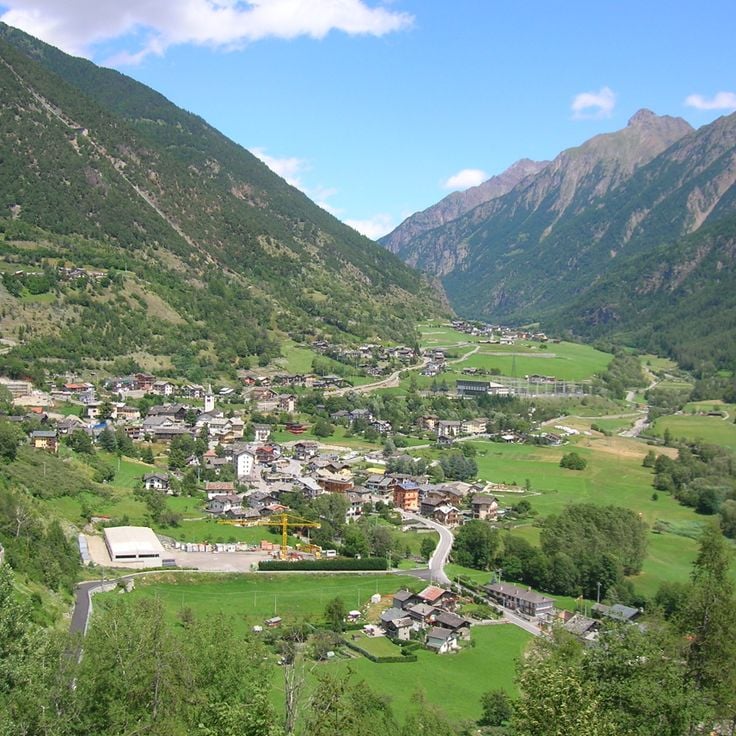
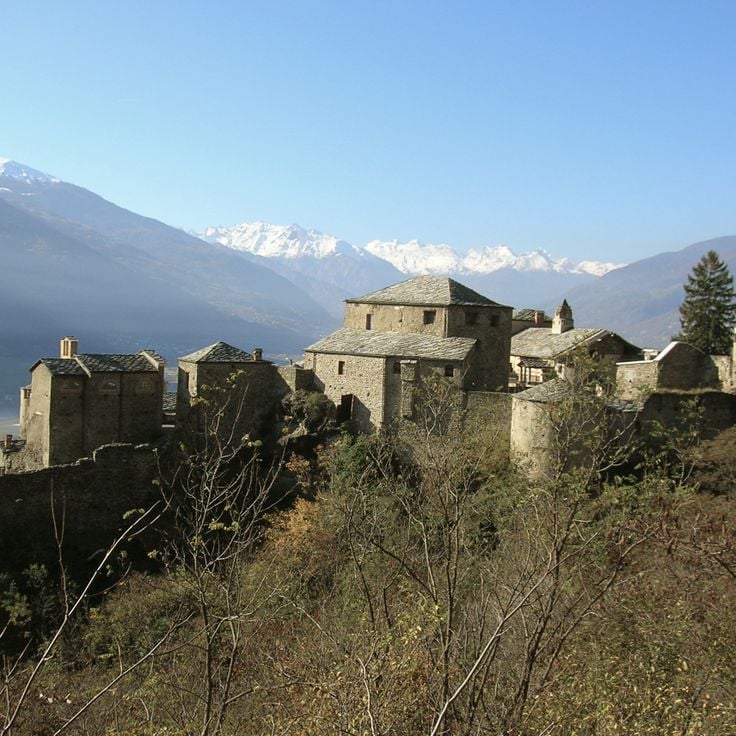
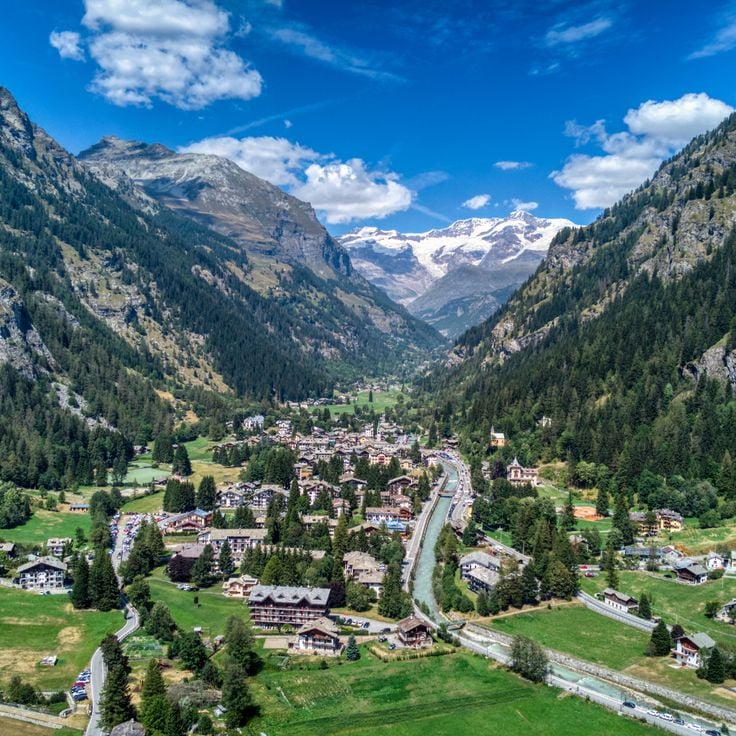
The Aosta Valley is in the northwest of Italy, between France and Switzerland. It is surrounded by peaks that are over 4000 meters high. This area mixes the history of Aosta, with its Augustan arch, ancient theater, and old gates, with a network of castles from the medieval period. Fénis Castle keeps its wall paintings from the 15th century, Sarre has a collection of hunting trophies, and Bard Fortress overlooks the valley from a rocky point.
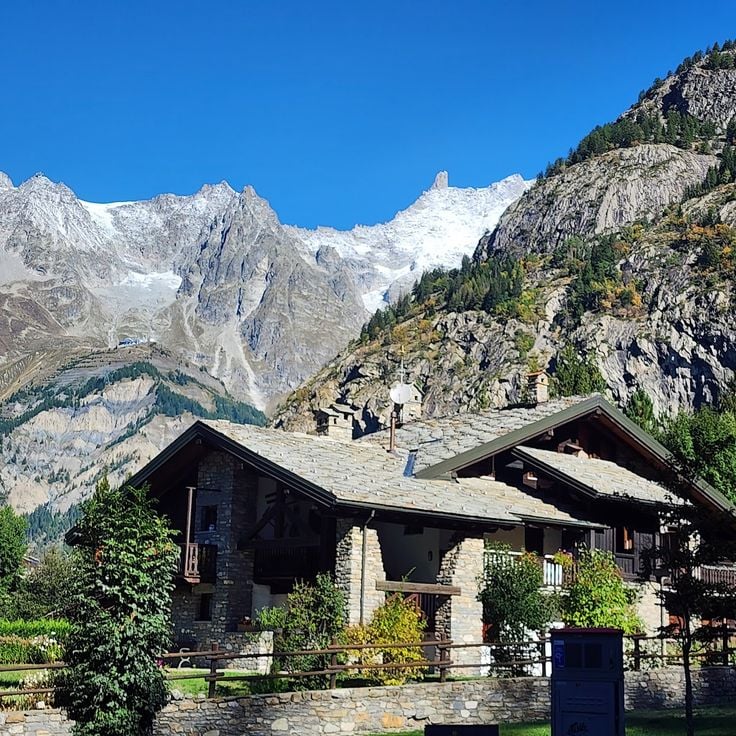
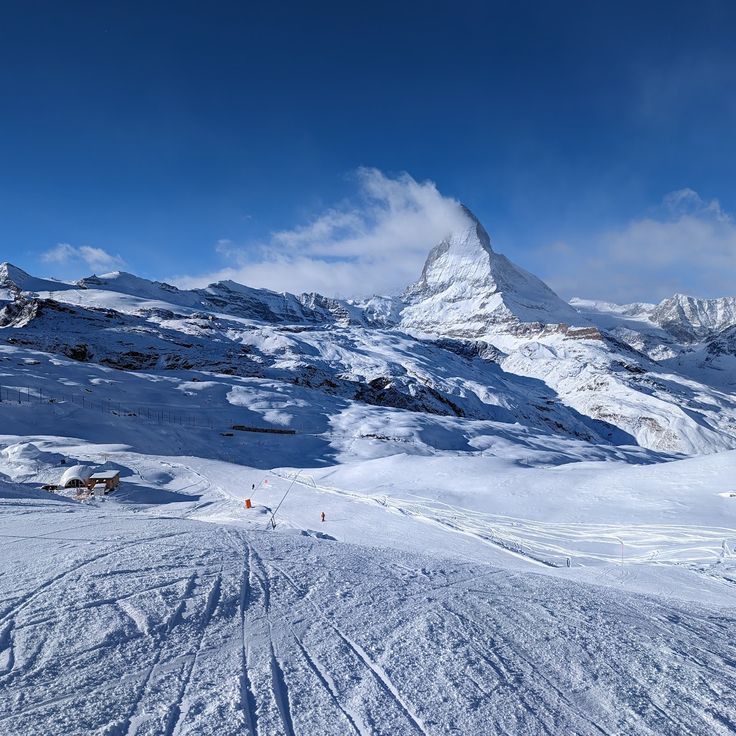
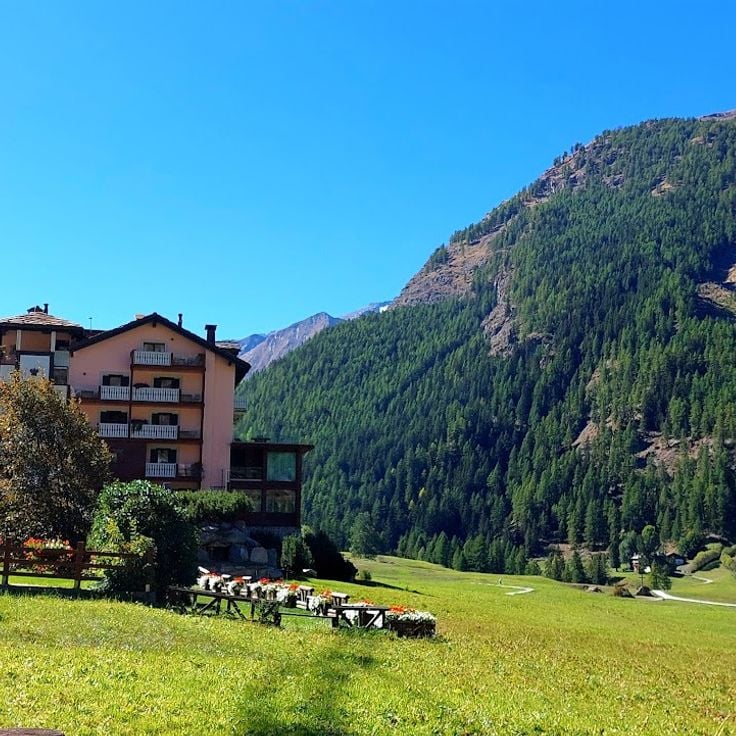
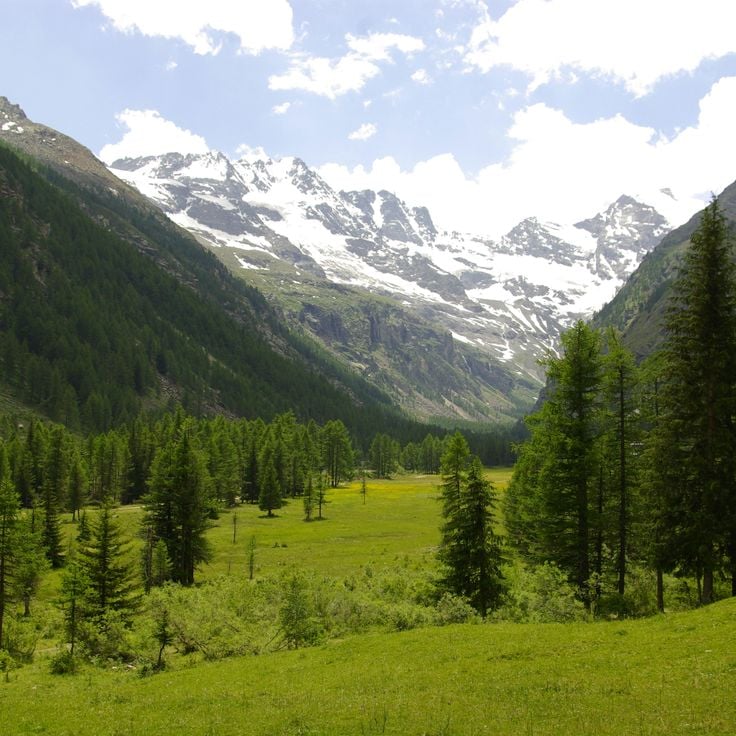
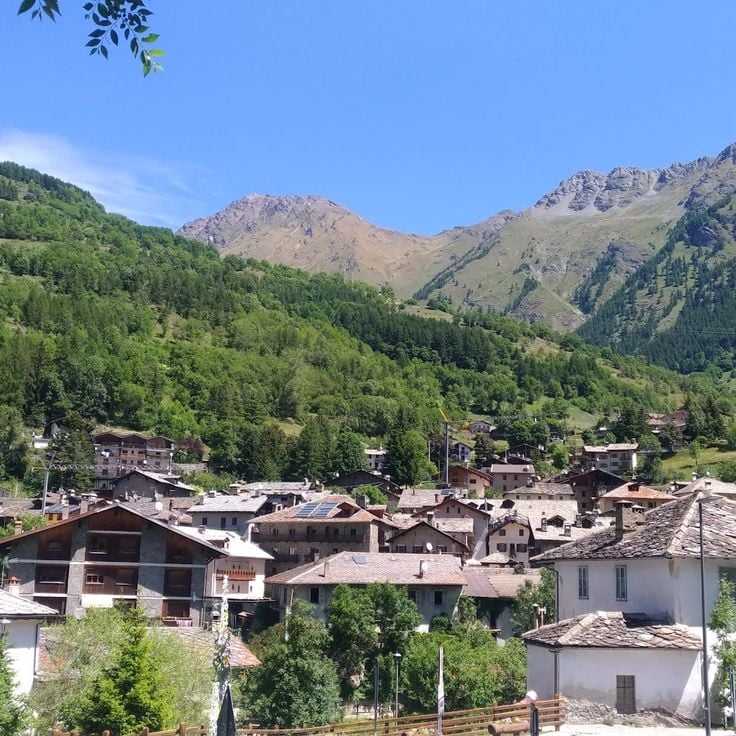
The mountain villages, like Cogne or Gressoney, keep their mountain ways and their stone and wood buildings. The Grand-Paradis National Park has walking paths in a protected zone where ibex and marmots live. In winter, the ski resorts of Courmayeur and Cervinia let you ski facing the Mont Blanc and the Matterhorn. You can travel through side valleys and historic passes to learn about the past and enjoy the high-altitude scenery.
Aosta Valley: medieval castles, Roman remains and mountain peaks
The Aosta Valley is in the northwest of Italy, between France and Switzerland. It is surrounded by peaks that are over 4000 meters high. This area mixes the history of Aosta, with its Augustan arch, ancient theater, and old gates, with a network of castles from the medieval period. Fénis Castle keeps its wall paintings from the 15th century, Sarre has a collection of hunting trophies, and Bard Fortress overlooks the valley from a rocky point.
The mountain villages, like Cogne or Gressoney, keep their mountain ways and their stone and wood buildings. The Grand-Paradis National Park has walking paths in a protected zone where ibex and marmots live. In winter, the ski resorts of Courmayeur and Cervinia let you ski facing the Mont Blanc and the Matterhorn. You can travel through side valleys and historic passes to learn about the past and enjoy the high-altitude scenery.
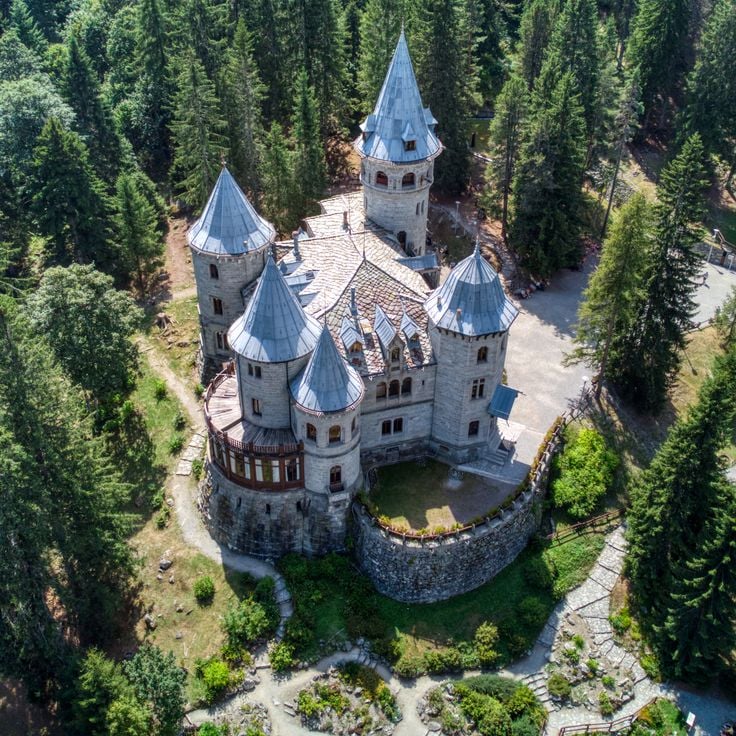
This castle overlooks the village of Gressoney-Saint-Jean in the Aosta Valley and offers views of the surrounding alpine peaks. The mountain fortress fits into the network of medieval strongholds that define this region, where Roman remains from Aosta connect to the history of the Alpine landscape.
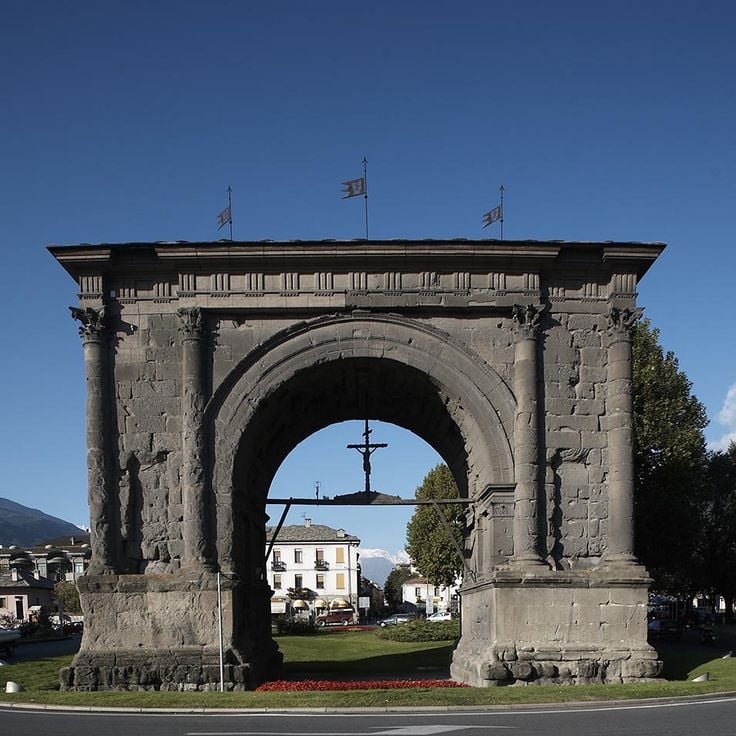
This arch in Aosta is a Roman monument from the 1st century before Christ. It was built to mark the Roman conquest of the valley. The arch stands at the entrance of the ancient city and shows the Roman power that shaped this region. You can see the stone work and architecture that was typical of the Romans.
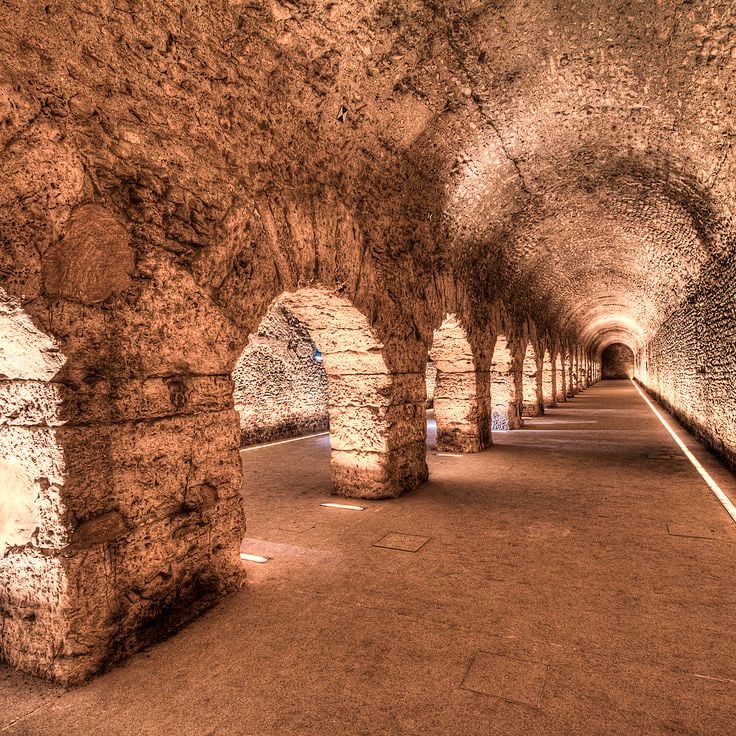
The Criptoportico Forense is an underground Roman gallery that led to the ancient forum of Aosta. This structure shows how the Romans built their cities. Walking through this passage, you can see the construction methods and techniques they used for underground structures. It is a rare example of how Romans used the space beneath their cities.
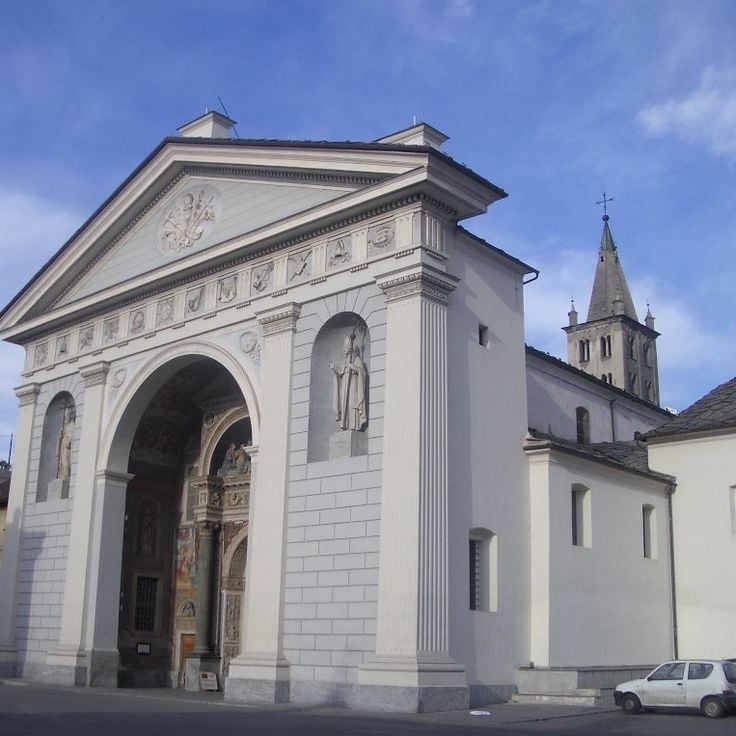
The Cathedral of Santa Maria Assunta rises in the center of the ancient city of Aosta, surrounded by towering mountains. Built starting in the 4th century, it combines Romanesque and Gothic styles. Inside, several chapels and religious decorations fill the space, telling the story of centuries of worship. This cathedral stands as a focal point of religious life in the Vallée d'Aoste and shows how the region blends its Roman past with the medieval period.
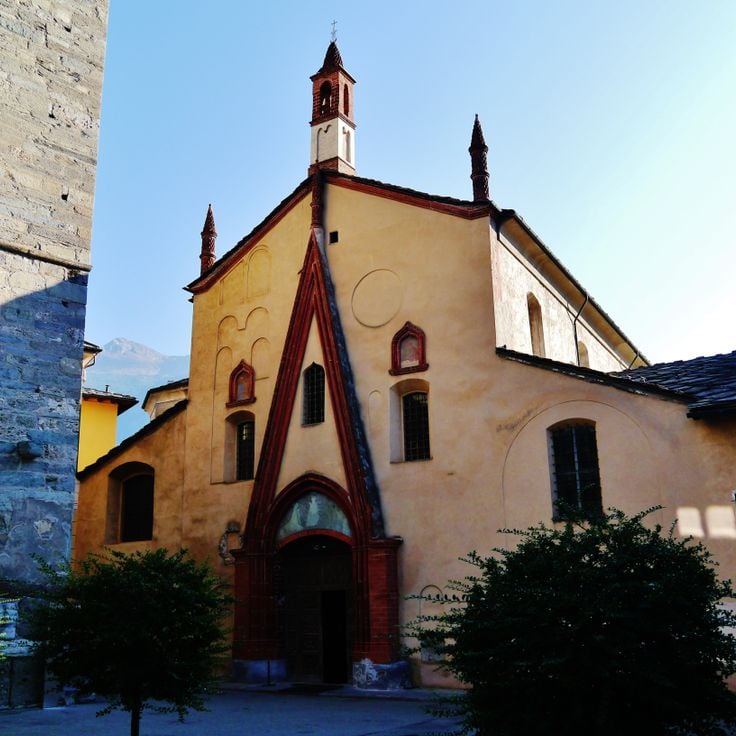
The Collegiata di Sant'Orso is a Romanesque church from the 11th century located in the heart of Aosta. Its cloister dates from the Middle Ages and preserves historical columns that speak to its age. Inside, you will find ancient mosaics and frescoes that reflect the religious art of the period. The cloister provides a quiet place to walk and sit, while the church itself displays the architectural features typical of Romanesque style found throughout this Alpine region.
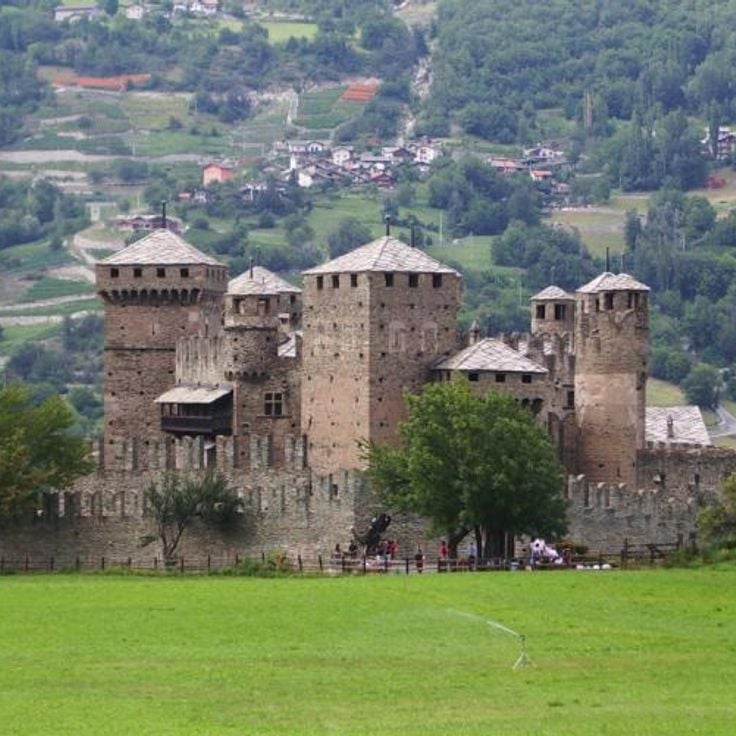
Castel Fenis is one of the major medieval fortified castles in the Aosta Valley. The castle was built with thick stone walls and towers that stand out against the Alpine landscape. Inside, the castle preserves frescoes from the 15th century that show the artistic craftsmanship of that era. From the castle, visitors can see across the valleys and hills of the surrounding mountains. This fortress demonstrates how medieval lords expressed their power through impressive stone construction.
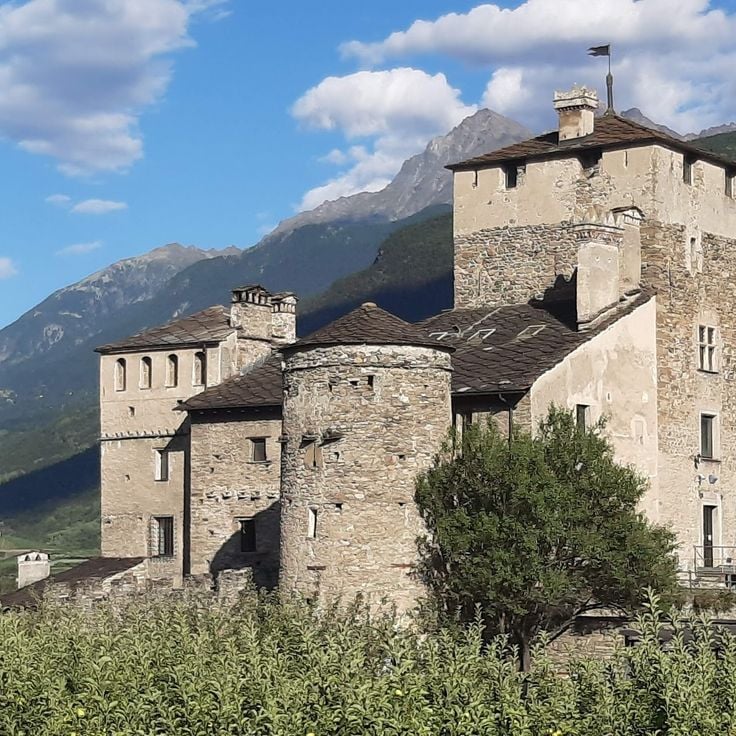
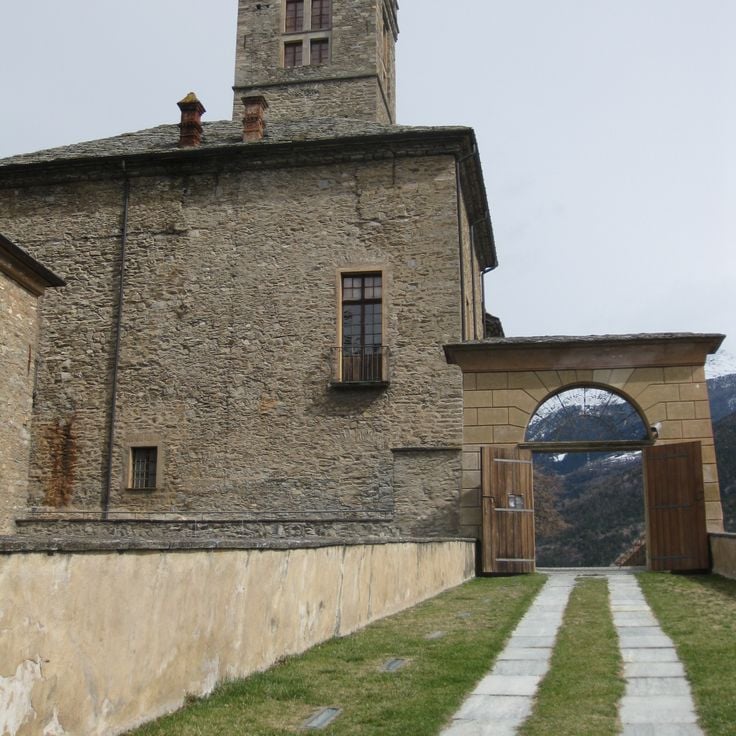
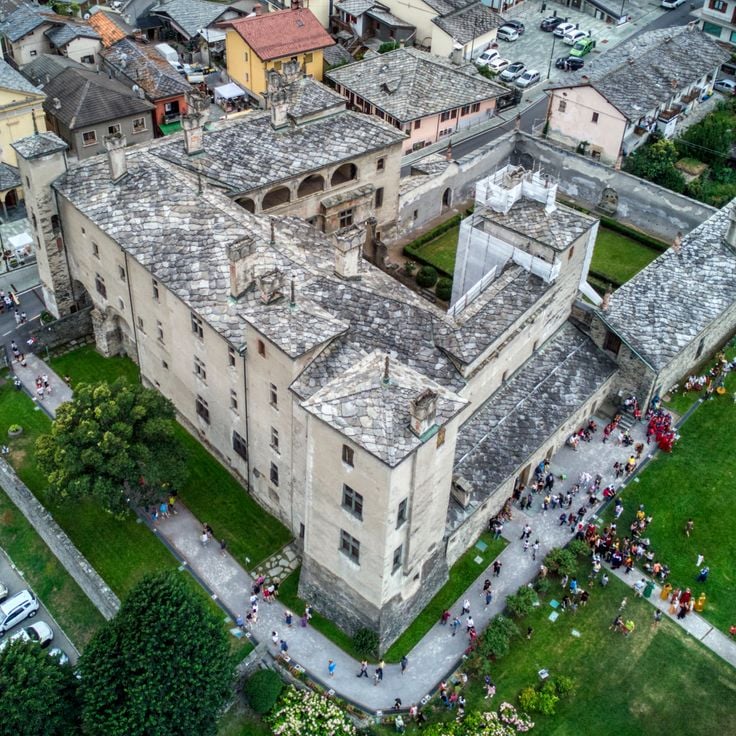
Castel Sarriod de la Tour is a fortified castle in a side valley of the Vallée d'Aoste, with towers and defensive walls that show how medieval castles were built in this Alpine region. Located in Saint-Pierre, this castle is part of the network of medieval strongholds scattered across the valleys and hillsides of the area.
Castello di Quart is a fortress with massive towers that stands at the entrance of the main valley. It has guarded the approaches to the Vallée d'Aoste for centuries and showcases the medieval military architecture of this Alpine region. The building combines practical defensive design with the landscape dominance typical of the castle landscape between France and Switzerland. This castle embodies the strategic importance of valley fortifications and their role in regional history.
The Castello Reale di Sarre is a royal hunting lodge used by the Italian royal family. This castle combines medieval architecture with royal furnishings from later periods. Inside, it houses a significant collection of hunting trophies that reflects the kings' passion for hunting in the Alps. The castle sits in the Vallée d'Aoste, a region filled with medieval castles and Roman history, surrounded by high mountain peaks.
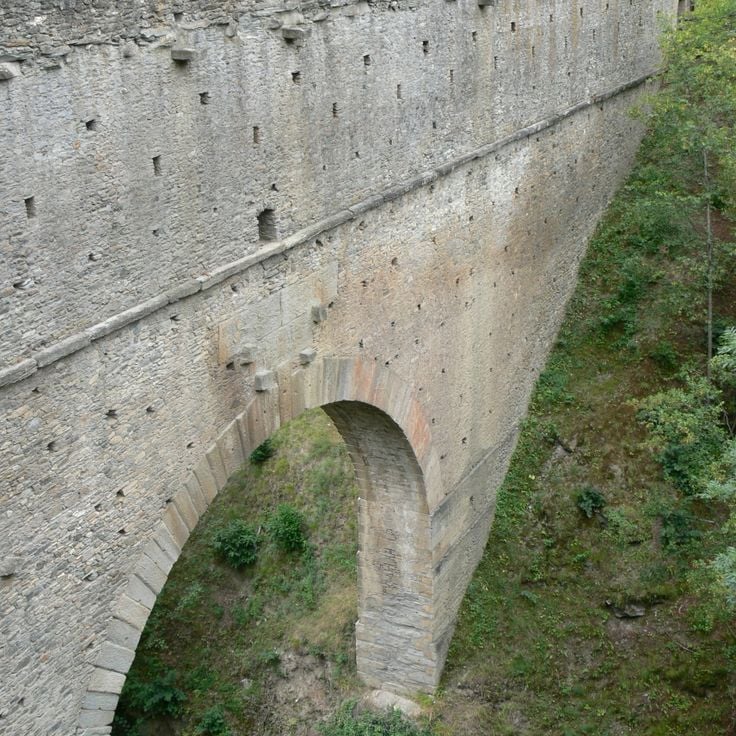
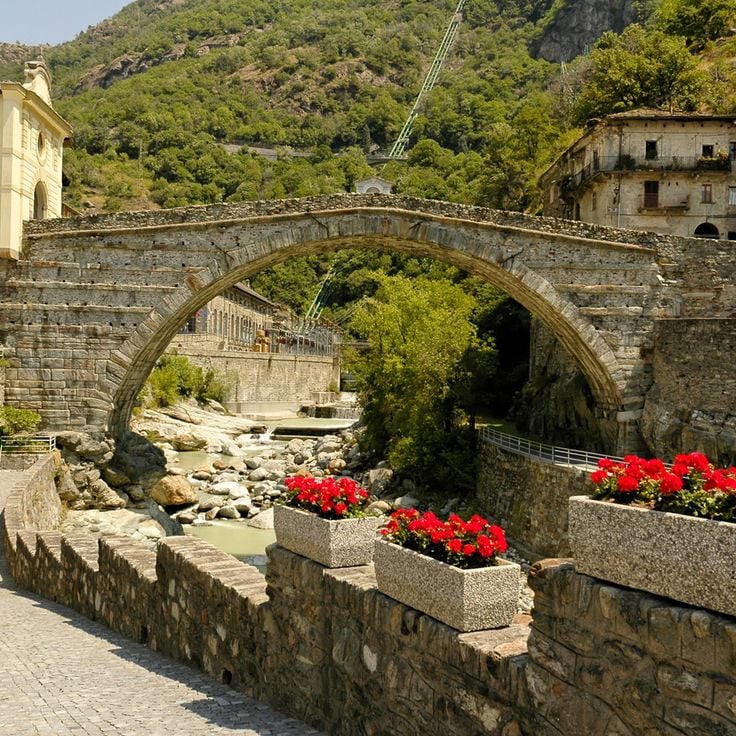
The Ponte Romano in Aosta is an ancient Roman bridge that spans a river. The structure showcases Roman engineering techniques with its stone arches. This bridge connects to the rich Roman history of the Aosta Valley, which also preserves Augustus Gate, an ancient theater, and historic city gates. In this region between France and Switzerland, alongside Roman remains are numerous medieval castles built on hills and in valleys, while mountain villages maintain their Alpine traditions through stone and wood architecture.
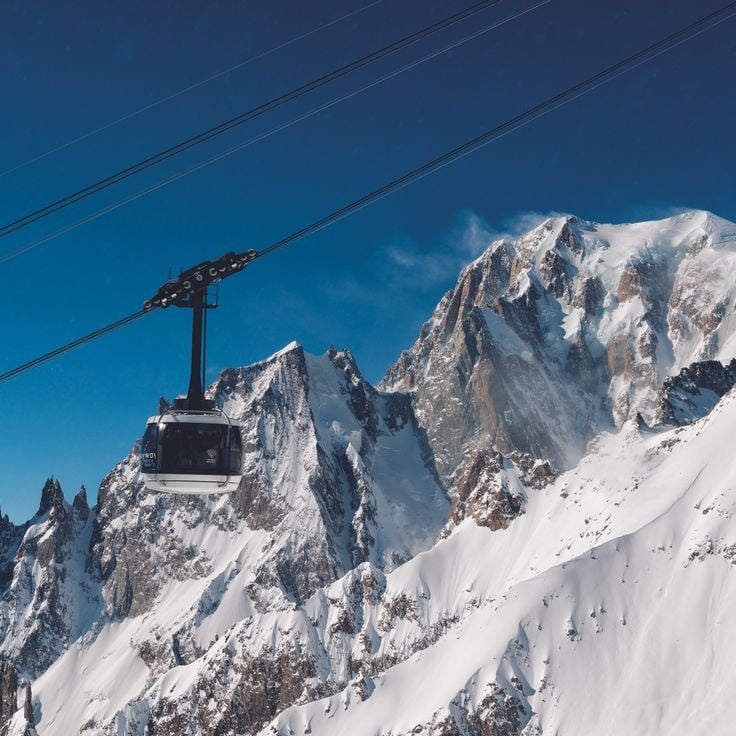
Skyway Monte Bianco is a modern cable car in Courmayeur that takes visitors to different altitudes on Mont-Blanc. The cabins rotate during the journey, offering 360-degree views of the highest peak in the Alps and the surrounding mountain ranges. Three stations allow guests to stop and explore the landscape or take in the views. This cable car connects the historical mountain heritage of Vallée d'Aoste with modern technology, making the high-altitude landscape accessible to everyone.
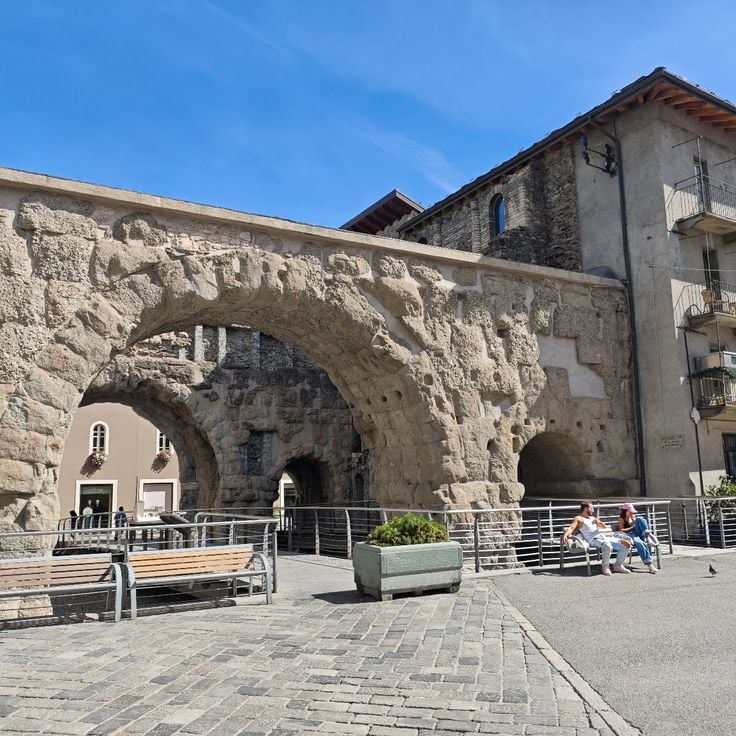
The Porta Praetoria is one of the four main gateway entrances to the ancient Roman city of Aosta. This fortified gate displays the characteristic style of Roman military architecture with its arches and stone walls made from large blocks. It stands as evidence of the Roman past in this Alpine region and shows the strategic importance that Aosta held as a Roman settlement. The structure of the gate gives insight into how ancient cities were planned and how fortifications were built during the Roman period.
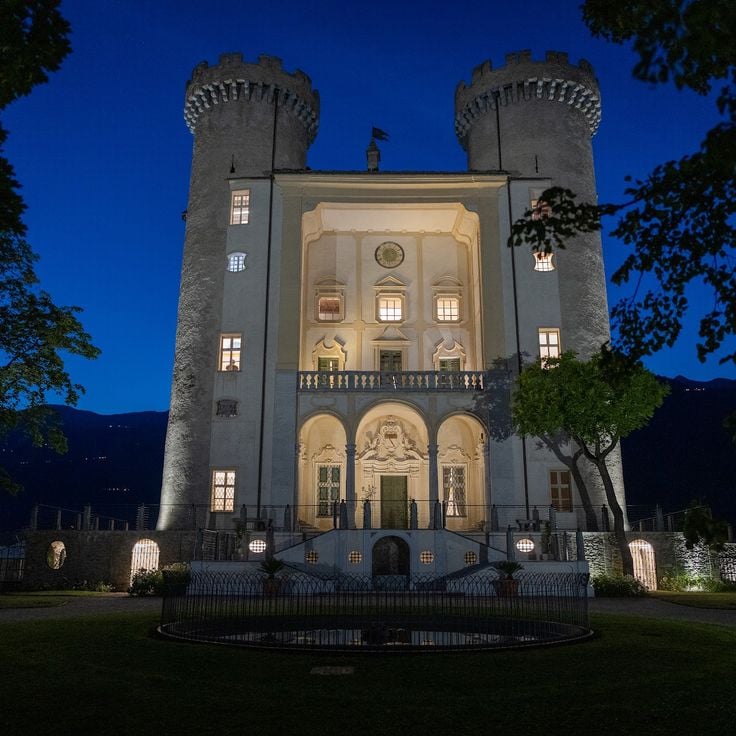
Castel Aymavilles combines Roman and medieval architecture in a single structure. Two towers define its appearance, built when Romans occupied the region and later expanded during the Middle Ages. This castle shows how the Aosta Valley developed from a Roman settlement into a medieval territory where defensive positions mattered. Walking around it, you can see how different periods added their own mark to the building.
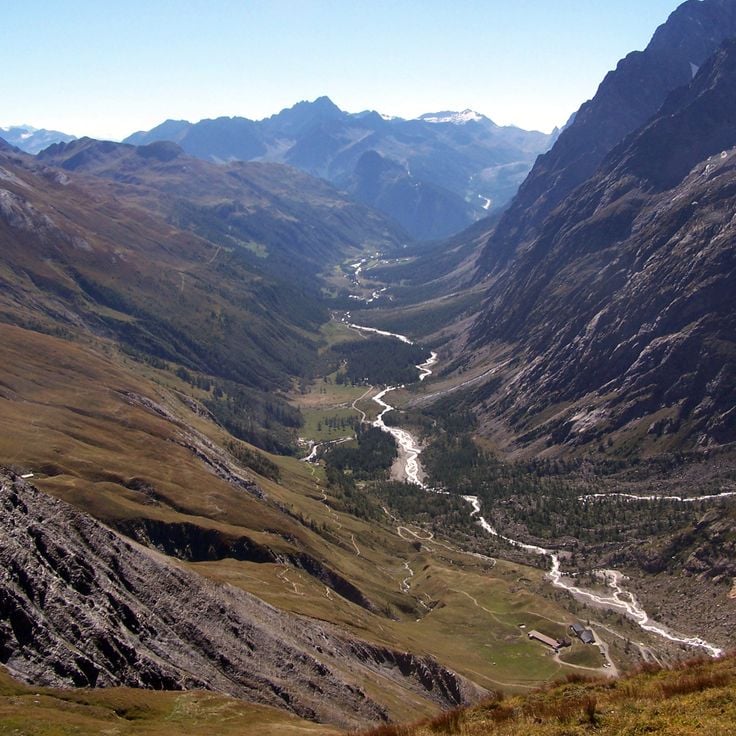
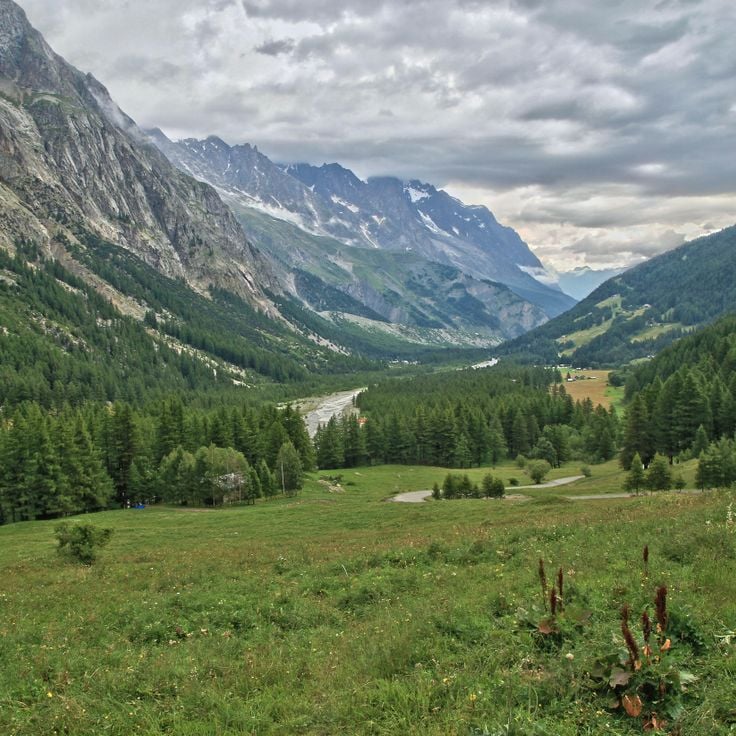
Val Ferret extends at the foot of Mont-Blanc and is part of the Vallée d'Aoste, a region between France and Switzerland surrounded by peaks over 4000 meters (13,100 feet) high. This valley offers hiking trails with views of the Alps and is characterized by mountain huts that welcome hikers. The area combines alpine architecture with a history that goes back to Roman times.
Castello di Issogne is a Renaissance castle in the Aosta Valley, part of a region that blends Roman history with medieval fortifications scattered across the landscape. The castle's interior courtyard features an ornate fountain and refined architectural details that reflect the wealth and taste of its former inhabitants. This building shows how Renaissance design reached even the remote alpine valleys of northern Italy. Walking through the courtyard, you sense the elegance that once marked life in these mountain territories.
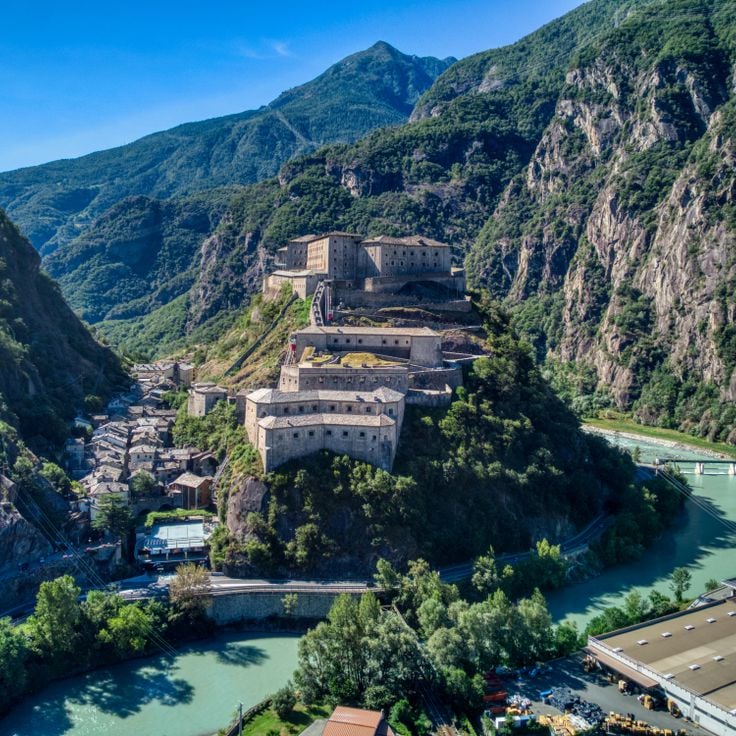
The Forte di Bard is a restored military fortress that rises above Bard and overlooks the valley. Built on a rocky ridge, this fort offers views across the entire landscape below. Inside are several museums with exhibitions about military history and the region's past. Visitors can walk through the rooms and learn how this place functioned over the centuries. The fortress shows how strategically important this location was and how people once lived and worked here.
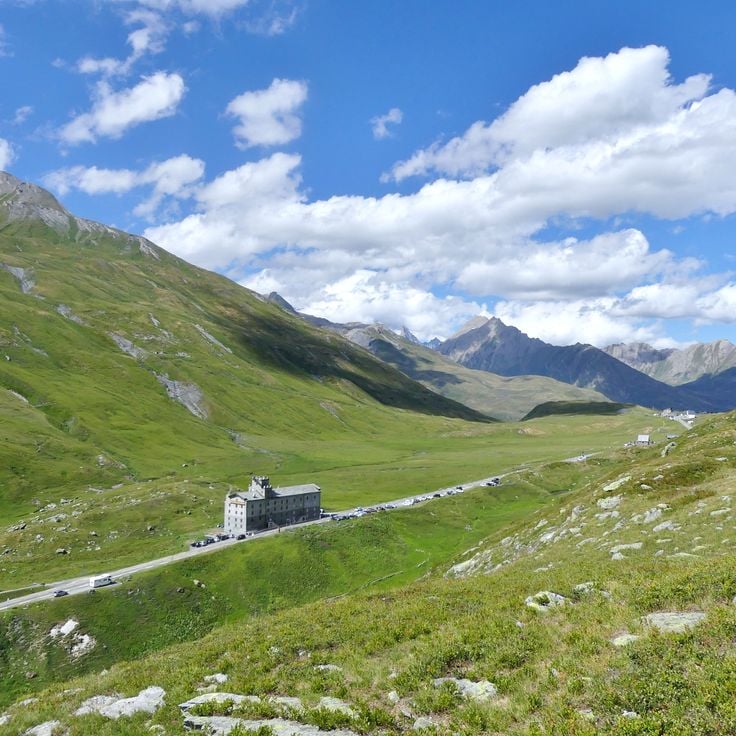
The Colle del Piccolo San Bernardo is a mountain pass that connects the Aosta Valley to Savoy. The winding road leads through alpine landscapes with changing views at every turn. This pass fits into the region's long history, as the Romans once used such routes to cross the mountains. It sits in an area where medieval fortresses stand on hillsides and mountain villages maintain their old ways of living. The drive over the pass reveals the diversity of this region between high peaks.
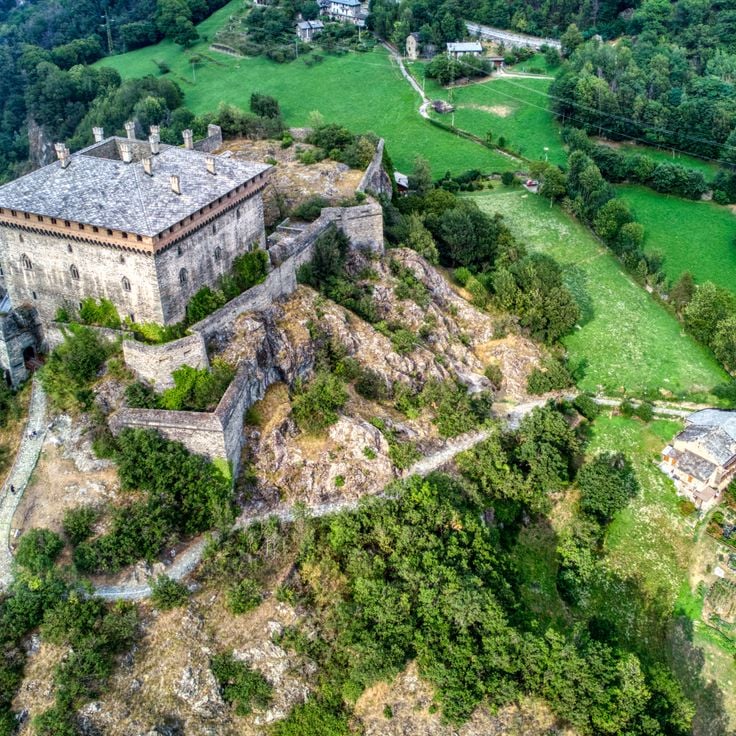
The Castello di Verrès is a 14th-century castle in the Aosta Valley region that represents the medieval architecture of this Alpine area. The fortress has a distinctive pyramidal shape with thick walls and crenellations typical of fortified medieval construction. It stands in a territory filled with historical structures, among Roman remains and other medieval castles.
La Thuile is a mountain village on the French border where ski lifts operate in winter and hiking trails cross the Alps in summer. From here you can reach alpine passes and see views across the region's peaks. The village sits in the Vallée d'Aoste, where medieval castles stand on hillsides and Roman remains in Aosta recall ancient times.
Courmayeur is an alpine resort at the foot of Mont-Blanc in the Aosta Valley. The town offers restaurants, shops, and direct access to ski lifts and mountain trails. In winter, Courmayeur attracts skiers who want to ride the slopes with views of Mont-Blanc. In summer, the same cable cars bring hikers to higher elevations, where marmots and ibex can be spotted.
Val Veny near Courmayeur is a valley that opens beneath Mont Blanc. It is known for direct views of the mountain and its snow-covered slopes. Paths and roads lead to glaciers and high peaks. In winter, visitors can ski here, and in summer many people hike through the valley to see the mountain landscape. Val Veny connects the history of the Alpine region with its natural character.
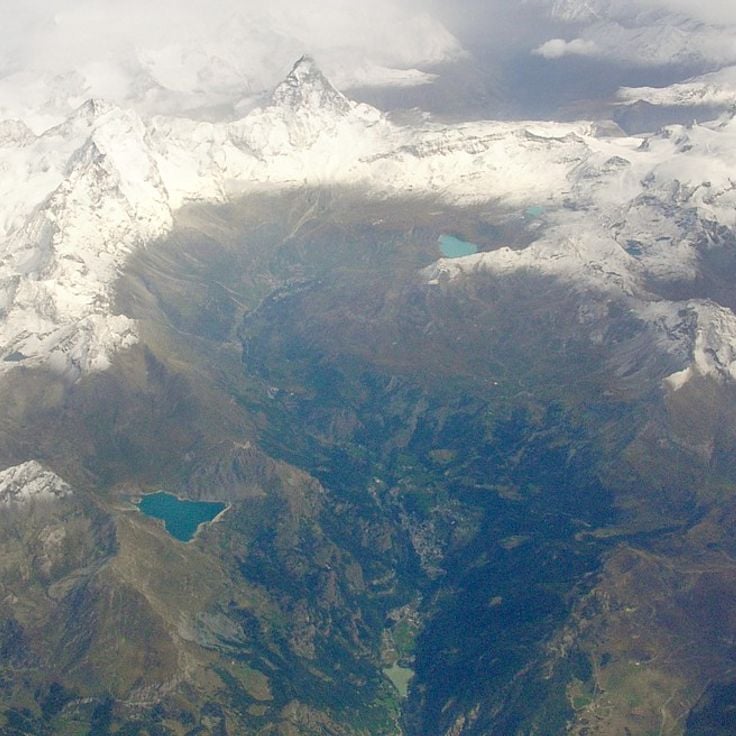
The Val d'Ayas is a side valley within the Vallée d'Aoste in northwestern Italy, located between France and Switzerland. This valley provides access to Champoluc and the slopes of Monte Rosa, one of the highest mountains in the Alps. Alpine villages with traditional stone and wood architecture sit within the valley. Hiking trails run through the terrain and lead to mountain landscapes. The region combines Roman history with medieval castles and alpine traditions.
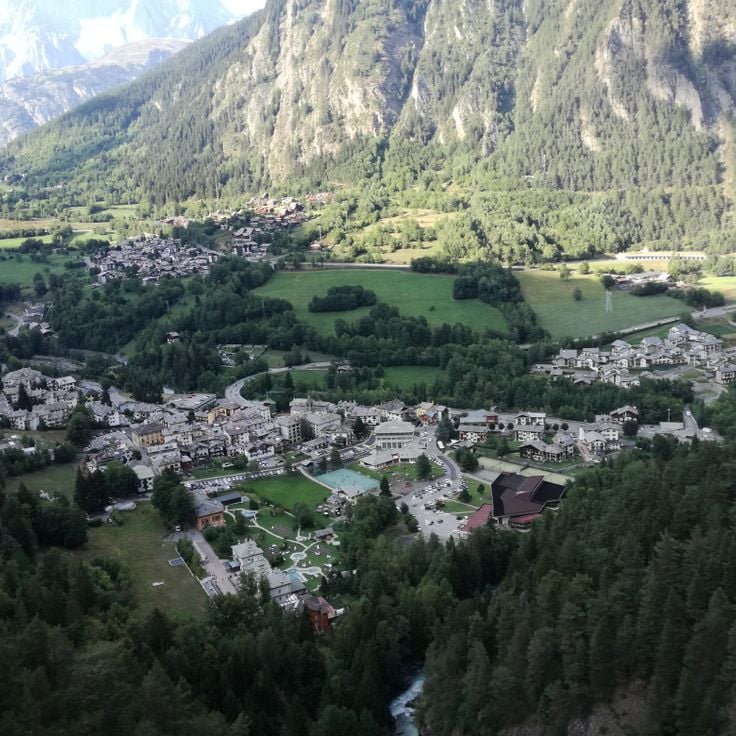
Pré-Saint-Didier is a thermal resort in the Aosta Valley that draws on natural hot springs rising from the ground. The modern thermal complex here offers baths and wellness treatments in a mountain setting. Visitors come to soak in the warm waters and use the spa facilities. The resort provides various treatments that make use of the natural heat source. This destination fits within a region where Roman history, medieval castles, and alpine landscapes meet.
Breuil-Cervinia is a mountain village at the foot of the Matterhorn in the Aosta Valley. This ski resort sits at high elevation and serves as a starting point for both climbers and skiers. The village has direct access to lifts that lead to the peaks. The buildings are built in typical alpine architecture with stone and wood. In winter, skiers from around the world come here to ski on the slopes surrounding the Matterhorn. In summer, climbers use the village as a base for their routes to the summit.
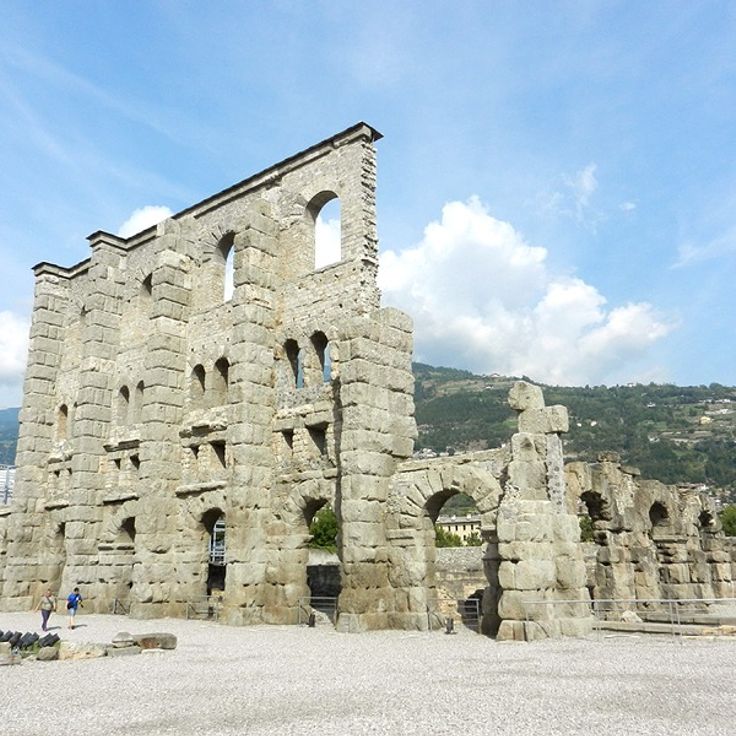
The Roman Theater in Aosta consists of ruins from the imperial period that show how the Romans built their entertainment structures. You can still see the foundations and walls that once held the seating areas and stage. This theater is part of Aosta's Roman heritage, which includes the Augustus Arch and ancient gates that tell the story of this city. It sits in the Aosta Valley, a region surrounded by the Alps where Roman monuments and medieval castles sit side by side.
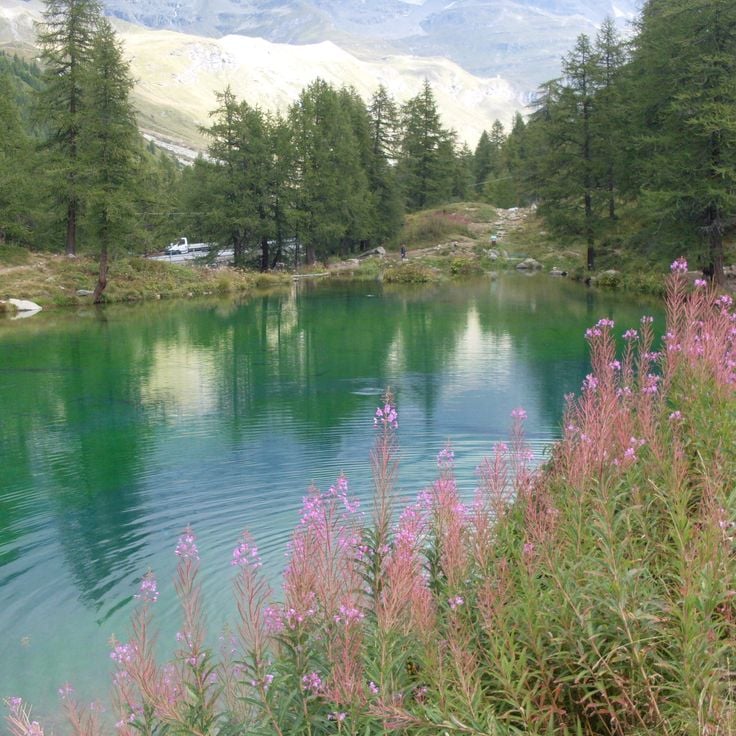
Lake Bleu sits near Breuil-Cervinia in the Aosta Valley, where the surrounding peaks mirror in its waters. The lake's blue waters invite walks around the shoreline at a moderate altitude. This lake is part of a region that combines Roman heritage with medieval castles and high mountain landscapes.
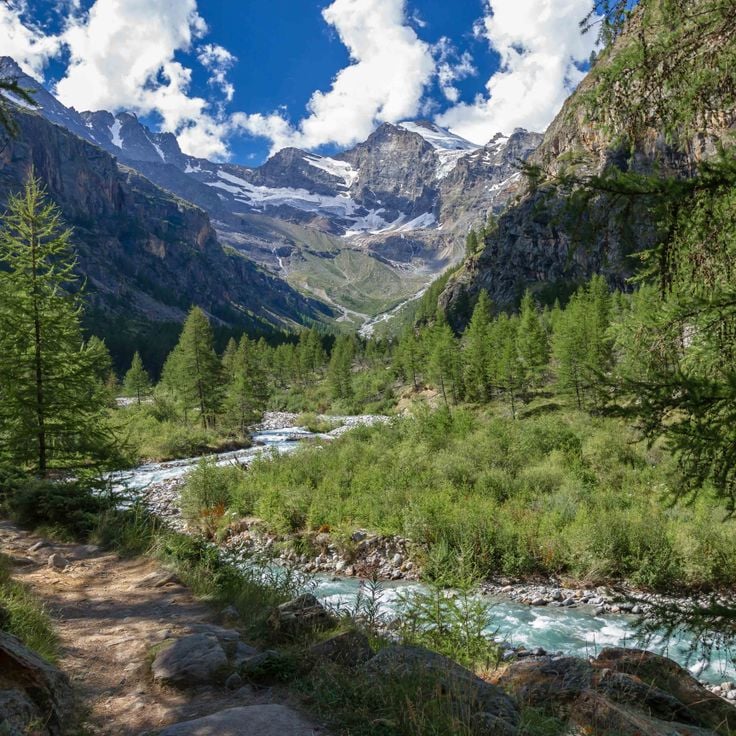
This national park in the Aosta Valley provides trails through protected alpine terrain. The park is home to ibex and marmots living in their natural habitat. It offers a way to explore the region's high mountain landscapes and observe wildlife while walking through the area.
Valtournenche is a mountain village in the Aosta Valley that serves as a starting point for hiking and mountain exploration. The village sits in a valley that extends toward the peaks of the Matterhorn. This location combines traditional alpine architecture with direct access to mountain trails and high-altitude pastures that characterize the region.
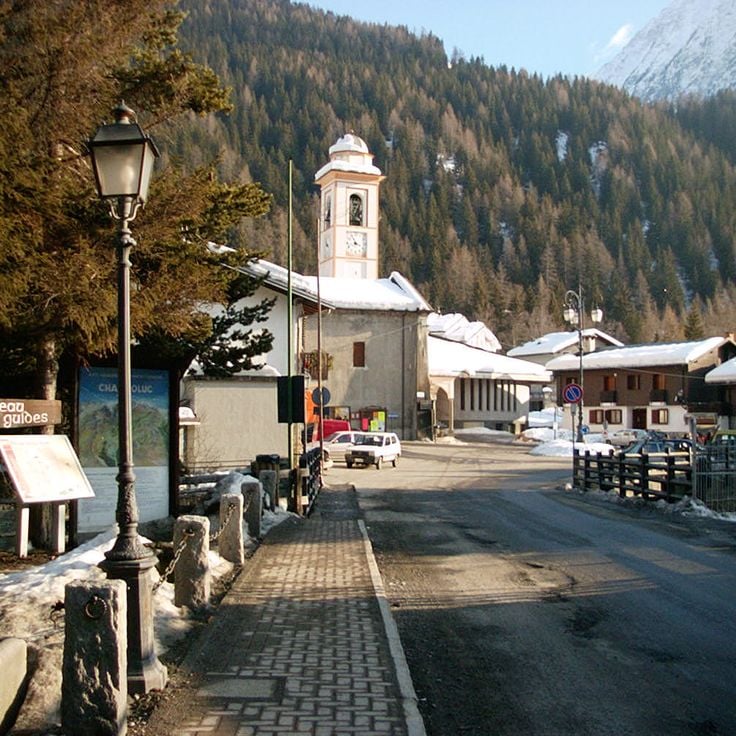
Champoluc is a mountain village in the Ayas Valley within Aosta Valley. The village serves as a starting point for skiers and hikers who want to explore the slopes of Monte Rosa. Lift systems connect different elevations and provide access to ski runs and alpine trails. The settlement itself shows the building style and rhythm of mountain life, where stone and wood dominate the houses and proximity to high peaks shapes daily routines.
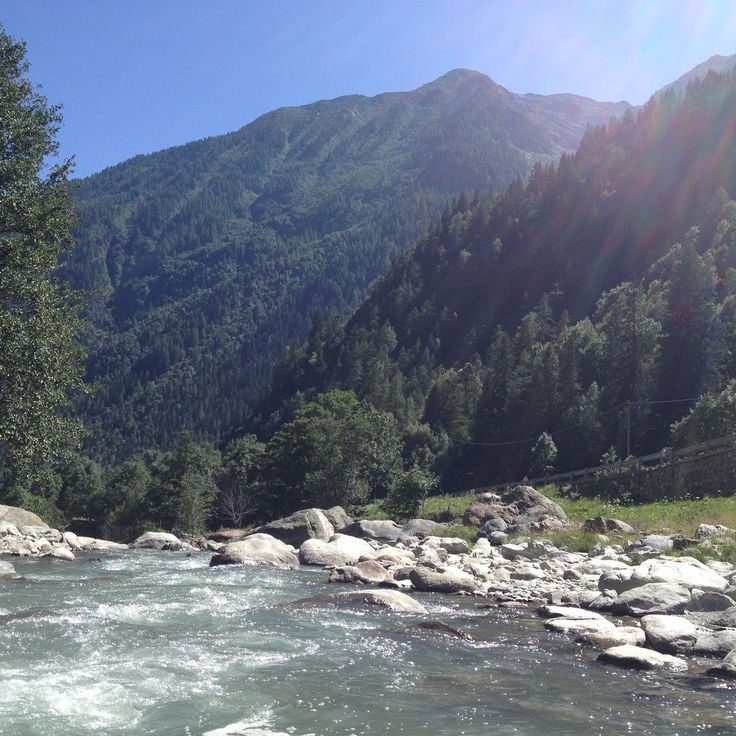
This valley sits in the Alps below the Monte Rosa massif. The traditional villages here have stone buildings with wooden elements, typical of alpine settlements. Hiking paths run through the valleys and over passes, past mountain huts where walkers stop to rest. In summer people come to hike, in winter to ski. The Val di Gressoney belongs to the Aosta Valley, a region between France and Switzerland with Roman ruins in Aosta and medieval castles on the hillsides.
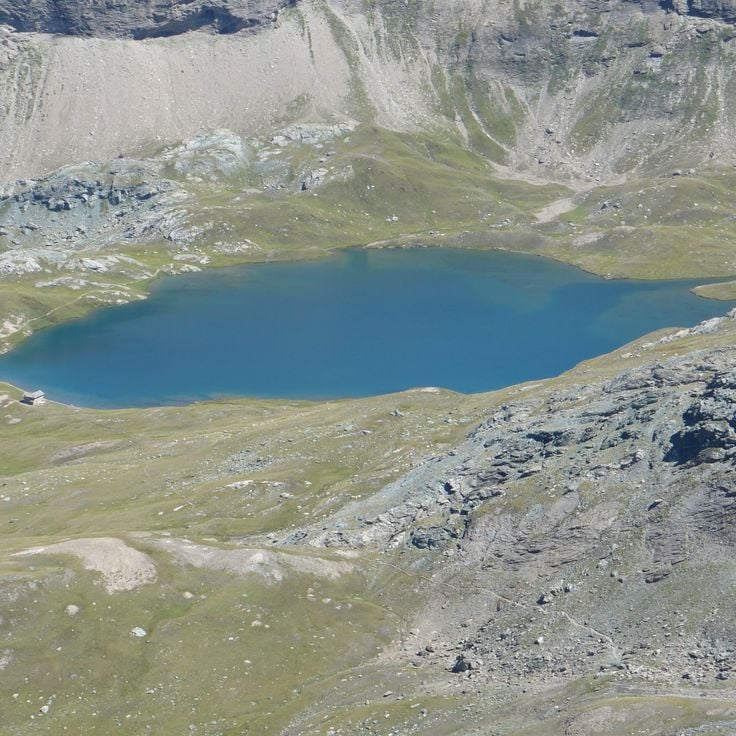
Lake Miserin is a high-altitude lake in the Mont Avic Park in the Aosta Valley, surrounded by hiking trails. This region combines Roman history with medieval castles and alpine mountains. The lake offers various walking routes, and several mountain shelters provide places to rest. The surrounding area shows the typical alpine architecture of stone and wood found in the mountain villages of the region.
Gressoney-Saint-Jean is an alpine village at the entrance of the Gressoney Valley in the Aosta Valley. The village displays traditional alpine architecture with stone buildings and wooden structures typical of the region. From here, visitors can see the slopes of Monte Rosa and access mountain hiking trails that lead into the surrounding heights. The village preserves the way of life of mountain dwellers and follows the rhythm of the seasons.
The village of Cogne sits at the entrance to Gran Paradiso National Park and serves as a natural base for hikers and outdoor travelers. From this point, trails lead into protected mountain landscapes where ibex and marmots roam. Restaurants and shops in the village provide supplies for those heading into the park. The traditional architecture of stone and wood reflects how mountain communities have built their homes here for generations. In winter, Cogne becomes a gathering place for snowshoers seeking quieter mountain experiences away from busy ski resorts.
Valnontey is a valley in the Gran Paradiso National Park near Cogne. It offers hiking trails ranging from easy to moderate difficulty. Along these paths, visitors find mountain huts that provide rest and meals. The valley displays the region's typical alpine landscape with meadows and mountain slopes. Here hikers can spot ibex and marmots.
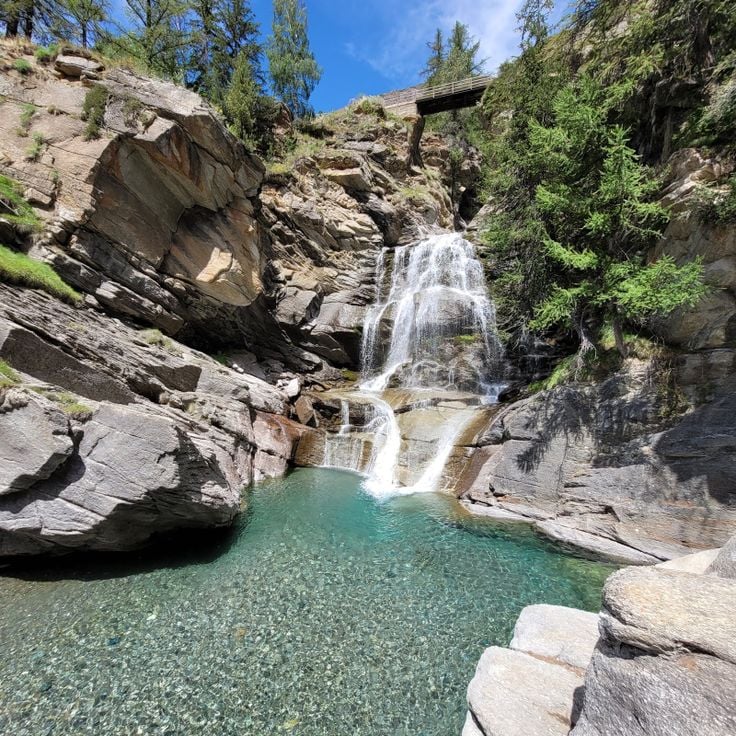
The Lillaz waterfalls sit in the Grand Paradiso National Park, fed by glacier melt flowing down the mountainside. A trail from the village of Cogne leads visitors up to these cascades, which plunge down in a series of drops. The walk passes through alpine meadows and forests, offering views of how water carves through rock and shapes the mountain landscape.
The Mont Avic Natural Park in Champdepraz is a regional protected area in the Aosta Valley. This park has mountain lakes, alpine meadows, and walking trails that connect different valleys. Visitors encounter marmots and mountain birds while exploring the lakes and ridges that define this high-altitude landscape.
Etroubles is a mountain village in the Aosta Valley that provides access to the Great Saint Bernard Pass. This village preserves traditional alpine architecture with stone houses set into the hillside. It serves as a starting point for hikers and connects Italy with Switzerland through historic mountain routes. The narrow lanes and old buildings reflect centuries of settlement in this high-altitude valley, where passes have linked people since ancient times.
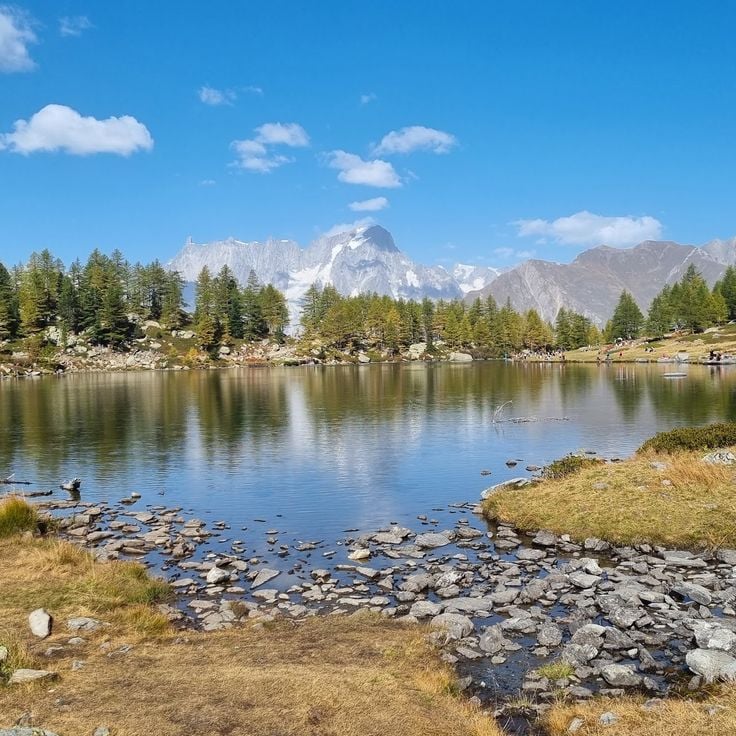
The Lac d'Arpy is a mountain lake near Morgex that you can reach by an easy hiking trail. The water reflects the surrounding peaks, creating a calm setting for a walk. The lake sits in a valley surrounded by high mountains and makes for a nice day trip. The path there passes through meadows and forests where you can enjoy the quiet of the mountains.
The Pont Saint-Martin in the Vallée d'Aoste is a Roman arch bridge that crosses a river. This ancient bridge shows Roman engineering skill and stands as a historical landmark. It sits within a region where Roman remains mix with medieval castles, all surrounded by high Alpine peaks.
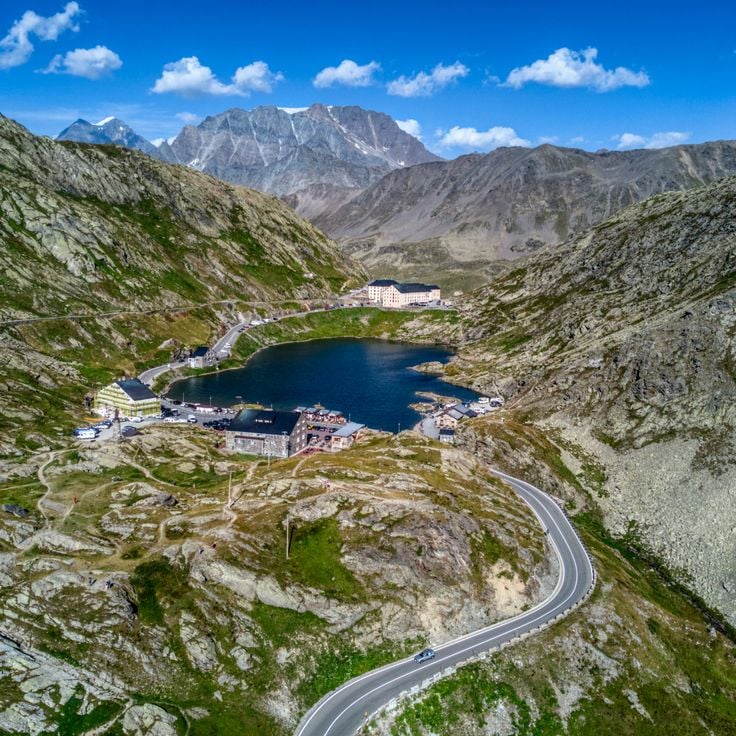
The Colle del Gran San Bernardo is a mountain pass connecting the Aosta Valley to Switzerland. This pass crosses the Alps on a historic route and offers travelers an alpine panorama. The pass represents an important link between two countries and follows the path of ancient trade routes that have guided people over the mountains for centuries.
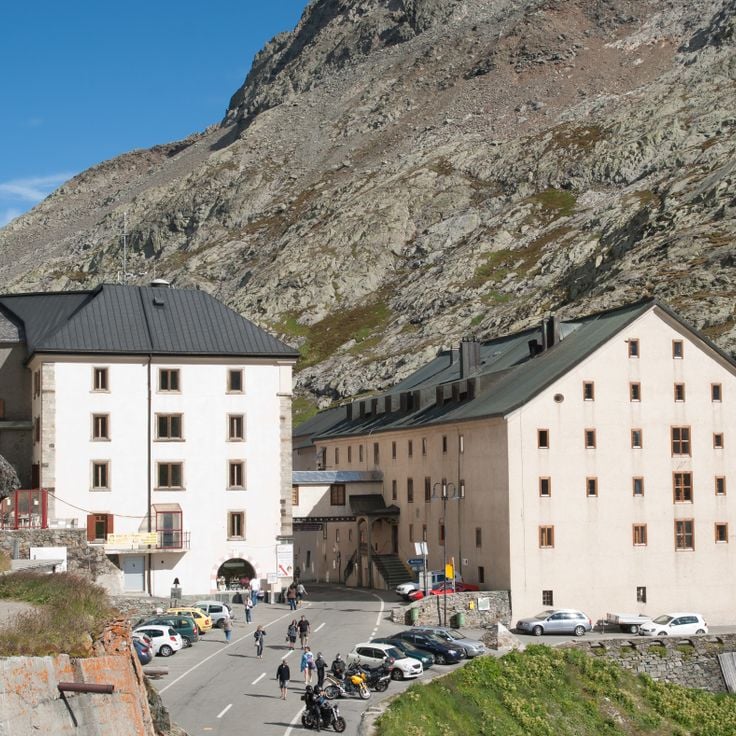
The Hospice of Gran San Bernardo is a historic building located at the summit of the mountain pass of the same name. It has provided shelter and accommodation for travelers and mountaineers for centuries. Within this region between France and Switzerland, this hospice serves as a significant stop along ancient trade routes and alpine hiking paths.
Valpelline is an authentic alpine valley in northwestern Italy, located between France and Switzerland. The valley offers a glimpse into the traditional way of life of mountain inhabitants and displays unchanged alpine landscapes. The region is part of the Vallée d'Aoste, which is known for its Roman history, medieval castles, and high mountain peaks. In Valpelline, visitors can experience rural culture and explore nature through its hiking trails.
This castle overlooks the village of Gressoney-Saint-Jean in the Aosta Valley and offers views of the surrounding alpine peaks. The mountain fortress fits into the network of medieval strongholds that define this region, where Roman remains from Aosta connect to the history of the Alpine landscape.
This arch in Aosta is a Roman monument from the 1st century before Christ. It was built to mark the Roman conquest of the valley. The arch stands at the entrance of the ancient city and shows the Roman power that shaped this region. You can see the stone work and architecture that was typical of the Romans.
The Criptoportico Forense is an underground Roman gallery that led to the ancient forum of Aosta. This structure shows how the Romans built their cities. Walking through this passage, you can see the construction methods and techniques they used for underground structures. It is a rare example of how Romans used the space beneath their cities.
The Cathedral of Santa Maria Assunta rises in the center of the ancient city of Aosta, surrounded by towering mountains. Built starting in the 4th century, it combines Romanesque and Gothic styles. Inside, several chapels and religious decorations fill the space, telling the story of centuries of worship. This cathedral stands as a focal point of religious life in the Vallée d'Aoste and shows how the region blends its Roman past with the medieval period.
The Collegiata di Sant'Orso is a Romanesque church from the 11th century located in the heart of Aosta. Its cloister dates from the Middle Ages and preserves historical columns that speak to its age. Inside, you will find ancient mosaics and frescoes that reflect the religious art of the period. The cloister provides a quiet place to walk and sit, while the church itself displays the architectural features typical of Romanesque style found throughout this Alpine region.
Castel Fenis is one of the major medieval fortified castles in the Aosta Valley. The castle was built with thick stone walls and towers that stand out against the Alpine landscape. Inside, the castle preserves frescoes from the 15th century that show the artistic craftsmanship of that era. From the castle, visitors can see across the valleys and hills of the surrounding mountains. This fortress demonstrates how medieval lords expressed their power through impressive stone construction.
Castel Sarriod de la Tour is a fortified castle in a side valley of the Vallée d'Aoste, with towers and defensive walls that show how medieval castles were built in this Alpine region. Located in Saint-Pierre, this castle is part of the network of medieval strongholds scattered across the valleys and hillsides of the area.
Castello di Quart is a fortress with massive towers that stands at the entrance of the main valley. It has guarded the approaches to the Vallée d'Aoste for centuries and showcases the medieval military architecture of this Alpine region. The building combines practical defensive design with the landscape dominance typical of the castle landscape between France and Switzerland. This castle embodies the strategic importance of valley fortifications and their role in regional history.
The Castello Reale di Sarre is a royal hunting lodge used by the Italian royal family. This castle combines medieval architecture with royal furnishings from later periods. Inside, it houses a significant collection of hunting trophies that reflects the kings' passion for hunting in the Alps. The castle sits in the Vallée d'Aoste, a region filled with medieval castles and Roman history, surrounded by high mountain peaks.
The Ponte Romano in Aosta is an ancient Roman bridge that spans a river. The structure showcases Roman engineering techniques with its stone arches. This bridge connects to the rich Roman history of the Aosta Valley, which also preserves Augustus Gate, an ancient theater, and historic city gates. In this region between France and Switzerland, alongside Roman remains are numerous medieval castles built on hills and in valleys, while mountain villages maintain their Alpine traditions through stone and wood architecture.
Skyway Monte Bianco is a modern cable car in Courmayeur that takes visitors to different altitudes on Mont-Blanc. The cabins rotate during the journey, offering 360-degree views of the highest peak in the Alps and the surrounding mountain ranges. Three stations allow guests to stop and explore the landscape or take in the views. This cable car connects the historical mountain heritage of Vallée d'Aoste with modern technology, making the high-altitude landscape accessible to everyone.
The Porta Praetoria is one of the four main gateway entrances to the ancient Roman city of Aosta. This fortified gate displays the characteristic style of Roman military architecture with its arches and stone walls made from large blocks. It stands as evidence of the Roman past in this Alpine region and shows the strategic importance that Aosta held as a Roman settlement. The structure of the gate gives insight into how ancient cities were planned and how fortifications were built during the Roman period.
Castel Aymavilles combines Roman and medieval architecture in a single structure. Two towers define its appearance, built when Romans occupied the region and later expanded during the Middle Ages. This castle shows how the Aosta Valley developed from a Roman settlement into a medieval territory where defensive positions mattered. Walking around it, you can see how different periods added their own mark to the building.
Val Ferret extends at the foot of Mont-Blanc and is part of the Vallée d'Aoste, a region between France and Switzerland surrounded by peaks over 4000 meters (13,100 feet) high. This valley offers hiking trails with views of the Alps and is characterized by mountain huts that welcome hikers. The area combines alpine architecture with a history that goes back to Roman times.
Castello di Issogne is a Renaissance castle in the Aosta Valley, part of a region that blends Roman history with medieval fortifications scattered across the landscape. The castle's interior courtyard features an ornate fountain and refined architectural details that reflect the wealth and taste of its former inhabitants. This building shows how Renaissance design reached even the remote alpine valleys of northern Italy. Walking through the courtyard, you sense the elegance that once marked life in these mountain territories.
The Forte di Bard is a restored military fortress that rises above Bard and overlooks the valley. Built on a rocky ridge, this fort offers views across the entire landscape below. Inside are several museums with exhibitions about military history and the region's past. Visitors can walk through the rooms and learn how this place functioned over the centuries. The fortress shows how strategically important this location was and how people once lived and worked here.
The Colle del Piccolo San Bernardo is a mountain pass that connects the Aosta Valley to Savoy. The winding road leads through alpine landscapes with changing views at every turn. This pass fits into the region's long history, as the Romans once used such routes to cross the mountains. It sits in an area where medieval fortresses stand on hillsides and mountain villages maintain their old ways of living. The drive over the pass reveals the diversity of this region between high peaks.
The Castello di Verrès is a 14th-century castle in the Aosta Valley region that represents the medieval architecture of this Alpine area. The fortress has a distinctive pyramidal shape with thick walls and crenellations typical of fortified medieval construction. It stands in a territory filled with historical structures, among Roman remains and other medieval castles.
La Thuile is a mountain village on the French border where ski lifts operate in winter and hiking trails cross the Alps in summer. From here you can reach alpine passes and see views across the region's peaks. The village sits in the Vallée d'Aoste, where medieval castles stand on hillsides and Roman remains in Aosta recall ancient times.
Courmayeur is an alpine resort at the foot of Mont-Blanc in the Aosta Valley. The town offers restaurants, shops, and direct access to ski lifts and mountain trails. In winter, Courmayeur attracts skiers who want to ride the slopes with views of Mont-Blanc. In summer, the same cable cars bring hikers to higher elevations, where marmots and ibex can be spotted.
Val Veny near Courmayeur is a valley that opens beneath Mont Blanc. It is known for direct views of the mountain and its snow-covered slopes. Paths and roads lead to glaciers and high peaks. In winter, visitors can ski here, and in summer many people hike through the valley to see the mountain landscape. Val Veny connects the history of the Alpine region with its natural character.
The Val d'Ayas is a side valley within the Vallée d'Aoste in northwestern Italy, located between France and Switzerland. This valley provides access to Champoluc and the slopes of Monte Rosa, one of the highest mountains in the Alps. Alpine villages with traditional stone and wood architecture sit within the valley. Hiking trails run through the terrain and lead to mountain landscapes. The region combines Roman history with medieval castles and alpine traditions.
Pré-Saint-Didier is a thermal resort in the Aosta Valley that draws on natural hot springs rising from the ground. The modern thermal complex here offers baths and wellness treatments in a mountain setting. Visitors come to soak in the warm waters and use the spa facilities. The resort provides various treatments that make use of the natural heat source. This destination fits within a region where Roman history, medieval castles, and alpine landscapes meet.
Breuil-Cervinia is a mountain village at the foot of the Matterhorn in the Aosta Valley. This ski resort sits at high elevation and serves as a starting point for both climbers and skiers. The village has direct access to lifts that lead to the peaks. The buildings are built in typical alpine architecture with stone and wood. In winter, skiers from around the world come here to ski on the slopes surrounding the Matterhorn. In summer, climbers use the village as a base for their routes to the summit.
The Roman Theater in Aosta consists of ruins from the imperial period that show how the Romans built their entertainment structures. You can still see the foundations and walls that once held the seating areas and stage. This theater is part of Aosta's Roman heritage, which includes the Augustus Arch and ancient gates that tell the story of this city. It sits in the Aosta Valley, a region surrounded by the Alps where Roman monuments and medieval castles sit side by side.
Lake Bleu sits near Breuil-Cervinia in the Aosta Valley, where the surrounding peaks mirror in its waters. The lake's blue waters invite walks around the shoreline at a moderate altitude. This lake is part of a region that combines Roman heritage with medieval castles and high mountain landscapes.
This national park in the Aosta Valley provides trails through protected alpine terrain. The park is home to ibex and marmots living in their natural habitat. It offers a way to explore the region's high mountain landscapes and observe wildlife while walking through the area.
Valtournenche is a mountain village in the Aosta Valley that serves as a starting point for hiking and mountain exploration. The village sits in a valley that extends toward the peaks of the Matterhorn. This location combines traditional alpine architecture with direct access to mountain trails and high-altitude pastures that characterize the region.
Champoluc is a mountain village in the Ayas Valley within Aosta Valley. The village serves as a starting point for skiers and hikers who want to explore the slopes of Monte Rosa. Lift systems connect different elevations and provide access to ski runs and alpine trails. The settlement itself shows the building style and rhythm of mountain life, where stone and wood dominate the houses and proximity to high peaks shapes daily routines.
This valley sits in the Alps below the Monte Rosa massif. The traditional villages here have stone buildings with wooden elements, typical of alpine settlements. Hiking paths run through the valleys and over passes, past mountain huts where walkers stop to rest. In summer people come to hike, in winter to ski. The Val di Gressoney belongs to the Aosta Valley, a region between France and Switzerland with Roman ruins in Aosta and medieval castles on the hillsides.
Lake Miserin is a high-altitude lake in the Mont Avic Park in the Aosta Valley, surrounded by hiking trails. This region combines Roman history with medieval castles and alpine mountains. The lake offers various walking routes, and several mountain shelters provide places to rest. The surrounding area shows the typical alpine architecture of stone and wood found in the mountain villages of the region.
Gressoney-Saint-Jean is an alpine village at the entrance of the Gressoney Valley in the Aosta Valley. The village displays traditional alpine architecture with stone buildings and wooden structures typical of the region. From here, visitors can see the slopes of Monte Rosa and access mountain hiking trails that lead into the surrounding heights. The village preserves the way of life of mountain dwellers and follows the rhythm of the seasons.
The village of Cogne sits at the entrance to Gran Paradiso National Park and serves as a natural base for hikers and outdoor travelers. From this point, trails lead into protected mountain landscapes where ibex and marmots roam. Restaurants and shops in the village provide supplies for those heading into the park. The traditional architecture of stone and wood reflects how mountain communities have built their homes here for generations. In winter, Cogne becomes a gathering place for snowshoers seeking quieter mountain experiences away from busy ski resorts.
Valnontey is a valley in the Gran Paradiso National Park near Cogne. It offers hiking trails ranging from easy to moderate difficulty. Along these paths, visitors find mountain huts that provide rest and meals. The valley displays the region's typical alpine landscape with meadows and mountain slopes. Here hikers can spot ibex and marmots.
The Lillaz waterfalls sit in the Grand Paradiso National Park, fed by glacier melt flowing down the mountainside. A trail from the village of Cogne leads visitors up to these cascades, which plunge down in a series of drops. The walk passes through alpine meadows and forests, offering views of how water carves through rock and shapes the mountain landscape.
The Mont Avic Natural Park in Champdepraz is a regional protected area in the Aosta Valley. This park has mountain lakes, alpine meadows, and walking trails that connect different valleys. Visitors encounter marmots and mountain birds while exploring the lakes and ridges that define this high-altitude landscape.
Etroubles is a mountain village in the Aosta Valley that provides access to the Great Saint Bernard Pass. This village preserves traditional alpine architecture with stone houses set into the hillside. It serves as a starting point for hikers and connects Italy with Switzerland through historic mountain routes. The narrow lanes and old buildings reflect centuries of settlement in this high-altitude valley, where passes have linked people since ancient times.
The Lac d'Arpy is a mountain lake near Morgex that you can reach by an easy hiking trail. The water reflects the surrounding peaks, creating a calm setting for a walk. The lake sits in a valley surrounded by high mountains and makes for a nice day trip. The path there passes through meadows and forests where you can enjoy the quiet of the mountains.
The Pont Saint-Martin in the Vallée d'Aoste is a Roman arch bridge that crosses a river. This ancient bridge shows Roman engineering skill and stands as a historical landmark. It sits within a region where Roman remains mix with medieval castles, all surrounded by high Alpine peaks.
The Colle del Gran San Bernardo is a mountain pass connecting the Aosta Valley to Switzerland. This pass crosses the Alps on a historic route and offers travelers an alpine panorama. The pass represents an important link between two countries and follows the path of ancient trade routes that have guided people over the mountains for centuries.
The Hospice of Gran San Bernardo is a historic building located at the summit of the mountain pass of the same name. It has provided shelter and accommodation for travelers and mountaineers for centuries. Within this region between France and Switzerland, this hospice serves as a significant stop along ancient trade routes and alpine hiking paths.
Valpelline is an authentic alpine valley in northwestern Italy, located between France and Switzerland. The valley offers a glimpse into the traditional way of life of mountain inhabitants and displays unchanged alpine landscapes. The region is part of the Vallée d'Aoste, which is known for its Roman history, medieval castles, and high mountain peaks. In Valpelline, visitors can experience rural culture and explore nature through its hiking trails.
This castle overlooks the village of Gressoney-Saint-Jean in the Aosta Valley and offers views of the surrounding alpine peaks. The mountain fortress fits into the network of medieval strongholds that define this region, where Roman remains from Aosta connect to the history of the Alpine landscape.
This arch in Aosta is a Roman monument from the 1st century before Christ. It was built to mark the Roman conquest of the valley. The arch stands at the entrance of the ancient city and shows the Roman power that shaped this region. You can see the stone work and architecture that was typical of the Romans.
The Criptoportico Forense is an underground Roman gallery that led to the ancient forum of Aosta. This structure shows how the Romans built their cities. Walking through this passage, you can see the construction methods and techniques they used for underground structures. It is a rare example of how Romans used the space beneath their cities.
The Cathedral of Santa Maria Assunta rises in the center of the ancient city of Aosta, surrounded by towering mountains. Built starting in the 4th century, it combines Romanesque and Gothic styles. Inside, several chapels and religious decorations fill the space, telling the story of centuries of worship. This cathedral stands as a focal point of religious life in the Vallée d'Aoste and shows how the region blends its Roman past with the medieval period.
The Collegiata di Sant'Orso is a Romanesque church from the 11th century located in the heart of Aosta. Its cloister dates from the Middle Ages and preserves historical columns that speak to its age. Inside, you will find ancient mosaics and frescoes that reflect the religious art of the period. The cloister provides a quiet place to walk and sit, while the church itself displays the architectural features typical of Romanesque style found throughout this Alpine region.
Castel Fenis is one of the major medieval fortified castles in the Aosta Valley. The castle was built with thick stone walls and towers that stand out against the Alpine landscape. Inside, the castle preserves frescoes from the 15th century that show the artistic craftsmanship of that era. From the castle, visitors can see across the valleys and hills of the surrounding mountains. This fortress demonstrates how medieval lords expressed their power through impressive stone construction.
Castel Sarriod de la Tour is a fortified castle in a side valley of the Vallée d'Aoste, with towers and defensive walls that show how medieval castles were built in this Alpine region. Located in Saint-Pierre, this castle is part of the network of medieval strongholds scattered across the valleys and hillsides of the area.
Castello di Quart is a fortress with massive towers that stands at the entrance of the main valley. It has guarded the approaches to the Vallée d'Aoste for centuries and showcases the medieval military architecture of this Alpine region. The building combines practical defensive design with the landscape dominance typical of the castle landscape between France and Switzerland. This castle embodies the strategic importance of valley fortifications and their role in regional history.
The Castello Reale di Sarre is a royal hunting lodge used by the Italian royal family. This castle combines medieval architecture with royal furnishings from later periods. Inside, it houses a significant collection of hunting trophies that reflects the kings' passion for hunting in the Alps. The castle sits in the Vallée d'Aoste, a region filled with medieval castles and Roman history, surrounded by high mountain peaks.
The Ponte Romano in Aosta is an ancient Roman bridge that spans a river. The structure showcases Roman engineering techniques with its stone arches. This bridge connects to the rich Roman history of the Aosta Valley, which also preserves Augustus Gate, an ancient theater, and historic city gates. In this region between France and Switzerland, alongside Roman remains are numerous medieval castles built on hills and in valleys, while mountain villages maintain their Alpine traditions through stone and wood architecture.
Skyway Monte Bianco is a modern cable car in Courmayeur that takes visitors to different altitudes on Mont-Blanc. The cabins rotate during the journey, offering 360-degree views of the highest peak in the Alps and the surrounding mountain ranges. Three stations allow guests to stop and explore the landscape or take in the views. This cable car connects the historical mountain heritage of Vallée d'Aoste with modern technology, making the high-altitude landscape accessible to everyone.
The Porta Praetoria is one of the four main gateway entrances to the ancient Roman city of Aosta. This fortified gate displays the characteristic style of Roman military architecture with its arches and stone walls made from large blocks. It stands as evidence of the Roman past in this Alpine region and shows the strategic importance that Aosta held as a Roman settlement. The structure of the gate gives insight into how ancient cities were planned and how fortifications were built during the Roman period.
Castel Aymavilles combines Roman and medieval architecture in a single structure. Two towers define its appearance, built when Romans occupied the region and later expanded during the Middle Ages. This castle shows how the Aosta Valley developed from a Roman settlement into a medieval territory where defensive positions mattered. Walking around it, you can see how different periods added their own mark to the building.
Val Ferret extends at the foot of Mont-Blanc and is part of the Vallée d'Aoste, a region between France and Switzerland surrounded by peaks over 4000 meters (13,100 feet) high. This valley offers hiking trails with views of the Alps and is characterized by mountain huts that welcome hikers. The area combines alpine architecture with a history that goes back to Roman times.
Castello di Issogne is a Renaissance castle in the Aosta Valley, part of a region that blends Roman history with medieval fortifications scattered across the landscape. The castle's interior courtyard features an ornate fountain and refined architectural details that reflect the wealth and taste of its former inhabitants. This building shows how Renaissance design reached even the remote alpine valleys of northern Italy. Walking through the courtyard, you sense the elegance that once marked life in these mountain territories.
The Forte di Bard is a restored military fortress that rises above Bard and overlooks the valley. Built on a rocky ridge, this fort offers views across the entire landscape below. Inside are several museums with exhibitions about military history and the region's past. Visitors can walk through the rooms and learn how this place functioned over the centuries. The fortress shows how strategically important this location was and how people once lived and worked here.
The Colle del Piccolo San Bernardo is a mountain pass that connects the Aosta Valley to Savoy. The winding road leads through alpine landscapes with changing views at every turn. This pass fits into the region's long history, as the Romans once used such routes to cross the mountains. It sits in an area where medieval fortresses stand on hillsides and mountain villages maintain their old ways of living. The drive over the pass reveals the diversity of this region between high peaks.
The Castello di Verrès is a 14th-century castle in the Aosta Valley region that represents the medieval architecture of this Alpine area. The fortress has a distinctive pyramidal shape with thick walls and crenellations typical of fortified medieval construction. It stands in a territory filled with historical structures, among Roman remains and other medieval castles.
La Thuile is a mountain village on the French border where ski lifts operate in winter and hiking trails cross the Alps in summer. From here you can reach alpine passes and see views across the region's peaks. The village sits in the Vallée d'Aoste, where medieval castles stand on hillsides and Roman remains in Aosta recall ancient times.
Courmayeur is an alpine resort at the foot of Mont-Blanc in the Aosta Valley. The town offers restaurants, shops, and direct access to ski lifts and mountain trails. In winter, Courmayeur attracts skiers who want to ride the slopes with views of Mont-Blanc. In summer, the same cable cars bring hikers to higher elevations, where marmots and ibex can be spotted.
Val Veny near Courmayeur is a valley that opens beneath Mont Blanc. It is known for direct views of the mountain and its snow-covered slopes. Paths and roads lead to glaciers and high peaks. In winter, visitors can ski here, and in summer many people hike through the valley to see the mountain landscape. Val Veny connects the history of the Alpine region with its natural character.
The Val d'Ayas is a side valley within the Vallée d'Aoste in northwestern Italy, located between France and Switzerland. This valley provides access to Champoluc and the slopes of Monte Rosa, one of the highest mountains in the Alps. Alpine villages with traditional stone and wood architecture sit within the valley. Hiking trails run through the terrain and lead to mountain landscapes. The region combines Roman history with medieval castles and alpine traditions.
Pré-Saint-Didier is a thermal resort in the Aosta Valley that draws on natural hot springs rising from the ground. The modern thermal complex here offers baths and wellness treatments in a mountain setting. Visitors come to soak in the warm waters and use the spa facilities. The resort provides various treatments that make use of the natural heat source. This destination fits within a region where Roman history, medieval castles, and alpine landscapes meet.
Breuil-Cervinia is a mountain village at the foot of the Matterhorn in the Aosta Valley. This ski resort sits at high elevation and serves as a starting point for both climbers and skiers. The village has direct access to lifts that lead to the peaks. The buildings are built in typical alpine architecture with stone and wood. In winter, skiers from around the world come here to ski on the slopes surrounding the Matterhorn. In summer, climbers use the village as a base for their routes to the summit.
The Roman Theater in Aosta consists of ruins from the imperial period that show how the Romans built their entertainment structures. You can still see the foundations and walls that once held the seating areas and stage. This theater is part of Aosta's Roman heritage, which includes the Augustus Arch and ancient gates that tell the story of this city. It sits in the Aosta Valley, a region surrounded by the Alps where Roman monuments and medieval castles sit side by side.
Lake Bleu sits near Breuil-Cervinia in the Aosta Valley, where the surrounding peaks mirror in its waters. The lake's blue waters invite walks around the shoreline at a moderate altitude. This lake is part of a region that combines Roman heritage with medieval castles and high mountain landscapes.
This national park in the Aosta Valley provides trails through protected alpine terrain. The park is home to ibex and marmots living in their natural habitat. It offers a way to explore the region's high mountain landscapes and observe wildlife while walking through the area.
Valtournenche is a mountain village in the Aosta Valley that serves as a starting point for hiking and mountain exploration. The village sits in a valley that extends toward the peaks of the Matterhorn. This location combines traditional alpine architecture with direct access to mountain trails and high-altitude pastures that characterize the region.
Champoluc is a mountain village in the Ayas Valley within Aosta Valley. The village serves as a starting point for skiers and hikers who want to explore the slopes of Monte Rosa. Lift systems connect different elevations and provide access to ski runs and alpine trails. The settlement itself shows the building style and rhythm of mountain life, where stone and wood dominate the houses and proximity to high peaks shapes daily routines.
This valley sits in the Alps below the Monte Rosa massif. The traditional villages here have stone buildings with wooden elements, typical of alpine settlements. Hiking paths run through the valleys and over passes, past mountain huts where walkers stop to rest. In summer people come to hike, in winter to ski. The Val di Gressoney belongs to the Aosta Valley, a region between France and Switzerland with Roman ruins in Aosta and medieval castles on the hillsides.
Lake Miserin is a high-altitude lake in the Mont Avic Park in the Aosta Valley, surrounded by hiking trails. This region combines Roman history with medieval castles and alpine mountains. The lake offers various walking routes, and several mountain shelters provide places to rest. The surrounding area shows the typical alpine architecture of stone and wood found in the mountain villages of the region.
Gressoney-Saint-Jean is an alpine village at the entrance of the Gressoney Valley in the Aosta Valley. The village displays traditional alpine architecture with stone buildings and wooden structures typical of the region. From here, visitors can see the slopes of Monte Rosa and access mountain hiking trails that lead into the surrounding heights. The village preserves the way of life of mountain dwellers and follows the rhythm of the seasons.
The village of Cogne sits at the entrance to Gran Paradiso National Park and serves as a natural base for hikers and outdoor travelers. From this point, trails lead into protected mountain landscapes where ibex and marmots roam. Restaurants and shops in the village provide supplies for those heading into the park. The traditional architecture of stone and wood reflects how mountain communities have built their homes here for generations. In winter, Cogne becomes a gathering place for snowshoers seeking quieter mountain experiences away from busy ski resorts.
Valnontey is a valley in the Gran Paradiso National Park near Cogne. It offers hiking trails ranging from easy to moderate difficulty. Along these paths, visitors find mountain huts that provide rest and meals. The valley displays the region's typical alpine landscape with meadows and mountain slopes. Here hikers can spot ibex and marmots.
The Lillaz waterfalls sit in the Grand Paradiso National Park, fed by glacier melt flowing down the mountainside. A trail from the village of Cogne leads visitors up to these cascades, which plunge down in a series of drops. The walk passes through alpine meadows and forests, offering views of how water carves through rock and shapes the mountain landscape.
The Mont Avic Natural Park in Champdepraz is a regional protected area in the Aosta Valley. This park has mountain lakes, alpine meadows, and walking trails that connect different valleys. Visitors encounter marmots and mountain birds while exploring the lakes and ridges that define this high-altitude landscape.
Etroubles is a mountain village in the Aosta Valley that provides access to the Great Saint Bernard Pass. This village preserves traditional alpine architecture with stone houses set into the hillside. It serves as a starting point for hikers and connects Italy with Switzerland through historic mountain routes. The narrow lanes and old buildings reflect centuries of settlement in this high-altitude valley, where passes have linked people since ancient times.
The Lac d'Arpy is a mountain lake near Morgex that you can reach by an easy hiking trail. The water reflects the surrounding peaks, creating a calm setting for a walk. The lake sits in a valley surrounded by high mountains and makes for a nice day trip. The path there passes through meadows and forests where you can enjoy the quiet of the mountains.
The Pont Saint-Martin in the Vallée d'Aoste is a Roman arch bridge that crosses a river. This ancient bridge shows Roman engineering skill and stands as a historical landmark. It sits within a region where Roman remains mix with medieval castles, all surrounded by high Alpine peaks.
The Colle del Gran San Bernardo is a mountain pass connecting the Aosta Valley to Switzerland. This pass crosses the Alps on a historic route and offers travelers an alpine panorama. The pass represents an important link between two countries and follows the path of ancient trade routes that have guided people over the mountains for centuries.
The Hospice of Gran San Bernardo is a historic building located at the summit of the mountain pass of the same name. It has provided shelter and accommodation for travelers and mountaineers for centuries. Within this region between France and Switzerland, this hospice serves as a significant stop along ancient trade routes and alpine hiking paths.
Valpelline is an authentic alpine valley in northwestern Italy, located between France and Switzerland. The valley offers a glimpse into the traditional way of life of mountain inhabitants and displays unchanged alpine landscapes. The region is part of the Vallée d'Aoste, which is known for its Roman history, medieval castles, and high mountain peaks. In Valpelline, visitors can experience rural culture and explore nature through its hiking trails.