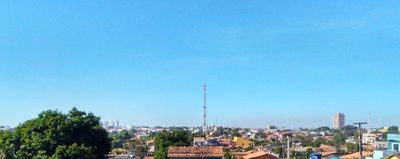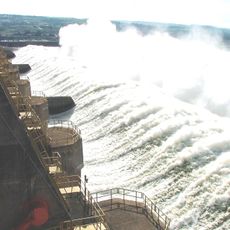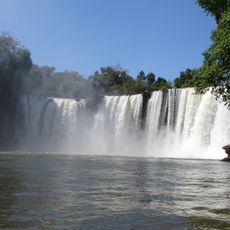
Marabá, Industrial municipality in Pará, Brazil.
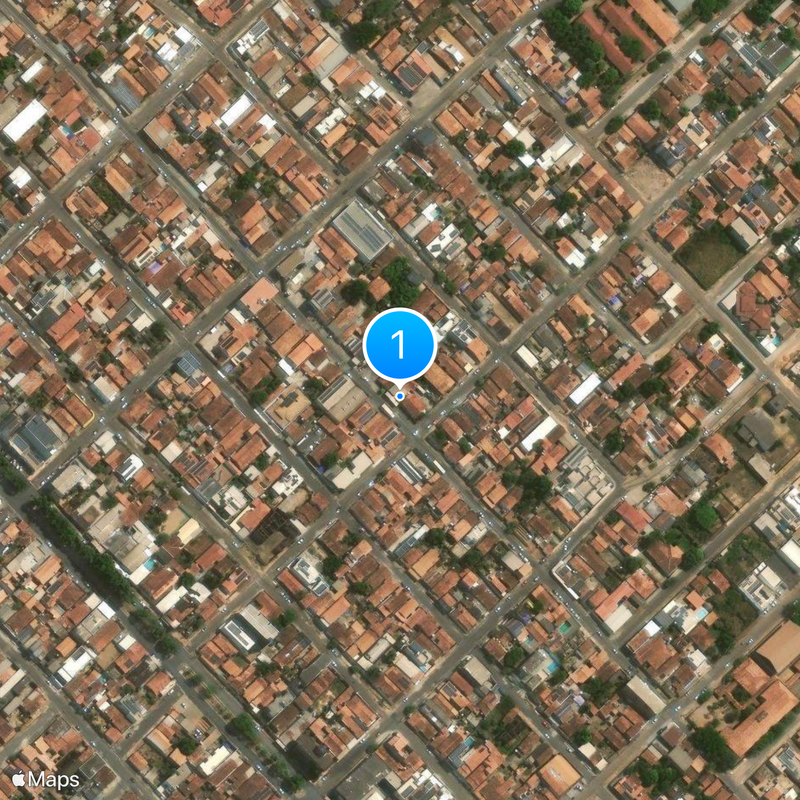
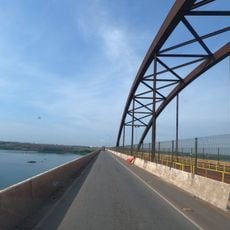
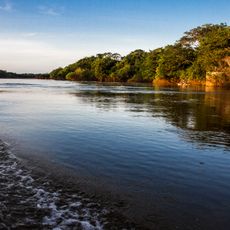
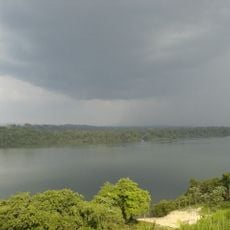
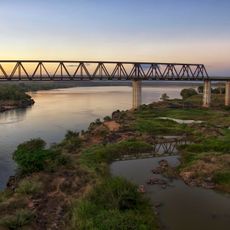
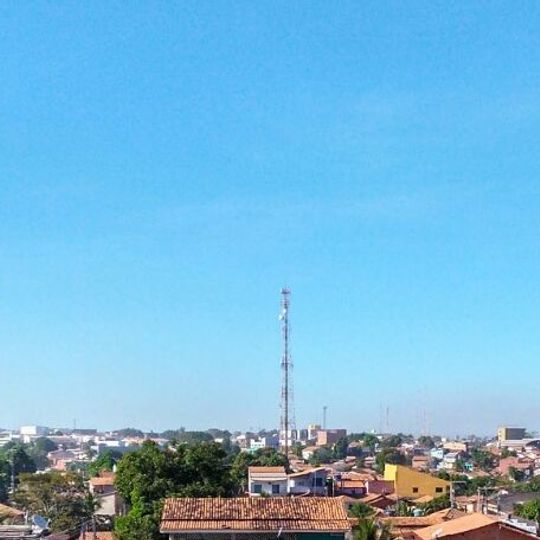
Marabá is a municipality at the confluence of the Tocantins and Itacaiunas rivers in Pará, spreading over more than fifteen thousand square kilometers. From above, the two rivers form a Y shape that divides the urban areas into separate sections.
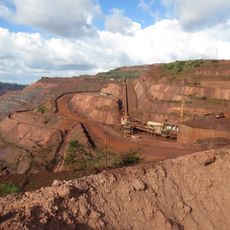
The settlement began in 1894 when Carlos Leitao established a camp on the Itacaiunas riverbank, which later grew into the village of Burgo do Itacayúna. The discovery of mineral deposits in Carajás transformed the place from a rubber and Brazil nut extraction center into an industrial hub.
The name comes from the indigenous term Mayr-Abá, referring to children born from unions between native women and European men. This linguistic origin recalls the early encounters between different population groups in the region.
Buses run regularly between the different districts, making it possible to navigate without a personal vehicle. The rides are affordable and cover the entire urban area.
The shape of the city follows the course of two large rivers, creating a pattern that looks like a large Y from above. This natural division still shapes the daily movements and spatial layout of the residents today.
The community of curious travelers
AroundUs brings together thousands of curated places, local tips, and hidden gems, enriched daily by 60,000 contributors worldwide.