100th meridian west, Geographic meridian through North America
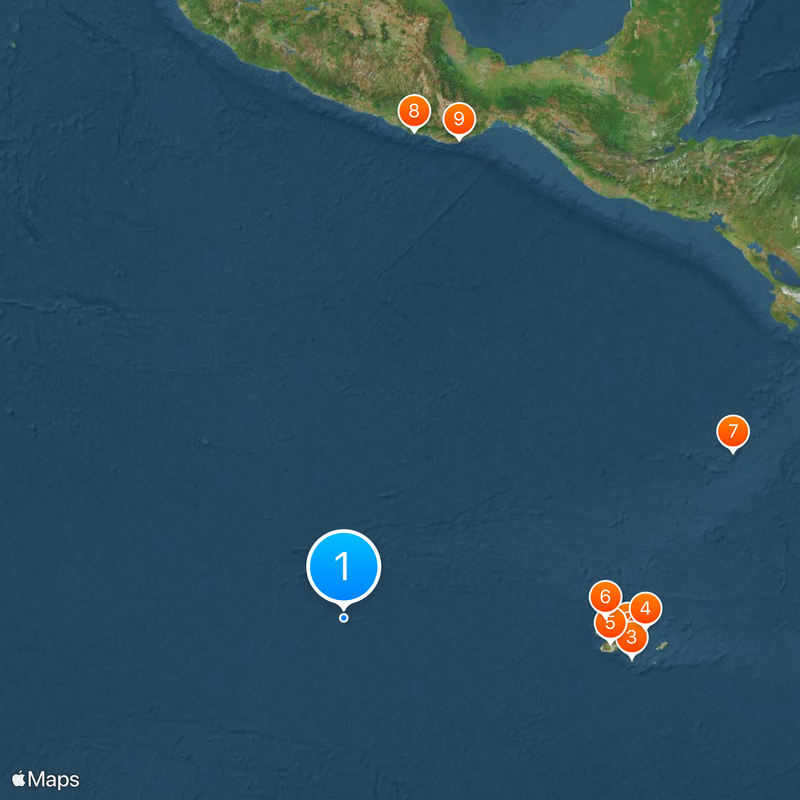
The hundredth meridian west runs as an imaginary line from the North Pole to Antarctica, passing through Canada, the United States, and Mexico among other regions. It marks a climate threshold where the wetter eastern plains transition into drier western territories.
Geologist John Wesley Powell described this line in 1878 as a natural divide between the humid eastern and arid western parts of the United States. His findings later influenced settlement policies and agricultural planning across the Great Plains.
Farming practices shift noticeably along this invisible boundary, with cropland dominating the eastern side. Ranching and irrigated fields become more common to the west, where rainfall alone cannot support traditional crops.
This imaginary line crosses several states and provinces, including Manitoba, North Dakota, South Dakota, Nebraska, Kansas, Oklahoma, and Texas, as well as eastern Mexican states. Travelers passing through these areas can observe the gradual shift in landscape from greener plains to drier grasslands.
Climate researchers have recently found that this dry boundary is shifting eastward and now sits closer to the 98th meridian. Some places that once received enough rainfall now lie in the transition zone and require more irrigation for crops.
The community of curious travelers
AroundUs brings together thousands of curated places, local tips, and hidden gems, enriched daily by 90,845 contributors worldwide.