Umpqua National Forest, National Forest in Cascade Range, Oregon, United States.
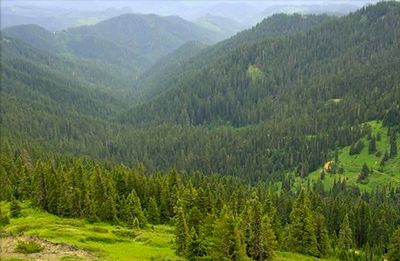
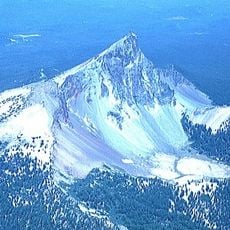
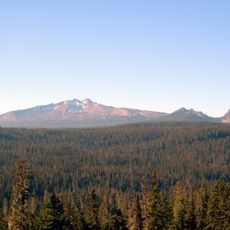
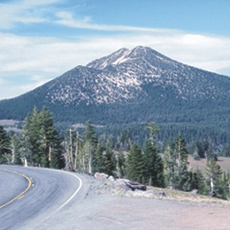
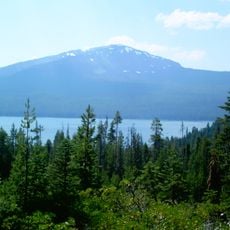
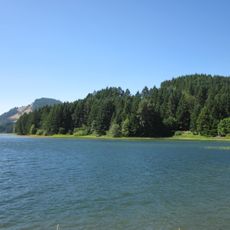
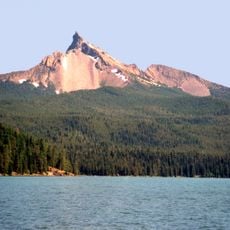
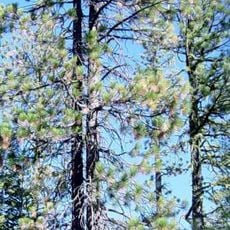
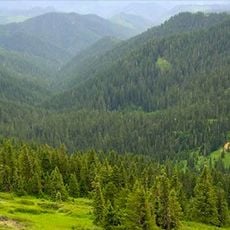
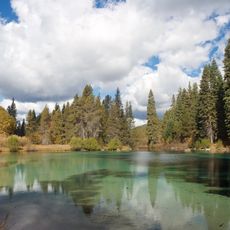
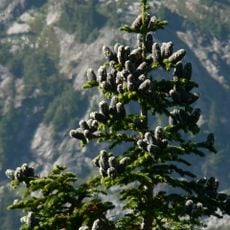
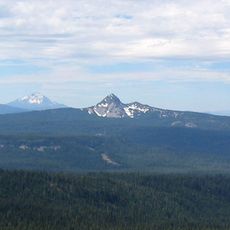
Umpqua National Forest covers 983,129 acres of southern Oregon's Cascade Range across Douglas, Lane and Jackson counties, bordering Crater Lake National Park. Its four ranger districts are Cottage Grove, Diamond Lake, North Umpqua and Tiller. Stands of western hemlock, true fir, Douglas-fir and cedar give way to mixed conifers and hardwoods, with old-growth ponderosa valleys and oak groves between peaks such as 9,182-foot Mount Thielsen and 8,363-foot Mount Bailey.
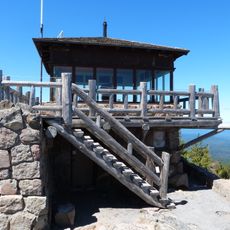
Umpqua National Forest was created by the United States Congress and approved by President Theodore Roosevelt on July 2, 1907. Forest Service crews then built trails, bridges and fire lookouts, and monitored grazing. Logging and mining began in 1925, and in the 1930s the Civilian Conservation Corps added roads, bridges and recreation facilities.
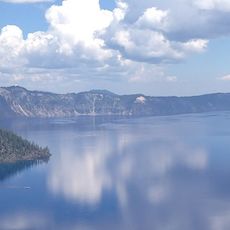
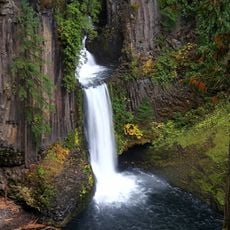
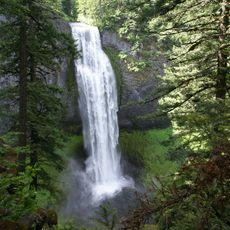
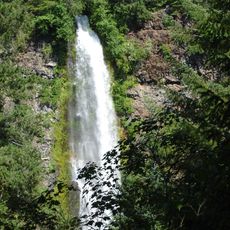
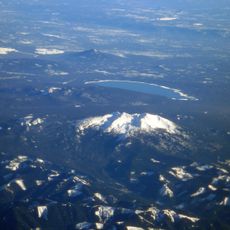
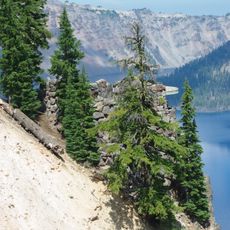
The name "Umpqua" is translated from a Native word as either "thundering waters" or "across the waters". Ancestors of the Umpqua, Southern Molala, Yoncalla and Cow Creek Band of Umpqua Tribe of Indians lived here before Mount Mazama erupted and formed Crater Lake nearly 7,000 years ago. The tribes were moved to nearby federal reservations in 1856.
Four separate ranger districts manage different sections of the forest, with the main office in Roseburg providing visitor information and maps. Before exploring, check local conditions and access since weather and seasonal factors affect which areas are safe to visit.
The forest's three wilderness areas differ in size: Mount Thielsen is the largest at 55,100 acres, of which 21,593 lie inside the forest, while Boulder Creek covers 19,100 acres and the Rogue-Umpqua Divide 33,000 acres. The Pacific Crest Trail crosses the Mount Thielsen wilderness over pumice deposited when Mount Mazama erupted.
The community of curious travelers
AroundUs brings together thousands of curated places, local tips, and hidden gems, enriched daily by 93,419 contributors worldwide.