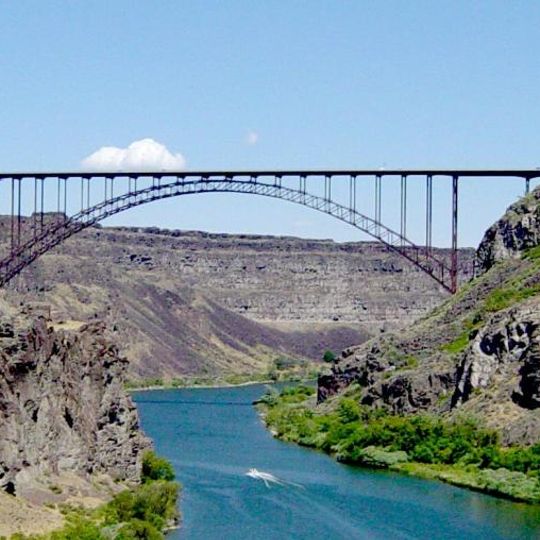
Snake River, River system across Wyoming, Idaho, Oregon and Washington, United States
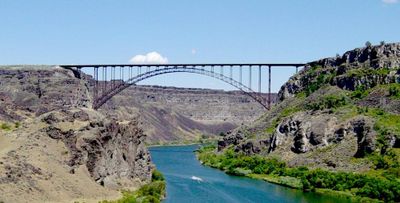
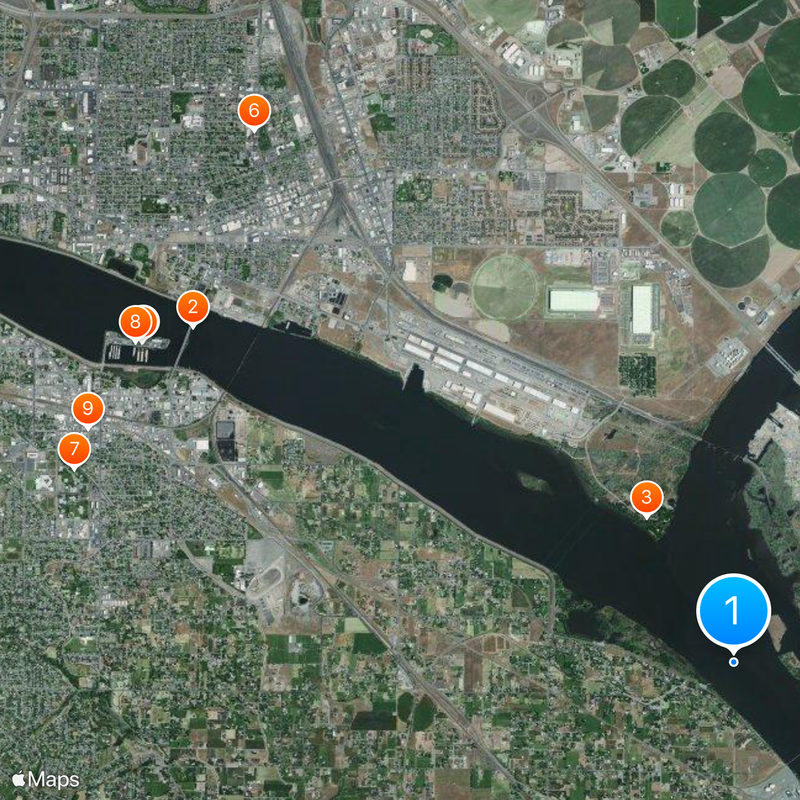
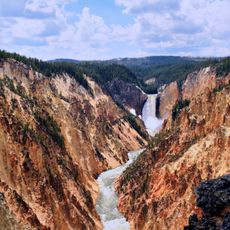
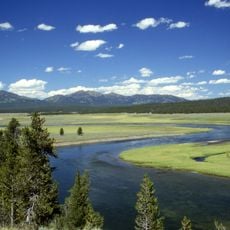
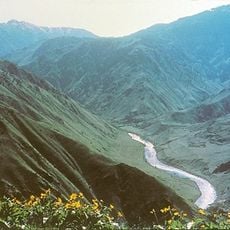
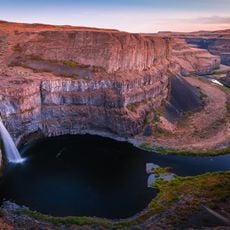
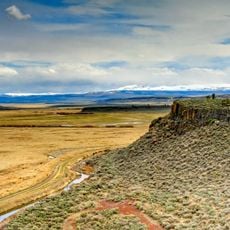
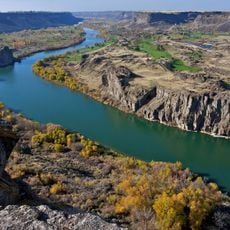
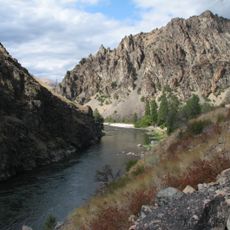
The Snake River extends 1,078 miles from its source in Wyoming through Idaho and Oregon, joining the Columbia River in Washington. The river system crosses mountain terrain, deep canyons, and wide plains, forming several large reservoirs and receiving numerous tributaries along its course.
Lewis and Clark documented this waterway in 1805 while searching for a navigable route between the eastern states and the Pacific. Starting in the 1860s, dam construction altered the course significantly, turning long stretches into calm reservoirs for hydropower and irrigation.
The name comes from the Shoshone, who compared the winding riverbed to the movements of a snake. Along the banks, sites still exist where native communities traditionally catch and process salmon, especially during the annual fish runs.
The river system can be observed from many points along the banks, with paved paths and lookouts providing easier access. The best months to visit are spring and fall, when weather is mild and water levels are suitable for outdoor activities.
The Salmon River, a tributary, contains spawning grounds for salmon and steelhead at higher elevations than any other such habitat worldwide. These high-altitude waters attract fish that travel remarkably long distances to reach their breeding sites.
The community of curious travelers
AroundUs brings together thousands of curated places, local tips, and hidden gems, enriched daily by 90,798 contributors worldwide.