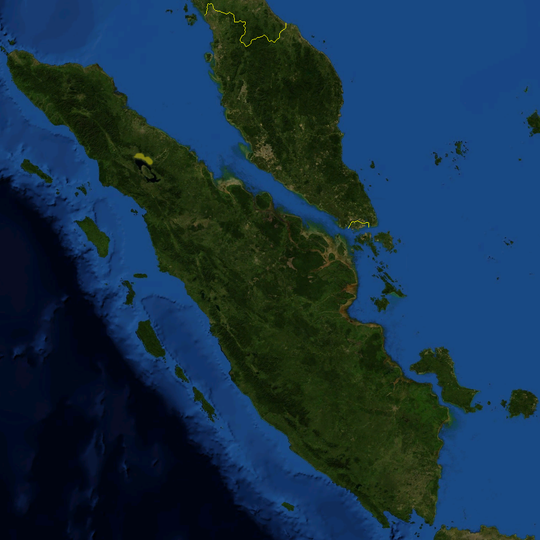
Sumatra, Tropical island in western Indonesia
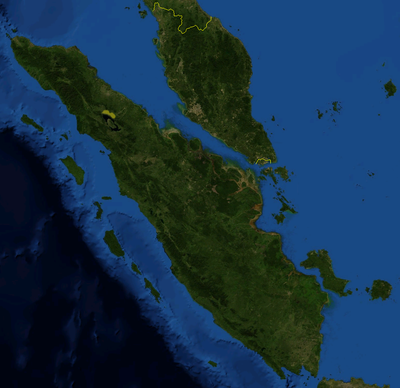
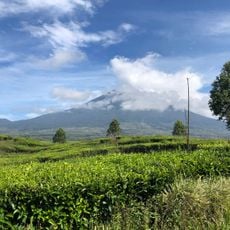
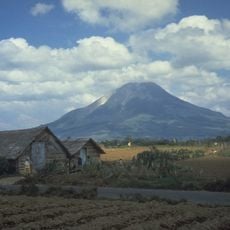
Sumatra is a large tropical island in western Indonesia that extends roughly 1,600 kilometers from northwest to southeast. The Barisan Mountains run parallel to the west coast, while flat coastal plains and swamplands dominate the east.
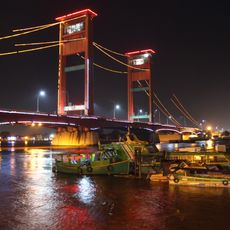
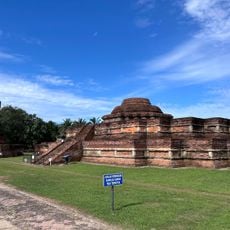
The capital of the Srivijaya Empire arose in Palembang during the 7th century, controlling sea trade through the Strait of Malacca. This maritime power held its influence until the 11th century before being replaced by new kingdoms.
Travelers encounter many languages and customs as different communities, including Malays, Minangkabau, Bataks, and Acehnese, maintain their own festivals and daily habits. Local markets reveal this diversity through crafts, clothing, and food that shift noticeably from north to south.
Three UNESCO World Heritage national parks protect endangered wildlife and offer access through regulated trails and entry points. Visitors should check conditions in advance because tropical climate and remote areas require careful preparation.
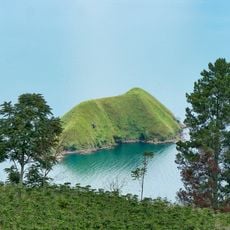
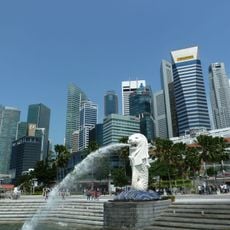
Lake Toba formed 74,000 years ago after a supervolcanic eruption and now covers roughly 1,140 square kilometers (440 square miles). Inside this crater lake sits Samosir, an island nearly the size of Singapore.
The community of curious travelers
AroundUs brings together thousands of curated places, local tips, and hidden gems, enriched daily by 91,863 contributors worldwide.