Xizhimen, Transportation junction in Xicheng District, Beijing, China
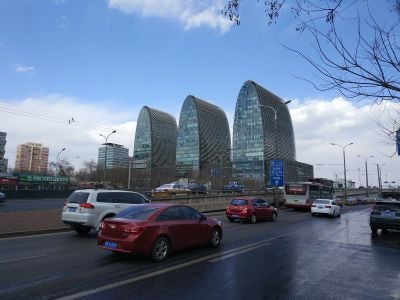
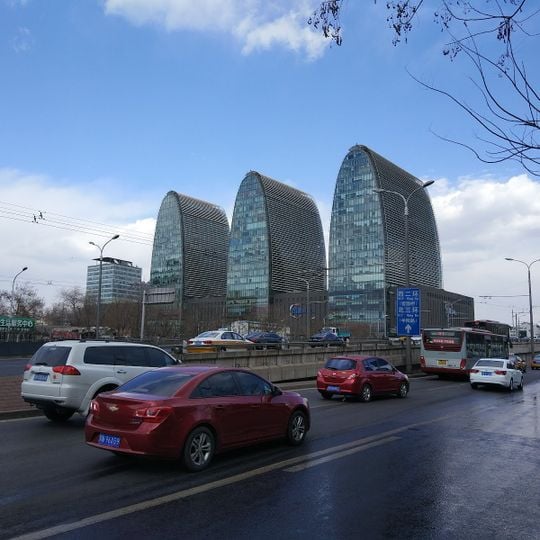
Xizhimen is a transport hub in northwestern Beijing centred on the Xizhimen interchange, where the 2nd Ring Road meets Xizhimen Outer Street. The 2008 reconstruction integrated the Xihuan Plaza shopping complex, offices and the subway and railway stations. A triple-arched high-rise marks the intersection, and Beijing North railway station stands nearby.
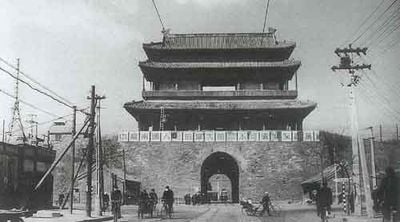
The gate was originally built during the Ming Dynasty in the 15th century as a city entrance. Archaeological finds beneath the Ming construction revealed that an older fortified structure from the Yuan period had stood at this location.
Because the water in the city was poor, the imperial household drew its water from the Jade Spring Hills, and water carts entered the city each morning through Xizhimen. The gate's emblem was a stone in the barbican carved with a water pattern, and the gate was also known as the Water Gate. The Guandi temple stood in the barbican's northeast corner until the 1950s.
The station is easily accessible with three different subway lines and many bus stops around the area. An underground passage system connects the junction to the nearby railway station and makes transferring between transport modes straightforward.
Demolition work in the 1960s uncovered sections of a Yuan Dynasty fortification beneath the Ming structure at this location. This discovery showed that the site had served as an important passage point centuries earlier than previously believed.
The community of curious travelers
AroundUs brings together thousands of curated places, local tips, and hidden gems, enriched daily by 93,934 contributors worldwide.