Rügen, Baltic Sea island in Mecklenburg-Western Pomerania, Germany
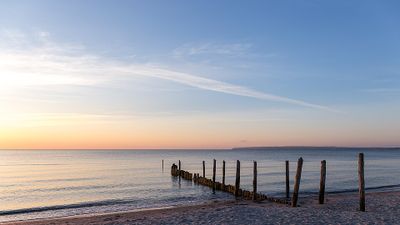
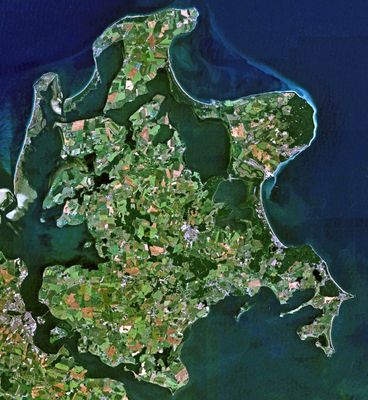
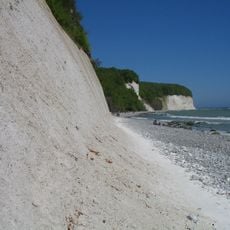
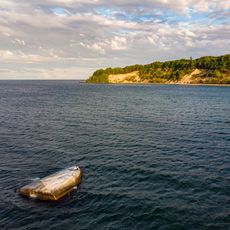
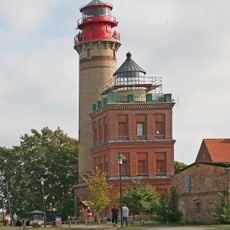
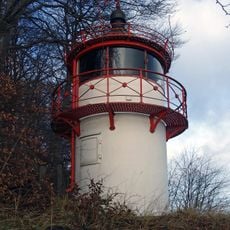
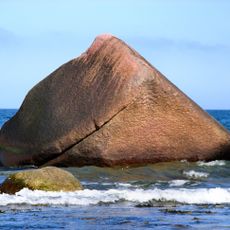
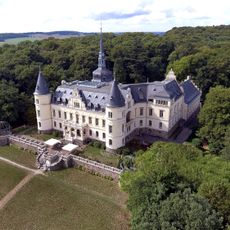
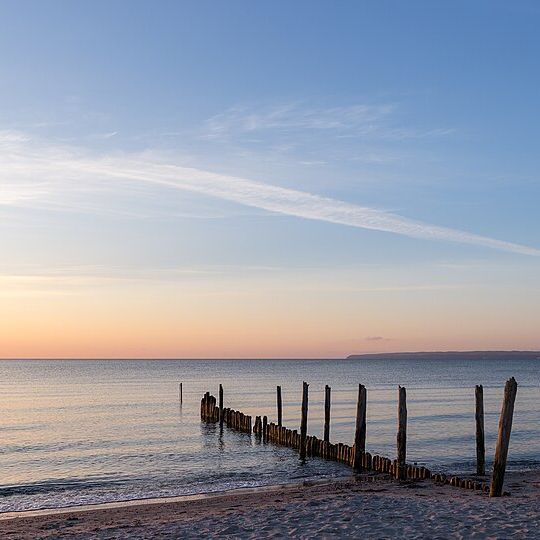
Rügen is a Baltic Sea island in Mecklenburg-Western Pomerania and the largest island in Germany, covering around 926 square kilometers (358 square miles). White chalk cliffs, sandy beaches, several peninsulas, and protected beech forests shape the varied coastal landscape along the shoreline.
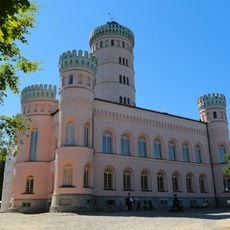
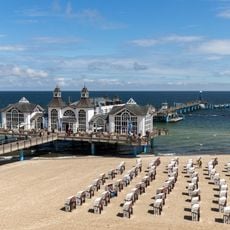
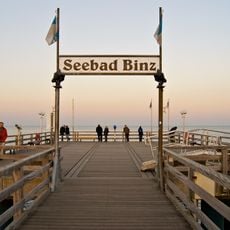
Slavic tribes, Danish rulers, and Swedish forces controlled the island territory at different times before it became part of the Duchy of Pomerania in the 17th century. During the 19th century, the coastal strip developed into a popular destination for bathers and holidaymakers from German cities.
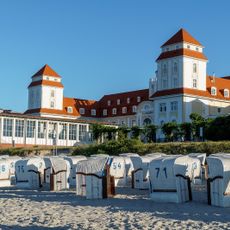
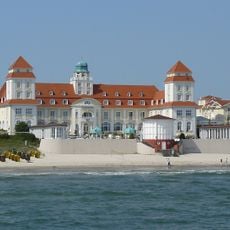
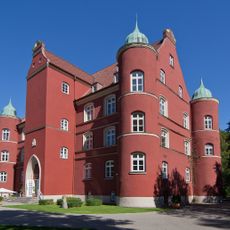
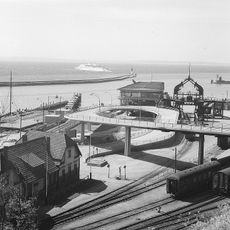
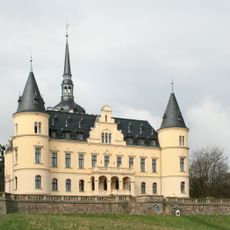
The narrow-gauge steam train Racing Roland connects the coastal towns of the island, maintaining regular service since the late 19th century. Along the coast, traditional spa architecture and fishing villages shape the character of settlements, while many locals continue to rely on tourism and fishing for their livelihood.
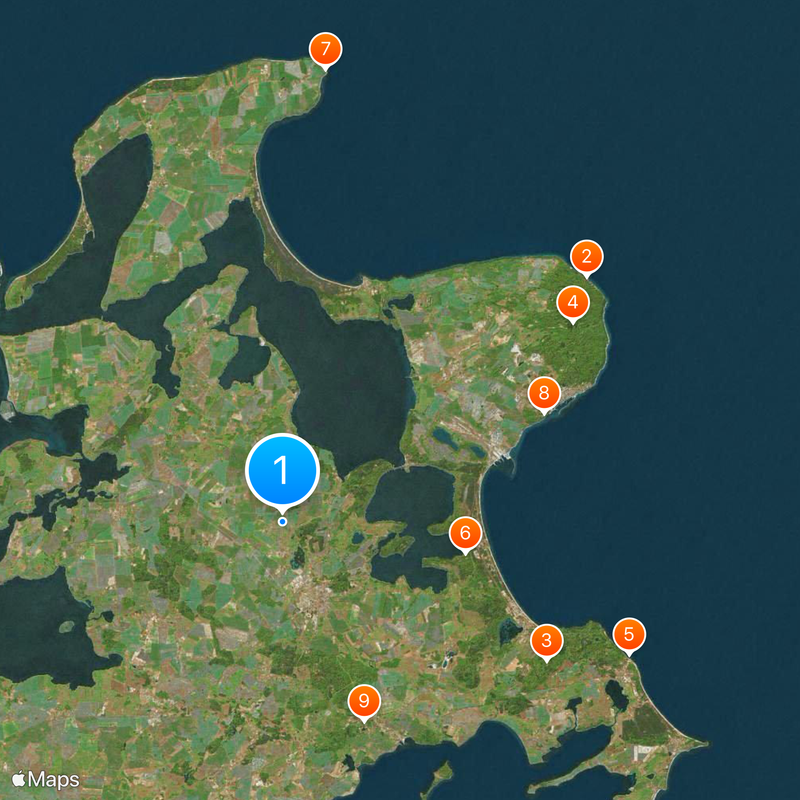
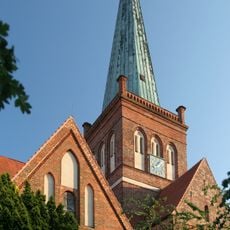
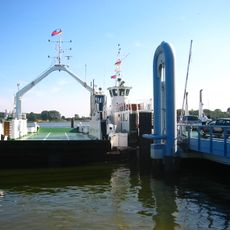
The island is reachable by bridges from the mainland, with Bergen auf Rügen serving as the central hub for transport connections. Depending on the season, coastal paths and beach sections may become difficult to navigate during wind or rainfall, so weatherproof clothing is advisable for excursions.
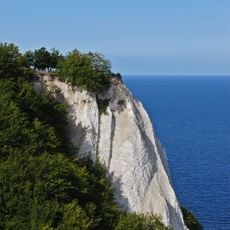
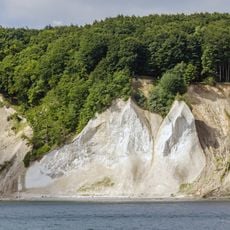
Jasmund National Park contains ancient beech forests and chalk cliffs rising 161 meters (528 feet) above sea level, recognized as a UNESCO World Heritage site. On sunny days, the shallow water of the bodden lagoons in the interior reflects a different light than the open sea and creates a calm atmosphere away from the outer coast.
The community of curious travelers
AroundUs brings together thousands of curated places, local tips, and hidden gems, enriched daily by 92,605 contributors worldwide.