Lower Lusatia, Historical region in eastern Germany and western Poland
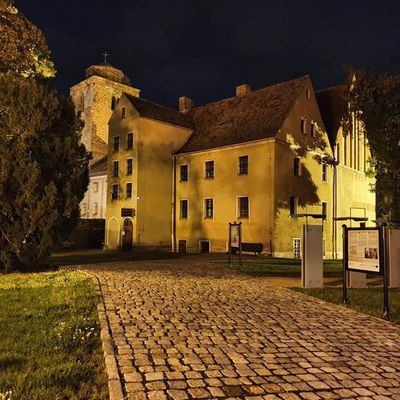
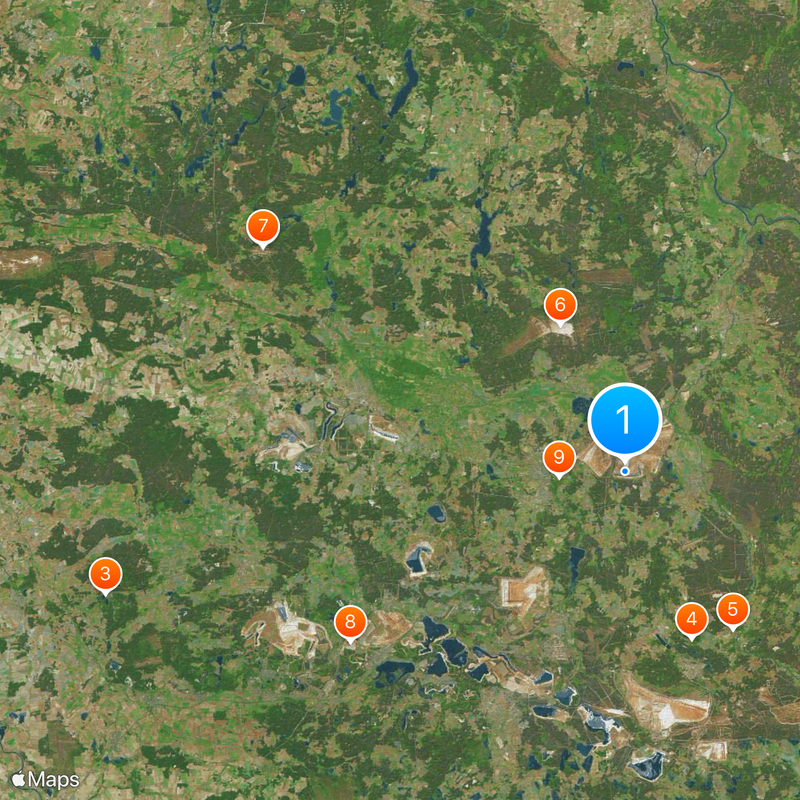
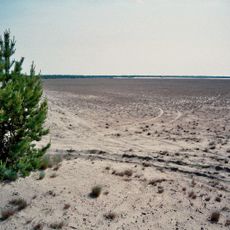
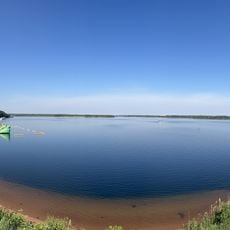
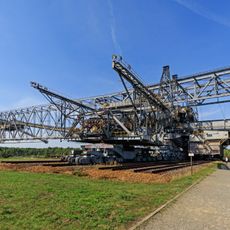
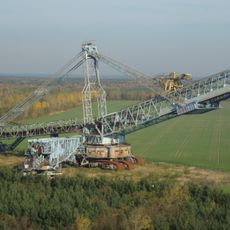
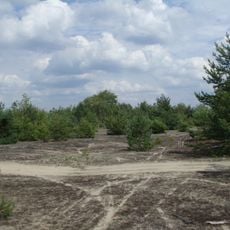
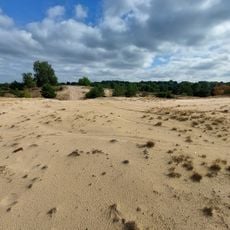
Lower Lusatia spans Brandenburg and Saxony in Germany while extending into Poland's Lubusz Voivodeship, characterized by forests, waterways, and farmland. Lakes dot the landscape here, many of them formed from reclaimed mining areas that now serve as recreation sites.
The region was part of the Bohemian Crown within the Holy Roman Empire before transferring to the Electorate of Saxony in 1635. This political shift continued to shape the area's borders and cultural makeup into modern times.
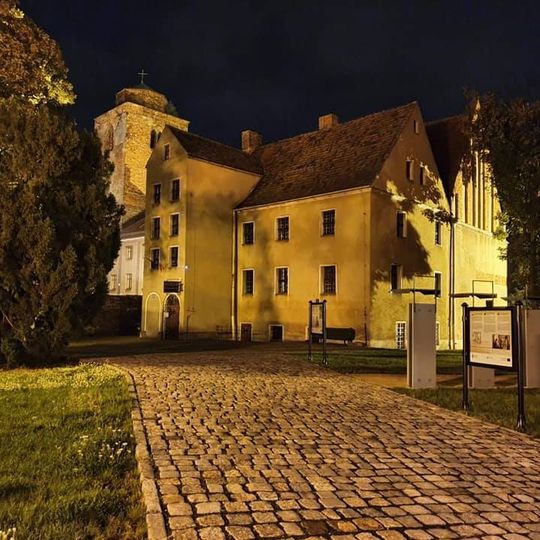
The Sorbian people, a West Slavic minority, shape the region's identity through their language and customs, visible in local museums, cultural centers, and everyday community life. In towns like Cottbus, Sorbian heritage stands alongside German traditions in visible ways.
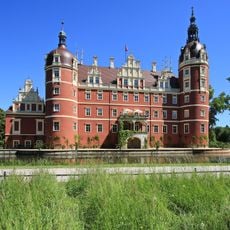
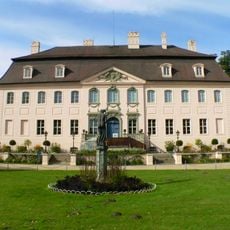
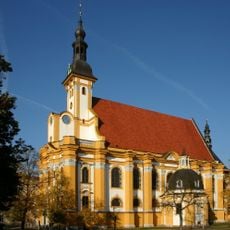
The area offers hiking trails, lakes for swimming, and numerous historical sites spread across the landscape. Spring through autumn provides the most pleasant conditions for exploring, with mild temperatures and green surroundings.
Road signs and public spaces display text in both German and Sorbian, a rare sight in Germany that reflects centuries of shared settlement. This dual-language landscape marks a region where two cultural worlds meet visibly.
The community of curious travelers
AroundUs brings together thousands of curated places, local tips, and hidden gems, enriched daily by 92,375 contributors worldwide.