Moschee Wünsdorf, Wooden mosque in Wünsdorf, Germany
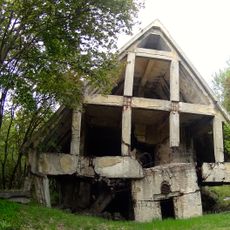
Moschee Wünsdorf was a wooden structure with a 23-meter-high minaret and a central dome 12 meters in diameter, built on solid foundation walls with wooden cladding. The complex accommodated up to 400 worshippers and included dedicated areas for ritual washing and body preparation.
The structure was completed in 1915 and stands as Germany's first mosque, though it was demolished in 1930. The project cost 45,000 gold marks and represented a notable moment in the nation's religious history.
During World War I, Muslim prisoners from British, French, and Russian armies gathered here to perform daily prayers and observe Ramadan together. The building gave them a space to practice their faith while held in a military camp.
The site was located within a military camp and was deliberately designed for religious practice, with facilities specifically set up for daily rituals. The layout accommodated the needs of worshippers seeking to continue their observance under wartime conditions.
Archaeological excavations in 2015 uncovered industrial brick foundations and a water system, revealing how sophisticated the technical infrastructure of this camp building was. The discoveries documented a hidden dimension of the construction that remained invisible from the outside.
The community of curious travelers
AroundUs brings together thousands of curated places, local tips, and hidden gems, enriched daily by 91,266 contributors worldwide.