Tanzania provides photographers with an extraordinary range of subjects, from the Serengeti plains to Zanzibar's coastline and Mount Kilimanjaro, the highest peak in Africa at 19,341 feet (5,895 meters). The country contains major wildlife reserves including Tarangire, where elephant herds move between baobab trees, and the Ngorongoro Crater, which holds a dense concentration of large mammals within its 100-square-mile (260-square-kilometer) caldera. Coastal regions and offshore islands like Mafia and Pemba offer opportunities to photograph coral reefs, sea turtles, and traditional dhow boats. The Mahale Mountains support habituated chimpanzee groups, while Selous Game Reserve presents riverine landscapes and diverse animal populations. Stone Town's historic quarter features Arab, Persian, and Indian architecture spanning several centuries, including the House of Wonders and the narrow alleys of the former trading port. The less visited Katavi National Park delivers scenes of hundreds of hippos crowding shrinking pools during the dry season. Kondoa rock art sites preserve prehistoric paintings dating back as far as 30,000 years. The active volcano Ol Doinyo Lengai and alkaline Lake Natron with its flamingo flocks add geological interest. From the terraced hillsides of the Usambara Mountains to the wildflower meadows of Kitulo National Park, Tanzania covers nearly every photographic interest.
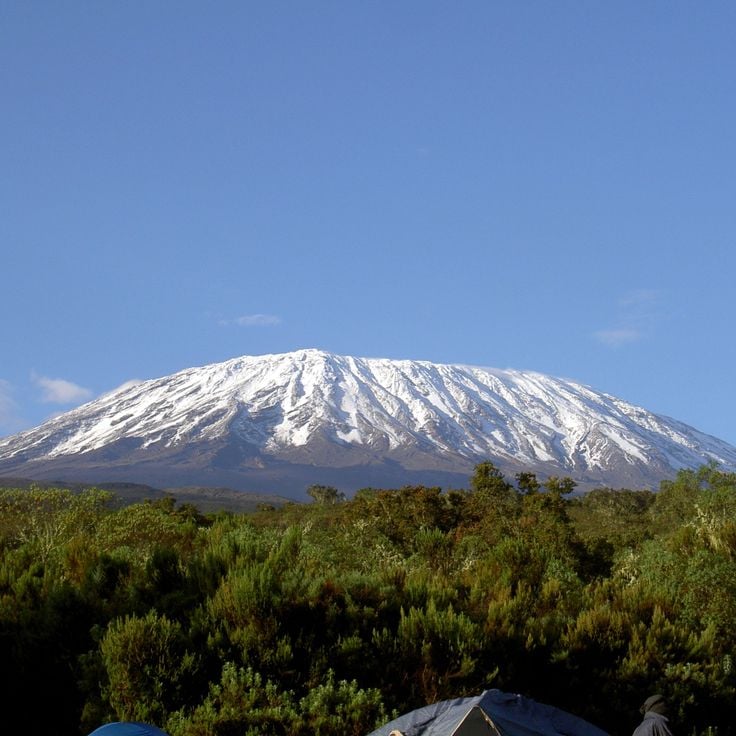
Kilimanjaro Region, Tanzania
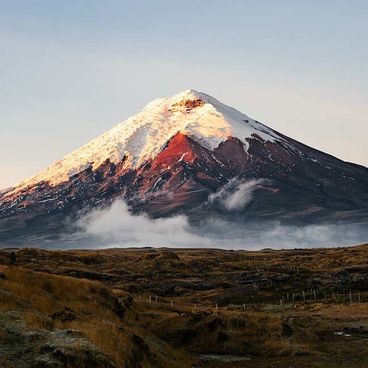
Mount Kilimanjaro rises to 19,341 feet (5,895 meters) and provides photographers with varied perspectives along its climbing routes, which pass through rainforest zones, moorland and alpine desert terrain. The snow-covered summit of this dormant volcano contrasts with the surrounding savanna and creates distinct lighting conditions at sunrise and sunset. Different approach points near Moshi and Arusha offer views of the three volcanic cones: Kibo, Mawenzi and Shira. The mountain's vegetation changes with altitude, providing opportunities for both landscape compositions and close-up work documenting adapted plant species. Multiple climbing routes access different sides of the mountain, each presenting distinct photographic angles.
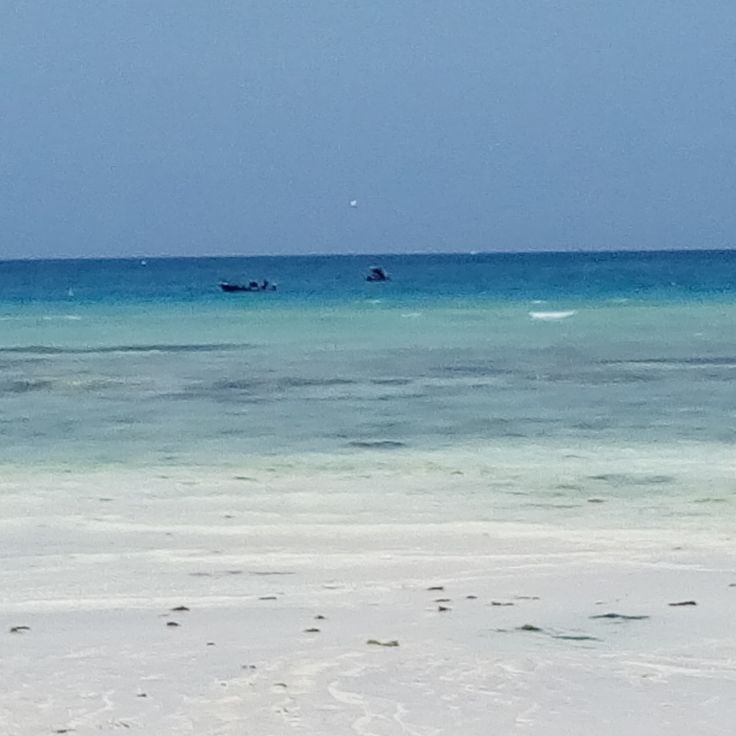
Zanzibar, Tanzania
This northern Zanzibar beach provides a range of photography subjects for capturing Tanzania's coastal environments. Nungwi Beach presents white coral sand, clear waters above extensive coral reefs, and traditional wooden dhow boats positioned along the shore. The combination of marine elements and historic boat-building traditions allows for varied images of coastal life, underwater environments, and the contrast between sand, sea, and traditional watercraft.
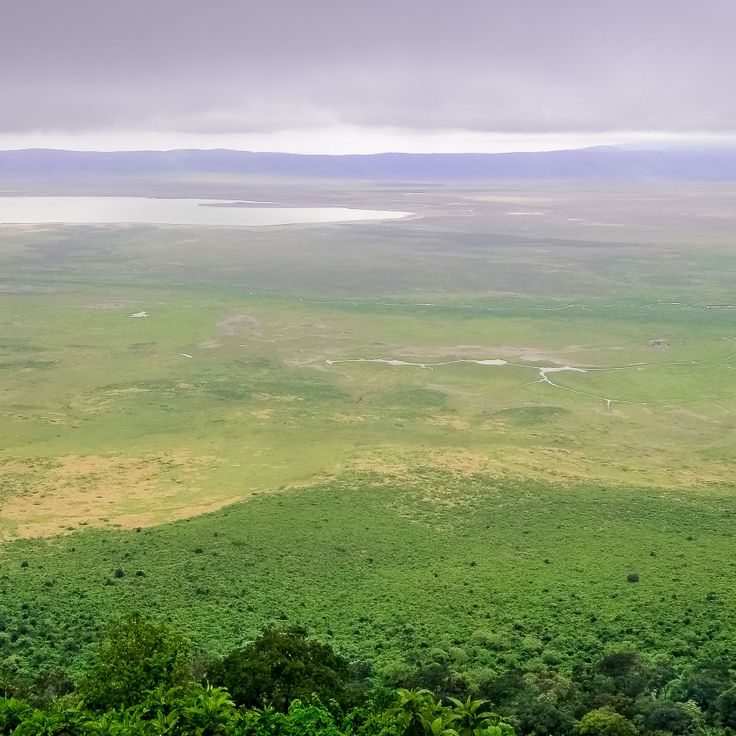
Arusha Region, Tanzania
This volcanic crater spans roughly 100 square miles (260 square kilometers) and forms a natural basin containing grasslands, forest patches and a salt lake. The crater walls rise up to 2,000 feet (610 meters) above the floor, creating an enclosed ecosystem that supports around 25,000 large animals. Lions move across the open plains, while elephants gather near the forest edges and rhinoceros graze in the thickets. The crater provides photographers with changing light conditions from morning mist to afternoon sun that illuminates the crater walls in warm tones. Elevated viewpoints along the crater rim allow wide-angle shots of the entire caldera, while the crater floor offers opportunities for wildlife portraits in natural settings.
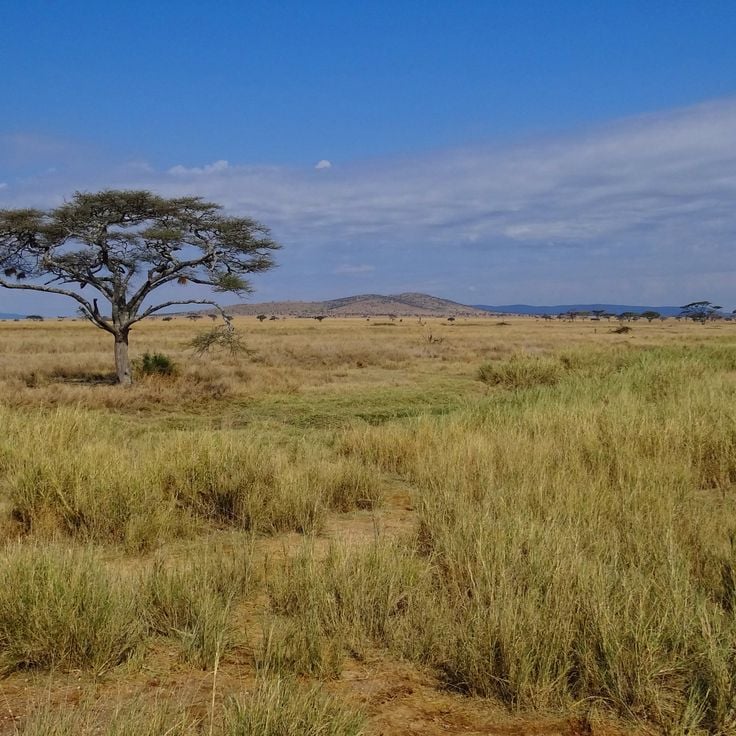
Mara Region, Tanzania
This national park stretches across 14,750 square kilometers (5,700 square miles) of plains and provides premier photography opportunities of the annual migration of millions of wildebeest and zebras between Tanzania and Kenya. Serengeti National Park sits at the center of the East African wildlife migration route and supports year-round populations of large predators including lions, leopards, and cheetahs. The open grasslands allow clear sightlines for wildlife photography, while kopjes, granite rock formations rising from the plains, offer natural vantage points. Shifting seasons bring different photographic conditions, from green landscapes during the wet months to dusty golden tones in the dry season.
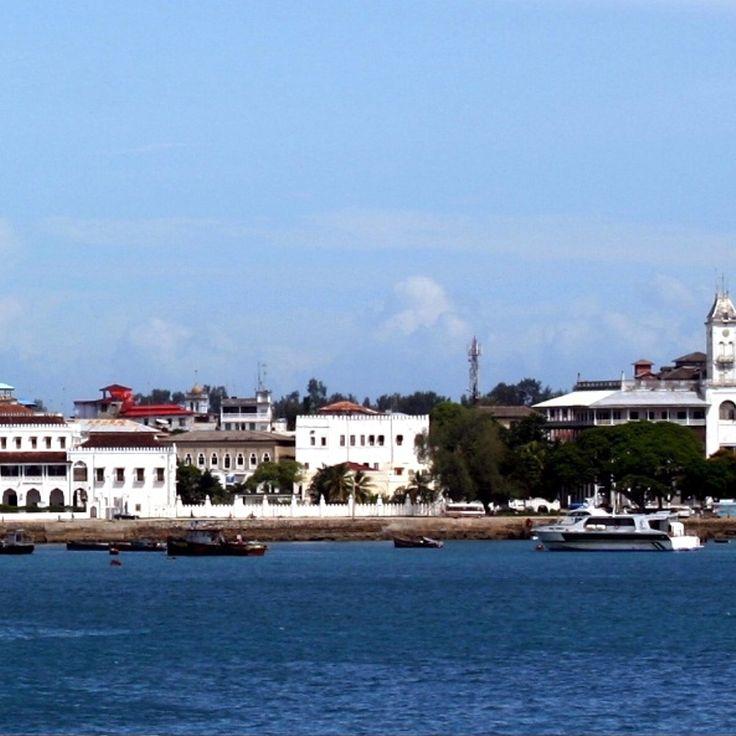
Zanzibar City, Tanzania
This historic urban center on Zanzibar provides photographers with well-preserved 19th-century architecture featuring intricately carved wooden doors, narrow alleyways, and coral stone buildings. Stone Town served as a major trading hub in the Indian Ocean and displays a mix of Arab, Persian, Indian, and European influences in its construction. The winding streets lead to historic mosques, former sultan's palaces, and traditional markets that offer meaningful subjects for this collection of photography locations in Tanzania.
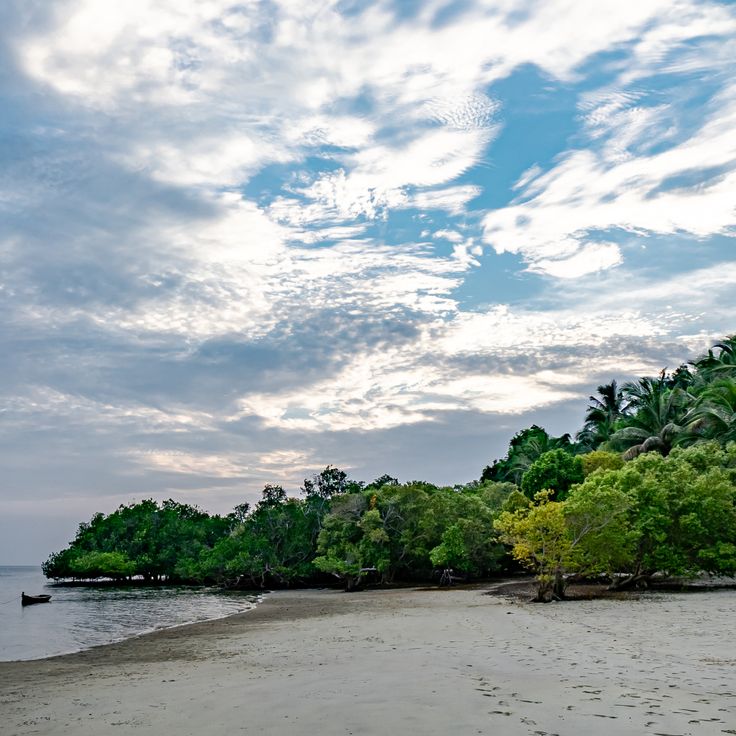
Pwani Region, Tanzania
This island off the Tanzanian coast provides photographers with access to a marine protected area featuring intact coral reefs and diverse marine species. Mafia Island lies south of Zanzibar and offers quiet beaches, whale shark sightings between October and March, and sea turtles observable year-round. Traditional fishing villages along the coastline present opportunities to document local life and artisanal fishing practices. The underwater landscapes suit wide-angle photography of reef formations and macro work with smaller marine inhabitants. The island receives considerably fewer visitors than other Tanzanian coastal destinations, allowing for undisturbed shooting conditions.
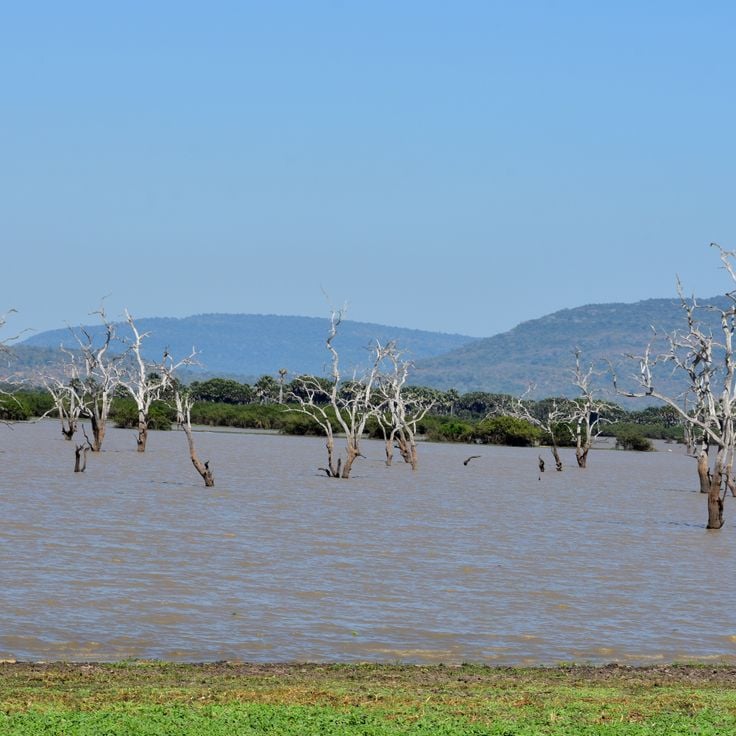
Lindi Region, Tanzania
This game reserve in southern Tanzania covers more than 19,000 square miles (50,000 square kilometers) of river landscapes, acacia woodlands and open savannas. Selous Game Reserve is home to elephants, black rhinos, hippos, lions and buffalo, along with over 400 bird species. The Rufiji River flows through the area, allowing boat safaris for wildlife viewing. Low visitor numbers and a focus on walking and boat safaris distinguish this reserve from the northern national parks. The reserve was named after Frederick Selous, a British hunter and naturalist who died here in 1917 during World War I.
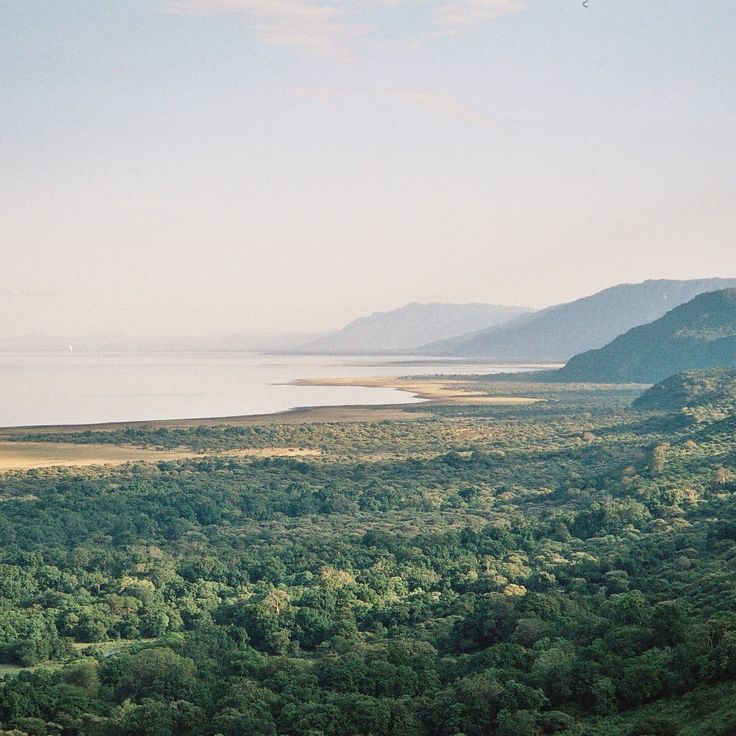
Manyara Region, Tanzania
This national park in the East African Rift Valley provides rare photographic opportunities with tree-climbing lions that rest in the acacia woodlands. The alkaline lake attracts thousands of pink flamingos, while surrounding forest areas harbor more than 400 bird species. Elephant herds at Lake Manyara move through dense undergrowth, and buffalo, giraffe and baboon populate the varied ecosystems between the escarpment and lakeshore. Changing water levels create different conditions for bird photography throughout seasons.
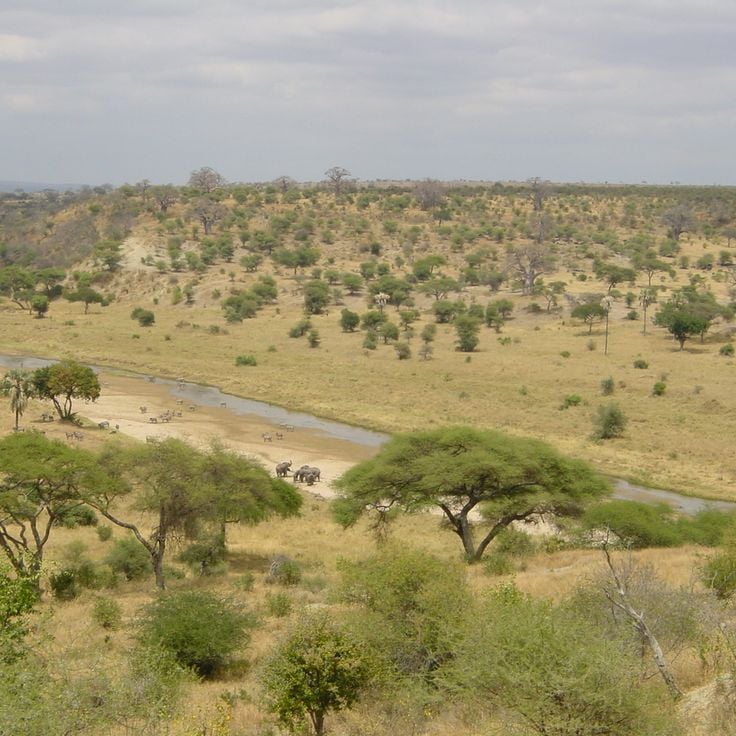
Manyara Region, Tanzania
This national park in northern Tanzania hosts one of the country's largest elephant populations, with herds numbering in the hundreds. The open savanna is dotted with massive baobab trees, some centuries old. The Tarangire River attracts large concentrations of wildlife during the dry season from June to October, including zebras, wildebeest and giraffes. The landscape provides varied photography subjects with the distinctive trees serving as natural framing elements for wildlife shots.
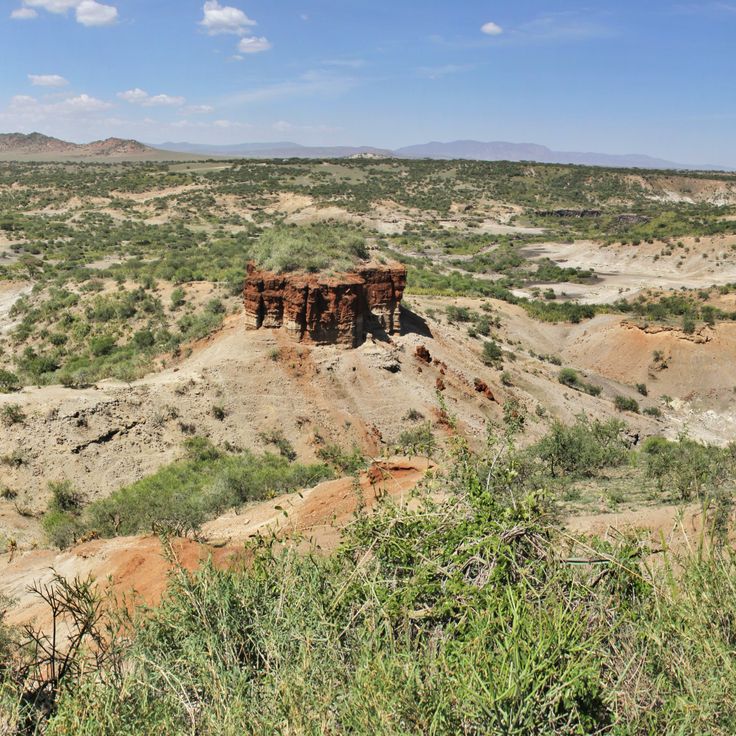
Arusha Region, Tanzania
This archaeological site in the Ngorongoro Conservation Area documents human evolution spanning two million years. Oldupai Gorge contains fossil remains of early hominids uncovered by paleoanthropologists Louis and Mary Leakey. The gorge stretches 30 miles (48 kilometers) and offers photographers exposed sedimentary layers showing different geological epochs. An onsite museum displays tools, fossils and replicas of human ancestors discovered at this location.
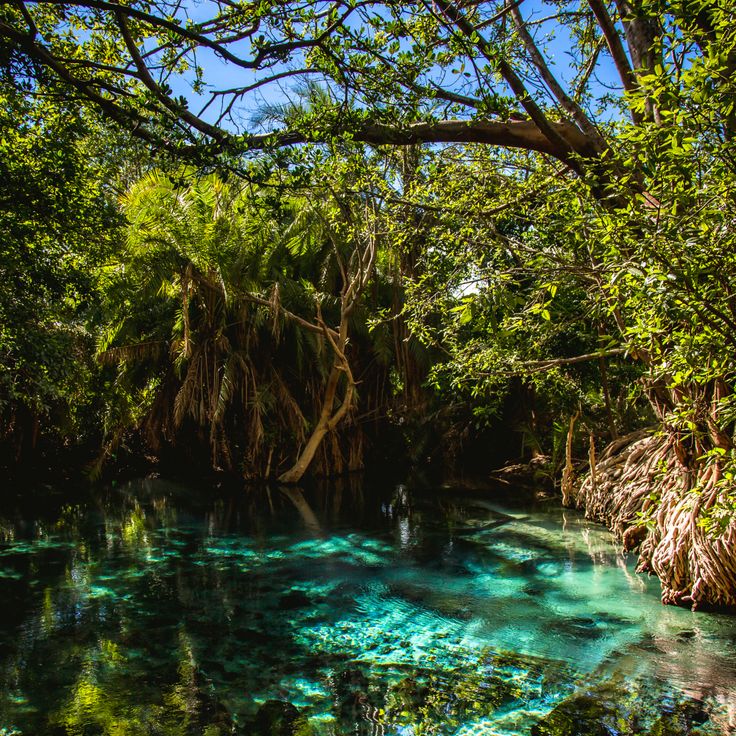
Kilimanjaro Region, Tanzania
These natural thermal springs sit between Moshi and Arusha in the Kilimanjaro Region, offering photographers an unusual setting where savanna meets water. The springs feed several turquoise pools shaded by sprawling fig trees. The constant water temperature of around 77°F (25°C) draws visitors throughout the year, while the clear water allows for interesting underwater perspectives. The contrasts between the surrounding dry grassland, the green canopy overhead and the luminous water make Kikuletwa a visually rewarding subject for photographers documenting Tanzania's varied landscapes.
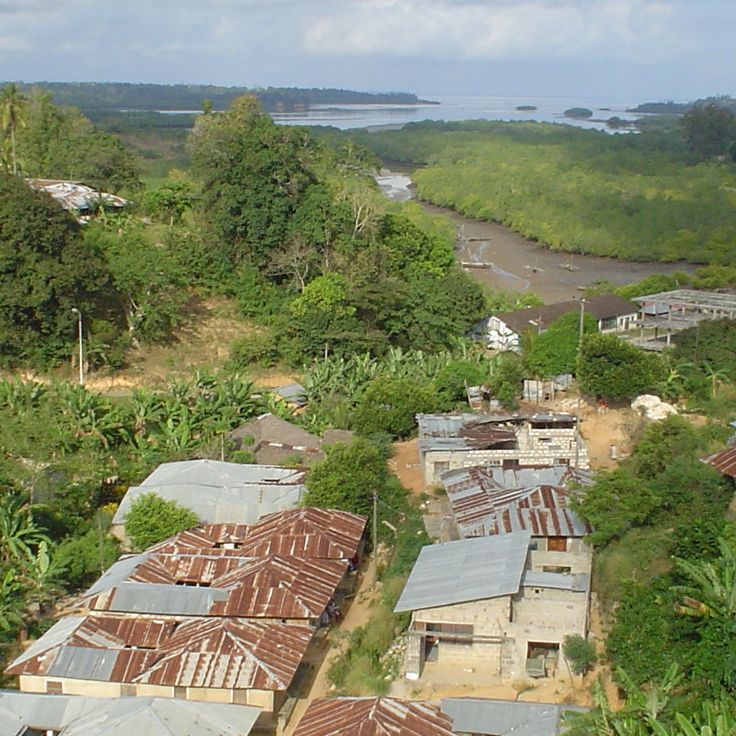
Zanzibar, Tanzania
This Indian Ocean island produces a third of the world's cloves and contains numerous coral reefs with marine wildlife. Pemba Island offers photographers scenes of spice plantations, fishing villages and underwater environments. The coastline extends 400 kilometers with mangrove forests and traditional dhows. Clear water enables underwater photography of reef sharks, turtles and tropical fish. For this collection of photography locations in Tanzania, the island adds maritime subjects to the country's range of shooting environments.
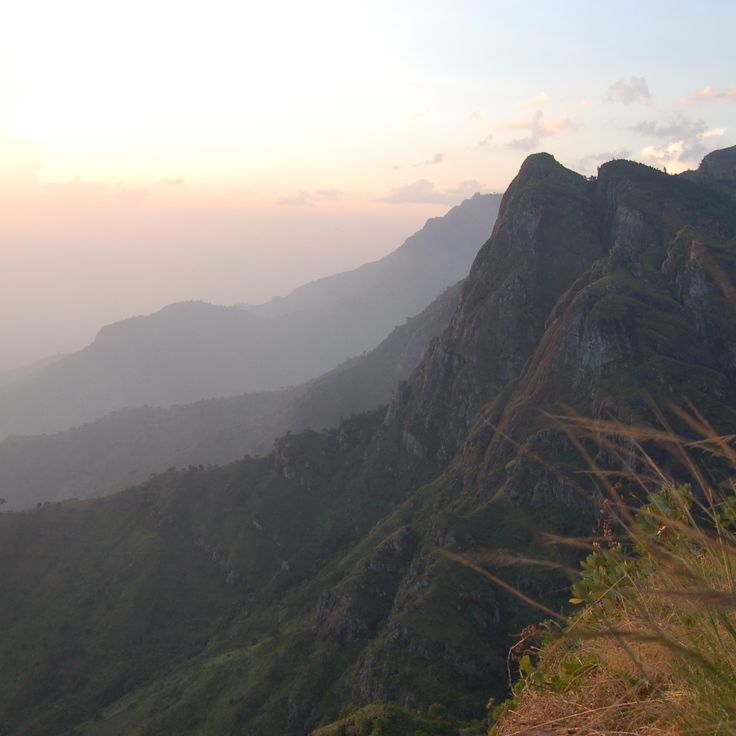
Tanga Region, Tanzania
The Usambara Mountains rise to elevations of 2,440 meters (about 8,000 feet) and provide numerous walking paths through forested areas and agricultural terraces. This northeastern Tanzania range offers photographers subjects from dense cloud forests to traditional villages set among banana plantations and viewpoints overlooking the East African lowlands. The region suits landscape photography of the forested slopes, portraits of local communities, and documentation of traditional farming methods on the characteristic terraced fields.
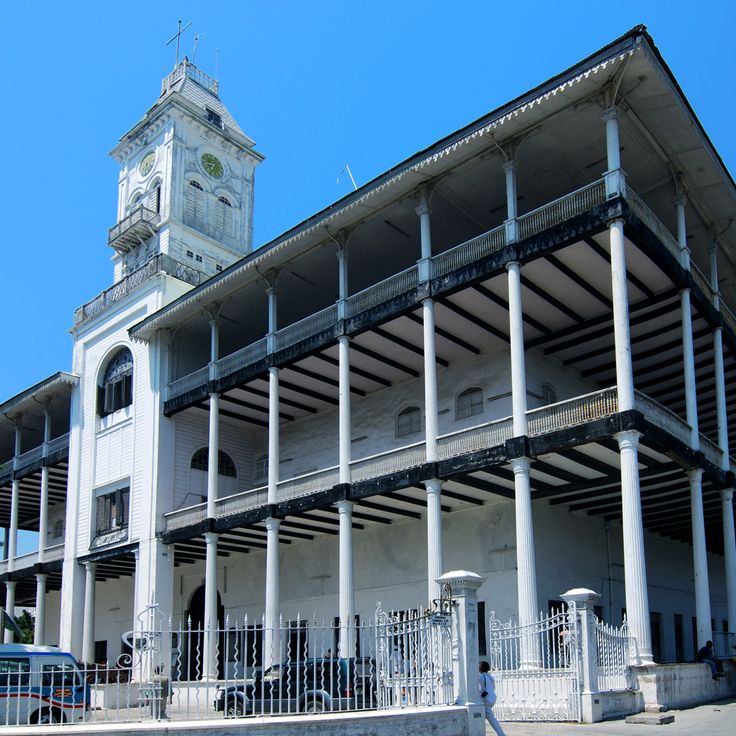
Zanzibar City, Tanzania
This former palace in Stone Town was built in 1883 and became the first building in Zanzibar to have electricity and an elevator. The four-story structure combines Arab, European and African architectural elements with its prominent tower and wraparound balconies. The facade displays cast iron pillars and carved wooden doors, while the interior features Italian marble flooring. The House of Wonders provides photographers with geometric compositions through its arcades and perspectives along the waterfront promenade, where traditional dhows anchor in front of the historic building.
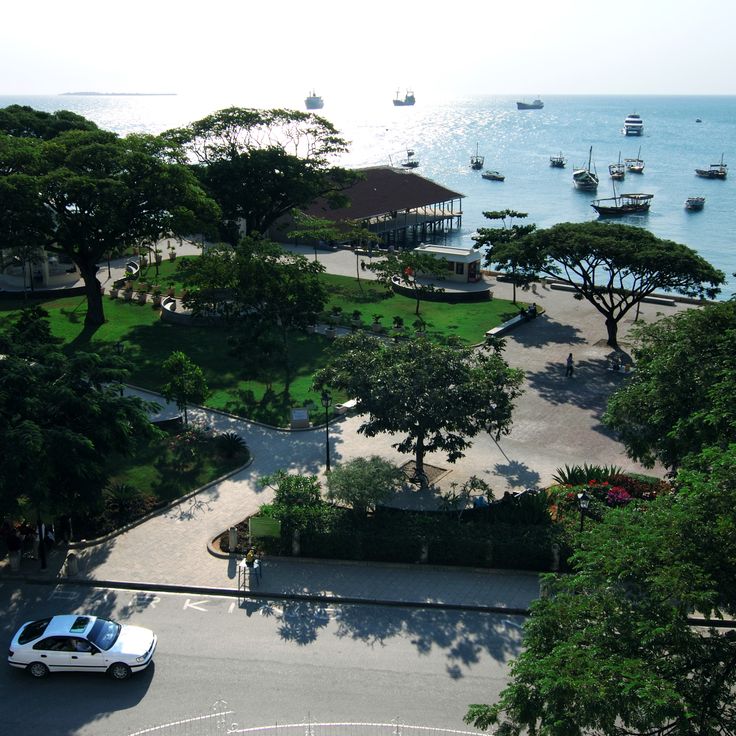
Zanzibar City, Tanzania
This waterfront park transforms into an open-air food market at dusk, where vendors sell grilled seafood and local specialties. Forodhani Gardens offers photographers opportunities to capture the activity of vendors and customers, along with traditional food preparation in warm evening light. The park sits directly on the harbor in Stone Town and allows shots of dhow boats in the background. The combination of culinary activity, social interaction, and maritime setting makes this location a representative subject for documenting Zanzibar's daily culture and coastal life.
Pwani Region, Tanzania
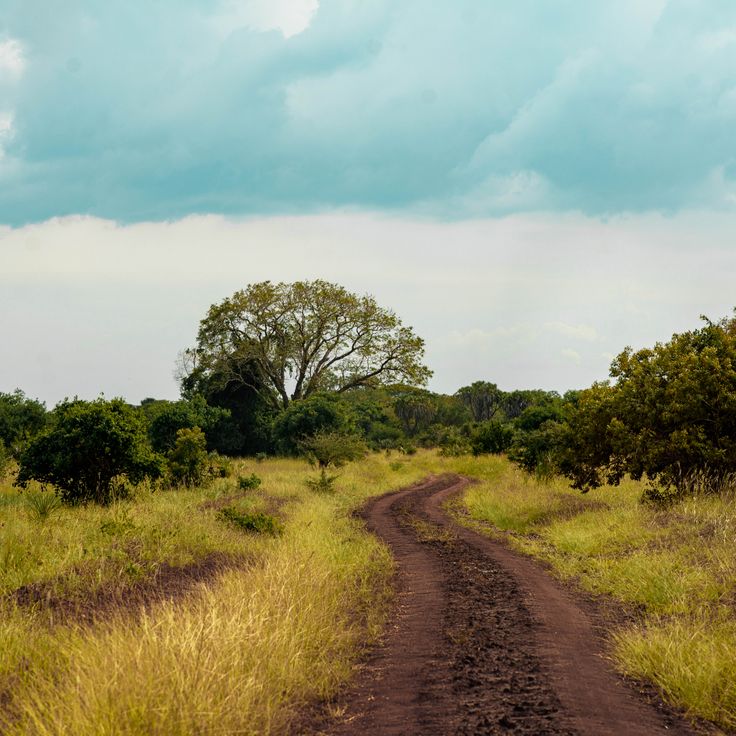
This coastal park combines terrestrial and marine habitats in a setting distinctive to East Africa. Saadani sits at the boundary between the Indian Ocean and Tanzania's interior, offering photographers the chance to capture elephants, buffalo and lions against a backdrop of white sand beaches and turquoise water. The protected area covers roughly 430 square miles (1,100 square kilometers) and includes savanna grasslands, mangrove forests and river estuaries. The mix of wildlife typically found inland and marine species such as dolphins and sea turtles makes this park a photographically diverse destination within Tanzania's coastal landscape.
Mbeya, Tanzania
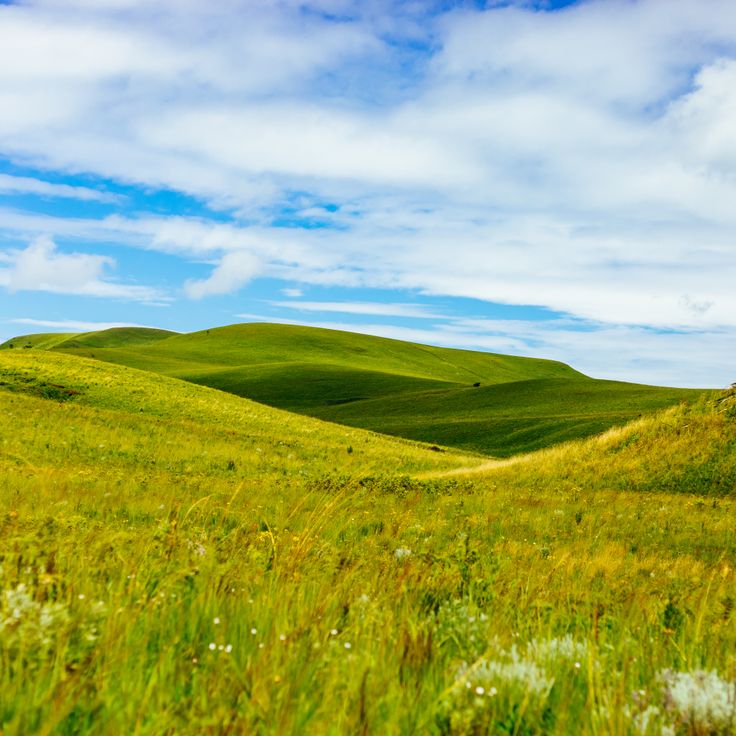
This highland park sits at 8,530 feet (2,600 meters) elevation and contains 350 plant species, including 45 varieties of orchids that bloom between November and April. The grasslands of Kitulo National Park provide habitat for numerous ground bird species and offer an unusual photographic setting for nature photography in Tanzania. The vegetation differs markedly from the country's lower-elevation savanna landscapes, enabling images of wildflowers in an alpine environment. The park lies off the typical safari circuit and suits photographers interested in documenting botanical subjects and bird species.
Katavi, Tanzania
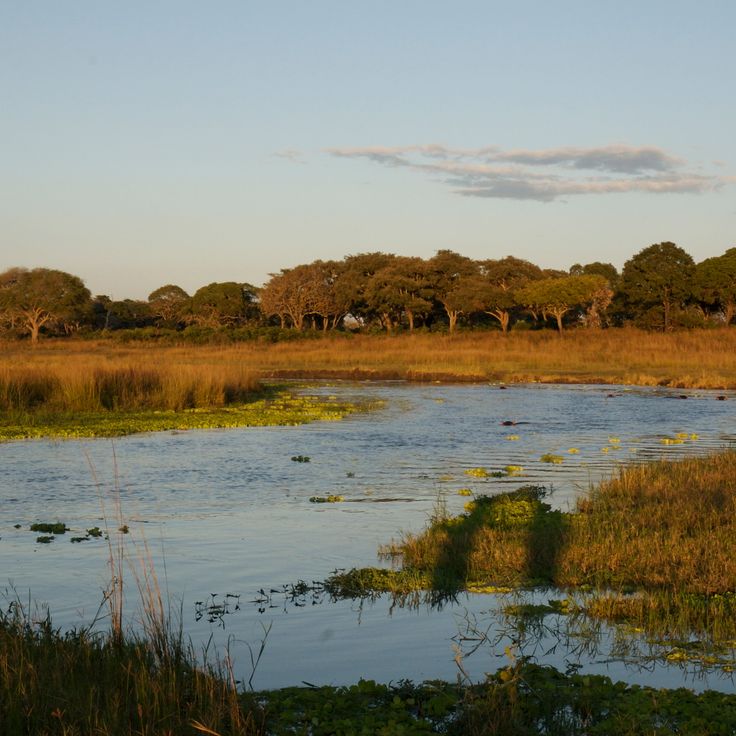
This national park spans savanna landscape in western Tanzania and offers wildlife photography opportunities in one of the country's most remote protected areas. The seasonal rivers and lakes of Katavi Park draw large concentrations of hippos during the dry season as they gather in shrinking pools. The grasslands support lions, elephants, buffalo herds, and antelope species. The park's remoteness means fewer visitors than Tanzania's more established reserves, allowing for undisturbed observation and photography conditions. The landscape alternates between open plains and miombo woodland areas.
Kigoma, Tanzania
This forested mountain range contains over 800 chimpanzees and extends to the shores of Lake Tanganyika. The Mahale Mountains Park offers photographers the opportunity to document primates in their natural habitat while researchers have studied animal behavior here since 1965. The combination of mountain forest and lakeshore creates changing light conditions for nature photography. Visitors can photograph chimpanzees along with other primate species, birds, and the characteristic vegetation of this park. The remote location on the shore of Lake Tanganyika allows for capturing undisturbed wilderness landscapes in western Tanzania.
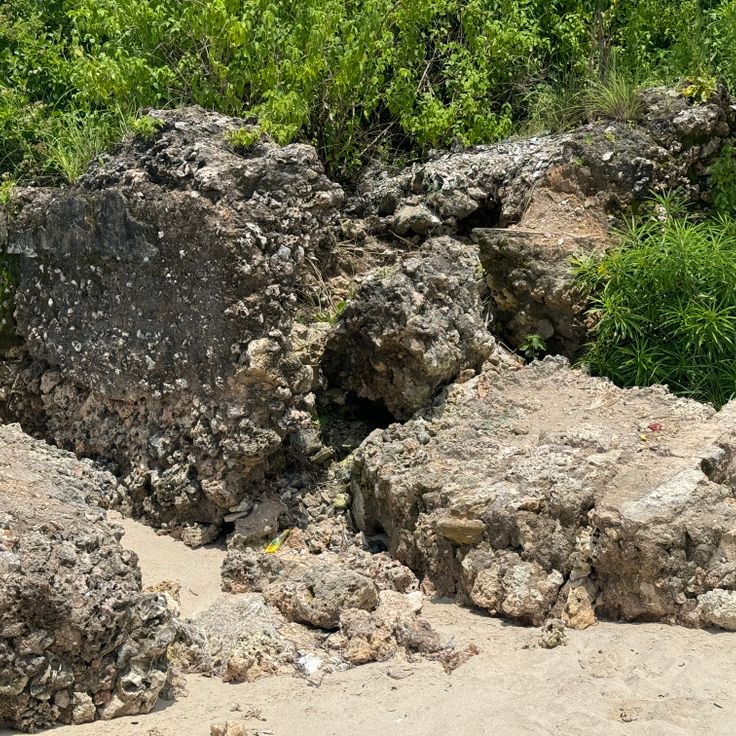
Zanzibar, Tanzania
This archaeological site on Zanzibar preserves stone structures and artifacts from the 8th century. Persian and Chinese ceramics found here document early Indian Ocean trade routes, making Unguja Ukuu a significant location for photographing historical ruins in Tanzania. The remains show the island's role as a hub between African, Arab, and Asian trading networks. Photographers find walls, foundations, and excavation areas that provide insights into Swahili civilization. The site lies near the coast, offering compositions that combine archaeological features with the surrounding vegetation and occasional ocean views.
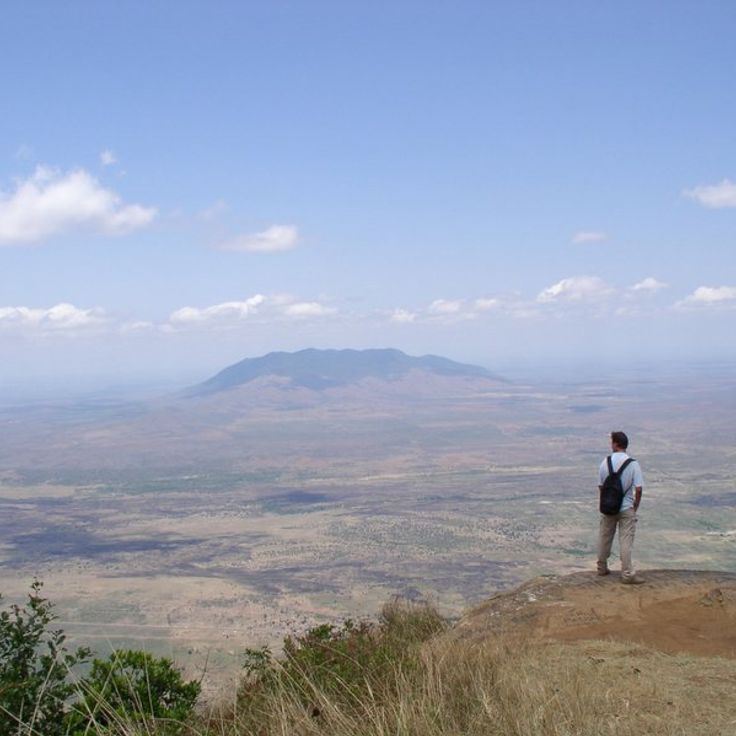
Lushoto, Tanzania
This viewpoint sits in the Usambara Mountains at 5,000 feet (1,500 meters) elevation and provides unobstructed views across the Maasai plains. Irente Viewpoint serves as a photography location for wide-angle shots of the landscape transitions between highland and lowland. The position allows photographers to capture the geological escarpment and the expansive plains stretching to the horizon. Morning light and late afternoon hours offer optimal conditions for landscape photography with clear sightlines across the Tanzanian highlands.
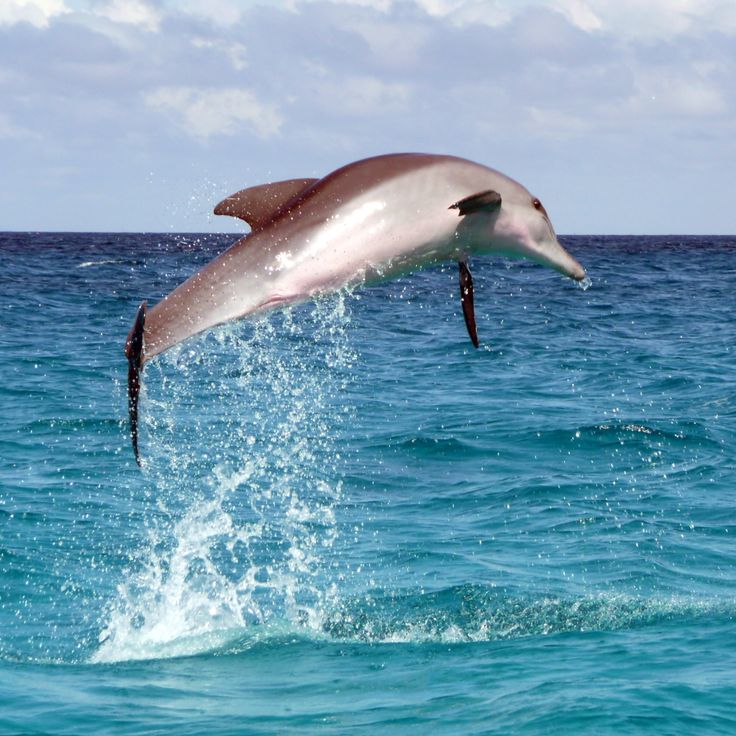
Zanzibar, Tanzania
This 470 square kilometer marine protected area off Zanzibar's southwest coast gives photographers access to intact underwater ecosystems where dolphins, sea turtles and numerous fish species inhabit the waters. The Menai Bay Conservation Area protects coral reefs, mangrove forests and seagrass beds that serve as habitats for marine organisms. Traditional dhow boats cross these waters regularly while local fishermen apply their methods. The area stretches between Unguja Island and smaller offshore islands, allowing both underwater and coastal landscape photography along the Tanzanian shoreline.
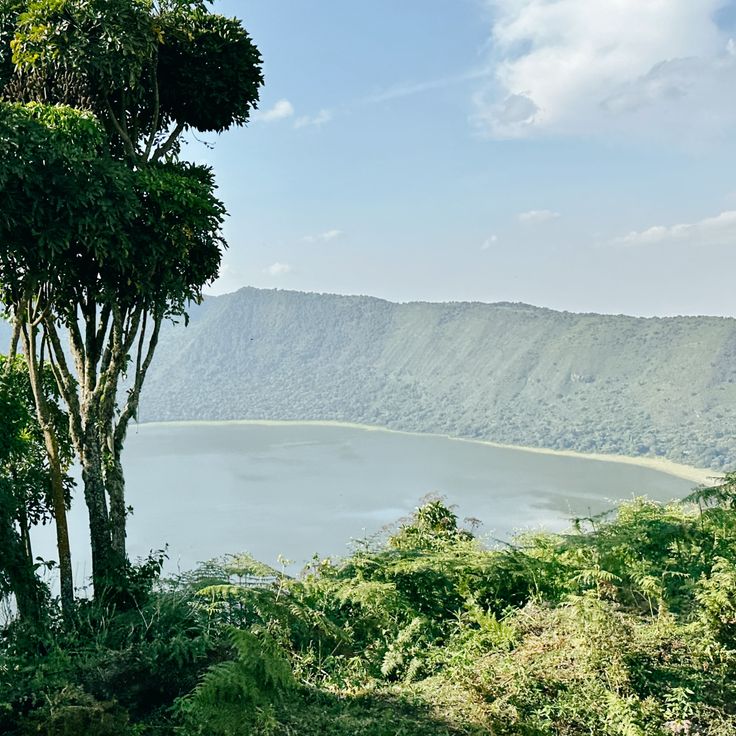
Arusha Region, Tanzania
This volcanic crater in the Ngorongoro Conservation Area offers photographers a lake covering 6 square kilometers (2.3 square miles), surrounded by forested crater walls that provide habitat for numerous bird species. The crater walls rise up to 1,000 feet (300 meters) above the water surface, creating dramatic depth perspectives for landscape shots. Flamingos frequently gather along the shores of this soda lake, while the surrounding forests provide opportunities for photographing colobus monkeys and other primates. The descent to the crater floor takes about an hour and allows changing angles on the lake and geological formations.
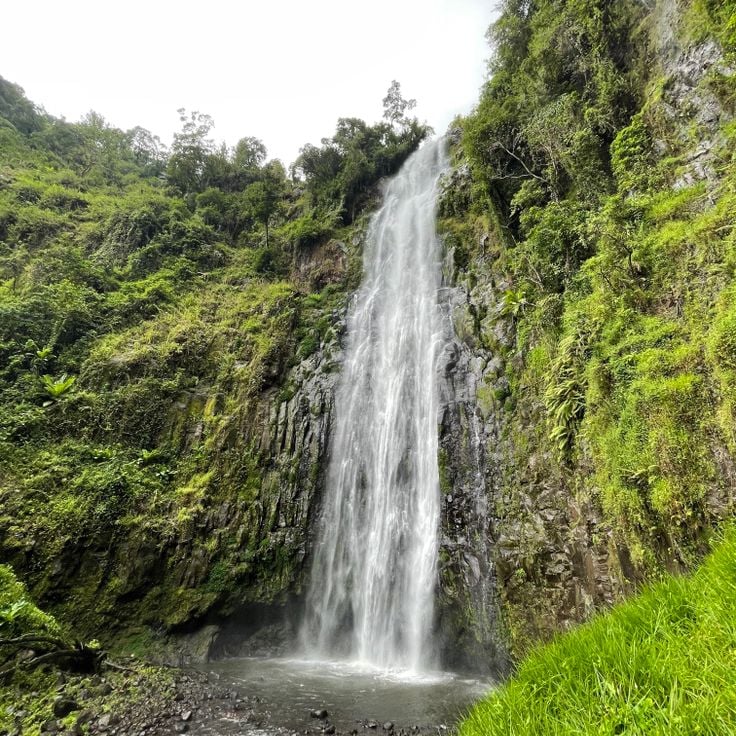
Kilimanjaro Region, Tanzania
This waterfall drops 70 meters (230 feet) in a region known for traditional coffee cultivation, located 15 kilometers (9 miles) north of Moshi town. Materuni Waterfalls offers photographers opportunities to capture falling water against the forested slopes of Mount Kilimanjaro. Access passes through coffee farms where Chagga communities have cultivated arabica beans for generations. The pool at the base creates a natural frame for shots of the cascade and surrounding vegetation that remains green throughout the year.
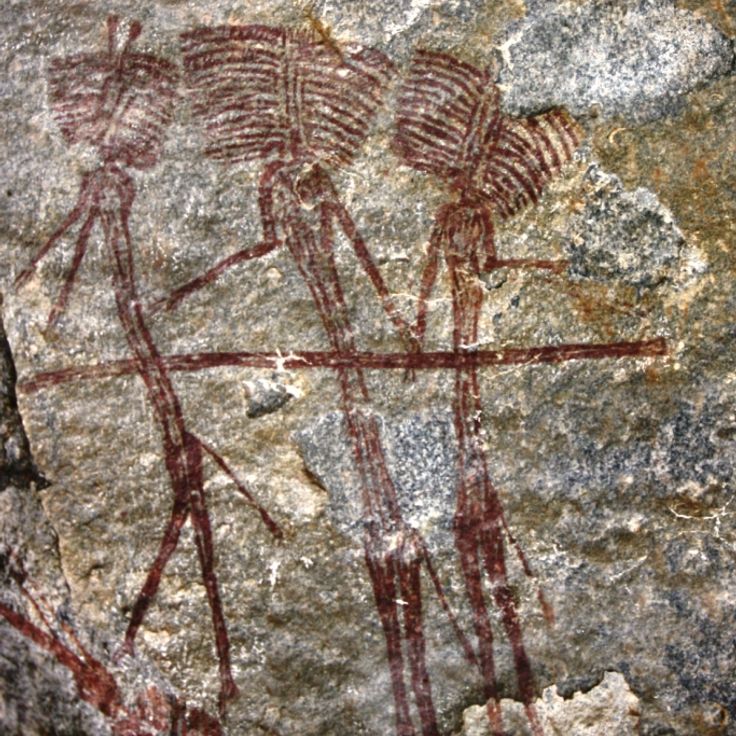
Dodoma Region, Tanzania
These archaeological sites provide photographers access to more than 150 natural rock shelters decorated with prehistoric paintings depicting hunting scenes, social rituals and daily life of early communities. The Kondoa rock art spans several thousand years and documents the cultural evolution of the region through different periods. The paintings are located in a hilly landscape with granite formations, offering compositions that combine the historical artwork with natural rock surfaces and surrounding vegetation. For those documenting cultural heritage and archaeological subjects in Tanzania, these sites represent an important photographic subject.
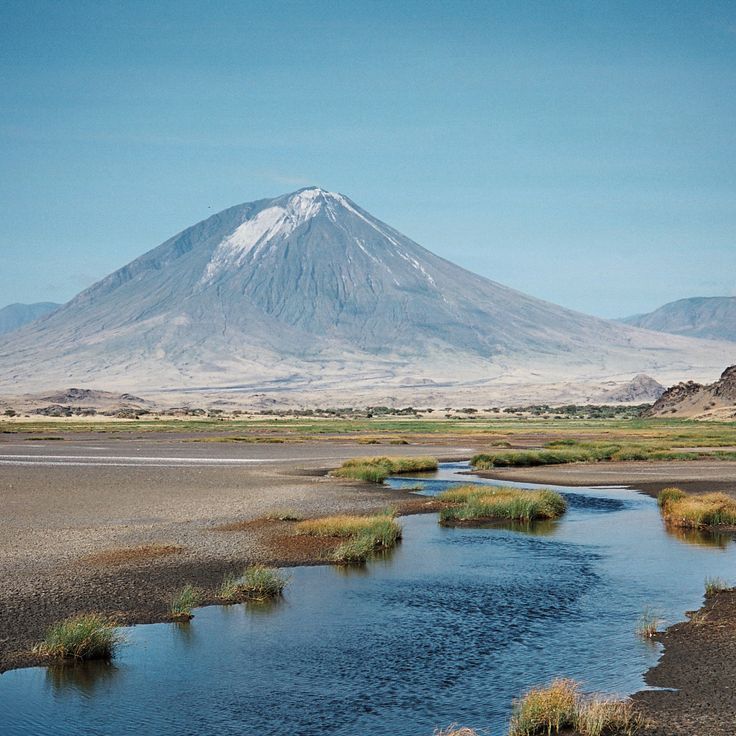
Arusha Region, Tanzania
This active volcano in the Arusha Region rises to 9718 feet (2962 meters) and forms one of Tanzania's most unusual photography subjects. Ol Doinyo Lengai produces black lava containing sodium and potassium carbonates that weathers to white in daylight. The Maasai consider the mountain sacred and call it the Mountain of God. Photographers capture smoking craters, ridged lava formations and wide views across Lake Natron and the Rift Valley. Climbers typically ascend at night to avoid extreme daytime temperatures and photograph sunrise from the summit.
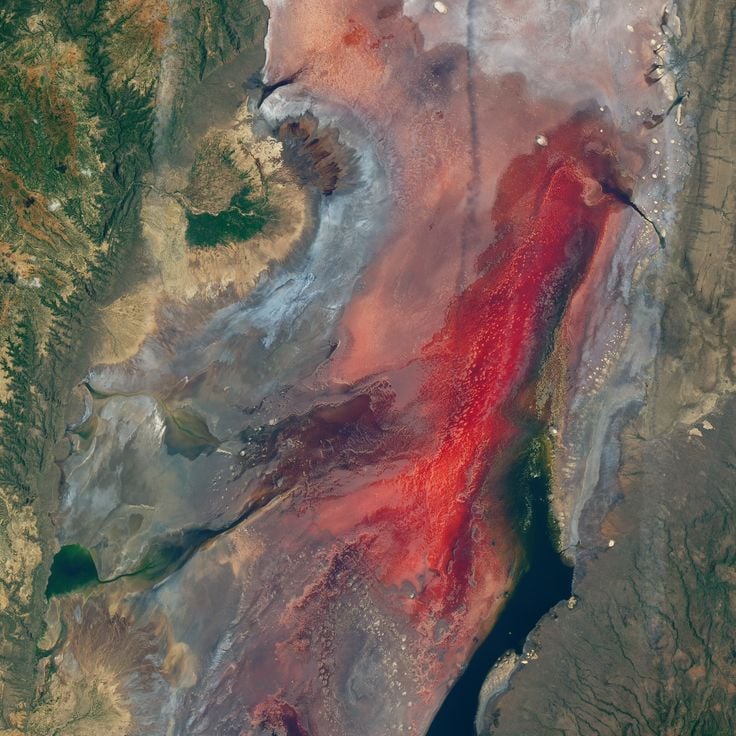
Arusha Region, Tanzania
This remote soda lake provides remarkable photography subjects through its red-pink colored waters caused by extremophile bacteria thriving in the highly alkaline environment. Lake Natron sits at the southern end of the Gregory Rift and serves as the primary breeding site for lesser flamingos in East Africa, with hundreds of thousands of birds populating the shallow waters during breeding season. The surrounding mineral deposits and salt crusts form abstract patterns ideal for landscape and aerial photography. Nearby Ol Doinyo Lengai, Tanzania's active volcano, adds to the geologically diverse scenery of this photography location.
Zanzibar, Tanzania
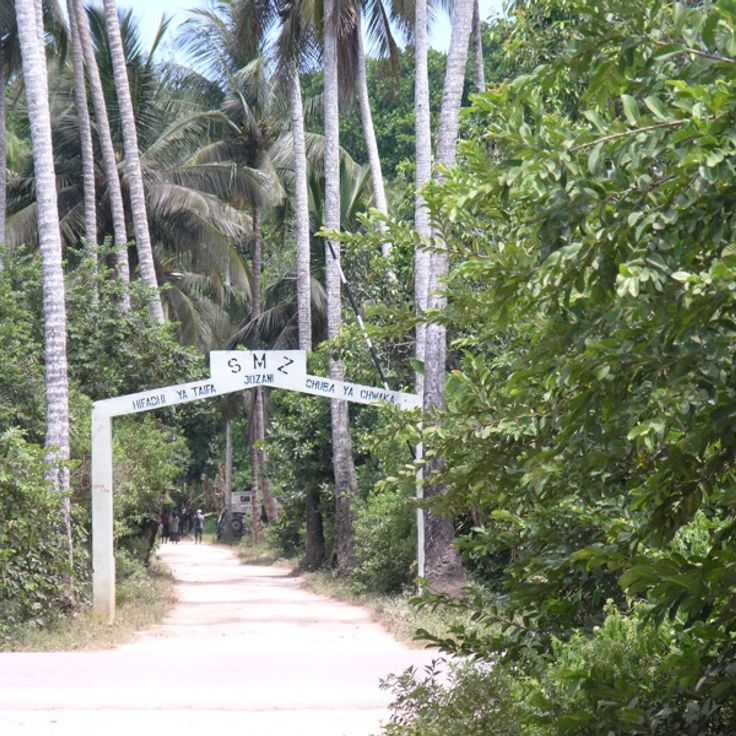
This national park covers 50 square kilometers (19 square miles) and combines mangrove forests with tidal bays along Zanzibar's eastern coast. The protected zone supports a population of Zanzibar red colobus monkeys living in the hardwood forests. For photographers, the park offers primate subjects in natural habitat, tangled mangrove roots during changing tides, and the characteristic vegetation of coastal wetlands. The elevated wooden walkways through the mangroves provide ground-level perspectives on crabs and shore birds, while the forest sections present opportunities for capturing the endemic monkey species in varying light conditions.
Arusha Region, Tanzania
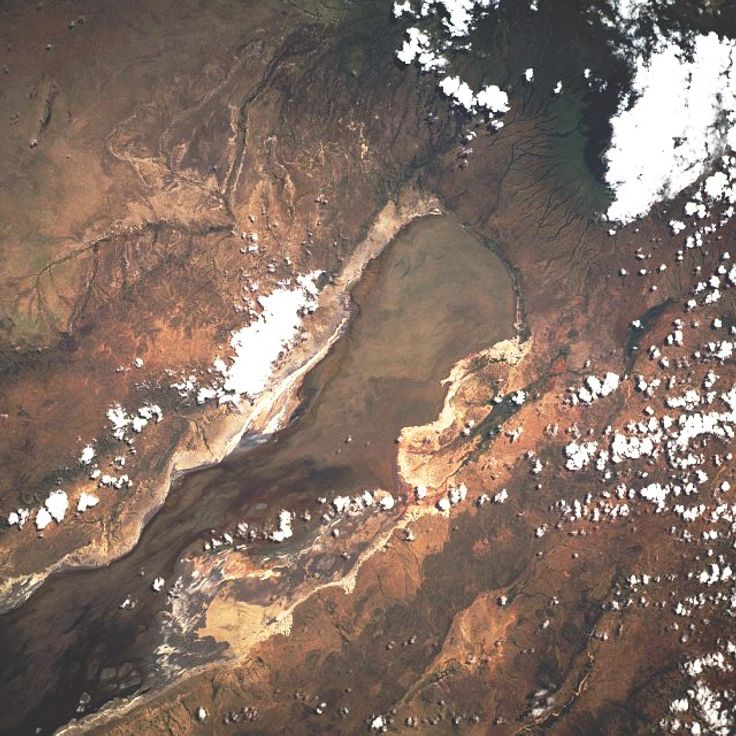
This saline lake stretches across a shallow basin in Arusha Region where the Hadza people continue practicing traditional hunting and gathering. The lake provides photographers with opportunities to document both the stark landscape of the East African Rift Valley and the daily life of one of Africa's last remaining hunter-gatherer communities. Lake Eyasi's shores attract flamingos and other waterfowl during certain seasons, while the surrounding dry plains support wildlife including zebras and gazelles. Morning light across the shallow waters and the Hadza's interaction with their environment create authentic photographic subjects away from conventional safari circuits.
Kilimanjaro Region, Tanzania
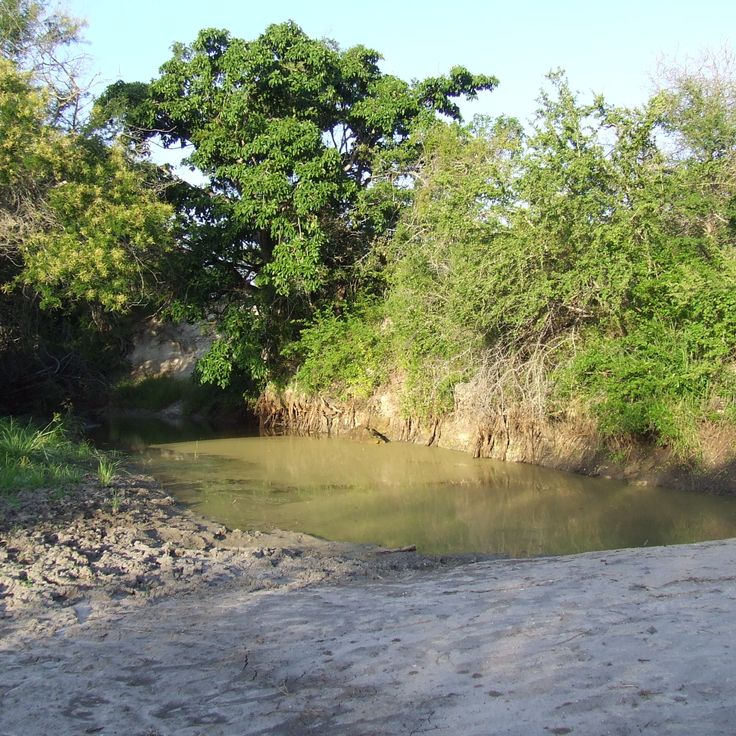
This park adds to Tanzania's photography sites with programs protecting endangered species including black rhinoceros and African wild dogs. Mkomazi National Park sits at the base of the Pare and Usambara mountains, covering roughly 3,245 square kilometers (1,253 square miles) of acacia woodland and open grassland. Antelope populations include gerenuk, oryx and lesser kudu. Elephants move through the area during seasonal migrations between Kenya and Tanzania.
Tanzania
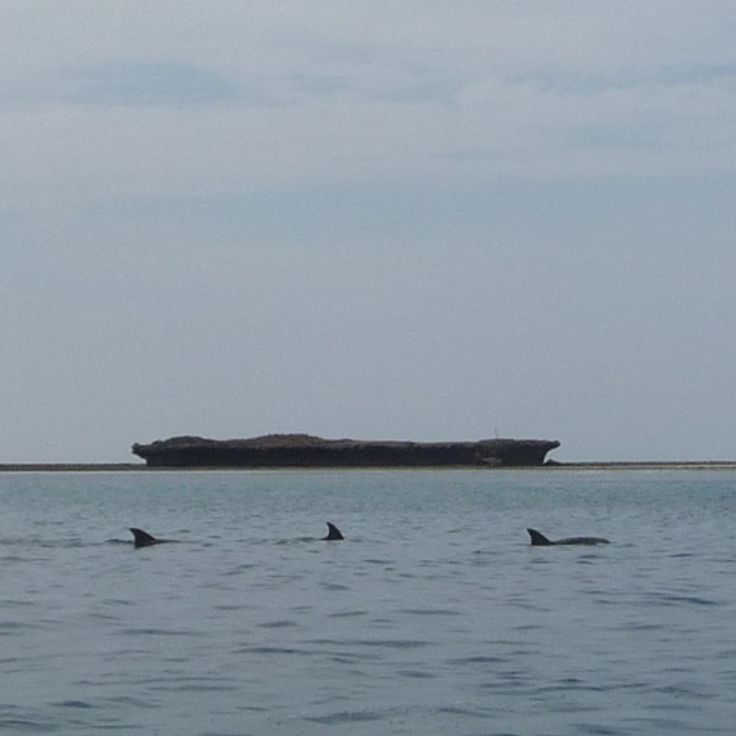
This marine park gives photographers access to extensive coral reefs and tropical fish populations off Tanzania's southern coast. The protected waters support green sea turtles, dolphins and over 250 fish species in clear visibility conditions. Snorkeling and diving positions provide opportunities to photograph coral gardens, reef sharks and pelagic species moving through channels between the four islands. Protected lagoons and outer reef walls offer different lighting conditions for underwater photography from dawn through afternoon.
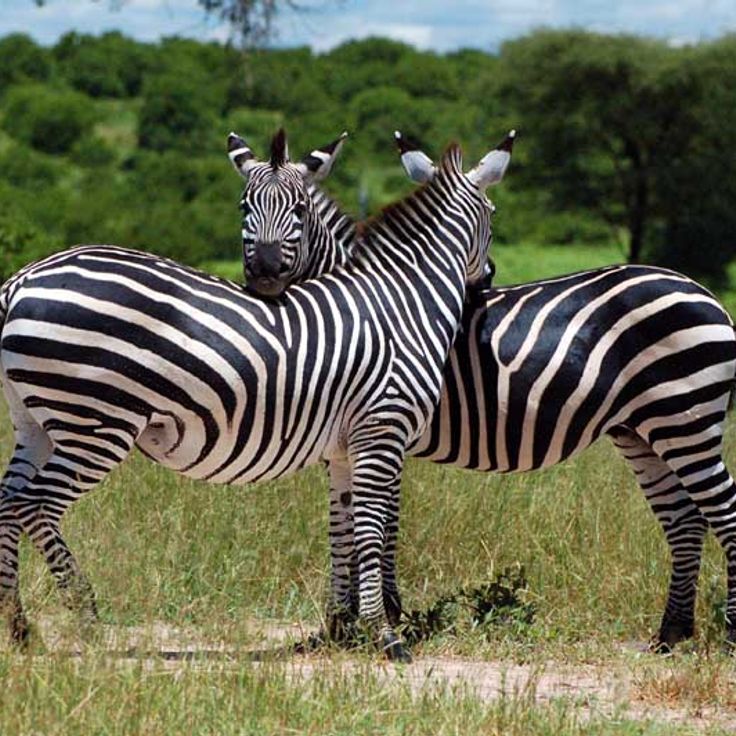
Iringa Region, Tanzania
This remote national park in central Tanzania hosts one of the country's largest elephant populations, along with substantial numbers of lions, leopards and African wild dogs. The Ruaha River cuts through the reserve, drawing wildlife to its banks during the dry season. The rugged terrain features baobab trees and rocky hills that provide photographers with varied compositions of large mammals in different lighting conditions. Covering roughly 7,800 square miles (20,000 square kilometers), the park ranks among the largest in East Africa and allows for authentic safari photography away from heavier tourist traffic.
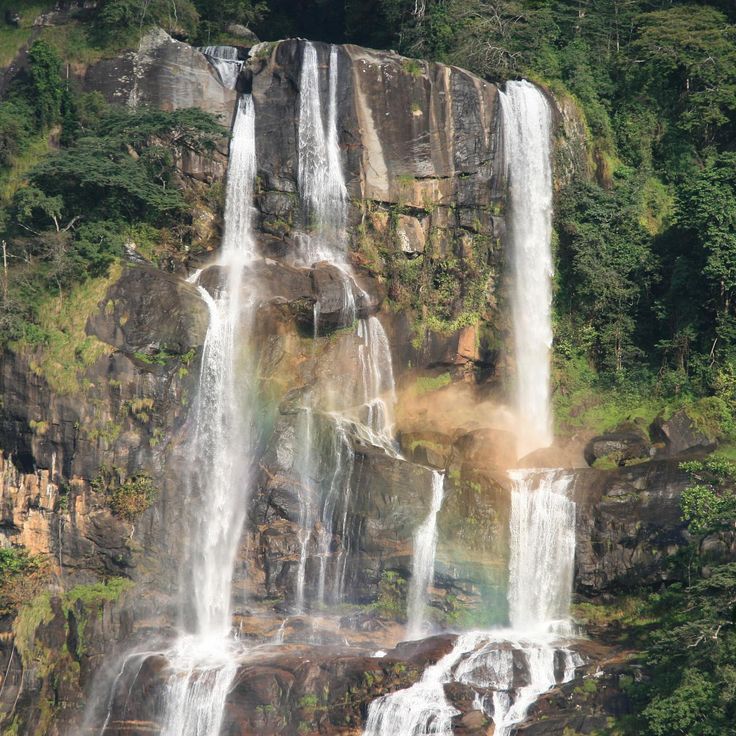
Morogoro Region, Tanzania
Udzungwa Mountains National Park in the Morogoro Region protects forested mountain ranges that provide habitat for over 400 bird species, 2,500 plant species and several primate populations. This highland terrain suits photographers working to capture endemic species such as the Udzungwa red colobus monkey and various forest birds. The trails through the woodland lead to waterfalls and viewpoints overlooking the Kilombero Valley. Compared to the savanna landscapes of the Serengeti, this park offers dense vegetation and primates in their natural habitat.
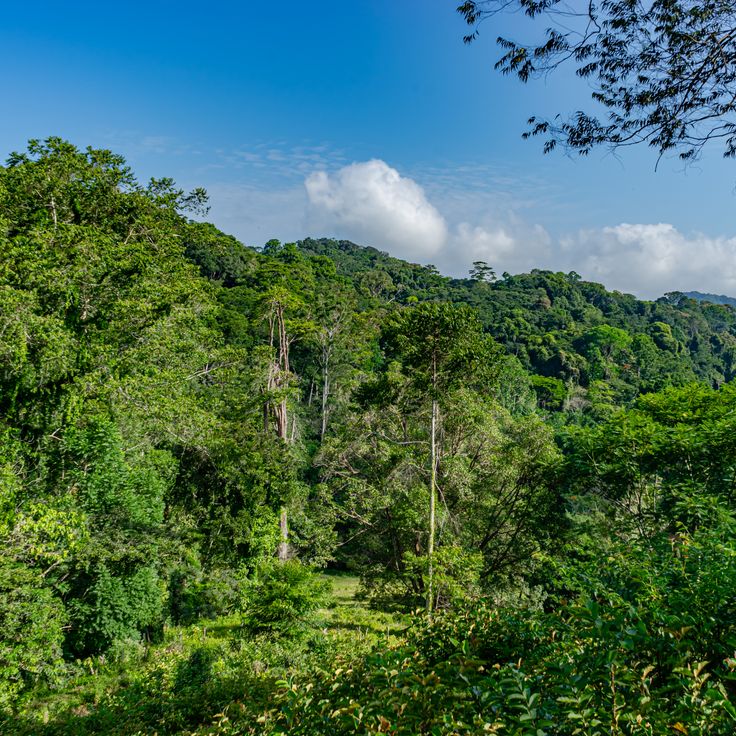
Tanga Region, Tanzania
The Amani Nature Reserve covers 8380 hectares (20,700 acres) in the Usambara Mountains and provides photographers with tropical montane rainforest containing more than 340 bird species. This reserve includes botanical gardens established during the German colonial period, research stations and hiking trails through dense vegetation. Butterflies, endemic plant species and primates inhabit the moist forests, while clearings offer views across forested hills. The combination of scientific history and biological diversity makes this reserve an important destination for nature photography in Tanzania.