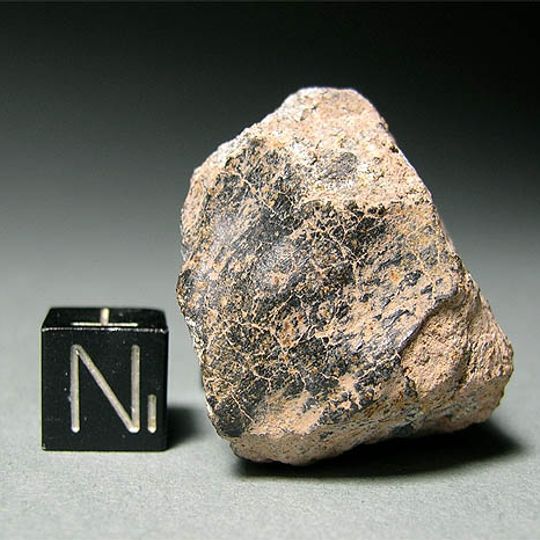
Carancas impact event, 2007 meteorite strike in Peru
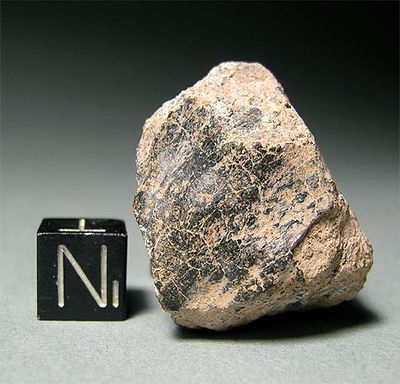
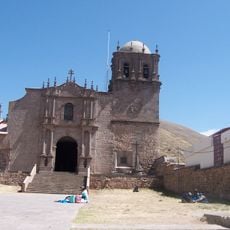
The Carancas impact event is an astronomical phenomenon that occurred on September 15, 2007, in a small highland village in Peru. A meteorite weighing between 7 and 12 tons struck with considerable force, creating a crater roughly 13 meters wide and 4 meters deep in the ground.
The meteorite traveled from the asteroid belt between Mars and Jupiter at over 27,000 miles per hour before striking Earth. This was one of the largest meteorite arrivals recorded in recent memory and provided scientists with rare data about how intact chondrites can reach the ground instead of burning up in the atmosphere.
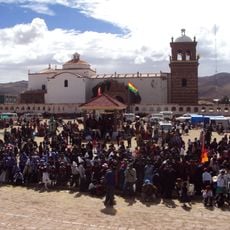
The Aymara people living in the area have held deep beliefs about stars and spirits for centuries, which shaped how they understood the impact. Local shamans and village leaders performed rituals and ceremonies to restore spiritual balance after the event struck the land.
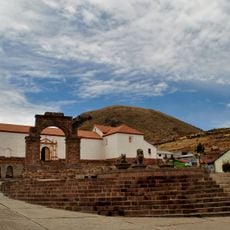
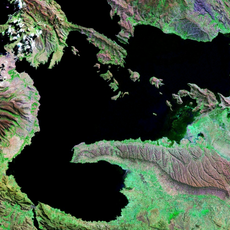
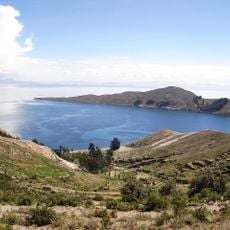
The impact site sits in a remote highland area at more than 12,400 feet (3,800 meters) elevation where the crater water became contaminated with arsenic. Visitors should avoid local water sources and be prepared for the exposed, rugged terrain and altitude.
The crater quickly filled with boiling water heated by the impact, and arsenic vapors were released from the ground as locals reported smelling sulfur and feeling sick. This was unusually significant because chondrite meteorites typically burn up in the atmosphere rather than arriving intact to create such dramatic ground reactions.
The community of curious travelers
AroundUs brings together thousands of curated places, local tips, and hidden gems, enriched daily by 90,787 contributors worldwide.