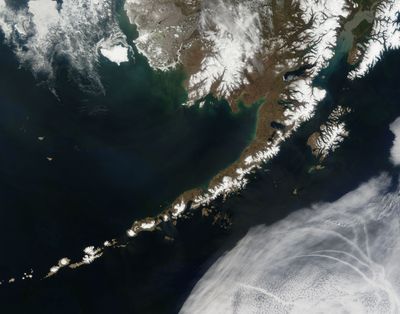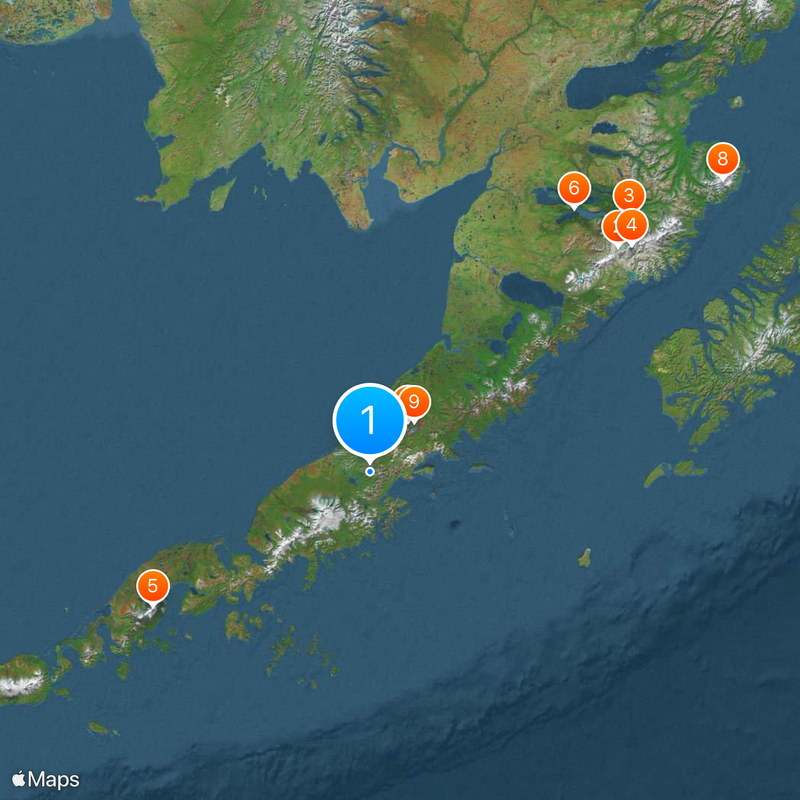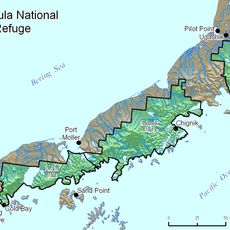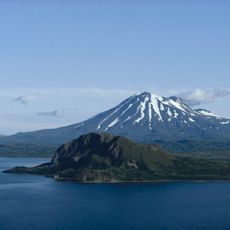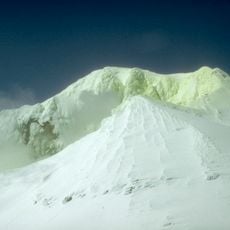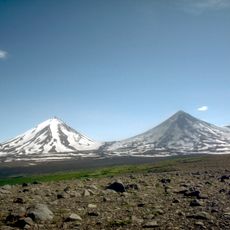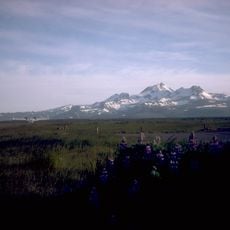
Alaska Peninsula, Peninsula at the southwestern edge of Alaska, United States.
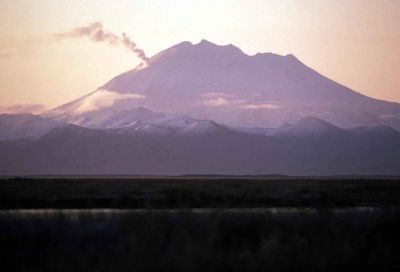
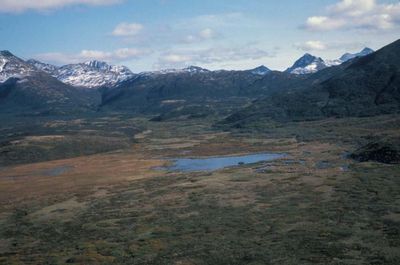
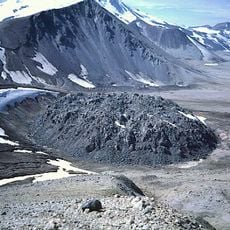
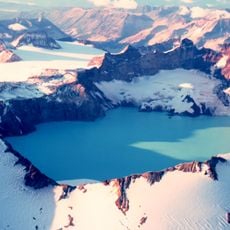
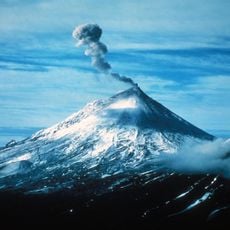
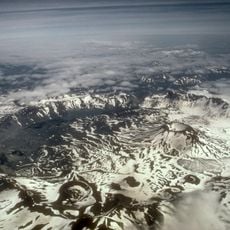
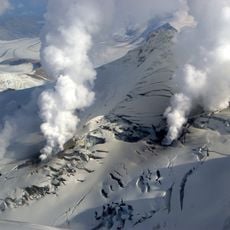
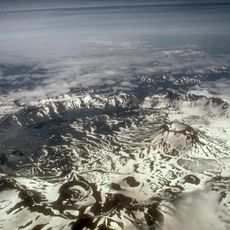
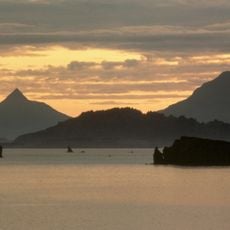
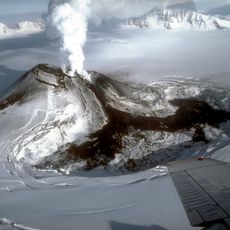
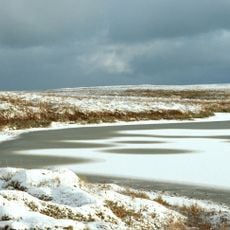
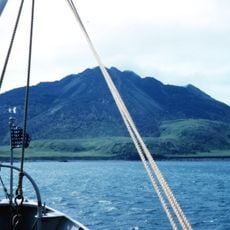
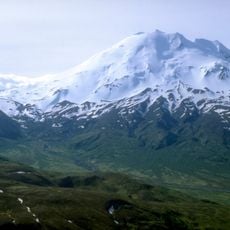
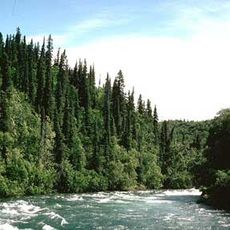
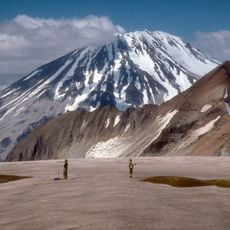
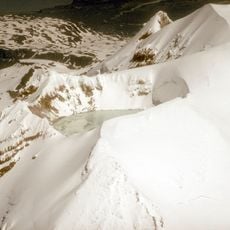
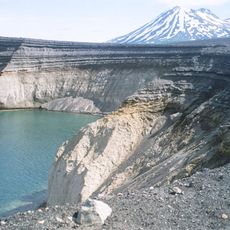
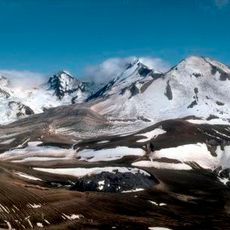
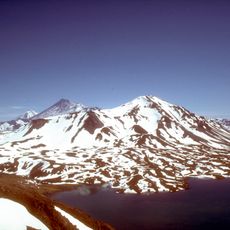
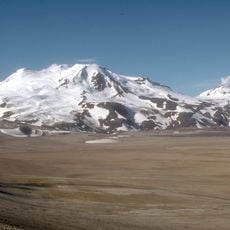
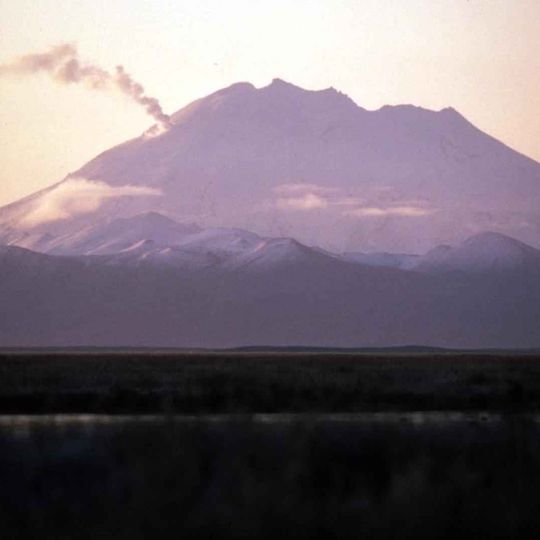
The Alaska Peninsula extends roughly 500 miles between the Pacific Ocean and Bristol Bay, with the Aleutian Range running along its length and featuring several active volcanoes. The land includes diverse habitats ranging from alpine valleys to river systems and coastal areas.
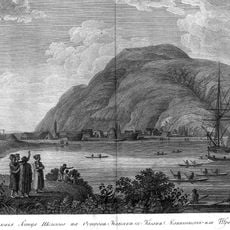
During the last ice age, this peninsula was part of a land connection between North America and Asia that enabled early human migration. As glaciers receded, coastal communities developed here and became dependent on the region's abundant fish resources.
Indigenous communities along this peninsula have practiced fishing for generations, with salmon harvesting from Bristol Bay shaping the rhythm of local life. Today these traditions remain central to how residents use the surrounding waters.
The area is best reached by air since road access is limited and it encompasses several protected areas including Katmai National Park and Becharof National Wildlife Refuge. Visitors should prepare for harsh weather and unpredictable conditions that change quickly.
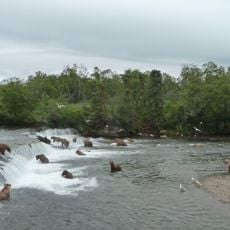
This area holds the highest concentration of brown bears in North America, particularly within McNeil River State Game Sanctuary. This protected zone offers one of the best opportunities to watch these animals fishing for salmon.
The community of curious travelers
AroundUs brings together thousands of curated places, local tips, and hidden gems, enriched daily by 60,000 contributors worldwide.