Lake Superior, Freshwater lake between Ontario, Canada and Michigan, United States
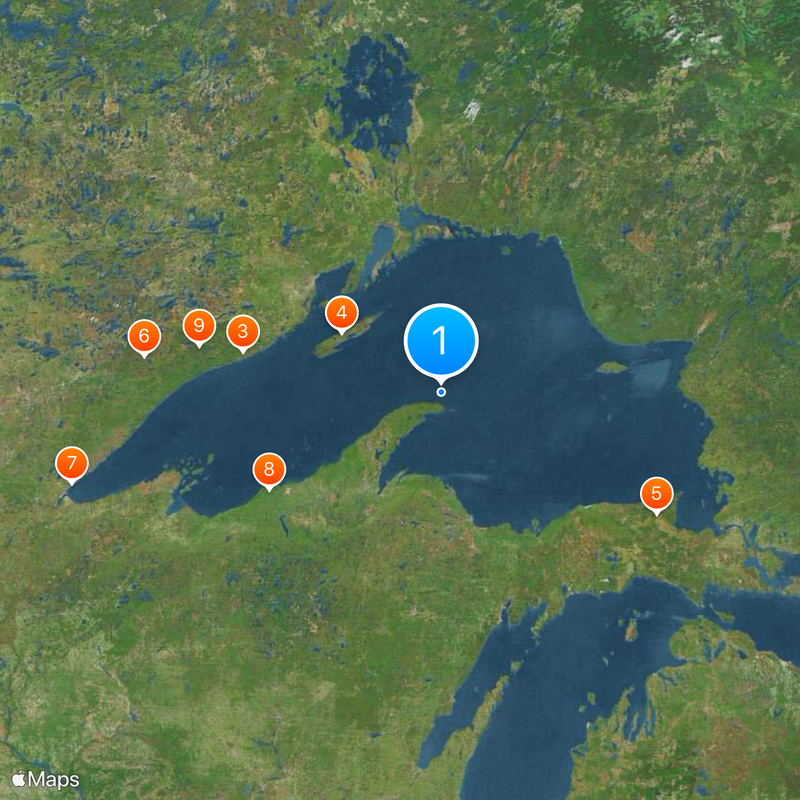
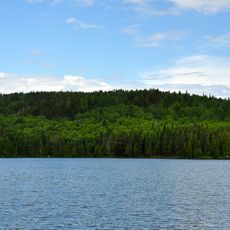
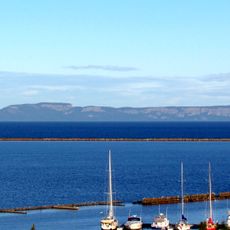
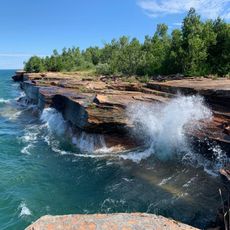
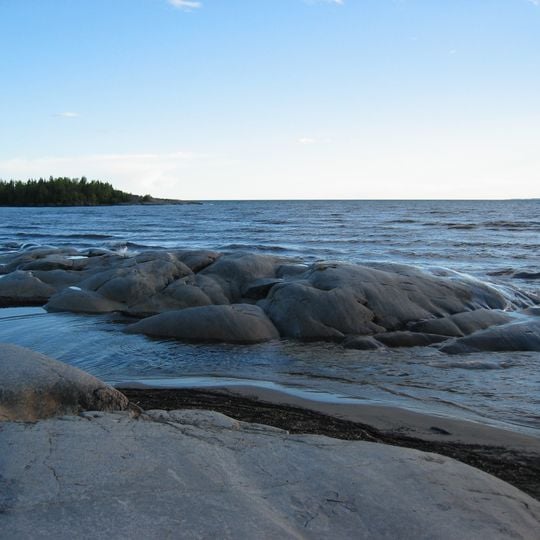
Lake Superior is a lake in central North America, bordered by Ontario to the north and east and by Minnesota, Wisconsin and Michigan to the south and west. It covers 31,700 square miles (82,000 km²), reaches a maximum depth of 1,333 feet (406 m), and holds 2,900 cubic miles of water. Its shoreline runs 2,726 miles, and the surface elevation is 600 feet above sea level.
French travelers reached these waters in the 1600s and called them le lac supérieur because they sat higher than Lake Huron. Later, the region became a key route for fur trade and then for moving iron ore down from the north.
The Ojibwe name gichi-gami, meaning "great sea", was rendered as "Gitche Gumee" by Henry Wadsworth Longfellow in The Song of Hiawatha and by Gordon Lightfoot in "The Wreck of the Edmund Fitzgerald". The lake carries iron ore aboard long, narrow lakers, and the Soo Locks lift ships 25 feet between Superior and Huron.
The water stays cold throughout the year, so warm clothing is advisable even in summer when walking along the shore or riding on a boat. Many stretches of the coast are remote and undeveloped, so visitors should carry supplies and be ready for changing weather conditions.
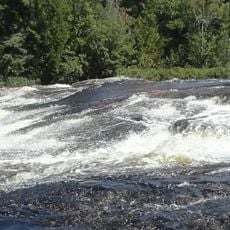
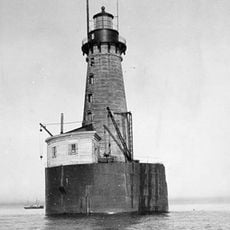
More than 200 rivers flow into this body of water, including the Nipigon River and the Saint Louis River, together feeding its volume. Dozens of shipwrecks rest on the bottom, often well preserved because the cold, oxygen-poor water slows decay.
The community of curious travelers
AroundUs brings together thousands of curated places, local tips, and hidden gems, enriched daily by 92,217 contributors worldwide.