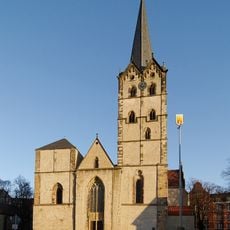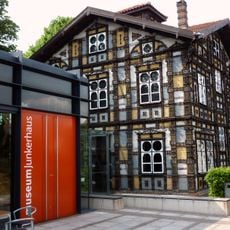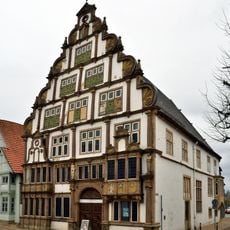
Lippe, Rural district in North Rhine-Westphalia, Germany
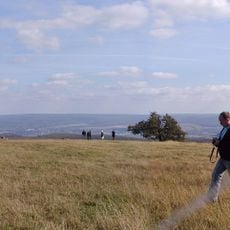
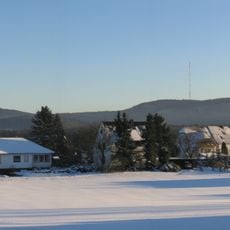
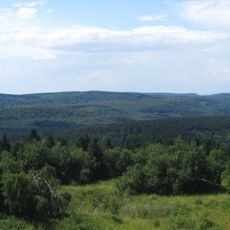
Lippe is a rural district in the eastern part of North Rhine-Westphalia, whose territory stretches from the Weser valley to the higher elevations of the Teutoburg Forest. Sixteen municipalities form this administrative area, spread across gently rolling farmland, wooded hills and smaller river valleys.
The region was first documented as a county in the 12th century and developed into a principality during the 18th century. After the Napoleonic Wars ended, the territory remained independent until 1947, when it was integrated into the new federal state.
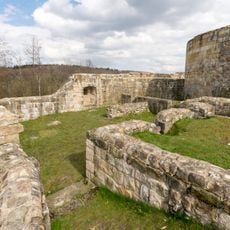
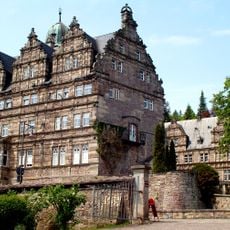
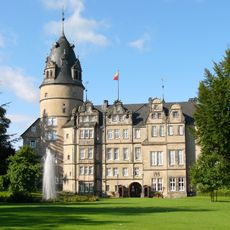
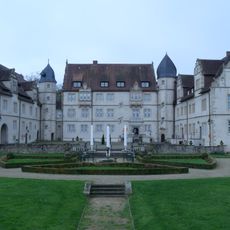
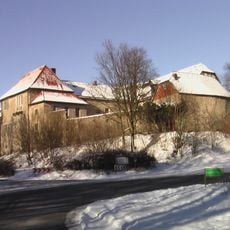
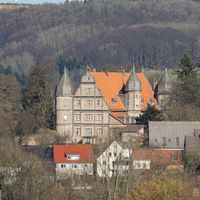
This administrative unit takes its name from an old county whose descendants continue today as a princely line. Visitors see traces of this past in many castles and manor houses scattered across the individual towns.
Visitors can reach the entire area by car or public transport, though smaller towns are often connected only by regional bus lines. Hiking trails and cycling routes cross the wooded sections and link the individual municipalities together.
The coat of arms shows a stylized rose with exactly sixteen stamens, pointing to the number of municipalities. This heraldic feature makes the symbol one of the few German coats of arms with a directly readable numerical meaning.
The community of curious travelers
AroundUs brings together thousands of curated places, local tips, and hidden gems, enriched daily by 90,751 contributors worldwide.