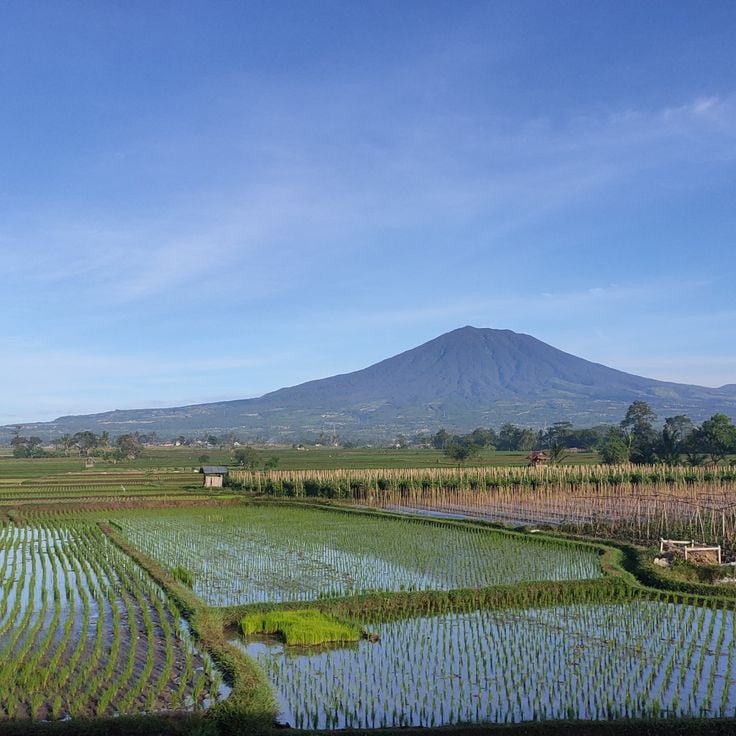
On Java, Hindu and Buddhist temples sit next to smoking volcanoes and markets where boats are still used as shops.
The island of Java showcases an exceptional heritage blending spiritual traditions and natural wonders. The temples of Prambanan and Candi Mendut attest to the grandeur of 9th-century Hindu and Buddhist civilizations, while the Candi Sewu complex reveals sacred architecture organized according to mandala principles. Active volcanoes like Mount Bromo and Kawah Ijen offer striking landscapes, from the smoking crater dominating the black sand plain to turquoise lakes where miners still extract sulfur.
Javanese cities combine tradition and modernity: Jakarta features the National Monument on Merdeka Square, Bandung houses the Geology Museum founded in 1928, and Malang surprises with Kampung Biru, whose houses are entirely painted blue. The Seribu Islands extend this diversity into the Java Sea with their coral reefs, while floating markets like in Lembang maintain age-old trading practices. This array of sites invites exploration of Indonesia’s deep spirit, between spirituality, volcanic nature, and human ingenuity.
On Java, Hindu and Buddhist temples sit next to smoking volcanoes and markets where boats are still used as shops.
The island of Java showcases an exceptional heritage blending spiritual traditions and natural wonders. The temples of Prambanan and Candi Mendut attest to the grandeur of 9th-century Hindu and Buddhist civilizations, while the Candi Sewu complex reveals sacred architecture organized according to mandala principles. Active volcanoes like Mount Bromo and Kawah Ijen offer striking landscapes, from the smoking crater dominating the black sand plain to turquoise lakes where miners still extract sulfur.
Javanese cities combine tradition and modernity: Jakarta features the National Monument on Merdeka Square, Bandung houses the Geology Museum founded in 1928, and Malang surprises with Kampung Biru, whose houses are entirely painted blue. The Seribu Islands extend this diversity into the Java Sea with their coral reefs, while floating markets like in Lembang maintain age-old trading practices. This array of sites invites exploration of Indonesia’s deep spirit, between spirituality, volcanic nature, and human ingenuity.
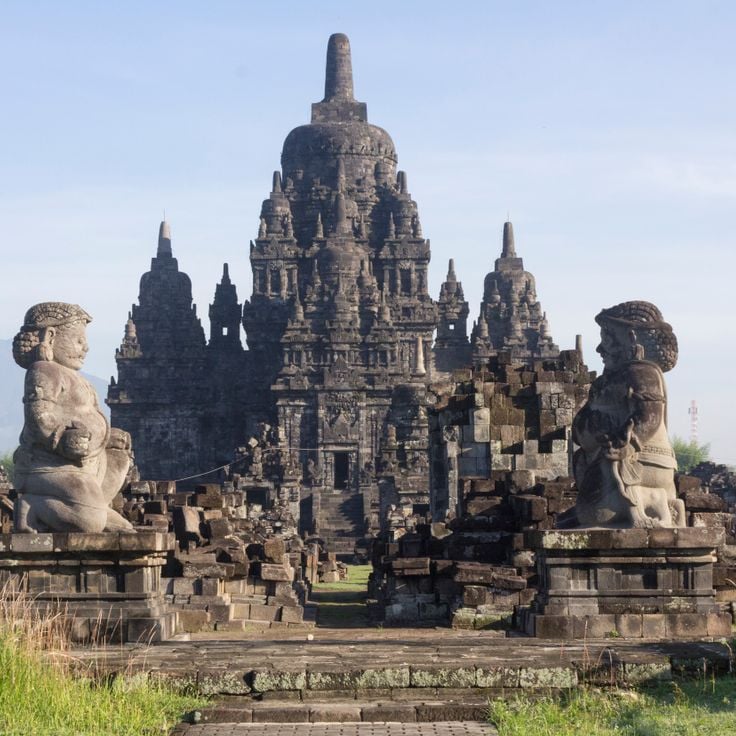
Candi Sewu Temple is part of Java's exceptional heritage of ancient temples that anchor this collection. Built in the 8th century, this Buddhist complex features a central sanctuary surrounded by 240 satellite temples arranged in sacred mandala geometry. The monumental architecture demonstrates the skill of Javanese builders from this period and stands as one of the largest religious complexes in central Java.
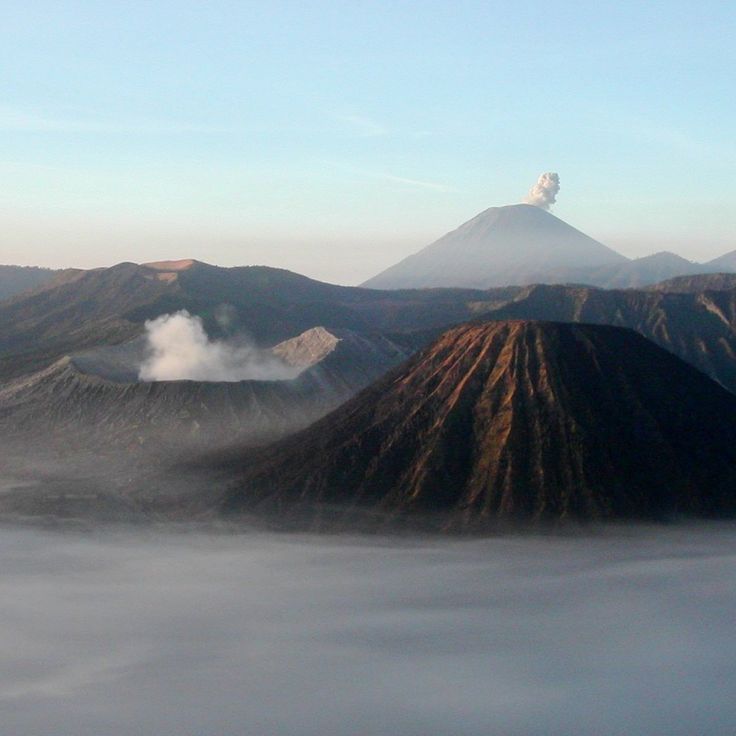
Mount Bromo represents the volcanic majesty that defines this region of Java. This active volcano rises to 2,329 meters within a 10-kilometer caldera. The crater releases smoke and sulfurous gases across a vast plain of black volcanic sand, creating a landscape that feels otherworldly. Mount Bromo exemplifies the raw geological forces that have shaped Java's terrain and continue to affect the lives of nearby communities who live in the shadow of this powerful mountain.
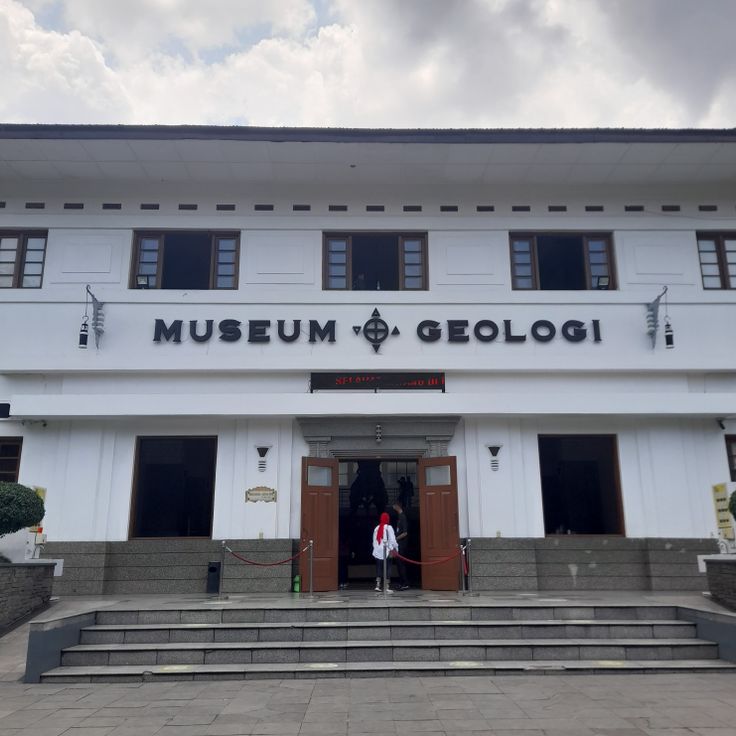
The Geology Museum in Bandung was established in 1928 and displays extensive collections of fossils, minerals, and rocks from the Indonesian archipelago. This museum contributes to the collection of Java's tourist sites by offering insights into the geological history of the region. A dedicated section explores volcanic and seismic phenomena, which are particularly relevant here on the Pacific Ring of Fire. Visitors can understand the natural forces that have shaped Java's landscape.
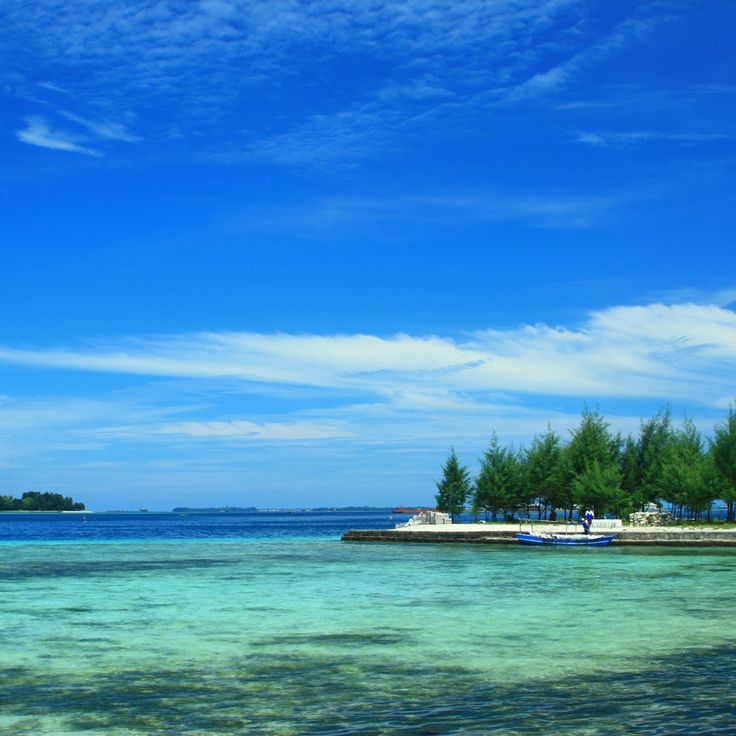
These coral islands form an archipelago of 76 islets scattered in the Java Sea near Jakarta. The Seribu Islands extend Java's natural heritage with preserved coral reefs and white sandy beaches. Visitors can dive and snorkel to observe sea turtles and tropical fish living among hard and soft corals. The marine national park is accessible by ferry from the Indonesian capital, offering clear waters for underwater exploration.
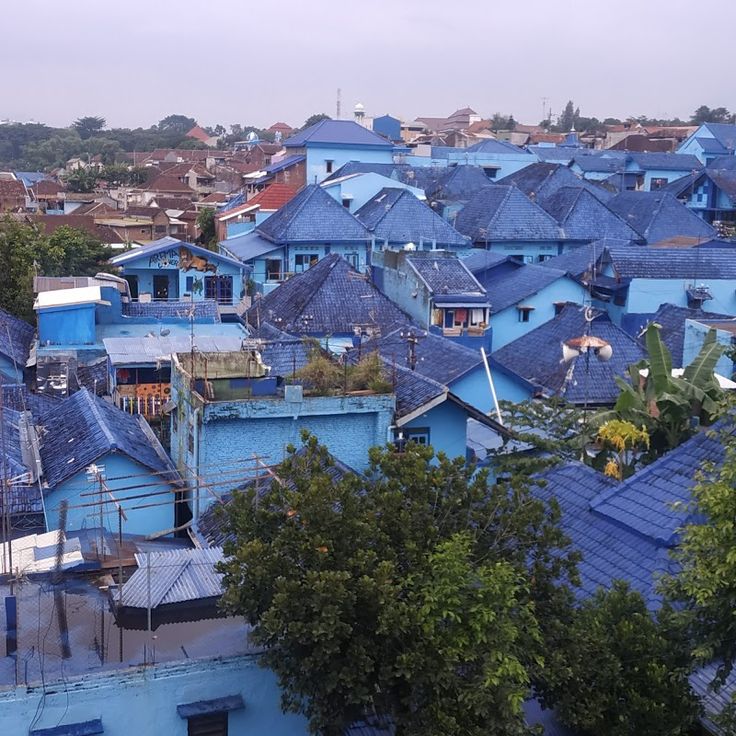
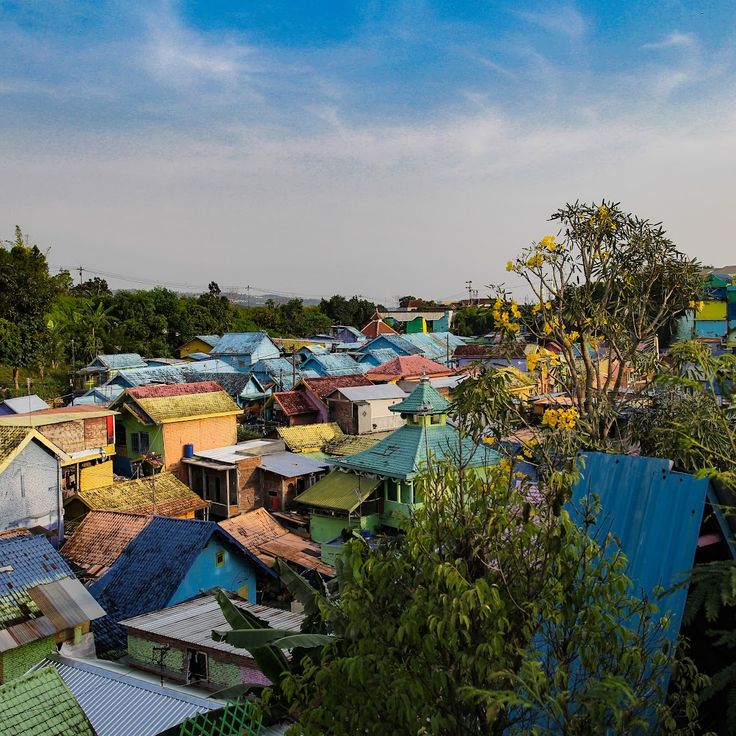
Kampung Biru is a neighborhood in Malang where buildings are entirely painted in shades of blue, from facades to fences. This village fits into Java's diverse sites alongside temples and volcanoes. Contemporary murals decorate intersections and gable walls, transforming this district into an open-air art gallery where color and creativity shape the streetscape.
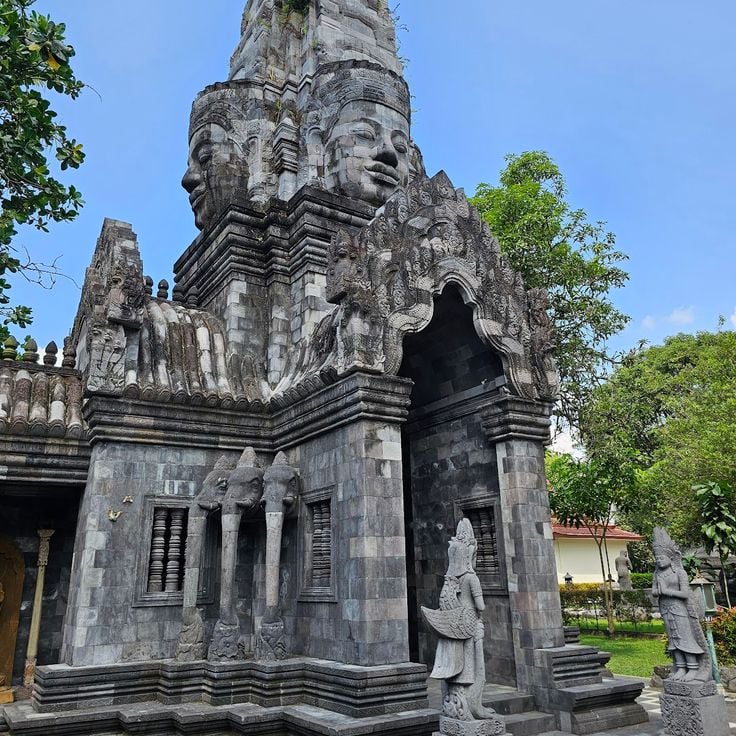
Candi Mendut displays Buddhist architecture from the 9th century. Inside the temple's main chamber stand three large Buddha statues and bodhisattva figures. The exterior walls feature finely carved reliefs showing scenes from Buddha's life and traditional floral patterns of Javanese art. This temple fits into the broader collection of Javanese sites that brings together ancient temples, active volcanoes, and traditional villages.
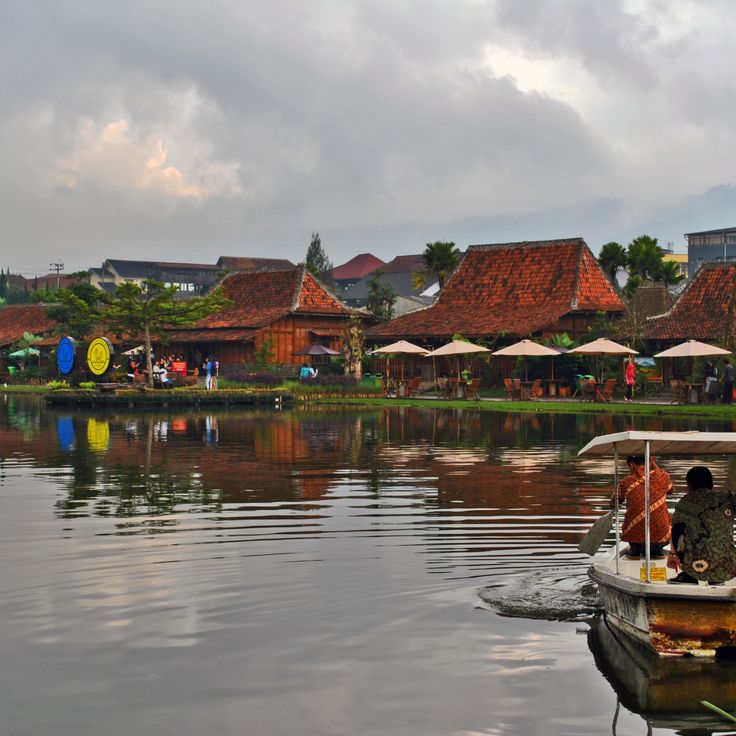
Pasar Apung Lembang in Bandung shows how merchants once sold their goods from boats. This artificial market sits in a park with tropical plants and themed gardens. Visitors can shop here and learn how this ancient trading method is still used on Java today.
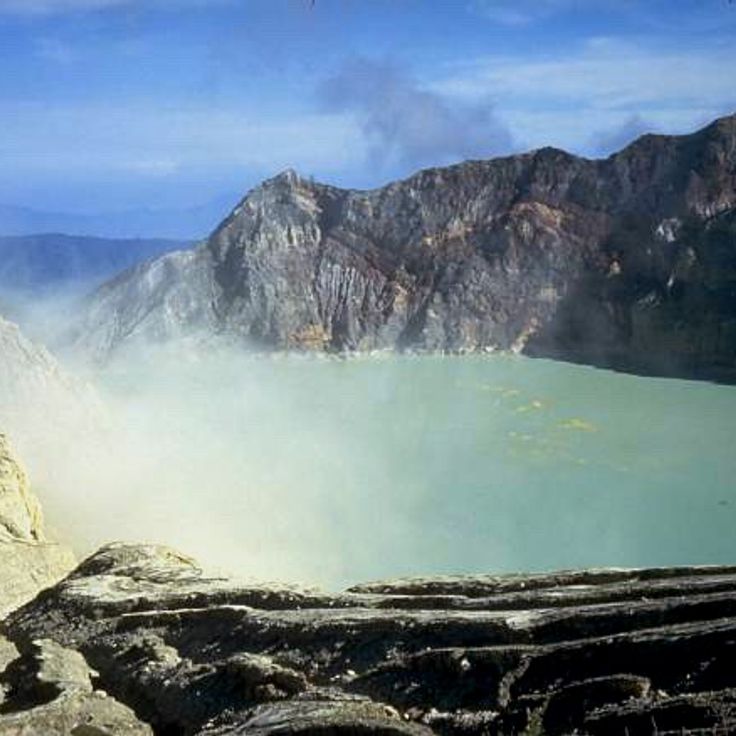
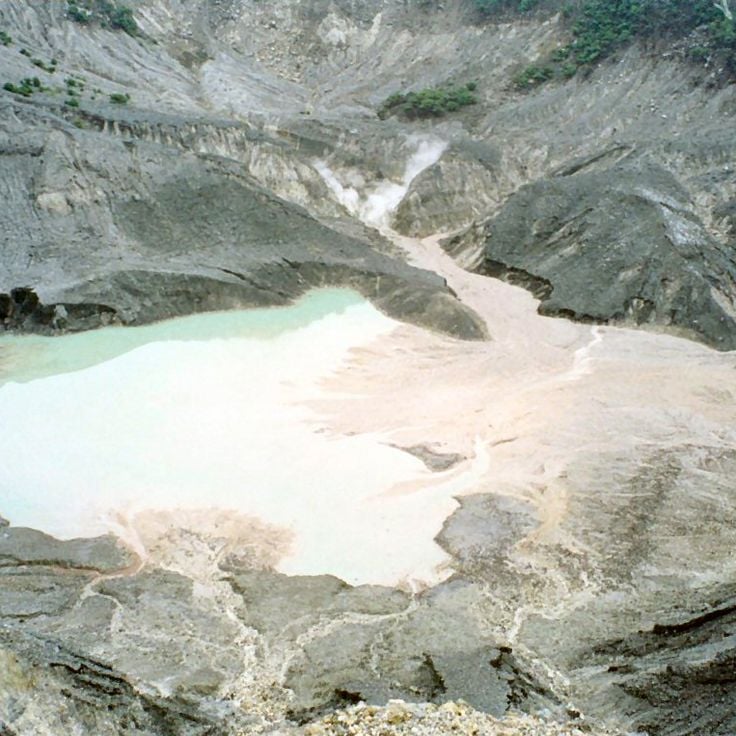
Kawah Ijen is part of Java's remarkable natural heritage, demonstrating the volcanic forces that shape this island. The active crater contains a striking turquoise lake set against barren crater walls. Each day, miners descend into the crater to extract sulfur using time-honored techniques, carrying their loads in wicker baskets up steep mountain paths. This site reveals both the raw power of nature and the resilience of those who work within it.
Prambanan Temple stands within Java's rich heritage that blends spiritual traditions and cultural grandeur. This 9th-century temple complex contains 240 Hindu temples adorned with reliefs that tell stories and depict gods. The temple itself was built around three main sanctuaries dedicated to Shiva, Vishnu, and Brahma. Smaller temples arrange themselves according to a geometric plan. The outer walls display scenes from the Ramayana with fine stone carvings, while inner chambers house large statues of Hindu gods.
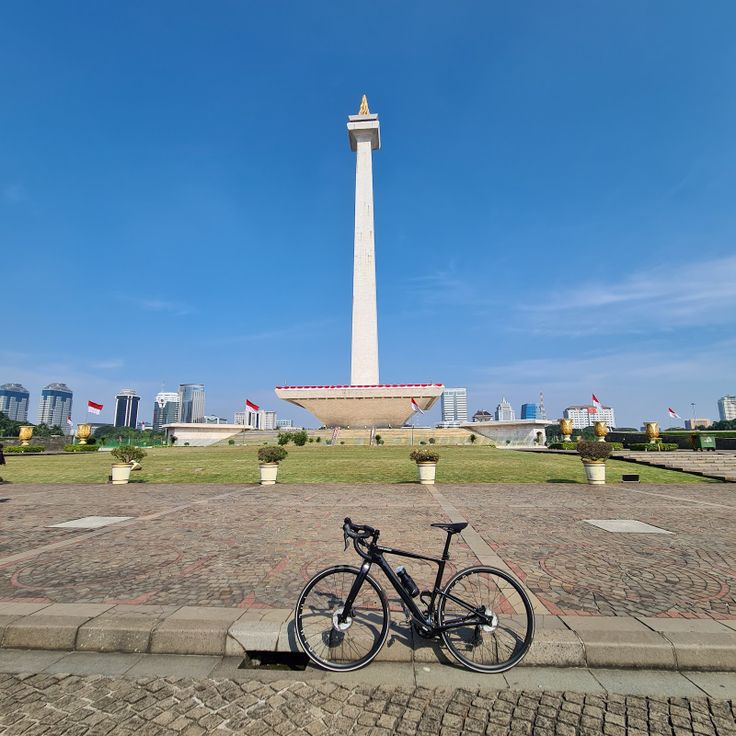
Merdeka Square is Jakarta's central plaza and part of this collection exploring Java's spiritual and natural heritage alongside human achievement. The square spans one square kilometer and is dominated by the National Monument, a 137-meter tower built as a symbol of Indonesian independence. The country's main government buildings surround the plaza, making it the administrative and symbolic heart of the capital. This site reflects how modern Indonesia honors its independence and identity through public spaces and monuments.
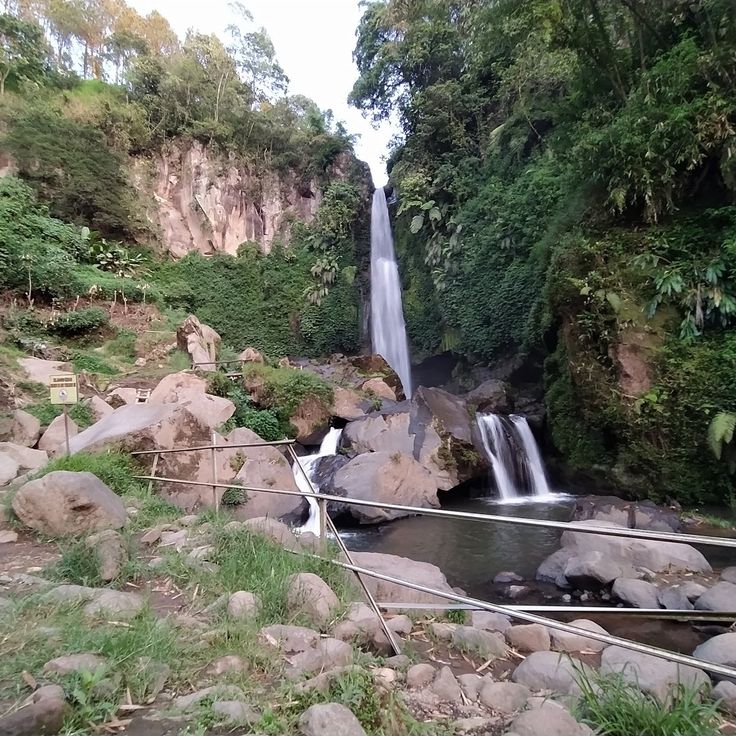
This waterfall at Coban Talun sits within Malang's pine forests and showcases the natural wonders that define Java's diverse heritage. Water drops about 60 meters, creating a dramatic display of flowing power. Developed hiking trails connect several viewpoints, each offering a different perspective of the falls. From these spots, visitors can observe how the water crashes into the natural basin below.
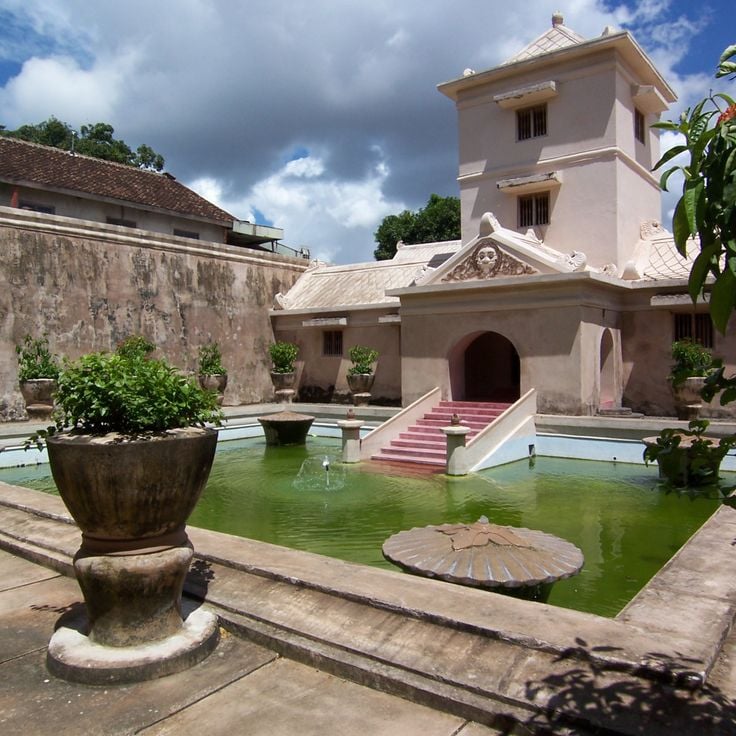
Taman Sari is the former royal garden of the Yogyakarta sultanate, built in the 18th century as a palace complex. This site contributes to Java's heritage of temples, active volcanoes, and traditional villages by showcasing the refined water engineering and courtly life of the Javanese rulers. The garden contains multiple water ponds connected by canals, decorative pavilions, an underground tunnel system used for secret passages, and a mosque for the sultan's prayers. Its remains reveal the sophisticated hydraulic design developed during Sultan Hamengkubuwono I's reign.
This mosque in Jakarta represents the spiritual heart of the city and fits within the collection of Java's sacred structures. Completed in 1978, it serves as a major gathering place for worshippers. The building stands out for its spacious design and vertical presence in the city skyline. Its architecture reflects the importance of Islam in Indonesia and complements the other holy sites across Java, which together showcase the island's blend of religious traditions.
This crater lake in an active volcano near Bandung showcases the geological wonders that shape Java. The crater contains sulfur-rich rocks that color its walls and waters in characteristic shades of blue and white. The site connects volcanic power with a distinctive visual appearance and allows visitors to observe the active geological processes that form the island.
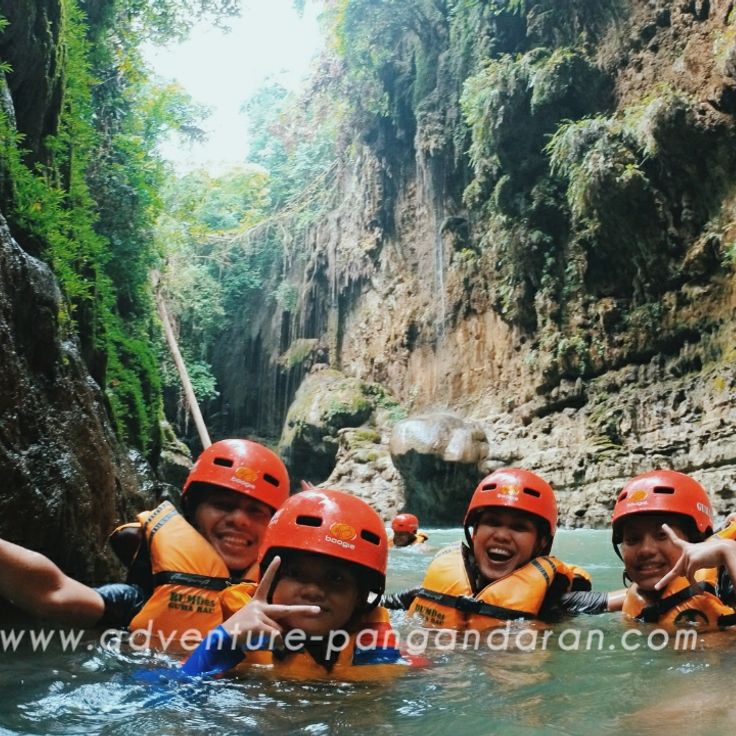
Green Canyon is a natural gorge in Pangandaran, carved by a river with emerald green waters. This site allows visitors to swim and kayak between limestone walls that rise on either side of the river. The geological formations of the canyon create an aquatic route where clear water contrasts with white cliffs. As part of Java's collection of natural and spiritual heritage, Green Canyon showcases the island's geological diversity and offers direct engagement with its river landscapes.
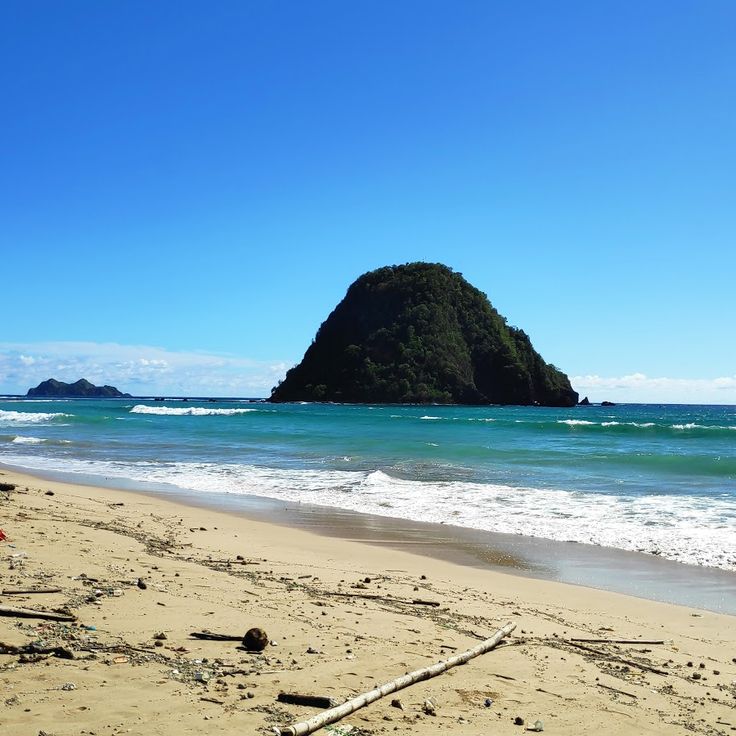
Red Island Beach in Banyuwangi extends over several kilometers of fine white sand, lined with coconut trees that provide shade for visitors. This beach is known for its waves, which allow for year-round surfing and attract local and international surfers. Along the shoreline, small warung restaurants serve dishes made from freshly caught fish, prepared according to traditional Javanese recipes. This beach fits perfectly into Java's diverse array of sites that combine natural beauty, local tradition, and human activity.
Mount Merapi in this collection is an active volcano near Yogyakarta, with slopes that regularly release fumaroles and gases. From its elevated position, Mount Merapi offers expansive views over the city of Yogyakarta and the surrounding landscape. The volcano demonstrates the geological forces that shape the region and stands as a landmark reflecting both the volcanic nature of Java and the human settlements that stretch out below.
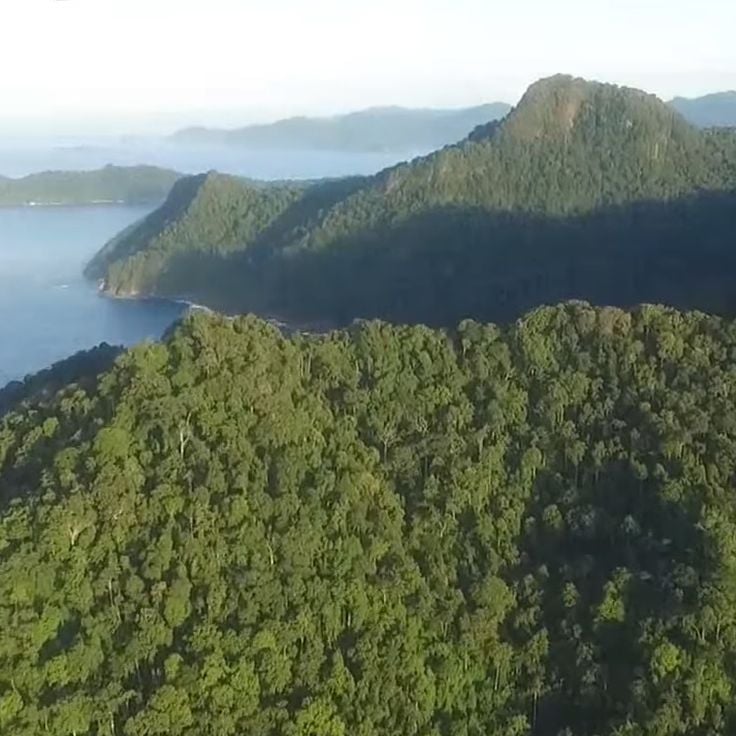
This national park protects a vital stretch of Java's rainforest and volcanic black sand beaches, serving as a conservation hub for sea turtles and home to over 180 bird species. Meru Betiri remains one of the last refuges for the endangered Javan tiger and represents the island's commitment to preserving its natural heritage. Visitors can witness the nocturnal egg-laying of green and hawksbill turtles along the wild beaches of Sukamade between October and February.
The Dieng Plateau in Wonosobo sits at 2000 meters altitude in this volcanic region of Java. This site features terraced rice paddies cut into mountain slopes, Hindu temples from the 8th century that rank among the island's oldest, and natural hot springs powered by geothermal heat below the surface. The plateau reveals how people have shaped this highland area over time, combining farming with spiritual practice in a place where the volcanic landscape itself shapes daily life.
The Fort Vredeburg Museum in Yogyakarta preserves 18th-century history on Java. The fort's thick walls and angular bastions still shape the appearance of the old city. Inside, the museum displays the Dutch colonial period through documents, military objects, and everyday items. The exhibition tells the story from Dutch rule to Indonesian independence. The building itself reflects the architectural style that shaped Java over centuries.
This 8th-century Buddhist temple rises across nine stacked platforms built from volcanic stone. The structure measures 123 meters on each side and forms a geometric mandala in its layout. Walking around the temple, you see 2,672 carved panels that tell the story of the Buddha's life and explain Buddhist teachings. At the top sit 72 stupas, each containing a Buddha statue. As a centerpiece of Java's spiritual heritage, the Borobudur temple shows how deeply religious beliefs shaped the island's architecture and culture.
Kota Tua Old Town preserves Jakarta's colonial past with 17th-century buildings showcasing Dutch architectural style. A history museum and Fatahillah Square at the heart of the district tell the story of this region's long past. This old town represents one layer of Java's cultural heritage, standing alongside ancient temples and active volcanoes. Kota Tua connects Indonesia's history with the skill and labor of its people.
Mount Gede stands at 2,958 meters above sea level as a volcanic feature within this national park in West Java. The mountain offers hiking trails that lead to a blue lake and natural hot springs, showcasing the active volcanic nature and natural wonders that characterize Java's diverse landscape.
The port of Sunda Kelapa in Jakarta connects Java to its maritime heritage and dates back to the 15th century. The port still welcomes traditional Indonesian wooden sailing vessels called Pinisi ships, which today transport goods between the islands of the archipelago. This port reflects the human ingenuity that appears across all sites in Java, where tradition and practical life are woven together. Walking along the docks, visitors see the characteristic wooden ships with their distinctive rigging and experience one of the few places where navigation methods from centuries ago remain active and central to daily commerce.
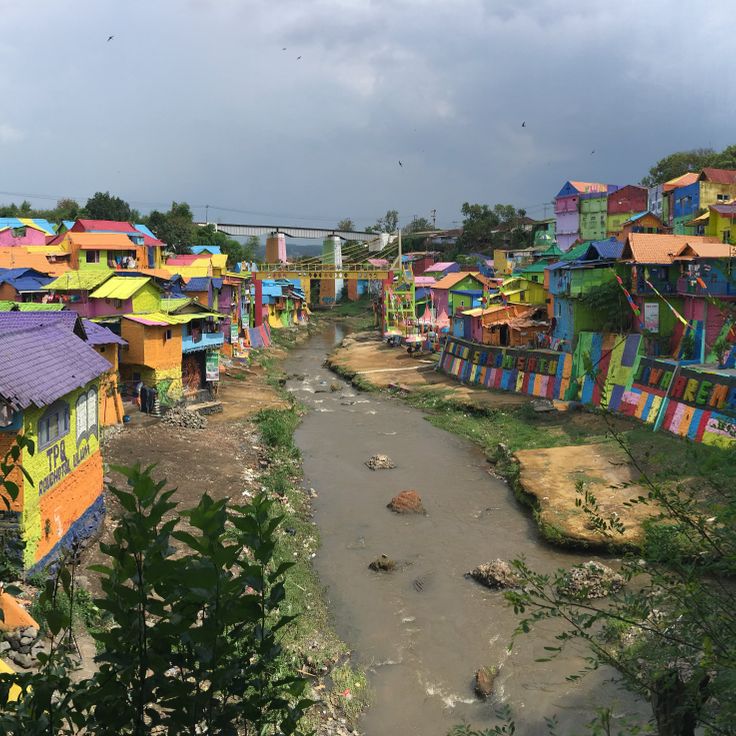
This Malang neighborhood showcases how artists and residents have transformed residential walls into public art. Colorful geometric patterns, animal figures, and abstract designs cover the facades of houses, each reflecting the creativity of those who live there. The site reveals how Javanese communities embrace artistic expression and bring color to everyday spaces. Kampung Warna demonstrates the spirit of local artists working alongside residents to make their district vibrant.
Ujung Kulon National Park protects primary rainforests, wild beaches, and coral reefs across its peninsula in West Java. The park serves as the last refuge for Javan rhinoceroses, a critically endangered species with only around fifty individuals left in the world. This reserve demonstrates the natural wonders of Java that complement the island's spiritual temples and volcanic landscapes.
Kampung Tridi in Malang is part of Java's diverse cultural landscape. This residential neighborhood features three-dimensional murals painted on house facades that create optical illusions and visual depth for visitors to discover as they walk through. The artwork transforms everyday living spaces into an outdoor gallery where people encounter the creative expression of local artists. This neighborhood demonstrates how artistic innovation can revitalize traditional residential areas.
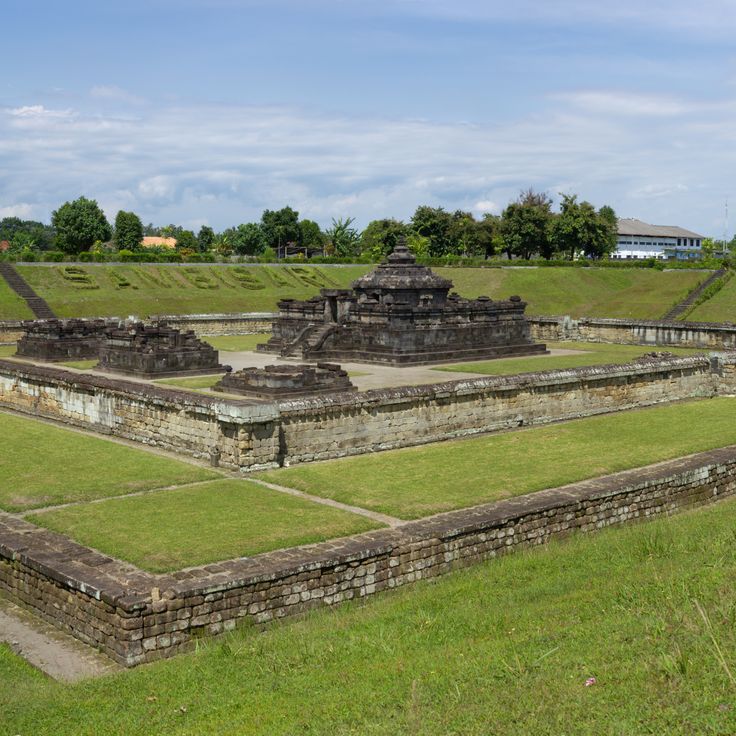
This 9th-century Hindu temple was buried under volcanic ash for several centuries before being rediscovered. The Sambisari Temple now reveals finely carved sculptures and detailed reliefs that reflect the craftsmanship of its era. Archaeological excavations have uncovered this well-preserved religious structure, protected by a layer of volcanic sediments. As part of Java's temple heritage, Sambisari Temple demonstrates the spiritual traditions and skilled artistry that characterize the island's religious architecture.
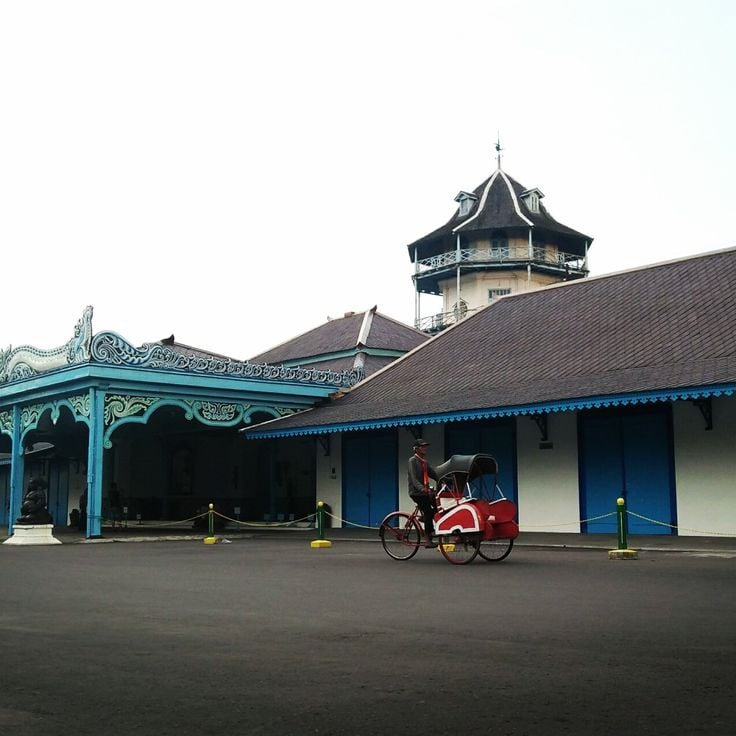
This royal palace, built in 1745, spans several pavilions connected by gardens and courtyards. The Kraton of Solo houses a rich collection of historical objects that trace the history of the Surakarta royal dynasty and display traditional Javanese art. Within the context of Java's tourist sites, the Kraton of Solo embodies the blend of spirituality and human creativity that defines the island.
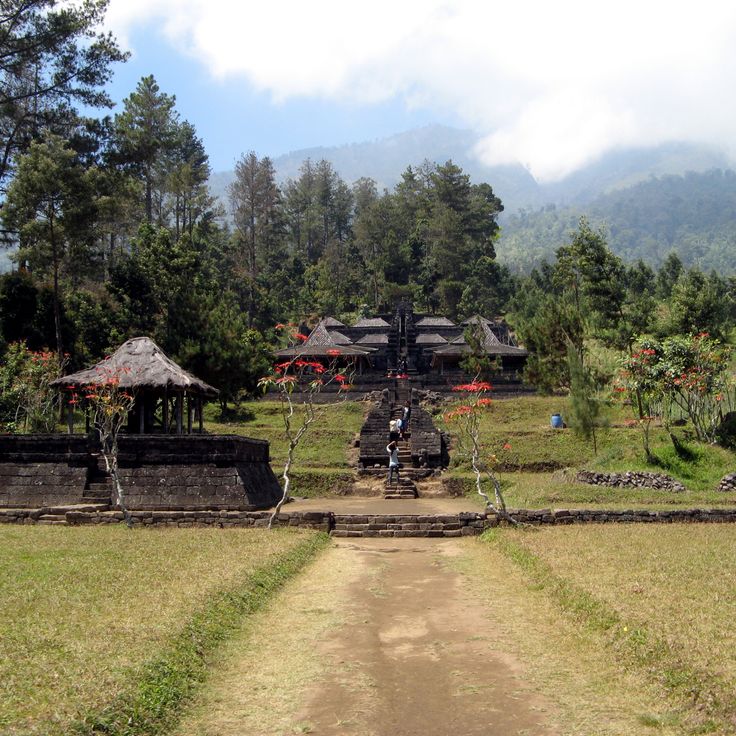
This temple is an important sanctuary in the collection of Java's temples, showcasing Hindu spiritual traditions from the 15th century. Located at 1,400 meters altitude, Ceto Temple features terraced architecture spread over seven successive levels, each adorned with stone sculptures. The structure demonstrates religious art from the late Majapahit period, revealing how spiritual beliefs shaped the sacred spaces of Central Java.
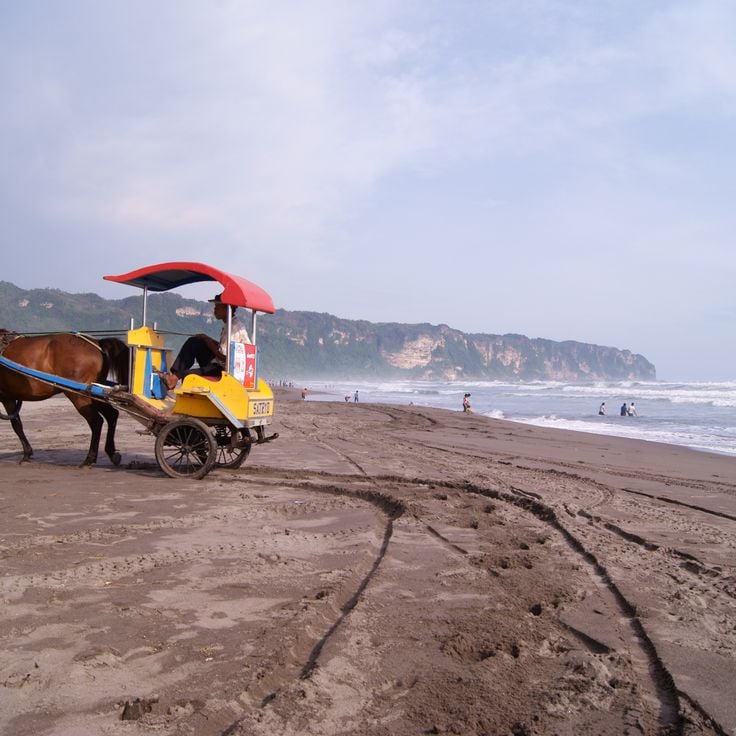
This Parangtritis beach stretches for about 4 kilometers along the southern coast of Yogyakarta, where volcanic black sand dunes meet limestone cliffs rising to around 25 meters. Local fishermen continue to work this shore daily, their colorful boats anchoring here when they return from fishing trips in the Indian Ocean. The beach represents the blend of natural forces and human labor that characterizes Java's coastal heritage.
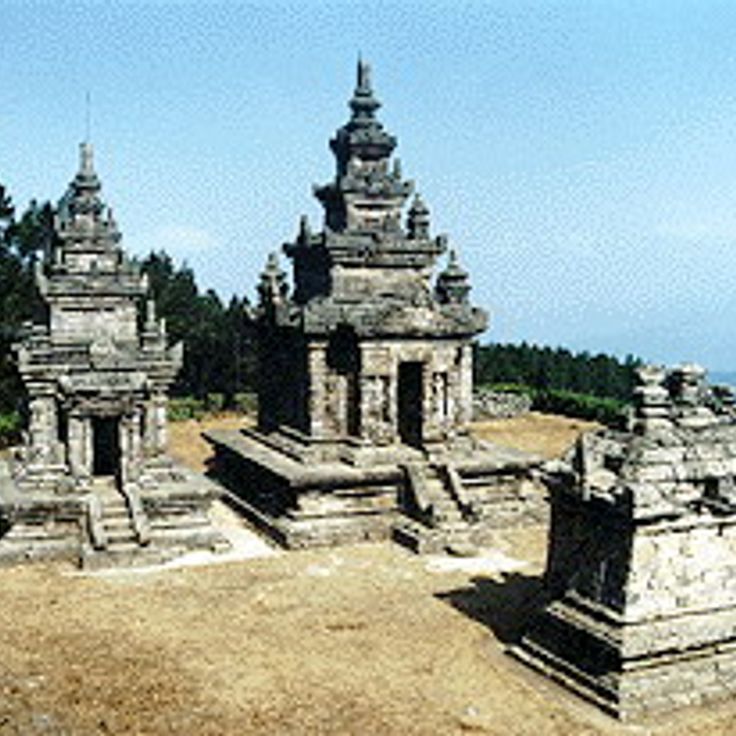
Gedong Songo Temple is a complex of nine Hindu temples built in the 8th century on the slopes of Mount Ungaran in Central Java, reflecting the spiritual traditions and architectural knowledge of ancient Javanese civilization. These structures demonstrate how religious buildings were integrated into a mountain setting, offering insight into the sacred practices and craftsmanship of the period. The site remains a testament to Java's Hindu heritage within the broader story of the island's spiritual and cultural development.
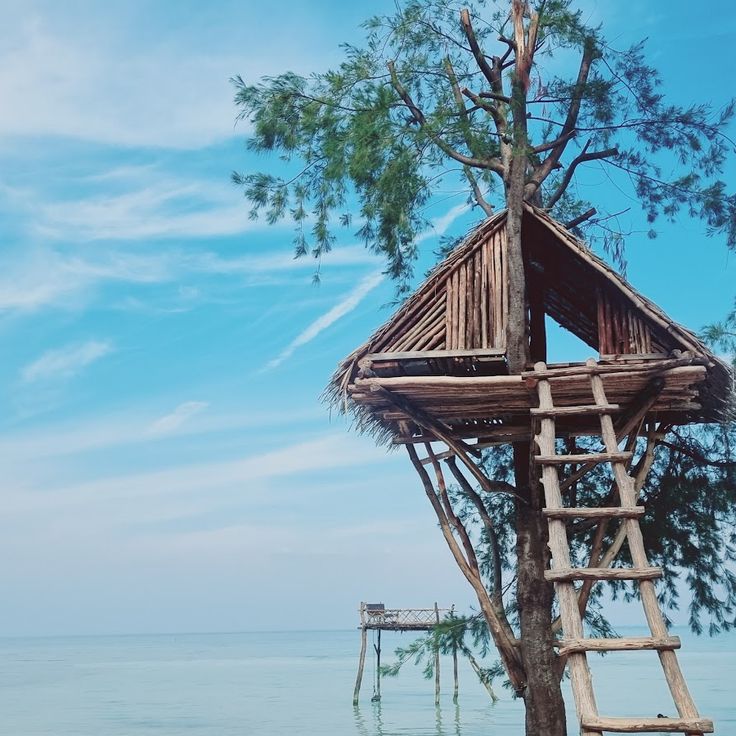
Bobby Beach is a stretch of fine white sand spanning 800 meters, lined with coconut trees and set within the Karimunjawa islands. This beach reflects the natural diversity that defines Java's appeal, from active volcanoes to coastal landscapes. Bobby Beach preserves traditional fishing practices, with bamboo shelters where local fishermen still work as they have for generations. Accessible only by boat from the mainland, it offers a quiet place to observe how island communities live and work.
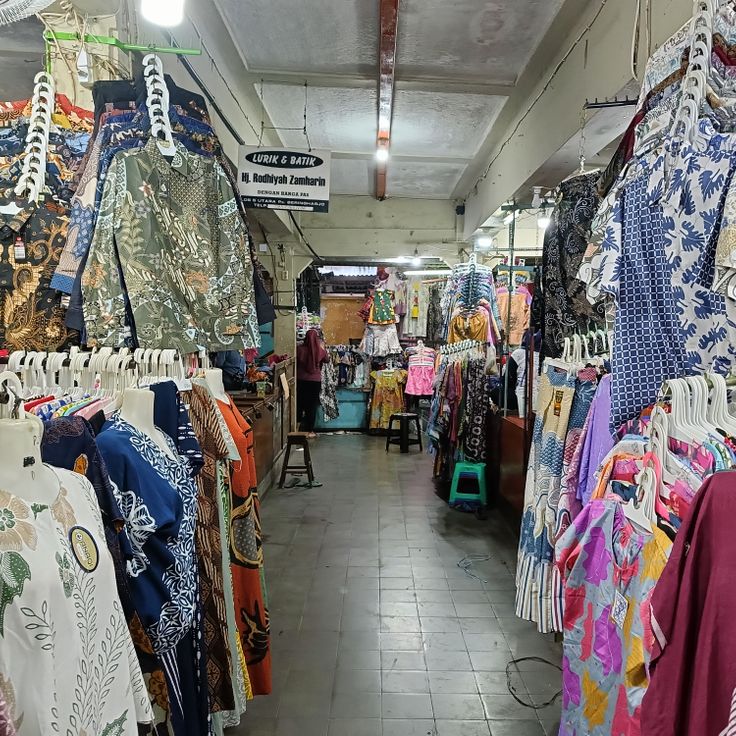
This historic market in Yogyakarta, built in 1925, represents part of Java's diverse sites where tradition and commerce intersect. Across three levels, Beringharjo offers authentic batik fabrics, local spices, and traditional Javanese crafts. The market maintains centuries-old trading practices in organized alleys organized by specialty, reflecting the island's blend of spirituality and human ingenuity that defines Java's character.
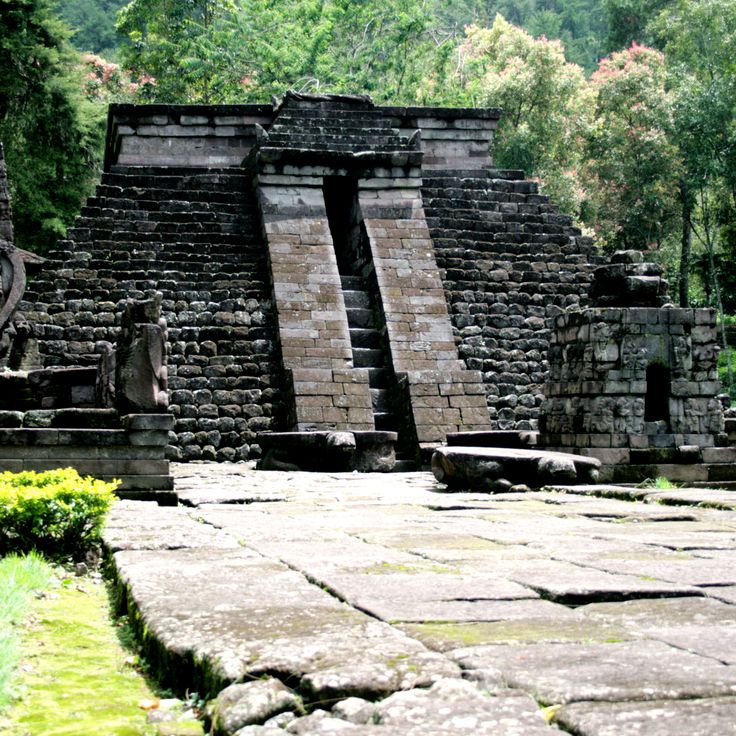
This 15th-century Hindu temple sits at 910 meters above sea level on the slopes of Mount Lawu in Central Java. The Sukuh Temple features an unusual pyramidal architecture that sets it apart from other Javanese temples, revealing the diversity of religious art forms across the island. Built during the later period of Hindu civilization on Java, this temple demonstrates how spiritual traditions found expression in distinctive architectural designs.
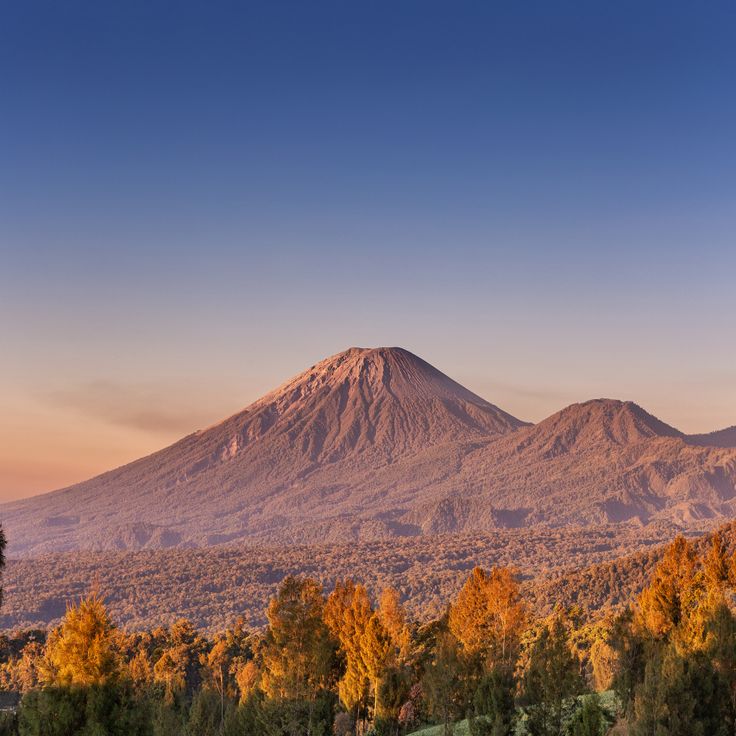
Mount Semeru is an active volcano in the Bromo-Tengger-Semeru National Park in East Java, standing at 3,676 meters and regularly emitting smoke. Within this collection of Java's natural wonders, Mount Semeru represents the island's living volcanic landscape. The volcano demonstrates the raw power of Java's geology and complements the exploration of the island's sacred temples and traditional communities. Semeru's continuous activity and prominent position make it a focal point for understanding how nature shapes both the environment and the spiritual beliefs of the people who inhabit this region.
Candi Sewu Temple is part of Java's exceptional heritage of ancient temples that anchor this collection. Built in the 8th century, this Buddhist complex features a central sanctuary surrounded by 240 satellite temples arranged in sacred mandala geometry. The monumental architecture demonstrates the skill of Javanese builders from this period and stands as one of the largest religious complexes in central Java.
Mount Bromo represents the volcanic majesty that defines this region of Java. This active volcano rises to 2,329 meters within a 10-kilometer caldera. The crater releases smoke and sulfurous gases across a vast plain of black volcanic sand, creating a landscape that feels otherworldly. Mount Bromo exemplifies the raw geological forces that have shaped Java's terrain and continue to affect the lives of nearby communities who live in the shadow of this powerful mountain.
The Geology Museum in Bandung was established in 1928 and displays extensive collections of fossils, minerals, and rocks from the Indonesian archipelago. This museum contributes to the collection of Java's tourist sites by offering insights into the geological history of the region. A dedicated section explores volcanic and seismic phenomena, which are particularly relevant here on the Pacific Ring of Fire. Visitors can understand the natural forces that have shaped Java's landscape.
These coral islands form an archipelago of 76 islets scattered in the Java Sea near Jakarta. The Seribu Islands extend Java's natural heritage with preserved coral reefs and white sandy beaches. Visitors can dive and snorkel to observe sea turtles and tropical fish living among hard and soft corals. The marine national park is accessible by ferry from the Indonesian capital, offering clear waters for underwater exploration.
Kampung Biru is a neighborhood in Malang where buildings are entirely painted in shades of blue, from facades to fences. This village fits into Java's diverse sites alongside temples and volcanoes. Contemporary murals decorate intersections and gable walls, transforming this district into an open-air art gallery where color and creativity shape the streetscape.
Candi Mendut displays Buddhist architecture from the 9th century. Inside the temple's main chamber stand three large Buddha statues and bodhisattva figures. The exterior walls feature finely carved reliefs showing scenes from Buddha's life and traditional floral patterns of Javanese art. This temple fits into the broader collection of Javanese sites that brings together ancient temples, active volcanoes, and traditional villages.
Pasar Apung Lembang in Bandung shows how merchants once sold their goods from boats. This artificial market sits in a park with tropical plants and themed gardens. Visitors can shop here and learn how this ancient trading method is still used on Java today.
Kawah Ijen is part of Java's remarkable natural heritage, demonstrating the volcanic forces that shape this island. The active crater contains a striking turquoise lake set against barren crater walls. Each day, miners descend into the crater to extract sulfur using time-honored techniques, carrying their loads in wicker baskets up steep mountain paths. This site reveals both the raw power of nature and the resilience of those who work within it.
Prambanan Temple stands within Java's rich heritage that blends spiritual traditions and cultural grandeur. This 9th-century temple complex contains 240 Hindu temples adorned with reliefs that tell stories and depict gods. The temple itself was built around three main sanctuaries dedicated to Shiva, Vishnu, and Brahma. Smaller temples arrange themselves according to a geometric plan. The outer walls display scenes from the Ramayana with fine stone carvings, while inner chambers house large statues of Hindu gods.
Merdeka Square is Jakarta's central plaza and part of this collection exploring Java's spiritual and natural heritage alongside human achievement. The square spans one square kilometer and is dominated by the National Monument, a 137-meter tower built as a symbol of Indonesian independence. The country's main government buildings surround the plaza, making it the administrative and symbolic heart of the capital. This site reflects how modern Indonesia honors its independence and identity through public spaces and monuments.
This waterfall at Coban Talun sits within Malang's pine forests and showcases the natural wonders that define Java's diverse heritage. Water drops about 60 meters, creating a dramatic display of flowing power. Developed hiking trails connect several viewpoints, each offering a different perspective of the falls. From these spots, visitors can observe how the water crashes into the natural basin below.
Taman Sari is the former royal garden of the Yogyakarta sultanate, built in the 18th century as a palace complex. This site contributes to Java's heritage of temples, active volcanoes, and traditional villages by showcasing the refined water engineering and courtly life of the Javanese rulers. The garden contains multiple water ponds connected by canals, decorative pavilions, an underground tunnel system used for secret passages, and a mosque for the sultan's prayers. Its remains reveal the sophisticated hydraulic design developed during Sultan Hamengkubuwono I's reign.
This mosque in Jakarta represents the spiritual heart of the city and fits within the collection of Java's sacred structures. Completed in 1978, it serves as a major gathering place for worshippers. The building stands out for its spacious design and vertical presence in the city skyline. Its architecture reflects the importance of Islam in Indonesia and complements the other holy sites across Java, which together showcase the island's blend of religious traditions.
This crater lake in an active volcano near Bandung showcases the geological wonders that shape Java. The crater contains sulfur-rich rocks that color its walls and waters in characteristic shades of blue and white. The site connects volcanic power with a distinctive visual appearance and allows visitors to observe the active geological processes that form the island.
Green Canyon is a natural gorge in Pangandaran, carved by a river with emerald green waters. This site allows visitors to swim and kayak between limestone walls that rise on either side of the river. The geological formations of the canyon create an aquatic route where clear water contrasts with white cliffs. As part of Java's collection of natural and spiritual heritage, Green Canyon showcases the island's geological diversity and offers direct engagement with its river landscapes.
Red Island Beach in Banyuwangi extends over several kilometers of fine white sand, lined with coconut trees that provide shade for visitors. This beach is known for its waves, which allow for year-round surfing and attract local and international surfers. Along the shoreline, small warung restaurants serve dishes made from freshly caught fish, prepared according to traditional Javanese recipes. This beach fits perfectly into Java's diverse array of sites that combine natural beauty, local tradition, and human activity.
Mount Merapi in this collection is an active volcano near Yogyakarta, with slopes that regularly release fumaroles and gases. From its elevated position, Mount Merapi offers expansive views over the city of Yogyakarta and the surrounding landscape. The volcano demonstrates the geological forces that shape the region and stands as a landmark reflecting both the volcanic nature of Java and the human settlements that stretch out below.
This national park protects a vital stretch of Java's rainforest and volcanic black sand beaches, serving as a conservation hub for sea turtles and home to over 180 bird species. Meru Betiri remains one of the last refuges for the endangered Javan tiger and represents the island's commitment to preserving its natural heritage. Visitors can witness the nocturnal egg-laying of green and hawksbill turtles along the wild beaches of Sukamade between October and February.
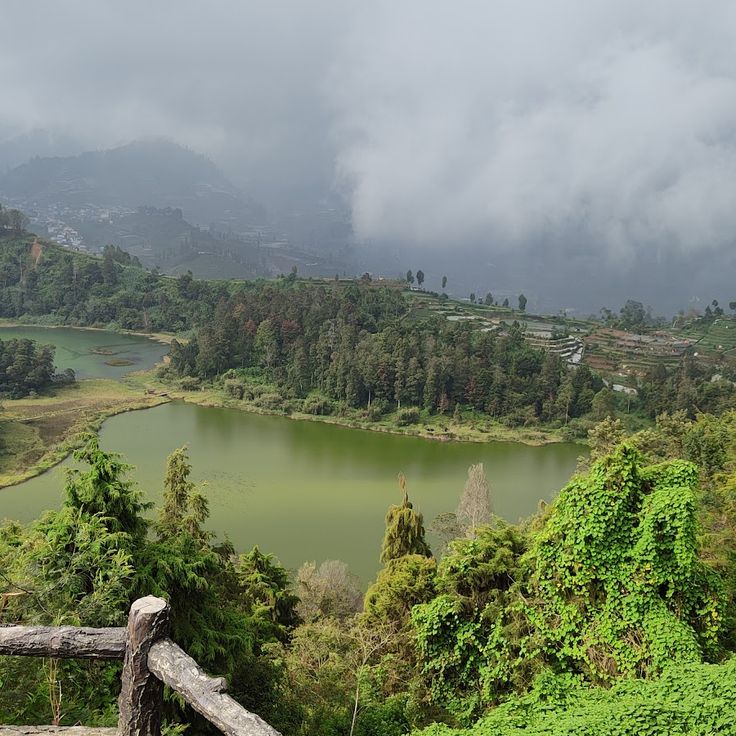
The Dieng Plateau in Wonosobo sits at 2000 meters altitude in this volcanic region of Java. This site features terraced rice paddies cut into mountain slopes, Hindu temples from the 8th century that rank among the island's oldest, and natural hot springs powered by geothermal heat below the surface. The plateau reveals how people have shaped this highland area over time, combining farming with spiritual practice in a place where the volcanic landscape itself shapes daily life.
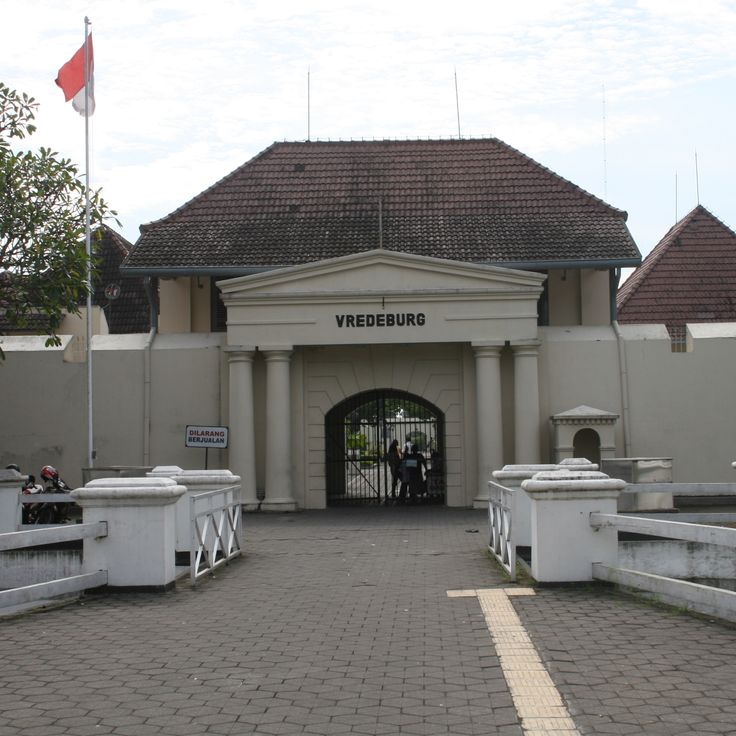
The Fort Vredeburg Museum in Yogyakarta preserves 18th-century history on Java. The fort's thick walls and angular bastions still shape the appearance of the old city. Inside, the museum displays the Dutch colonial period through documents, military objects, and everyday items. The exhibition tells the story from Dutch rule to Indonesian independence. The building itself reflects the architectural style that shaped Java over centuries.
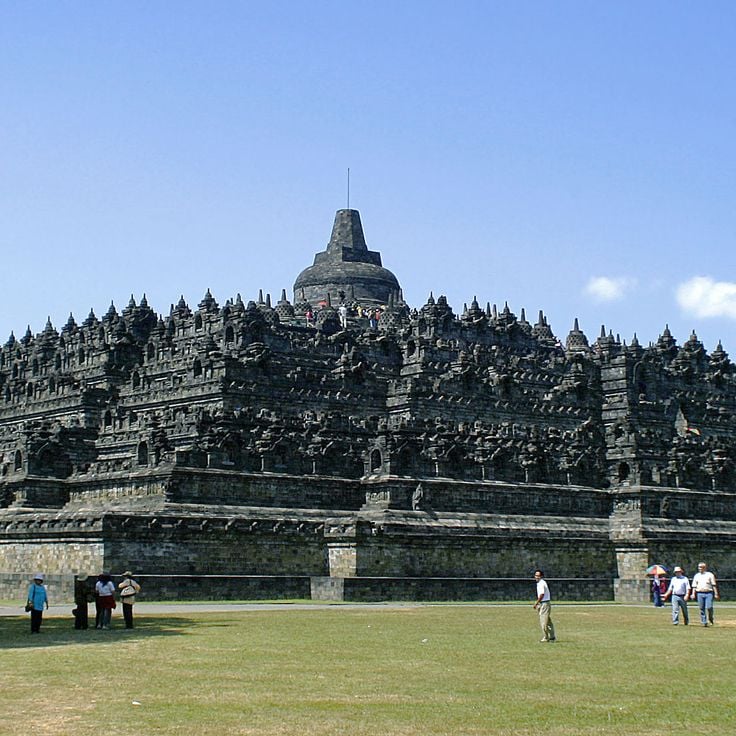
This 8th-century Buddhist temple rises across nine stacked platforms built from volcanic stone. The structure measures 123 meters on each side and forms a geometric mandala in its layout. Walking around the temple, you see 2,672 carved panels that tell the story of the Buddha's life and explain Buddhist teachings. At the top sit 72 stupas, each containing a Buddha statue. As a centerpiece of Java's spiritual heritage, the Borobudur temple shows how deeply religious beliefs shaped the island's architecture and culture.
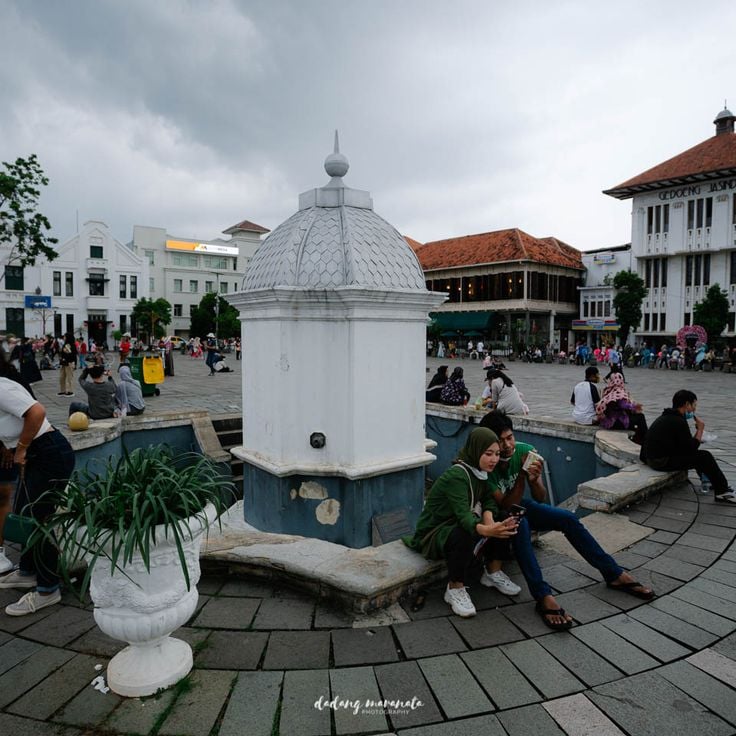
Kota Tua Old Town preserves Jakarta's colonial past with 17th-century buildings showcasing Dutch architectural style. A history museum and Fatahillah Square at the heart of the district tell the story of this region's long past. This old town represents one layer of Java's cultural heritage, standing alongside ancient temples and active volcanoes. Kota Tua connects Indonesia's history with the skill and labor of its people.
Mount Gede stands at 2,958 meters above sea level as a volcanic feature within this national park in West Java. The mountain offers hiking trails that lead to a blue lake and natural hot springs, showcasing the active volcanic nature and natural wonders that characterize Java's diverse landscape.
The port of Sunda Kelapa in Jakarta connects Java to its maritime heritage and dates back to the 15th century. The port still welcomes traditional Indonesian wooden sailing vessels called Pinisi ships, which today transport goods between the islands of the archipelago. This port reflects the human ingenuity that appears across all sites in Java, where tradition and practical life are woven together. Walking along the docks, visitors see the characteristic wooden ships with their distinctive rigging and experience one of the few places where navigation methods from centuries ago remain active and central to daily commerce.
This Malang neighborhood showcases how artists and residents have transformed residential walls into public art. Colorful geometric patterns, animal figures, and abstract designs cover the facades of houses, each reflecting the creativity of those who live there. The site reveals how Javanese communities embrace artistic expression and bring color to everyday spaces. Kampung Warna demonstrates the spirit of local artists working alongside residents to make their district vibrant.
Ujung Kulon National Park protects primary rainforests, wild beaches, and coral reefs across its peninsula in West Java. The park serves as the last refuge for Javan rhinoceroses, a critically endangered species with only around fifty individuals left in the world. This reserve demonstrates the natural wonders of Java that complement the island's spiritual temples and volcanic landscapes.
Kampung Tridi in Malang is part of Java's diverse cultural landscape. This residential neighborhood features three-dimensional murals painted on house facades that create optical illusions and visual depth for visitors to discover as they walk through. The artwork transforms everyday living spaces into an outdoor gallery where people encounter the creative expression of local artists. This neighborhood demonstrates how artistic innovation can revitalize traditional residential areas.
This 9th-century Hindu temple was buried under volcanic ash for several centuries before being rediscovered. The Sambisari Temple now reveals finely carved sculptures and detailed reliefs that reflect the craftsmanship of its era. Archaeological excavations have uncovered this well-preserved religious structure, protected by a layer of volcanic sediments. As part of Java's temple heritage, Sambisari Temple demonstrates the spiritual traditions and skilled artistry that characterize the island's religious architecture.
This royal palace, built in 1745, spans several pavilions connected by gardens and courtyards. The Kraton of Solo houses a rich collection of historical objects that trace the history of the Surakarta royal dynasty and display traditional Javanese art. Within the context of Java's tourist sites, the Kraton of Solo embodies the blend of spirituality and human creativity that defines the island.
This temple is an important sanctuary in the collection of Java's temples, showcasing Hindu spiritual traditions from the 15th century. Located at 1,400 meters altitude, Ceto Temple features terraced architecture spread over seven successive levels, each adorned with stone sculptures. The structure demonstrates religious art from the late Majapahit period, revealing how spiritual beliefs shaped the sacred spaces of Central Java.
This Parangtritis beach stretches for about 4 kilometers along the southern coast of Yogyakarta, where volcanic black sand dunes meet limestone cliffs rising to around 25 meters. Local fishermen continue to work this shore daily, their colorful boats anchoring here when they return from fishing trips in the Indian Ocean. The beach represents the blend of natural forces and human labor that characterizes Java's coastal heritage.
Gedong Songo Temple is a complex of nine Hindu temples built in the 8th century on the slopes of Mount Ungaran in Central Java, reflecting the spiritual traditions and architectural knowledge of ancient Javanese civilization. These structures demonstrate how religious buildings were integrated into a mountain setting, offering insight into the sacred practices and craftsmanship of the period. The site remains a testament to Java's Hindu heritage within the broader story of the island's spiritual and cultural development.
Bobby Beach is a stretch of fine white sand spanning 800 meters, lined with coconut trees and set within the Karimunjawa islands. This beach reflects the natural diversity that defines Java's appeal, from active volcanoes to coastal landscapes. Bobby Beach preserves traditional fishing practices, with bamboo shelters where local fishermen still work as they have for generations. Accessible only by boat from the mainland, it offers a quiet place to observe how island communities live and work.
This historic market in Yogyakarta, built in 1925, represents part of Java's diverse sites where tradition and commerce intersect. Across three levels, Beringharjo offers authentic batik fabrics, local spices, and traditional Javanese crafts. The market maintains centuries-old trading practices in organized alleys organized by specialty, reflecting the island's blend of spirituality and human ingenuity that defines Java's character.
This 15th-century Hindu temple sits at 910 meters above sea level on the slopes of Mount Lawu in Central Java. The Sukuh Temple features an unusual pyramidal architecture that sets it apart from other Javanese temples, revealing the diversity of religious art forms across the island. Built during the later period of Hindu civilization on Java, this temple demonstrates how spiritual traditions found expression in distinctive architectural designs.
Mount Semeru is an active volcano in the Bromo-Tengger-Semeru National Park in East Java, standing at 3,676 meters and regularly emitting smoke. Within this collection of Java's natural wonders, Mount Semeru represents the island's living volcanic landscape. The volcano demonstrates the raw power of Java's geology and complements the exploration of the island's sacred temples and traditional communities. Semeru's continuous activity and prominent position make it a focal point for understanding how nature shapes both the environment and the spiritual beliefs of the people who inhabit this region.
Candi Sewu Temple is part of Java's exceptional heritage of ancient temples that anchor this collection. Built in the 8th century, this Buddhist complex features a central sanctuary surrounded by 240 satellite temples arranged in sacred mandala geometry. The monumental architecture demonstrates the skill of Javanese builders from this period and stands as one of the largest religious complexes in central Java.
Mount Bromo represents the volcanic majesty that defines this region of Java. This active volcano rises to 2,329 meters within a 10-kilometer caldera. The crater releases smoke and sulfurous gases across a vast plain of black volcanic sand, creating a landscape that feels otherworldly. Mount Bromo exemplifies the raw geological forces that have shaped Java's terrain and continue to affect the lives of nearby communities who live in the shadow of this powerful mountain.
The Geology Museum in Bandung was established in 1928 and displays extensive collections of fossils, minerals, and rocks from the Indonesian archipelago. This museum contributes to the collection of Java's tourist sites by offering insights into the geological history of the region. A dedicated section explores volcanic and seismic phenomena, which are particularly relevant here on the Pacific Ring of Fire. Visitors can understand the natural forces that have shaped Java's landscape.
These coral islands form an archipelago of 76 islets scattered in the Java Sea near Jakarta. The Seribu Islands extend Java's natural heritage with preserved coral reefs and white sandy beaches. Visitors can dive and snorkel to observe sea turtles and tropical fish living among hard and soft corals. The marine national park is accessible by ferry from the Indonesian capital, offering clear waters for underwater exploration.
Kampung Biru is a neighborhood in Malang where buildings are entirely painted in shades of blue, from facades to fences. This village fits into Java's diverse sites alongside temples and volcanoes. Contemporary murals decorate intersections and gable walls, transforming this district into an open-air art gallery where color and creativity shape the streetscape.
Candi Mendut displays Buddhist architecture from the 9th century. Inside the temple's main chamber stand three large Buddha statues and bodhisattva figures. The exterior walls feature finely carved reliefs showing scenes from Buddha's life and traditional floral patterns of Javanese art. This temple fits into the broader collection of Javanese sites that brings together ancient temples, active volcanoes, and traditional villages.
Pasar Apung Lembang in Bandung shows how merchants once sold their goods from boats. This artificial market sits in a park with tropical plants and themed gardens. Visitors can shop here and learn how this ancient trading method is still used on Java today.
Kawah Ijen is part of Java's remarkable natural heritage, demonstrating the volcanic forces that shape this island. The active crater contains a striking turquoise lake set against barren crater walls. Each day, miners descend into the crater to extract sulfur using time-honored techniques, carrying their loads in wicker baskets up steep mountain paths. This site reveals both the raw power of nature and the resilience of those who work within it.
Prambanan Temple stands within Java's rich heritage that blends spiritual traditions and cultural grandeur. This 9th-century temple complex contains 240 Hindu temples adorned with reliefs that tell stories and depict gods. The temple itself was built around three main sanctuaries dedicated to Shiva, Vishnu, and Brahma. Smaller temples arrange themselves according to a geometric plan. The outer walls display scenes from the Ramayana with fine stone carvings, while inner chambers house large statues of Hindu gods.
Merdeka Square is Jakarta's central plaza and part of this collection exploring Java's spiritual and natural heritage alongside human achievement. The square spans one square kilometer and is dominated by the National Monument, a 137-meter tower built as a symbol of Indonesian independence. The country's main government buildings surround the plaza, making it the administrative and symbolic heart of the capital. This site reflects how modern Indonesia honors its independence and identity through public spaces and monuments.
This waterfall at Coban Talun sits within Malang's pine forests and showcases the natural wonders that define Java's diverse heritage. Water drops about 60 meters, creating a dramatic display of flowing power. Developed hiking trails connect several viewpoints, each offering a different perspective of the falls. From these spots, visitors can observe how the water crashes into the natural basin below.
Taman Sari is the former royal garden of the Yogyakarta sultanate, built in the 18th century as a palace complex. This site contributes to Java's heritage of temples, active volcanoes, and traditional villages by showcasing the refined water engineering and courtly life of the Javanese rulers. The garden contains multiple water ponds connected by canals, decorative pavilions, an underground tunnel system used for secret passages, and a mosque for the sultan's prayers. Its remains reveal the sophisticated hydraulic design developed during Sultan Hamengkubuwono I's reign.
This mosque in Jakarta represents the spiritual heart of the city and fits within the collection of Java's sacred structures. Completed in 1978, it serves as a major gathering place for worshippers. The building stands out for its spacious design and vertical presence in the city skyline. Its architecture reflects the importance of Islam in Indonesia and complements the other holy sites across Java, which together showcase the island's blend of religious traditions.
This crater lake in an active volcano near Bandung showcases the geological wonders that shape Java. The crater contains sulfur-rich rocks that color its walls and waters in characteristic shades of blue and white. The site connects volcanic power with a distinctive visual appearance and allows visitors to observe the active geological processes that form the island.
Green Canyon is a natural gorge in Pangandaran, carved by a river with emerald green waters. This site allows visitors to swim and kayak between limestone walls that rise on either side of the river. The geological formations of the canyon create an aquatic route where clear water contrasts with white cliffs. As part of Java's collection of natural and spiritual heritage, Green Canyon showcases the island's geological diversity and offers direct engagement with its river landscapes.
Red Island Beach in Banyuwangi extends over several kilometers of fine white sand, lined with coconut trees that provide shade for visitors. This beach is known for its waves, which allow for year-round surfing and attract local and international surfers. Along the shoreline, small warung restaurants serve dishes made from freshly caught fish, prepared according to traditional Javanese recipes. This beach fits perfectly into Java's diverse array of sites that combine natural beauty, local tradition, and human activity.
Mount Merapi in this collection is an active volcano near Yogyakarta, with slopes that regularly release fumaroles and gases. From its elevated position, Mount Merapi offers expansive views over the city of Yogyakarta and the surrounding landscape. The volcano demonstrates the geological forces that shape the region and stands as a landmark reflecting both the volcanic nature of Java and the human settlements that stretch out below.
This national park protects a vital stretch of Java's rainforest and volcanic black sand beaches, serving as a conservation hub for sea turtles and home to over 180 bird species. Meru Betiri remains one of the last refuges for the endangered Javan tiger and represents the island's commitment to preserving its natural heritage. Visitors can witness the nocturnal egg-laying of green and hawksbill turtles along the wild beaches of Sukamade between October and February.
The Dieng Plateau in Wonosobo sits at 2000 meters altitude in this volcanic region of Java. This site features terraced rice paddies cut into mountain slopes, Hindu temples from the 8th century that rank among the island's oldest, and natural hot springs powered by geothermal heat below the surface. The plateau reveals how people have shaped this highland area over time, combining farming with spiritual practice in a place where the volcanic landscape itself shapes daily life.
The Fort Vredeburg Museum in Yogyakarta preserves 18th-century history on Java. The fort's thick walls and angular bastions still shape the appearance of the old city. Inside, the museum displays the Dutch colonial period through documents, military objects, and everyday items. The exhibition tells the story from Dutch rule to Indonesian independence. The building itself reflects the architectural style that shaped Java over centuries.
This 8th-century Buddhist temple rises across nine stacked platforms built from volcanic stone. The structure measures 123 meters on each side and forms a geometric mandala in its layout. Walking around the temple, you see 2,672 carved panels that tell the story of the Buddha's life and explain Buddhist teachings. At the top sit 72 stupas, each containing a Buddha statue. As a centerpiece of Java's spiritual heritage, the Borobudur temple shows how deeply religious beliefs shaped the island's architecture and culture.
Kota Tua Old Town preserves Jakarta's colonial past with 17th-century buildings showcasing Dutch architectural style. A history museum and Fatahillah Square at the heart of the district tell the story of this region's long past. This old town represents one layer of Java's cultural heritage, standing alongside ancient temples and active volcanoes. Kota Tua connects Indonesia's history with the skill and labor of its people.
Mount Gede stands at 2,958 meters above sea level as a volcanic feature within this national park in West Java. The mountain offers hiking trails that lead to a blue lake and natural hot springs, showcasing the active volcanic nature and natural wonders that characterize Java's diverse landscape.
The port of Sunda Kelapa in Jakarta connects Java to its maritime heritage and dates back to the 15th century. The port still welcomes traditional Indonesian wooden sailing vessels called Pinisi ships, which today transport goods between the islands of the archipelago. This port reflects the human ingenuity that appears across all sites in Java, where tradition and practical life are woven together. Walking along the docks, visitors see the characteristic wooden ships with their distinctive rigging and experience one of the few places where navigation methods from centuries ago remain active and central to daily commerce.
This Malang neighborhood showcases how artists and residents have transformed residential walls into public art. Colorful geometric patterns, animal figures, and abstract designs cover the facades of houses, each reflecting the creativity of those who live there. The site reveals how Javanese communities embrace artistic expression and bring color to everyday spaces. Kampung Warna demonstrates the spirit of local artists working alongside residents to make their district vibrant.
Ujung Kulon National Park protects primary rainforests, wild beaches, and coral reefs across its peninsula in West Java. The park serves as the last refuge for Javan rhinoceroses, a critically endangered species with only around fifty individuals left in the world. This reserve demonstrates the natural wonders of Java that complement the island's spiritual temples and volcanic landscapes.
Kampung Tridi in Malang is part of Java's diverse cultural landscape. This residential neighborhood features three-dimensional murals painted on house facades that create optical illusions and visual depth for visitors to discover as they walk through. The artwork transforms everyday living spaces into an outdoor gallery where people encounter the creative expression of local artists. This neighborhood demonstrates how artistic innovation can revitalize traditional residential areas.
This 9th-century Hindu temple was buried under volcanic ash for several centuries before being rediscovered. The Sambisari Temple now reveals finely carved sculptures and detailed reliefs that reflect the craftsmanship of its era. Archaeological excavations have uncovered this well-preserved religious structure, protected by a layer of volcanic sediments. As part of Java's temple heritage, Sambisari Temple demonstrates the spiritual traditions and skilled artistry that characterize the island's religious architecture.
This royal palace, built in 1745, spans several pavilions connected by gardens and courtyards. The Kraton of Solo houses a rich collection of historical objects that trace the history of the Surakarta royal dynasty and display traditional Javanese art. Within the context of Java's tourist sites, the Kraton of Solo embodies the blend of spirituality and human creativity that defines the island.
This temple is an important sanctuary in the collection of Java's temples, showcasing Hindu spiritual traditions from the 15th century. Located at 1,400 meters altitude, Ceto Temple features terraced architecture spread over seven successive levels, each adorned with stone sculptures. The structure demonstrates religious art from the late Majapahit period, revealing how spiritual beliefs shaped the sacred spaces of Central Java.
This Parangtritis beach stretches for about 4 kilometers along the southern coast of Yogyakarta, where volcanic black sand dunes meet limestone cliffs rising to around 25 meters. Local fishermen continue to work this shore daily, their colorful boats anchoring here when they return from fishing trips in the Indian Ocean. The beach represents the blend of natural forces and human labor that characterizes Java's coastal heritage.
Gedong Songo Temple is a complex of nine Hindu temples built in the 8th century on the slopes of Mount Ungaran in Central Java, reflecting the spiritual traditions and architectural knowledge of ancient Javanese civilization. These structures demonstrate how religious buildings were integrated into a mountain setting, offering insight into the sacred practices and craftsmanship of the period. The site remains a testament to Java's Hindu heritage within the broader story of the island's spiritual and cultural development.
Bobby Beach is a stretch of fine white sand spanning 800 meters, lined with coconut trees and set within the Karimunjawa islands. This beach reflects the natural diversity that defines Java's appeal, from active volcanoes to coastal landscapes. Bobby Beach preserves traditional fishing practices, with bamboo shelters where local fishermen still work as they have for generations. Accessible only by boat from the mainland, it offers a quiet place to observe how island communities live and work.
This historic market in Yogyakarta, built in 1925, represents part of Java's diverse sites where tradition and commerce intersect. Across three levels, Beringharjo offers authentic batik fabrics, local spices, and traditional Javanese crafts. The market maintains centuries-old trading practices in organized alleys organized by specialty, reflecting the island's blend of spirituality and human ingenuity that defines Java's character.
This 15th-century Hindu temple sits at 910 meters above sea level on the slopes of Mount Lawu in Central Java. The Sukuh Temple features an unusual pyramidal architecture that sets it apart from other Javanese temples, revealing the diversity of religious art forms across the island. Built during the later period of Hindu civilization on Java, this temple demonstrates how spiritual traditions found expression in distinctive architectural designs.
Mount Semeru is an active volcano in the Bromo-Tengger-Semeru National Park in East Java, standing at 3,676 meters and regularly emitting smoke. Within this collection of Java's natural wonders, Mount Semeru represents the island's living volcanic landscape. The volcano demonstrates the raw power of Java's geology and complements the exploration of the island's sacred temples and traditional communities. Semeru's continuous activity and prominent position make it a focal point for understanding how nature shapes both the environment and the spiritual beliefs of the people who inhabit this region.
Java offers much more than what travel guides show. Take time to walk through the small streets where locals go about their daily tasks. You will see how people really live here, away from the famous sites. Meeting locals is often the most meaningful part of a trip.