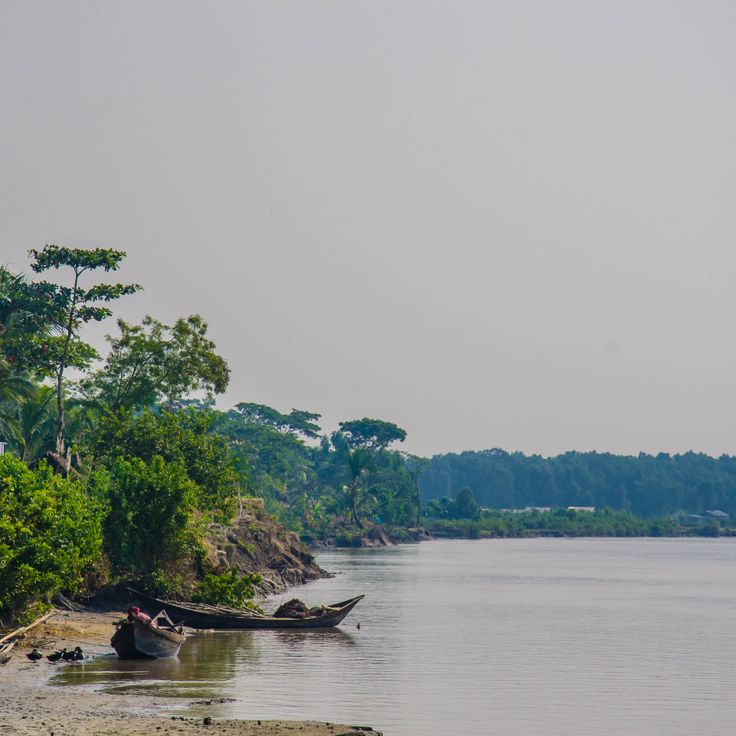
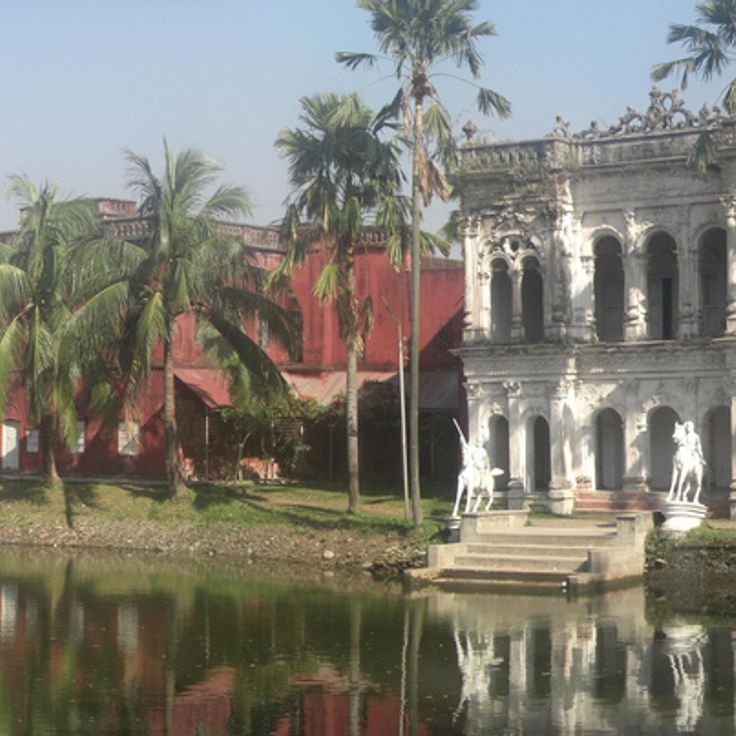
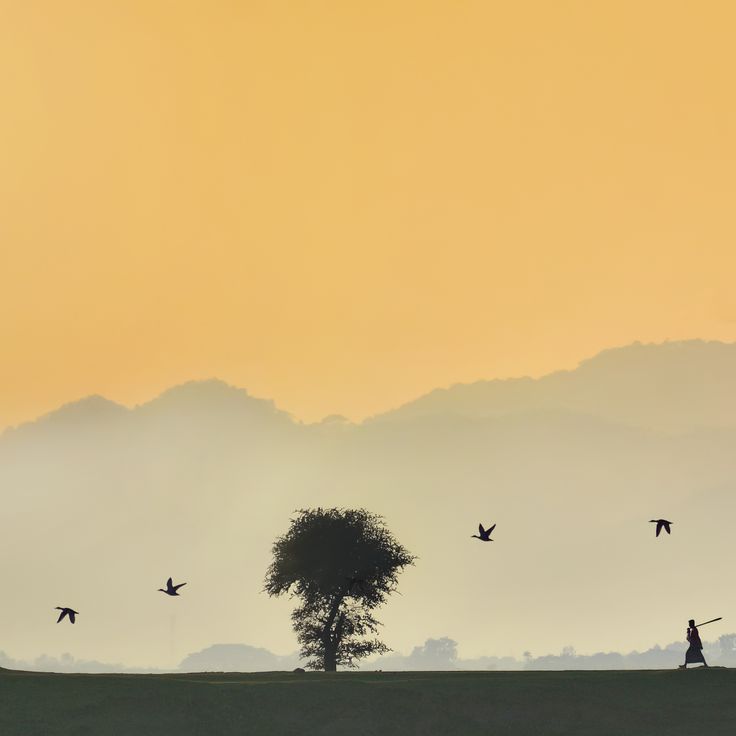
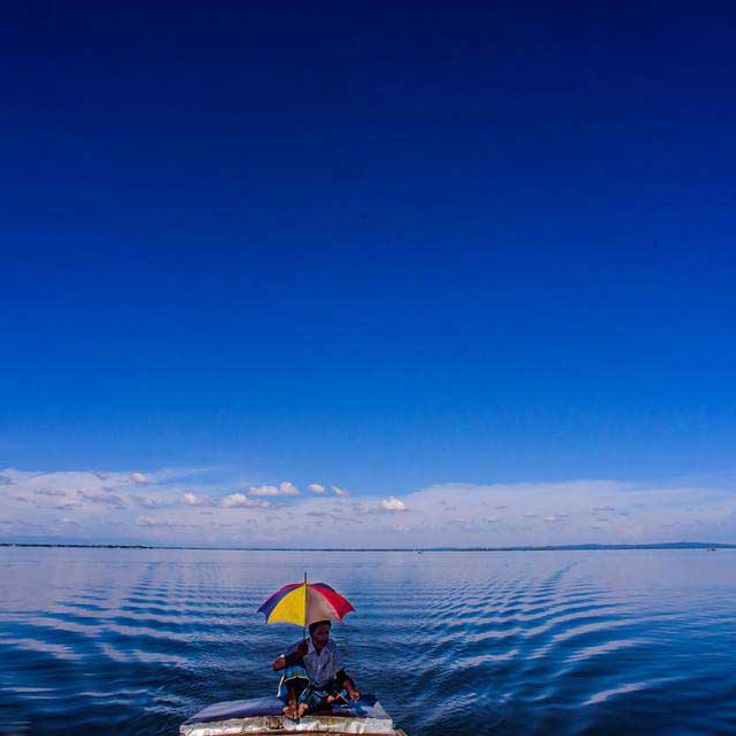
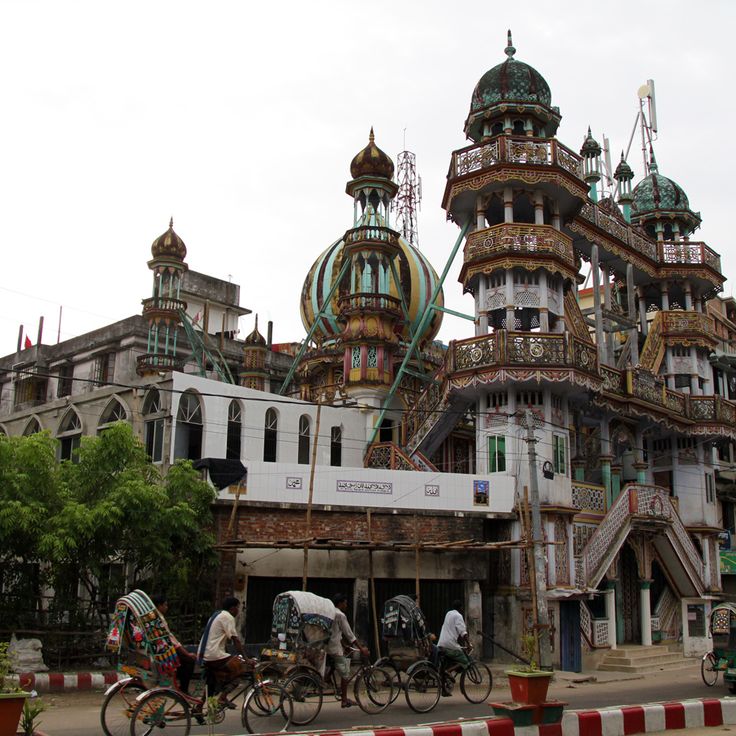
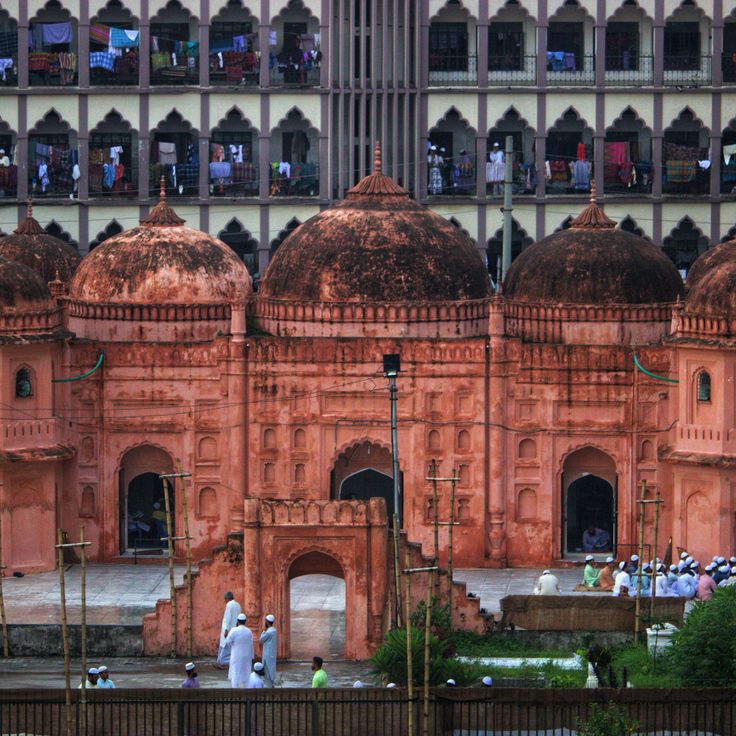
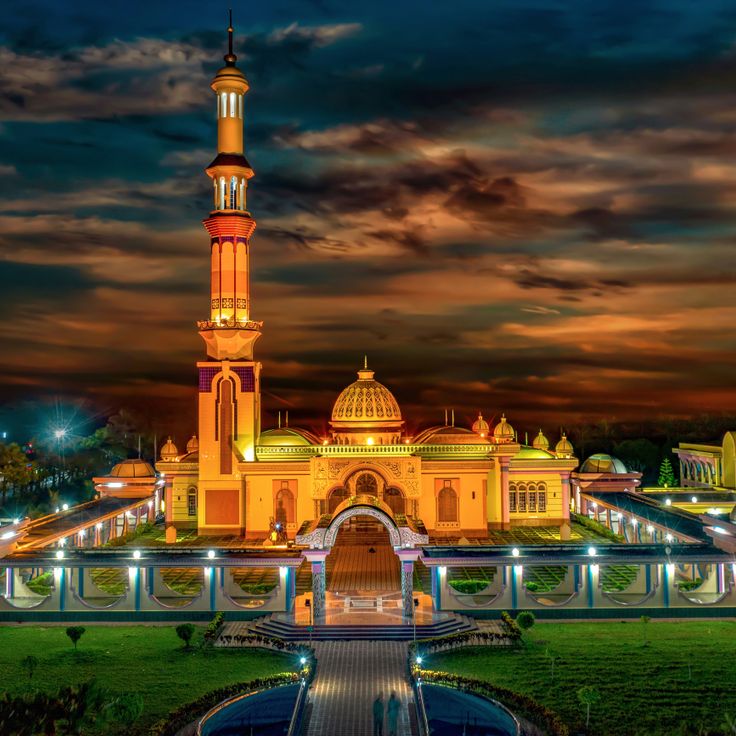
The country combines the legacy of different civilizations in its mosques and palaces with landscapes of marshy forests, tea plantations, and wild coasts.
Bangladesh extends from the Brahmaputra delta to the hills near the Myanmar border. The country combines historical structures with natural settings that suit photography. In Dhaka, mosques from the 17th century stand near buildings from the 20th century. The coast shows long sandy beaches and small islands in the Bay of Bengal. In the northeast, tea plantations sit on gentle hills, while wetlands and swamps become water-covered landscapes during the monsoon season.
Places like Lalbagh Fort and Ahsan Manzil document the Mughal era and colonial influences in the capital. The Sixty Dome Mosque in Bagerhat dates from the 15th century and shows early Islamic architecture in the region. Jatiyo Sangsad Bhaban, the parliament building by Louis Kahn, represents modern design. Natural areas like Ratargul Swamp Forest or the tea gardens near Srimangal offer different subjects. Cox's Bazar beach stretches for many miles (kilometers) along the coast. Saint Martin Island lies farther south in the sea. Sajek Valley in the Chittagong Hill Tracts shows mountainous terrain with views over forested slopes.
The country combines the legacy of different civilizations in its mosques and palaces with landscapes of marshy forests, tea plantations, and wild coasts.
Bangladesh extends from the Brahmaputra delta to the hills near the Myanmar border. The country combines historical structures with natural settings that suit photography. In Dhaka, mosques from the 17th century stand near buildings from the 20th century. The coast shows long sandy beaches and small islands in the Bay of Bengal. In the northeast, tea plantations sit on gentle hills, while wetlands and swamps become water-covered landscapes during the monsoon season.
Places like Lalbagh Fort and Ahsan Manzil document the Mughal era and colonial influences in the capital. The Sixty Dome Mosque in Bagerhat dates from the 15th century and shows early Islamic architecture in the region. Jatiyo Sangsad Bhaban, the parliament building by Louis Kahn, represents modern design. Natural areas like Ratargul Swamp Forest or the tea gardens near Srimangal offer different subjects. Cox's Bazar beach stretches for many miles (kilometers) along the coast. Saint Martin Island lies farther south in the sea. Sajek Valley in the Chittagong Hill Tracts shows mountainous terrain with views over forested slopes.
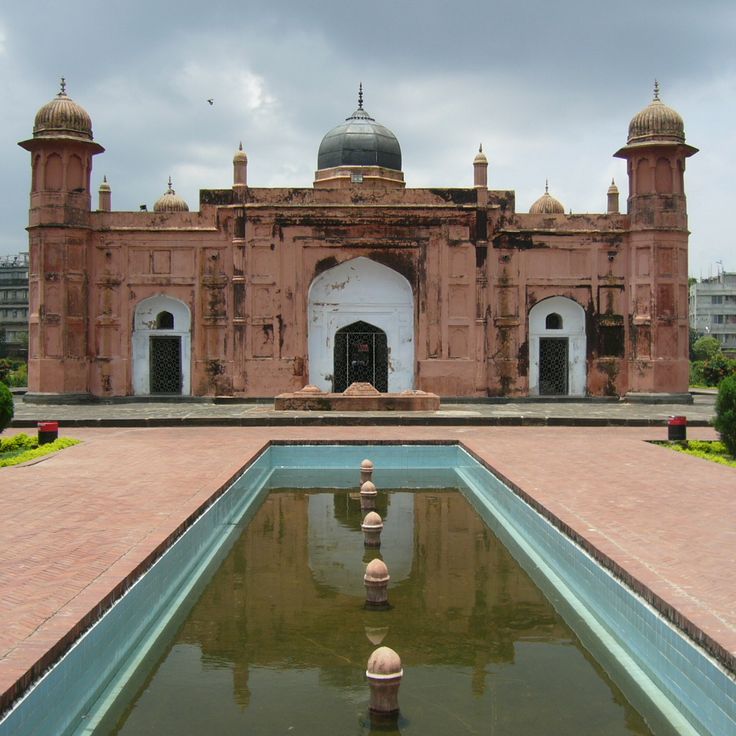
This Mughal fortress from the 17th century sits within Old Dhaka and documents the early colonial history of Bangladesh. Inside the brick walls stand a mosque, a palace, and remnants of former garden layouts with water pools. The buildings show typical elements of Mughal architecture, including arched passageways and patterned facades. The fort was never completed, yet the preserved structures offer insight into the construction techniques of that era. Visitors walk across maintained lawns between the historical buildings and see the remains of the water gardens that once defined the grounds.
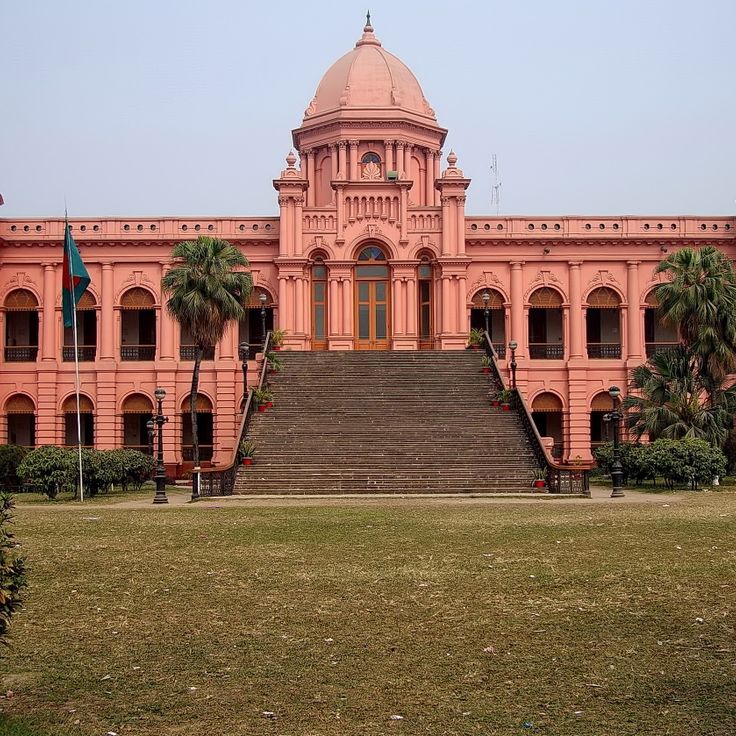
This former palace of the Nawabs dates back to 1872 and now serves as a museum of Bengali history. Ahsan Manzil offers views into the lives of Bengali nobility and documents the development of the region. The pink facade and central dome shape the appearance of the building along the Buriganga River and make it an example of 19th century architecture in Dhaka.
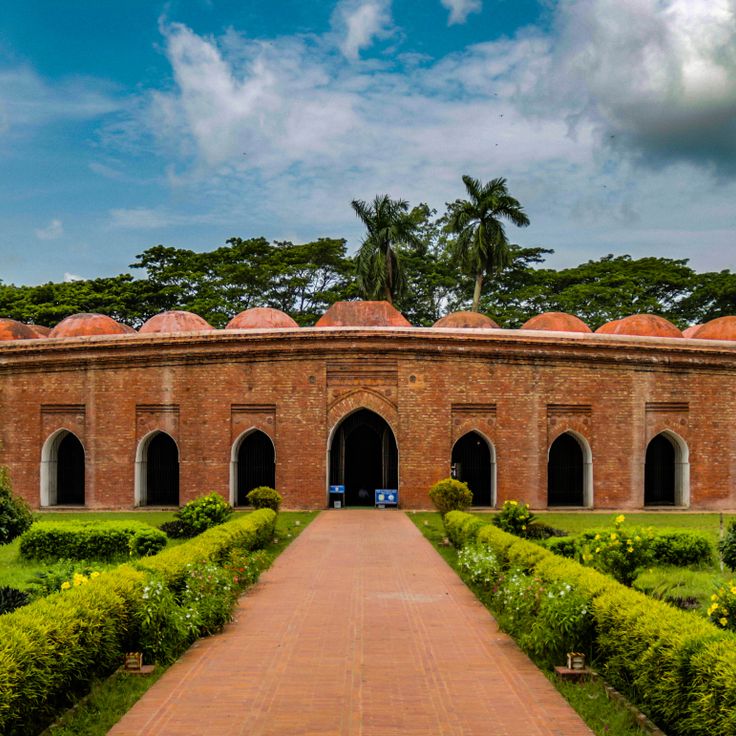
This mosque from the 15th century combines Islamic and Bengali architecture. The prayer hall sits beneath 60 domes supported by thick stone columns. The walls display terracotta decorations and geometric patterns, while the curved cornices reflect the regional building style. Khan Jahan Ali founded the complex as a religious center for the area. Today the mosque draws photographers who document historical architecture and the interplay of light and shadow in the prayer halls.
This 30-kilometer beach sits on the Bay of Bengal and allows photographs of the open sea beside coastal mangrove forests. Kuakata Sea Beach shows the diversity of Bangladeshi coastline and documents the transition between shore and vegetation. The morning hours bring fishermen to the water, while late daylight highlights the structures of the mangroves. The beach works well for photographs that capture different light conditions and natural textures.
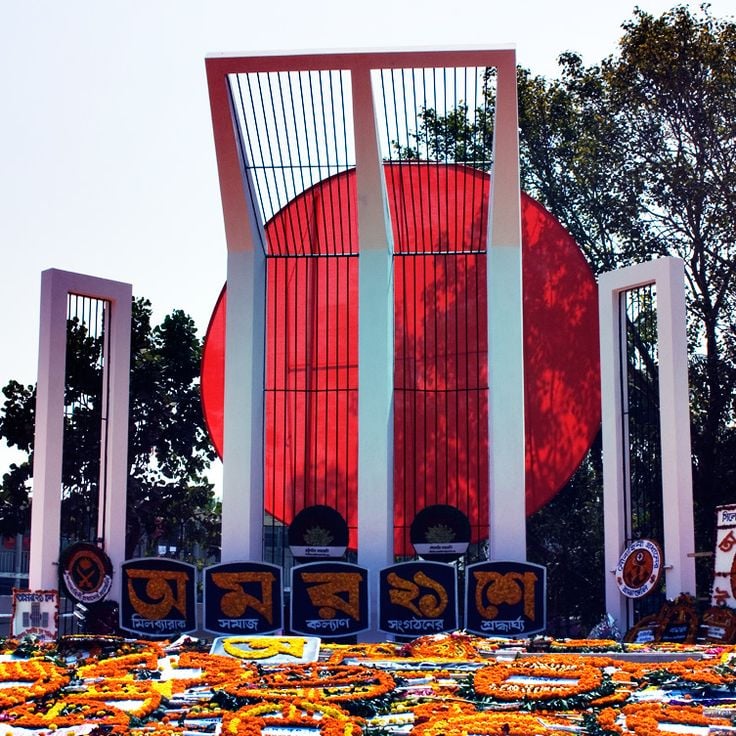
This monument rises with five white columns in central Dhaka and remembers the students who died during the 1952 protests for recognition of the Bengali language. The columns stand on a broad platform that extends across several levels and is surrounded by open spaces. Visitors come here to honor the events that led to the official recognition of Bengali. The simple design and clean lines reflect the seriousness of the occasion. On anniversaries people gather here with flowers and wreaths. The monument belongs among the most important symbols of Bengali identity and documents a turning point in the history of the country.
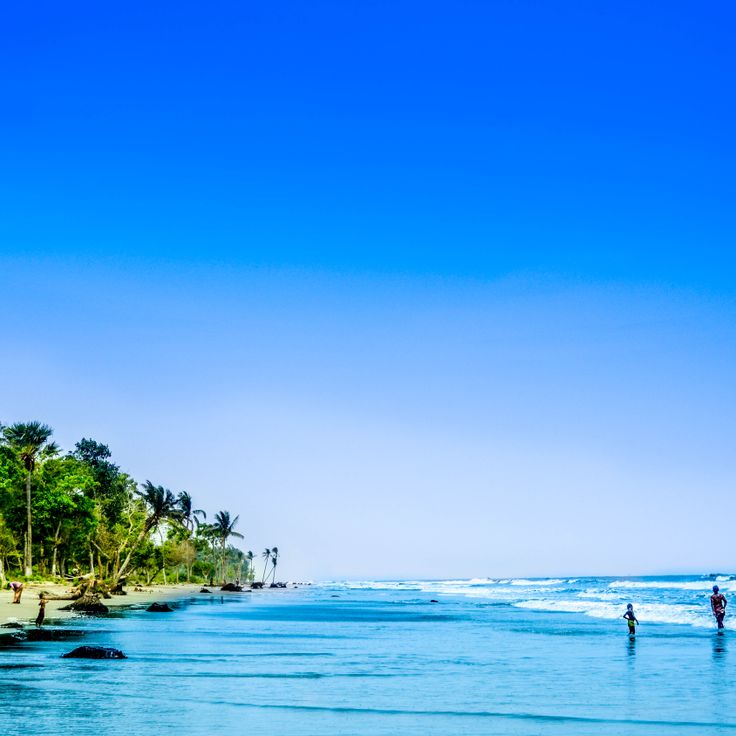
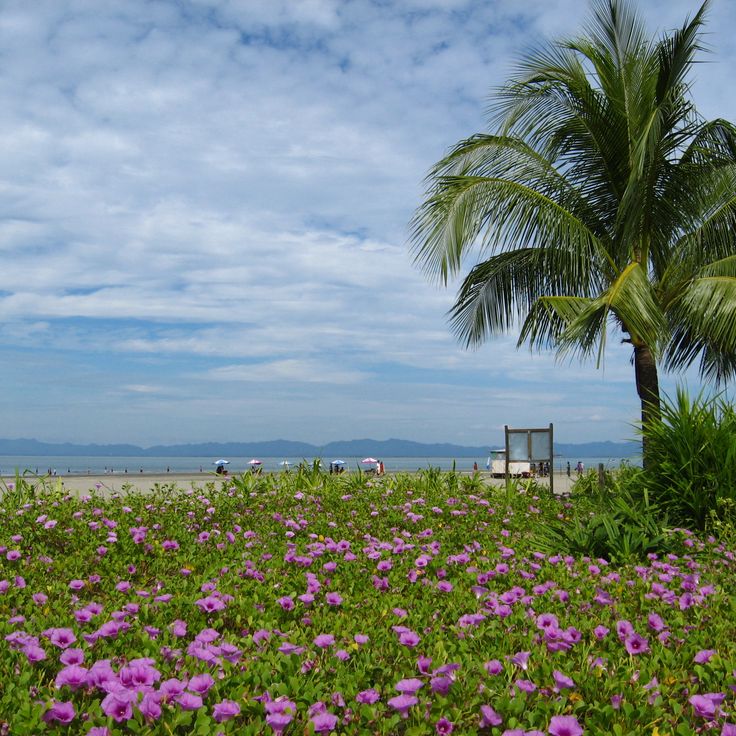
This beach extends for more than 120 kilometers (75 miles) along the coast of the Bay of Bengal. The ocean meets fine sand that runs far in both directions. Behind the shore, hotels and restaurants line up, drawing visitors from different parts of the country. In the early morning and late afternoon, walkers and fishermen come to the water. The waves are gentle, the light changes with the time of day. Cox's Bazar shows the open coastal landscape of Bangladesh and records how the land meets the sea.
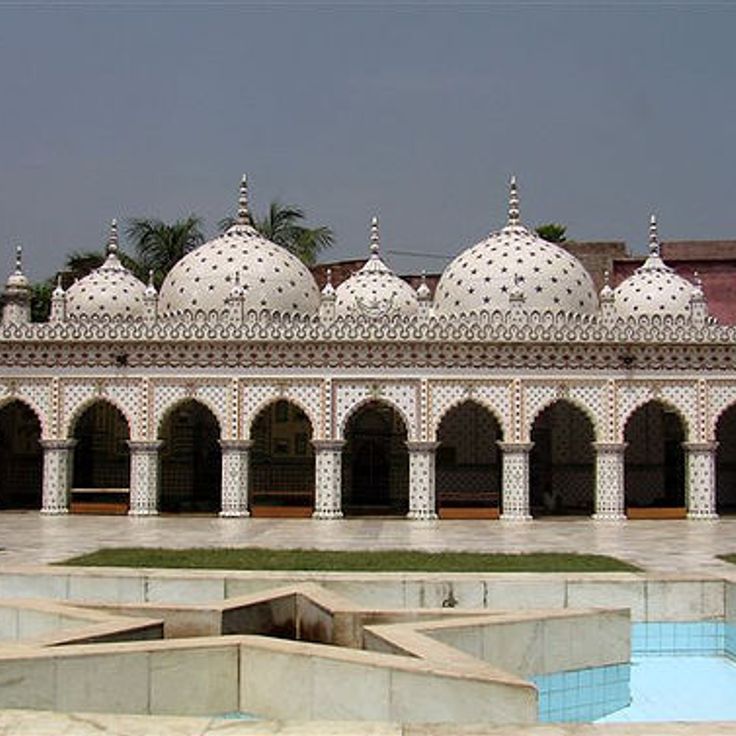
This mosque from the 18th century stands in Dhaka and shows white mosaics from China and Japan. The decoration consists of stars and floral patterns that cover the walls, domes, and courtyard. The building combines Bengali architecture with imported ceramic tiles and documents the cultural exchange of that time in Bangladesh.
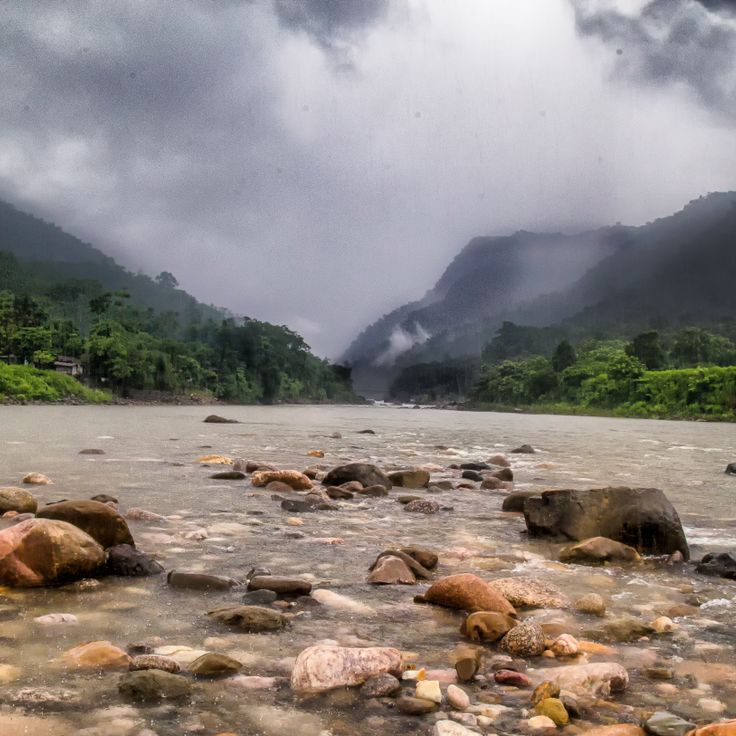
This mountain region follows the Piyain River through gentle slopes covered with tea gardens. Along the riverbed, people collect rounded stones from the clear water, while the hills of the Khasi plains frame the horizon. The tea plantations stretch through the valley, their green rows following the contours of the land. At the river's edge, piled rocks rise in stacks pulled from the water. Fishermen and stone collectors share the space, their activities marking the rhythm of the place across seasons.
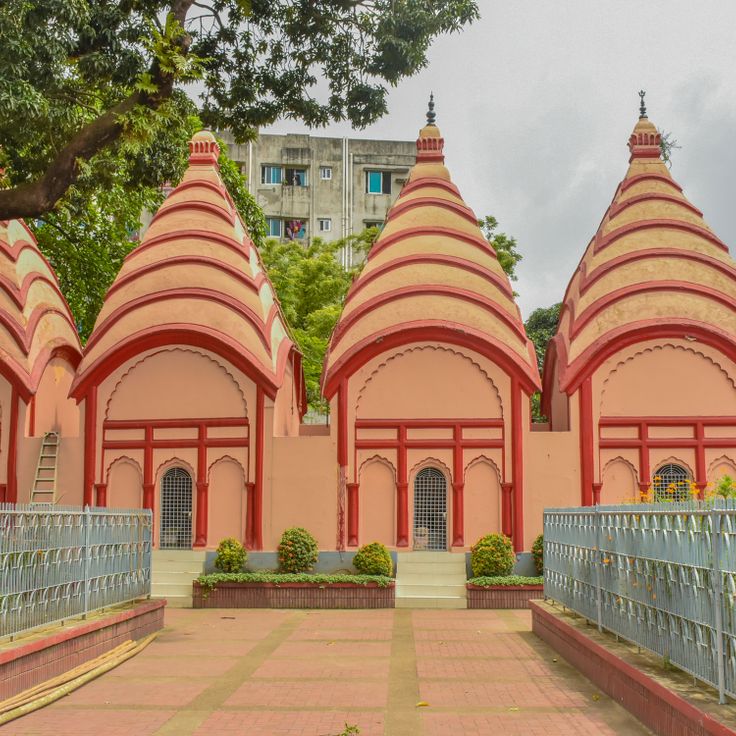
This temple complex from the 12th century displays multiple buildings with traditional Bengali architecture and serves as a central site for Hindu ceremonies. The compound sits in the heart of Dhaka, combining religious practice with structures that have endured over centuries. Worshippers gather here while visitors experience the ornamentation and atmosphere of the prayer halls. The structures reflect the craftsmanship that shaped Bengali architecture through generations.
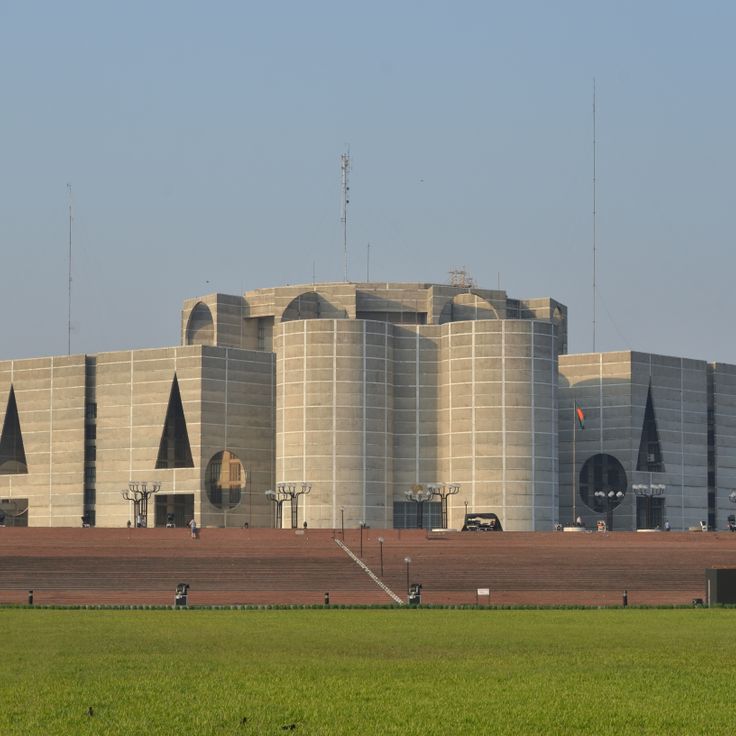
This parliament building uses concrete and geometric forms to create a monumental government complex. The architecture plays with light through circular and triangular openings in the walls. Water surfaces surround the structure and reflect the massive forms. The complex came into being during the second half of the 20th century and documents the evolution of Bengali architecture after independence. The strict geometry and the material used give the place a matter-of-fact appearance.
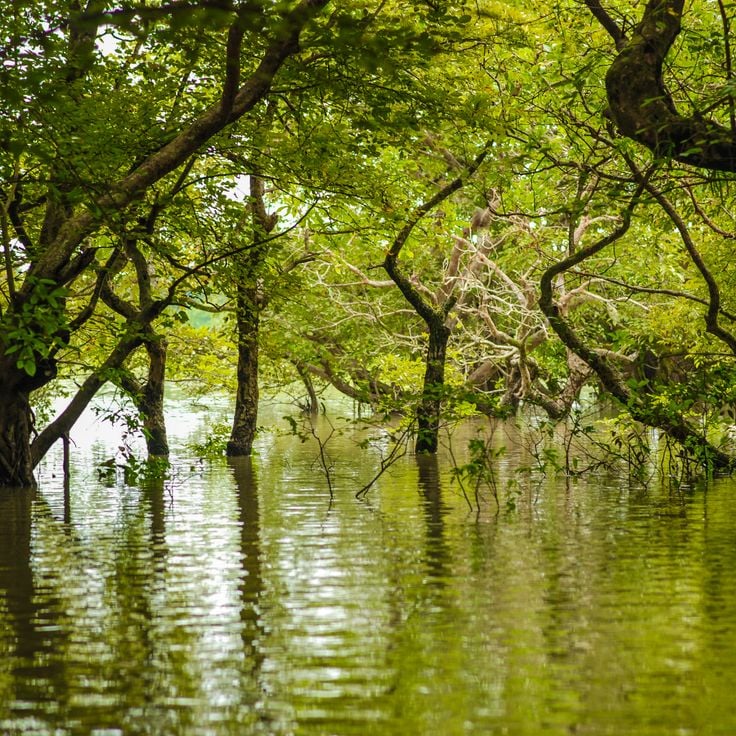
This swamp forest is a wetland where trees grow directly in the water. During the monsoon, water levels rise so much that roots and trunks sometimes disappear several meters below the surface. The area can then only be crossed by small boats navigating between the treetops. In the dry season the water recedes and exposes the forest floor. The plants and trees here have adapted to these changing conditions, developing roots that flood periodically and then dry out again. Ratargul Swamp Forest shows a particular kind of nature in Bangladesh, shaped by water and the rhythm of the seasons.
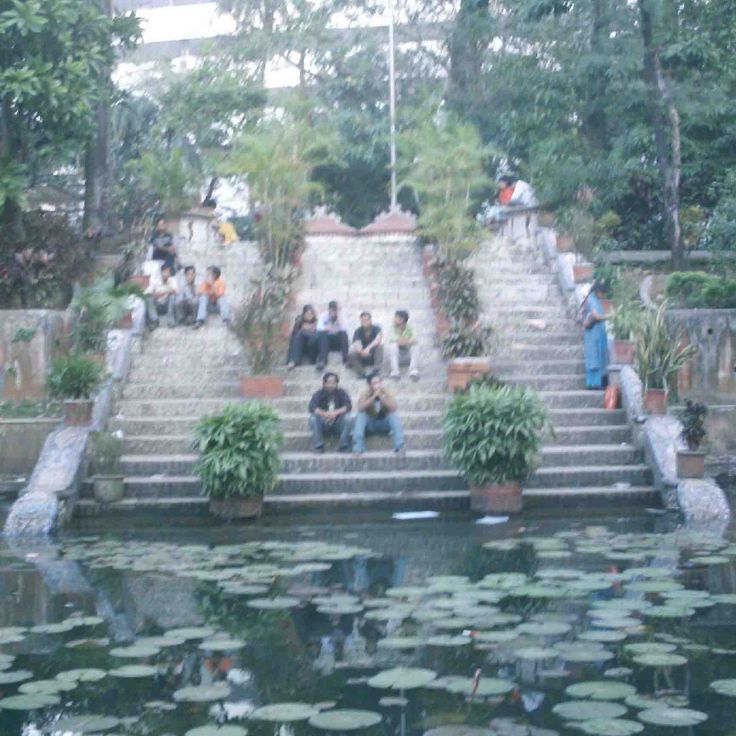
This botanical garden in Dhaka preserves over 600 plant species from different parts of the world and displays native orchids. Baldha Garden offers quiet paths among tropical trees, ponds, and flower beds that were established in the late 19th century. Photographers find dense vegetation, small pavilions, and water surfaces that filter light and cast shadows.
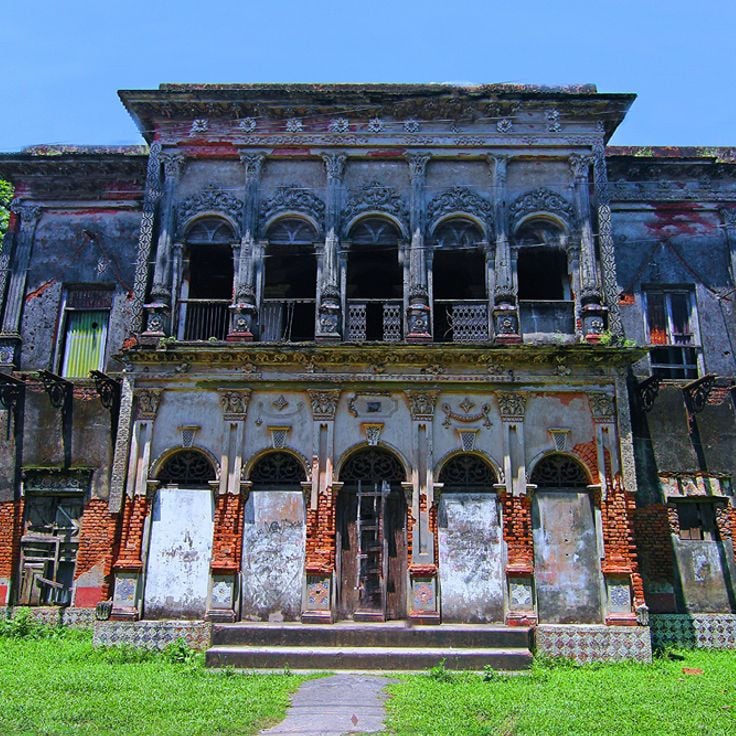
Panam City preserves more than 50 buildings from the 19th century that reflect British colonial rule and the commerce of that era. This abandoned settlement in Sonargaon once served as a center for textile merchants who exported muslin and other fabrics from Bengal. The houses now stand empty, their facades still carrying traces of the period: tall arches, narrow balconies, and decorated window frames. For photographers in Bangladesh, this site offers the chance to document colonial architecture and the passage of time in a quiet, protected setting.
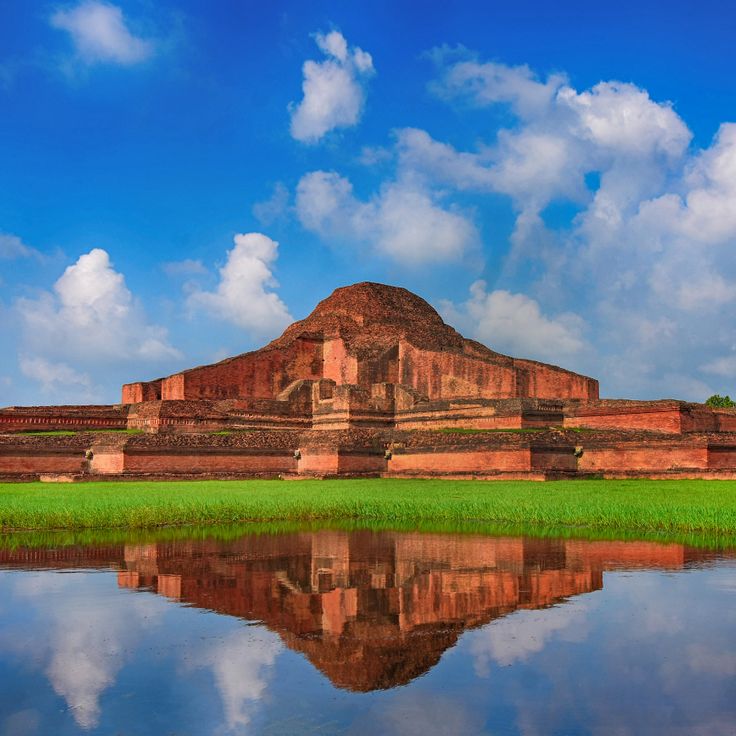
This monastery from the 8th century was one of the most important centers of Buddhist learning in the region. The compound covers a large area and shows the rectangular layout typical of Buddhist institutions from that period. The outer walls contain a long series of cells where monks lived and studied. At the center stands a massive structure that rises above the surrounding buildings. The red bricks used to build Somapura Monastery still show the craftsmanship of the builders from that time. The site gives a sense of monastic life more than a thousand years ago.
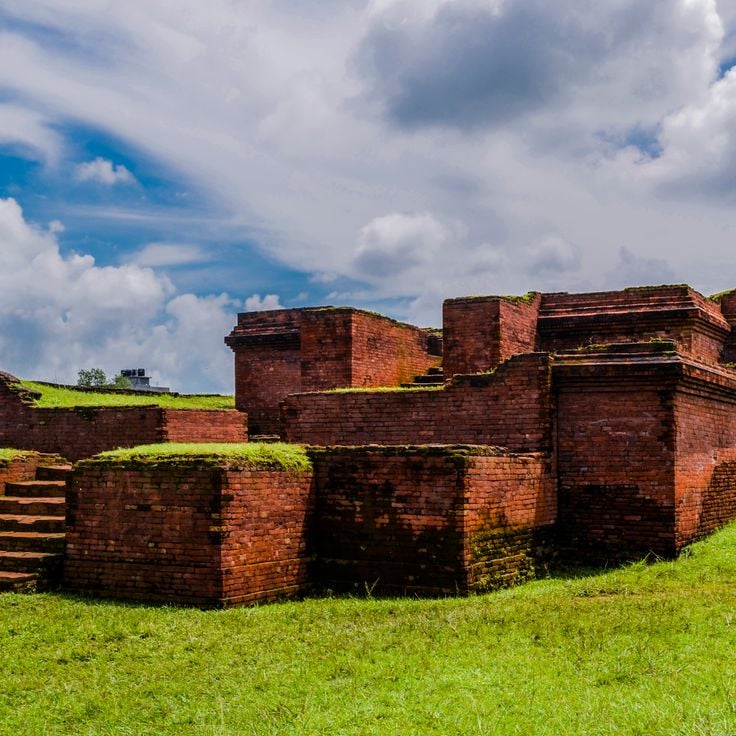
This 7th century Buddhist temple complex documents the architecture and art of the Pala dynasty through its preserved terracotta plaques and bronze sculptures. Shalban Vihara shows the religious and cultural development of Bangladesh through structures that monks used for meditation and study. The brick ruins stand among open fields and give insight into monastic life from more than a millennium ago.
This island is home to a herd of several thousand deer and unfolds across a network of mangrove forests cut by waterways. Conditions here suit photography of birds that settle in the trees and along the quiet channels. The landscape changes with the tide, and the light among the mangrove roots gives the scene a particular tone. Nijhum Island lies off the usual routes and is visited mainly by people looking for nature subjects. The silence and remoteness shape the character of the place.
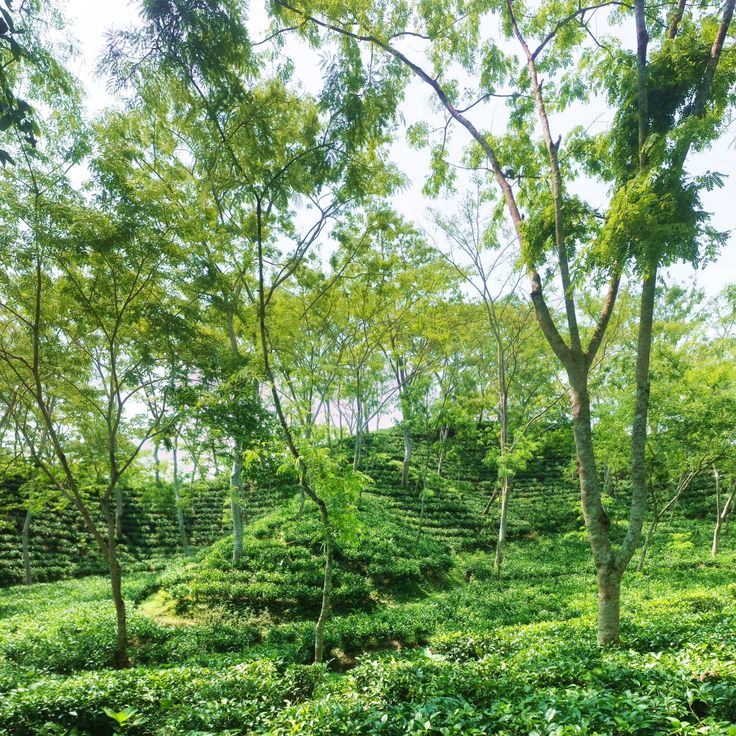
This region around Srimangal produces much of Bangladesh's tea across roughly ninety estates. The tea bushes grow in clear geometric patterns that spread over gentle hills. Workers pick the leaves by hand, usually early in the morning when the air is still cool. Between the rows, narrow paths form where you can walk through the green fields. The tea gardens feel orderly and quiet, with shade from occasional trees standing among the bushes. You see factory buildings nearby where the leaves are processed. The landscape shows the importance of tea cultivation for the local economy and daily life of the people here.
This 19th century trading settlement preserves the traces of a colonial past through its red brick structures. Fifty-two buildings line the streets of Panam City, all constructed during the British period. The structures combine European architectural elements with local building techniques. Many stand empty today, their facades showing cracks and stains from time and monsoon rains. Plants grow between the houses, finding their way through windows and doorways. Photographers discover subjects full of history and natural decay, where light falls through broken roofs and shadows fill long corridors. The settlement documents how commerce once moved through Sonargaon, connecting Bengali merchants with international trade routes.
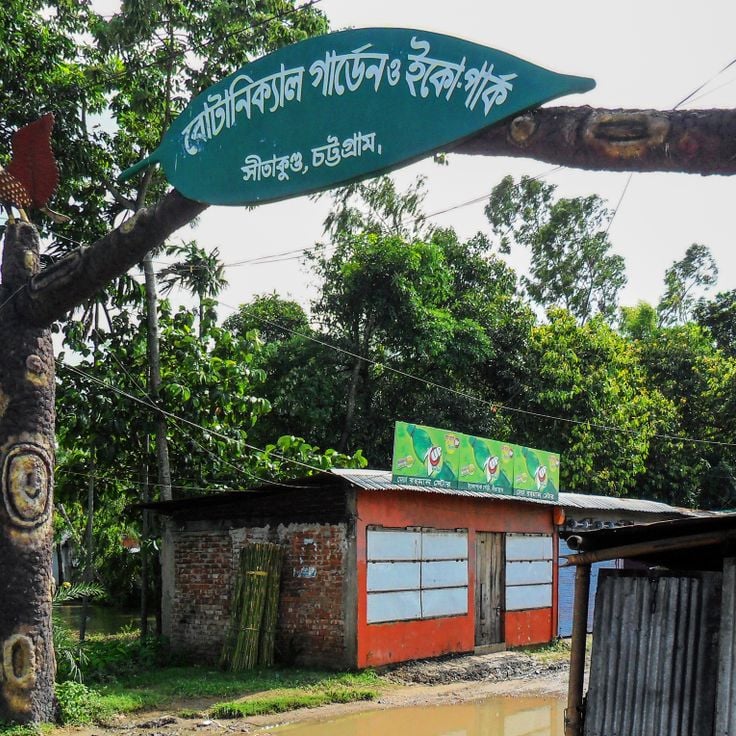
This forest area covers 808 hectares and contains 400 plant species. A Hindu temple stands at an elevation of 984 feet (300 meters). Nature Reserve provides subjects for nature photography and documents the religious architecture of Bangladesh. The vegetation changes with altitude, and trails lead through different sections of the forest. Photographers find opportunities here to capture the regional flora and traditional structures in their landscape setting.
This wetland spreads across Tanguar Haor and forms a mosaic of shallow waters, islands, and floating plant carpets. Fishermen guide narrow boats between channels while water birds nest in reed zones. In cooler months, migratory birds arrive from distant regions, and the air fills with their calls. The water mirrors the changing colors of the sky, and local communities have adapted their ways of life to the rhythms of the tides. The landscape shifts with the seasons, sometimes wide and open, sometimes framed by thick greenery, and offers photographers the chance to capture the interplay of water, light, and life.
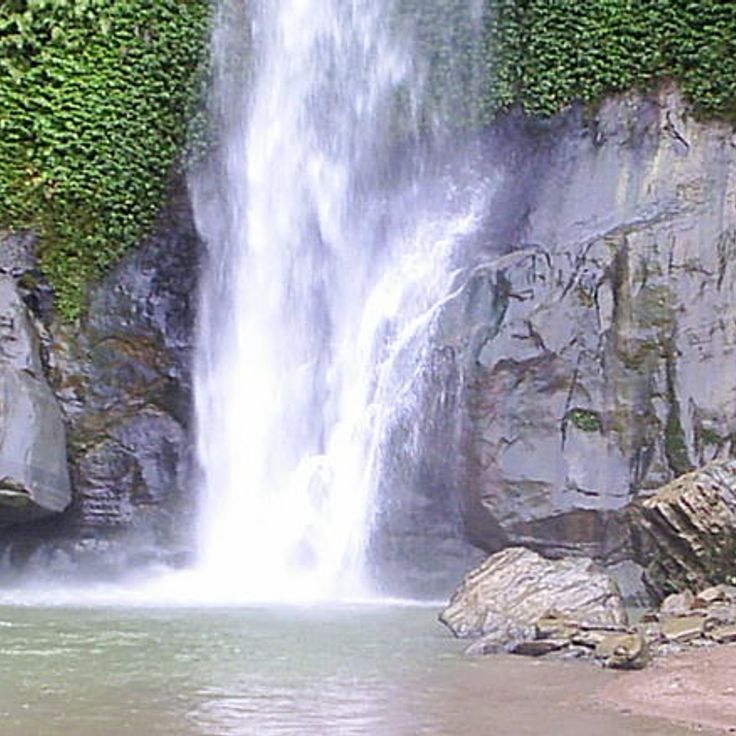
This waterfall drops about 70 meters (230 feet) over several rock ledges and sits in an area with tea plantations and subtropical forests. The water forms small pools between the steps, and the path leading there follows trails surrounded by green vegetation. Visitors come here to listen to the sound of falling water and explore the surroundings, especially during the rainy season when the flow is strongest. The air stays cool and moist because of the nearby forests.
Lawachara National Park covers 1,250 hectares (3,089 acres) of rainforest where gibbons and macaques move through the canopy and more than 240 bird species find shelter. Trails wind through dense greenery, passing tall trees that filter the sunlight while animal sounds echo from all directions. This park offers opportunities to observe Bangladesh's wildlife and vegetation up close, exploring the varied habitats within the tropical forest and experiencing the rhythms of a living ecosystem.
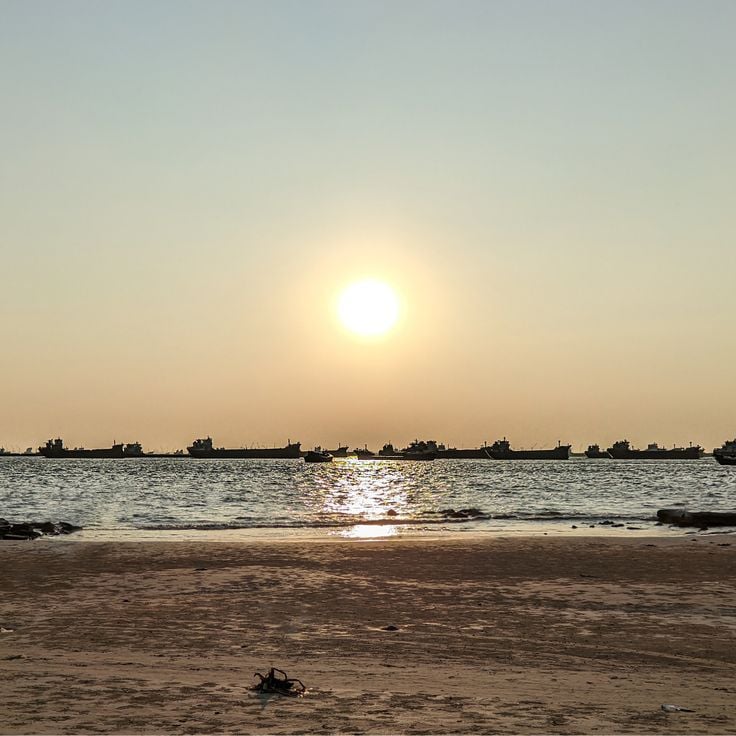
This beach stretches for more than 20 kilometers along the Bay of Bengal. Concrete blocks line the coast to protect the shore from the water. Patenga Beach sits near the port city and is visited by locals for walking, especially in the late afternoon. The sand is wide and firm, and small food stalls offer snacks. Ships and boats can sometimes be seen in the distance. The area feels open and windy, with views of the sea. This beach offers a good opportunity to photograph daily life on the Bangladeshi coast, where sea, harbor, and city life meet.
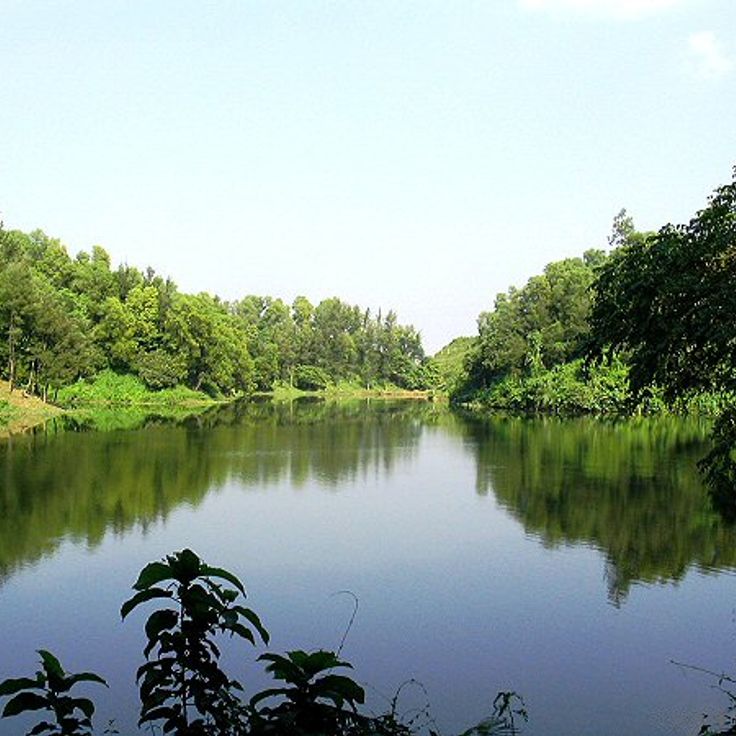
This 336-hectare lake formed in 1924 on the outskirts of Chittagong, serving today as a destination for families and photographers. The shoreline connects open water with forested slopes, while an amusement park and several restaurants sit along the promenade. Boats cross the water, especially in the afternoon when light reflects off the surface. For photography in Bangladesh, Foy Lake shows the connection between urban development and natural spaces, with angles from the shore or from elevated points in the surrounding hills.
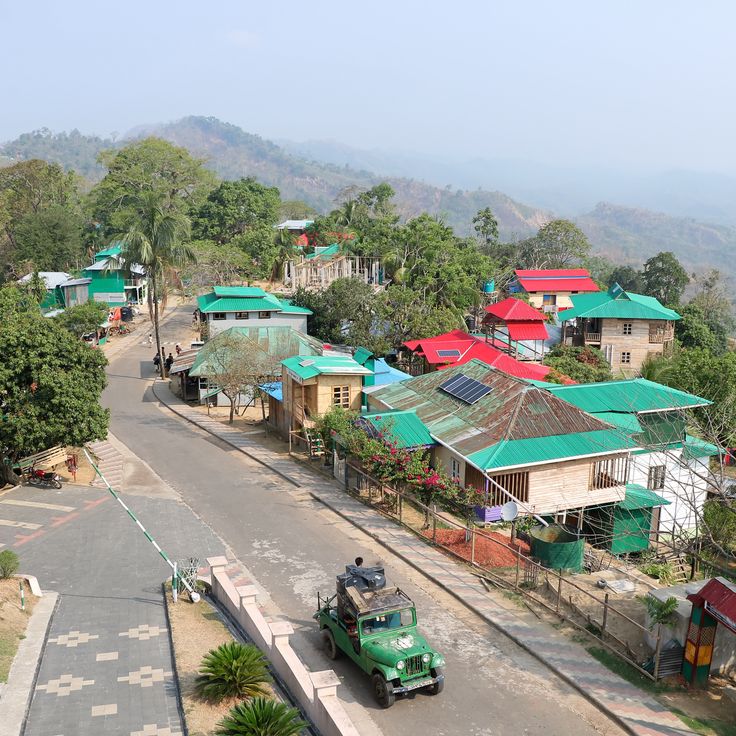
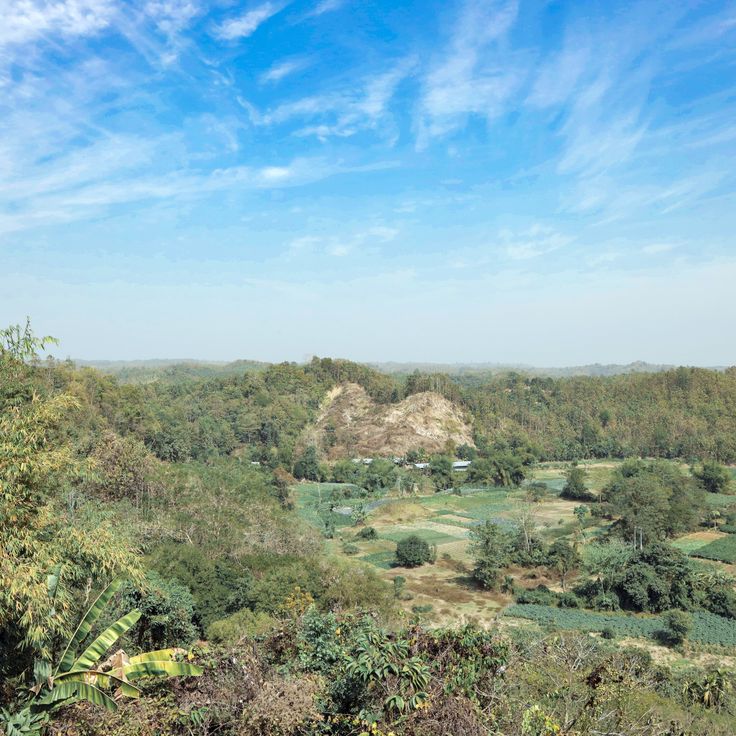
Sajek Valley sits in a mountain area at 1800 meters (5900 feet) above sea level and offers views of surrounding peaks, forested slopes, and lower valleys. This location attracts photographers who want to capture the changing light at sunrise and the clouds that move between the mountains. Small villages mark the landscape, and the roads that wind through the hills allow different perspectives on the Bangladeshi mountain region.
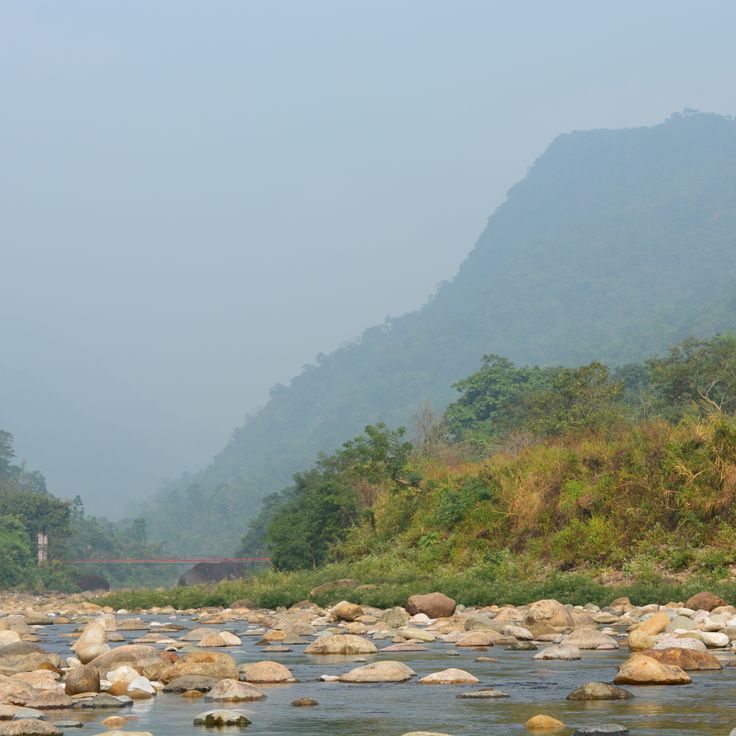
Bisnakandi sits at the border with India where mountain streams from the Khasi Hills flow into the plains. This location at the edge of the mountain range creates a landscape of rocks, flowing water and changing light conditions. The stones in the riverbed and surrounding vegetation offer subjects for nature photography across different seasons and water levels.
This island in the Bay of Bengal sits a few hours by boat from the mainland and offers coral stones along the shore and tropical waters. The beaches are quiet and wide, with palm trees lining the coast. Small fishing villages stand on the island, where locals go about daily life in simple homes. In the mornings, boats set out and fishermen sort their catch directly on the beach. The water is warm and shallow near the shore, deeper further out. In the evenings, visitors gather on the beach to watch the sunset over the sea.
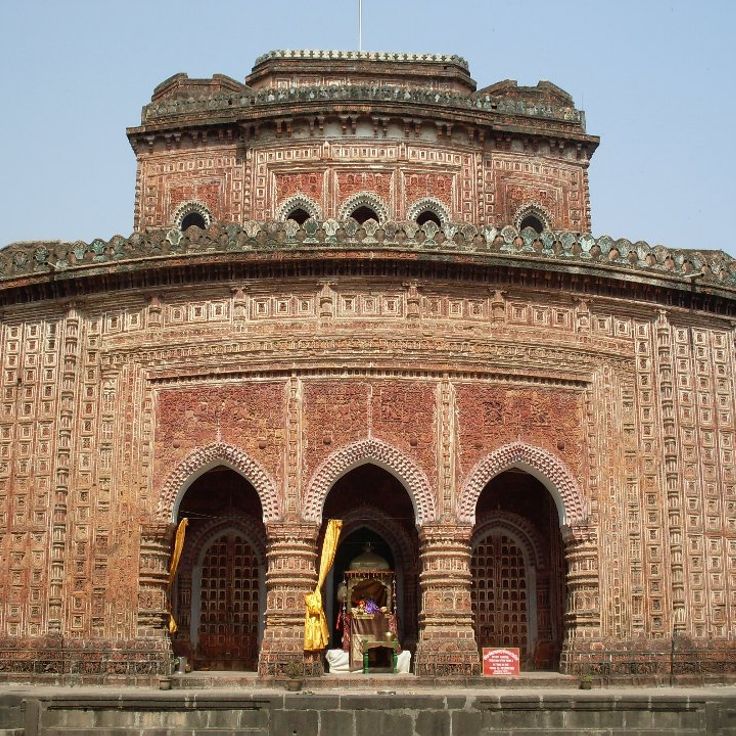
This temple from the 18th century shows detailed terracotta carvings on its outer walls. The reliefs depict scenes from Hindu epics. Kantaji Temple stands on a platform and attracts visitors exploring the craftsmanship and religious architecture of Bangladesh.
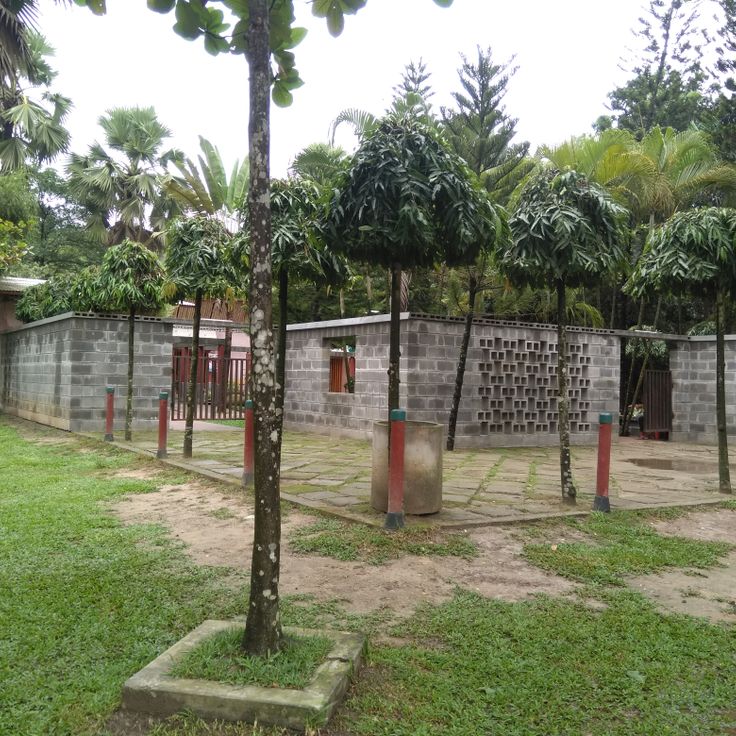
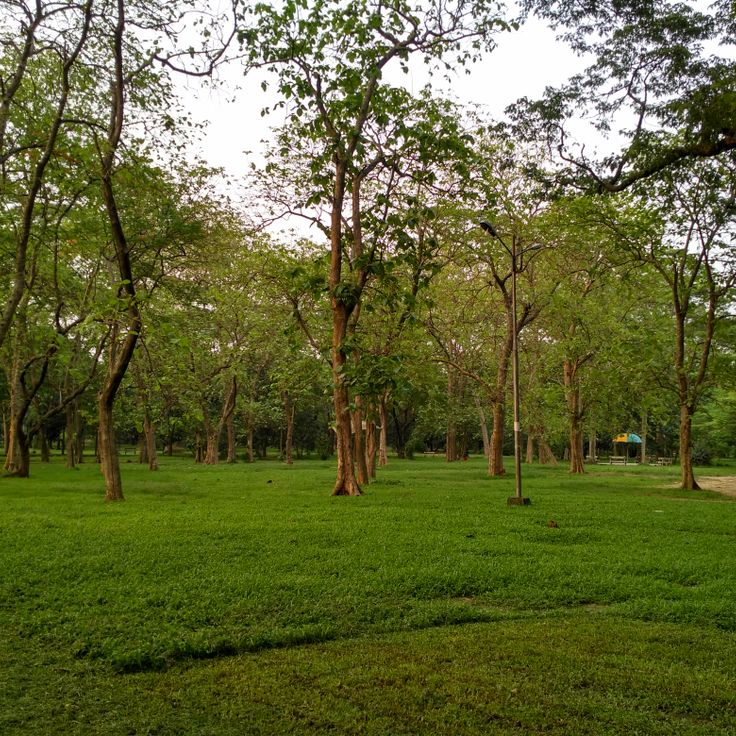
This park in Narayanganj provides photographers with a mix of green areas and natural ponds. The vegetation grows thick along the pathways, while the water surfaces sit between the trees and supply subjects for landscape shots. Local visitors use the grounds regularly, which creates opportunities for documentary photography. The community care keeps paths and facilities accessible.
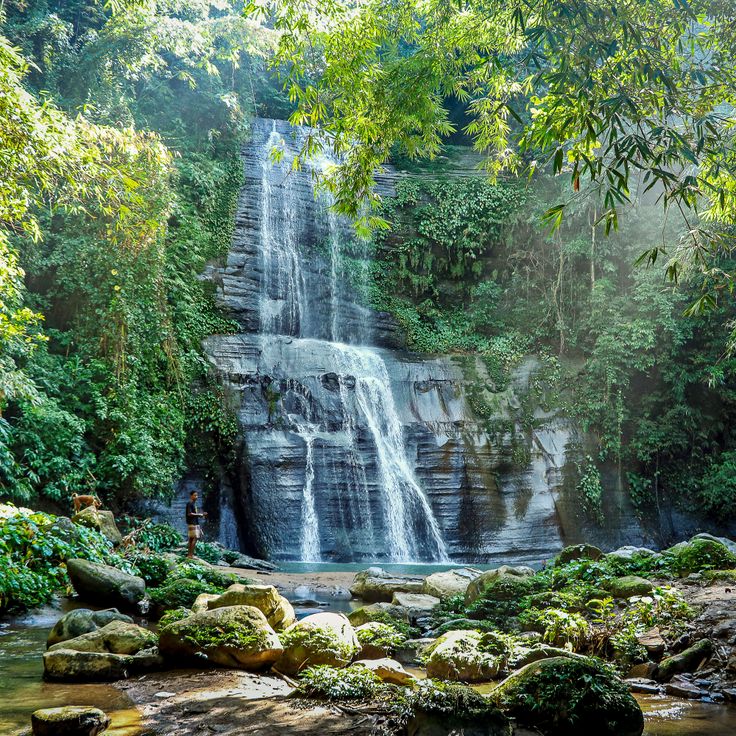
This waterfall in Moulvibazar was discovered in 2010 and sits deep within a forested area with thick vegetation. Hum Hum offers photographers subjects from Bangladesh's natural diversity, where water cascades down several tiers between rocks and tropical plants. The approach leads through forests and across streams, emphasizing the remote location. The surroundings show the country's geographic range, from tea gardens to such hidden natural sites in Sylhet.
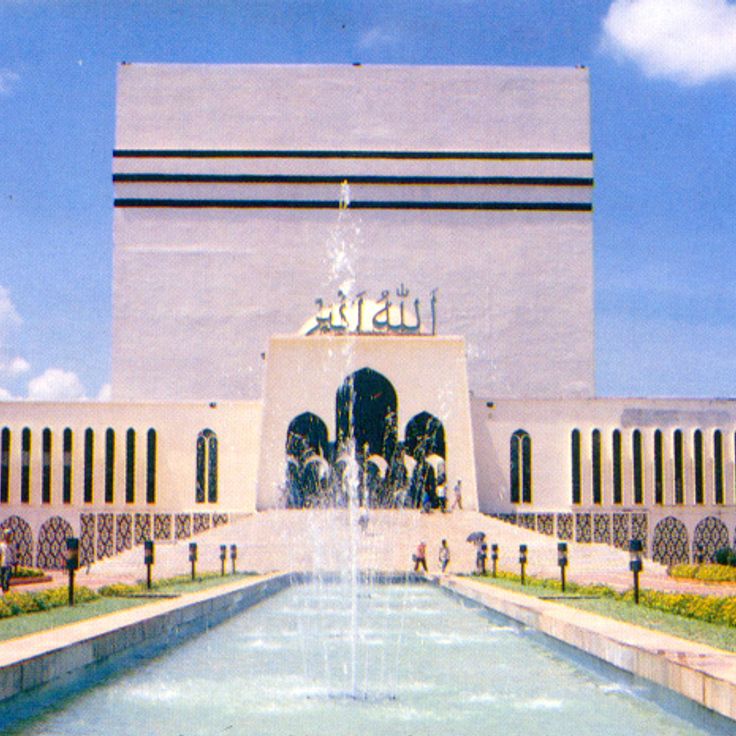
This mosque was completed in the late 1960s and combines contemporary forms with traditional Islamic elements. The prayer hall accommodates tens of thousands of worshippers and serves as a religious center in the capital. The clean lines and geometric design show the evolution of Bengali architecture during the 20th century. The building documents the transition between historical structures and modern construction in Bangladesh.
This hill rises 2,500 feet (760 meters) above sea level and overlooks the surrounding valleys of Bandarban. The climb follows forested slopes and winding trails. From the top you see tea plantations and distant villages among the green ridges. Morning mist often settles low in the hollows. Vegetation changes with elevation. Photographers find subjects here in the Bengali mountain landscape under changing light.
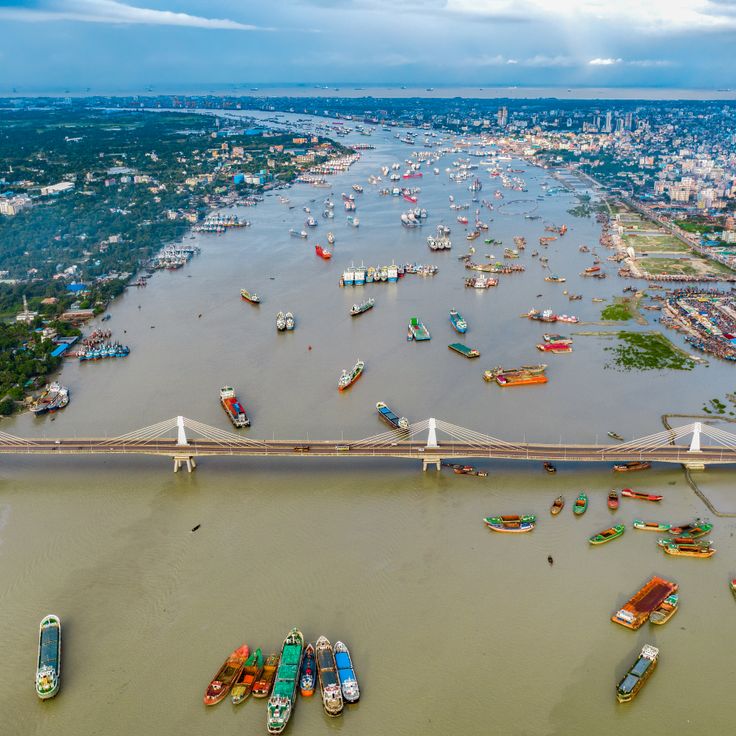
The Shah Amanat Bridge has connected both banks of the Karnaphuli River since 2013, spanning 950 meters. This road bridge documents the evolution of Bengali infrastructure and offers photographers perspectives on the wide river, the maritime traffic below, and the urban landscape of this port city shaped by this modern crossing.
This park began as a Mughal garden in the early 17th century and was reshaped under British rule in the 19th century. Today it spreads as a green retreat in central Dhaka. Old fig trees, rain trees, and mahogany provide shade. Mornings bring joggers, afternoons families with children. A lake sits in the center, surrounded by maintained lawns. Here and there stand monuments that recall different phases of Bengali history. The place serves as a meeting point and as a setting for photographs that capture everyday life in the city among historic trees and calm water surfaces.
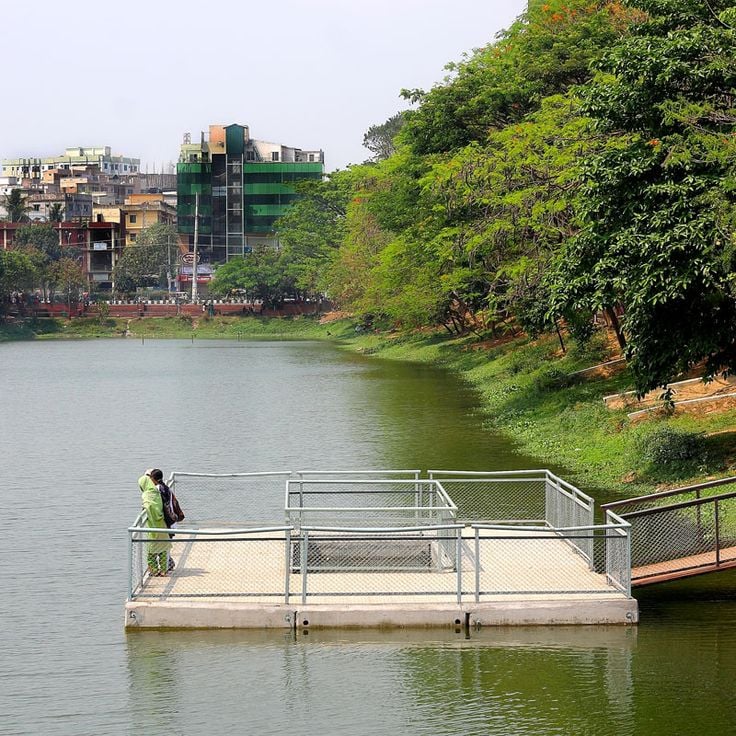
This circular path follows an artificial body of water in the heart of a residential neighborhood. The shores are lined with benches and shaded areas. People come here to jog, walk or simply rest by the water. The lake was created in the 1960s and now connects different parts of the neighborhood. Early mornings and late afternoons see the most activity. For photographers in Bangladesh, Dhanmondi Lake offers calm subjects between urban architecture and water surfaces.
This wetland spreads across 18,000 hectares (44,479 acres) and is home to more than 100 fish species and 558 plant species. Hakaluki Haor offers photographers a network of shallow waters, reed beds, and small islands that shift with the seasons. During the monsoon, the landscape transforms into a vast lake, while in the dry season, waterbirds and fishermen define the open spaces.
This mosque in Chittagong shows geometric patterns on the walls and colored tiles inside. The prayer hall has high ceilings with decorative details that reflect traditional Bengali craftsmanship. Chandanpura Mosque documents religious architecture in Bangladesh.
This mosque dates from the 17th century and stands in the old part of Dhaka. The walls of red brick form a rectangular layout of about 131 by 92 feet (40 by 28 meters). The building shows the construction methods of the Mughal period, when Dhaka was an important center. The domes and arches follow patterns that were common during this time. The site lies in a densely built area, where old structures stand next to modern houses. Visitors find here an example of the religious architecture that has remained in Bangladesh. The bricks carry the marks of centuries and show how people built their structures in this region.
The Guthia Mosque is a building in Barisal that shows the religious architecture of Bangladesh. This site is one of the destinations for photographers documenting mosques and contemporary structures. The prayer room is large and holds many worshippers. One minaret rises above the complex. The facade displays elements of contemporary Islamic design with clean lines and symmetrical forms. Hundreds of people gather in front of the main entrance on Fridays and feast days. The prayer room receives natural light through tall windows. The walls have geometric patterns. When you step through the doors, you feel the quiet of the space dedicated to prayer. This mosque is an example of contemporary religious architecture in Bangladesh.
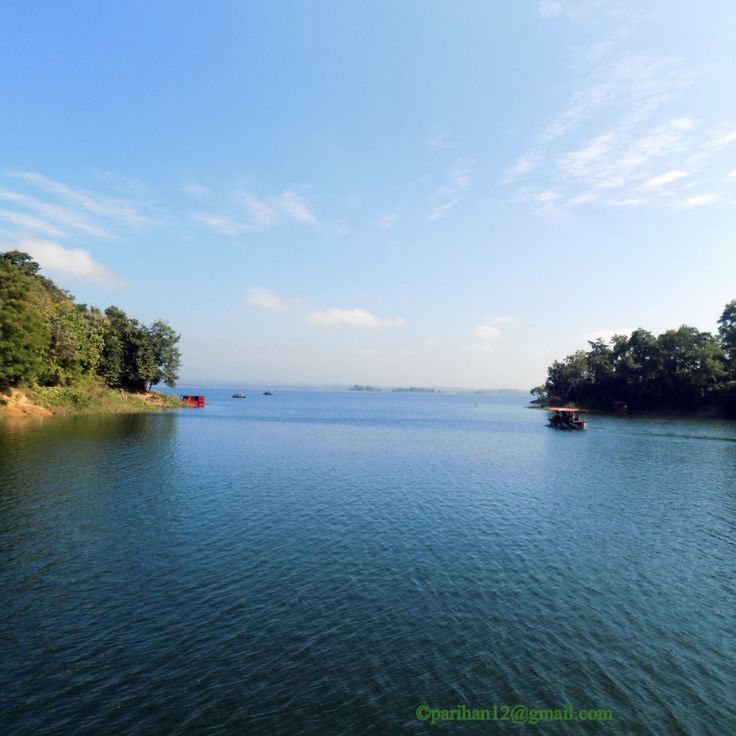
This lake in the heart of the Chittagong Hill Tracts spreads across a forested area where small islands and narrow inlets break up the shoreline. Kaptai Lake formed after the construction of a dam and changed the landscape of the region. Small villages sit near the water, and boats connect the scattered settlements. The green hills rise directly from the water, and mist often hangs over the surface in the morning.
This Mughal fortress from the 17th century sits within Old Dhaka and documents the early colonial history of Bangladesh. Inside the brick walls stand a mosque, a palace, and remnants of former garden layouts with water pools. The buildings show typical elements of Mughal architecture, including arched passageways and patterned facades. The fort was never completed, yet the preserved structures offer insight into the construction techniques of that era. Visitors walk across maintained lawns between the historical buildings and see the remains of the water gardens that once defined the grounds.
This former palace of the Nawabs dates back to 1872 and now serves as a museum of Bengali history. Ahsan Manzil offers views into the lives of Bengali nobility and documents the development of the region. The pink facade and central dome shape the appearance of the building along the Buriganga River and make it an example of 19th century architecture in Dhaka.
This mosque from the 15th century combines Islamic and Bengali architecture. The prayer hall sits beneath 60 domes supported by thick stone columns. The walls display terracotta decorations and geometric patterns, while the curved cornices reflect the regional building style. Khan Jahan Ali founded the complex as a religious center for the area. Today the mosque draws photographers who document historical architecture and the interplay of light and shadow in the prayer halls.
This 30-kilometer beach sits on the Bay of Bengal and allows photographs of the open sea beside coastal mangrove forests. Kuakata Sea Beach shows the diversity of Bangladeshi coastline and documents the transition between shore and vegetation. The morning hours bring fishermen to the water, while late daylight highlights the structures of the mangroves. The beach works well for photographs that capture different light conditions and natural textures.
This monument rises with five white columns in central Dhaka and remembers the students who died during the 1952 protests for recognition of the Bengali language. The columns stand on a broad platform that extends across several levels and is surrounded by open spaces. Visitors come here to honor the events that led to the official recognition of Bengali. The simple design and clean lines reflect the seriousness of the occasion. On anniversaries people gather here with flowers and wreaths. The monument belongs among the most important symbols of Bengali identity and documents a turning point in the history of the country.
This beach extends for more than 120 kilometers (75 miles) along the coast of the Bay of Bengal. The ocean meets fine sand that runs far in both directions. Behind the shore, hotels and restaurants line up, drawing visitors from different parts of the country. In the early morning and late afternoon, walkers and fishermen come to the water. The waves are gentle, the light changes with the time of day. Cox's Bazar shows the open coastal landscape of Bangladesh and records how the land meets the sea.
This mosque from the 18th century stands in Dhaka and shows white mosaics from China and Japan. The decoration consists of stars and floral patterns that cover the walls, domes, and courtyard. The building combines Bengali architecture with imported ceramic tiles and documents the cultural exchange of that time in Bangladesh.
This mountain region follows the Piyain River through gentle slopes covered with tea gardens. Along the riverbed, people collect rounded stones from the clear water, while the hills of the Khasi plains frame the horizon. The tea plantations stretch through the valley, their green rows following the contours of the land. At the river's edge, piled rocks rise in stacks pulled from the water. Fishermen and stone collectors share the space, their activities marking the rhythm of the place across seasons.
This temple complex from the 12th century displays multiple buildings with traditional Bengali architecture and serves as a central site for Hindu ceremonies. The compound sits in the heart of Dhaka, combining religious practice with structures that have endured over centuries. Worshippers gather here while visitors experience the ornamentation and atmosphere of the prayer halls. The structures reflect the craftsmanship that shaped Bengali architecture through generations.
This parliament building uses concrete and geometric forms to create a monumental government complex. The architecture plays with light through circular and triangular openings in the walls. Water surfaces surround the structure and reflect the massive forms. The complex came into being during the second half of the 20th century and documents the evolution of Bengali architecture after independence. The strict geometry and the material used give the place a matter-of-fact appearance.
This swamp forest is a wetland where trees grow directly in the water. During the monsoon, water levels rise so much that roots and trunks sometimes disappear several meters below the surface. The area can then only be crossed by small boats navigating between the treetops. In the dry season the water recedes and exposes the forest floor. The plants and trees here have adapted to these changing conditions, developing roots that flood periodically and then dry out again. Ratargul Swamp Forest shows a particular kind of nature in Bangladesh, shaped by water and the rhythm of the seasons.
This botanical garden in Dhaka preserves over 600 plant species from different parts of the world and displays native orchids. Baldha Garden offers quiet paths among tropical trees, ponds, and flower beds that were established in the late 19th century. Photographers find dense vegetation, small pavilions, and water surfaces that filter light and cast shadows.
Panam City preserves more than 50 buildings from the 19th century that reflect British colonial rule and the commerce of that era. This abandoned settlement in Sonargaon once served as a center for textile merchants who exported muslin and other fabrics from Bengal. The houses now stand empty, their facades still carrying traces of the period: tall arches, narrow balconies, and decorated window frames. For photographers in Bangladesh, this site offers the chance to document colonial architecture and the passage of time in a quiet, protected setting.
This monastery from the 8th century was one of the most important centers of Buddhist learning in the region. The compound covers a large area and shows the rectangular layout typical of Buddhist institutions from that period. The outer walls contain a long series of cells where monks lived and studied. At the center stands a massive structure that rises above the surrounding buildings. The red bricks used to build Somapura Monastery still show the craftsmanship of the builders from that time. The site gives a sense of monastic life more than a thousand years ago.
This 7th century Buddhist temple complex documents the architecture and art of the Pala dynasty through its preserved terracotta plaques and bronze sculptures. Shalban Vihara shows the religious and cultural development of Bangladesh through structures that monks used for meditation and study. The brick ruins stand among open fields and give insight into monastic life from more than a millennium ago.
This island is home to a herd of several thousand deer and unfolds across a network of mangrove forests cut by waterways. Conditions here suit photography of birds that settle in the trees and along the quiet channels. The landscape changes with the tide, and the light among the mangrove roots gives the scene a particular tone. Nijhum Island lies off the usual routes and is visited mainly by people looking for nature subjects. The silence and remoteness shape the character of the place.
This region around Srimangal produces much of Bangladesh's tea across roughly ninety estates. The tea bushes grow in clear geometric patterns that spread over gentle hills. Workers pick the leaves by hand, usually early in the morning when the air is still cool. Between the rows, narrow paths form where you can walk through the green fields. The tea gardens feel orderly and quiet, with shade from occasional trees standing among the bushes. You see factory buildings nearby where the leaves are processed. The landscape shows the importance of tea cultivation for the local economy and daily life of the people here.
This 19th century trading settlement preserves the traces of a colonial past through its red brick structures. Fifty-two buildings line the streets of Panam City, all constructed during the British period. The structures combine European architectural elements with local building techniques. Many stand empty today, their facades showing cracks and stains from time and monsoon rains. Plants grow between the houses, finding their way through windows and doorways. Photographers discover subjects full of history and natural decay, where light falls through broken roofs and shadows fill long corridors. The settlement documents how commerce once moved through Sonargaon, connecting Bengali merchants with international trade routes.
This forest area covers 808 hectares and contains 400 plant species. A Hindu temple stands at an elevation of 984 feet (300 meters). Nature Reserve provides subjects for nature photography and documents the religious architecture of Bangladesh. The vegetation changes with altitude, and trails lead through different sections of the forest. Photographers find opportunities here to capture the regional flora and traditional structures in their landscape setting.
This wetland spreads across Tanguar Haor and forms a mosaic of shallow waters, islands, and floating plant carpets. Fishermen guide narrow boats between channels while water birds nest in reed zones. In cooler months, migratory birds arrive from distant regions, and the air fills with their calls. The water mirrors the changing colors of the sky, and local communities have adapted their ways of life to the rhythms of the tides. The landscape shifts with the seasons, sometimes wide and open, sometimes framed by thick greenery, and offers photographers the chance to capture the interplay of water, light, and life.
This waterfall drops about 70 meters (230 feet) over several rock ledges and sits in an area with tea plantations and subtropical forests. The water forms small pools between the steps, and the path leading there follows trails surrounded by green vegetation. Visitors come here to listen to the sound of falling water and explore the surroundings, especially during the rainy season when the flow is strongest. The air stays cool and moist because of the nearby forests.
Lawachara National Park covers 1,250 hectares (3,089 acres) of rainforest where gibbons and macaques move through the canopy and more than 240 bird species find shelter. Trails wind through dense greenery, passing tall trees that filter the sunlight while animal sounds echo from all directions. This park offers opportunities to observe Bangladesh's wildlife and vegetation up close, exploring the varied habitats within the tropical forest and experiencing the rhythms of a living ecosystem.
This beach stretches for more than 20 kilometers along the Bay of Bengal. Concrete blocks line the coast to protect the shore from the water. Patenga Beach sits near the port city and is visited by locals for walking, especially in the late afternoon. The sand is wide and firm, and small food stalls offer snacks. Ships and boats can sometimes be seen in the distance. The area feels open and windy, with views of the sea. This beach offers a good opportunity to photograph daily life on the Bangladeshi coast, where sea, harbor, and city life meet.
This 336-hectare lake formed in 1924 on the outskirts of Chittagong, serving today as a destination for families and photographers. The shoreline connects open water with forested slopes, while an amusement park and several restaurants sit along the promenade. Boats cross the water, especially in the afternoon when light reflects off the surface. For photography in Bangladesh, Foy Lake shows the connection between urban development and natural spaces, with angles from the shore or from elevated points in the surrounding hills.
Sajek Valley sits in a mountain area at 1800 meters (5900 feet) above sea level and offers views of surrounding peaks, forested slopes, and lower valleys. This location attracts photographers who want to capture the changing light at sunrise and the clouds that move between the mountains. Small villages mark the landscape, and the roads that wind through the hills allow different perspectives on the Bangladeshi mountain region.
Bisnakandi sits at the border with India where mountain streams from the Khasi Hills flow into the plains. This location at the edge of the mountain range creates a landscape of rocks, flowing water and changing light conditions. The stones in the riverbed and surrounding vegetation offer subjects for nature photography across different seasons and water levels.
This island in the Bay of Bengal sits a few hours by boat from the mainland and offers coral stones along the shore and tropical waters. The beaches are quiet and wide, with palm trees lining the coast. Small fishing villages stand on the island, where locals go about daily life in simple homes. In the mornings, boats set out and fishermen sort their catch directly on the beach. The water is warm and shallow near the shore, deeper further out. In the evenings, visitors gather on the beach to watch the sunset over the sea.
This temple from the 18th century shows detailed terracotta carvings on its outer walls. The reliefs depict scenes from Hindu epics. Kantaji Temple stands on a platform and attracts visitors exploring the craftsmanship and religious architecture of Bangladesh.
This park in Narayanganj provides photographers with a mix of green areas and natural ponds. The vegetation grows thick along the pathways, while the water surfaces sit between the trees and supply subjects for landscape shots. Local visitors use the grounds regularly, which creates opportunities for documentary photography. The community care keeps paths and facilities accessible.
This waterfall in Moulvibazar was discovered in 2010 and sits deep within a forested area with thick vegetation. Hum Hum offers photographers subjects from Bangladesh's natural diversity, where water cascades down several tiers between rocks and tropical plants. The approach leads through forests and across streams, emphasizing the remote location. The surroundings show the country's geographic range, from tea gardens to such hidden natural sites in Sylhet.
This mosque was completed in the late 1960s and combines contemporary forms with traditional Islamic elements. The prayer hall accommodates tens of thousands of worshippers and serves as a religious center in the capital. The clean lines and geometric design show the evolution of Bengali architecture during the 20th century. The building documents the transition between historical structures and modern construction in Bangladesh.
This hill rises 2,500 feet (760 meters) above sea level and overlooks the surrounding valleys of Bandarban. The climb follows forested slopes and winding trails. From the top you see tea plantations and distant villages among the green ridges. Morning mist often settles low in the hollows. Vegetation changes with elevation. Photographers find subjects here in the Bengali mountain landscape under changing light.
The Shah Amanat Bridge has connected both banks of the Karnaphuli River since 2013, spanning 950 meters. This road bridge documents the evolution of Bengali infrastructure and offers photographers perspectives on the wide river, the maritime traffic below, and the urban landscape of this port city shaped by this modern crossing.
This park began as a Mughal garden in the early 17th century and was reshaped under British rule in the 19th century. Today it spreads as a green retreat in central Dhaka. Old fig trees, rain trees, and mahogany provide shade. Mornings bring joggers, afternoons families with children. A lake sits in the center, surrounded by maintained lawns. Here and there stand monuments that recall different phases of Bengali history. The place serves as a meeting point and as a setting for photographs that capture everyday life in the city among historic trees and calm water surfaces.
This circular path follows an artificial body of water in the heart of a residential neighborhood. The shores are lined with benches and shaded areas. People come here to jog, walk or simply rest by the water. The lake was created in the 1960s and now connects different parts of the neighborhood. Early mornings and late afternoons see the most activity. For photographers in Bangladesh, Dhanmondi Lake offers calm subjects between urban architecture and water surfaces.
This wetland spreads across 18,000 hectares (44,479 acres) and is home to more than 100 fish species and 558 plant species. Hakaluki Haor offers photographers a network of shallow waters, reed beds, and small islands that shift with the seasons. During the monsoon, the landscape transforms into a vast lake, while in the dry season, waterbirds and fishermen define the open spaces.
This mosque in Chittagong shows geometric patterns on the walls and colored tiles inside. The prayer hall has high ceilings with decorative details that reflect traditional Bengali craftsmanship. Chandanpura Mosque documents religious architecture in Bangladesh.
This mosque dates from the 17th century and stands in the old part of Dhaka. The walls of red brick form a rectangular layout of about 131 by 92 feet (40 by 28 meters). The building shows the construction methods of the Mughal period, when Dhaka was an important center. The domes and arches follow patterns that were common during this time. The site lies in a densely built area, where old structures stand next to modern houses. Visitors find here an example of the religious architecture that has remained in Bangladesh. The bricks carry the marks of centuries and show how people built their structures in this region.
The Guthia Mosque is a building in Barisal that shows the religious architecture of Bangladesh. This site is one of the destinations for photographers documenting mosques and contemporary structures. The prayer room is large and holds many worshippers. One minaret rises above the complex. The facade displays elements of contemporary Islamic design with clean lines and symmetrical forms. Hundreds of people gather in front of the main entrance on Fridays and feast days. The prayer room receives natural light through tall windows. The walls have geometric patterns. When you step through the doors, you feel the quiet of the space dedicated to prayer. This mosque is an example of contemporary religious architecture in Bangladesh.
This lake in the heart of the Chittagong Hill Tracts spreads across a forested area where small islands and narrow inlets break up the shoreline. Kaptai Lake formed after the construction of a dam and changed the landscape of the region. Small villages sit near the water, and boats connect the scattered settlements. The green hills rise directly from the water, and mist often hangs over the surface in the morning.
This Mughal fortress from the 17th century sits within Old Dhaka and documents the early colonial history of Bangladesh. Inside the brick walls stand a mosque, a palace, and remnants of former garden layouts with water pools. The buildings show typical elements of Mughal architecture, including arched passageways and patterned facades. The fort was never completed, yet the preserved structures offer insight into the construction techniques of that era. Visitors walk across maintained lawns between the historical buildings and see the remains of the water gardens that once defined the grounds.
This former palace of the Nawabs dates back to 1872 and now serves as a museum of Bengali history. Ahsan Manzil offers views into the lives of Bengali nobility and documents the development of the region. The pink facade and central dome shape the appearance of the building along the Buriganga River and make it an example of 19th century architecture in Dhaka.
This mosque from the 15th century combines Islamic and Bengali architecture. The prayer hall sits beneath 60 domes supported by thick stone columns. The walls display terracotta decorations and geometric patterns, while the curved cornices reflect the regional building style. Khan Jahan Ali founded the complex as a religious center for the area. Today the mosque draws photographers who document historical architecture and the interplay of light and shadow in the prayer halls.
This 30-kilometer beach sits on the Bay of Bengal and allows photographs of the open sea beside coastal mangrove forests. Kuakata Sea Beach shows the diversity of Bangladeshi coastline and documents the transition between shore and vegetation. The morning hours bring fishermen to the water, while late daylight highlights the structures of the mangroves. The beach works well for photographs that capture different light conditions and natural textures.
This monument rises with five white columns in central Dhaka and remembers the students who died during the 1952 protests for recognition of the Bengali language. The columns stand on a broad platform that extends across several levels and is surrounded by open spaces. Visitors come here to honor the events that led to the official recognition of Bengali. The simple design and clean lines reflect the seriousness of the occasion. On anniversaries people gather here with flowers and wreaths. The monument belongs among the most important symbols of Bengali identity and documents a turning point in the history of the country.
This beach extends for more than 120 kilometers (75 miles) along the coast of the Bay of Bengal. The ocean meets fine sand that runs far in both directions. Behind the shore, hotels and restaurants line up, drawing visitors from different parts of the country. In the early morning and late afternoon, walkers and fishermen come to the water. The waves are gentle, the light changes with the time of day. Cox's Bazar shows the open coastal landscape of Bangladesh and records how the land meets the sea.
This mosque from the 18th century stands in Dhaka and shows white mosaics from China and Japan. The decoration consists of stars and floral patterns that cover the walls, domes, and courtyard. The building combines Bengali architecture with imported ceramic tiles and documents the cultural exchange of that time in Bangladesh.
This mountain region follows the Piyain River through gentle slopes covered with tea gardens. Along the riverbed, people collect rounded stones from the clear water, while the hills of the Khasi plains frame the horizon. The tea plantations stretch through the valley, their green rows following the contours of the land. At the river's edge, piled rocks rise in stacks pulled from the water. Fishermen and stone collectors share the space, their activities marking the rhythm of the place across seasons.
This temple complex from the 12th century displays multiple buildings with traditional Bengali architecture and serves as a central site for Hindu ceremonies. The compound sits in the heart of Dhaka, combining religious practice with structures that have endured over centuries. Worshippers gather here while visitors experience the ornamentation and atmosphere of the prayer halls. The structures reflect the craftsmanship that shaped Bengali architecture through generations.
This parliament building uses concrete and geometric forms to create a monumental government complex. The architecture plays with light through circular and triangular openings in the walls. Water surfaces surround the structure and reflect the massive forms. The complex came into being during the second half of the 20th century and documents the evolution of Bengali architecture after independence. The strict geometry and the material used give the place a matter-of-fact appearance.
This swamp forest is a wetland where trees grow directly in the water. During the monsoon, water levels rise so much that roots and trunks sometimes disappear several meters below the surface. The area can then only be crossed by small boats navigating between the treetops. In the dry season the water recedes and exposes the forest floor. The plants and trees here have adapted to these changing conditions, developing roots that flood periodically and then dry out again. Ratargul Swamp Forest shows a particular kind of nature in Bangladesh, shaped by water and the rhythm of the seasons.
This botanical garden in Dhaka preserves over 600 plant species from different parts of the world and displays native orchids. Baldha Garden offers quiet paths among tropical trees, ponds, and flower beds that were established in the late 19th century. Photographers find dense vegetation, small pavilions, and water surfaces that filter light and cast shadows.
Panam City preserves more than 50 buildings from the 19th century that reflect British colonial rule and the commerce of that era. This abandoned settlement in Sonargaon once served as a center for textile merchants who exported muslin and other fabrics from Bengal. The houses now stand empty, their facades still carrying traces of the period: tall arches, narrow balconies, and decorated window frames. For photographers in Bangladesh, this site offers the chance to document colonial architecture and the passage of time in a quiet, protected setting.
This monastery from the 8th century was one of the most important centers of Buddhist learning in the region. The compound covers a large area and shows the rectangular layout typical of Buddhist institutions from that period. The outer walls contain a long series of cells where monks lived and studied. At the center stands a massive structure that rises above the surrounding buildings. The red bricks used to build Somapura Monastery still show the craftsmanship of the builders from that time. The site gives a sense of monastic life more than a thousand years ago.
This 7th century Buddhist temple complex documents the architecture and art of the Pala dynasty through its preserved terracotta plaques and bronze sculptures. Shalban Vihara shows the religious and cultural development of Bangladesh through structures that monks used for meditation and study. The brick ruins stand among open fields and give insight into monastic life from more than a millennium ago.
This island is home to a herd of several thousand deer and unfolds across a network of mangrove forests cut by waterways. Conditions here suit photography of birds that settle in the trees and along the quiet channels. The landscape changes with the tide, and the light among the mangrove roots gives the scene a particular tone. Nijhum Island lies off the usual routes and is visited mainly by people looking for nature subjects. The silence and remoteness shape the character of the place.
This region around Srimangal produces much of Bangladesh's tea across roughly ninety estates. The tea bushes grow in clear geometric patterns that spread over gentle hills. Workers pick the leaves by hand, usually early in the morning when the air is still cool. Between the rows, narrow paths form where you can walk through the green fields. The tea gardens feel orderly and quiet, with shade from occasional trees standing among the bushes. You see factory buildings nearby where the leaves are processed. The landscape shows the importance of tea cultivation for the local economy and daily life of the people here.
This 19th century trading settlement preserves the traces of a colonial past through its red brick structures. Fifty-two buildings line the streets of Panam City, all constructed during the British period. The structures combine European architectural elements with local building techniques. Many stand empty today, their facades showing cracks and stains from time and monsoon rains. Plants grow between the houses, finding their way through windows and doorways. Photographers discover subjects full of history and natural decay, where light falls through broken roofs and shadows fill long corridors. The settlement documents how commerce once moved through Sonargaon, connecting Bengali merchants with international trade routes.
This forest area covers 808 hectares and contains 400 plant species. A Hindu temple stands at an elevation of 984 feet (300 meters). Nature Reserve provides subjects for nature photography and documents the religious architecture of Bangladesh. The vegetation changes with altitude, and trails lead through different sections of the forest. Photographers find opportunities here to capture the regional flora and traditional structures in their landscape setting.
This wetland spreads across Tanguar Haor and forms a mosaic of shallow waters, islands, and floating plant carpets. Fishermen guide narrow boats between channels while water birds nest in reed zones. In cooler months, migratory birds arrive from distant regions, and the air fills with their calls. The water mirrors the changing colors of the sky, and local communities have adapted their ways of life to the rhythms of the tides. The landscape shifts with the seasons, sometimes wide and open, sometimes framed by thick greenery, and offers photographers the chance to capture the interplay of water, light, and life.
This waterfall drops about 70 meters (230 feet) over several rock ledges and sits in an area with tea plantations and subtropical forests. The water forms small pools between the steps, and the path leading there follows trails surrounded by green vegetation. Visitors come here to listen to the sound of falling water and explore the surroundings, especially during the rainy season when the flow is strongest. The air stays cool and moist because of the nearby forests.
Lawachara National Park covers 1,250 hectares (3,089 acres) of rainforest where gibbons and macaques move through the canopy and more than 240 bird species find shelter. Trails wind through dense greenery, passing tall trees that filter the sunlight while animal sounds echo from all directions. This park offers opportunities to observe Bangladesh's wildlife and vegetation up close, exploring the varied habitats within the tropical forest and experiencing the rhythms of a living ecosystem.
This beach stretches for more than 20 kilometers along the Bay of Bengal. Concrete blocks line the coast to protect the shore from the water. Patenga Beach sits near the port city and is visited by locals for walking, especially in the late afternoon. The sand is wide and firm, and small food stalls offer snacks. Ships and boats can sometimes be seen in the distance. The area feels open and windy, with views of the sea. This beach offers a good opportunity to photograph daily life on the Bangladeshi coast, where sea, harbor, and city life meet.
This 336-hectare lake formed in 1924 on the outskirts of Chittagong, serving today as a destination for families and photographers. The shoreline connects open water with forested slopes, while an amusement park and several restaurants sit along the promenade. Boats cross the water, especially in the afternoon when light reflects off the surface. For photography in Bangladesh, Foy Lake shows the connection between urban development and natural spaces, with angles from the shore or from elevated points in the surrounding hills.
Sajek Valley sits in a mountain area at 1800 meters (5900 feet) above sea level and offers views of surrounding peaks, forested slopes, and lower valleys. This location attracts photographers who want to capture the changing light at sunrise and the clouds that move between the mountains. Small villages mark the landscape, and the roads that wind through the hills allow different perspectives on the Bangladeshi mountain region.
Bisnakandi sits at the border with India where mountain streams from the Khasi Hills flow into the plains. This location at the edge of the mountain range creates a landscape of rocks, flowing water and changing light conditions. The stones in the riverbed and surrounding vegetation offer subjects for nature photography across different seasons and water levels.
This island in the Bay of Bengal sits a few hours by boat from the mainland and offers coral stones along the shore and tropical waters. The beaches are quiet and wide, with palm trees lining the coast. Small fishing villages stand on the island, where locals go about daily life in simple homes. In the mornings, boats set out and fishermen sort their catch directly on the beach. The water is warm and shallow near the shore, deeper further out. In the evenings, visitors gather on the beach to watch the sunset over the sea.
This temple from the 18th century shows detailed terracotta carvings on its outer walls. The reliefs depict scenes from Hindu epics. Kantaji Temple stands on a platform and attracts visitors exploring the craftsmanship and religious architecture of Bangladesh.
This park in Narayanganj provides photographers with a mix of green areas and natural ponds. The vegetation grows thick along the pathways, while the water surfaces sit between the trees and supply subjects for landscape shots. Local visitors use the grounds regularly, which creates opportunities for documentary photography. The community care keeps paths and facilities accessible.
This waterfall in Moulvibazar was discovered in 2010 and sits deep within a forested area with thick vegetation. Hum Hum offers photographers subjects from Bangladesh's natural diversity, where water cascades down several tiers between rocks and tropical plants. The approach leads through forests and across streams, emphasizing the remote location. The surroundings show the country's geographic range, from tea gardens to such hidden natural sites in Sylhet.
This mosque was completed in the late 1960s and combines contemporary forms with traditional Islamic elements. The prayer hall accommodates tens of thousands of worshippers and serves as a religious center in the capital. The clean lines and geometric design show the evolution of Bengali architecture during the 20th century. The building documents the transition between historical structures and modern construction in Bangladesh.
This hill rises 2,500 feet (760 meters) above sea level and overlooks the surrounding valleys of Bandarban. The climb follows forested slopes and winding trails. From the top you see tea plantations and distant villages among the green ridges. Morning mist often settles low in the hollows. Vegetation changes with elevation. Photographers find subjects here in the Bengali mountain landscape under changing light.
The Shah Amanat Bridge has connected both banks of the Karnaphuli River since 2013, spanning 950 meters. This road bridge documents the evolution of Bengali infrastructure and offers photographers perspectives on the wide river, the maritime traffic below, and the urban landscape of this port city shaped by this modern crossing.
This park began as a Mughal garden in the early 17th century and was reshaped under British rule in the 19th century. Today it spreads as a green retreat in central Dhaka. Old fig trees, rain trees, and mahogany provide shade. Mornings bring joggers, afternoons families with children. A lake sits in the center, surrounded by maintained lawns. Here and there stand monuments that recall different phases of Bengali history. The place serves as a meeting point and as a setting for photographs that capture everyday life in the city among historic trees and calm water surfaces.
This circular path follows an artificial body of water in the heart of a residential neighborhood. The shores are lined with benches and shaded areas. People come here to jog, walk or simply rest by the water. The lake was created in the 1960s and now connects different parts of the neighborhood. Early mornings and late afternoons see the most activity. For photographers in Bangladesh, Dhanmondi Lake offers calm subjects between urban architecture and water surfaces.
This wetland spreads across 18,000 hectares (44,479 acres) and is home to more than 100 fish species and 558 plant species. Hakaluki Haor offers photographers a network of shallow waters, reed beds, and small islands that shift with the seasons. During the monsoon, the landscape transforms into a vast lake, while in the dry season, waterbirds and fishermen define the open spaces.
This mosque in Chittagong shows geometric patterns on the walls and colored tiles inside. The prayer hall has high ceilings with decorative details that reflect traditional Bengali craftsmanship. Chandanpura Mosque documents religious architecture in Bangladesh.
This mosque dates from the 17th century and stands in the old part of Dhaka. The walls of red brick form a rectangular layout of about 131 by 92 feet (40 by 28 meters). The building shows the construction methods of the Mughal period, when Dhaka was an important center. The domes and arches follow patterns that were common during this time. The site lies in a densely built area, where old structures stand next to modern houses. Visitors find here an example of the religious architecture that has remained in Bangladesh. The bricks carry the marks of centuries and show how people built their structures in this region.
The Guthia Mosque is a building in Barisal that shows the religious architecture of Bangladesh. This site is one of the destinations for photographers documenting mosques and contemporary structures. The prayer room is large and holds many worshippers. One minaret rises above the complex. The facade displays elements of contemporary Islamic design with clean lines and symmetrical forms. Hundreds of people gather in front of the main entrance on Fridays and feast days. The prayer room receives natural light through tall windows. The walls have geometric patterns. When you step through the doors, you feel the quiet of the space dedicated to prayer. This mosque is an example of contemporary religious architecture in Bangladesh.
This lake in the heart of the Chittagong Hill Tracts spreads across a forested area where small islands and narrow inlets break up the shoreline. Kaptai Lake formed after the construction of a dam and changed the landscape of the region. Small villages sit near the water, and boats connect the scattered settlements. The green hills rise directly from the water, and mist often hangs over the surface in the morning.
The country combines old buildings and raw landscapes, giving many photo opportunities in every area. When you visit Bangladesh, try to take photos early or late in the day when natural light is better. People are usually friendly to photographers, but always ask permission before taking pictures of people or private spaces. Some religious places need respectful clothing and flat shoes. Keep this in mind.