Kaatsheuvel, human settlement in the Netherlands
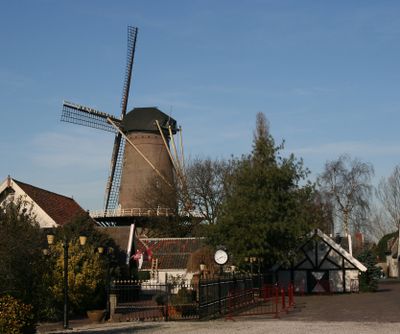
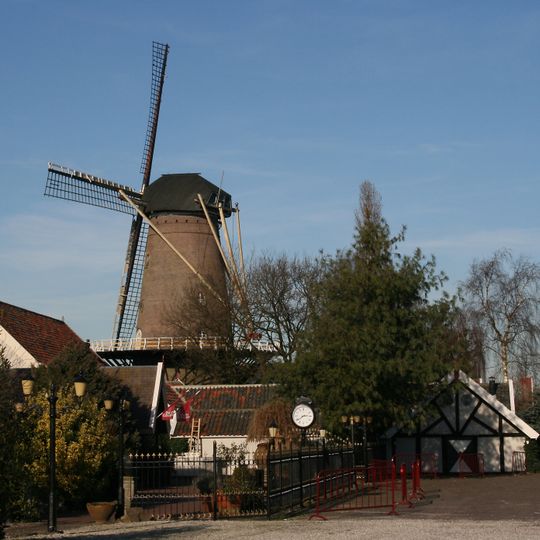
Kaatsheuvel is a small village in the southern part of the Netherlands, part of the municipality of Loon op Zand. It features traditional brick houses with red or brown roofs set along quiet streets, surrounded by flat, green land with fields and small roads.
The village has roots reaching back to the 13th century, when it was primarily defined by farming and hunting. Over time, its economic focus shifted from peat extraction to crafted shoe and leather production, which brought jobs and prosperity to the area.
The village name comes from an old legend about a cat that once lived on a small hill in the area. This story connects people to the land and keeps the local tradition alive today.
The village is easily reached via major highways and has a practical information point where visitors can get tips and directions. Walking and cycling routes through nearby estates and nature reserves are popular, and free parking is available nearby.
Just nearby lies the Loonse en Drunense Duinen, a vast dunes and heathland landscape called the Sahara of Brabant, which surprises visitors with its open sandy terrain. This nature reserve creates a stark contrast to the domesticated village center.
The community of curious travelers
AroundUs brings together thousands of curated places, local tips, and hidden gems, enriched daily by 91,444 contributors worldwide.