Elbe, Major river in Central Europe, Germany and Czech Republic
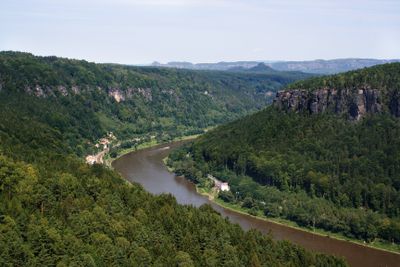
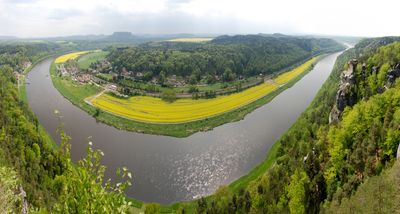
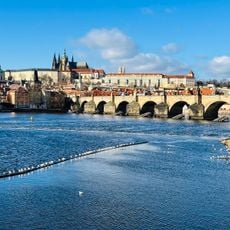
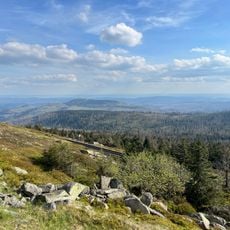
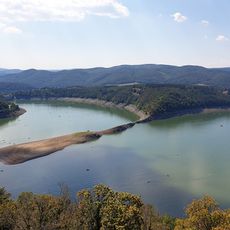
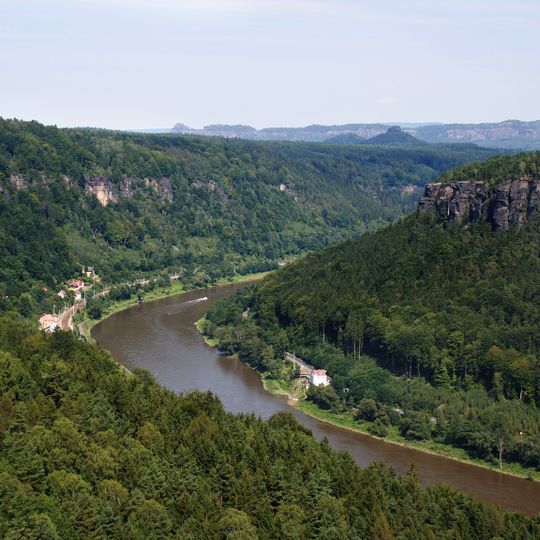
This waterway flows 1165 kilometers from the Giant Mountains in Czechia through Germany to the North Sea, forming one of Central Europe's main drainage systems. Several large tributaries including the Vltava and Saale feed into it, creating a network that touches many regions and landscapes.
For centuries this waterway marked the edge between Germanic and Slavic settlement areas, dividing different ways of life and languages. Later it became a trade route, moving goods between inland towns and the coast.
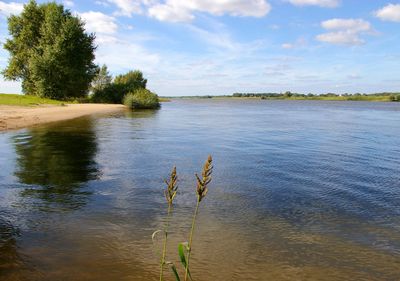
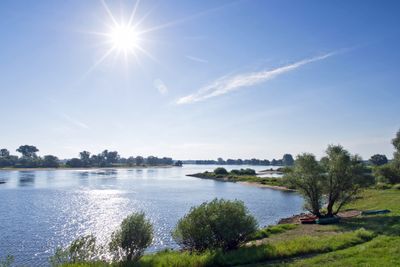
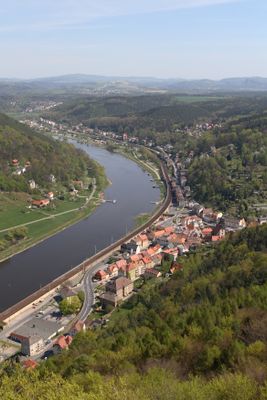
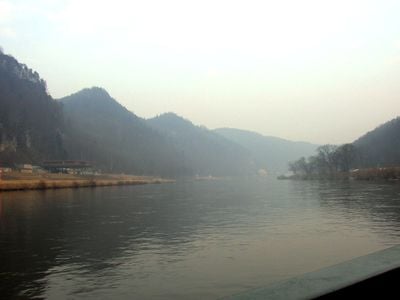
Along the riverbanks today, people still fish, walk, and watch ships pass, much as communities have done for centuries. Small ferries still cross at several points, carrying locals between villages that grew facing each other across the water.
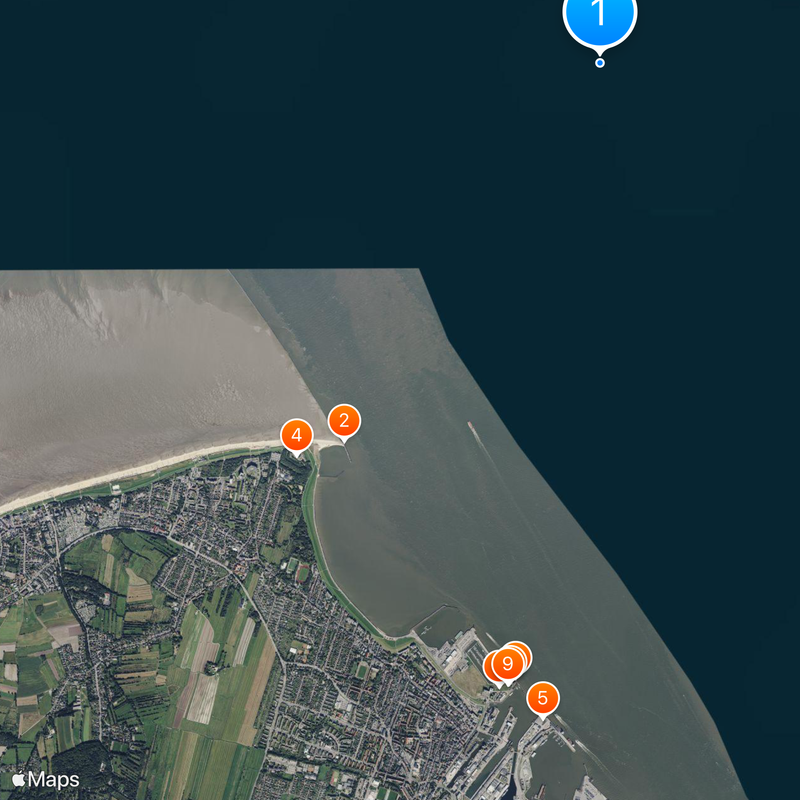
Paths and embankments along the channel connect different regions, and vessels move between cities like Hamburg and Berlin through linked canals. Industrial sites and harbors sit at intervals along the course, using the water for transport.
At Magdeburg a water bridge crosses above the channel, letting ships travel on two separate levels without meeting. This structure keeps two waterways completely apart while both remain open to traffic.
The community of curious travelers
AroundUs brings together thousands of curated places, local tips, and hidden gems, enriched daily by 92,587 contributors worldwide.