Yangtze, River system from Tibet to Shanghai, China
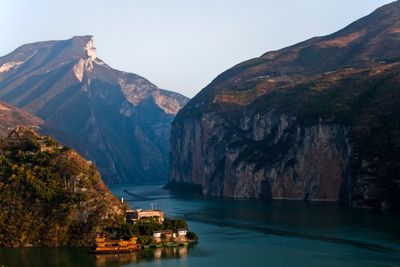
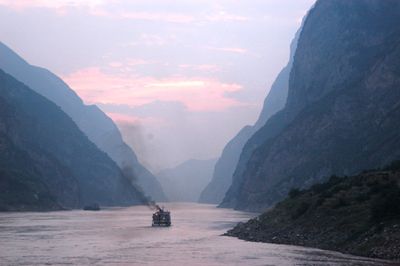
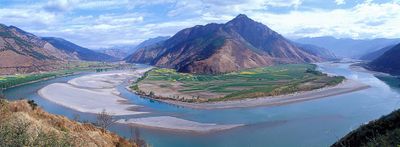
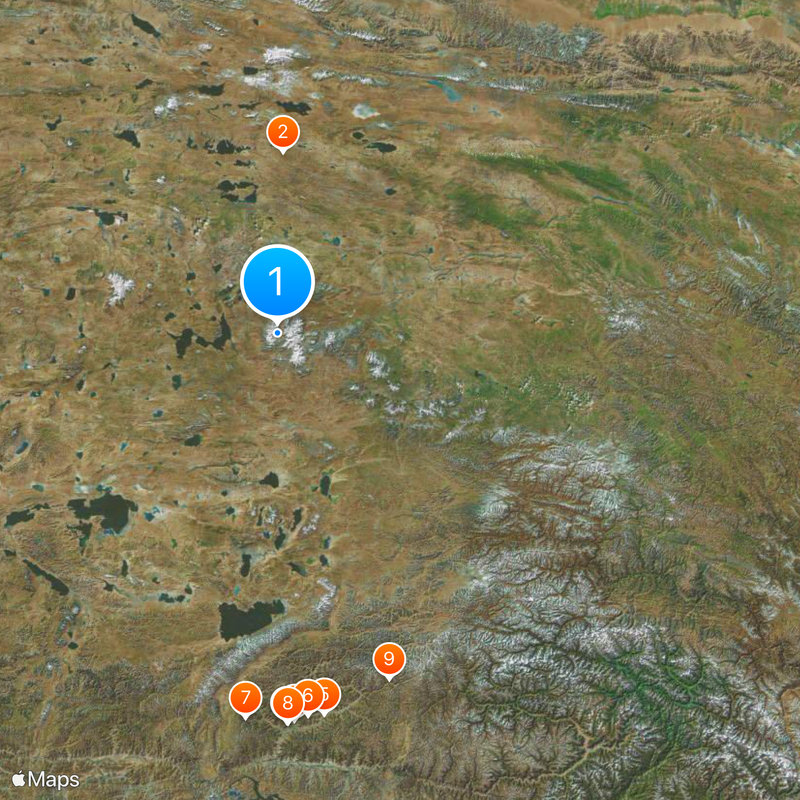
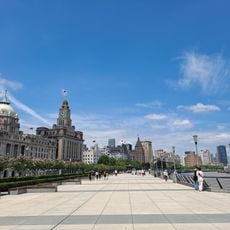
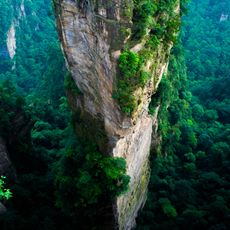
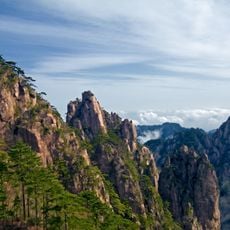
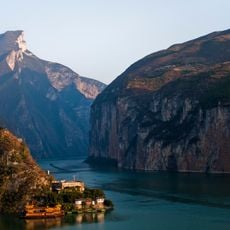
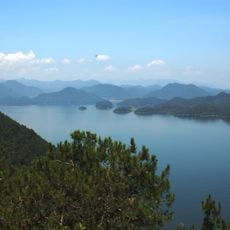
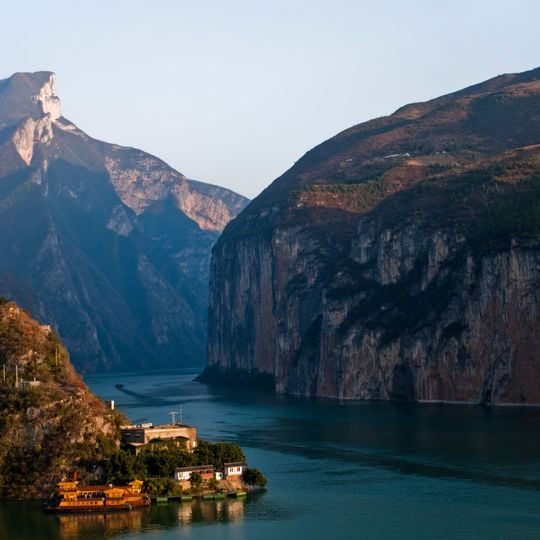
The Yangtze connects the Tibetan plateau to the East China Sea and crosses eleven provinces over a distance of more than 6000 kilometers. The river winds through narrow gorges, wide valleys, and densely populated plains before reaching the sea near Shanghai.
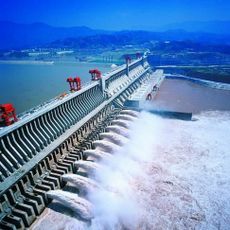
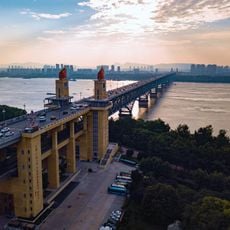
For over 2000 years this waterway has served as a trade route between the interior and the coast, and the connection to the Grand Canal in the 7th century strengthened its influence on the development of the country. Major engineering projects in the 20th century fundamentally changed the course and use of the river.
People along the river live from fishing, rice farming, and trade, with many families making their homes on the water for generations. In cities and villages by the shore you see fishermen with nets, floating markets, and teahouses that shape the daily rhythm of the communities.
Access to different sections varies by region, with ferries and cruise boats mainly between Chongqing and the gorges and near coastal cities. The best time for a river journey is in spring and autumn, when the weather is mild and water levels remain stable.
In certain sections dolphins without a dorsal fin swim through the water, and you can sometimes spot them from boats when the surface is calm. The basin is home to over 400 fish species, including the Chinese sturgeon, which has lived in these waters for millions of years.
The community of curious travelers
AroundUs brings together thousands of curated places, local tips, and hidden gems, enriched daily by 92,350 contributors worldwide.