See the monuments around you in AROpen chests in the app
Around Us is built for your phone — point your camera at the streets and discover the monuments and places around you in augmented reality.Around Us is built for your phone — chests unlock when you walk, explore and capture nearby places.
Archaeological sites in Lebanon: museums, ancient remnants, historical collections
Lebanon preserves thousands of years of human settlement through archaeological sites and museum collections spread across the country. Phoenician ruins are adjacent to Roman monuments, while medieval fortresses mark periods of the Crusades and Ottoman rule. In Beirut, the National Museum houses artifacts covering all the country's historical eras, and the Mim Mineral Museum displays over 2,000 specimens from around the world. Along the coast, Sidon features a 13th-century maritime fortress and the Echmoun temple, a Phoenician complex built in the 7th century BCE.
Collections extend well beyond classical archaeology. The Saint-Joseph University Prehistory Museum documents prehistoric occupation in Lebanon, while the Byblos Fossil Museum showcases more than 200 petrified specimens illustrating regional geological history. These institutions provide a thorough overview of the human and natural evolution of this Mediterranean area, from early settlements to Ottoman and modern periods.
Archaeological sites in Lebanon: museums, ancient remnants, historical collections
Lebanon preserves thousands of years of human settlement through archaeological sites and museum collections spread across the country. Phoenician ruins are adjacent to Roman monuments, while medieval fortresses mark periods of the Crusades and Ottoman rule. In Beirut, the National Museum houses artifacts covering all the country's historical eras, and the Mim Mineral Museum displays over 2,000 specimens from around the world. Along the coast, Sidon features a 13th-century maritime fortress and the Echmoun temple, a Phoenician complex built in the 7th century BCE.
Collections extend well beyond classical archaeology. The Saint-Joseph University Prehistory Museum documents prehistoric occupation in Lebanon, while the Byblos Fossil Museum showcases more than 200 petrified specimens illustrating regional geological history. These institutions provide a thorough overview of the human and natural evolution of this Mediterranean area, from early settlements to Ottoman and modern periods.
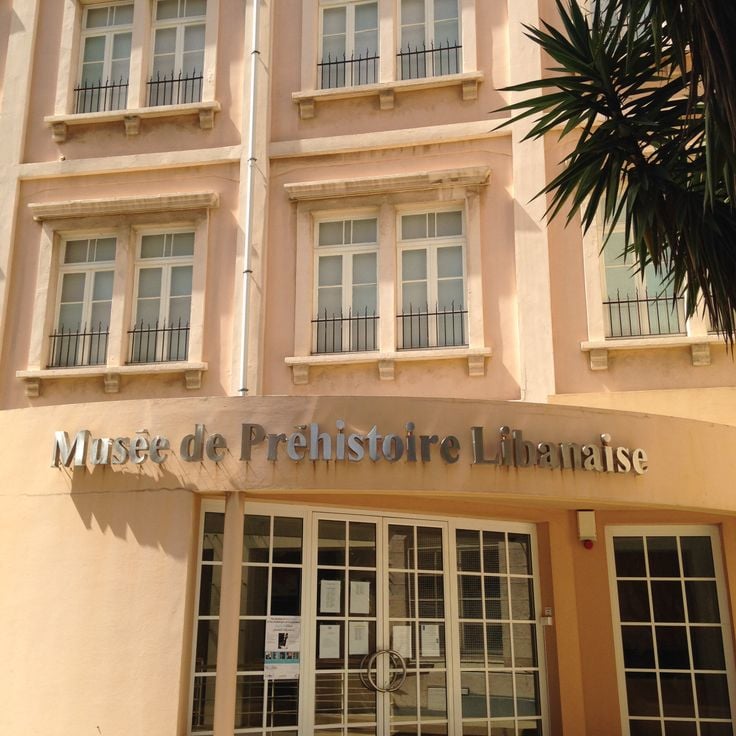
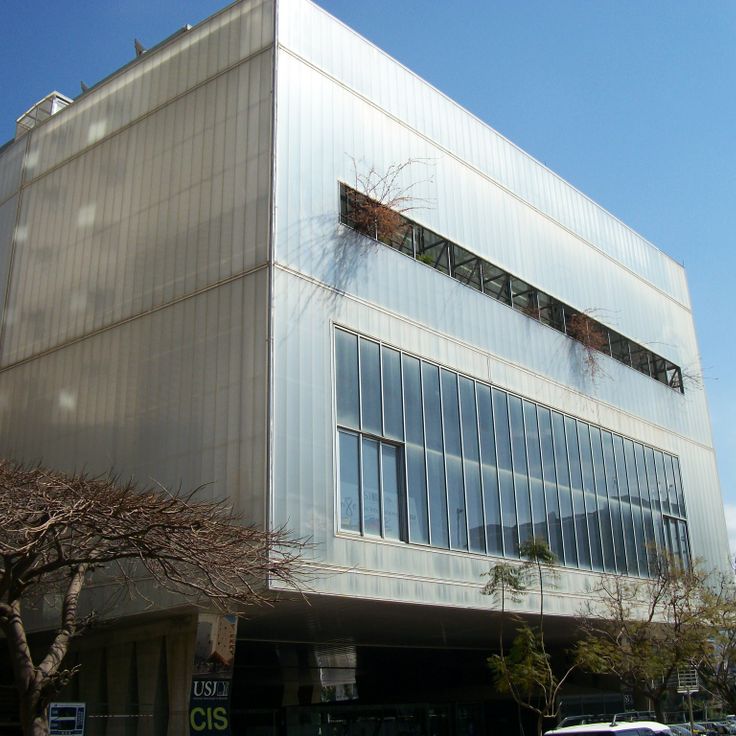
The Lebanese Prehistory Museum at Saint Joseph University documents the prehistoric settlement of the country through a collection of artifacts from various archaeological excavations. The exhibition includes stone tools, pottery fragments and other artifacts spanning different periods from the Paleolithic to the Bronze Age. This institution complements the archaeological panorama of the country through its focus on the earliest traces of human presence in the eastern Mediterranean, predating the Phoenician and Roman civilizations visible at other sites across the country.
The Mim Mineral Museum holds one of the most significant mineralogical collections in the Middle East, with over 2,000 specimens from all continents. The exhibition encompasses approximately 60 percent of the mineral species found on Earth and documents geological processes spanning several billion years. This collection fits within the broader context of Lebanese museums, which bring together archaeological and prehistoric evidence alongside natural science holdings that document the geological history of the region.
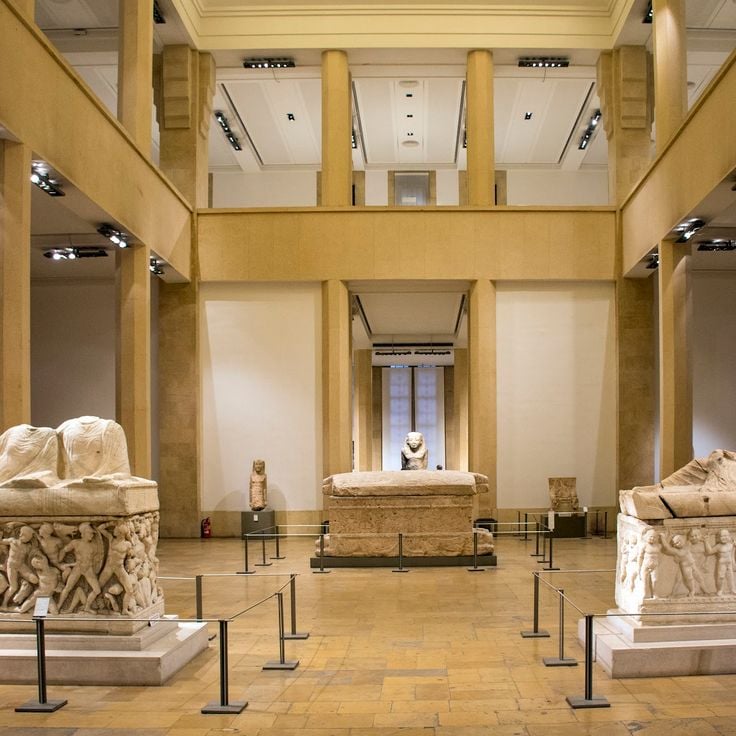
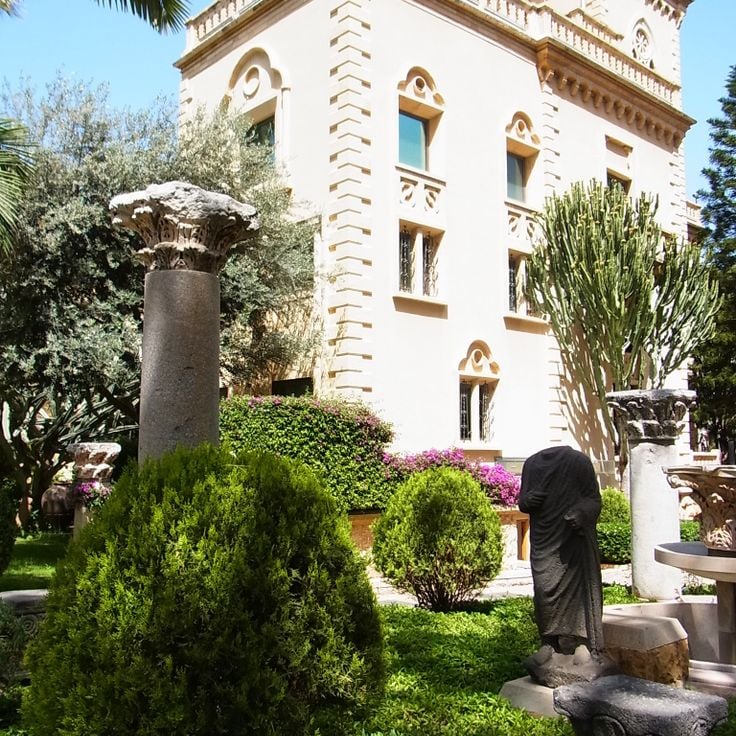
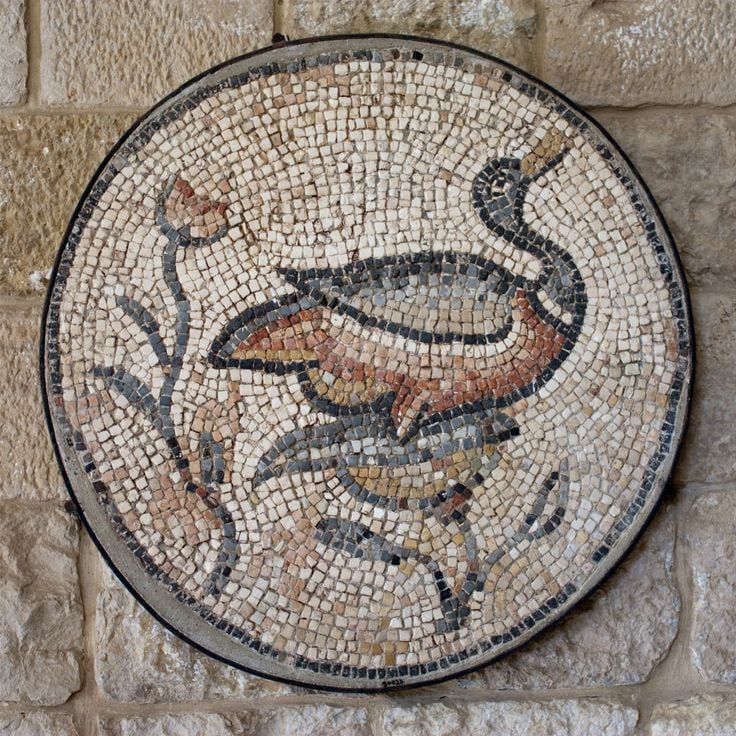
The National Museum of Beirut documents Lebanon's history through a collection of more than 100,000 objects, with approximately 1,300 displayed in the exhibition halls. The institution presents archaeological finds from prehistoric times through the Ottoman period, including Phoenician sarcophagi, Roman mosaics and Byzantine artworks. The museum opened in 1942 and underwent extensive restoration following the civil war, completed in 1999. The collection includes statues, ceramics, jewelry and inscriptions from Lebanon's major archaeological sites. The exhibition follows a chronological arrangement, providing a systematic overview of the various cultures that shaped the territory of modern Lebanon.
The Musée privé Robert Mouawad in Beirut forms part of the private collections that contribute to Lebanon's archaeological and historical landscape. This museum presents jewelry, artworks and artifacts from the Middle East spanning several centuries. The collection includes objects from different periods and regions, complementing the understanding of cultural development in this Mediterranean zone where Phoenician, Roman and later civilizations left their marks.
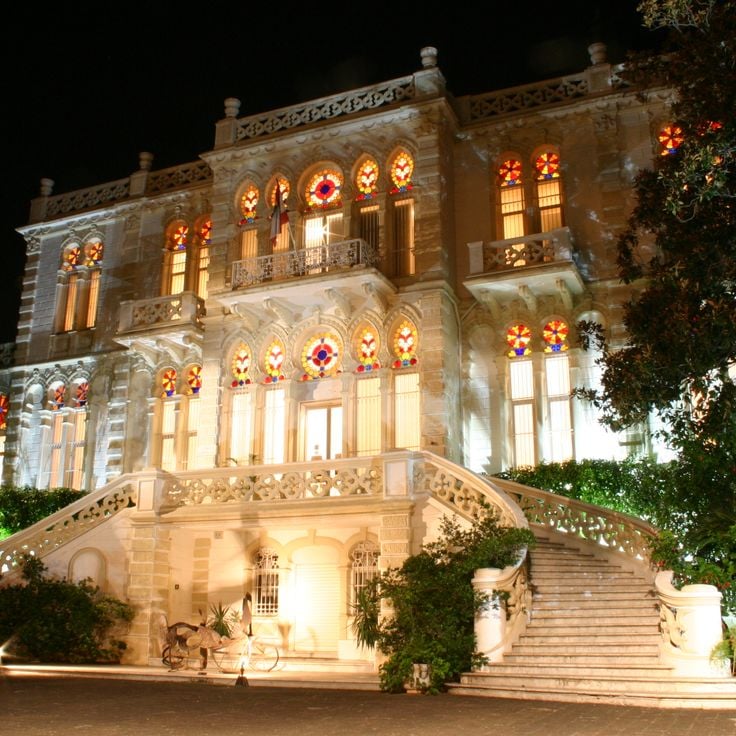
The Sursock Museum presents Lebanese art in a 19th-century villa in Beirut's Achrafieh district. The collection includes several hundred works by Lebanese artists from the early 20th century to the present, featuring paintings, sculptures and installations. The building itself was constructed in 1912 by Nicolas Sursock and combines Italian and Ottoman architectural elements. After a multi-year renovation, the museum reopened in 2015 with approximately 8,000 square feet (743 square meters) of exhibition space across four floors. The Sursock Museum documents the development of Lebanon's modern art scene and regularly hosts temporary exhibitions of contemporary regional artists.
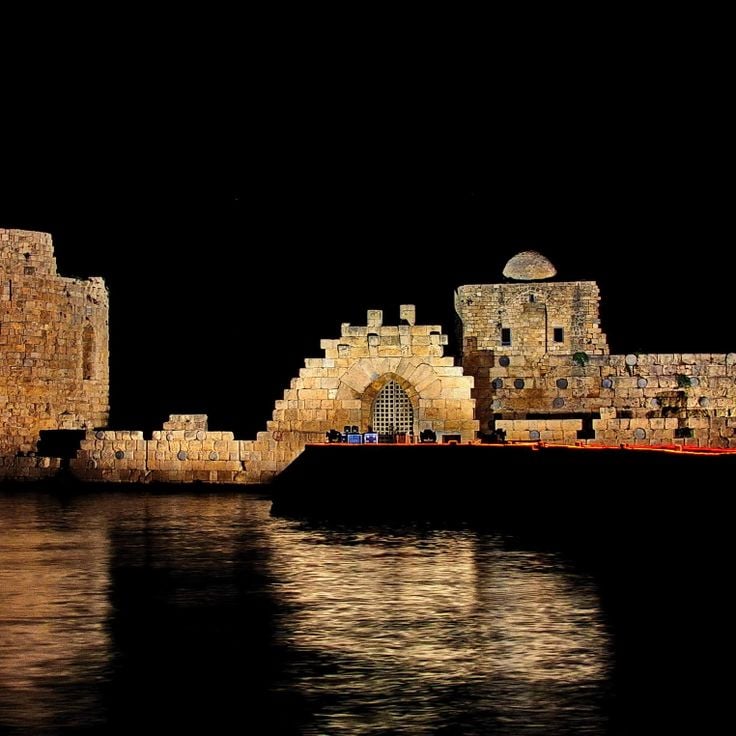
This 13th century fortress stands on a small island off the coast of Sidon, documenting the military architecture of the Crusader period in Lebanon. The Château de la mer was built under French rule on Phoenician foundations and connected to the mainland by a seven-arch stone bridge. The compound includes several towers, a central courtyard and defensive installations that demonstrate the strategic value of this coastal position. Within the context of Lebanon's archaeological sites, this maritime stronghold illustrates the military control the Crusaders exercised over Levantine trade routes and complements the Phoenician and Roman remains found throughout the region.
This Phoenician temple complex from the 7th century BC stands 1 mile northeast of Sidon, on the slopes above the Nahr al-Awali River. The sanctuary was dedicated to Eshmun, the Phoenician god of healing, and remained in use through Roman times. Visitors today see column bases, altars and votive niches representing several construction phases. The site comprises multiple terrace levels with a monumental stairway, a podium temple and Roman-period mosaics. Excavations beginning in 1963 have uncovered Phoenician inscriptions, Persian reliefs and Hellenistic sculptures.
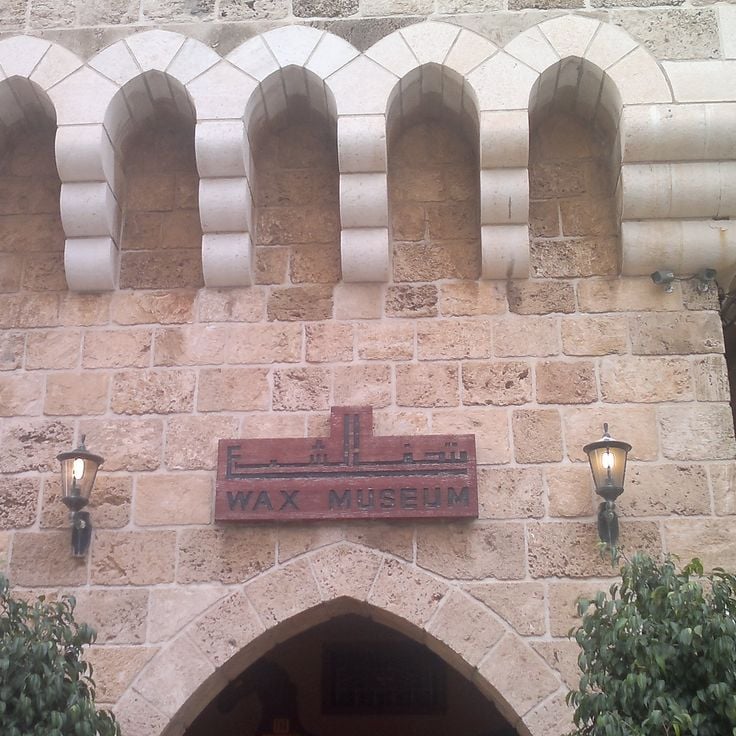
This museum documents the history of Byblos through wax figures depicting historical scenes from the Phoenician era to the present day. The exhibition includes representations of major events and personalities that shaped the city's development over more than three millennia. The collection complements the archaeological sites in the area by presenting a chronological view of the different periods of occupation, from Phoenician trading settlements through Roman rule to the modern era.
The Byblos Fossil Museum houses over 200 petrified specimens from various geological periods, drawn from local sites across Lebanon. The collection documents the paleontological history of the region and complements the city's archaeological heritage through evidence of natural evolution. The exhibited fossils include marine organisms, plant remains and other petrified materials that provide insight into the development of the Mediterranean coastal zone over millions of years.
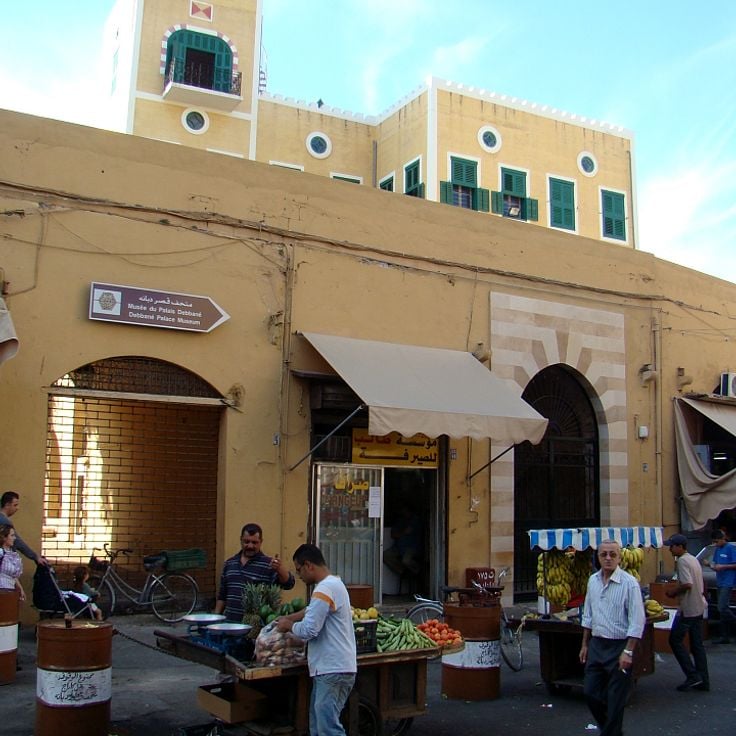
The Debbane Palace was built in 1721 and documents Ottoman residential architecture in Sidon with original wall paintings, carved wooden ceilings and characteristic elements of the period. The two-story building demonstrates the construction methods of wealthy merchant families in the 18th century, featuring a central courtyard and reception rooms decorated with geometric and floral motifs. Restoration work has preserved the original color schemes and ornamentation, allowing visitors to understand the design of Ottoman residential palaces in the coastal region. This palace represents one of the few surviving examples of civil architecture from this era in Lebanon and complements the Roman and Phoenician sites in Sidon by adding the Ottoman period.
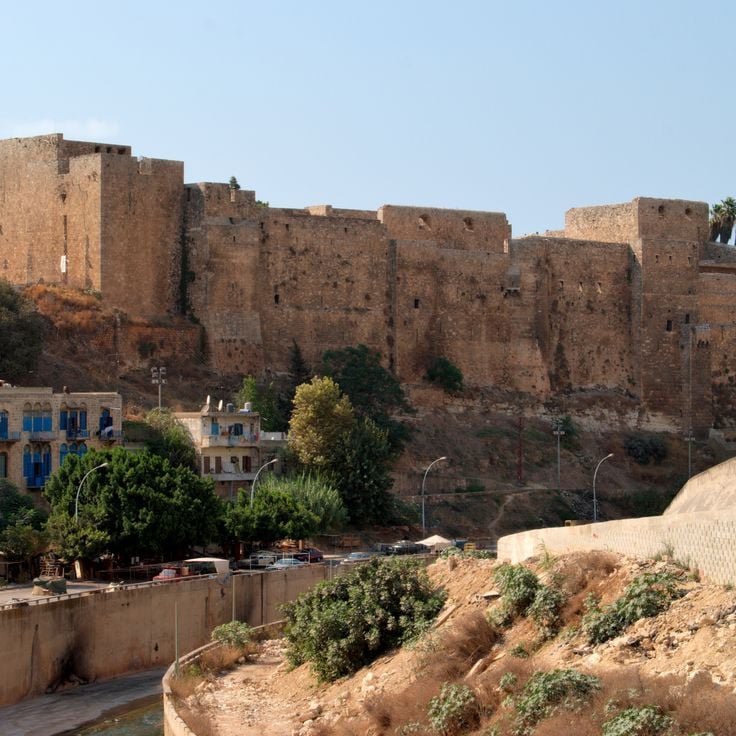
This Crusader fortress was built in the 11th century on a 460-foot (140-meter) hill above Tripoli. The citadel bears the name of Raymond de Saint-Gilles, Count of Toulouse, who led the siege of the city during the First Crusade. From its walls, expansive views extend over the city and the Mediterranean Sea. The fortress documents Crusader military architecture in Lebanon and complements the country's archaeological collections, which range from Phoenician temples to Roman ruins.
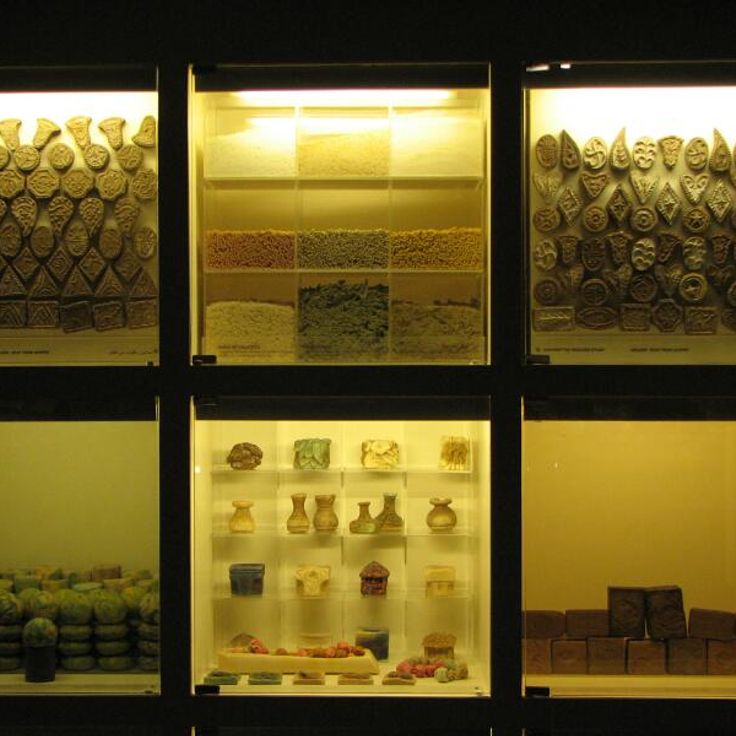
The Soap Museum in Saida preserves the tradition of olive oil soap making in a historic production facility. The 17th-century building displays original equipment for artisanal manufacture, including cauldrons, molds and drying racks. Demonstrations illustrate traditional methods that combine local olive oil with soda and laurel oil. The museum documents an industry that contributed to the economy of this Lebanese coastal city for centuries, its products traded throughout the Mediterranean basin.
This palace was built in the early 19th century under the reign of Emir Bashir Shihab II and combines Lebanese, Italian and Arab architectural elements. The compound includes several courtyards with fountains, decorated reception halls and hammams from this period. The building now houses the Museum of Byzantine Mosaics with finds from Jiyeh as well as collections of traditional weapons and garments from the 19th century. The terraced gardens offer views across the Chouf Mountains and surrounding villages. During summer the main courtyard hosts the Beiteddine Festival, which presents Arab and international musical performances.
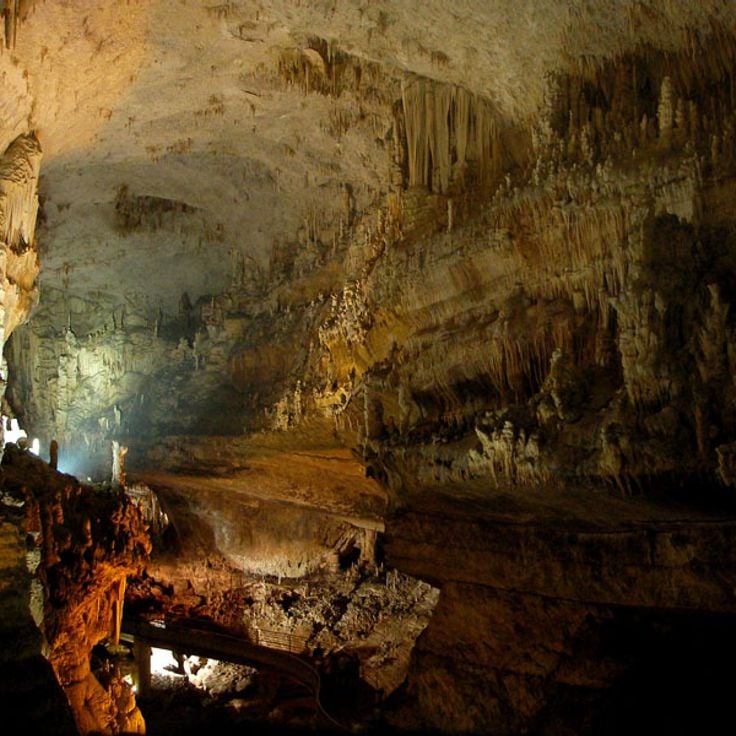
The Grotte de Jeita consists of two separate but interconnected limestone caves extending over a total length of approximately 5.6 miles (9 kilometers). The lower cave, traversed by an underground river, can be explored by boat, while the upper cave is accessible on foot and contains numerous stalactites and stalagmites. The cave system is located about 11 miles (18 kilometers) north of Beirut and ranks among the most significant karst formations in the eastern Mediterranean. Geological studies date the formation of these limestone structures to the Middle Jurassic period, approximately 160 million years ago.
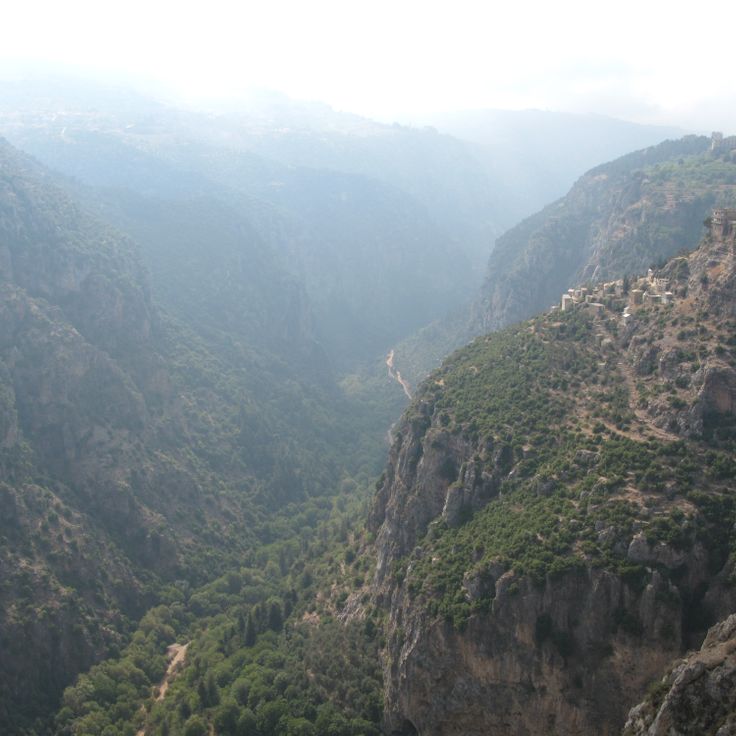
The Qadisha Valley holds several dozen monasteries and hermitages carved into the cliff faces along this deep gorge. These monastic settlements date from the 4th to 15th centuries, when Maronite communities sought refuge in this remote mountain valley. Notable sites include Qozhaya Monastery with its underground chapel and Mar Elisha Monastery, which dates to the 14th century. The valley documents the development of Christian monastic architecture in the Near East over more than a thousand years and forms part of a UNESCO World Heritage Site together with the nearby cedar forest.
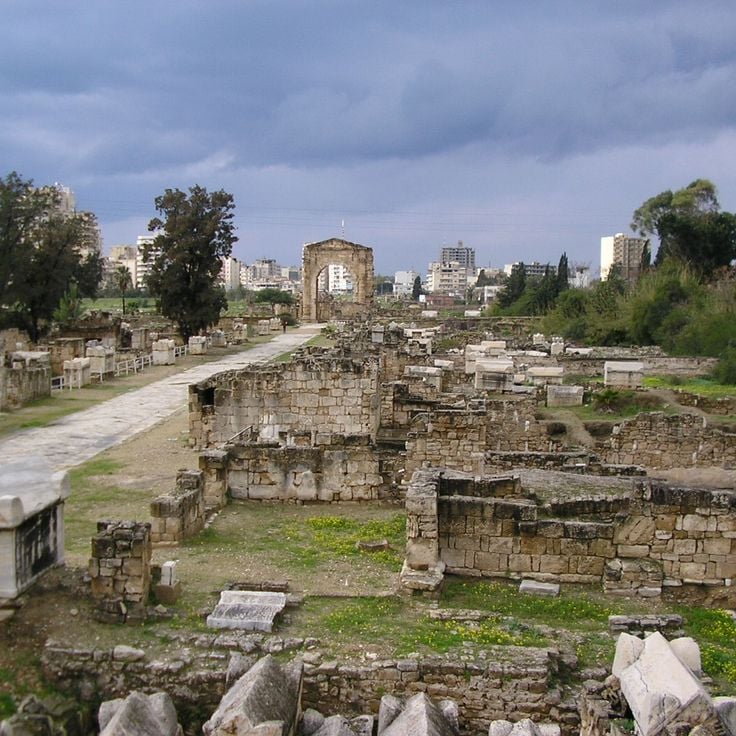
The ancient Phoenician city of Tyre preserves an extensive necropolis containing hundreds of sarcophagi from different periods. The burial grounds span several areas and document funerary practices from the 2nd century BC through the 6th century AD. This necropolis complements the country's archaeological collections through its Roman and Byzantine burial monuments and decorated stone sarcophagi, some of which are now displayed at the National Museum in Beirut. The site illustrates the continuous occupation of this major port city across more than eight centuries.
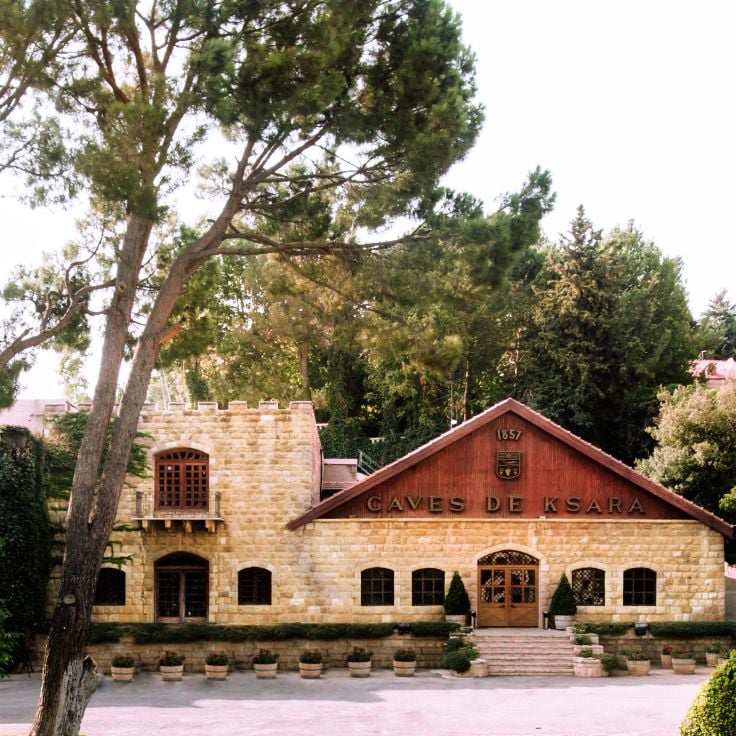
Château Ksara was founded in 1857 by Jesuit monks in the Bekaa Valley and stands as Lebanon's oldest winery. The estate features a network of natural limestone caves dating to Roman times, extending over one and a quarter miles (two kilometers) and now serving as aging cellars. Guided tours include a walk through the underground vaults where wines mature at constant temperature and humidity, along with explanations of the winemaking process in this historic wine-growing region. Tastings allow comparison of different vintages and grape varieties cultivated in the surrounding vineyards.
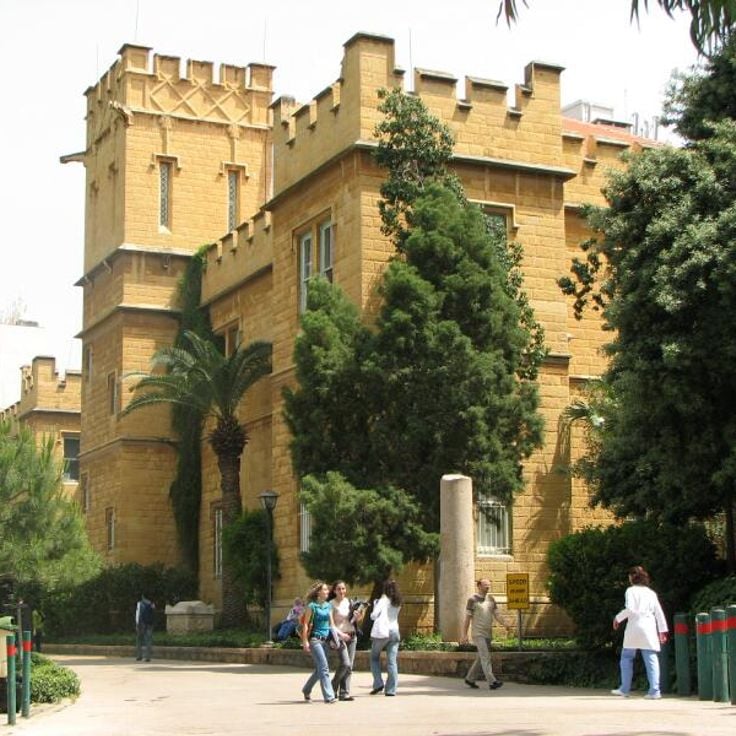
The Archaeological Museum at the American University of Beirut maintains a collection of artifacts from the eastern Mediterranean and Near East. This institution documents several thousand years of human settlement in the region through ceramics, coins, glass and sculptures from various historical periods. The exhibits originate from archaeological excavations in Lebanon and neighboring countries and include objects from the Bronze Age through the Islamic era. The museum serves as a research center and educational facility for students and visitors interested in the material culture of this region.
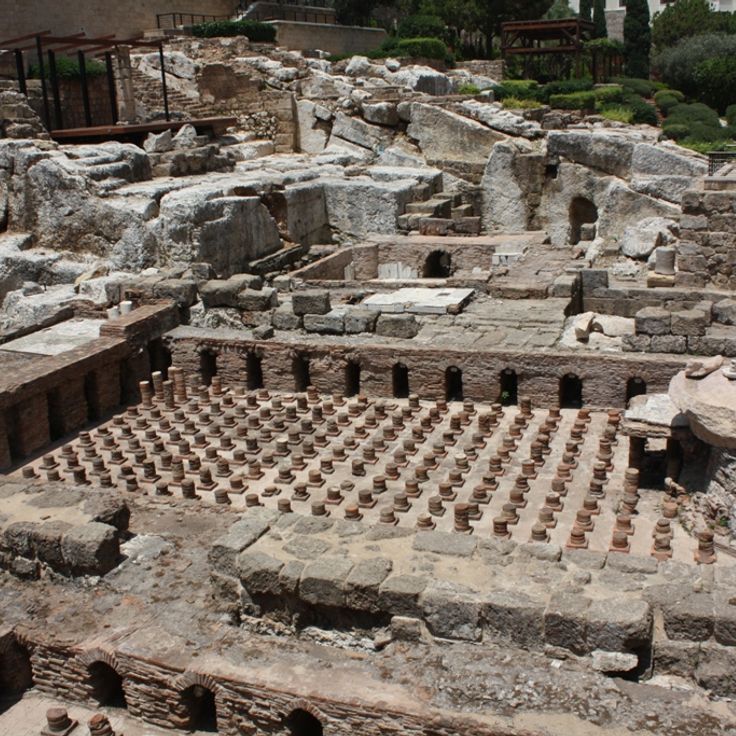
These Roman baths in downtown Beirut date from the establishment of the city as Colonia Julia Augusta Felix Berytus in the first century. The complex included multiple pools for cold, warm and hot bathing, along with changing rooms and underfloor heating systems. Archaeologists uncovered the remains following the civil war destruction and documented mosaic fragments as well as parts of the hypocaust heating structure. The baths served as a social center for the Roman population and remained operational until the sixth century.
The Greek Orthodox Monastery of Notre-Dame de Nourieh stands on a cliff above Hamat along the Lebanese coast. The complex was founded in the fourth century and expanded over the centuries. From the monastery terrace, visitors overlook the Mediterranean Sea and surrounding mountains. The church houses religious artworks and icons from different periods. The monastery continues to serve as an active pilgrimage site for members of the Greek Orthodox Church and welcomes visitors interested in the region's monastic history.
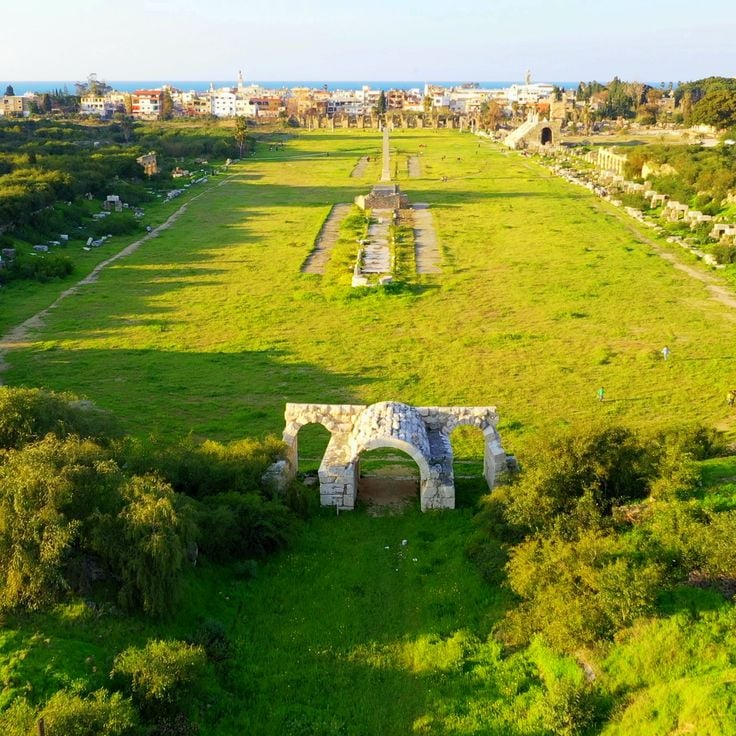
This second-century Roman chariot racing stadium in Tyre stretches 480 meters (1,575 feet) in length and ranks among the best-preserved examples of its kind in the eastern Mediterranean. The stone vaults and seating tiers once accommodated 20,000 spectators who gathered here to watch chariot races and other public events. The structure documents Tyre's importance as a Roman provincial city and complements Lebanon's archaeological collections, which span from Phoenician sanctuaries to medieval fortresses.
This military installation from the 6th century stands at an elevation of 4600 feet (1400 meters) in the Bekaa Valley and preserves defensive walls along with an underground water reservoir. The fortress of Niha documents the Byzantine presence in this strategic mountain region and illustrates the military techniques of the period through its remaining fortification structures and hydraulic system that ensured water supply during sieges.
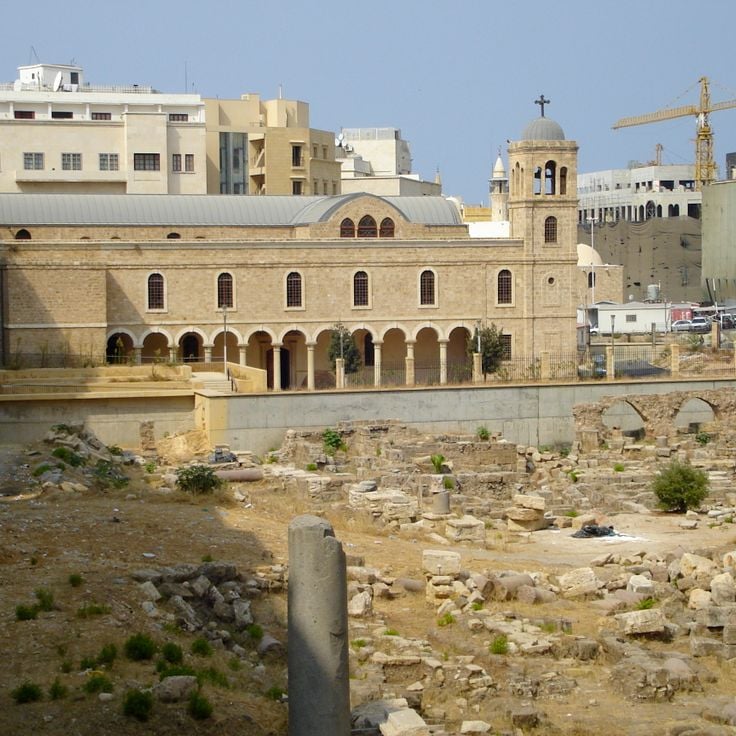
This Orthodox cathedral was built in the 19th century and displays Byzantine architectural features with an octagonal sandstone dome. The iconostasis inside presents religious depictions following Orthodox tradition. The building stands in the historic center of Beirut and serves the Greek Orthodox community as a place of worship. The cathedral documents the presence of Orthodox Christians in Lebanon during the Ottoman period and modern times.
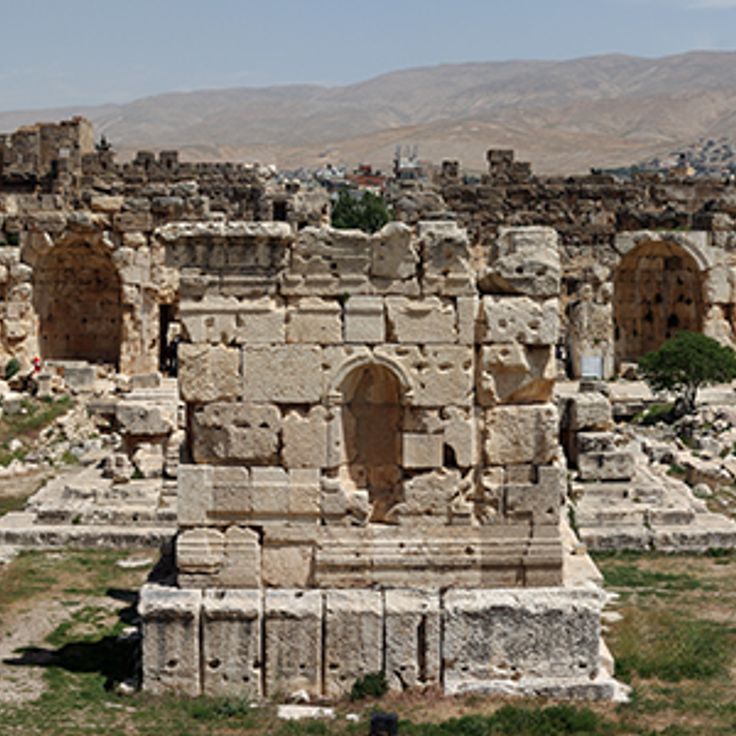
This Roman theater from the 2nd century spans approximately 285 feet (87 meters) in diameter and seated around 5,000 spectators. The tiers were constructed from red and gray granite, materials valued by Roman builders for their durability. The structure forms part of the Baalbek archaeological complex, one of the most significant Roman sites in the Near East. Today the theater documents the architectural capabilities of Roman engineers in this region of Lebanon.
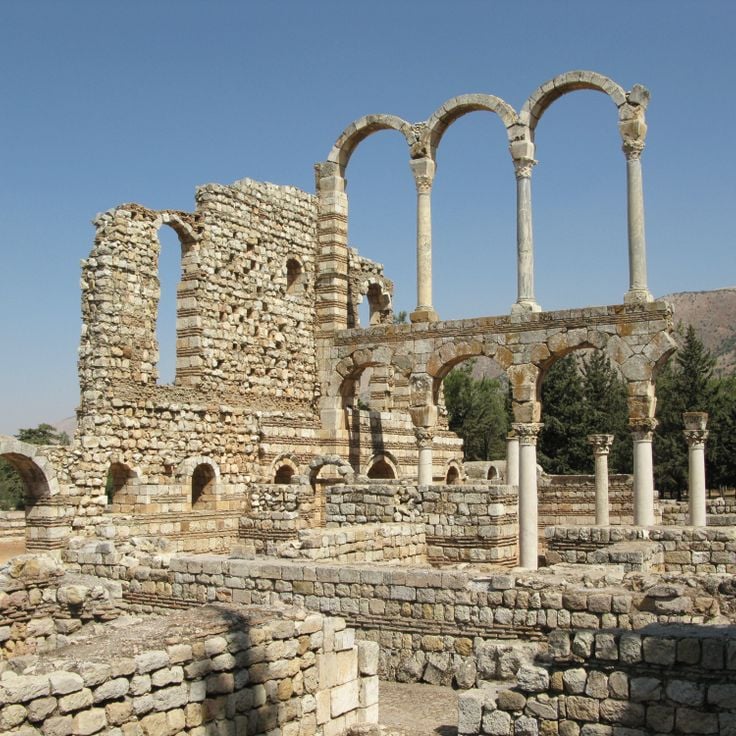
The Umayyad Palace at Anjar is a rectangular palatial complex built during the 8th century under Caliph Walid I. The site covers an area measuring 370 feet by 275 feet (114 by 84 meters) and follows Roman architectural models with two intersecting main axes. The complex includes colonnaded walkways featuring Corinthian capitals, arcades constructed with alternating layers of stone and brick, and thermal bath facilities designed according to Roman standards. This archaeological site demonstrates the Umayyad dynasty's adoption of Byzantine building techniques and occupies a strategic position along ancient trade routes connecting Damascus to the Mediterranean coast.
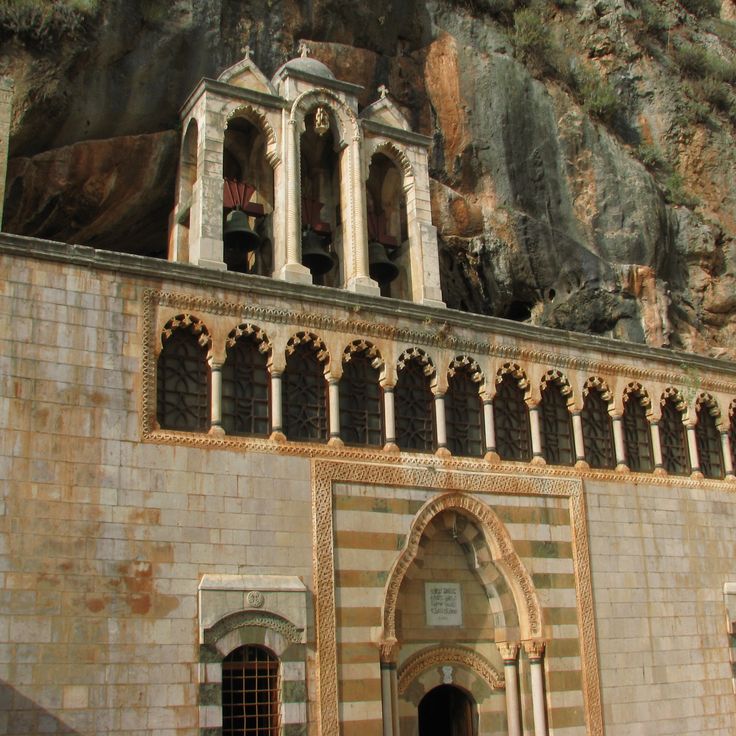
Qannoubine Monastery was carved into the rock face of the Qadisha Valley during the 4th century and served for centuries as the seat of the Maronite Patriarchate. The stone-cut chapels preserve medieval wall paintings depicting liturgical scenes and holy figures. An underground water system supplied the monastic community through a network of cisterns and channels. The secluded location allowed monks and religious refugees to find shelter here during centuries of persecution. The monastery forms part of the Qadisha Valley UNESCO World Heritage Site and documents the continuity of Christian presence in this region since late antiquity.
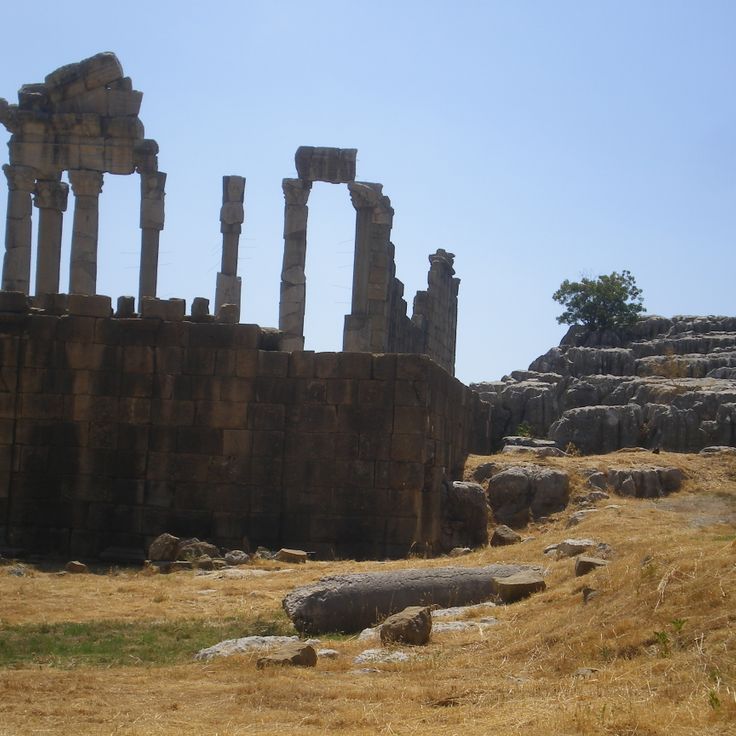
The temple complex at Faqra sits at an elevation of 5,100 feet (1,550 meters) in the mountain range and combines several Roman cult structures from the first century. The site includes two main temples, several altars, and a square tower that served as a watchtower or signal station. Inscriptions on the structures attest to the worship of multiple deities, including Jupiter and Atargatis. The ruins spread across an extensive area showing archaeological remains from different construction phases. The location at this elevation makes Faqra one of the highest Roman sanctuaries in the Near East.
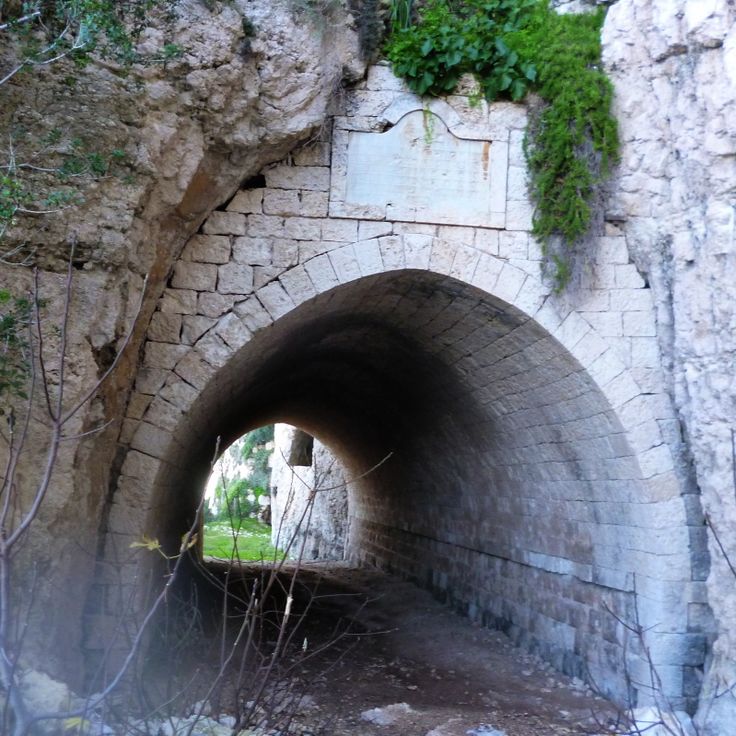
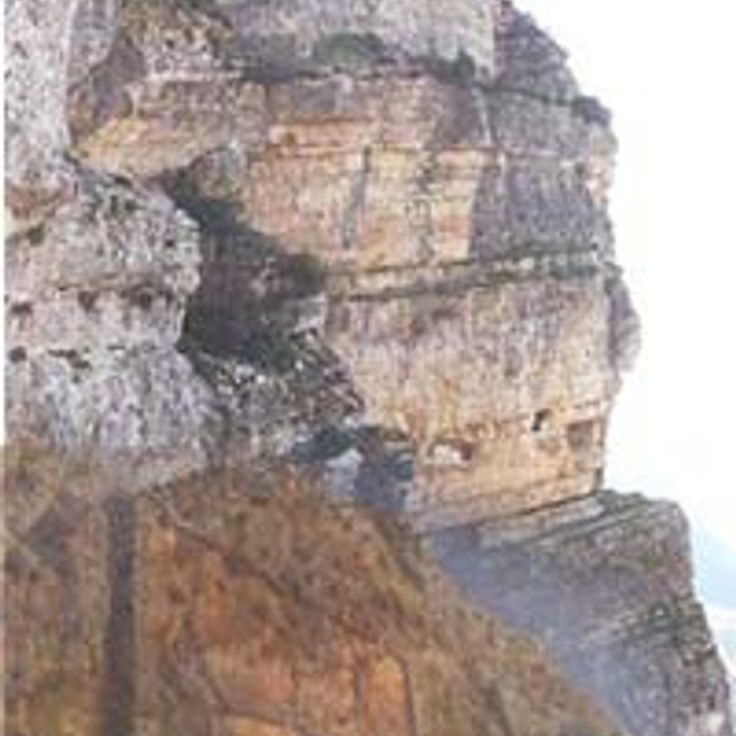
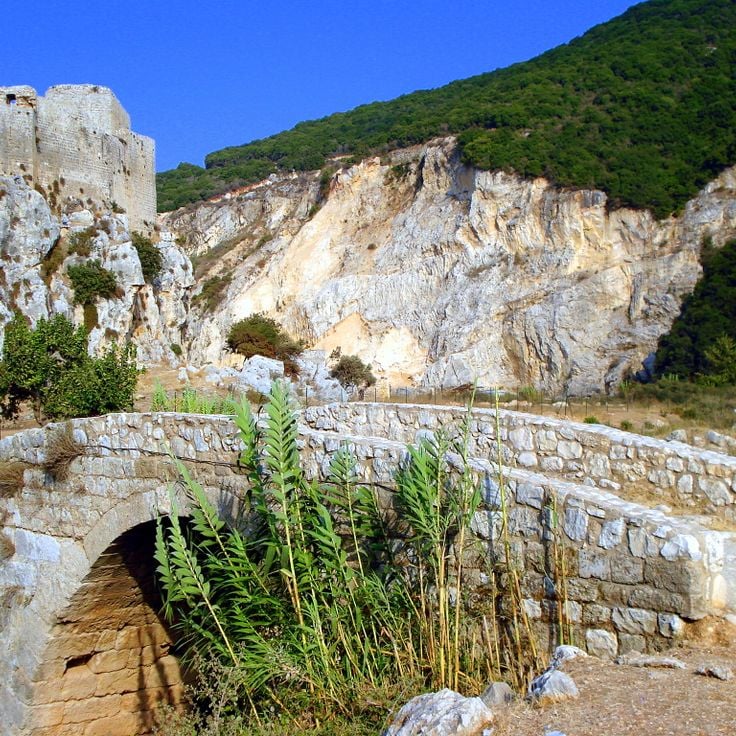
The Msaylha fortress rises from a limestone outcrop above the Nahr el Jaouz river and documents medieval military architecture in Lebanon. The site is reached by steep stairs carved directly into the rock, leading to the fortified position that historically controlled the coastal route between the cities of Batroun and Tripoli. This fortress belongs to the medieval defensive structures built during the Crusader period and the subsequent Ottoman rule over the territory.
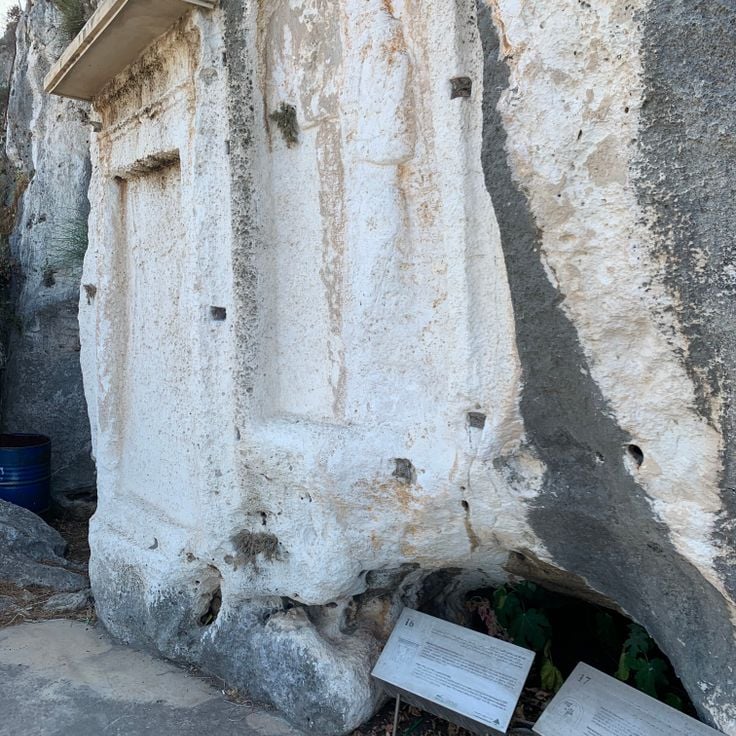
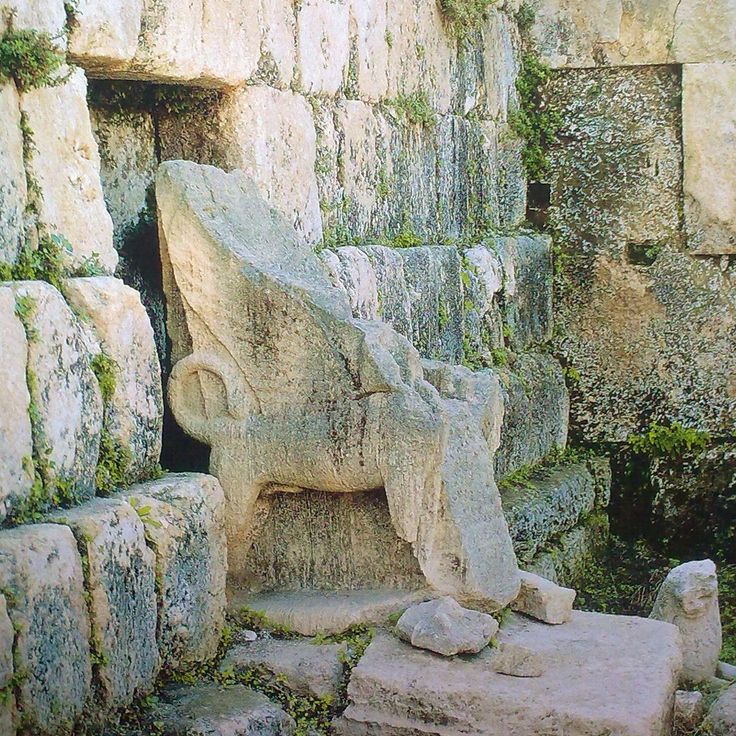
The rock inscriptions at Nahr el-Kalb document military campaigns from the Bronze Age through modern times. Carved texts line the cliffs of the river valley, including Egyptian, Assyrian, Babylonian and Roman records, as well as inscriptions from the Crusader period and the French Mandate. This collection of more than 20 stelae illustrates the strategic importance of this passage between coast and hinterland across millennia. The inscriptions stand along the ancient coastal road that connected Phoenicia with Syria.
The Lebanese Prehistory Museum at Saint Joseph University documents the prehistoric settlement of the country through a collection of artifacts from various archaeological excavations. The exhibition includes stone tools, pottery fragments and other artifacts spanning different periods from the Paleolithic to the Bronze Age. This institution complements the archaeological panorama of the country through its focus on the earliest traces of human presence in the eastern Mediterranean, predating the Phoenician and Roman civilizations visible at other sites across the country.
The Mim Mineral Museum holds one of the most significant mineralogical collections in the Middle East, with over 2,000 specimens from all continents. The exhibition encompasses approximately 60 percent of the mineral species found on Earth and documents geological processes spanning several billion years. This collection fits within the broader context of Lebanese museums, which bring together archaeological and prehistoric evidence alongside natural science holdings that document the geological history of the region.
The National Museum of Beirut documents Lebanon's history through a collection of more than 100,000 objects, with approximately 1,300 displayed in the exhibition halls. The institution presents archaeological finds from prehistoric times through the Ottoman period, including Phoenician sarcophagi, Roman mosaics and Byzantine artworks. The museum opened in 1942 and underwent extensive restoration following the civil war, completed in 1999. The collection includes statues, ceramics, jewelry and inscriptions from Lebanon's major archaeological sites. The exhibition follows a chronological arrangement, providing a systematic overview of the various cultures that shaped the territory of modern Lebanon.
The Musée privé Robert Mouawad in Beirut forms part of the private collections that contribute to Lebanon's archaeological and historical landscape. This museum presents jewelry, artworks and artifacts from the Middle East spanning several centuries. The collection includes objects from different periods and regions, complementing the understanding of cultural development in this Mediterranean zone where Phoenician, Roman and later civilizations left their marks.
The Sursock Museum presents Lebanese art in a 19th-century villa in Beirut's Achrafieh district. The collection includes several hundred works by Lebanese artists from the early 20th century to the present, featuring paintings, sculptures and installations. The building itself was constructed in 1912 by Nicolas Sursock and combines Italian and Ottoman architectural elements. After a multi-year renovation, the museum reopened in 2015 with approximately 8,000 square feet (743 square meters) of exhibition space across four floors. The Sursock Museum documents the development of Lebanon's modern art scene and regularly hosts temporary exhibitions of contemporary regional artists.
This 13th century fortress stands on a small island off the coast of Sidon, documenting the military architecture of the Crusader period in Lebanon. The Château de la mer was built under French rule on Phoenician foundations and connected to the mainland by a seven-arch stone bridge. The compound includes several towers, a central courtyard and defensive installations that demonstrate the strategic value of this coastal position. Within the context of Lebanon's archaeological sites, this maritime stronghold illustrates the military control the Crusaders exercised over Levantine trade routes and complements the Phoenician and Roman remains found throughout the region.
This Phoenician temple complex from the 7th century BC stands 1 mile northeast of Sidon, on the slopes above the Nahr al-Awali River. The sanctuary was dedicated to Eshmun, the Phoenician god of healing, and remained in use through Roman times. Visitors today see column bases, altars and votive niches representing several construction phases. The site comprises multiple terrace levels with a monumental stairway, a podium temple and Roman-period mosaics. Excavations beginning in 1963 have uncovered Phoenician inscriptions, Persian reliefs and Hellenistic sculptures.
This museum documents the history of Byblos through wax figures depicting historical scenes from the Phoenician era to the present day. The exhibition includes representations of major events and personalities that shaped the city's development over more than three millennia. The collection complements the archaeological sites in the area by presenting a chronological view of the different periods of occupation, from Phoenician trading settlements through Roman rule to the modern era.
The Byblos Fossil Museum houses over 200 petrified specimens from various geological periods, drawn from local sites across Lebanon. The collection documents the paleontological history of the region and complements the city's archaeological heritage through evidence of natural evolution. The exhibited fossils include marine organisms, plant remains and other petrified materials that provide insight into the development of the Mediterranean coastal zone over millions of years.
The Debbane Palace was built in 1721 and documents Ottoman residential architecture in Sidon with original wall paintings, carved wooden ceilings and characteristic elements of the period. The two-story building demonstrates the construction methods of wealthy merchant families in the 18th century, featuring a central courtyard and reception rooms decorated with geometric and floral motifs. Restoration work has preserved the original color schemes and ornamentation, allowing visitors to understand the design of Ottoman residential palaces in the coastal region. This palace represents one of the few surviving examples of civil architecture from this era in Lebanon and complements the Roman and Phoenician sites in Sidon by adding the Ottoman period.
This Crusader fortress was built in the 11th century on a 460-foot (140-meter) hill above Tripoli. The citadel bears the name of Raymond de Saint-Gilles, Count of Toulouse, who led the siege of the city during the First Crusade. From its walls, expansive views extend over the city and the Mediterranean Sea. The fortress documents Crusader military architecture in Lebanon and complements the country's archaeological collections, which range from Phoenician temples to Roman ruins.
The Soap Museum in Saida preserves the tradition of olive oil soap making in a historic production facility. The 17th-century building displays original equipment for artisanal manufacture, including cauldrons, molds and drying racks. Demonstrations illustrate traditional methods that combine local olive oil with soda and laurel oil. The museum documents an industry that contributed to the economy of this Lebanese coastal city for centuries, its products traded throughout the Mediterranean basin.
This palace was built in the early 19th century under the reign of Emir Bashir Shihab II and combines Lebanese, Italian and Arab architectural elements. The compound includes several courtyards with fountains, decorated reception halls and hammams from this period. The building now houses the Museum of Byzantine Mosaics with finds from Jiyeh as well as collections of traditional weapons and garments from the 19th century. The terraced gardens offer views across the Chouf Mountains and surrounding villages. During summer the main courtyard hosts the Beiteddine Festival, which presents Arab and international musical performances.
The Grotte de Jeita consists of two separate but interconnected limestone caves extending over a total length of approximately 5.6 miles (9 kilometers). The lower cave, traversed by an underground river, can be explored by boat, while the upper cave is accessible on foot and contains numerous stalactites and stalagmites. The cave system is located about 11 miles (18 kilometers) north of Beirut and ranks among the most significant karst formations in the eastern Mediterranean. Geological studies date the formation of these limestone structures to the Middle Jurassic period, approximately 160 million years ago.
The Qadisha Valley holds several dozen monasteries and hermitages carved into the cliff faces along this deep gorge. These monastic settlements date from the 4th to 15th centuries, when Maronite communities sought refuge in this remote mountain valley. Notable sites include Qozhaya Monastery with its underground chapel and Mar Elisha Monastery, which dates to the 14th century. The valley documents the development of Christian monastic architecture in the Near East over more than a thousand years and forms part of a UNESCO World Heritage Site together with the nearby cedar forest.
The ancient Phoenician city of Tyre preserves an extensive necropolis containing hundreds of sarcophagi from different periods. The burial grounds span several areas and document funerary practices from the 2nd century BC through the 6th century AD. This necropolis complements the country's archaeological collections through its Roman and Byzantine burial monuments and decorated stone sarcophagi, some of which are now displayed at the National Museum in Beirut. The site illustrates the continuous occupation of this major port city across more than eight centuries.
Château Ksara was founded in 1857 by Jesuit monks in the Bekaa Valley and stands as Lebanon's oldest winery. The estate features a network of natural limestone caves dating to Roman times, extending over one and a quarter miles (two kilometers) and now serving as aging cellars. Guided tours include a walk through the underground vaults where wines mature at constant temperature and humidity, along with explanations of the winemaking process in this historic wine-growing region. Tastings allow comparison of different vintages and grape varieties cultivated in the surrounding vineyards.
The Archaeological Museum at the American University of Beirut maintains a collection of artifacts from the eastern Mediterranean and Near East. This institution documents several thousand years of human settlement in the region through ceramics, coins, glass and sculptures from various historical periods. The exhibits originate from archaeological excavations in Lebanon and neighboring countries and include objects from the Bronze Age through the Islamic era. The museum serves as a research center and educational facility for students and visitors interested in the material culture of this region.
These Roman baths in downtown Beirut date from the establishment of the city as Colonia Julia Augusta Felix Berytus in the first century. The complex included multiple pools for cold, warm and hot bathing, along with changing rooms and underfloor heating systems. Archaeologists uncovered the remains following the civil war destruction and documented mosaic fragments as well as parts of the hypocaust heating structure. The baths served as a social center for the Roman population and remained operational until the sixth century.
The Greek Orthodox Monastery of Notre-Dame de Nourieh stands on a cliff above Hamat along the Lebanese coast. The complex was founded in the fourth century and expanded over the centuries. From the monastery terrace, visitors overlook the Mediterranean Sea and surrounding mountains. The church houses religious artworks and icons from different periods. The monastery continues to serve as an active pilgrimage site for members of the Greek Orthodox Church and welcomes visitors interested in the region's monastic history.
This second-century Roman chariot racing stadium in Tyre stretches 480 meters (1,575 feet) in length and ranks among the best-preserved examples of its kind in the eastern Mediterranean. The stone vaults and seating tiers once accommodated 20,000 spectators who gathered here to watch chariot races and other public events. The structure documents Tyre's importance as a Roman provincial city and complements Lebanon's archaeological collections, which span from Phoenician sanctuaries to medieval fortresses.
This military installation from the 6th century stands at an elevation of 4600 feet (1400 meters) in the Bekaa Valley and preserves defensive walls along with an underground water reservoir. The fortress of Niha documents the Byzantine presence in this strategic mountain region and illustrates the military techniques of the period through its remaining fortification structures and hydraulic system that ensured water supply during sieges.
This Orthodox cathedral was built in the 19th century and displays Byzantine architectural features with an octagonal sandstone dome. The iconostasis inside presents religious depictions following Orthodox tradition. The building stands in the historic center of Beirut and serves the Greek Orthodox community as a place of worship. The cathedral documents the presence of Orthodox Christians in Lebanon during the Ottoman period and modern times.
This Roman theater from the 2nd century spans approximately 285 feet (87 meters) in diameter and seated around 5,000 spectators. The tiers were constructed from red and gray granite, materials valued by Roman builders for their durability. The structure forms part of the Baalbek archaeological complex, one of the most significant Roman sites in the Near East. Today the theater documents the architectural capabilities of Roman engineers in this region of Lebanon.
The Umayyad Palace at Anjar is a rectangular palatial complex built during the 8th century under Caliph Walid I. The site covers an area measuring 370 feet by 275 feet (114 by 84 meters) and follows Roman architectural models with two intersecting main axes. The complex includes colonnaded walkways featuring Corinthian capitals, arcades constructed with alternating layers of stone and brick, and thermal bath facilities designed according to Roman standards. This archaeological site demonstrates the Umayyad dynasty's adoption of Byzantine building techniques and occupies a strategic position along ancient trade routes connecting Damascus to the Mediterranean coast.
Qannoubine Monastery was carved into the rock face of the Qadisha Valley during the 4th century and served for centuries as the seat of the Maronite Patriarchate. The stone-cut chapels preserve medieval wall paintings depicting liturgical scenes and holy figures. An underground water system supplied the monastic community through a network of cisterns and channels. The secluded location allowed monks and religious refugees to find shelter here during centuries of persecution. The monastery forms part of the Qadisha Valley UNESCO World Heritage Site and documents the continuity of Christian presence in this region since late antiquity.
The temple complex at Faqra sits at an elevation of 5,100 feet (1,550 meters) in the mountain range and combines several Roman cult structures from the first century. The site includes two main temples, several altars, and a square tower that served as a watchtower or signal station. Inscriptions on the structures attest to the worship of multiple deities, including Jupiter and Atargatis. The ruins spread across an extensive area showing archaeological remains from different construction phases. The location at this elevation makes Faqra one of the highest Roman sanctuaries in the Near East.
The Msaylha fortress rises from a limestone outcrop above the Nahr el Jaouz river and documents medieval military architecture in Lebanon. The site is reached by steep stairs carved directly into the rock, leading to the fortified position that historically controlled the coastal route between the cities of Batroun and Tripoli. This fortress belongs to the medieval defensive structures built during the Crusader period and the subsequent Ottoman rule over the territory.
The rock inscriptions at Nahr el-Kalb document military campaigns from the Bronze Age through modern times. Carved texts line the cliffs of the river valley, including Egyptian, Assyrian, Babylonian and Roman records, as well as inscriptions from the Crusader period and the French Mandate. This collection of more than 20 stelae illustrates the strategic importance of this passage between coast and hinterland across millennia. The inscriptions stand along the ancient coastal road that connected Phoenicia with Syria.
The Lebanese Prehistory Museum at Saint Joseph University documents the prehistoric settlement of the country through a collection of artifacts from various archaeological excavations. The exhibition includes stone tools, pottery fragments and other artifacts spanning different periods from the Paleolithic to the Bronze Age. This institution complements the archaeological panorama of the country through its focus on the earliest traces of human presence in the eastern Mediterranean, predating the Phoenician and Roman civilizations visible at other sites across the country.
The Mim Mineral Museum holds one of the most significant mineralogical collections in the Middle East, with over 2,000 specimens from all continents. The exhibition encompasses approximately 60 percent of the mineral species found on Earth and documents geological processes spanning several billion years. This collection fits within the broader context of Lebanese museums, which bring together archaeological and prehistoric evidence alongside natural science holdings that document the geological history of the region.
The National Museum of Beirut documents Lebanon's history through a collection of more than 100,000 objects, with approximately 1,300 displayed in the exhibition halls. The institution presents archaeological finds from prehistoric times through the Ottoman period, including Phoenician sarcophagi, Roman mosaics and Byzantine artworks. The museum opened in 1942 and underwent extensive restoration following the civil war, completed in 1999. The collection includes statues, ceramics, jewelry and inscriptions from Lebanon's major archaeological sites. The exhibition follows a chronological arrangement, providing a systematic overview of the various cultures that shaped the territory of modern Lebanon.
The Musée privé Robert Mouawad in Beirut forms part of the private collections that contribute to Lebanon's archaeological and historical landscape. This museum presents jewelry, artworks and artifacts from the Middle East spanning several centuries. The collection includes objects from different periods and regions, complementing the understanding of cultural development in this Mediterranean zone where Phoenician, Roman and later civilizations left their marks.
The Sursock Museum presents Lebanese art in a 19th-century villa in Beirut's Achrafieh district. The collection includes several hundred works by Lebanese artists from the early 20th century to the present, featuring paintings, sculptures and installations. The building itself was constructed in 1912 by Nicolas Sursock and combines Italian and Ottoman architectural elements. After a multi-year renovation, the museum reopened in 2015 with approximately 8,000 square feet (743 square meters) of exhibition space across four floors. The Sursock Museum documents the development of Lebanon's modern art scene and regularly hosts temporary exhibitions of contemporary regional artists.
This 13th century fortress stands on a small island off the coast of Sidon, documenting the military architecture of the Crusader period in Lebanon. The Château de la mer was built under French rule on Phoenician foundations and connected to the mainland by a seven-arch stone bridge. The compound includes several towers, a central courtyard and defensive installations that demonstrate the strategic value of this coastal position. Within the context of Lebanon's archaeological sites, this maritime stronghold illustrates the military control the Crusaders exercised over Levantine trade routes and complements the Phoenician and Roman remains found throughout the region.
This Phoenician temple complex from the 7th century BC stands 1 mile northeast of Sidon, on the slopes above the Nahr al-Awali River. The sanctuary was dedicated to Eshmun, the Phoenician god of healing, and remained in use through Roman times. Visitors today see column bases, altars and votive niches representing several construction phases. The site comprises multiple terrace levels with a monumental stairway, a podium temple and Roman-period mosaics. Excavations beginning in 1963 have uncovered Phoenician inscriptions, Persian reliefs and Hellenistic sculptures.
This museum documents the history of Byblos through wax figures depicting historical scenes from the Phoenician era to the present day. The exhibition includes representations of major events and personalities that shaped the city's development over more than three millennia. The collection complements the archaeological sites in the area by presenting a chronological view of the different periods of occupation, from Phoenician trading settlements through Roman rule to the modern era.
The Byblos Fossil Museum houses over 200 petrified specimens from various geological periods, drawn from local sites across Lebanon. The collection documents the paleontological history of the region and complements the city's archaeological heritage through evidence of natural evolution. The exhibited fossils include marine organisms, plant remains and other petrified materials that provide insight into the development of the Mediterranean coastal zone over millions of years.
The Debbane Palace was built in 1721 and documents Ottoman residential architecture in Sidon with original wall paintings, carved wooden ceilings and characteristic elements of the period. The two-story building demonstrates the construction methods of wealthy merchant families in the 18th century, featuring a central courtyard and reception rooms decorated with geometric and floral motifs. Restoration work has preserved the original color schemes and ornamentation, allowing visitors to understand the design of Ottoman residential palaces in the coastal region. This palace represents one of the few surviving examples of civil architecture from this era in Lebanon and complements the Roman and Phoenician sites in Sidon by adding the Ottoman period.
This Crusader fortress was built in the 11th century on a 460-foot (140-meter) hill above Tripoli. The citadel bears the name of Raymond de Saint-Gilles, Count of Toulouse, who led the siege of the city during the First Crusade. From its walls, expansive views extend over the city and the Mediterranean Sea. The fortress documents Crusader military architecture in Lebanon and complements the country's archaeological collections, which range from Phoenician temples to Roman ruins.
The Soap Museum in Saida preserves the tradition of olive oil soap making in a historic production facility. The 17th-century building displays original equipment for artisanal manufacture, including cauldrons, molds and drying racks. Demonstrations illustrate traditional methods that combine local olive oil with soda and laurel oil. The museum documents an industry that contributed to the economy of this Lebanese coastal city for centuries, its products traded throughout the Mediterranean basin.
This palace was built in the early 19th century under the reign of Emir Bashir Shihab II and combines Lebanese, Italian and Arab architectural elements. The compound includes several courtyards with fountains, decorated reception halls and hammams from this period. The building now houses the Museum of Byzantine Mosaics with finds from Jiyeh as well as collections of traditional weapons and garments from the 19th century. The terraced gardens offer views across the Chouf Mountains and surrounding villages. During summer the main courtyard hosts the Beiteddine Festival, which presents Arab and international musical performances.
The Grotte de Jeita consists of two separate but interconnected limestone caves extending over a total length of approximately 5.6 miles (9 kilometers). The lower cave, traversed by an underground river, can be explored by boat, while the upper cave is accessible on foot and contains numerous stalactites and stalagmites. The cave system is located about 11 miles (18 kilometers) north of Beirut and ranks among the most significant karst formations in the eastern Mediterranean. Geological studies date the formation of these limestone structures to the Middle Jurassic period, approximately 160 million years ago.
The Qadisha Valley holds several dozen monasteries and hermitages carved into the cliff faces along this deep gorge. These monastic settlements date from the 4th to 15th centuries, when Maronite communities sought refuge in this remote mountain valley. Notable sites include Qozhaya Monastery with its underground chapel and Mar Elisha Monastery, which dates to the 14th century. The valley documents the development of Christian monastic architecture in the Near East over more than a thousand years and forms part of a UNESCO World Heritage Site together with the nearby cedar forest.
The ancient Phoenician city of Tyre preserves an extensive necropolis containing hundreds of sarcophagi from different periods. The burial grounds span several areas and document funerary practices from the 2nd century BC through the 6th century AD. This necropolis complements the country's archaeological collections through its Roman and Byzantine burial monuments and decorated stone sarcophagi, some of which are now displayed at the National Museum in Beirut. The site illustrates the continuous occupation of this major port city across more than eight centuries.
Château Ksara was founded in 1857 by Jesuit monks in the Bekaa Valley and stands as Lebanon's oldest winery. The estate features a network of natural limestone caves dating to Roman times, extending over one and a quarter miles (two kilometers) and now serving as aging cellars. Guided tours include a walk through the underground vaults where wines mature at constant temperature and humidity, along with explanations of the winemaking process in this historic wine-growing region. Tastings allow comparison of different vintages and grape varieties cultivated in the surrounding vineyards.
The Archaeological Museum at the American University of Beirut maintains a collection of artifacts from the eastern Mediterranean and Near East. This institution documents several thousand years of human settlement in the region through ceramics, coins, glass and sculptures from various historical periods. The exhibits originate from archaeological excavations in Lebanon and neighboring countries and include objects from the Bronze Age through the Islamic era. The museum serves as a research center and educational facility for students and visitors interested in the material culture of this region.
These Roman baths in downtown Beirut date from the establishment of the city as Colonia Julia Augusta Felix Berytus in the first century. The complex included multiple pools for cold, warm and hot bathing, along with changing rooms and underfloor heating systems. Archaeologists uncovered the remains following the civil war destruction and documented mosaic fragments as well as parts of the hypocaust heating structure. The baths served as a social center for the Roman population and remained operational until the sixth century.
The Greek Orthodox Monastery of Notre-Dame de Nourieh stands on a cliff above Hamat along the Lebanese coast. The complex was founded in the fourth century and expanded over the centuries. From the monastery terrace, visitors overlook the Mediterranean Sea and surrounding mountains. The church houses religious artworks and icons from different periods. The monastery continues to serve as an active pilgrimage site for members of the Greek Orthodox Church and welcomes visitors interested in the region's monastic history.
This second-century Roman chariot racing stadium in Tyre stretches 480 meters (1,575 feet) in length and ranks among the best-preserved examples of its kind in the eastern Mediterranean. The stone vaults and seating tiers once accommodated 20,000 spectators who gathered here to watch chariot races and other public events. The structure documents Tyre's importance as a Roman provincial city and complements Lebanon's archaeological collections, which span from Phoenician sanctuaries to medieval fortresses.
This military installation from the 6th century stands at an elevation of 4600 feet (1400 meters) in the Bekaa Valley and preserves defensive walls along with an underground water reservoir. The fortress of Niha documents the Byzantine presence in this strategic mountain region and illustrates the military techniques of the period through its remaining fortification structures and hydraulic system that ensured water supply during sieges.
This Orthodox cathedral was built in the 19th century and displays Byzantine architectural features with an octagonal sandstone dome. The iconostasis inside presents religious depictions following Orthodox tradition. The building stands in the historic center of Beirut and serves the Greek Orthodox community as a place of worship. The cathedral documents the presence of Orthodox Christians in Lebanon during the Ottoman period and modern times.
This Roman theater from the 2nd century spans approximately 285 feet (87 meters) in diameter and seated around 5,000 spectators. The tiers were constructed from red and gray granite, materials valued by Roman builders for their durability. The structure forms part of the Baalbek archaeological complex, one of the most significant Roman sites in the Near East. Today the theater documents the architectural capabilities of Roman engineers in this region of Lebanon.
The Umayyad Palace at Anjar is a rectangular palatial complex built during the 8th century under Caliph Walid I. The site covers an area measuring 370 feet by 275 feet (114 by 84 meters) and follows Roman architectural models with two intersecting main axes. The complex includes colonnaded walkways featuring Corinthian capitals, arcades constructed with alternating layers of stone and brick, and thermal bath facilities designed according to Roman standards. This archaeological site demonstrates the Umayyad dynasty's adoption of Byzantine building techniques and occupies a strategic position along ancient trade routes connecting Damascus to the Mediterranean coast.
Qannoubine Monastery was carved into the rock face of the Qadisha Valley during the 4th century and served for centuries as the seat of the Maronite Patriarchate. The stone-cut chapels preserve medieval wall paintings depicting liturgical scenes and holy figures. An underground water system supplied the monastic community through a network of cisterns and channels. The secluded location allowed monks and religious refugees to find shelter here during centuries of persecution. The monastery forms part of the Qadisha Valley UNESCO World Heritage Site and documents the continuity of Christian presence in this region since late antiquity.
The temple complex at Faqra sits at an elevation of 5,100 feet (1,550 meters) in the mountain range and combines several Roman cult structures from the first century. The site includes two main temples, several altars, and a square tower that served as a watchtower or signal station. Inscriptions on the structures attest to the worship of multiple deities, including Jupiter and Atargatis. The ruins spread across an extensive area showing archaeological remains from different construction phases. The location at this elevation makes Faqra one of the highest Roman sanctuaries in the Near East.
The Msaylha fortress rises from a limestone outcrop above the Nahr el Jaouz river and documents medieval military architecture in Lebanon. The site is reached by steep stairs carved directly into the rock, leading to the fortified position that historically controlled the coastal route between the cities of Batroun and Tripoli. This fortress belongs to the medieval defensive structures built during the Crusader period and the subsequent Ottoman rule over the territory.
The rock inscriptions at Nahr el-Kalb document military campaigns from the Bronze Age through modern times. Carved texts line the cliffs of the river valley, including Egyptian, Assyrian, Babylonian and Roman records, as well as inscriptions from the Crusader period and the French Mandate. This collection of more than 20 stelae illustrates the strategic importance of this passage between coast and hinterland across millennia. The inscriptions stand along the ancient coastal road that connected Phoenicia with Syria.