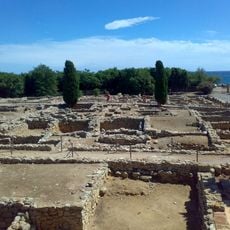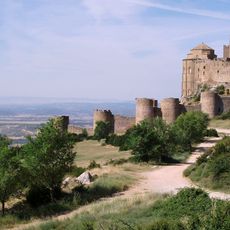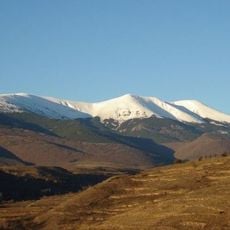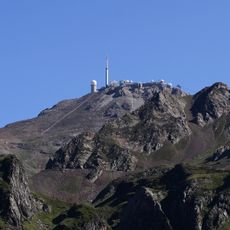
Pyrenees, Mountain range in southwestern Europe between France and Spain.
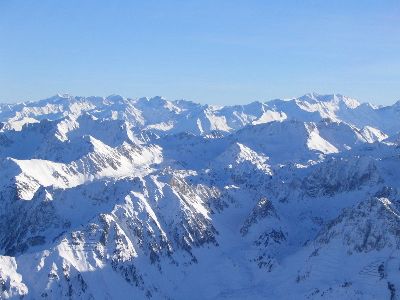
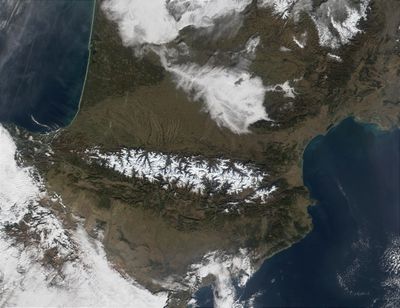
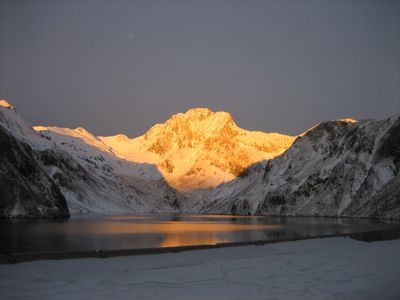
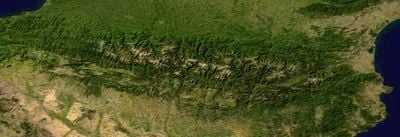
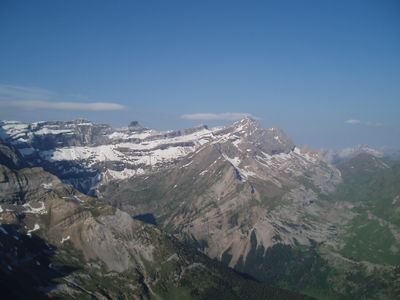
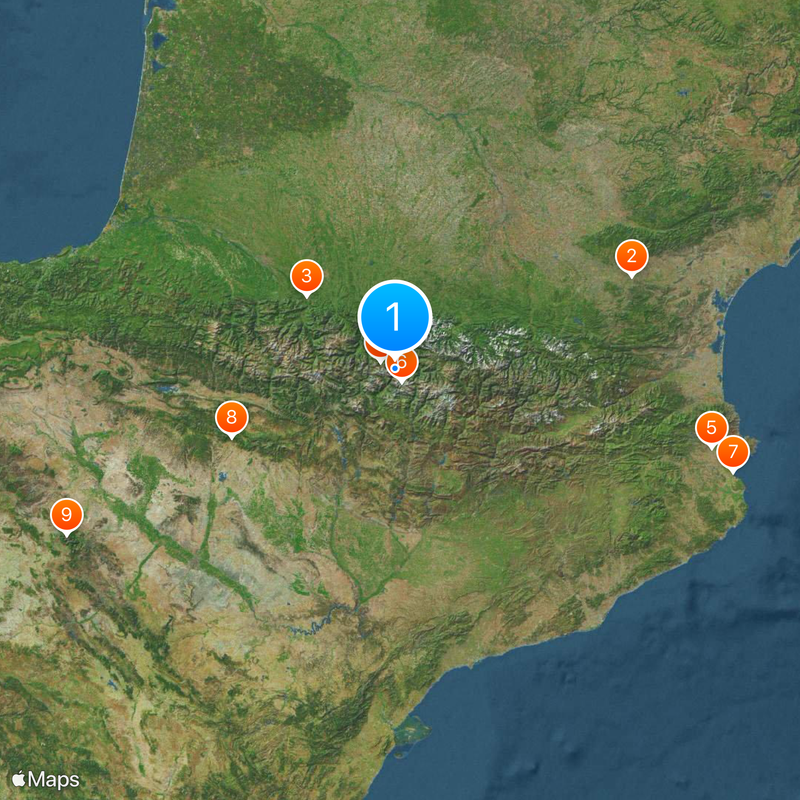
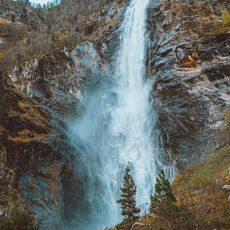
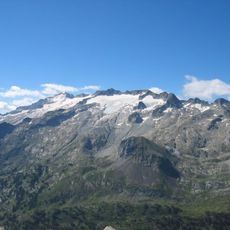
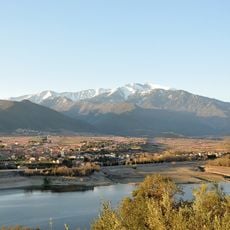
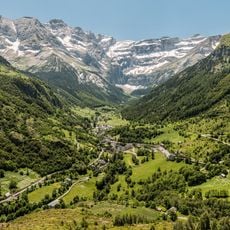
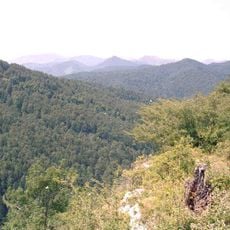
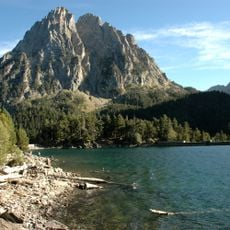
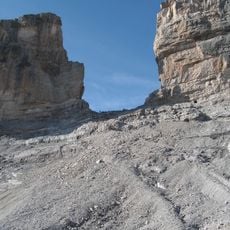
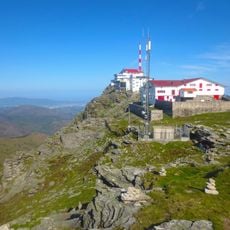
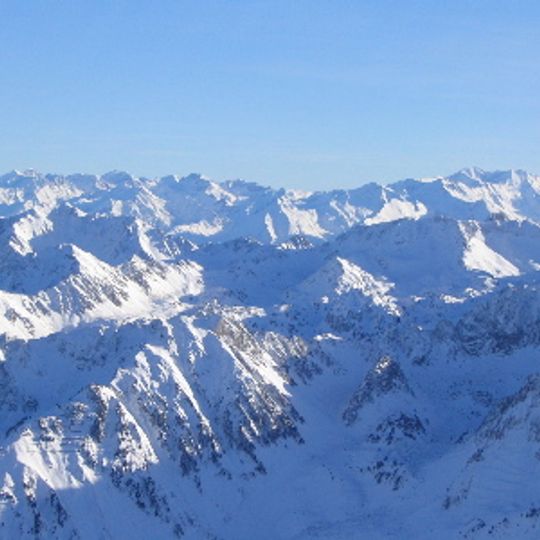
The Pyrenees form a mountain range in southwestern Europe that separates France from Spain, running roughly 490 kilometers from the Mediterranean Sea to the Bay of Biscay. More than 200 peaks rise above 3000 meters, and the terrain shifts between deep valleys, steep rock faces, high plateaus and glacial lakes, with forested slopes giving way to bare ridges.
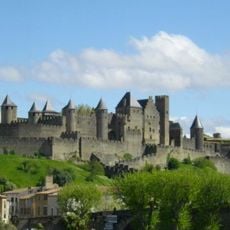
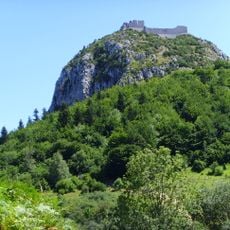
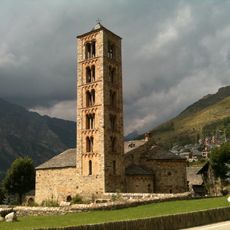
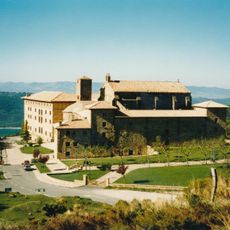
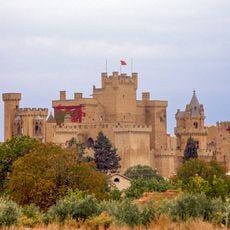
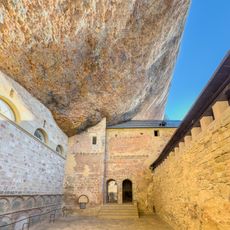
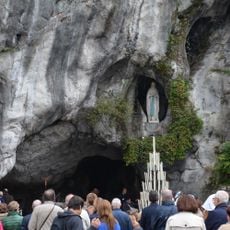
The mountains take their name from Princess Pyrene, who according to Greek legend was buried by Hercules beneath a pile of stones that formed this range. During the Middle Ages, several passes became important pilgrimage routes, especially for travelers heading to Santiago de Compostela, leading to fortified villages and monasteries along the trails.
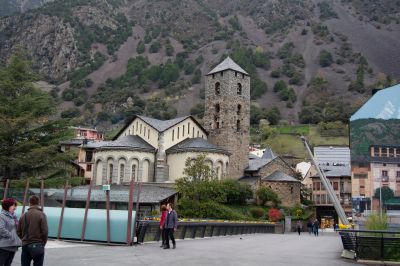
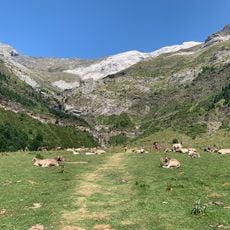
Shepherds still move their flocks between lowland valleys and high pastures along routes that have been walked for centuries, keeping alive a rhythm of seasonal migration. In villages on both sides you hear Catalan, Basque, Occitan and Aragonese spoken in daily life, languages that remain part of local markets, festivals and family gatherings.
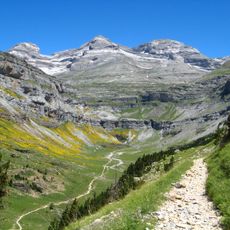
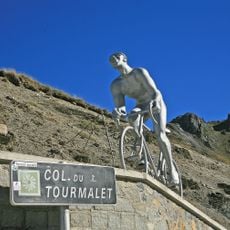
The range includes several ski resorts such as Baqueira-Beret in Spain and Grand Tourmalet in France, open from December through March, while hiking trails remain most accessible during summer and early autumn. Many valleys can be reached by road or cable car, but more remote areas require multiday treks with proper gear and experience in high mountain conditions.
The range shelters around 3500 plant species and animals such as bearded vultures, brown bears and Pyrenean chamois across several protected natural parks. Some valleys on the French side form small enclaves where old border treaties still govern shared grazing rights and joint administration between communities from both countries.
The community of curious travelers
AroundUs brings together thousands of curated places, local tips, and hidden gems, enriched daily by 92,331 contributors worldwide.