Nile, River in northeast Africa, Sudan
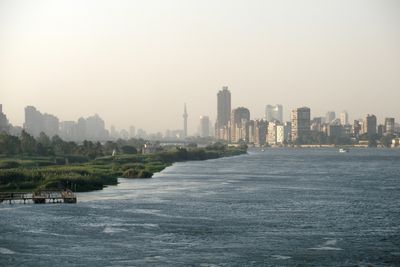
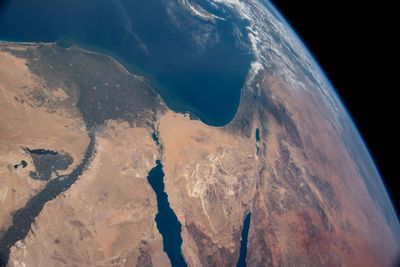
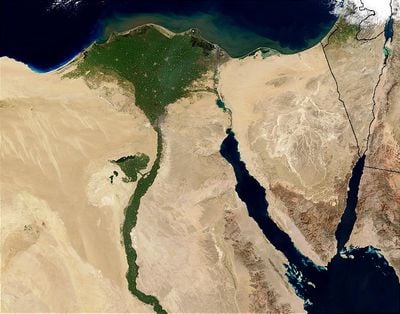
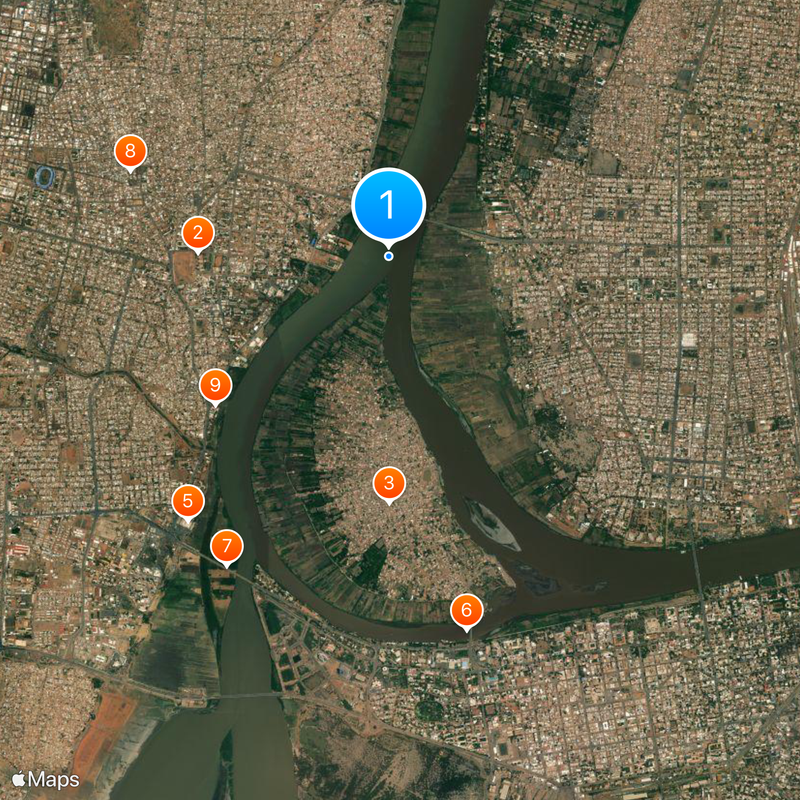
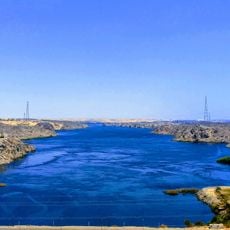
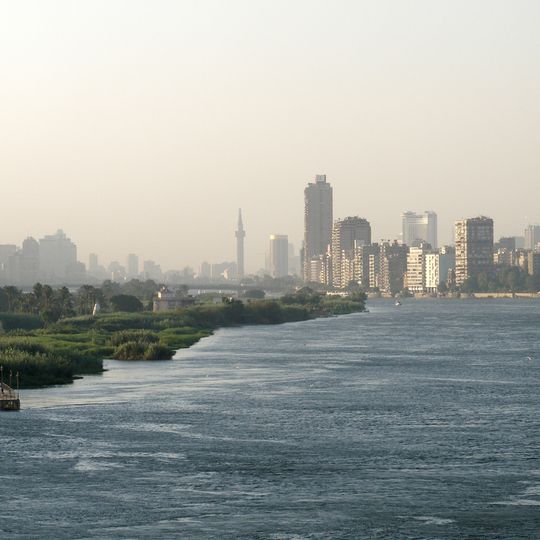
The Nile runs northward through Sudan, stretching more than 6600 kilometers and making it the longest river on the planet. Two major tributaries meet in Khartoum, shaping its distinctive brownish color and feeding the surrounding land with water.
Settlements appeared along the riverbanks from around 6000 BCE, when people learned to use the annual floods for farming. Over thousands of years, kingdoms and civilizations developed here that depended on the water and built their towns according to its rhythm.
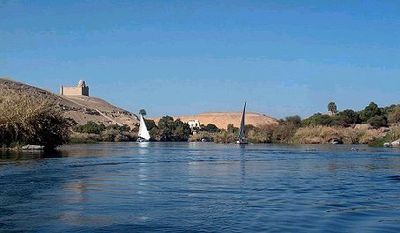
People in Sudan spend much of their time along the riverbanks, gathering to wash clothes, trade goods and practice traditional crafts. In the late afternoon, families often come here to talk while children play in the shallows and fishermen lay out their nets.
Ferries link different settlements along the river and provide a slow but regular means of transport for travelers and locals. The best times to visit are early morning or the hours before sunset, when the heat eases and the banks become more lively.
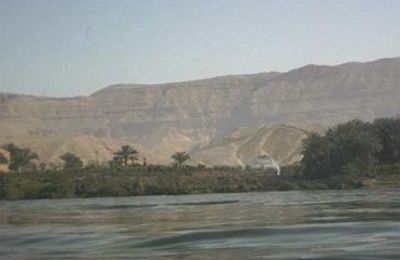
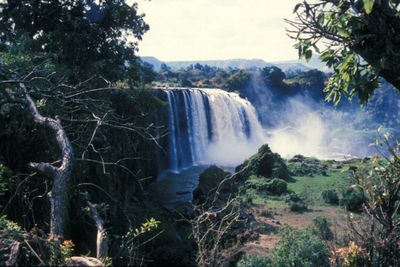
The river flows steadily northward even though it crosses thousands of kilometers of desert with minimal rain. Its water comes from distant sources in different climates and reaches Sudan even when no rain falls there for months.
The community of curious travelers
AroundUs brings together thousands of curated places, local tips, and hidden gems, enriched daily by 92,810 contributors worldwide.