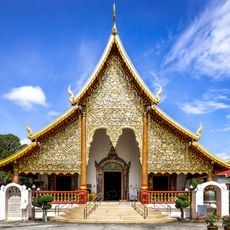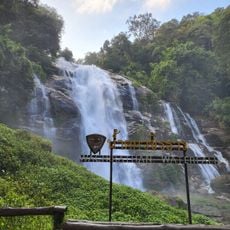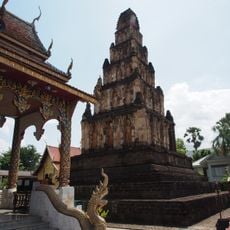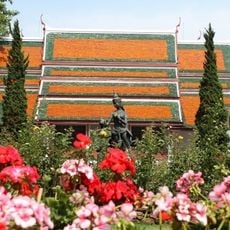
Chiang Mai, Province in northern Thailand
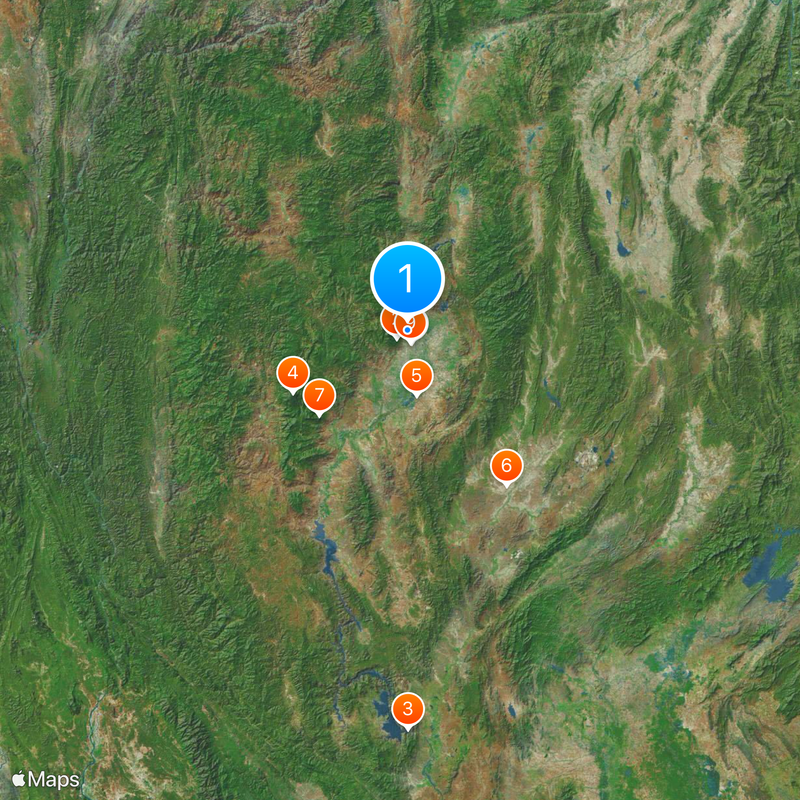
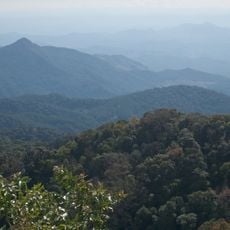
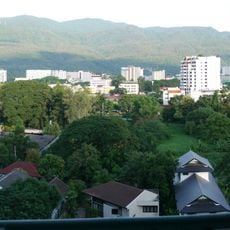
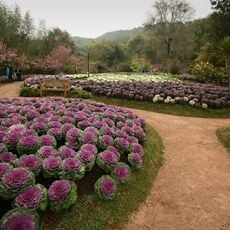
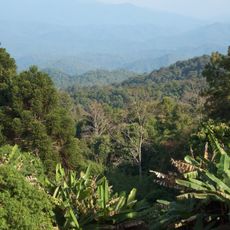
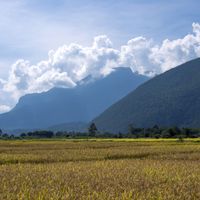
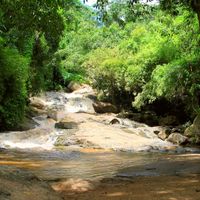
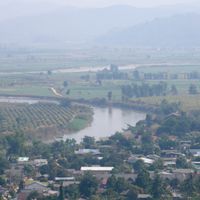
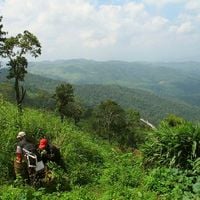
This northern province covers mountainous terrain, wide valleys, and river systems that range from plains to peaks above 2500 meters (8200 feet). The city of the same name serves as the administrative center and connects urban life with the rural districts surrounding it.
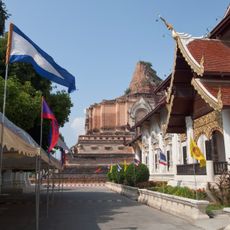
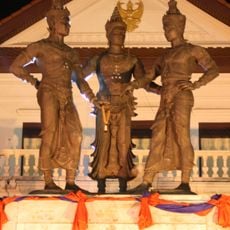
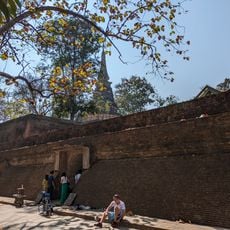
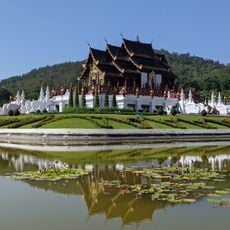
The area was established in 1296 as the capital of the Lanna Kingdom and remained an independent realm for centuries. Burmese conquest from 1558 lasted over two centuries before control returned to local dynasties.
The hill tribe communities live in higher elevations and maintain their own languages, traditional dress, and crafts. Visitors can see woven textiles, silver jewelry, and traditional building styles in the villages, which differ from lowland cultures.
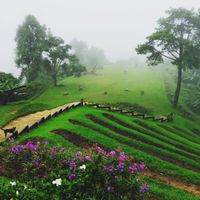
The territory divides into 25 districts with varying landscapes and elevations, and temperatures run cooler in the mountains than in the plains. The best visiting period falls between November and February, when temperatures are milder and rainfall is lower.
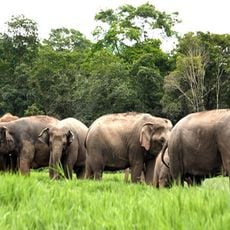
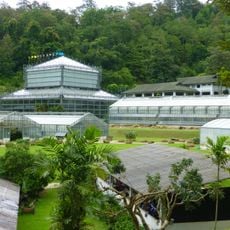
The provincial seal shows a white elephant inside a glass pavilion, a symbol of royal importance in Thai administration. White elephants were historically considered sacred animals and only the king could own them, a tradition still reflected in official imagery today.
The community of curious travelers
AroundUs brings together thousands of curated places, local tips, and hidden gems, enriched daily by 90,778 contributors worldwide.