Java, Island territory in Indonesia
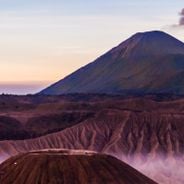
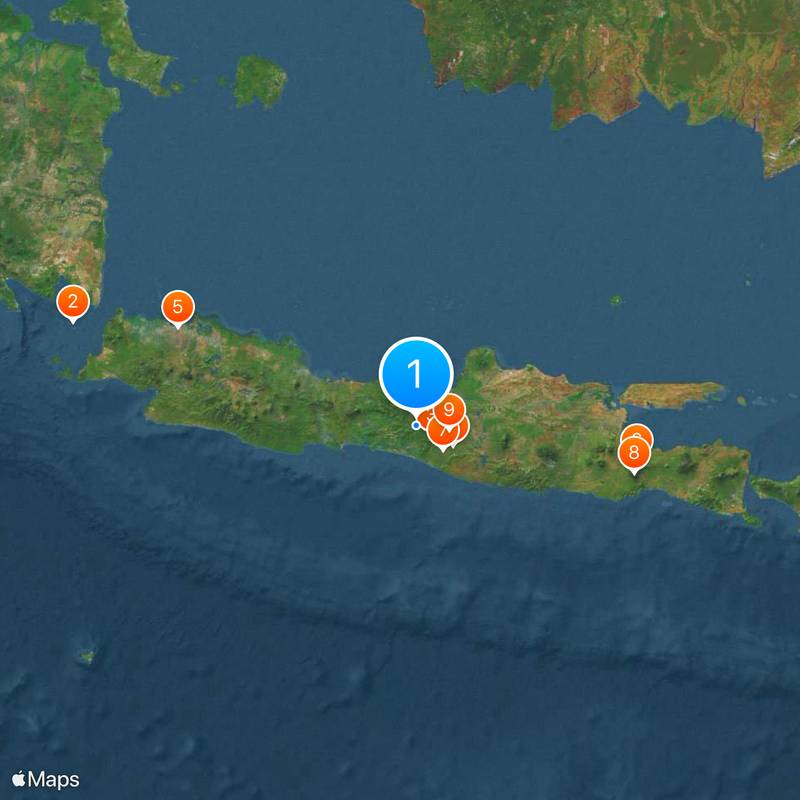
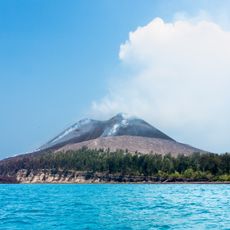
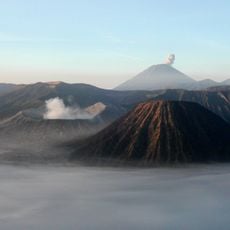
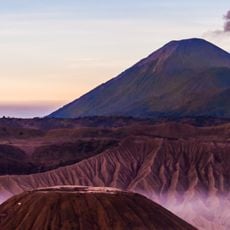
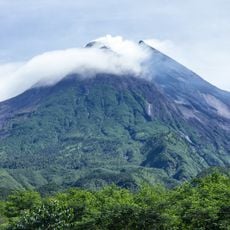
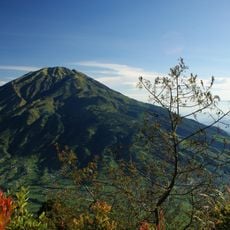
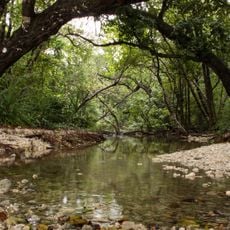
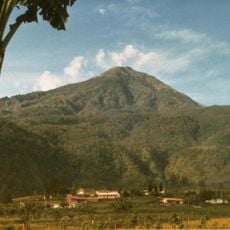
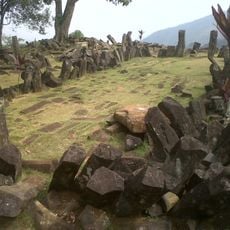
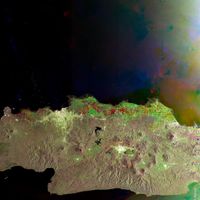
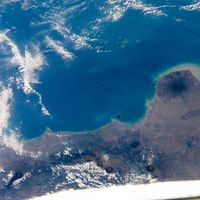
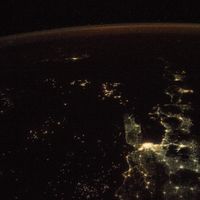
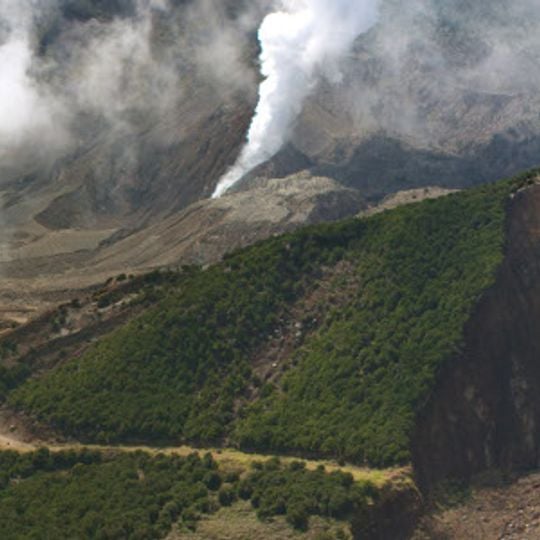
Java is a thousand-kilometer-long territory in Indonesia with forty-five active volcanoes, tropical forests, rice terraces, and mangrove swamps along the coasts. The densely populated landscape shifts between green plantations in the highlands and flat coastal plains where rivers meet the sea.
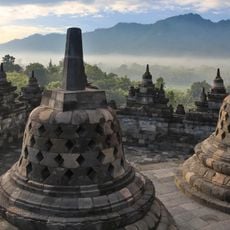
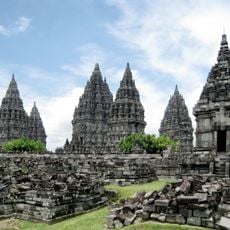
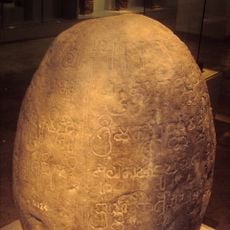
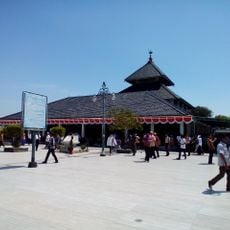
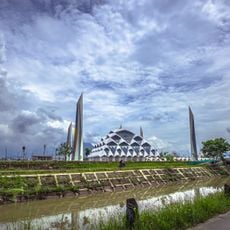
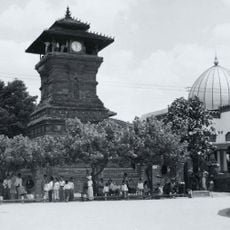
Hindu and Buddhist kingdoms built monumental temples such as Borobudur and Prambanan in Central Java between the eighth and fifteenth centuries. Islamic sultanates took control during the sixteenth century and transformed the religious landscape of the territory.
Javanese communities gather for gamelan performances, where bronze gongs and metallic instruments produce layered rhythms during weddings and local festivals. In villages across the territory, people still prepare offerings of rice and flowers to honor household spirits and ancestors.
Travelers move across the territory by train between major cities or by bus to reach smaller towns and villages. The dry season from May to September offers the best conditions for travel, with roads and hiking trails easier to navigate.
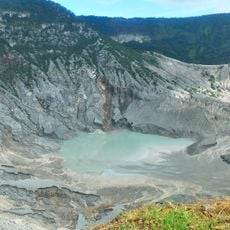
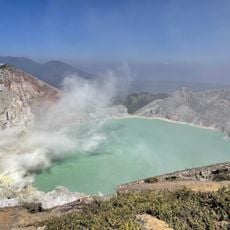
Miners at the Kawah Ijen crater collect sulfur from a turquoise acidic lake while natural blue flames flicker at night from ignited sulfur gases. These flames rise from volcanic vents and can only be seen after dark, creating an eerie glow across the crater floor.
The community of curious travelers
AroundUs brings together thousands of curated places, local tips, and hidden gems, enriched daily by 92,789 contributors worldwide.