Columbia Basin, Drainage basin in Pacific Northwest, United States and Canada.
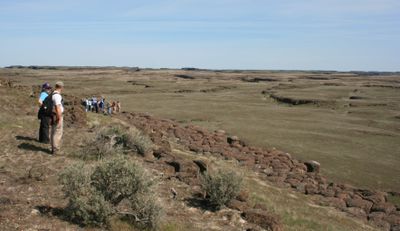
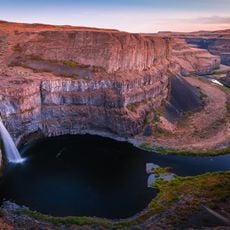
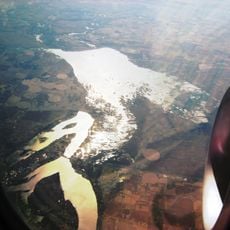
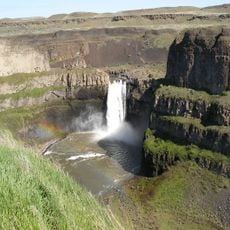
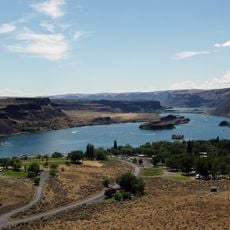
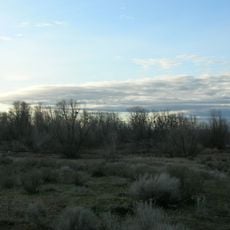
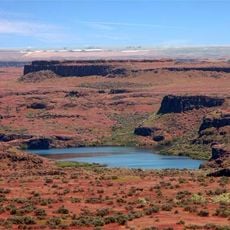
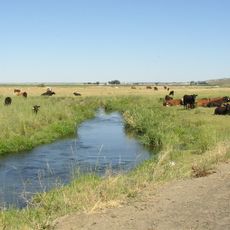
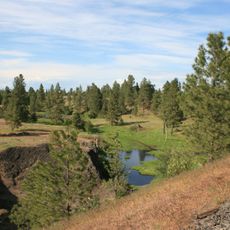
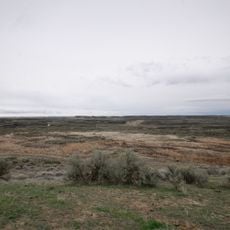
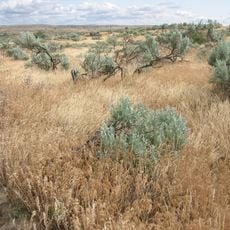
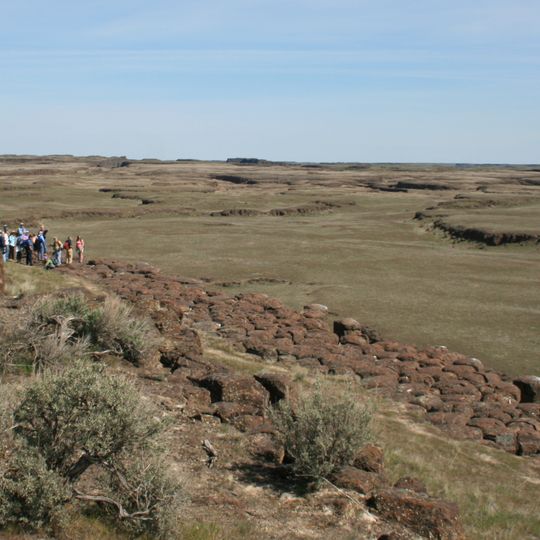
The Columbia Basin is a drainage system spanning seven U.S. states and two Canadian provinces, stretching from the Rocky Mountains to the Pacific Ocean. It encompasses the Columbia River and its many tributaries, supporting varied ecosystems across different elevations and regions.
European exploration began in 1775 when Bruno de Heceta arrived, followed by Captain Robert Gray, who named the river after his vessel in 1792. This early exploration opened the way for later settlement and resource development.
Native peoples built settlements along the river and based their way of life on salmon fishing and trade for many centuries. This heritage remains important to the communities living in the region today.
The basin can be explored by water routes, hiking trails, and scenic drives that access different sections throughout the region. Plan visits according to the season and which area you wish to explore, since conditions vary greatly across the different zones.
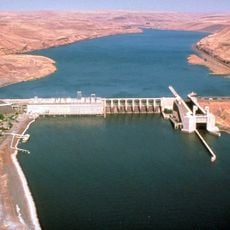
The river carries more water into the Pacific than any other river system in North or South America, and it flows through four mountain ranges. This enormous volume of water makes it a major power source for the entire region.
The community of curious travelers
AroundUs brings together thousands of curated places, local tips, and hidden gems, enriched daily by 92,550 contributors worldwide.