Beijing Subway, Rapid transit network in Beijing, China
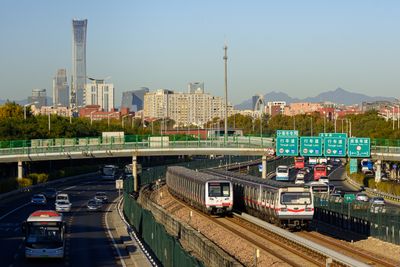
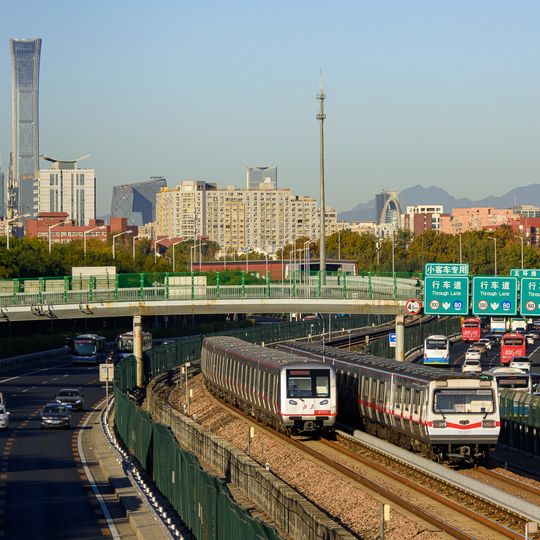
The Beijing Subway spans 608 kilometers and operates 370 stations across 22 lines, linking central districts to suburban areas. Trains run underground in the city center and above ground in outer zones, with transfer stations allowing passengers to switch between different lines.
The network began operations on October 1, 1969, becoming China's first metro system built according to design principles from the Moscow Metro. Over the following decades the system expanded gradually to serve the growing urban population and rising mobility needs.
The network links the Temple of Heaven, the Summer Palace and other major sites directly to residential neighborhoods and business centers across the city. Millions of residents rely on trains every day to reach workplaces, visit markets or meet relatives, making the system a fixed part of urban life.
Passengers can buy tickets through automated machines or service counters, with fares calculated by distance and trips under 6 kilometers starting at 3 yuan. Trains run from early morning until late evening, with rush hours in the morning and evening being particularly crowded.
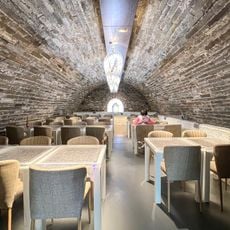
The system carried over 3.78 billion passenger trips in 2017, making it one of the most used metro networks worldwide. Many stations display modern artworks or architectural designs that enrich the daily commute for riders with visual elements.
The community of curious travelers
AroundUs brings together thousands of curated places, local tips, and hidden gems, enriched daily by 91,402 contributors worldwide.