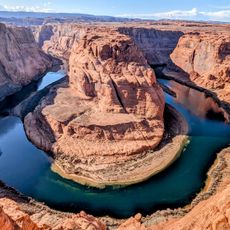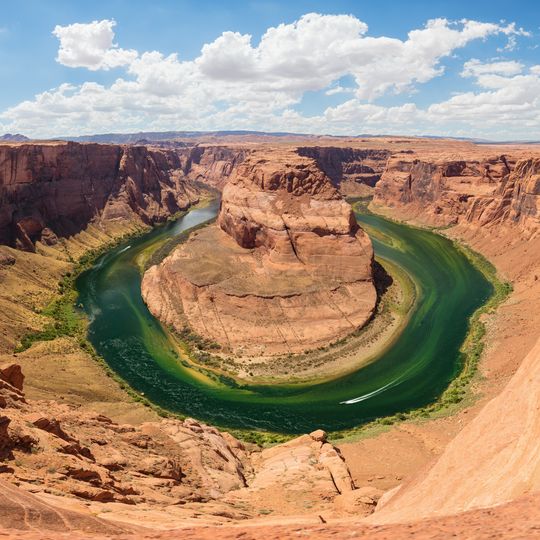
Colorado River, River system between Colorado and Mexico, United States
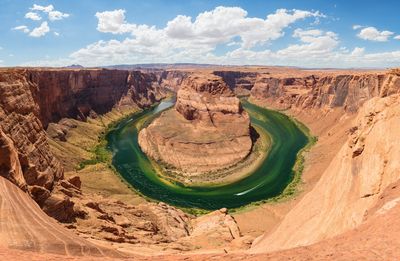
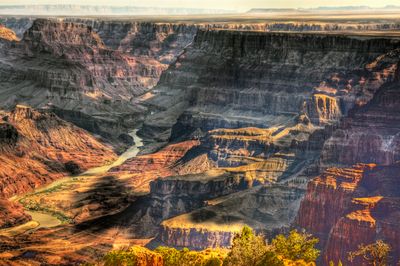
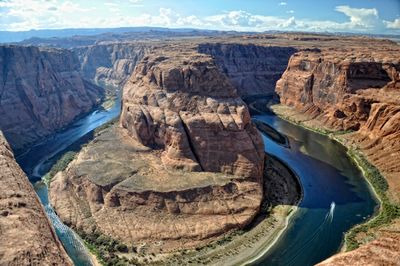
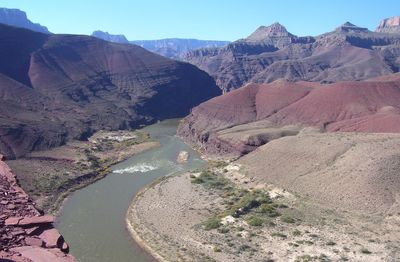
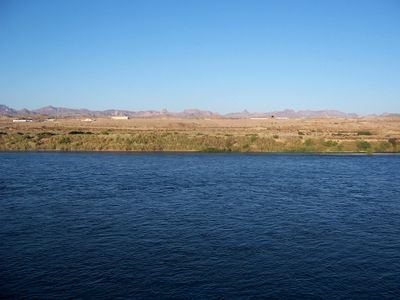
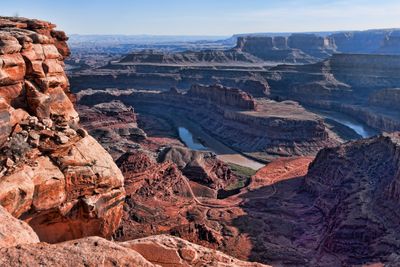
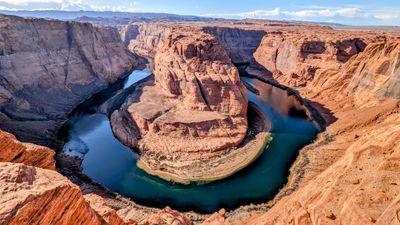
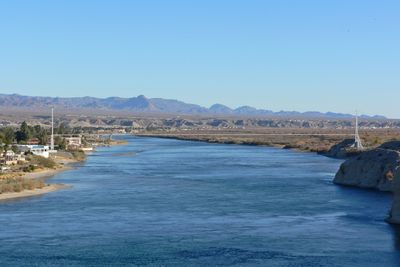
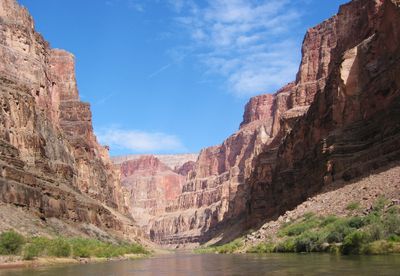
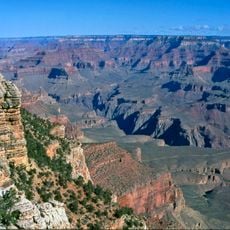
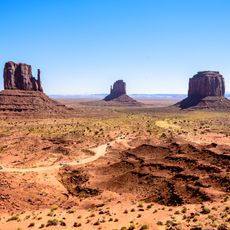
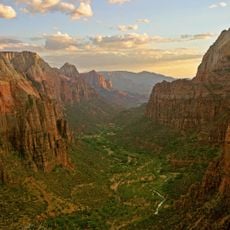
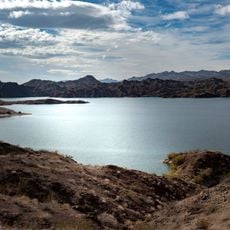
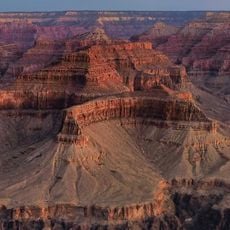
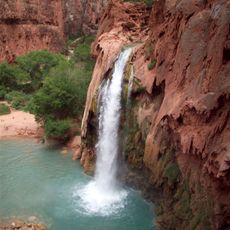
The Colorado River stretches 1450 miles through seven states, cutting deep gorges into the land and forming large reservoirs on its journey to the Gulf of California. It passes through deserts, plateaus and mountain valleys, with the water moving fast and rough in some sections, while spreading slowly and wide in other zones.
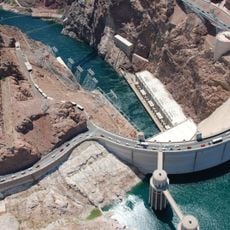
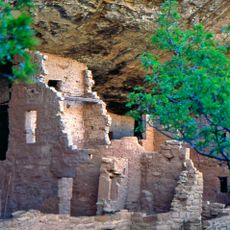
Indigenous peoples such as the Hopi and Navajo founded settlements along the banks for thousands of years and used the water for food and farming. European explorers arrived in the 16th century, and later large dam projects changed the course of the river fundamentally.
Communities along the waterway organize their routines around the water they drink, use for crops, and visit during leisure time, especially in the hot summer months when many seek relief along the banks. Boats, kayaks and rafts appear at numerous points where families and friends gather to enjoy the cool water and camp in the canyons.
Access to the waterway is possible from many points, including national parks, nature reserves and public recreation areas, with some sections easy to reach while others require a longer drive over unpaved roads. The best seasons for visits are spring and fall, when temperatures are milder and the water flows more calmly.
In some places the riverbed is now almost dry because so much water is diverted for cities and agriculture that it no longer reaches the ocean in large amounts. This change has altered ecosystems in the lower course significantly, where water once flowed into floodplains and wetlands.
The community of curious travelers
AroundUs brings together thousands of curated places, local tips, and hidden gems, enriched daily by 92,400 contributors worldwide.