Guatemala contains several photographic subjects within its borders. Maya ruins such as Tikal, Yaxha and Quiriguá stand in the tropical forests of Petén and Izabal. Colonial architecture appears in Antigua Guatemala, where the Santa Catalina Arch and painted facades line cobblestone streets. Lake Atitlán sits between three volcanoes, with towns like Santiago Atitlán and San Marcos La Laguna offering different perspectives on the water. Active volcanoes including Pacaya and Acatenango provide opportunities to photograph lava flows and crater landscapes.
The highland areas of Alta Verapaz hold Semuc Champey, a natural limestone pool, and the caves of Lanquín and Candelaria. Hot springs at Fuentes Georginas lie near Quetzaltenango in the western highlands. Chichicastenango Market documents textile trade and indigenous ceremonies. Livingston on the Rio Dulce shows Garifuna culture on the Caribbean coast, while Monterrico offers black sand beaches on the Pacific. Less visited sites like Dos Pilas, Takalik Abaj and Iximche add pre-Columbian contexts. The collection covers both well known and remote locations across Guatemala's varied geography.
Guatemala contains several photographic subjects within its borders. Maya ruins such as Tikal, Yaxha and Quiriguá stand in the tropical forests of Petén and Izabal. Colonial architecture appears in Antigua Guatemala, where the Santa Catalina Arch and painted facades line cobblestone streets. Lake Atitlán sits between three volcanoes, with towns like Santiago Atitlán and San Marcos La Laguna offering different perspectives on the water. Active volcanoes including Pacaya and Acatenango provide opportunities to photograph lava flows and crater landscapes.
The highland areas of Alta Verapaz hold Semuc Champey, a natural limestone pool, and the caves of Lanquín and Candelaria. Hot springs at Fuentes Georginas lie near Quetzaltenango in the western highlands. Chichicastenango Market documents textile trade and indigenous ceremonies. Livingston on the Rio Dulce shows Garifuna culture on the Caribbean coast, while Monterrico offers black sand beaches on the Pacific. Less visited sites like Dos Pilas, Takalik Abaj and Iximche add pre-Columbian contexts. The collection covers both well known and remote locations across Guatemala's varied geography.
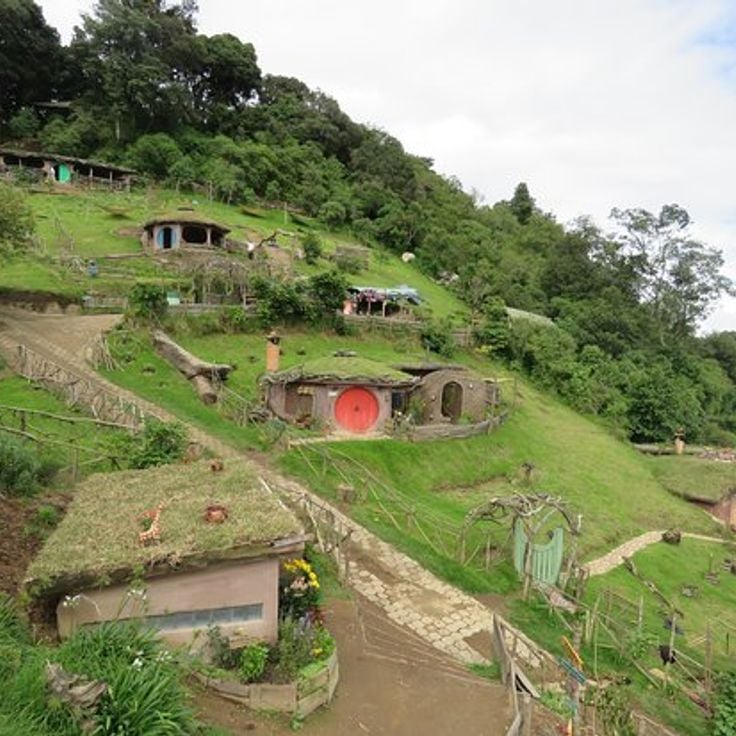
This retreat inspired by Hobbit lore sits on a forested hillside above Antigua and provides several photo opportunities. Visitors find round doors set into earthen mounds and timber structures that recall Tolkien's Shire. The elevated position offers views of the surrounding volcanoes Agua, Fuego and Acatenango, as well as the Panchoy Valley. Trails lead through pine forest to viewpoints and themed installations that work for capturing the Guatemalan highland landscape.
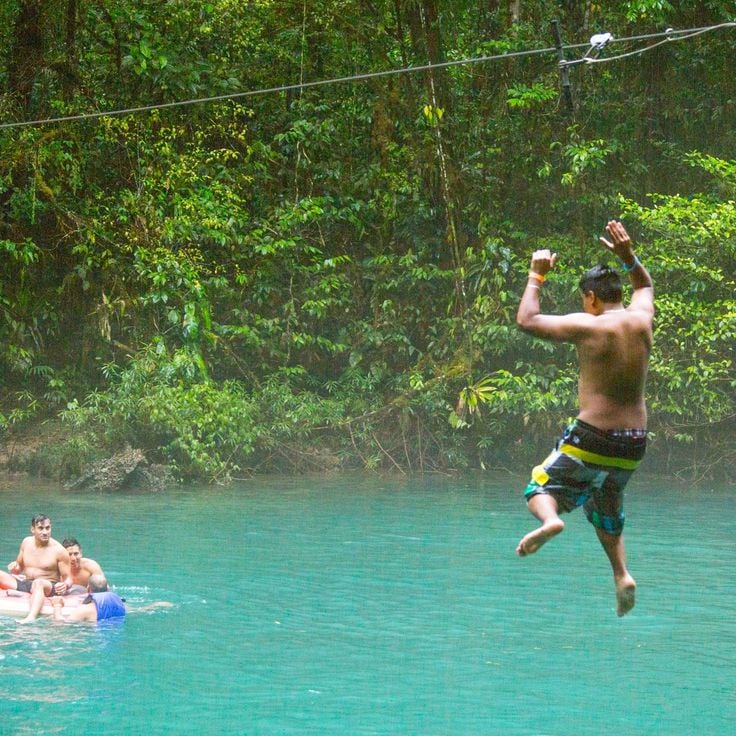
This private nature reserve protects rivers and natural pools within forests and native vegetation. Hun Nal Ye provides locations for photographers documenting Guatemala's water landscapes and tropical flora. The pools form reflections of surrounding vegetation, while rivers flow through dense forest areas. The reserve combines freshwater ecosystems with rainforest elements, delivering shots of Guatemala's natural environments beyond the better known archaeological sites.
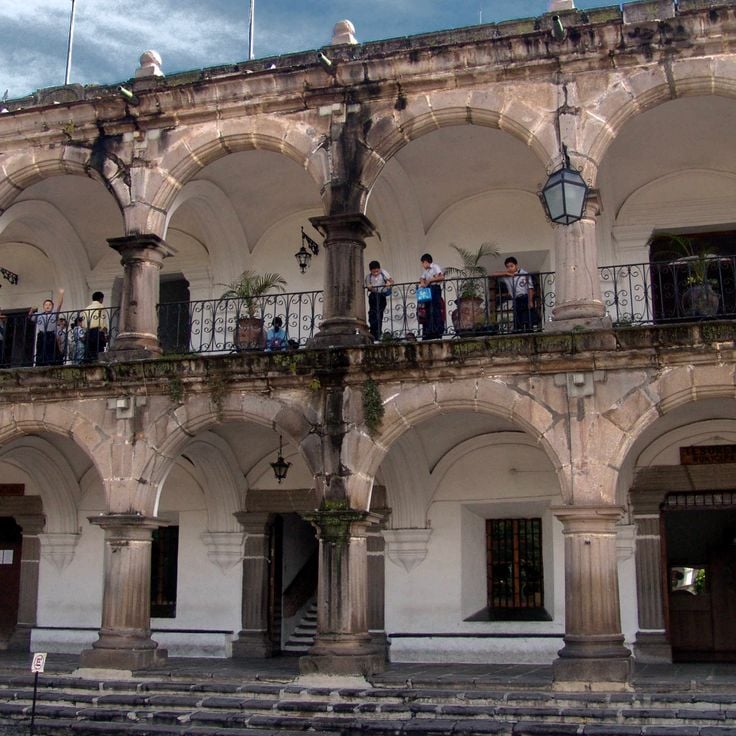
This colonial city displays baroque church facades, arcaded courtyards, and articulated pastel-colored fronts that extend across rectilinear street blocks. Antigua Guatemala sits between three volcanoes, offering architectural details such as carved doors, ironwork, and fountains in shaded patios that supply motifs for travel photography. Market squares and public plazas add further layers to the visual offering of the city.
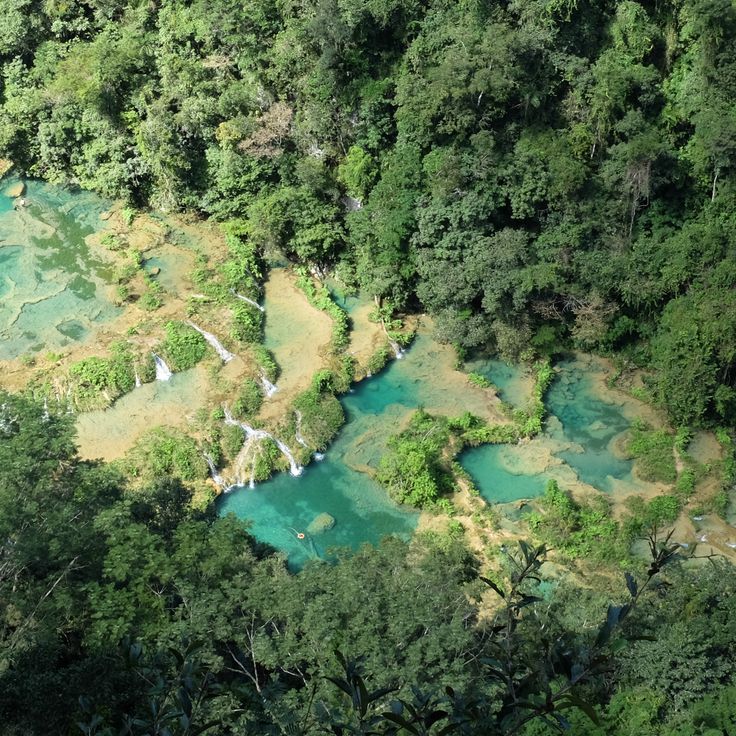
Semuc Champey is a 300-meter (980-foot) limestone formation above the Cahabón River, where multiple turquoise pools of varying depth have formed. The pools offer opportunities to photograph natural rock structures, water reflections and surrounding vegetation. The river flows beneath the limestone bridge through a cave system, while calm water rests between the rocks at the surface.
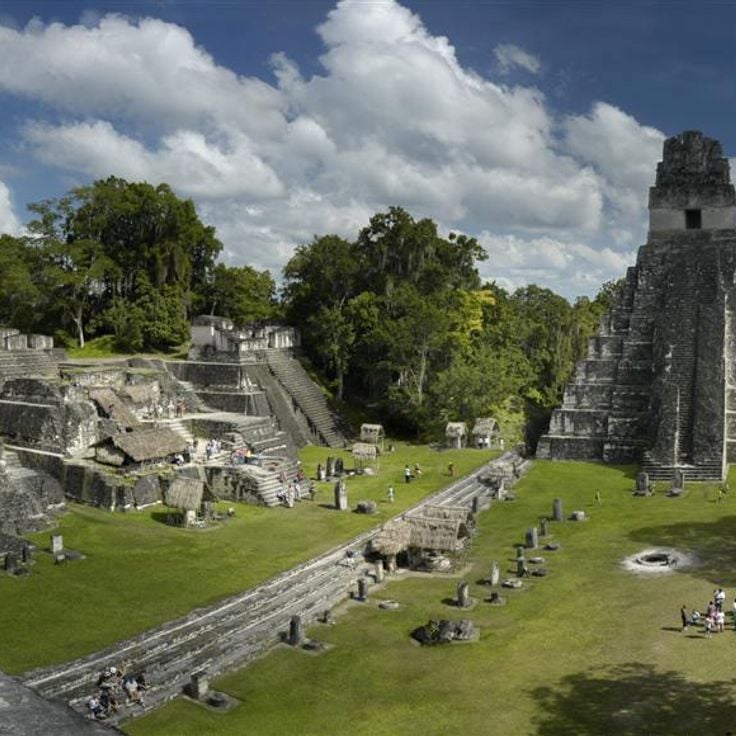
This ancient Maya city in the Petén jungle is known for its tall temples and pyramids that rise from the dense rainforest. Tikal offers numerous photographic subjects, including the Great Plaza with its monumental structures, steep temple summits that tower above the tree canopy, and early morning views when mist drifts through the ruins and howler monkeys call from the trees.
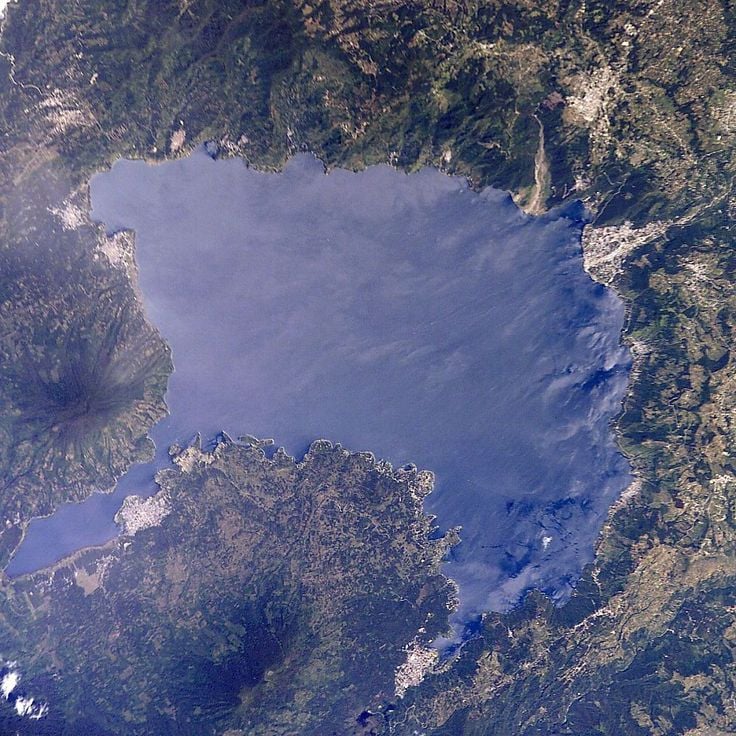
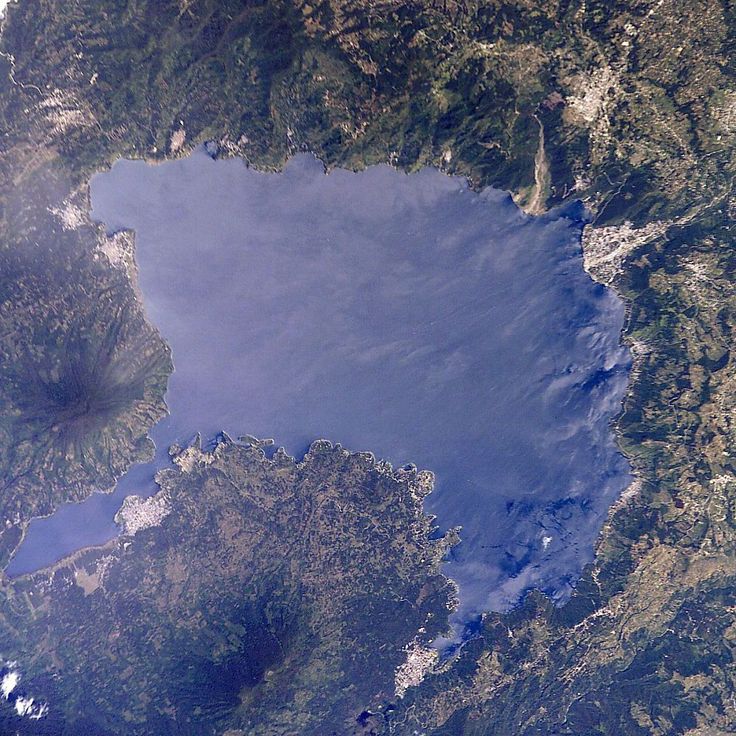
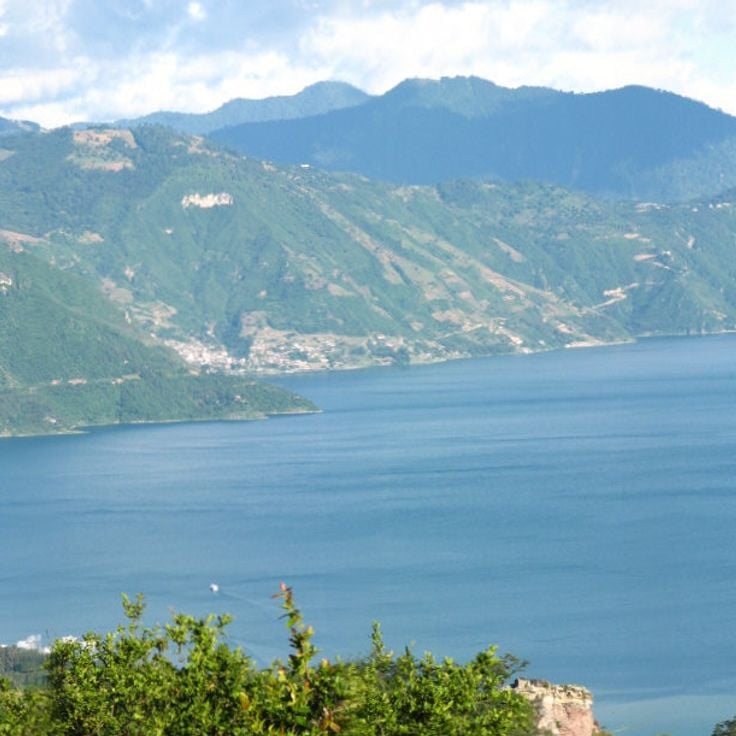
This lake sits at 5,118 feet (1,560 meters) above sea level in Guatemala's western highlands and is framed by three volcanoes. Lake Atitlán provides views across the water to the peaks and to Maya villages along the shores. The changing light throughout the day allows for different captures of the volcanic landscape and traditional communities around the body of water.
This volcano offers hikers one of the finest vantage points in Guatemala. Acatenango stands adjacent to the active Fuego, allowing visitors to observe eruptions at close range. The ascent passes through cloud forests and open highland terrain to reach approximately 3,976 meters (13,045 feet). Most hikers camp on the summit for nighttime eruptions and sunrise views across the surrounding volcanoes.
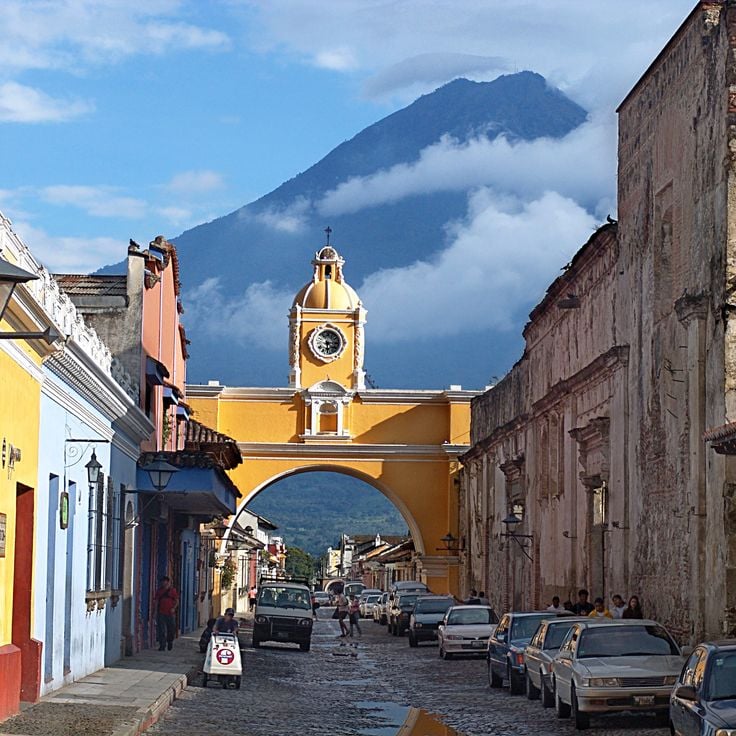
This freestanding arch spans a street in the heart of Antigua, creating a frame for photographs with volcanoes rising in the background. The Santa Catalina Arch was built in the 17th century to give nuns a private passage between convent buildings. Its pastel yellow facade and upper clock tower form a recognizable composition. Photographers often position themselves south of the arch to capture Agua Volcano through the opening. Morning and late afternoon light emphasize the texture of the masonry and the color of the cobblestone street below.
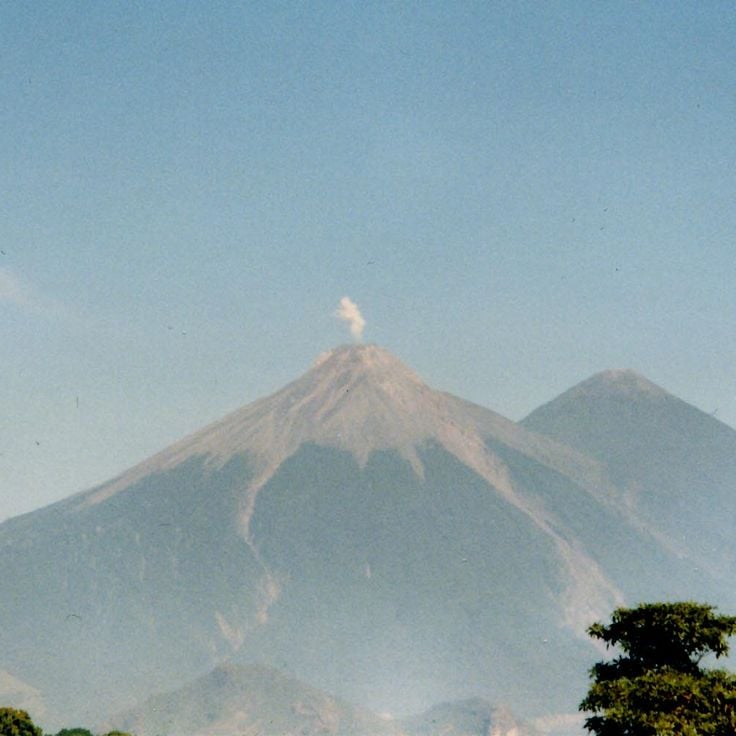
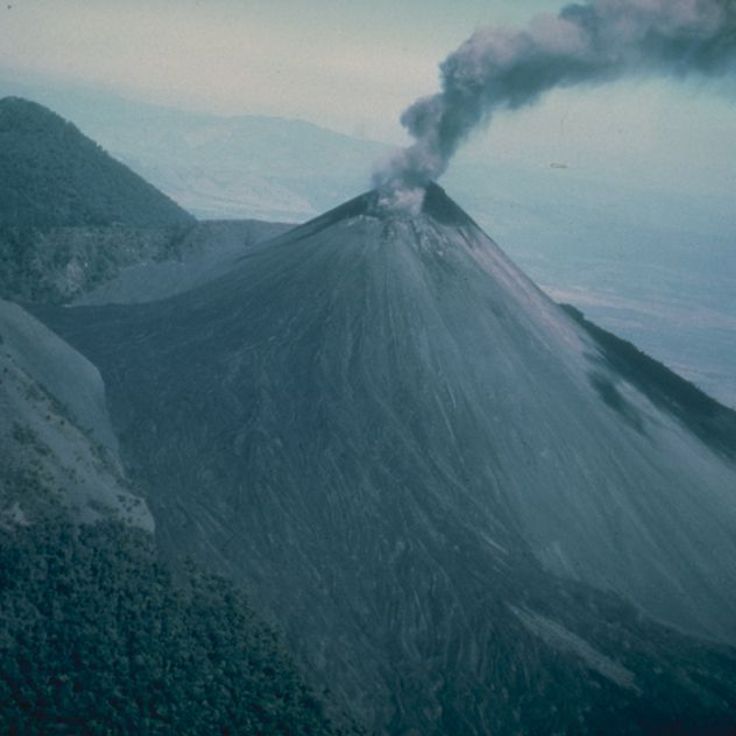
This active volcano south of Guatemala City produces regular eruptions and offers hikers the chance to photograph glowing lava flows at close range. Pacaya Volcano reaches 8,373 feet (2,552 meters) in elevation and its smoking summit and black lava fields provide compelling subjects for the collection of photo locations in Guatemala.
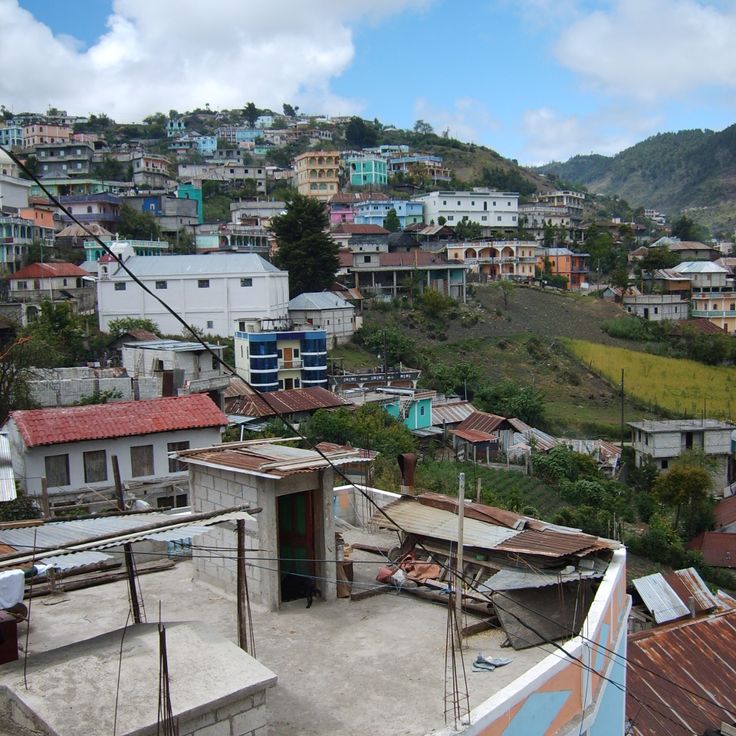
Quetzaltenango sits in the western highlands and serves as Guatemala's second-largest city. The architecture reflects both colonial and neoclassical influences. Indigenous K'iche' traditions merge with urban life here. The surrounding area provides volcanoes and hot springs as photographic subjects.
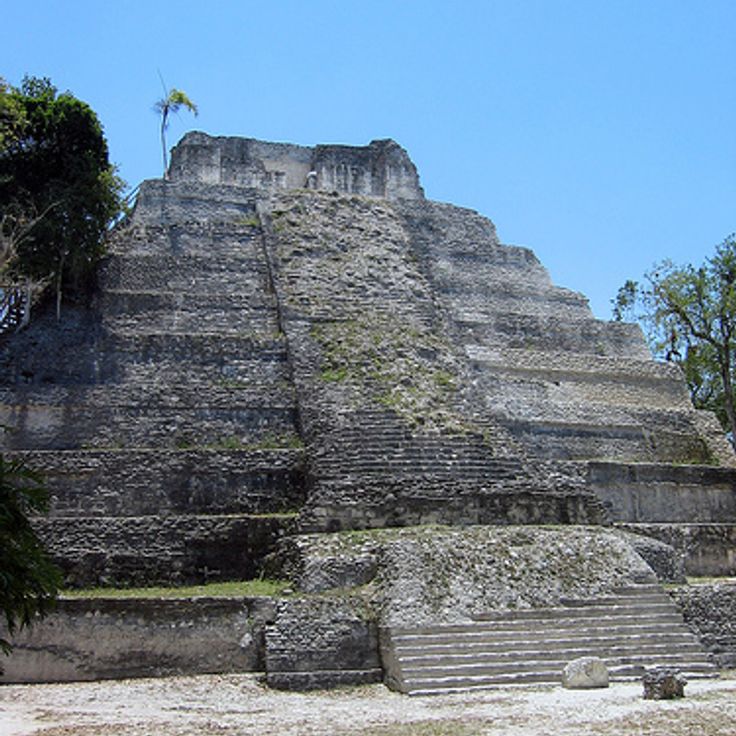
This ancient Maya city in the Petén jungle provides numerous subjects for photographers. Yaxha encompasses roughly 500 structures, including pyramid temples, ball courts and plazas situated between two lakes. The combination of restored structures and surrounding rainforest creates conditions for diverse photographic approaches in Guatemala.
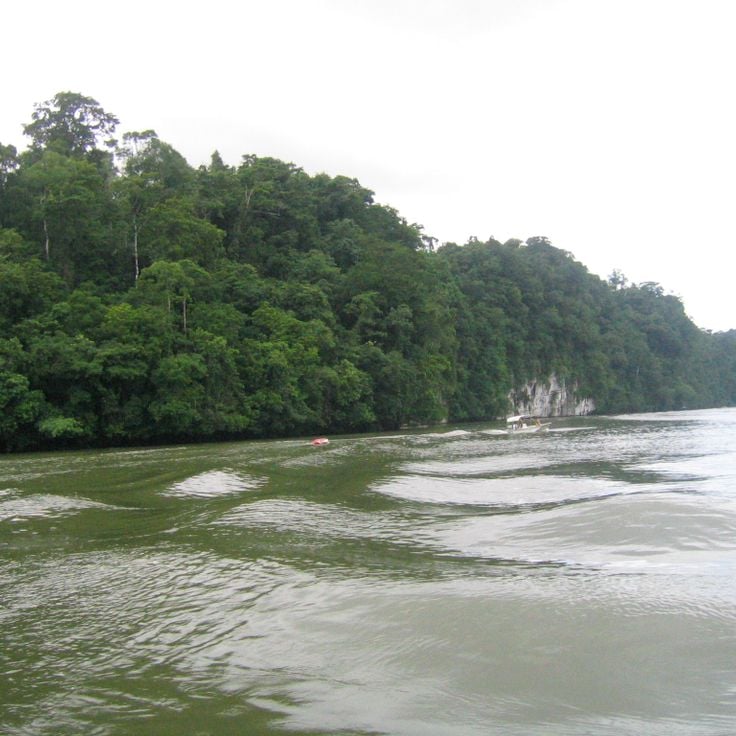
This river connects Lake Izabal to the Caribbean through a corridor of dense rainforest. Rapids and waterfalls mark sections of the waterway. Palms and broadleaf trees form a green canopy over much of the river. Fishing boats and small cargo barges travel the passage. Shorelines reveal mangroves and rock formations, while herons and pelicans search for food along the banks.
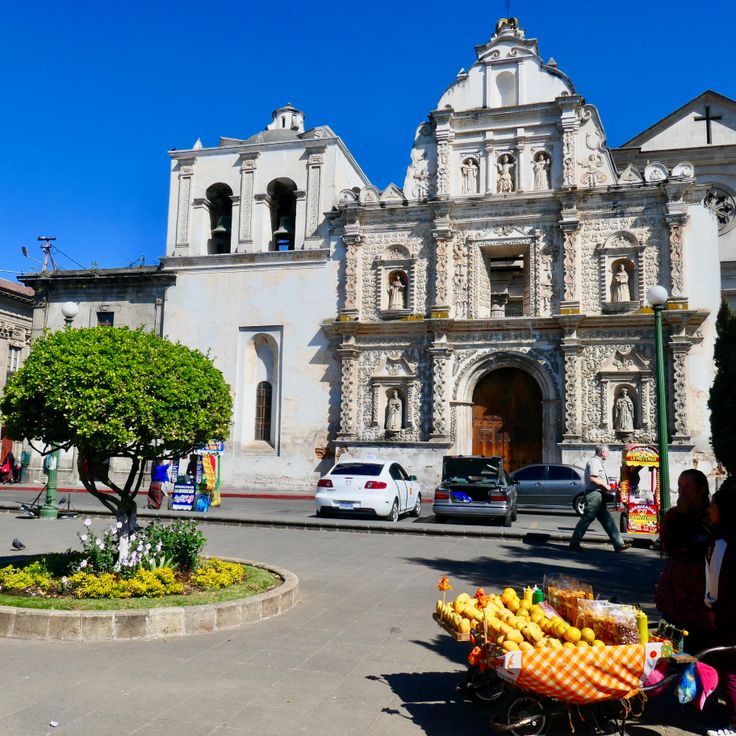
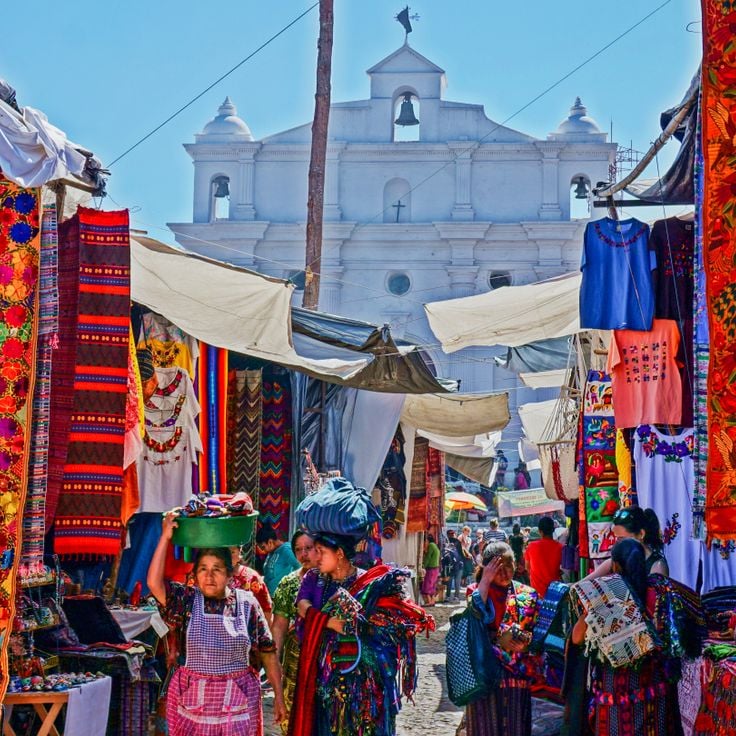
This market offers a wide selection of handcrafted goods and textiles in bright colors. Chichicastenango Market showcases traditional craftsmanship from the region with ceramics, wood carvings and woven fabrics. Photographers will find stalls displaying colorful merchandise, local vendors in traditional dress and the colonial Santo Tomás church that dominates the central plaza.
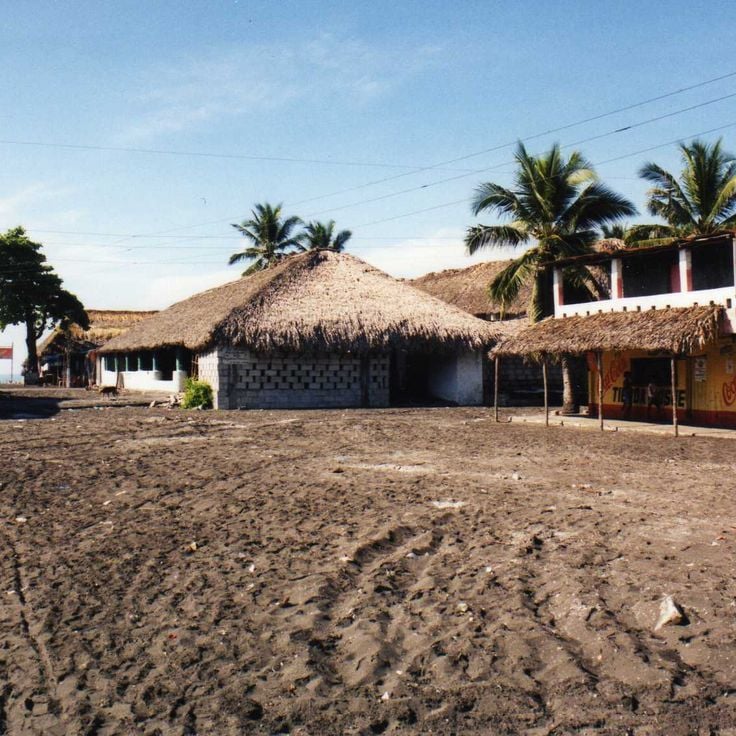
This coastal town on the Pacific shoreline is defined by its black volcanic sand beaches. The beaches of Monterrico extend for several miles and draw photographers interested in capturing the dark sand contrasts against ocean waters. The area also serves as an important sea turtle nesting ground. Photographic opportunities include coastal landscapes, mangrove forests in the backcountry, and fishing boats along the waterfront. The location offers shooting possibilities in varied lighting conditions, particularly during morning and evening hours along the coast.
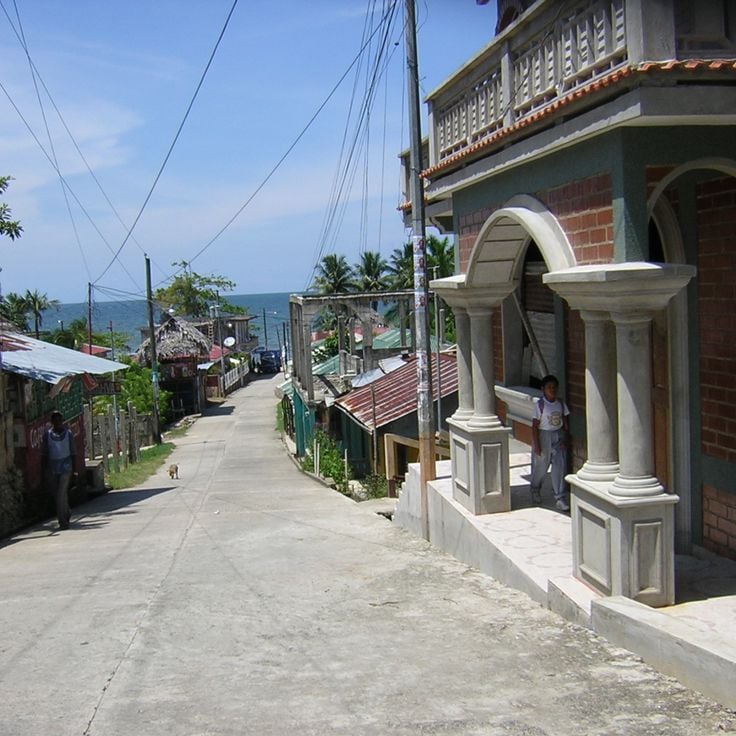
Livingston, located on Guatemala's Caribbean coast, is one of the few communities in the country where Garifuna culture remains active. The town is accessible only by boat and differs notably from other regions of Guatemala. Punta music, Caribbean cuisine, and wooden houses on stilts form part of daily life here. Photographically, this coastal town offers scenes of Garifuna daily routines, fishing boats on the shore, and street life marked by vivid colors.
Santiago Atitlán is a town on the southern shore of Lake Atitlán known for its Tz'utujil Maya traditions. The community maintains religious practices, textile crafts, and ceremonies. The market displays local produce and woven textiles. Santiago Atitlán offers photographers scenes of community life and lake surroundings.
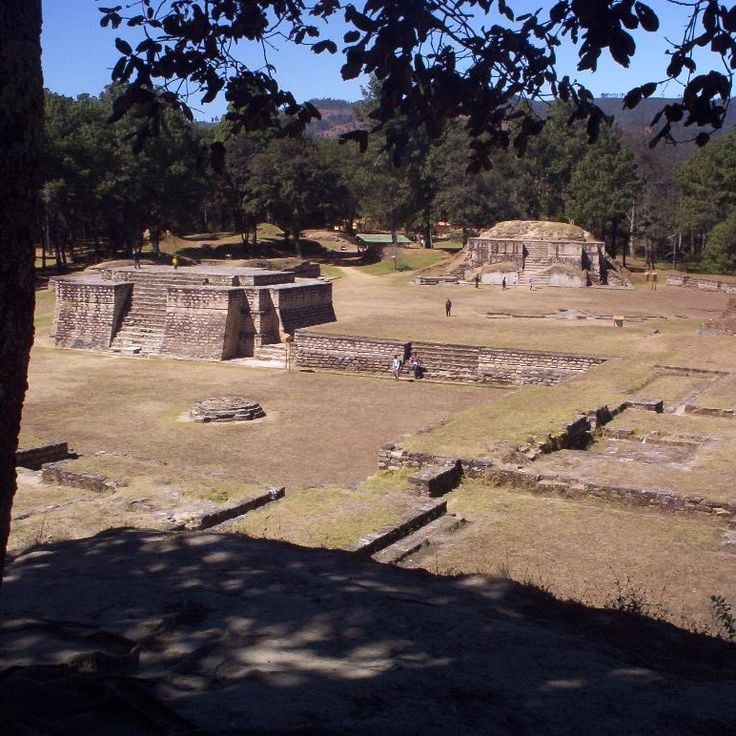
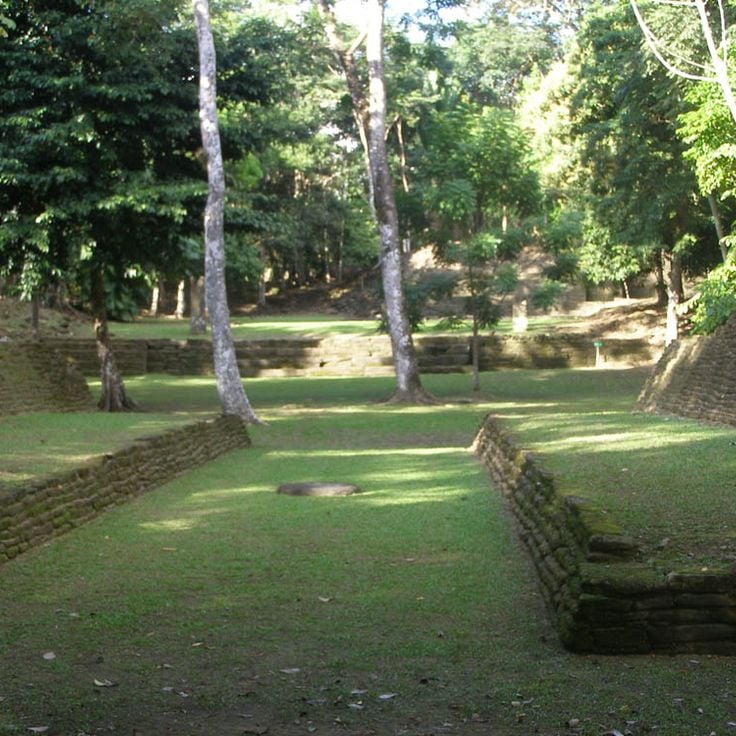
This archaeological site served as the political center of the Kaqchikel Maya from the late 15th century until the Spanish conquest. Iximche contains pyramids, plazas and ball courts positioned on a high plateau overlooking valleys and volcanoes. The preserved structures and open ceremonial spaces provide opportunities for capturing Maya architecture against a mountain backdrop.
Nebaj sits in the heart of the Ixil region and serves as the capital of this mountainous zone in Guatemala's highlands. The town provides opportunities to document Ixil Maya daily life, including traditional weaving, colorful dress and market scenes. The surrounding landscapes include pine forests and mountain trails.
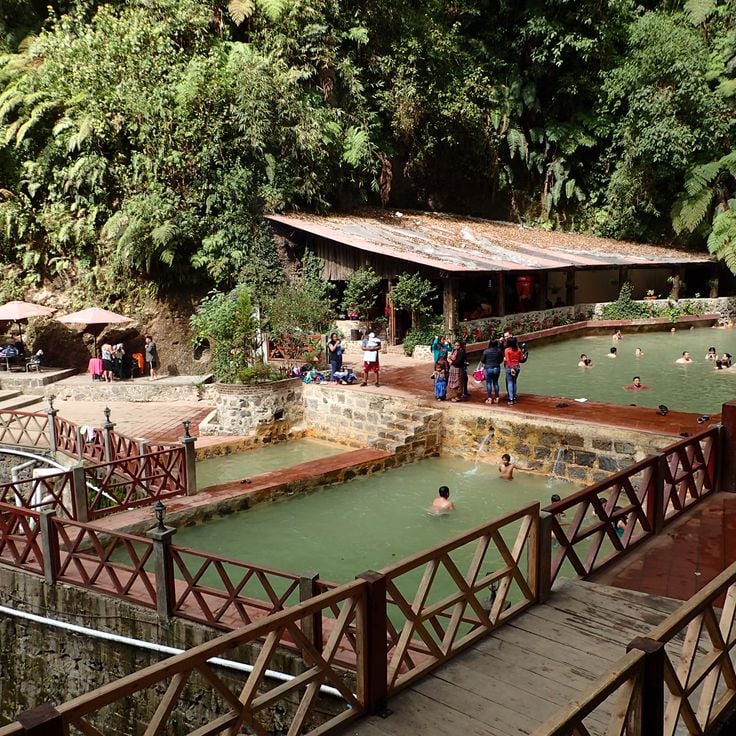
These thermal springs sit at 7900 feet (2400 meters) in the mountains of Quetzaltenango, offering natural pools fed by mineral water. Fuentes Georginas is surrounded by cloud forest and features several pools of varying temperature set within a landscape of ferns and tropical vegetation. Stone pathways connect the pools while steam rises through the dense canopy. The area serves as a starting point for hikes into the surrounding highlands and provides photographers with subjects ranging from thermal formations to forest vegetation.
This village on the western shore of Lake Atitlán has developed into a center for yoga, meditation and holistic therapies. San Marcos La Laguna offers photographers quiet waterfront scenes with volcanic backdrops, wooden docks extending over the water and retreat centers surrounded by tropical vegetation. The relaxed pace and natural setting make it a distinctive subject for images beyond the larger tourist towns around the lake.
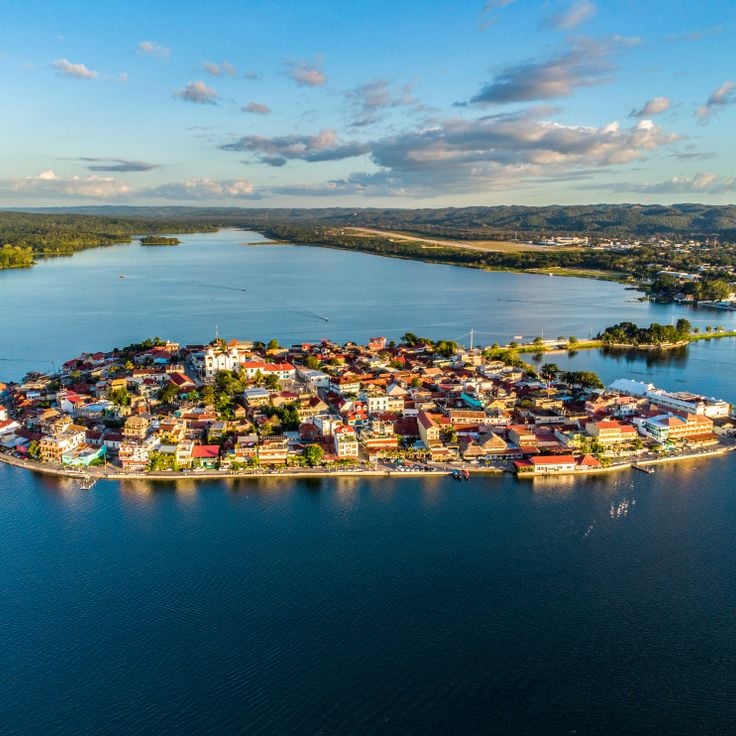
Flores sits on a small island in Lake Petén Itzá, presenting a compact core of colorful houses with red tile roofs and a palm-lined waterfront promenade. This town's streets wind steeply from the central plaza with its white church down to the water's edge. Photographers find subjects in the pastel-painted facades, lake views with distant volcanoes, and activity along the promenade during sunset hours.
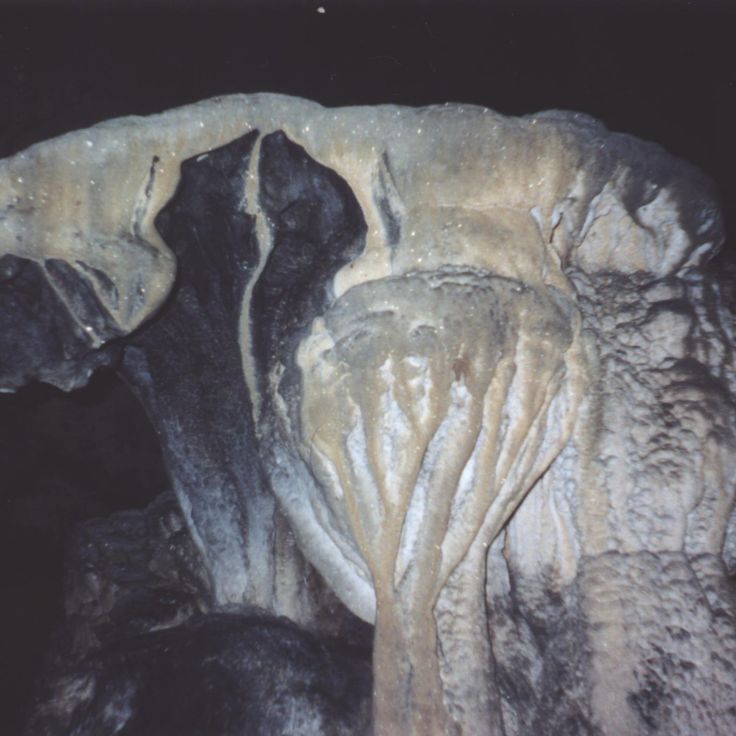
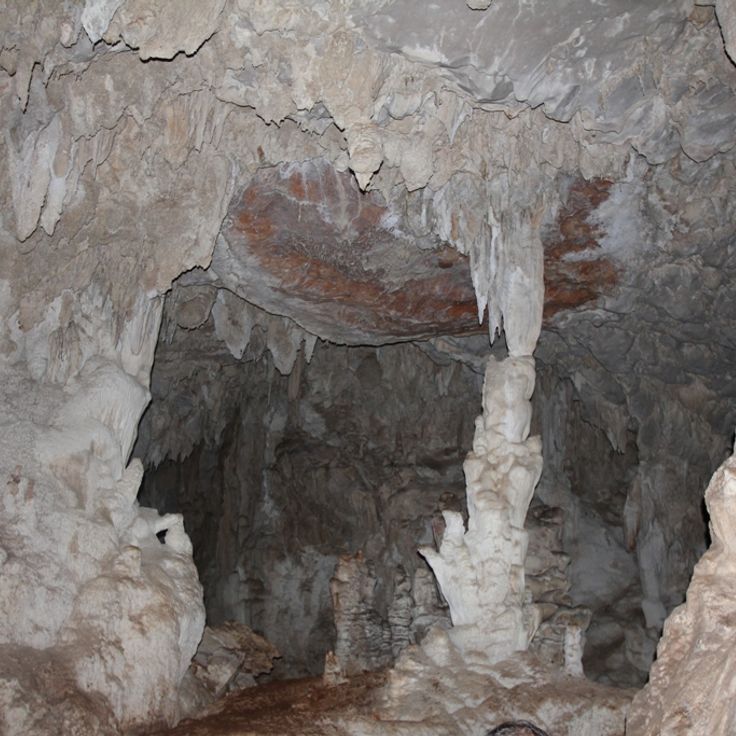
These caves extend several miles through limestone formations and are traversed by the Lanquín River, which emerges at their entrance. Grutas de Lanquín offers photographers shots of subterranean chambers, stalactites, stalagmites and the daily exodus of thousands of bats at sunset. Located in the Guatemalan highlands, the caves are a major geological feature in the Alta Verapaz region and suit both natural history photography and long exposure work.
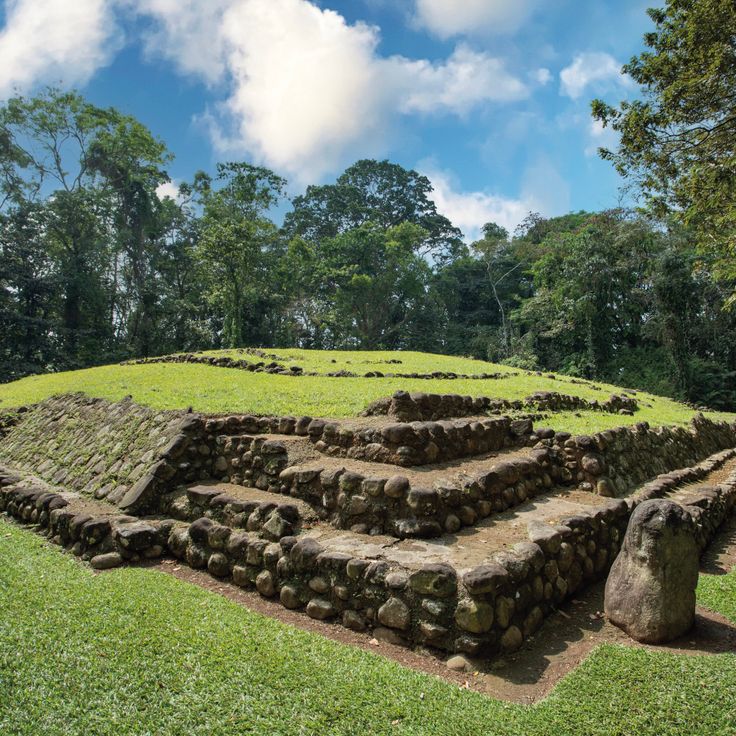
This archaeological site in Guatemala documents the cultural transition between Olmec and Maya civilizations through its stone monuments and sculptures. Takalik Abaj occupies several artificial terraces at the base of the Sierra Madre and preserves over 200 stone sculptures, including altars and stelae with early glyphic inscriptions. The site reveals structures from various construction phases between 800 BC and 900 AD, offering insights into ritual practices and trade connections of the region.
San Mateo Ixtatán preserves Chuj Maya culture and offers photographers colonial churches alongside traditional ways of life. This remote highland town in Huehuetenango sits near the Mexican border, where residents wear traditional dress in daily activities and practice local rituals. The settlement combines religious architecture with indigenous traditions, providing opportunities to document a Guatemalan community that has maintained its cultural identity.
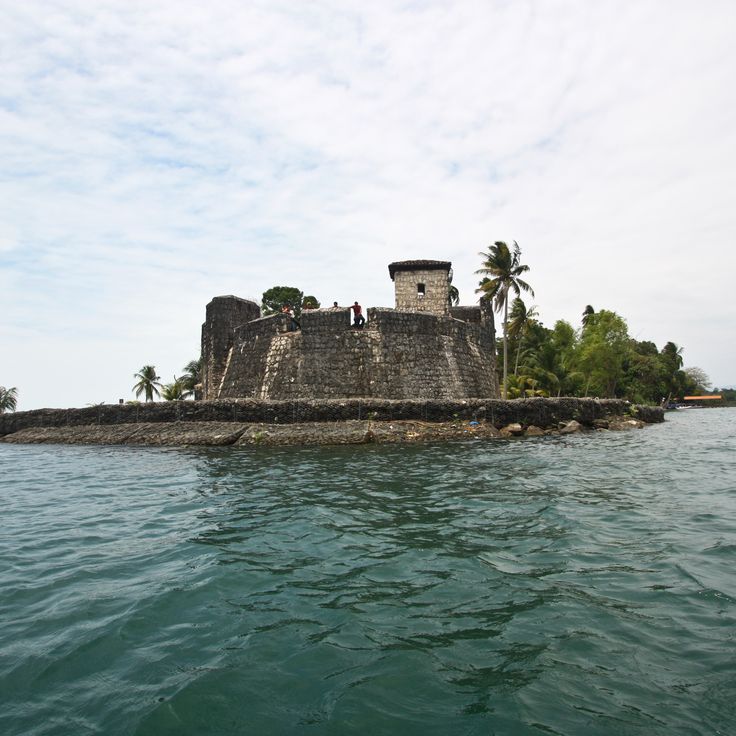
This Spanish colonial fortress on the shore of Lake Izabal was built in the 17th century to protect against pirates. The stone walls and watchtowers provide angles across the water and surrounding hills. Photographers find subjects in colonial architecture and perspectives over Guatemala's largest lake.
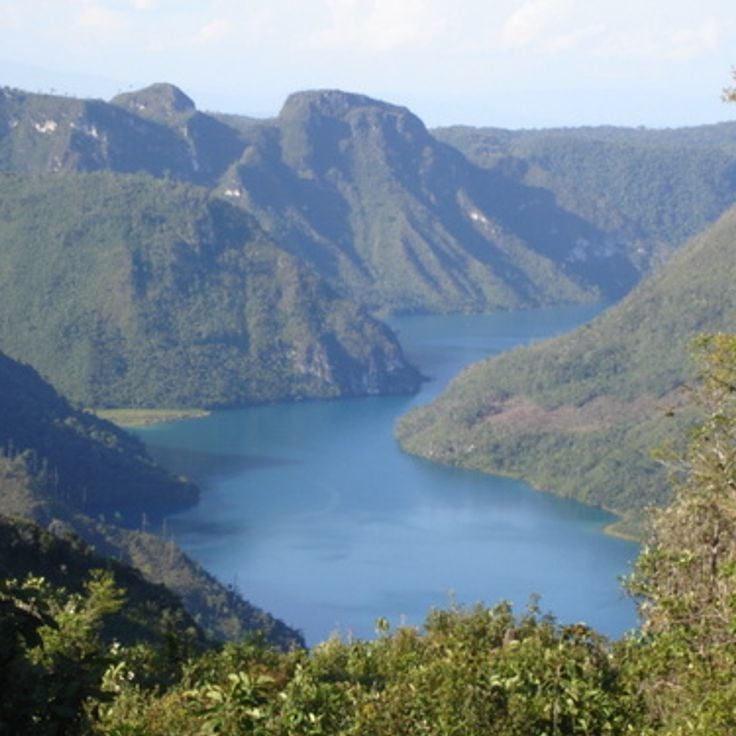
This turquoise lagoon in the mountain forests of Huehuetenango provides scenes of water surfaces surrounded by dense vegetation. The water's color shifts with light conditions, while tree canopies reflect along the shores. Photographers find opportunities for landscape shots and close studies of tropical flora here.
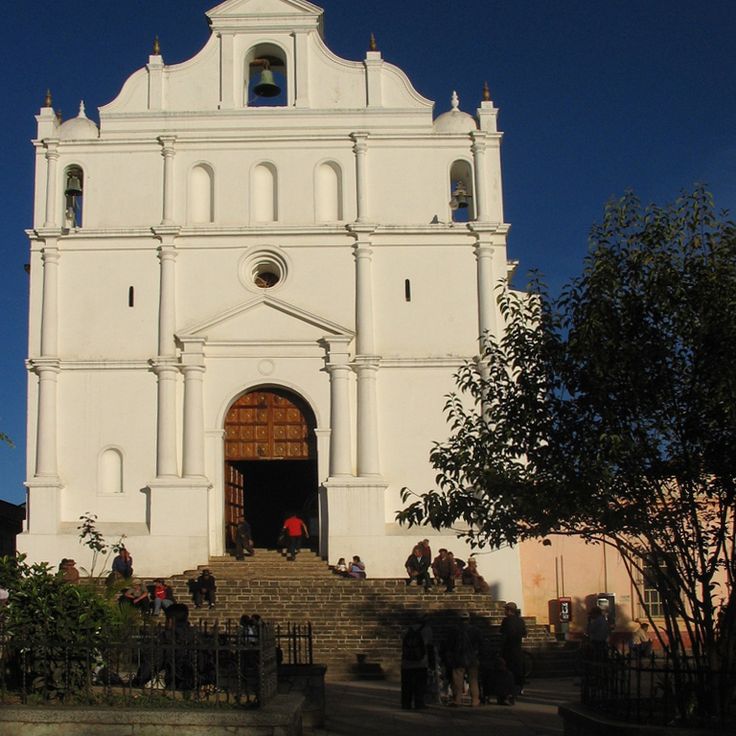
Santa Cruz del Quiché sits in the western highlands of Guatemala and preserves the heritage of the K'iche' kingdom. The Temple of Gukumatz stands at the site of the former capital K'umarcaaj. The colonial church on the main plaza was built with stones from the Maya ruins. Markets draw vendors from surrounding villages, and archaeological sites in the area provide photographic subjects ranging from pre-Hispanic to colonial Guatemala.
These caves form an extensive limestone system with multiple chambers and underground rivers flowing through Alta Verapaz. The network extends several miles and offers photo opportunities of stalactites, stalagmites, and passages with flowing water. Cuevas de Candelaria ranks among the more accessible cave systems in the Guatemalan highlands.
This ancient Maya site preserves a major hieroglyphic stairway documenting historic warfare events. Dos Pilas lies deep in the Petén rainforest and offers photographers a combination of archaeological structures, dense vegetation and the setting of a remote site that once served as a center of political conflict in the Maya lowlands. The plazas, altars and stelae integrate into the surrounding jungle.
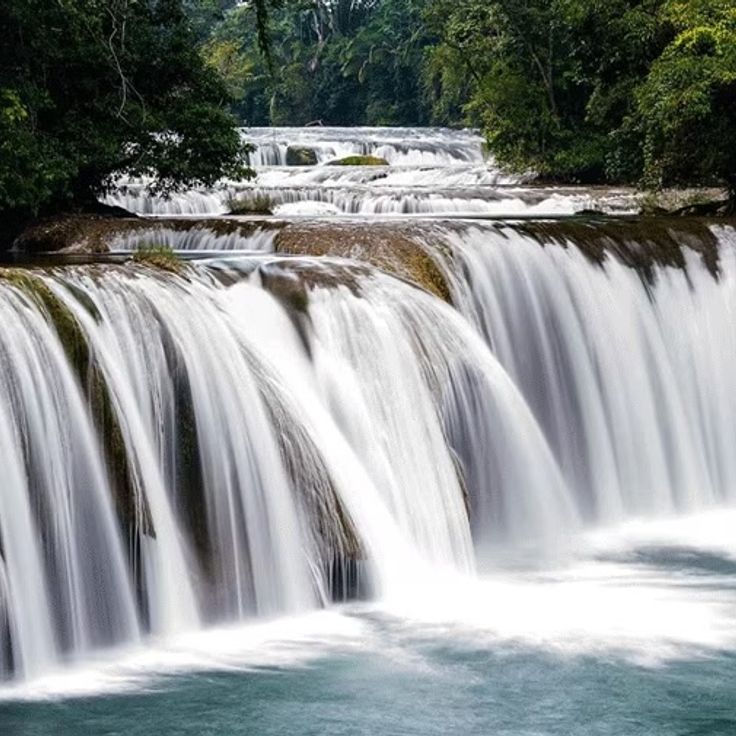
This series of cascading waterfalls and natural pools in the Alta Verapaz highlands offers photographers opportunities to capture flowing water, turquoise pools and dense tropical vegetation in a remote forest setting. Las Conchas combines multiple tiers of waterfalls with shallow swimming areas across a limestone landscape.
Nim Li Punit provides opportunities for photographing Maya stelae and plazas near the Belize-Guatemala border. This archaeological site preserves stone sculptures and structures from the Classic Period. Rainforest vegetation surrounds the exposed architecture, creating contrast between stone monuments and tropical growth for the camera.
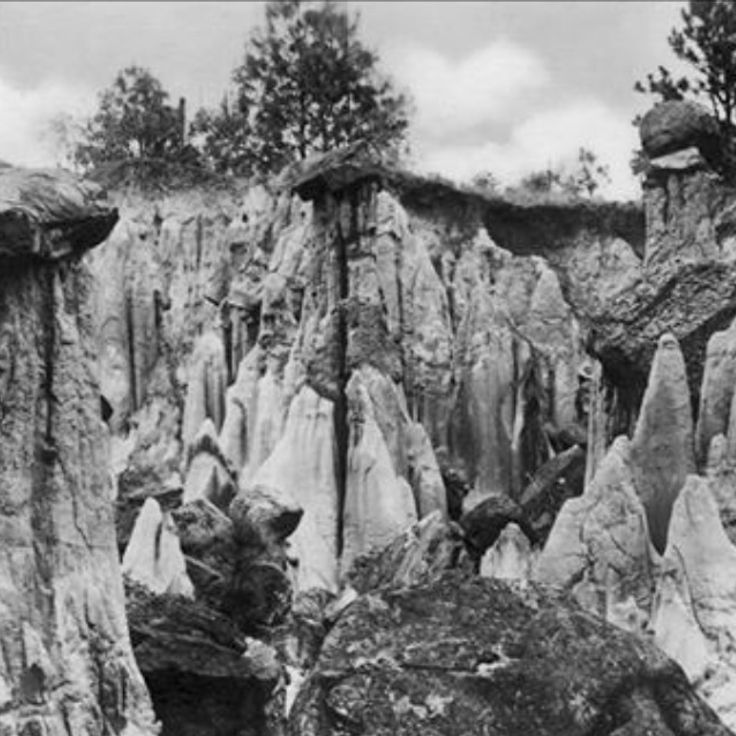
These rock formations rise above the Totonicapán highlands and provide photographers with unusual geological structures. The Riscos de Momostenango display erosion-carved towers and spires of volcanic rock that stand against the sky, creating opportunities for landscape shots featuring natural shapes and textures.
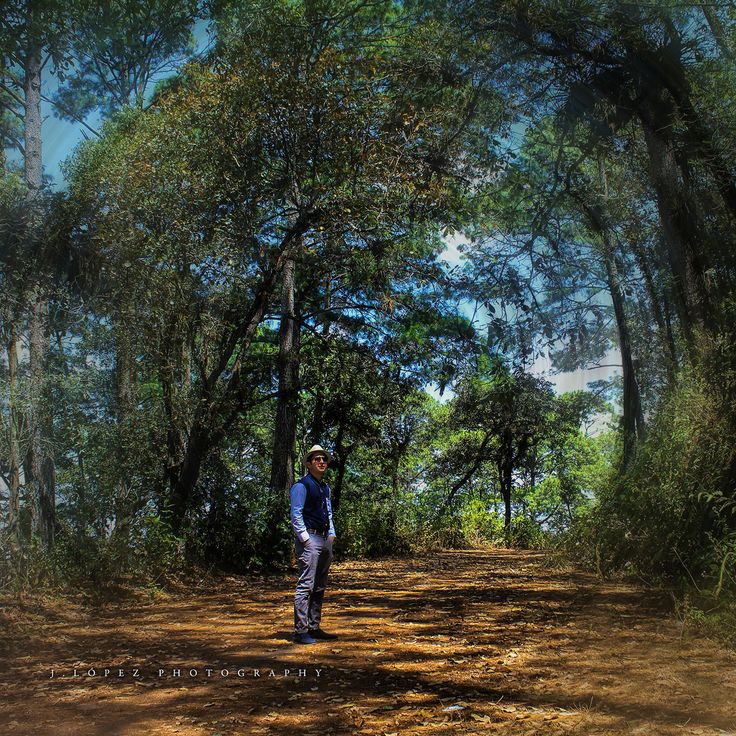
This national park sits in the coffee region near Cobán and offers trails through cloud forests and pine groves. Las Victorias shelters tropical bird species, howler monkeys and agoutis. Paths lead to viewpoints overlooking the surrounding highlands and work well for nature photography across different forest ecosystems.
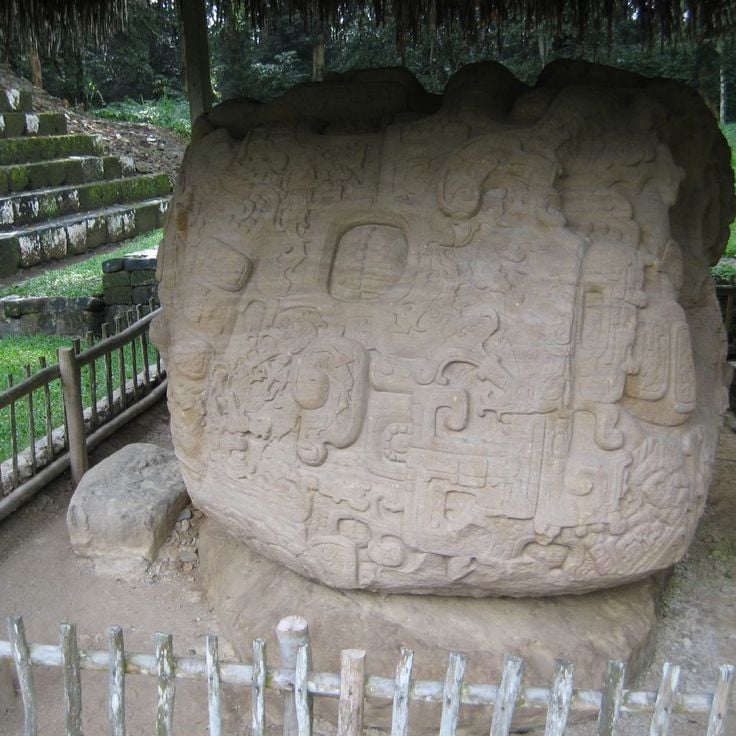
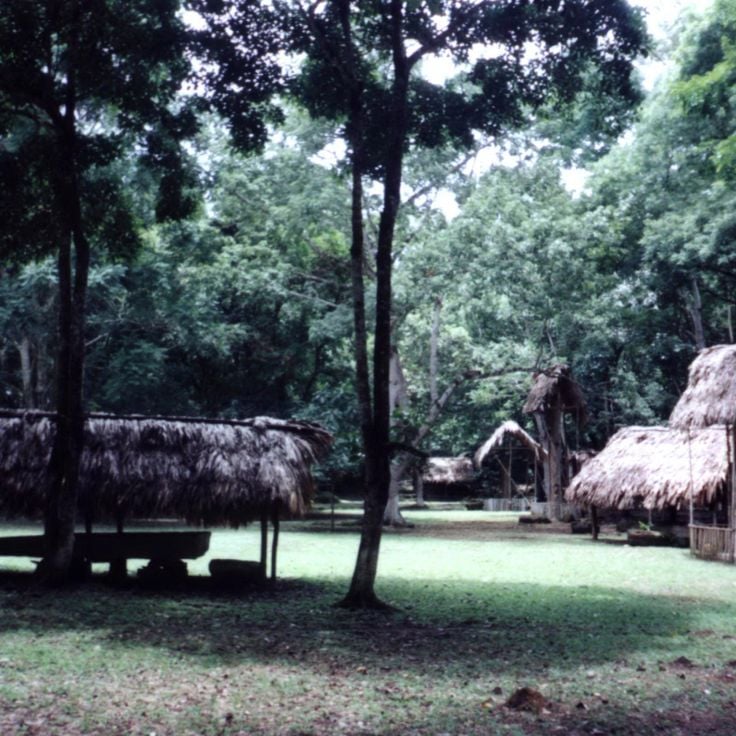
This Maya site in Guatemala provides opportunity to photograph some of the tallest stelae in the Maya world. Quiriguá preserves monumental sandstone monuments from the 8th century that stand within a parklike setting of rainforest trees. The site includes carved stelae, zoomorphs, and a central plaza, notable for their well-preserved glyphs and figural carvings.
This retreat inspired by Hobbit lore sits on a forested hillside above Antigua and provides several photo opportunities. Visitors find round doors set into earthen mounds and timber structures that recall Tolkien's Shire. The elevated position offers views of the surrounding volcanoes Agua, Fuego and Acatenango, as well as the Panchoy Valley. Trails lead through pine forest to viewpoints and themed installations that work for capturing the Guatemalan highland landscape.
This private nature reserve protects rivers and natural pools within forests and native vegetation. Hun Nal Ye provides locations for photographers documenting Guatemala's water landscapes and tropical flora. The pools form reflections of surrounding vegetation, while rivers flow through dense forest areas. The reserve combines freshwater ecosystems with rainforest elements, delivering shots of Guatemala's natural environments beyond the better known archaeological sites.
This colonial city displays baroque church facades, arcaded courtyards, and articulated pastel-colored fronts that extend across rectilinear street blocks. Antigua Guatemala sits between three volcanoes, offering architectural details such as carved doors, ironwork, and fountains in shaded patios that supply motifs for travel photography. Market squares and public plazas add further layers to the visual offering of the city.
Semuc Champey is a 300-meter (980-foot) limestone formation above the Cahabón River, where multiple turquoise pools of varying depth have formed. The pools offer opportunities to photograph natural rock structures, water reflections and surrounding vegetation. The river flows beneath the limestone bridge through a cave system, while calm water rests between the rocks at the surface.
This ancient Maya city in the Petén jungle is known for its tall temples and pyramids that rise from the dense rainforest. Tikal offers numerous photographic subjects, including the Great Plaza with its monumental structures, steep temple summits that tower above the tree canopy, and early morning views when mist drifts through the ruins and howler monkeys call from the trees.
This lake sits at 5,118 feet (1,560 meters) above sea level in Guatemala's western highlands and is framed by three volcanoes. Lake Atitlán provides views across the water to the peaks and to Maya villages along the shores. The changing light throughout the day allows for different captures of the volcanic landscape and traditional communities around the body of water.
This volcano offers hikers one of the finest vantage points in Guatemala. Acatenango stands adjacent to the active Fuego, allowing visitors to observe eruptions at close range. The ascent passes through cloud forests and open highland terrain to reach approximately 3,976 meters (13,045 feet). Most hikers camp on the summit for nighttime eruptions and sunrise views across the surrounding volcanoes.
This freestanding arch spans a street in the heart of Antigua, creating a frame for photographs with volcanoes rising in the background. The Santa Catalina Arch was built in the 17th century to give nuns a private passage between convent buildings. Its pastel yellow facade and upper clock tower form a recognizable composition. Photographers often position themselves south of the arch to capture Agua Volcano through the opening. Morning and late afternoon light emphasize the texture of the masonry and the color of the cobblestone street below.
This active volcano south of Guatemala City produces regular eruptions and offers hikers the chance to photograph glowing lava flows at close range. Pacaya Volcano reaches 8,373 feet (2,552 meters) in elevation and its smoking summit and black lava fields provide compelling subjects for the collection of photo locations in Guatemala.
Quetzaltenango sits in the western highlands and serves as Guatemala's second-largest city. The architecture reflects both colonial and neoclassical influences. Indigenous K'iche' traditions merge with urban life here. The surrounding area provides volcanoes and hot springs as photographic subjects.
This ancient Maya city in the Petén jungle provides numerous subjects for photographers. Yaxha encompasses roughly 500 structures, including pyramid temples, ball courts and plazas situated between two lakes. The combination of restored structures and surrounding rainforest creates conditions for diverse photographic approaches in Guatemala.
This river connects Lake Izabal to the Caribbean through a corridor of dense rainforest. Rapids and waterfalls mark sections of the waterway. Palms and broadleaf trees form a green canopy over much of the river. Fishing boats and small cargo barges travel the passage. Shorelines reveal mangroves and rock formations, while herons and pelicans search for food along the banks.
This market offers a wide selection of handcrafted goods and textiles in bright colors. Chichicastenango Market showcases traditional craftsmanship from the region with ceramics, wood carvings and woven fabrics. Photographers will find stalls displaying colorful merchandise, local vendors in traditional dress and the colonial Santo Tomás church that dominates the central plaza.
This coastal town on the Pacific shoreline is defined by its black volcanic sand beaches. The beaches of Monterrico extend for several miles and draw photographers interested in capturing the dark sand contrasts against ocean waters. The area also serves as an important sea turtle nesting ground. Photographic opportunities include coastal landscapes, mangrove forests in the backcountry, and fishing boats along the waterfront. The location offers shooting possibilities in varied lighting conditions, particularly during morning and evening hours along the coast.
Livingston, located on Guatemala's Caribbean coast, is one of the few communities in the country where Garifuna culture remains active. The town is accessible only by boat and differs notably from other regions of Guatemala. Punta music, Caribbean cuisine, and wooden houses on stilts form part of daily life here. Photographically, this coastal town offers scenes of Garifuna daily routines, fishing boats on the shore, and street life marked by vivid colors.
Santiago Atitlán is a town on the southern shore of Lake Atitlán known for its Tz'utujil Maya traditions. The community maintains religious practices, textile crafts, and ceremonies. The market displays local produce and woven textiles. Santiago Atitlán offers photographers scenes of community life and lake surroundings.
This archaeological site served as the political center of the Kaqchikel Maya from the late 15th century until the Spanish conquest. Iximche contains pyramids, plazas and ball courts positioned on a high plateau overlooking valleys and volcanoes. The preserved structures and open ceremonial spaces provide opportunities for capturing Maya architecture against a mountain backdrop.
Nebaj sits in the heart of the Ixil region and serves as the capital of this mountainous zone in Guatemala's highlands. The town provides opportunities to document Ixil Maya daily life, including traditional weaving, colorful dress and market scenes. The surrounding landscapes include pine forests and mountain trails.
These thermal springs sit at 7900 feet (2400 meters) in the mountains of Quetzaltenango, offering natural pools fed by mineral water. Fuentes Georginas is surrounded by cloud forest and features several pools of varying temperature set within a landscape of ferns and tropical vegetation. Stone pathways connect the pools while steam rises through the dense canopy. The area serves as a starting point for hikes into the surrounding highlands and provides photographers with subjects ranging from thermal formations to forest vegetation.
This village on the western shore of Lake Atitlán has developed into a center for yoga, meditation and holistic therapies. San Marcos La Laguna offers photographers quiet waterfront scenes with volcanic backdrops, wooden docks extending over the water and retreat centers surrounded by tropical vegetation. The relaxed pace and natural setting make it a distinctive subject for images beyond the larger tourist towns around the lake.
Flores sits on a small island in Lake Petén Itzá, presenting a compact core of colorful houses with red tile roofs and a palm-lined waterfront promenade. This town's streets wind steeply from the central plaza with its white church down to the water's edge. Photographers find subjects in the pastel-painted facades, lake views with distant volcanoes, and activity along the promenade during sunset hours.
These caves extend several miles through limestone formations and are traversed by the Lanquín River, which emerges at their entrance. Grutas de Lanquín offers photographers shots of subterranean chambers, stalactites, stalagmites and the daily exodus of thousands of bats at sunset. Located in the Guatemalan highlands, the caves are a major geological feature in the Alta Verapaz region and suit both natural history photography and long exposure work.
This archaeological site in Guatemala documents the cultural transition between Olmec and Maya civilizations through its stone monuments and sculptures. Takalik Abaj occupies several artificial terraces at the base of the Sierra Madre and preserves over 200 stone sculptures, including altars and stelae with early glyphic inscriptions. The site reveals structures from various construction phases between 800 BC and 900 AD, offering insights into ritual practices and trade connections of the region.
San Mateo Ixtatán preserves Chuj Maya culture and offers photographers colonial churches alongside traditional ways of life. This remote highland town in Huehuetenango sits near the Mexican border, where residents wear traditional dress in daily activities and practice local rituals. The settlement combines religious architecture with indigenous traditions, providing opportunities to document a Guatemalan community that has maintained its cultural identity.
This Spanish colonial fortress on the shore of Lake Izabal was built in the 17th century to protect against pirates. The stone walls and watchtowers provide angles across the water and surrounding hills. Photographers find subjects in colonial architecture and perspectives over Guatemala's largest lake.
This turquoise lagoon in the mountain forests of Huehuetenango provides scenes of water surfaces surrounded by dense vegetation. The water's color shifts with light conditions, while tree canopies reflect along the shores. Photographers find opportunities for landscape shots and close studies of tropical flora here.
Santa Cruz del Quiché sits in the western highlands of Guatemala and preserves the heritage of the K'iche' kingdom. The Temple of Gukumatz stands at the site of the former capital K'umarcaaj. The colonial church on the main plaza was built with stones from the Maya ruins. Markets draw vendors from surrounding villages, and archaeological sites in the area provide photographic subjects ranging from pre-Hispanic to colonial Guatemala.
These caves form an extensive limestone system with multiple chambers and underground rivers flowing through Alta Verapaz. The network extends several miles and offers photo opportunities of stalactites, stalagmites, and passages with flowing water. Cuevas de Candelaria ranks among the more accessible cave systems in the Guatemalan highlands.
This ancient Maya site preserves a major hieroglyphic stairway documenting historic warfare events. Dos Pilas lies deep in the Petén rainforest and offers photographers a combination of archaeological structures, dense vegetation and the setting of a remote site that once served as a center of political conflict in the Maya lowlands. The plazas, altars and stelae integrate into the surrounding jungle.
This series of cascading waterfalls and natural pools in the Alta Verapaz highlands offers photographers opportunities to capture flowing water, turquoise pools and dense tropical vegetation in a remote forest setting. Las Conchas combines multiple tiers of waterfalls with shallow swimming areas across a limestone landscape.
Nim Li Punit provides opportunities for photographing Maya stelae and plazas near the Belize-Guatemala border. This archaeological site preserves stone sculptures and structures from the Classic Period. Rainforest vegetation surrounds the exposed architecture, creating contrast between stone monuments and tropical growth for the camera.
These rock formations rise above the Totonicapán highlands and provide photographers with unusual geological structures. The Riscos de Momostenango display erosion-carved towers and spires of volcanic rock that stand against the sky, creating opportunities for landscape shots featuring natural shapes and textures.
This national park sits in the coffee region near Cobán and offers trails through cloud forests and pine groves. Las Victorias shelters tropical bird species, howler monkeys and agoutis. Paths lead to viewpoints overlooking the surrounding highlands and work well for nature photography across different forest ecosystems.
This Maya site in Guatemala provides opportunity to photograph some of the tallest stelae in the Maya world. Quiriguá preserves monumental sandstone monuments from the 8th century that stand within a parklike setting of rainforest trees. The site includes carved stelae, zoomorphs, and a central plaza, notable for their well-preserved glyphs and figural carvings.
This retreat inspired by Hobbit lore sits on a forested hillside above Antigua and provides several photo opportunities. Visitors find round doors set into earthen mounds and timber structures that recall Tolkien's Shire. The elevated position offers views of the surrounding volcanoes Agua, Fuego and Acatenango, as well as the Panchoy Valley. Trails lead through pine forest to viewpoints and themed installations that work for capturing the Guatemalan highland landscape.
This private nature reserve protects rivers and natural pools within forests and native vegetation. Hun Nal Ye provides locations for photographers documenting Guatemala's water landscapes and tropical flora. The pools form reflections of surrounding vegetation, while rivers flow through dense forest areas. The reserve combines freshwater ecosystems with rainforest elements, delivering shots of Guatemala's natural environments beyond the better known archaeological sites.
This colonial city displays baroque church facades, arcaded courtyards, and articulated pastel-colored fronts that extend across rectilinear street blocks. Antigua Guatemala sits between three volcanoes, offering architectural details such as carved doors, ironwork, and fountains in shaded patios that supply motifs for travel photography. Market squares and public plazas add further layers to the visual offering of the city.
Semuc Champey is a 300-meter (980-foot) limestone formation above the Cahabón River, where multiple turquoise pools of varying depth have formed. The pools offer opportunities to photograph natural rock structures, water reflections and surrounding vegetation. The river flows beneath the limestone bridge through a cave system, while calm water rests between the rocks at the surface.
This ancient Maya city in the Petén jungle is known for its tall temples and pyramids that rise from the dense rainforest. Tikal offers numerous photographic subjects, including the Great Plaza with its monumental structures, steep temple summits that tower above the tree canopy, and early morning views when mist drifts through the ruins and howler monkeys call from the trees.
This lake sits at 5,118 feet (1,560 meters) above sea level in Guatemala's western highlands and is framed by three volcanoes. Lake Atitlán provides views across the water to the peaks and to Maya villages along the shores. The changing light throughout the day allows for different captures of the volcanic landscape and traditional communities around the body of water.
This volcano offers hikers one of the finest vantage points in Guatemala. Acatenango stands adjacent to the active Fuego, allowing visitors to observe eruptions at close range. The ascent passes through cloud forests and open highland terrain to reach approximately 3,976 meters (13,045 feet). Most hikers camp on the summit for nighttime eruptions and sunrise views across the surrounding volcanoes.
This freestanding arch spans a street in the heart of Antigua, creating a frame for photographs with volcanoes rising in the background. The Santa Catalina Arch was built in the 17th century to give nuns a private passage between convent buildings. Its pastel yellow facade and upper clock tower form a recognizable composition. Photographers often position themselves south of the arch to capture Agua Volcano through the opening. Morning and late afternoon light emphasize the texture of the masonry and the color of the cobblestone street below.
This active volcano south of Guatemala City produces regular eruptions and offers hikers the chance to photograph glowing lava flows at close range. Pacaya Volcano reaches 8,373 feet (2,552 meters) in elevation and its smoking summit and black lava fields provide compelling subjects for the collection of photo locations in Guatemala.
Quetzaltenango sits in the western highlands and serves as Guatemala's second-largest city. The architecture reflects both colonial and neoclassical influences. Indigenous K'iche' traditions merge with urban life here. The surrounding area provides volcanoes and hot springs as photographic subjects.
This ancient Maya city in the Petén jungle provides numerous subjects for photographers. Yaxha encompasses roughly 500 structures, including pyramid temples, ball courts and plazas situated between two lakes. The combination of restored structures and surrounding rainforest creates conditions for diverse photographic approaches in Guatemala.
This river connects Lake Izabal to the Caribbean through a corridor of dense rainforest. Rapids and waterfalls mark sections of the waterway. Palms and broadleaf trees form a green canopy over much of the river. Fishing boats and small cargo barges travel the passage. Shorelines reveal mangroves and rock formations, while herons and pelicans search for food along the banks.
This market offers a wide selection of handcrafted goods and textiles in bright colors. Chichicastenango Market showcases traditional craftsmanship from the region with ceramics, wood carvings and woven fabrics. Photographers will find stalls displaying colorful merchandise, local vendors in traditional dress and the colonial Santo Tomás church that dominates the central plaza.
This coastal town on the Pacific shoreline is defined by its black volcanic sand beaches. The beaches of Monterrico extend for several miles and draw photographers interested in capturing the dark sand contrasts against ocean waters. The area also serves as an important sea turtle nesting ground. Photographic opportunities include coastal landscapes, mangrove forests in the backcountry, and fishing boats along the waterfront. The location offers shooting possibilities in varied lighting conditions, particularly during morning and evening hours along the coast.
Livingston, located on Guatemala's Caribbean coast, is one of the few communities in the country where Garifuna culture remains active. The town is accessible only by boat and differs notably from other regions of Guatemala. Punta music, Caribbean cuisine, and wooden houses on stilts form part of daily life here. Photographically, this coastal town offers scenes of Garifuna daily routines, fishing boats on the shore, and street life marked by vivid colors.
Santiago Atitlán is a town on the southern shore of Lake Atitlán known for its Tz'utujil Maya traditions. The community maintains religious practices, textile crafts, and ceremonies. The market displays local produce and woven textiles. Santiago Atitlán offers photographers scenes of community life and lake surroundings.
This archaeological site served as the political center of the Kaqchikel Maya from the late 15th century until the Spanish conquest. Iximche contains pyramids, plazas and ball courts positioned on a high plateau overlooking valleys and volcanoes. The preserved structures and open ceremonial spaces provide opportunities for capturing Maya architecture against a mountain backdrop.
Nebaj sits in the heart of the Ixil region and serves as the capital of this mountainous zone in Guatemala's highlands. The town provides opportunities to document Ixil Maya daily life, including traditional weaving, colorful dress and market scenes. The surrounding landscapes include pine forests and mountain trails.
These thermal springs sit at 7900 feet (2400 meters) in the mountains of Quetzaltenango, offering natural pools fed by mineral water. Fuentes Georginas is surrounded by cloud forest and features several pools of varying temperature set within a landscape of ferns and tropical vegetation. Stone pathways connect the pools while steam rises through the dense canopy. The area serves as a starting point for hikes into the surrounding highlands and provides photographers with subjects ranging from thermal formations to forest vegetation.
This village on the western shore of Lake Atitlán has developed into a center for yoga, meditation and holistic therapies. San Marcos La Laguna offers photographers quiet waterfront scenes with volcanic backdrops, wooden docks extending over the water and retreat centers surrounded by tropical vegetation. The relaxed pace and natural setting make it a distinctive subject for images beyond the larger tourist towns around the lake.
Flores sits on a small island in Lake Petén Itzá, presenting a compact core of colorful houses with red tile roofs and a palm-lined waterfront promenade. This town's streets wind steeply from the central plaza with its white church down to the water's edge. Photographers find subjects in the pastel-painted facades, lake views with distant volcanoes, and activity along the promenade during sunset hours.
These caves extend several miles through limestone formations and are traversed by the Lanquín River, which emerges at their entrance. Grutas de Lanquín offers photographers shots of subterranean chambers, stalactites, stalagmites and the daily exodus of thousands of bats at sunset. Located in the Guatemalan highlands, the caves are a major geological feature in the Alta Verapaz region and suit both natural history photography and long exposure work.
This archaeological site in Guatemala documents the cultural transition between Olmec and Maya civilizations through its stone monuments and sculptures. Takalik Abaj occupies several artificial terraces at the base of the Sierra Madre and preserves over 200 stone sculptures, including altars and stelae with early glyphic inscriptions. The site reveals structures from various construction phases between 800 BC and 900 AD, offering insights into ritual practices and trade connections of the region.
San Mateo Ixtatán preserves Chuj Maya culture and offers photographers colonial churches alongside traditional ways of life. This remote highland town in Huehuetenango sits near the Mexican border, where residents wear traditional dress in daily activities and practice local rituals. The settlement combines religious architecture with indigenous traditions, providing opportunities to document a Guatemalan community that has maintained its cultural identity.
This Spanish colonial fortress on the shore of Lake Izabal was built in the 17th century to protect against pirates. The stone walls and watchtowers provide angles across the water and surrounding hills. Photographers find subjects in colonial architecture and perspectives over Guatemala's largest lake.
This turquoise lagoon in the mountain forests of Huehuetenango provides scenes of water surfaces surrounded by dense vegetation. The water's color shifts with light conditions, while tree canopies reflect along the shores. Photographers find opportunities for landscape shots and close studies of tropical flora here.
Santa Cruz del Quiché sits in the western highlands of Guatemala and preserves the heritage of the K'iche' kingdom. The Temple of Gukumatz stands at the site of the former capital K'umarcaaj. The colonial church on the main plaza was built with stones from the Maya ruins. Markets draw vendors from surrounding villages, and archaeological sites in the area provide photographic subjects ranging from pre-Hispanic to colonial Guatemala.
These caves form an extensive limestone system with multiple chambers and underground rivers flowing through Alta Verapaz. The network extends several miles and offers photo opportunities of stalactites, stalagmites, and passages with flowing water. Cuevas de Candelaria ranks among the more accessible cave systems in the Guatemalan highlands.
This ancient Maya site preserves a major hieroglyphic stairway documenting historic warfare events. Dos Pilas lies deep in the Petén rainforest and offers photographers a combination of archaeological structures, dense vegetation and the setting of a remote site that once served as a center of political conflict in the Maya lowlands. The plazas, altars and stelae integrate into the surrounding jungle.
This series of cascading waterfalls and natural pools in the Alta Verapaz highlands offers photographers opportunities to capture flowing water, turquoise pools and dense tropical vegetation in a remote forest setting. Las Conchas combines multiple tiers of waterfalls with shallow swimming areas across a limestone landscape.
Nim Li Punit provides opportunities for photographing Maya stelae and plazas near the Belize-Guatemala border. This archaeological site preserves stone sculptures and structures from the Classic Period. Rainforest vegetation surrounds the exposed architecture, creating contrast between stone monuments and tropical growth for the camera.
These rock formations rise above the Totonicapán highlands and provide photographers with unusual geological structures. The Riscos de Momostenango display erosion-carved towers and spires of volcanic rock that stand against the sky, creating opportunities for landscape shots featuring natural shapes and textures.
This national park sits in the coffee region near Cobán and offers trails through cloud forests and pine groves. Las Victorias shelters tropical bird species, howler monkeys and agoutis. Paths lead to viewpoints overlooking the surrounding highlands and work well for nature photography across different forest ecosystems.
This Maya site in Guatemala provides opportunity to photograph some of the tallest stelae in the Maya world. Quiriguá preserves monumental sandstone monuments from the 8th century that stand within a parklike setting of rainforest trees. The site includes carved stelae, zoomorphs, and a central plaza, notable for their well-preserved glyphs and figural carvings.