These preserved submarines open their hatches to visitors who want to see where sailors lived and fought beneath the ocean surface. From World War II patrol boats that hunted across the Pacific to the first nuclear-powered vessel that changed naval history forever, each submarine reveals the cramped reality of underwater service. You walk through narrow steel corridors, peer into bunks stacked three high, and stand where officers once studied charts and gave orders in near silence. The collection includes vessels from harbors across the United States and around the world, each one a working museum where the instruments, torpedo tubes, and engine rooms remain as they were during active duty. Some of these submarines sank enemy warships and rescued Allied prisoners during the Second World War. Others served through the Cold War, carrying crews on patrols that lasted weeks without seeing daylight. A few pushed the limits of technology, proving that nuclear reactors could power a vessel across thousands of miles and even under the polar ice. Whether docked in a busy port or resting beside a quiet lake, these submarines bring you face to face with the men who descended into the deep, closed the hatch, and did their work in spaces smaller than a city bus.
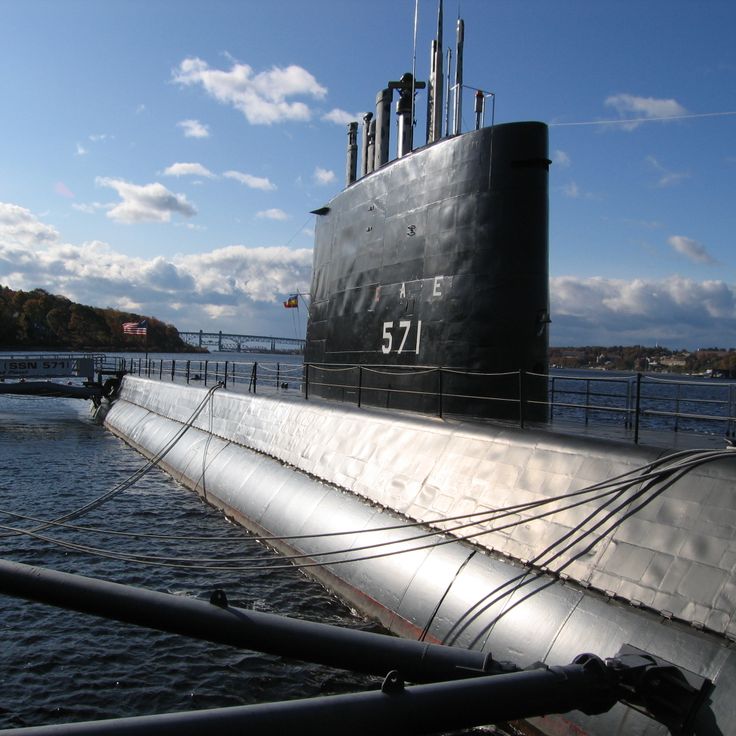
Groton, Connecticut, United States
This submarine was the first in the world to run on nuclear power, ushering in a new era of underwater travel. The USS Nautilus now stands open as a museum, letting visitors walk through the control room and the tight crew spaces where the sailors worked and lived. You can see the original instruments, the torpedo tubes, and the bunks where the crew slept. The vessel sailed under the North Pole in 1958, the first submarine ever to do so, proving what nuclear propulsion could achieve.
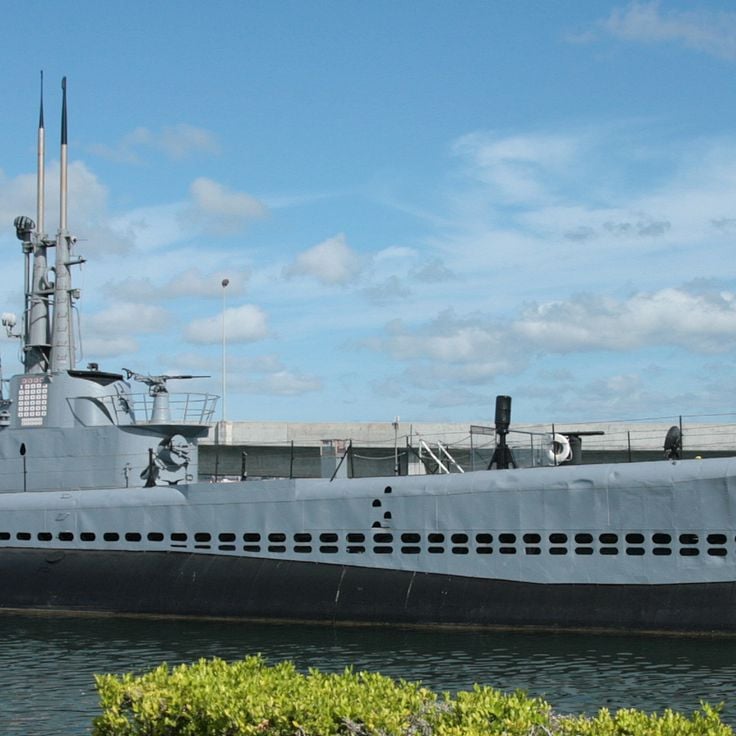
Pearl Harbor, Hawaii, United States
This World War II submarine sits in Pearl Harbor and carries the nickname Pearl Harbor Avenger. Commissioned in 1942, exactly one year after the attack on the naval base, it completed nine war patrols across the Pacific. Visitors walk through narrow passageways past torpedo tubes, bunks, and the control room where the crew spent months underwater. The tour shows daily life aboard, from meals in the cramped galley to operating the periscopes. The submarine rests near the site where the Pacific war began, connecting the story of silent warfare with the larger conflict that changed Hawaii.
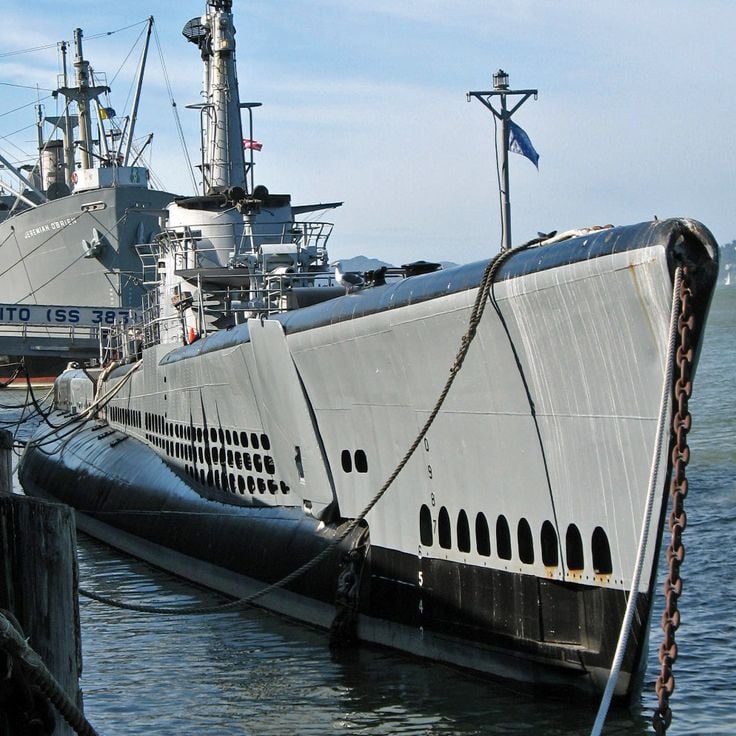
San Francisco, California, United States
This Second World War submarine sits at Fisherman's Wharf and shows how American crews lived in the Pacific theater. USS Pampanito completed six war patrols between 1943 and 1945, sinking Japanese ships and rescuing survivors from Allied prison transports. Visitors walk through the narrow torpedo rooms where men slept between the weapons, and the tight passageways where the crew moved in shifts. Bunks stack close, ceilings hang low, and pipes run along every wall. The control room still holds the periscopes, depth gauges, and steering wheels. You can climb through the forward hatch and feel how little space 80 men shared for months at sea. After the war the boat served as a training vessel until it became a museum in 1971.
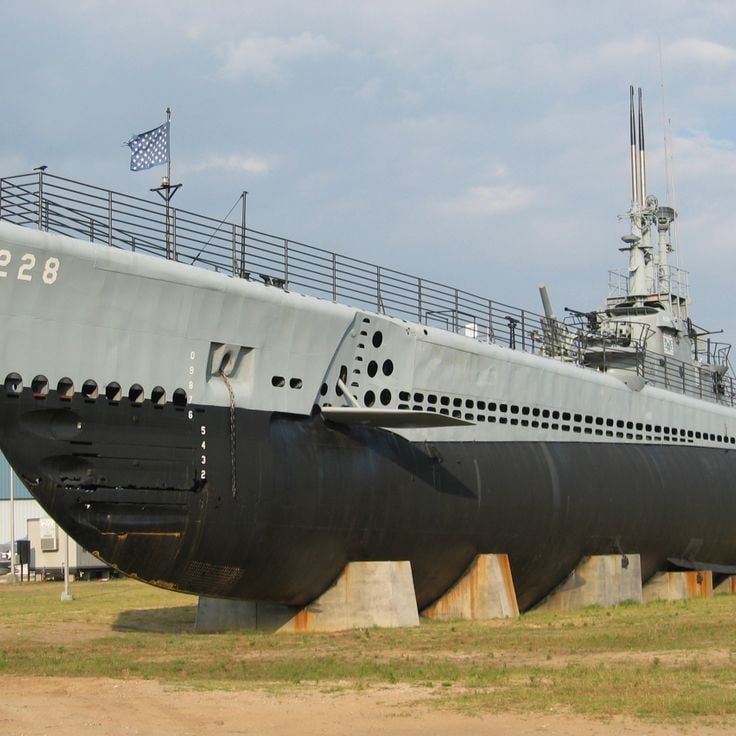
Mobile, Alabama, United States
This submarine from World War II is one of the oldest surviving American vessels of its kind, now sitting in a park along the Gulf Coast. It completed numerous patrols across the Pacific and sank several Japanese ships during its service. Visitors can walk through the narrow passageways, see the torpedo rooms, and look at the small bunks where the crew slept in shifts. The spaces are tight and low, and you can immediately feel how difficult life must have been underwater. The instruments and levers are still in place, and you can easily imagine the men working here in shifts, day and night, without seeing the sun.
Cleveland, Ohio, United States
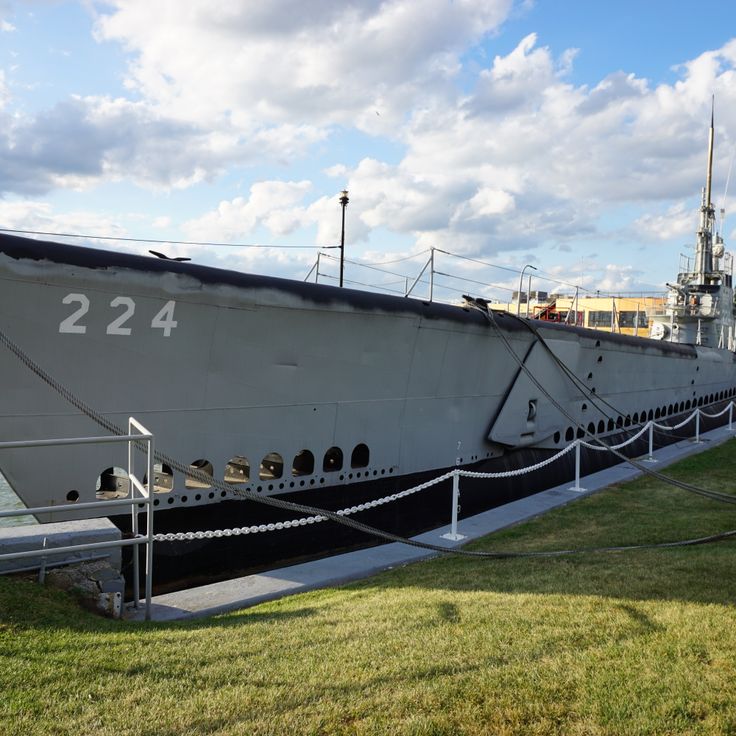
This submarine completed multiple patrols in the Pacific during World War II and now rests along the shore of Lake Erie. Visitors can walk through narrow passageways on their own, see the torpedo room, examine the crew bunks, and explore the control center where officers once navigated and gave orders. USS Cod is one of the few surviving vessels of its kind that still maintains its original configuration, showing how sailors lived, worked, and fought in confined spaces beneath the ocean surface.
Manitowoc, Wisconsin, United States
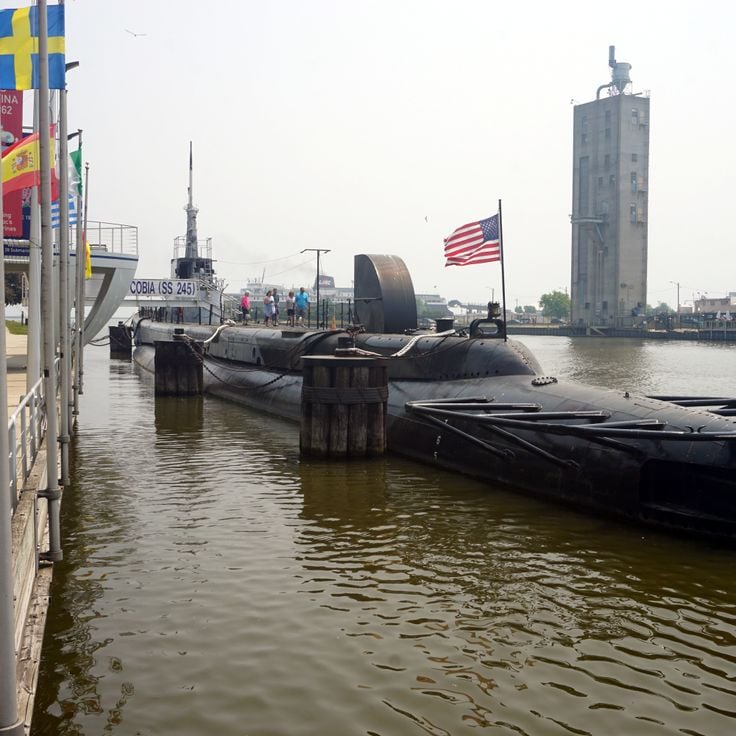
This World War II submarine sits near the shipyard where dozens of similar vessels were built. USS Cobia takes visitors through narrow corridors past torpedo tubes, sleeping bunks, and control stations. You see the galley where the crew prepared meals and the engine rooms with diesel motors and electric drives. The boat served in the Pacific and sank several enemy ships. Today it shows how men lived and worked for months underwater in tight spaces, without daylight or fresh air.
Muskegon, United States
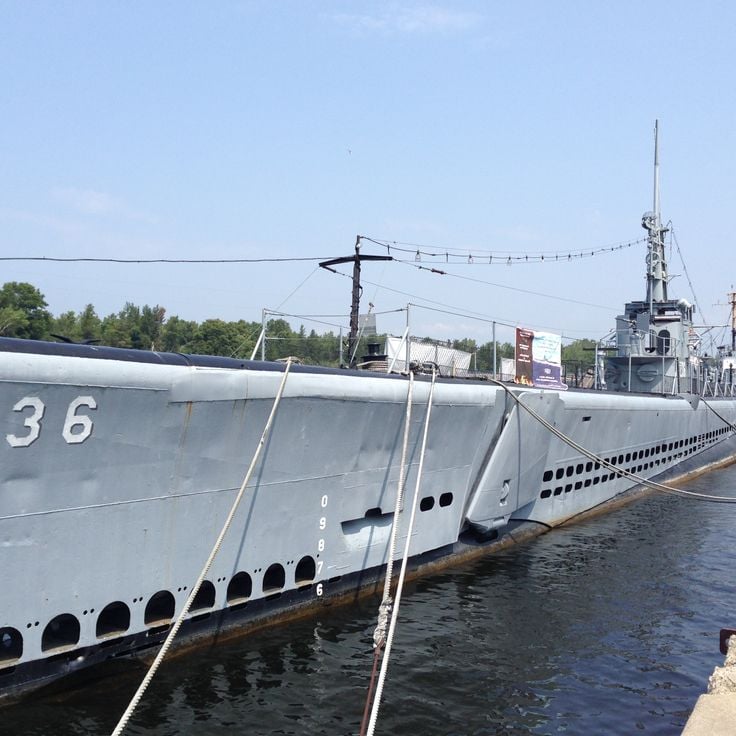
This World War II submarine sits in a Muskegon harbor, far from the Pacific waters where it once hunted on patrol. USS Silversides completed fourteen war patrols and sank more than two dozen enemy vessels. Today it opens its hatches for visitors who walk through narrow steel corridors and see where sailors slept in bunks stacked three high. You stand in the conning tower where officers once gave orders. The torpedo tubes and engine rooms remain as they were during active service. This Second World War vessel shows the cramped reality of life under the ocean surface.
Portland, Oregon, United States
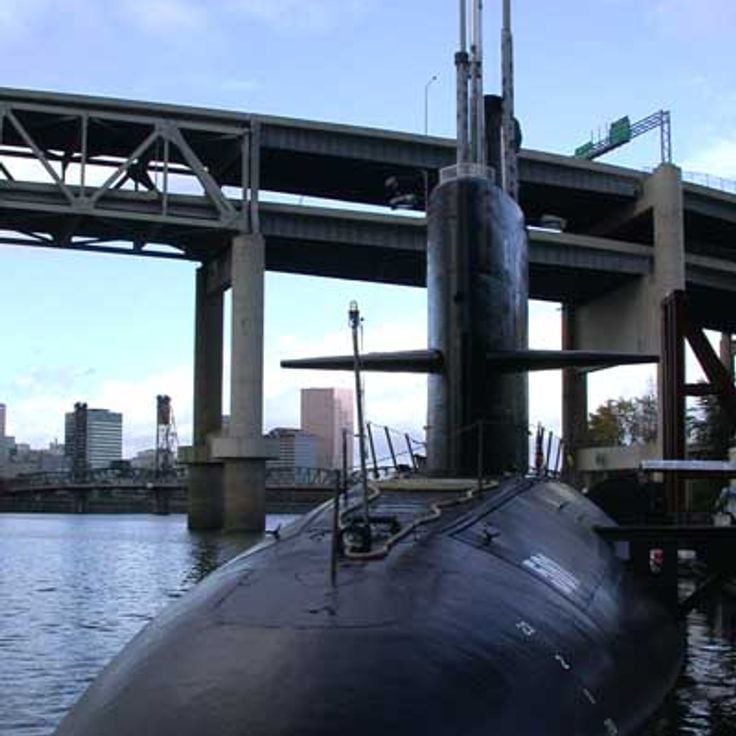
This submarine was the last diesel-powered vessel built for the US Navy before nuclear propulsion became standard. Commissioned in 1959, it served for over thirty years before being donated to a science museum on the Willamette River. Visitors can walk through the narrow passageways, see the crew's sleeping bunks, and explore the control room where periscopes and navigation instruments remain in place. The USS Blueback offers a direct look at life underwater during the Cold War, when crews spent weeks or months at sea without sunlight or fresh air. The vessel also appeared in film footage and stands today as a tangible piece of naval history.
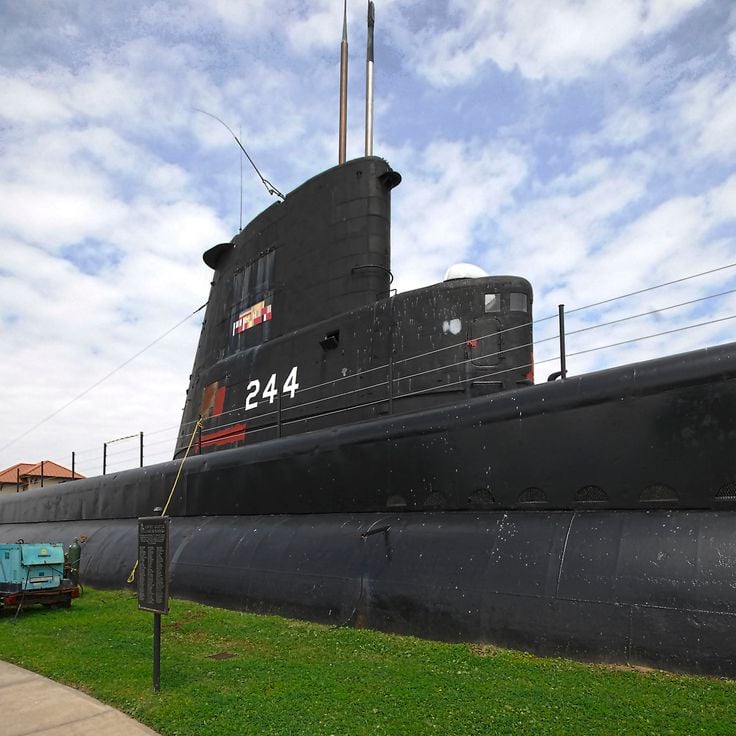
Galveston, Texas, United States
This submarine sank the Japanese aircraft carrier Shōkaku in 1944 during the Battle of the Philippine Sea and later served as a training vessel during the Cold War. The USS Cavalla now rests at the Galveston harbor, where visitors can walk through the torpedo rooms, officers' mess, and control center. The narrow steel corridors show how the crew lived and worked underwater for months at a time.
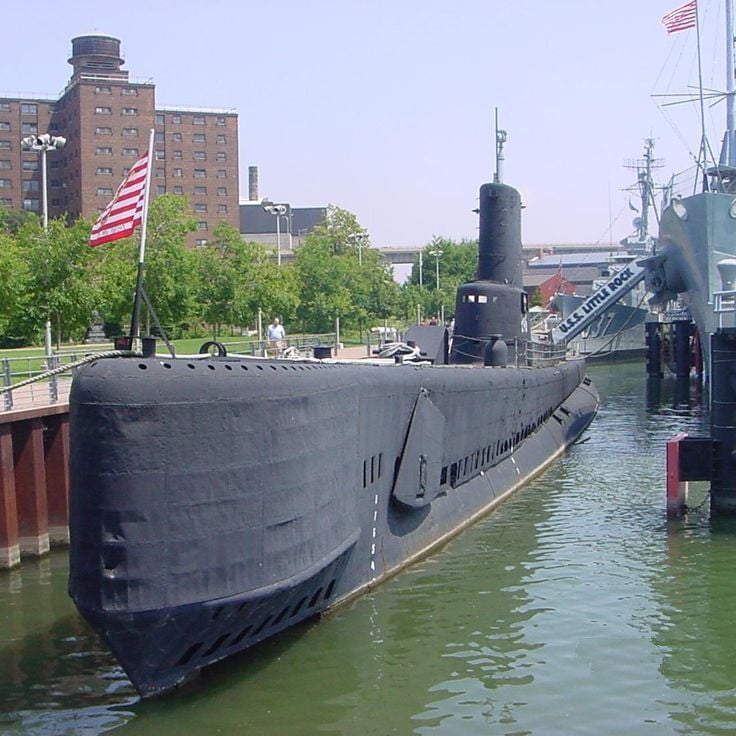
Buffalo, New York, United States
This World War II submarine sits in a canal, showing the tight spaces where crews lived underwater. Inside, you can walk through the torpedo rooms where weapons were loaded and see the bunks where sailors slept between missions. The USS Croaker served in the Pacific and sank several enemy ships before being retired. Today it gives a sense of daily life below deck: narrow passages, small sleeping quarters, and control panels that once kept the crew alive.
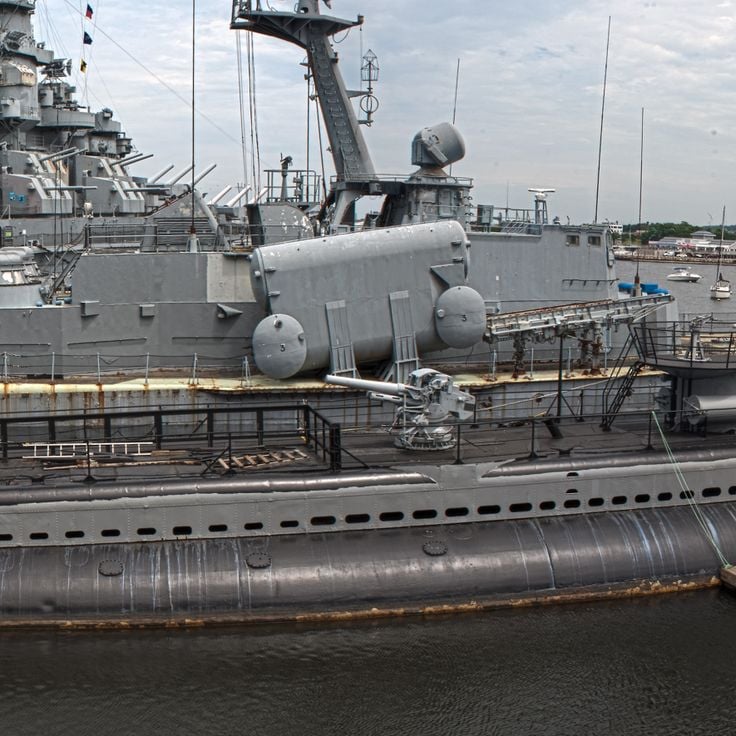
Fall River, Massachusetts, United States
This submarine served in the Pacific during World War II and later took part in training missions. It now sits in Fall River as part of a maritime museum, where visitors can walk through narrow passageways and crew quarters. The USS Lionfish shows how American sailors lived and worked beneath the ocean surface. The spaces are tight, the hatches low, and everything feels as though the men just left their posts. You see sleeping bunks, torpedo tubes, and the control room with its many levers and gauges.
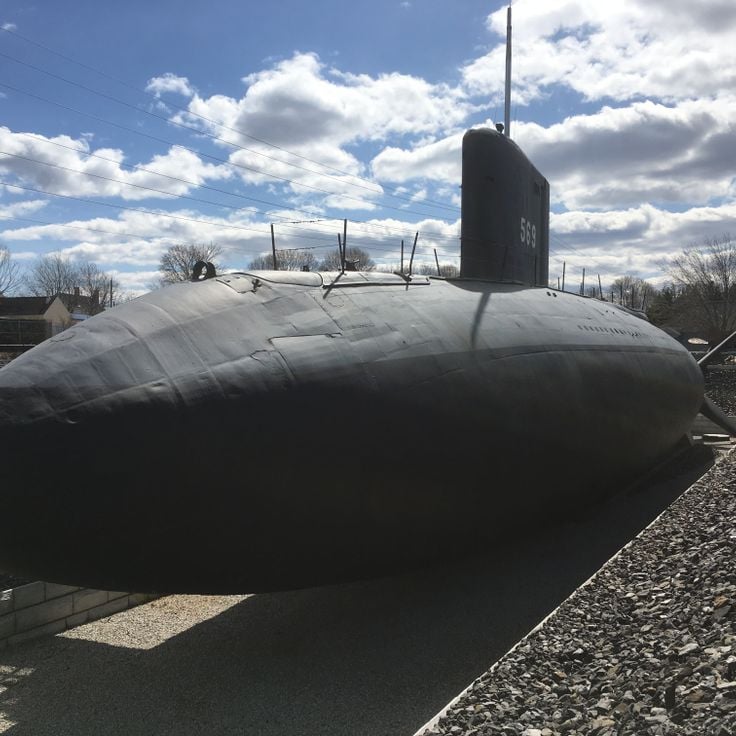
Portsmouth, New Hampshire, United States
This submarine was a test vessel for new hull shapes and propulsion technologies that were later adopted by navies around the world. The USS Albacore now sits as a museum near the shipyard where it was built in the early 1950s. Visitors can walk through the narrow passageways, see the control center, and understand how engineers here developed ideas that made submarines faster and more maneuverable.
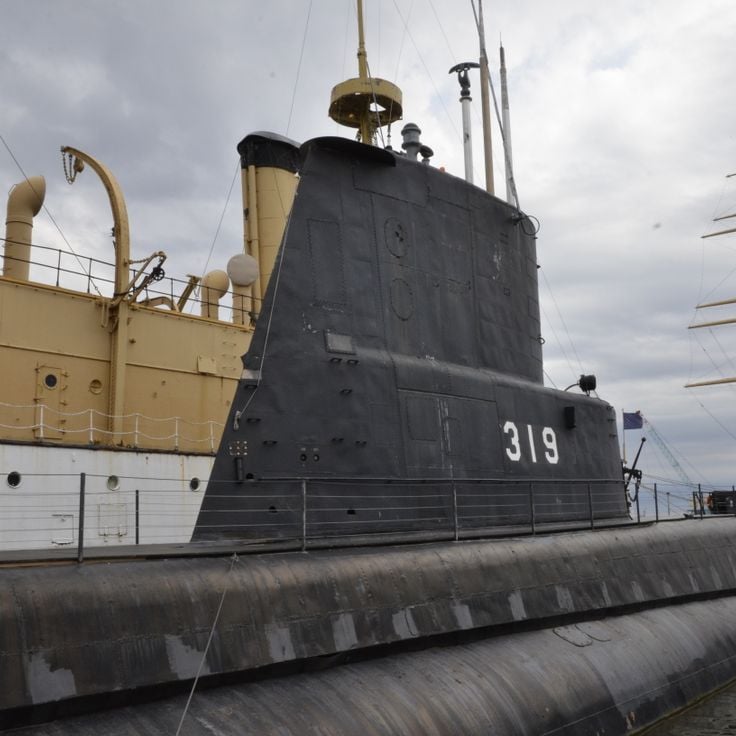
Philadelphia, Pennsylvania, United States
This submarine patrolled the Pacific during World War II and now rests at a historic waterfront berth alongside other museum vessels. The USS Becuna shows what life was like for the crew in tight spaces beneath the surface, where sailors spent months without daylight. Visitors can walk through the torpedo rooms, control center, and sleeping quarters to see the equipment and technology from the 1940s. The vessel is part of a group of naval ships docked at the same pier, each representing different periods of maritime warfare.
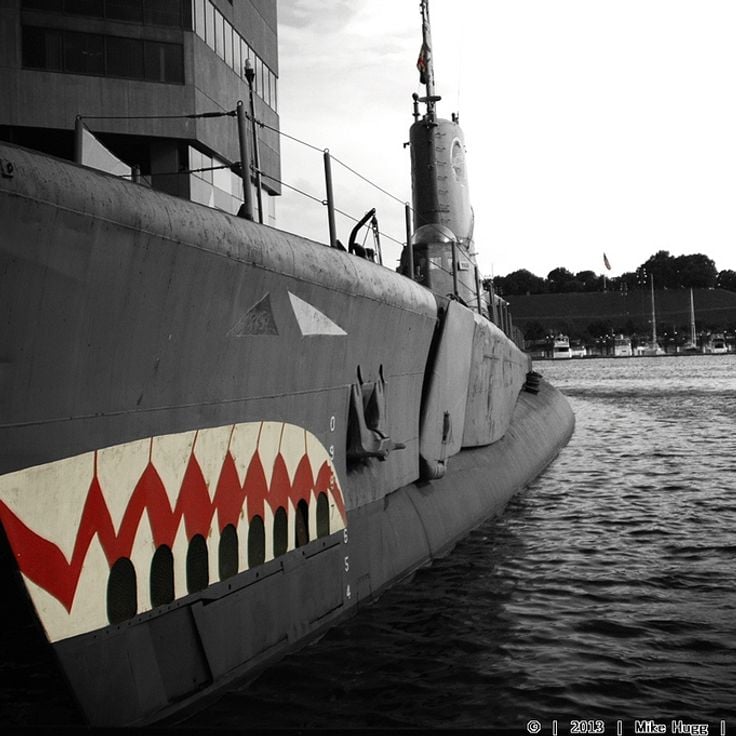
Baltimore, Maryland, United States
This submarine fired the last torpedo attack of World War II and now rests as a museum in Baltimore's Inner Harbor. The USS Torsk ran patrols in the Pacific and sank Japanese vessels in the final days of the war. Visitors can walk through the narrow passageways where the crew lived for months beneath the surface. The crew quarters show how little space each sailor had. In the control room, the periscopes and navigation equipment still stand. The torpedo room demonstrates how the weapons were loaded and launched. The USS Torsk is one of the preserved submarines from the war that offers a look at daily life underwater.
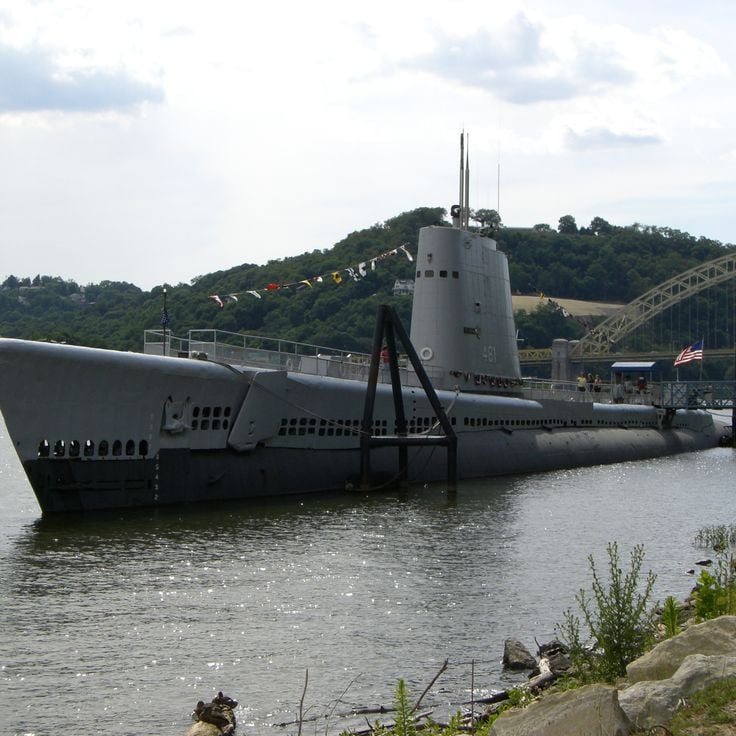
Pittsburgh, Pennsylvania, United States
This submarine served during the Cold War and now rests at a science center in Pittsburgh, where visitors can climb through the original hatches and explore the tight spaces where sailors once lived and worked. The USS Requin is one of those vessels that was modernized after World War II and spent decades patrolling beneath the surface. Walking through the passageways, control room, and sleeping quarters makes clear how limited space was and what demands life underwater placed on the crew.
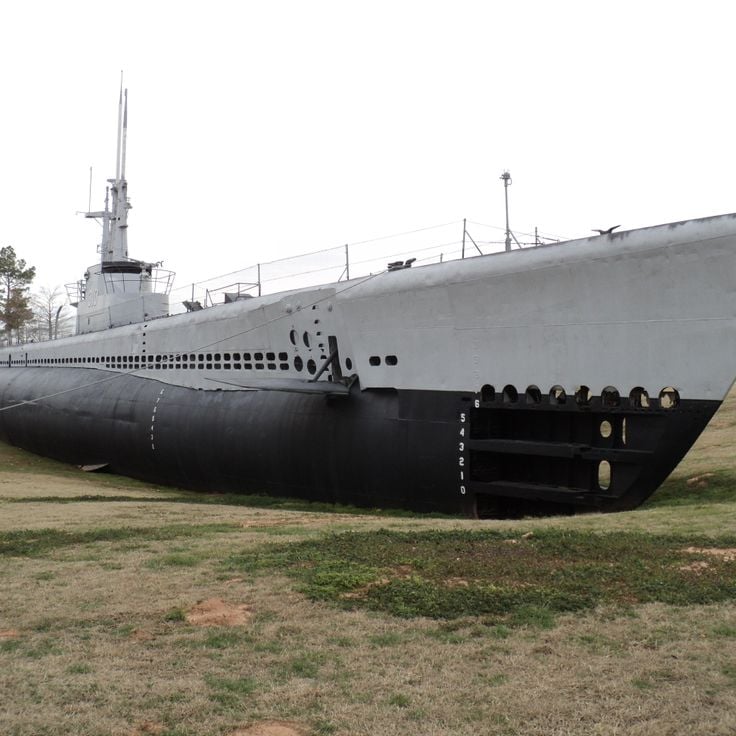
Muskogee, Oklahoma, United States
The USS Batfish sank three Japanese submarines in four days during World War II and now rests in a park in Oklahoma, over a thousand miles from the ocean. This Balao-class submarine ran seven war patrols from 1943 to 1946, then served through the Cold War until 1969. Visitors can walk through the narrow passageways where 80 men lived underwater for months, see the torpedo room, and explore the control center. The crew quarters show life in bunks stacked three high, and the galley where meals were prepared for the entire crew.
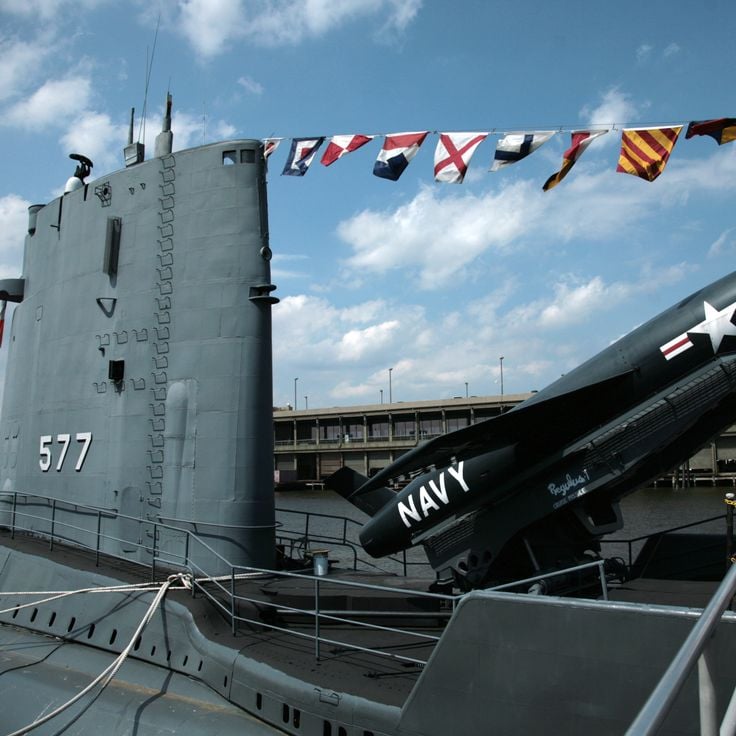
New York, New York, United States
This guided missile submarine from the Cold War sits at a New York pier and opens its compartments to visitors. The Growler was built in the fifties and carried nuclear missiles long before such weapons became common on smaller submarines. On board you see the tight missile room where two large projectiles were stored, the control center with its levers and gauges, and the narrow passageways the crew moved through. The boat shows how engineers tried to fit new weapon systems into the limited dimensions of a submarine. The air feels cool and muted, the metal once echoed with the steps of sailors. Here you experience the reality of life underwater during a time of global tension.
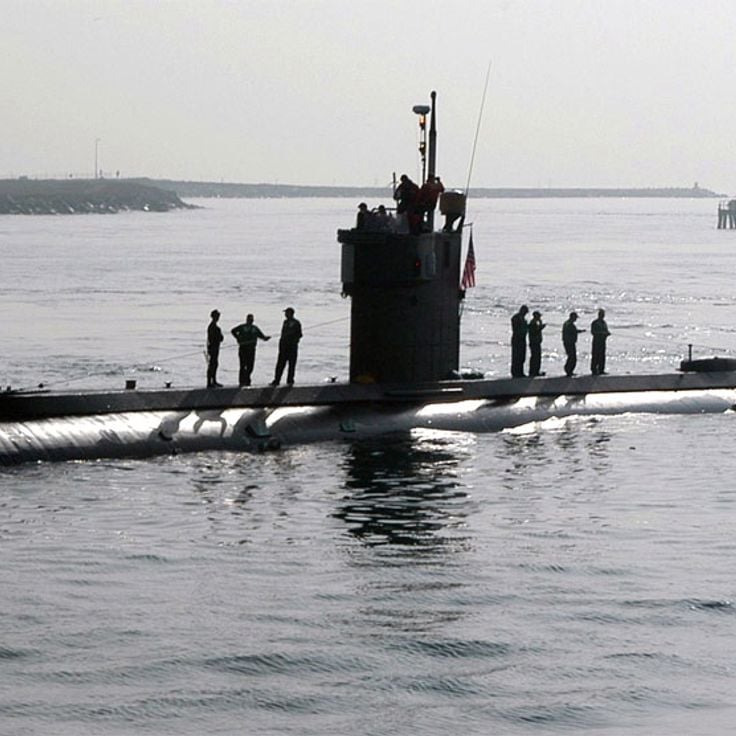
San Diego, California, United States
This submarine from the 1960s was built for deep-sea research and could dive deeper than almost any other non-nuclear vessel of its time. The USS Dolphin served for decades as a floating test platform where scientists and engineers tried out new equipment and pushed the limits of underwater technology. On board you can walk through the narrow passageways, see the control room with its many instruments, and visit the tiny sleeping quarters where the crew lived during months-long missions. The vessel now rests in San Diego and offers a direct look at the quiet world of underwater research, where depth and pressure posed different challenges than those of war.
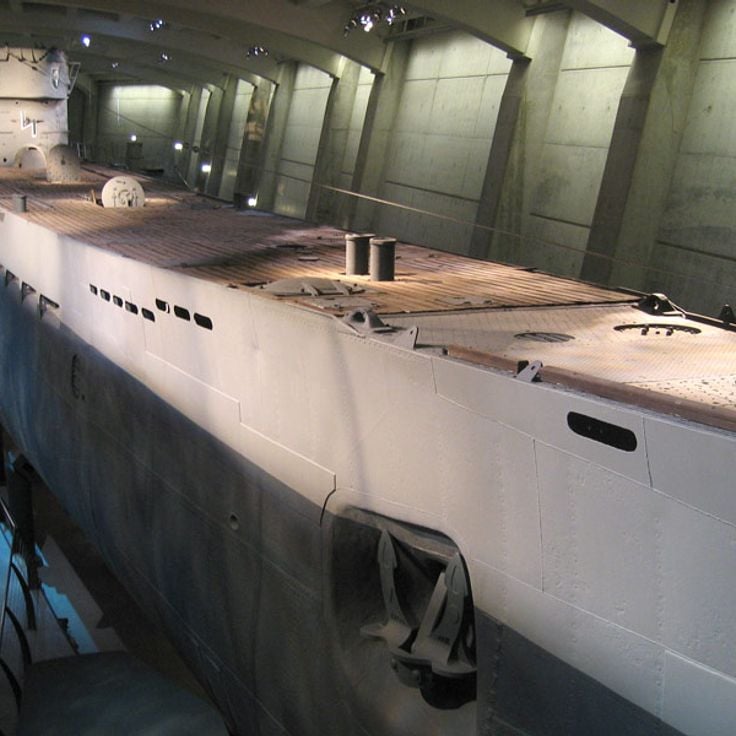
Chicago, Illinois, United States
This German submarine was captured in 1944 in the Atlantic and remained the only intact U-boat taken by the Allies during World War II. The seizure provided crucial encryption machines and codebooks that influenced the course of the war. Today U-505 rests in a climate-controlled hall in Chicago, where visitors walk through the narrow passageways, command center, and crew bunks. The torpedo rooms, diesel engines, and periscopes remain intact. Exhibits explain the boarding at sea, the lives of the German sailors, and the importance of this action for intelligence warfare.
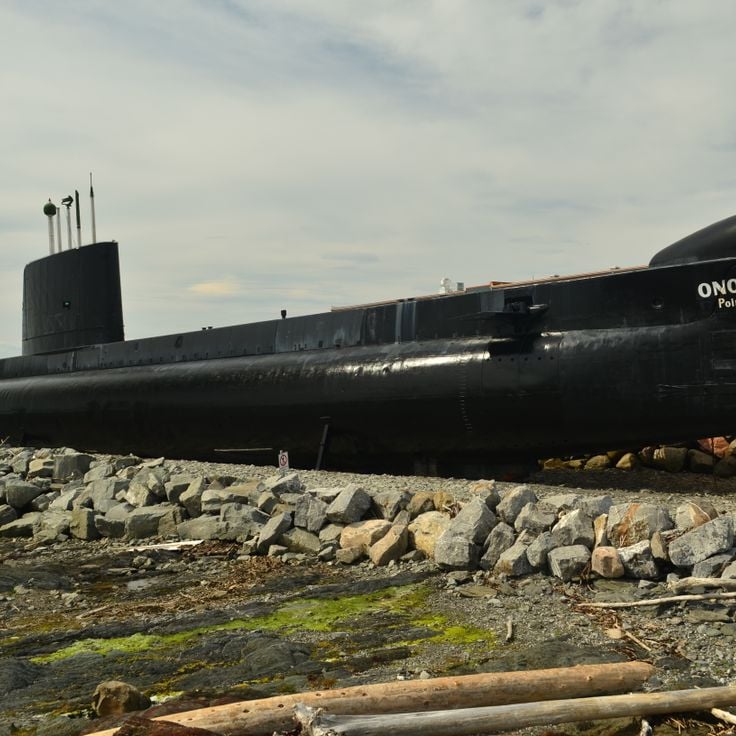
Rimouski, Canada
This Canadian Navy submarine served from 1967 to 2000 in the Oberon class and is now open to visitors. The HMCS Onondaga took part in many missions during the Cold War and patrolled North Atlantic waters. Inside you see the narrow passageways where the crew worked and slept, along with the torpedo tubes, the galley, and the sonar equipment. The control room shows the instruments used to steer the submarine. The spaces are small and you get a sense of what it was like to live underwater for weeks at a time.
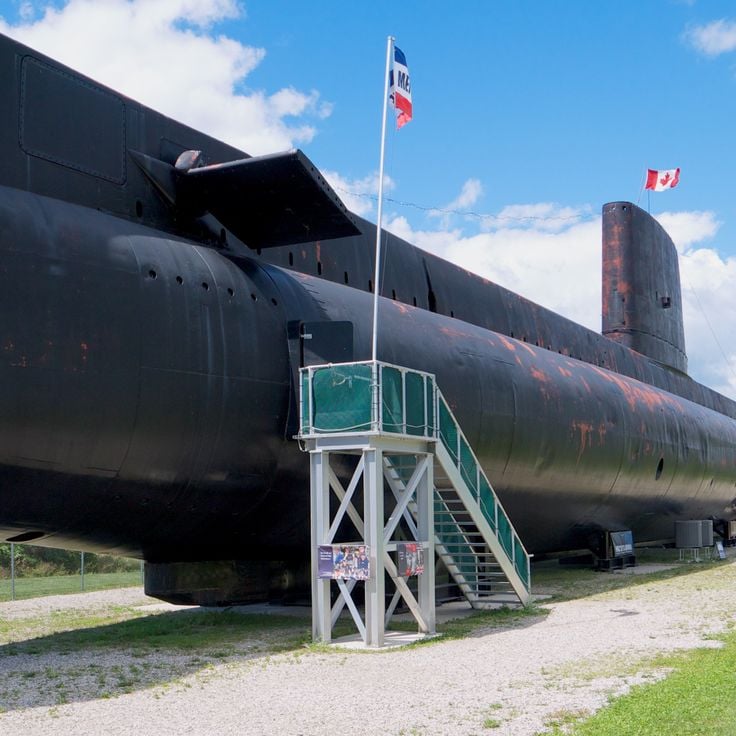
Port Burwell, Ontario, Canada
This Canadian submarine near the shore of Lake Erie shows what life was like underwater during the Cold War years. HMCS Ojibwa served in the Royal Canadian Navy from 1965 to 1998 and now sits as a museum in Port Burwell. Visitors walk through narrow passageways, see the bunks where sailors slept, explore the control room, and learn how crews worked and lived for months inside these cramped quarters. The submarine rests on the beach, so you step aboard directly from the shore. The interior remains much as it was during service, giving a sense of the daily routine aboard a diesel-electric boat. Panels and guided tours explain the technical systems and the history of the Canadian submarine fleet.
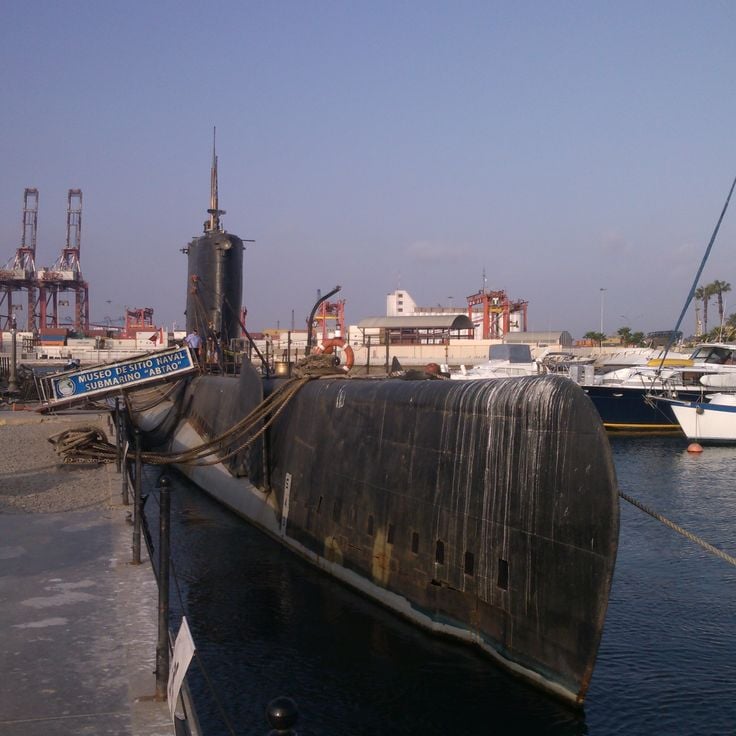
Callao, Peru
This Peruvian submarine from the Cold War era now rests as a museum ship in Callao, opening its compartments to visitors who want to see what service was like beneath the surface. The Submarino Abtao shows the reality of underwater life in the decades after World War II. You step into narrow passages where the crew worked and slept for months in tight quarters. The control room still holds its instruments and valves, levers and gauges that once commanded depth and direction. The crew spaces feel small and spare, a reminder of the discipline and confinement that shaped life aboard. This vessel is part of the collection of historic submarines around the world that preserve the silent stories of naval service.
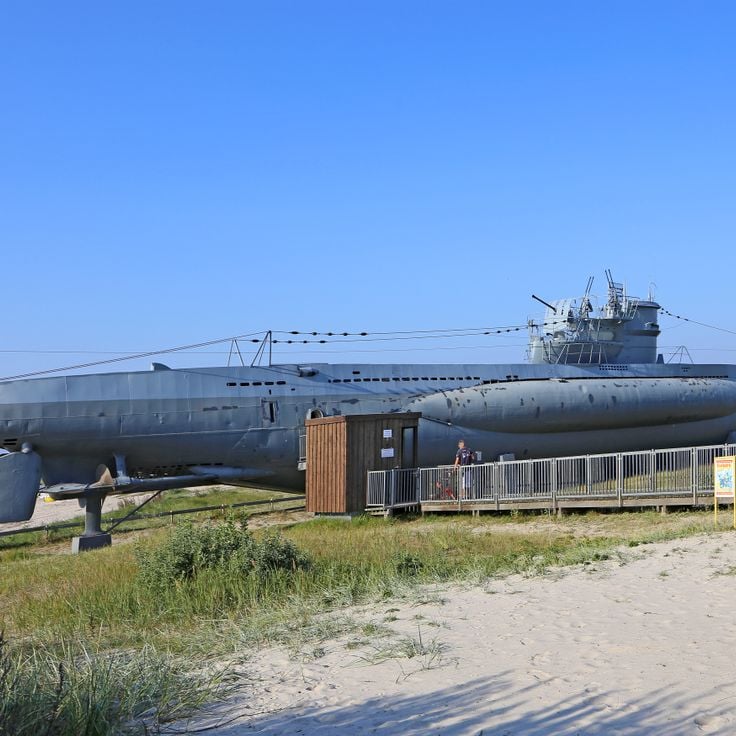
Laboe, Germany
This Type VIIC/41 submarine rests on the Baltic coast and stands as one of the few surviving German U-boats from World War II. U-995 entered service in 1943 and survived the war, later returning to Germany as a museum vessel. Visitors can walk through narrow passageways, explore the torpedo room, and see the sleeping bunks where the crew lived during long patrols. The instruments in the control room, the diesel engines, and the periscope offer a glimpse into what life was like underwater during that era.
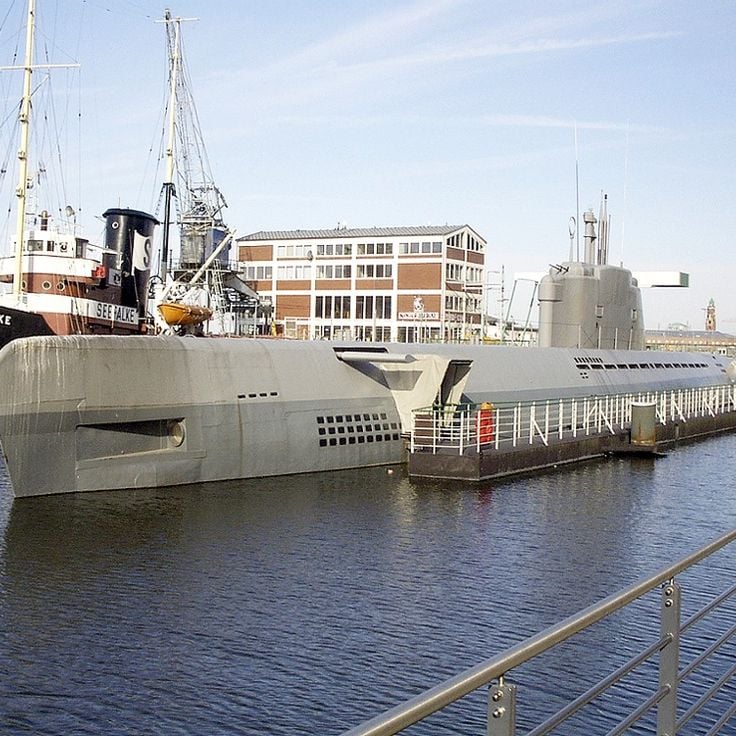
Bremerhaven, Germany
This Type XXI submarine was completed in 1945 as one of the last German boats built during World War II, representing a leap forward in underwater design with advanced batteries, a streamlined hull, and a snorkel system that allowed longer submerged patrols. After the war, the British Navy took control, and later the German Navy used it for research before it became a museum ship in Bremerhaven in 1984. Visitors walk through narrow passageways, the officers' mess, the command center, and the torpedo rooms, getting a sense of how the crew lived and worked in such tight quarters beneath the surface.
Speyer, Germany
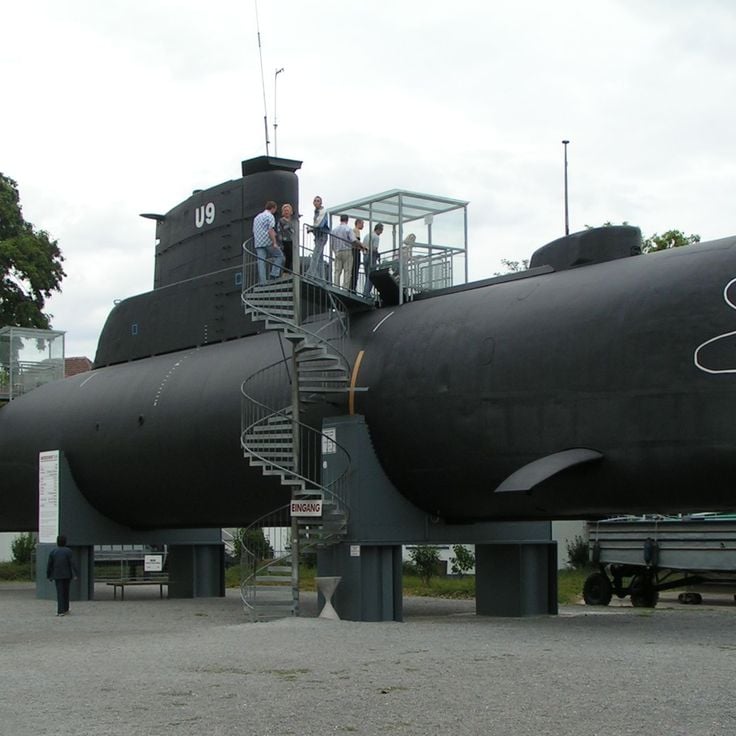
This submarine served in the West German Navy from 1967 until 1993, part of the Type 206 class built for coastal operations and shallow waters. It spent more than a quarter century on patrol in the Baltic and North Seas before its retirement. Now resting at the Technik Museum Speyer, visitors can walk through the narrow passageways and see the torpedo tubes, engine room, and crew quarters up close. The boat represents Cold War submarine technology from the German perspective, showing what daily life looked like for sailors working in tight spaces beneath the surface.
Hamburg, Germany
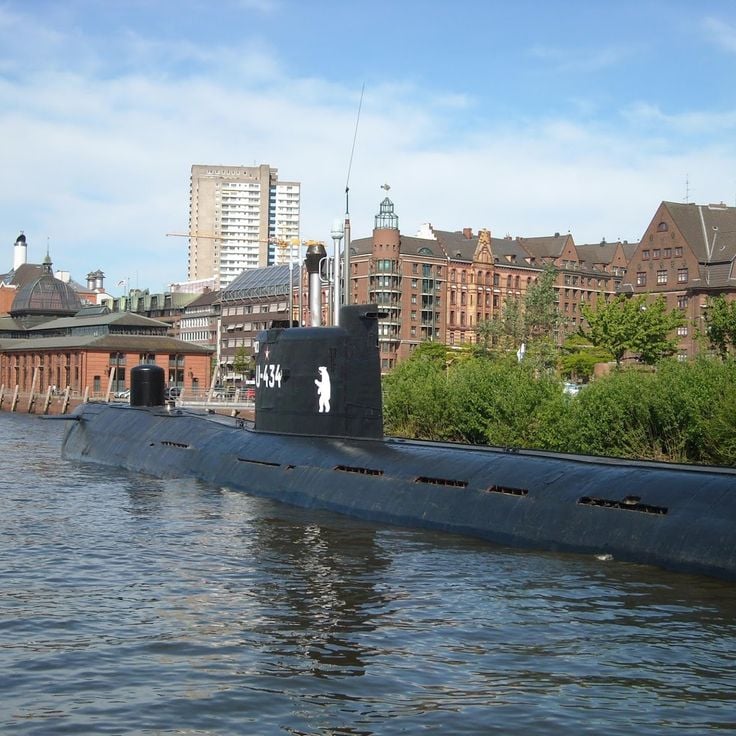
This Soviet submarine served during the Cold War and now rests as a museum in Hamburg's harbor. Visitors can explore the entire vessel, from the cramped sleeping bunks of the crew to the torpedo tubes in the bow. The machinery, periscopes, and navigation equipment remain intact, and you get a sense of how the crew lived in tight quarters beneath the surface. The corridors are narrow, the ceilings low, and valves, pipes, and instruments fill every corner. U-434 was a Tango-class diesel-electric boat that patrolled the Atlantic. Today you can walk through all sections and see the technical details up close.
Cherbourg-en-Cotentin, France
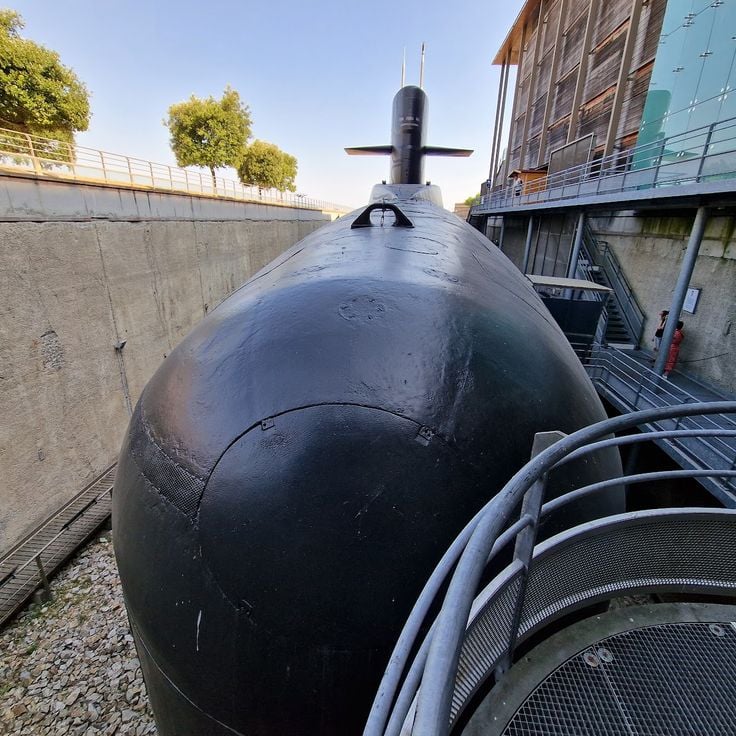
This submarine was France's first nuclear ballistic missile boat and served in the navy from 1971 to 1991. Le Redoutable now sits in Cherbourg and opens its compartments to visitors who can walk through the missile bay, inspect the officers' quarters, and explore the engine room. You see the narrow passageways where the crew lived, the control panels, and the torpedo tubes. The boat is 420 feet (128 meters) long and shows how France built its nuclear deterrent at sea. The exhibit explains daily life on board and the role these vessels played in Cold War strategy.
Saint-Nazaire, France
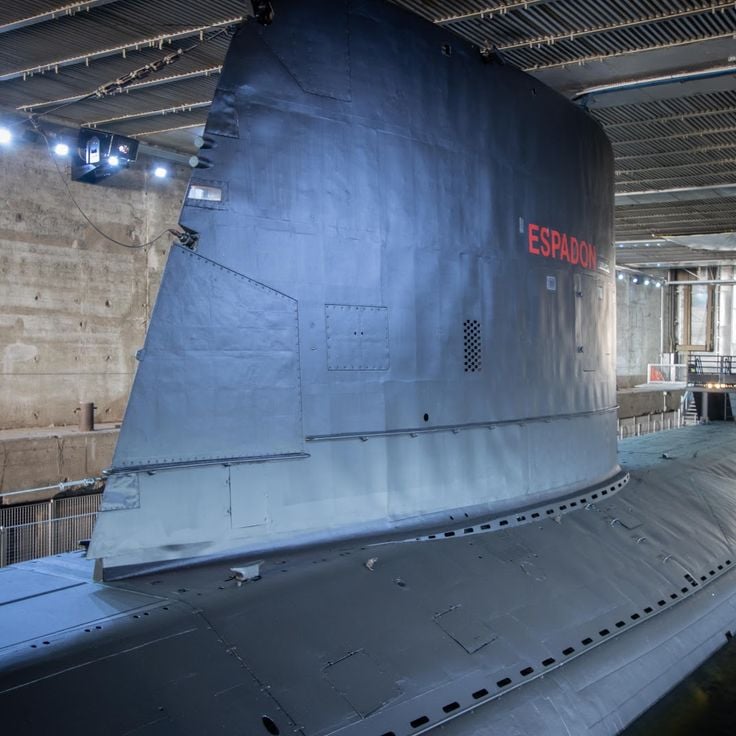
This submarine sits in Saint-Nazaire along the Loire estuary, its hatch open to visitors today. The Espadon served the French Navy during the Cold War, spending decades beneath the surface. Now guests can walk through the narrow corridors, explore the command center, and see the sleeping quarters where crew members rested between shifts. The pipes, valves, and instruments lining the walls show how the men worked and lived here, far from daylight and fresh air. This look inside a real naval vessel brings the history of the Cold War and the silent work beneath the waves into focus.
Lorient, France
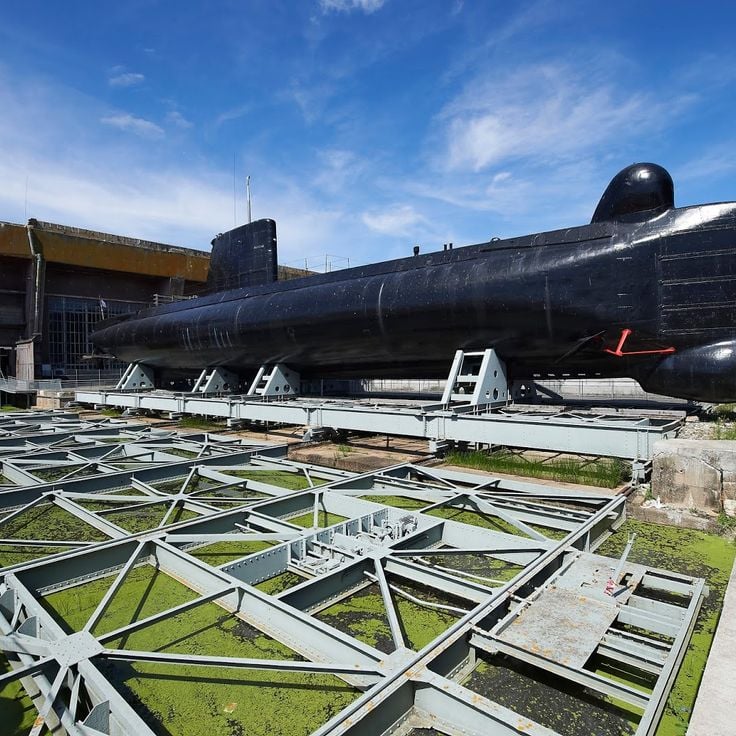
This French submarine served during the Cold War and now sits in Lorient as a museum. Visitors walk through narrow passageways, past the crew's sleeping bunks and the instruments in the control room. The spaces are tight and dark, just as they were underwater. Everything remains in place: the torpedo tubes in the bow, the galley, the radio equipment. You sense how little room the men had and how they lived for months below the surface. Sous-marin La Flore shows daily life in the French underwater service during the second half of the 20th century.
Paris, France
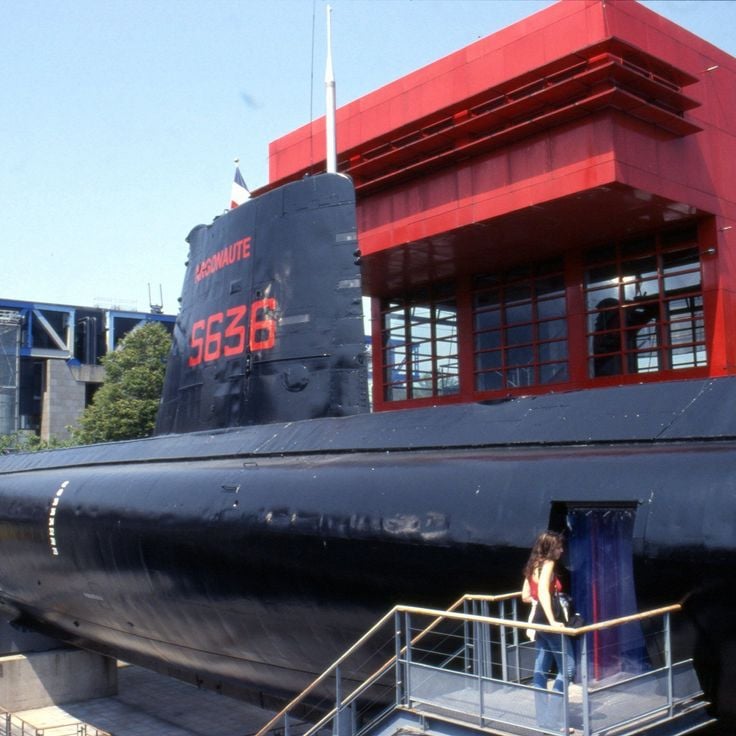
This French submarine sits outside the science museum in Paris, where visitors can step through the control room and explore the torpedo tubes. Argonaute served during the 1950s and gives a clear sense of what daily life was like for the crew in the narrow passageways and sleeping quarters beneath the surface. The instruments, valves, and switches show how technically demanding navigation and operation were, as the sailors spent weeks without daylight or fresh air.
Den Helder, Netherlands
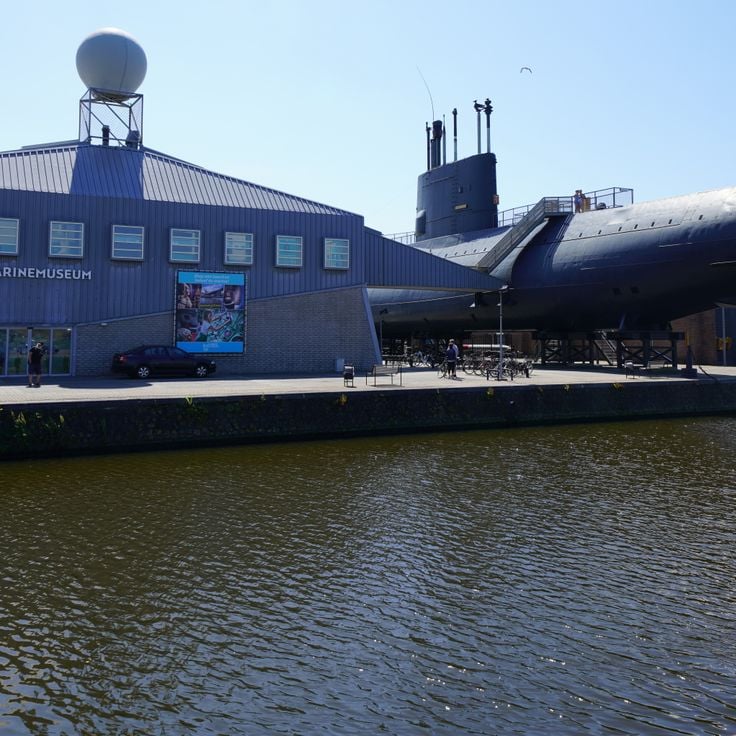
This Dutch submarine from the Cold War era now rests as a museum in Den Helder. The Tonijn served for decades with the Royal Netherlands Navy and today shows visitors its narrow passageways, crew bunks, control room, and machinery spaces. You walk through the same corridors where sailors once lived and worked, surrounded by pipes, valves, and instruments. The boat gives a sense of daily life under the sea, where daylight and fresh air were absent and every task mattered in close quarters.
Torrevieja, Spain
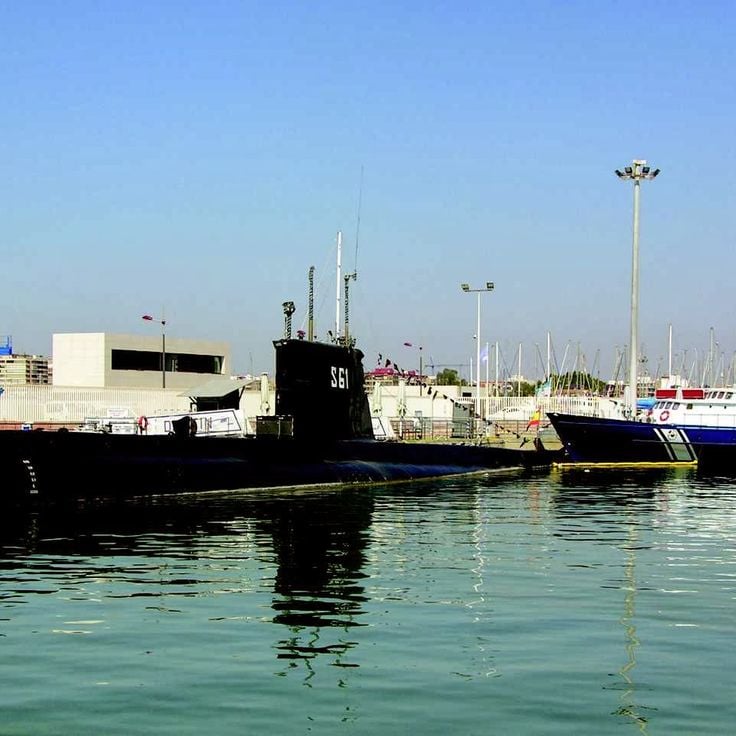
This Spanish submarine from the second half of the 20th century now rests as a museum vessel in Torrevieja, allowing visitors to enter the control room and torpedo compartment. The S-61 Delfín served for decades in the Spanish Navy and shows the technical conditions and confined space where the crew worked beneath the surface. Walking through the narrow passageways gives a direct sense of life on board, where every movement and task took place in tight quarters. Visitors can see the instruments, valves, and equipment needed to operate underwater and understand how sailors spent months inside this steel tube.
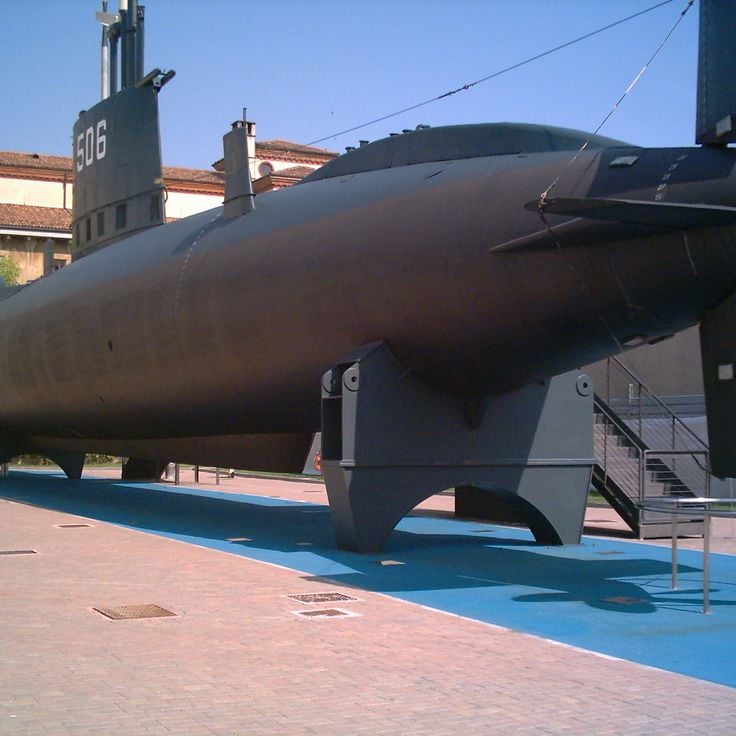
Milan, Italy
This Italian submarine sits in the science museum in Milan, far from the sea. The Enrico Toti served in the Italian Navy and was brought here after its service so visitors could walk through the narrow passageways, the command center, and the small sleeping quarters where the crew lived. You see how little space the men had, how the instruments were arranged, and how daily life unfolded underwater. It is a rare opportunity to experience a real submarine from the inside, even though it now stands among other exhibits instead of floating in the water.
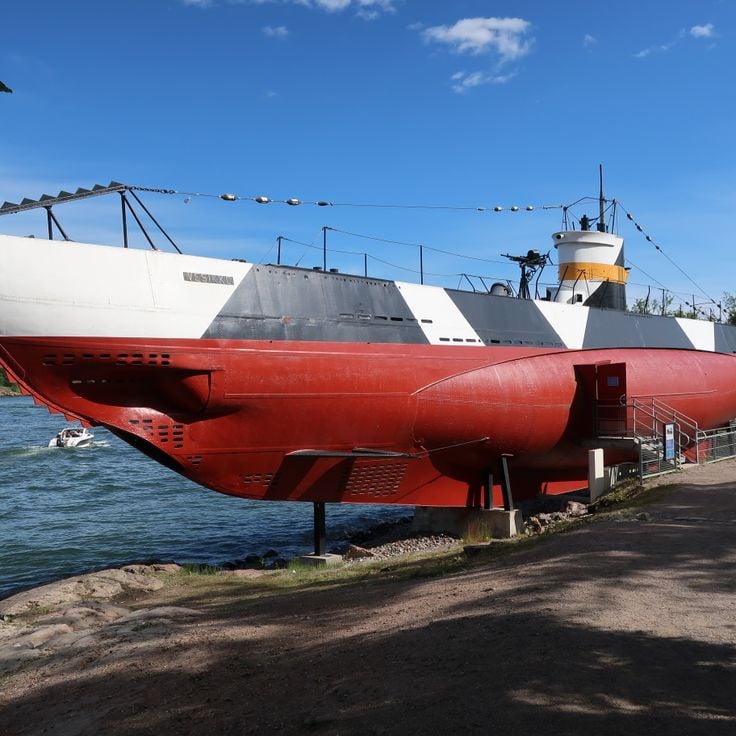
Helsinki, Finland
This 1930s submarine shows how Finnish sailors lived and worked in tight conditions during World War II. Vesikko sits on an island outside Helsinki, letting visitors walk through the narrow corridors where torpedo tubes, diesel engines, and sleeping bunks crowded together. The crew shared tiny spaces with no daylight, and every inch was carefully used. As one of the few surviving Finnish warships, it offers a look into Nordic naval history and the reality of life underwater during wartime.
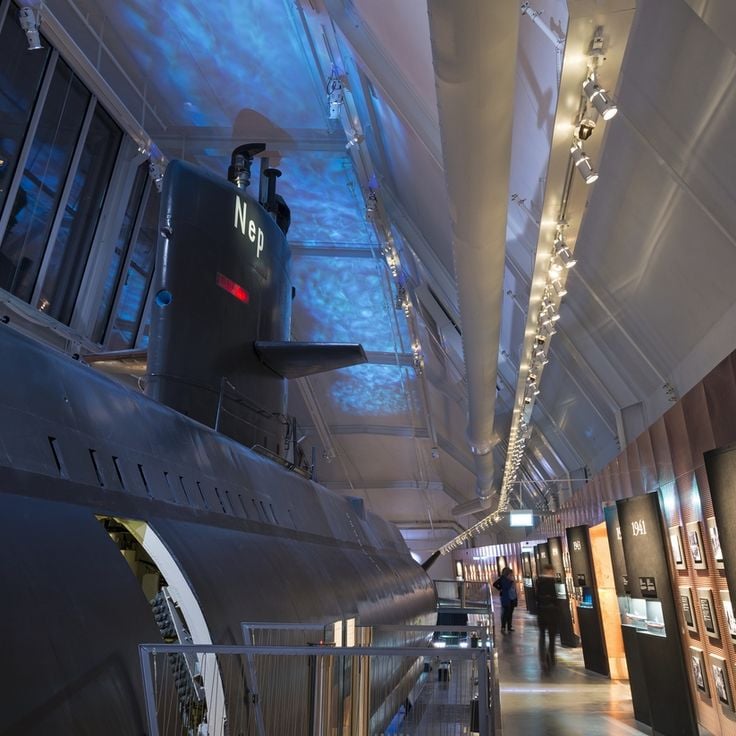
Karlskrona, Sweden
This Swedish submarine now rests in Karlskrona, its hatches open for visitors to step through. You descend into narrow corridors where sailors once lived packed tightly together. The control room shows the instruments and levers the crew used to steer the boat underwater. Sleeping bunks are stacked one above the other, barely wider than a narrow shelf. In the crew quarters you feel the closeness and the metallic hum of the hull. Everything remains in place: valves, pipes, the small tables for charts and notes. A walk through HMS Neptun reveals how the Swedish Navy trained its crews and how daily life unfolded below deck, far from sunlight and fresh air.
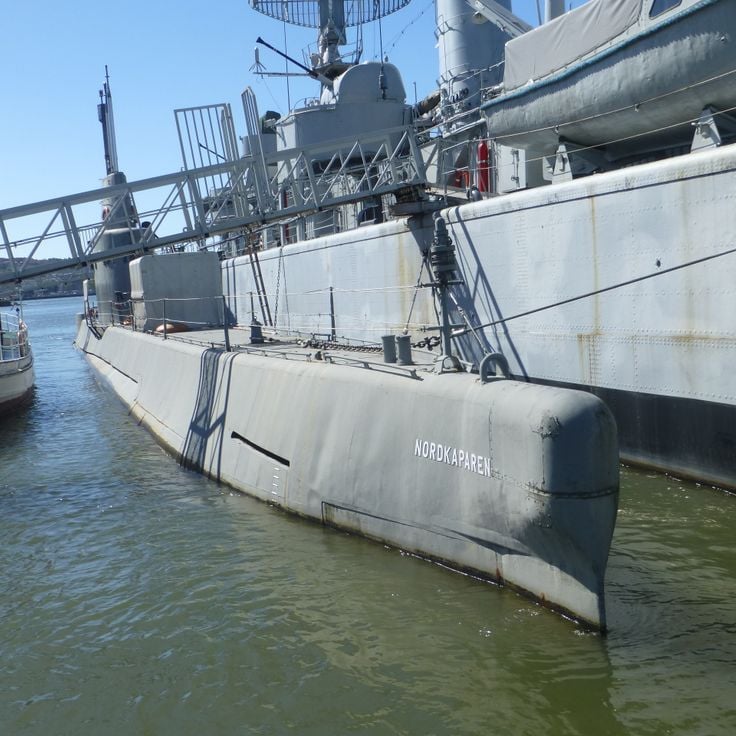
Gothenburg, Sweden
This Swedish submarine rests as a museum ship in Gothenburg, showing how cramped the crews lived during long underwater patrols. You can walk through the narrow passages between the sleeping bunks, visit the control rooms with their many levers and gauges, and explore the engine room where the diesel and electric motors were housed. HMS Nordkaparen served the Swedish Navy for decades and today gives a direct sense of daily life beneath the surface, from the constant hum of machinery to the sparse furnishings that offered little privacy.
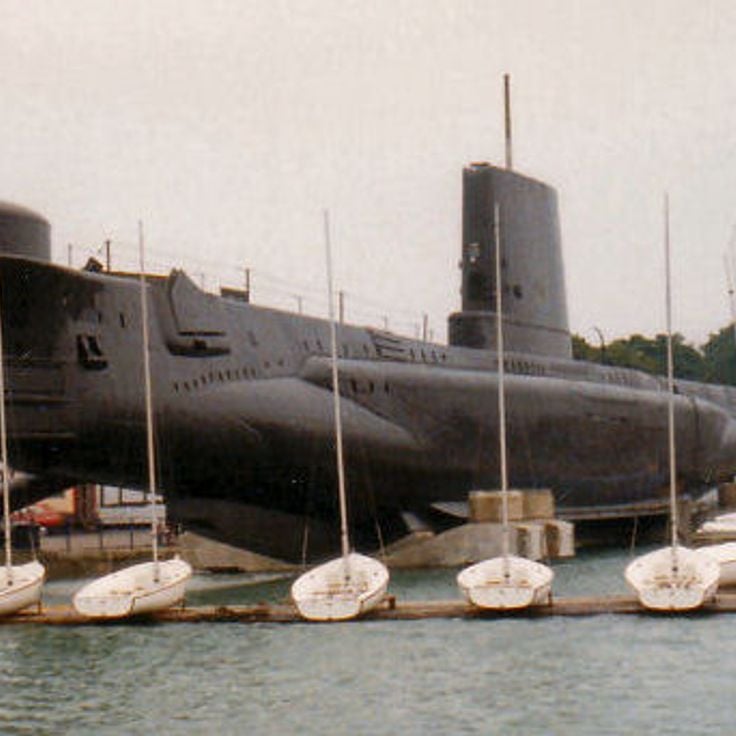
Gosport, United Kingdom
This British submarine from the Cold War years now rests as a museum ship in Gosport. HMS Alliance sailed on patrol until the 1970s and shows what daily life was like beneath the surface during that era. Visitors walk through narrow passageways, past torpedo tubes, bunks, and the control room where the crew navigated and steered the boat. The diesel engines, periscopes, and radio equipment remain in place, along with the cramped compartments where dozens of men lived for weeks at a time. The vessel belongs to the Royal Navy Submarine Museum and gives a sense of the technical demands and the tight quarters of underwater service. HMS Alliance is one of the last preserved examples of its class and tells the story of the silent work that submarines carried out in times of tension.
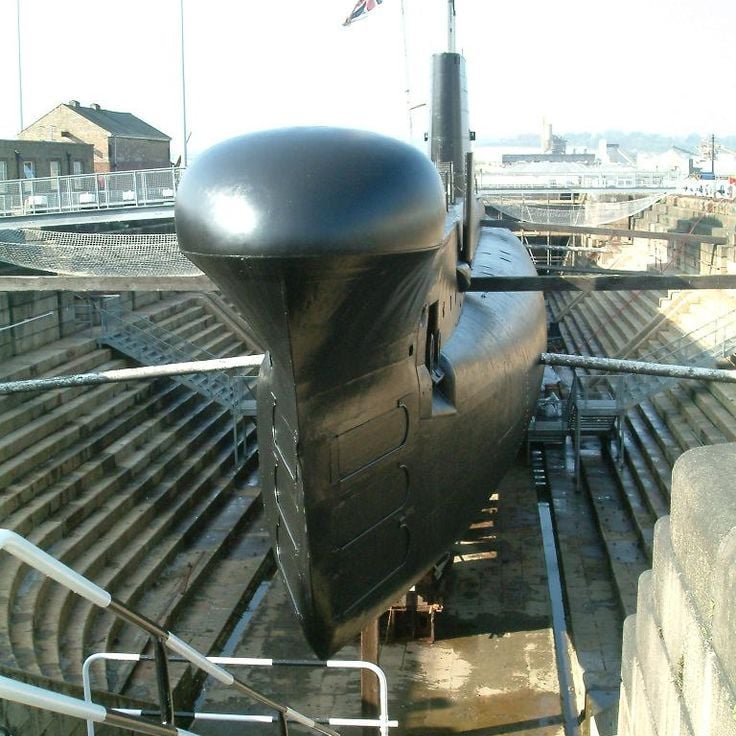
Chatham, United Kingdom
HMS Ocelot sits at Chatham Historic Dockyard and shows what life was like on board during the Cold War. This British submarine was an Oberon-class boat that sailed on secret missions around the world between 1964 and 1991. Visitors walk through the control room with its levers and switches, past the tight sleeping bunks of the crew, and into the torpedo chambers. The corridors are narrow, the ceilings low, and everywhere you look you see how little space the men had. This submarine is fully preserved and gives a clear picture of daily life underwater, where dozens of people lived and worked for months in close quarters, without sunlight or fresh air.
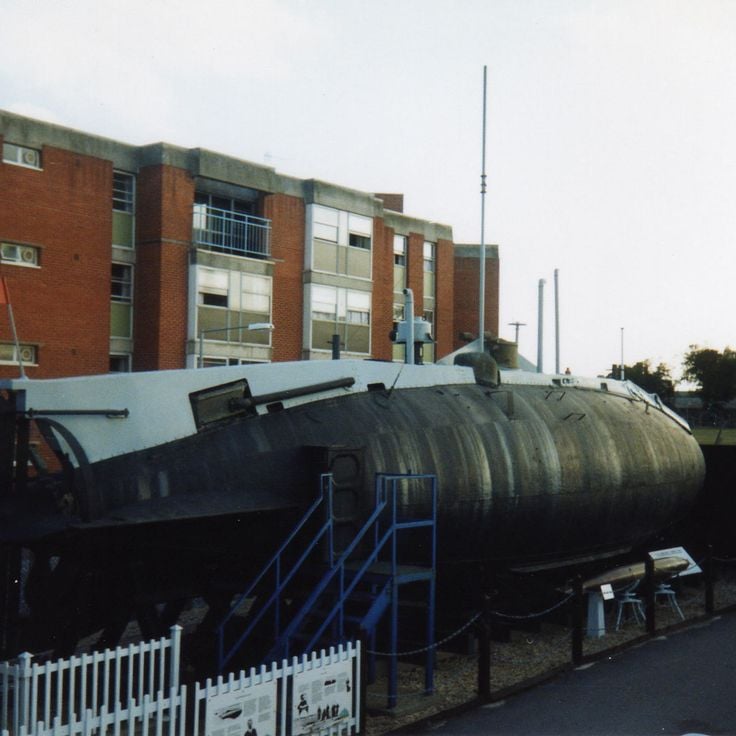
Gosport, United Kingdom
This submarine is one of the first vessels of its kind built for the Royal Navy and was recovered from the seabed decades after it went down. HMS Holland 1 dates to 1901 and served as an experimental boat for a new form of naval warfare. The vessel sank in 1913 while under tow and remained underwater for 69 years before being raised and restored. Today it stands in a museum and shows the cramped interior where a crew of five operated, along with the basic controls and the small petrol engine. The design appears primitive compared to later models, but it marked the beginning of the British submarine fleet and helped develop techniques that were used in the First World War.
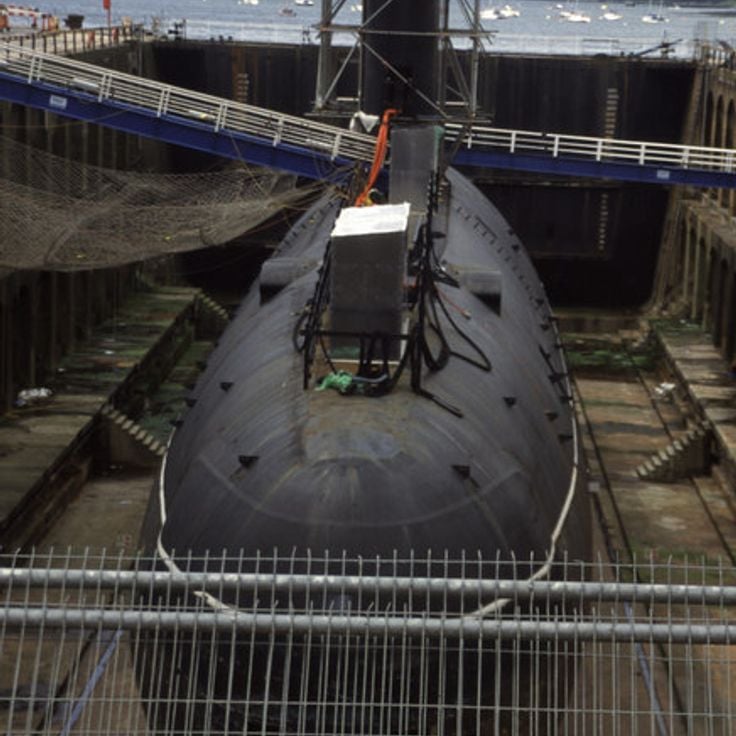
Plymouth, United Kingdom
This British nuclear submarine sits as a museum in Plymouth, where visitors walk through the control room and crew quarters. The HMS Courageous served in the Royal Navy and shows how the crew worked and lived beneath the surface for months at a time. You see the tight spaces where dozens of men slept, ate, and stood watch. The control room, with its gauges and levers, gives a sense of how decisions were made when the vessel operated in the depths. The corridors are narrow, the ceilings low. Everything is packed close because space was limited. This place belongs to a collection of historic submarines that reveal what technology and life were like underwater during the Cold War and beyond.
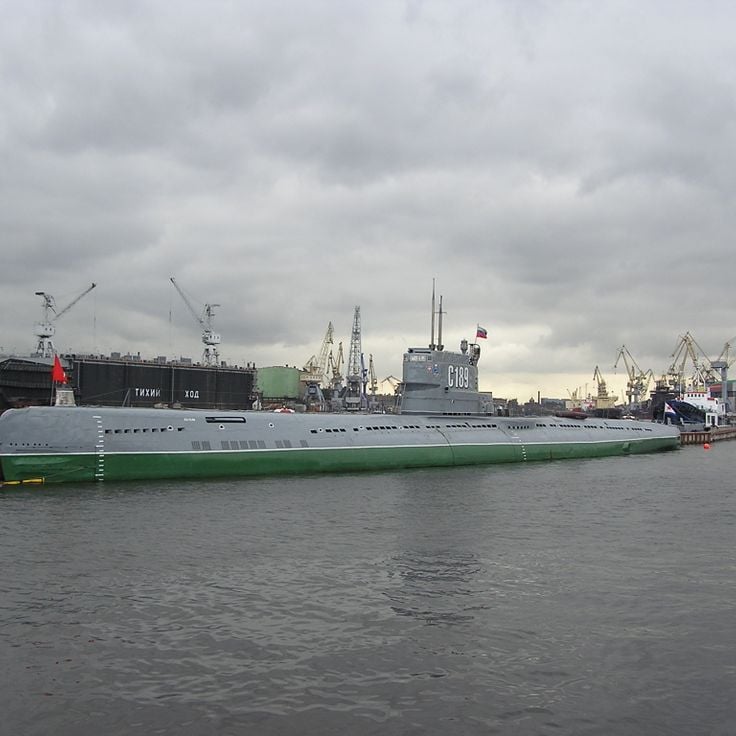
Saint Petersburg, Russia
This Soviet submarine from World War II now sits as a museum in Saint Petersburg, opening its compartments to visitors who want to see how sailors lived below the surface. Inside, narrow passageways lead through the torpedo room, where weapons were loaded, and past the crew bunks, where men slept between missions. The metal walls are cold and the ceilings low, forcing you to duck through hatches as you move from one section to another. The S-189 shows what life was like for those who patrolled the northern seas and the Baltic, far from daylight and fresh air, in a steel cylinder beneath the waves.
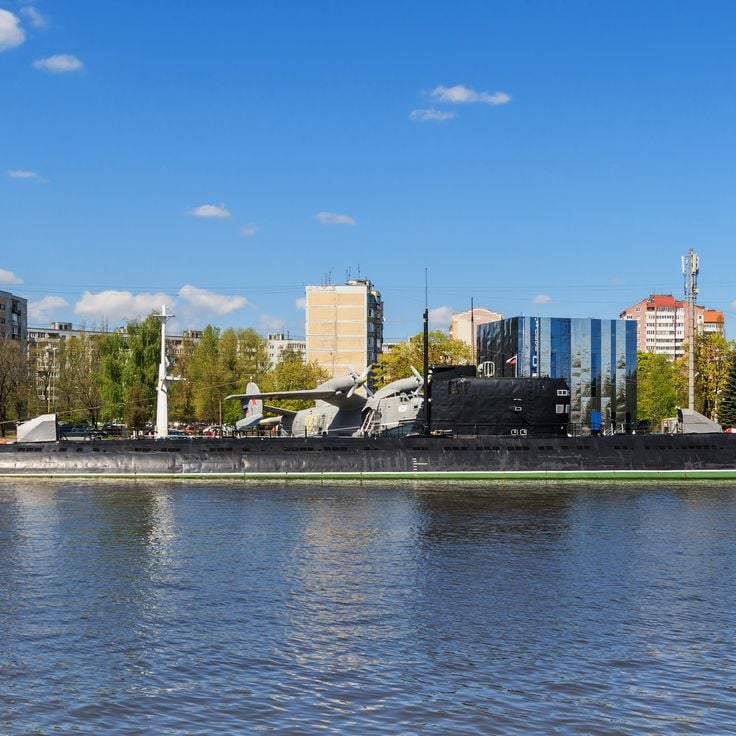
Kaliningrad, Russia
This Soviet submarine from the Cold War era sits in Kaliningrad as a museum, showing how the crew lived and worked underwater. Visitors can walk through the control room, see the torpedo tubes, and explore the narrow passages where sailors were confined for months. The engine spaces and sleeping quarters give a sense of life aboard, far from daylight and fresh air.
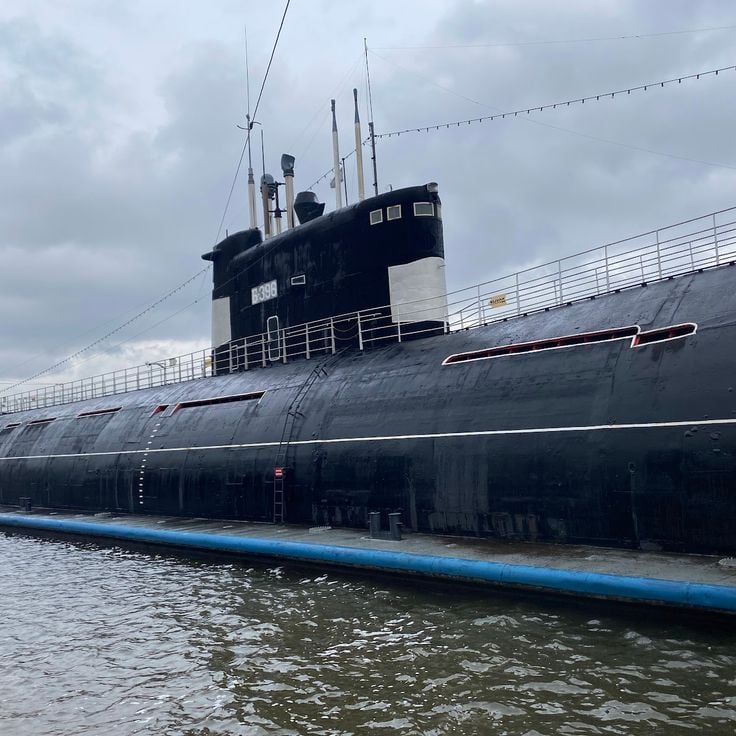
Moscow, Russia
This Soviet submarine from the Cold War sits in the middle of Moscow, far from any ocean, and opens its tight spaces to visitors. You can walk through the narrow passages where the crew lived and worked, and see the valves, levers, and instruments that shaped daily life underwater. The bunks are small, the ceilings low, and everywhere you feel how little room the sailors had. The boat shows how the crew organized themselves in close quarters and what technology they operated to move undetected through the depths.
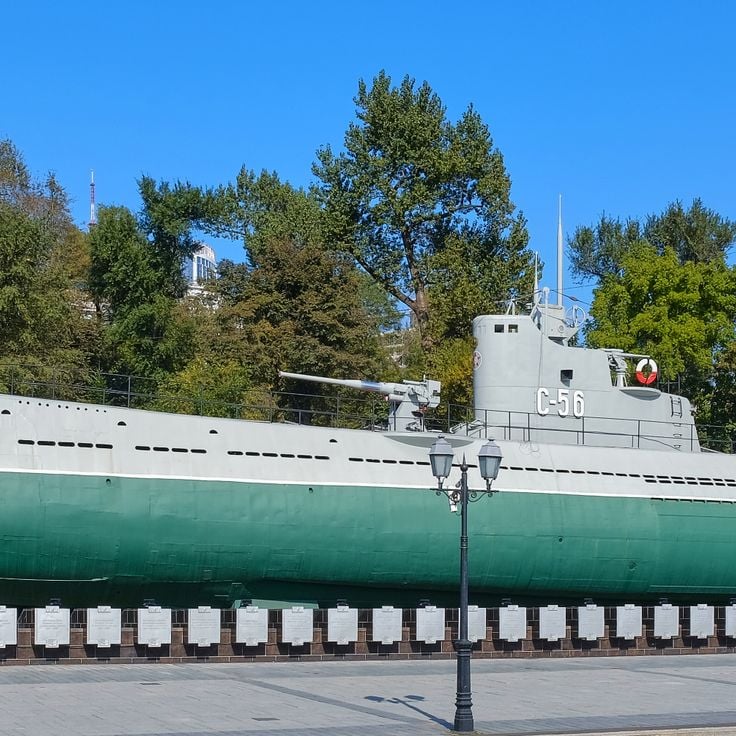
Vladivostok, Russia
This Soviet submarine fought through World War II and now rests as a memorial in Vladivostok. Visitors can step inside and walk through the torpedo room, squeeze past the narrow bunks, and stand in the command center where the crew tracked enemy ships. The S-56 made dangerous runs between the Pacific and the Arctic during the war, sinking enemy vessels and bringing her crew home time after time. The spaces are tight and cramped, exactly as sailors experienced them. You see the valves, pipes, and instruments that kept everyone alive under the water. The submarine sits on dry land now, in a park near the harbor, honoring the men who spent months inside this steel tube, far from sunlight and fresh air.
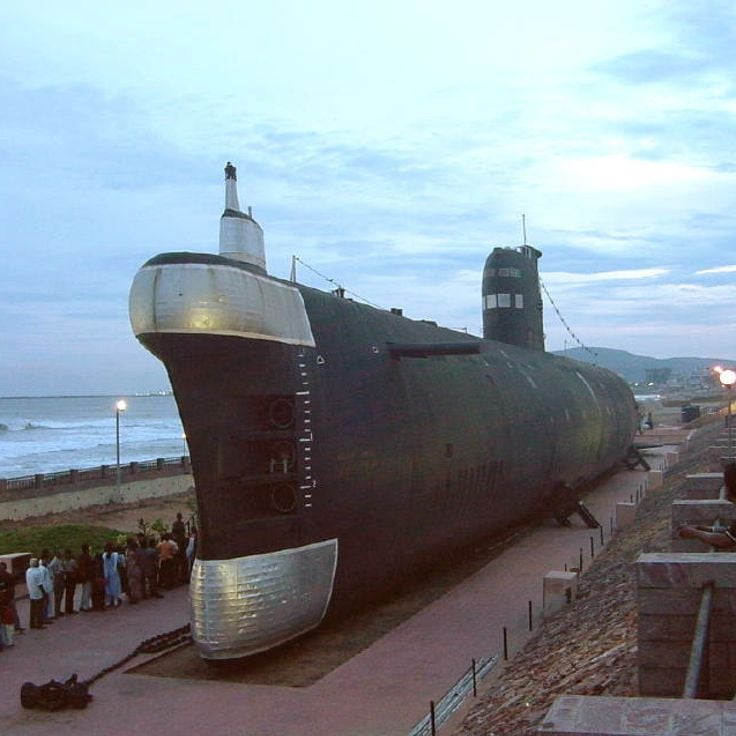
Visakhapatnam, India
This Soviet-built Foxtrot-class submarine served the Indian Navy for three decades before being brought ashore as a museum. Inside the INS Kursura you see the control room where the captain gave his orders, the cramped sleeping bunks where the crew rested, and the torpedo tubes at the bow. The passageways are narrow, the ceilings low, and pipes and valves line every surface. The submarine was built in Russia and launched in 1969. It took part in the 1971 war and later patrolled the Indian Ocean. Today it sits in a park near the beach, just steps from the water. The tour shows how little space the sailors had and how they lived for months underwater, without daylight and without contact with the outside world.
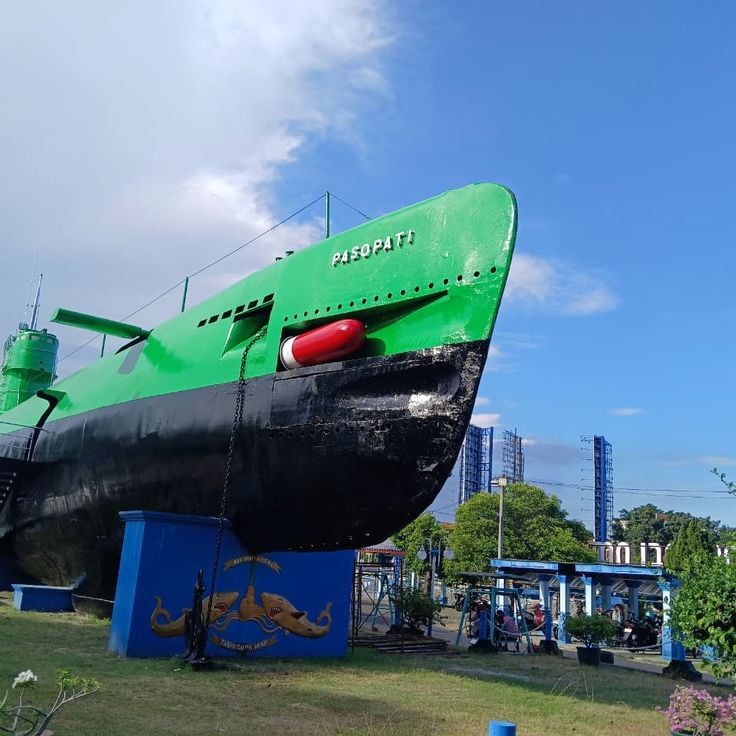
Surabaya, Indonesia
This Indonesian submarine has been moored as a museum since 1990, showing the reality of life underwater during the Cold War years. Visitors walk through the command center, past the original torpedo tubes, and into the narrow passageways where the crew worked and slept. The Pasopati served in the Indonesian Navy for more than 25 years and now gives a sense of the cramped conditions and technical equipment needed for undersea operations.
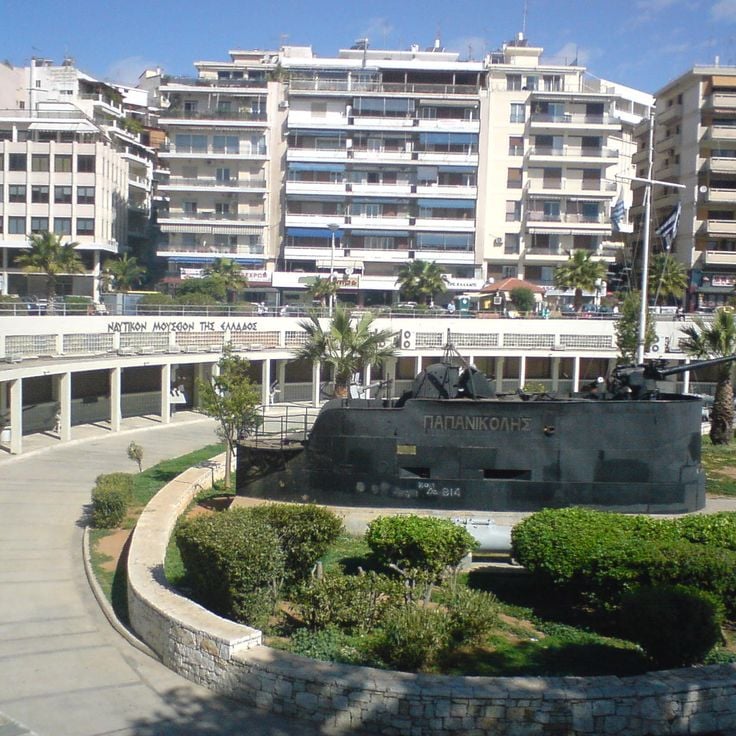
Palaió Fáliro, Greece
This Greek submarine served in World War II and now rests as a museum near Athens. The tight compartments, periscope, and torpedo tubes show how the crew worked and lived below the surface. Papanikolis carried out important missions and delivered supplies to besieged garrisons. Visitors can walk through the narrow passages, see the sleeping bunks, and examine the technical equipment from the 1920s that operated in the Mediterranean for decades.
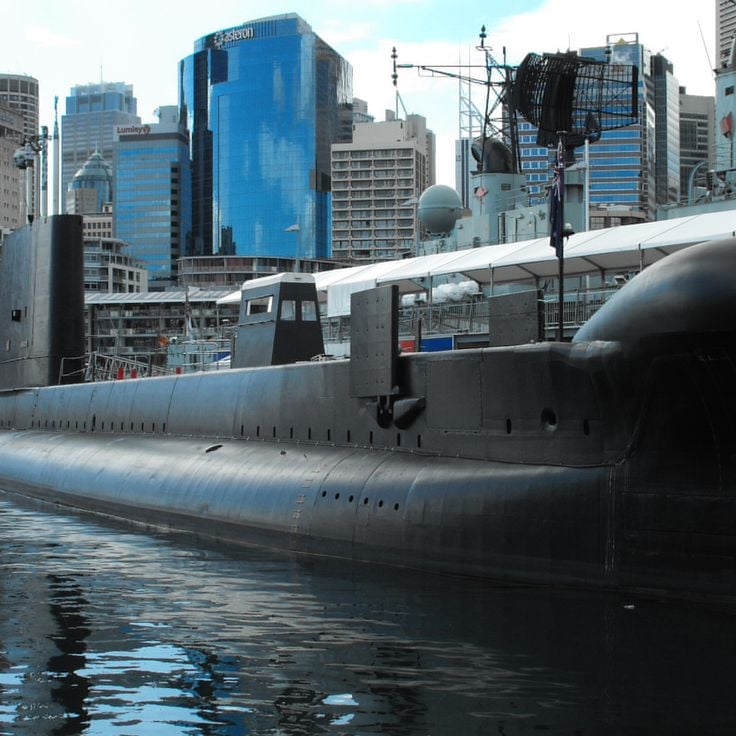
Sydney, Australia
This Oberon-class submarine served the Royal Australian Navy during the Cold War and now sits moored at the Maritime Museum in Darling Harbour. Visitors can step aboard and walk through the control room, where periscopes and sonar equipment remain intact, and explore the cramped sleeping bunks where up to 64 sailors lived during long missions. The tour takes you through the torpedo rooms, engine spaces, and officers' cabins, showing how the crew worked, ate, and slept beneath the surface. The HMAS Onslow took part in secret intelligence operations and patrolled the Pacific and Indian Oceans for decades before retiring in 1999.
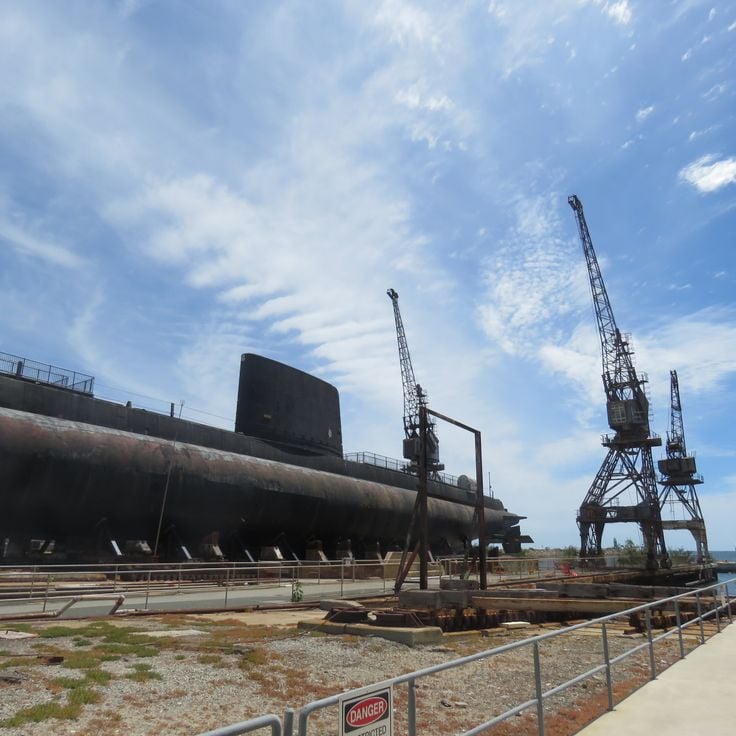
Fremantle, Australia
This Australian submarine sits in Fremantle and shows what life was like below deck during the Cold War. The torpedo room is tight and practical, the crew quarters give a sense of how sailors slept, ate, and worked in just a few square feet. The corridors are narrow, the hatches low. Visitors see valves, pipes, and instruments that were in service for decades. HMAS Ovens belonged to the Royal Australian Navy and served until the nineties. Today guests can walk through the compartments and understand what it meant to spend weeks underwater without daylight or fresh air.
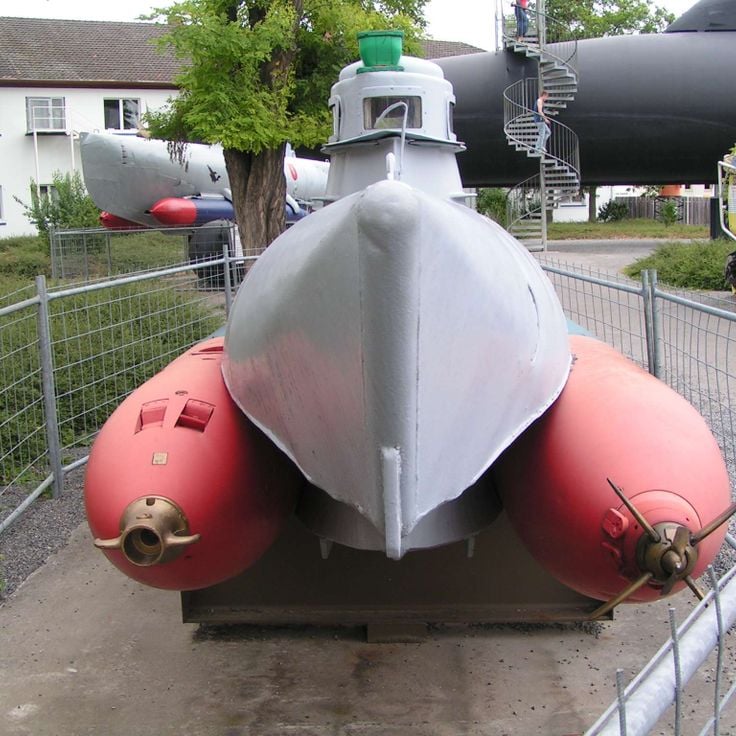
Germany
This midget submarine belonged to a class built in 1944 for the German navy. The Biber was designed for coastal attacks and held a single crew member who navigated, steered, and fired two torpedoes from a space no larger than a phone booth. The boat measured about 26 feet (8 meters) long, and the operator sat in a small hatch with limited outward view. Hundreds of these submarines were produced and deployed in waters off France, the Netherlands, and Belgium, where they attempted to sink Allied ships. Many missions ended with the loss of the boat and its operator, as the technology was fragile and conditions inside were extreme. Today, this preserved example shows how desperate and dangerous such missions were, when young men climbed into these tiny steel capsules and went underwater alone.
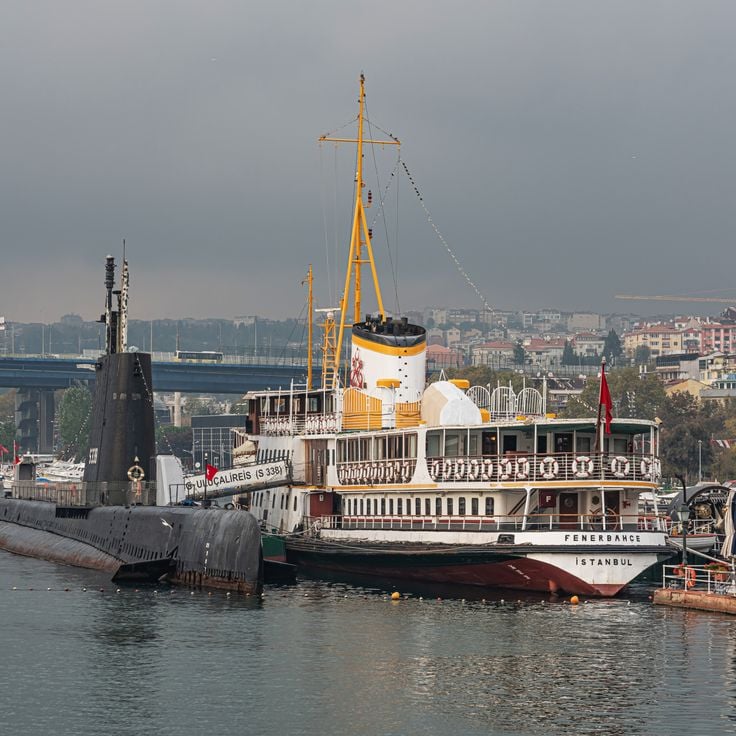
Istanbul, Turkey
This submarine sits on the shore of the Golden Horn in Istanbul, showing visitors the tight spaces and technical complexity of an American warship from the World War II era. USS Thornback is part of the collection of preserved submarines that once patrolled beneath the ocean surface, carrying crews on missions that lasted weeks. The vessel was decommissioned after the war and later transferred to the Turkish Navy. Today visitors walk through the narrow passageways, look into sleeping quarters, and see the instrument panels that were in use during the years of active service.
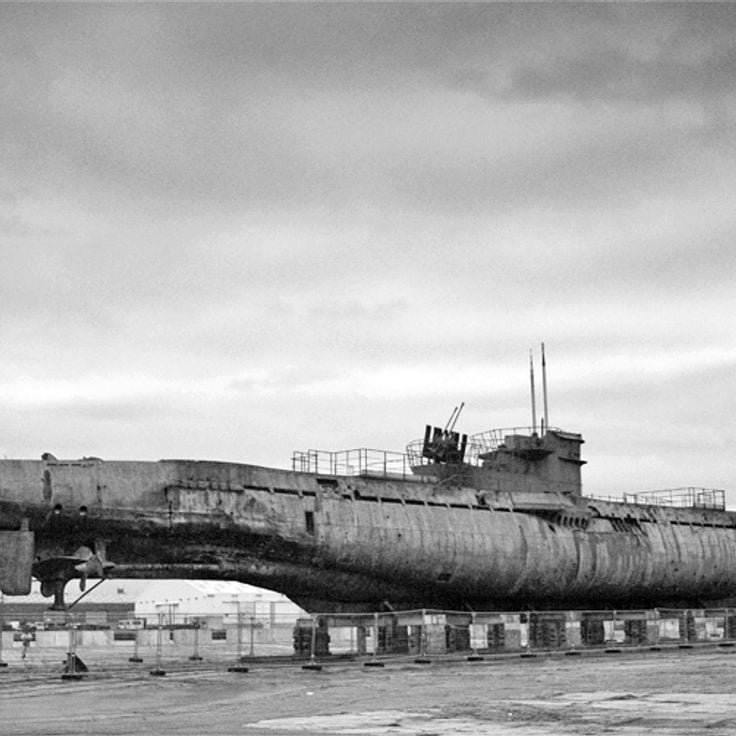
Birkenhead, United Kingdom
This German submarine from the Second World War now sits in Birkenhead, just a few feet from the shore. The U-534 sank several Allied ships during her Atlantic patrols before British bombers hit her on her final voyage in 1945 and sent her to the bottom. For decades the boat rested on the seabed until salvage crews raised her and opened her to visitors. You see the torpedo tubes, the control room, and the tight spaces where the crew lived underwater for months at a time. The cut-open hull sections reveal the inner structure of the boat and show the engineering that made diving and survival at depth possible.
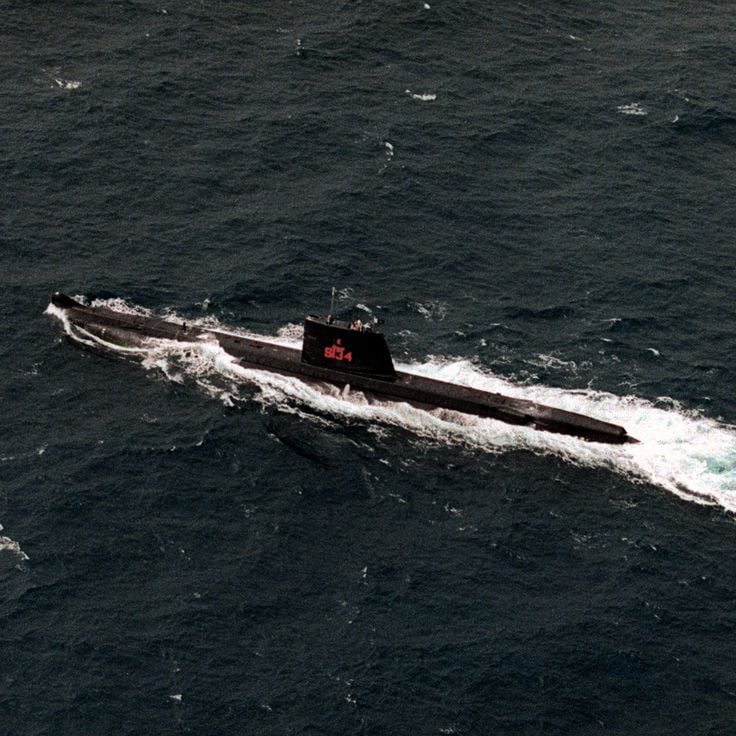
Karachi, Pakistan
This French-built Daphné-class submarine served 54 years in the Pakistani Navy before being moored on the shore of Karachi as a museum. The PNS Hangor was constructed in France in 1970 and took part in the 1971 war, when her crew sank an Indian warship. You can walk through the narrow passages of this boat where the crew worked in shifts and slept in bunks that barely left room to turn over. The torpedo room, the command center with its instruments, and the diesel engines remain as they appeared during active service. The boat sits at Karsaz Park, where you can see how officers looked through periscopes and made decisions underwater. This submarine shows how a generation of Pakistani sailors lived inside this steel tube that patrolled beneath the surface for months at a time.
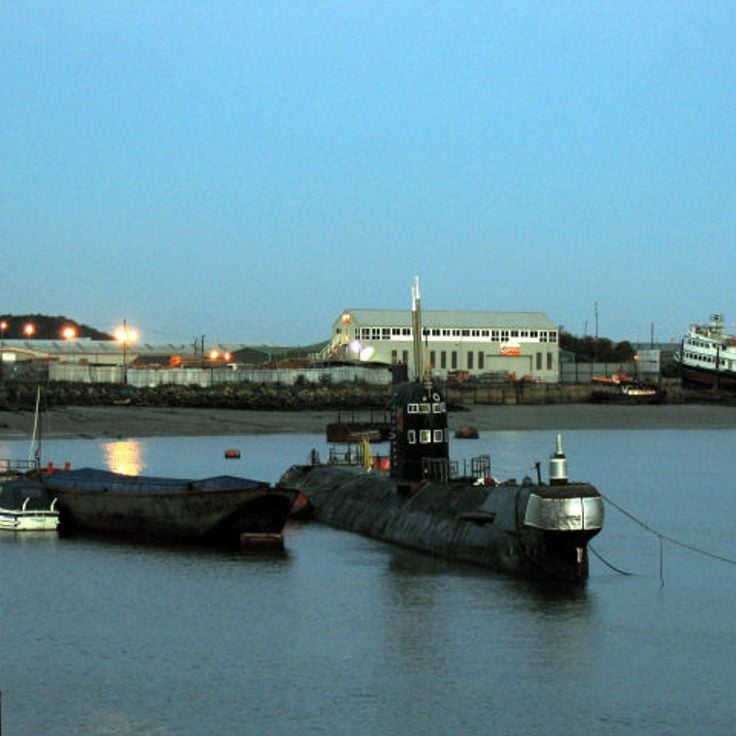
Strood, United Kingdom
This Soviet Foxtrot-class submarine rests as a museum on the banks of the Medway in Strood, showing visitors the world of Cold War undersea warfare. The Black Widow served the Soviet Navy during decades of patrols that kept crews confined to narrow steel passageways and bunks stacked close together. Visitors step through hatches and corridors, look into the engine rooms, and see the torpedo tubes and instruments used during active service. The vessel brings the reality of underwater life close, where men worked in spaces no bigger than a city bus.
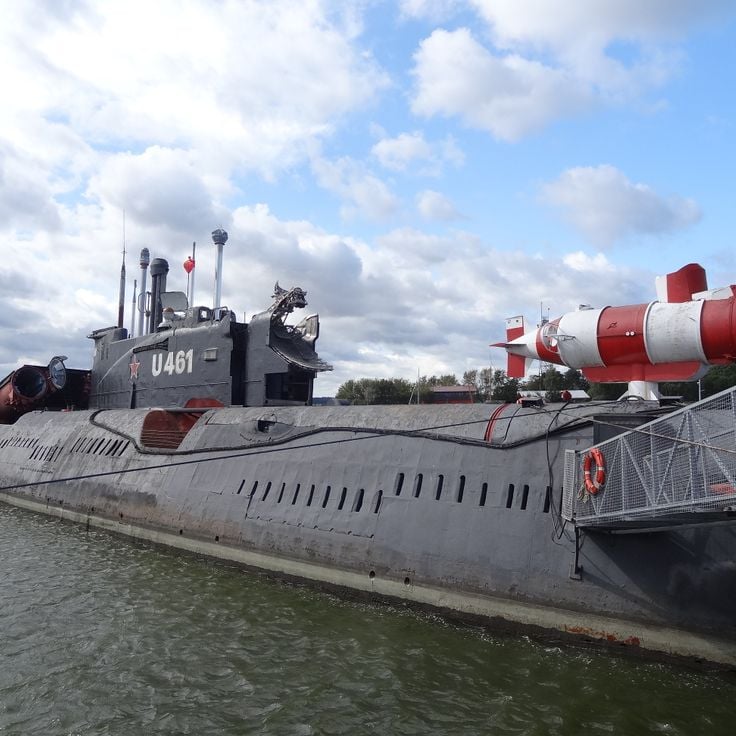
Peenemünde, Germany
This Soviet submarine lies at the harbor of Peenemünde and opens its hatches for visitors who want to see how the crew lived and worked on board. The Juliett-class submarine served in the Soviet fleet during the Cold War, running on diesel engines and carrying cruise missiles on patrols that lasted weeks. You walk through narrow steel corridors, look into the bunks where sailors slept, and stand where officers once studied charts. The torpedo tubes, instruments, and engine rooms remain as they appeared during active service. The submarine shows the tight quarters and conditions under which the men spent months beneath the surface.
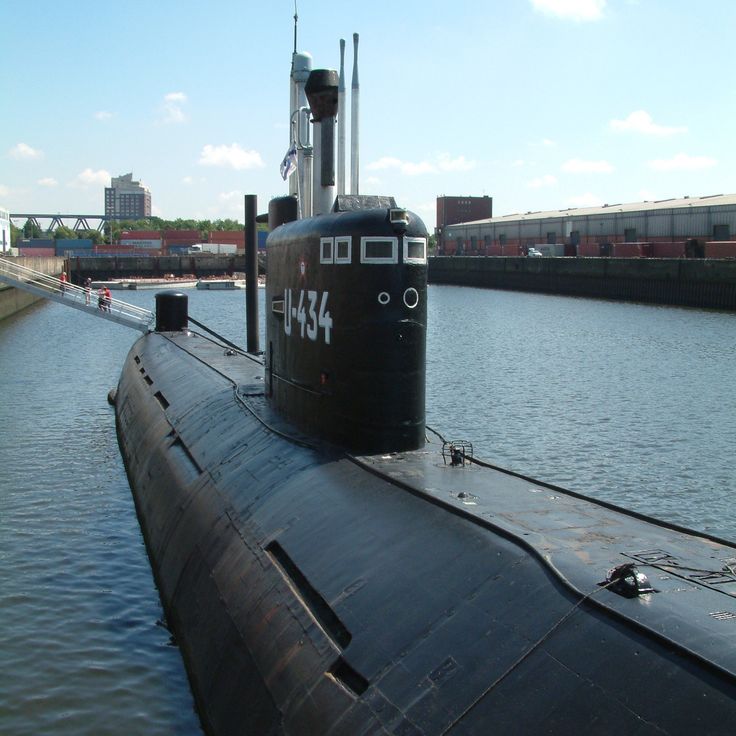
Hamburg, Germany
This Soviet submarine from the 1970s is moored at the St. Pauli Fischmarkt and opens its hatch to visitors who want to walk through the narrow steel corridors where Russian sailors once worked and slept underwater. The B-515 belongs to the Tango class and served in the Baltic Sea during the Cold War before coming to Hamburg and becoming a floating museum. You stand where men spent months in a space no bigger than a few rooms, without seeing daylight, surrounded by torpedo tubes, instrument panels, and the stacked bunks that remain just as cramped as they were during active service.
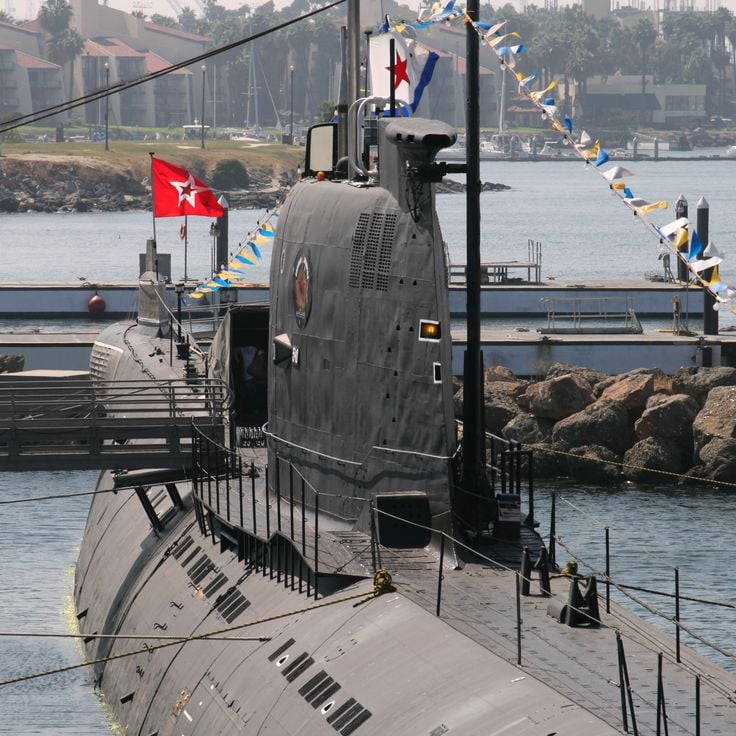
California, United States
This Soviet submarine served in the Pacific Fleet during the Cold War and now sits at dock beside the Queen Mary Hotel in Long Beach. The B-427 is a Foxtrot-class diesel boat built for long patrols in distant waters. Visitors walk through the narrow corridors, see the crew bunks, the control room, and the torpedo tubes. The machinery, instruments, and pipes remain as they were during decades of active duty. This submarine is among the preserved vessels that open their hatches and show how sailors lived and worked beneath the ocean surface.
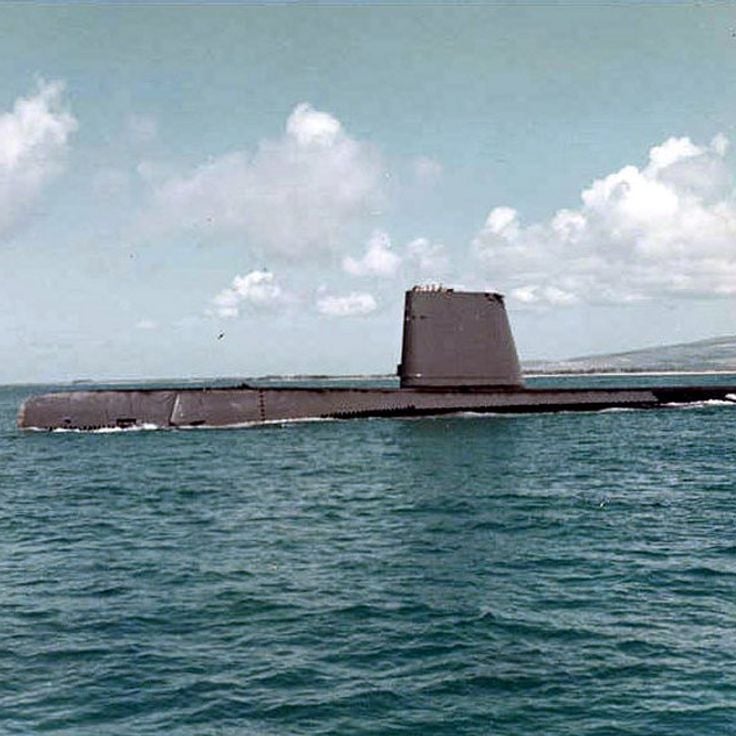
North Little Rock, United States
This World War II Balao-class submarine rests in North Little Rock along the Arkansas River and served in both the US Navy and later the Turkish Navy. The Razorback patrolled the Pacific, sank Japanese ships, and rescued downed pilots from the water. After the war, the boat went through several modernizations and remained in service until 2001, longer than nearly any other submarine of its type. Visitors walk through the narrow passages between torpedo tubes, bunks, and control rooms, see the original instruments, and learn how crews lived for months beneath the surface.
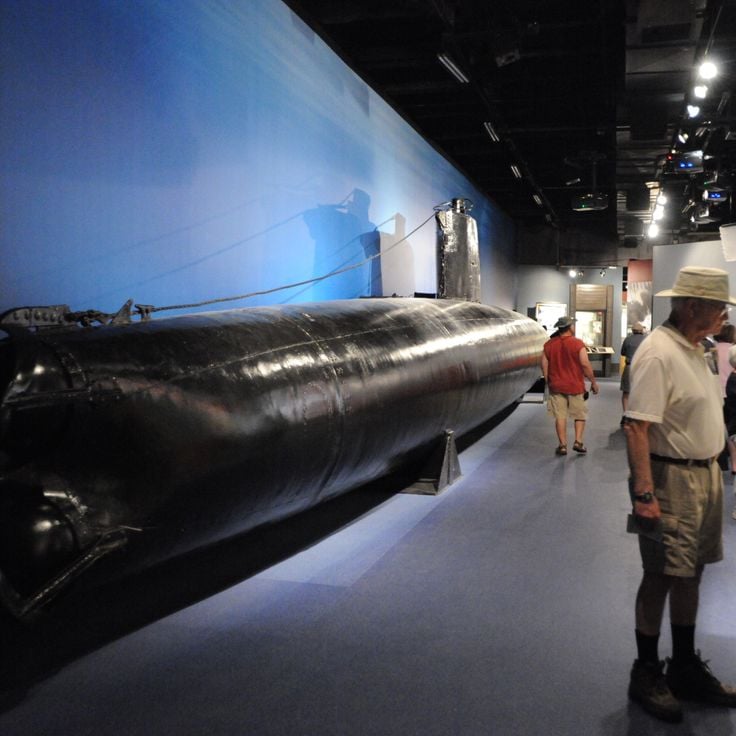
Fredericksburg, United States
This Japanese midget submarine sits at the National Museum of the Pacific War in Fredericksburg and belongs to the two-man craft Japan used for surprise attacks in shallow waters during World War II. The HA. 19 ran aground on an Oahu beach the morning of the Pearl Harbor attack and is one of the few surviving examples of this class. At the museum, visitors can see the tiny interior where only two men fit to fire torpedoes and attempt escape. The boat shows the tight quarters and risk faced by crews in these miniature warships, who often did not return.
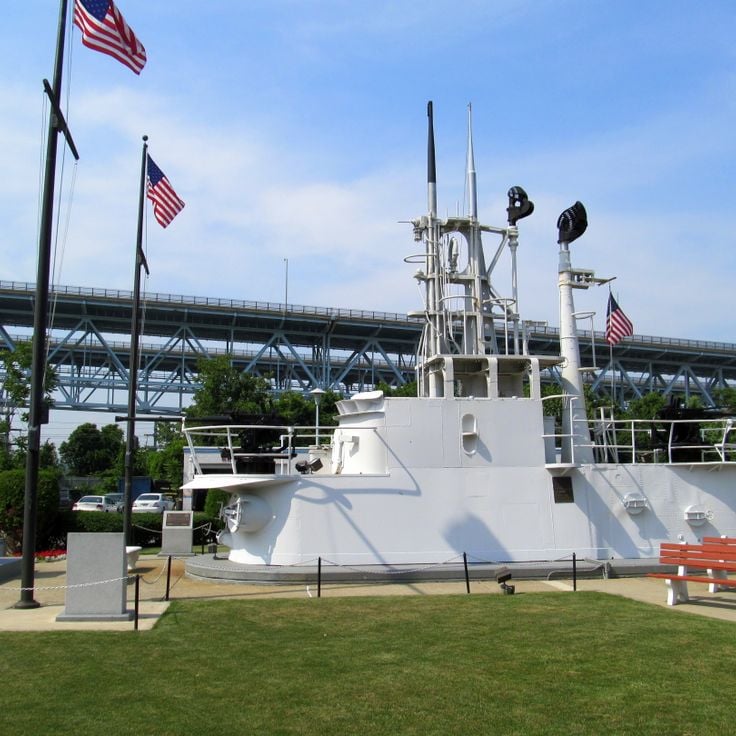
Groton, United States
This submarine once carried a crew through the Cold War and now rests as a museum in Groton. The steel hull shows the chambers where sailors lived for weeks underwater, without daylight or fresh air from outside. You walk through narrow passages, past the bunks and the instruments that once measured depth and course. The engine room preserves the machinery that drove the boat across thousands of miles, and the torpedo tubes remind you that it was once a warship. The USS Flasher is among the vessels that stayed in service after World War II and helped push the limits of technology beneath the ocean.
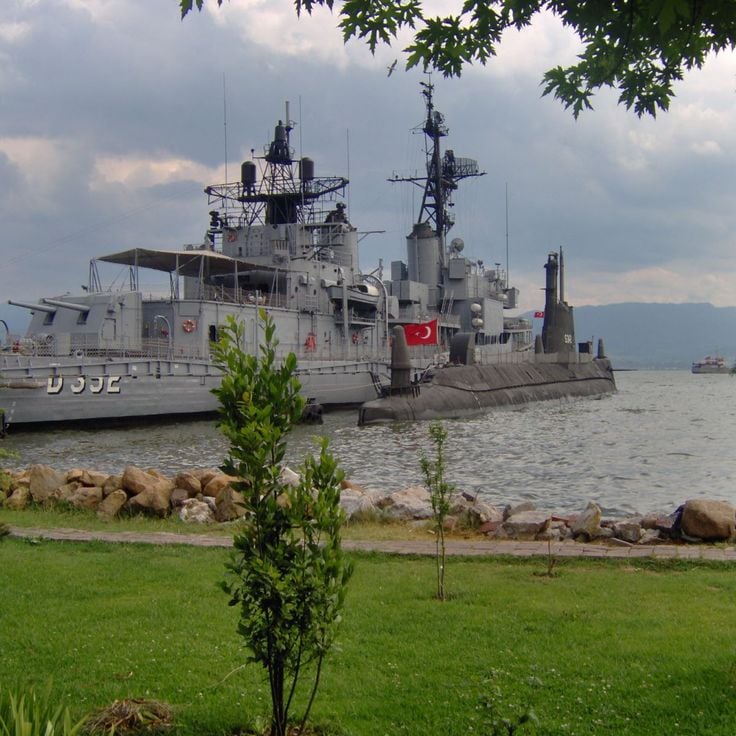
Turkey
This museum submarine sits on the shore of the Sea of Marmara in Izmit and shows an American warship that served in the Pacific during World War II. The USS Gudgeon sank Japanese vessels and rescued prisoners before being transferred to Turkey, where it continued service for decades as TCG Hızır Reis. Today visitors walk through narrow passageways, look into small bunks, and see the torpedo tubes that once went live. The rooms are low and the hatches heavy, just as they were when men lived and worked here, often for weeks beneath the surface. The submarine brings you into the reality of sailing through the ocean in a steel tube, always on watch, always ready.
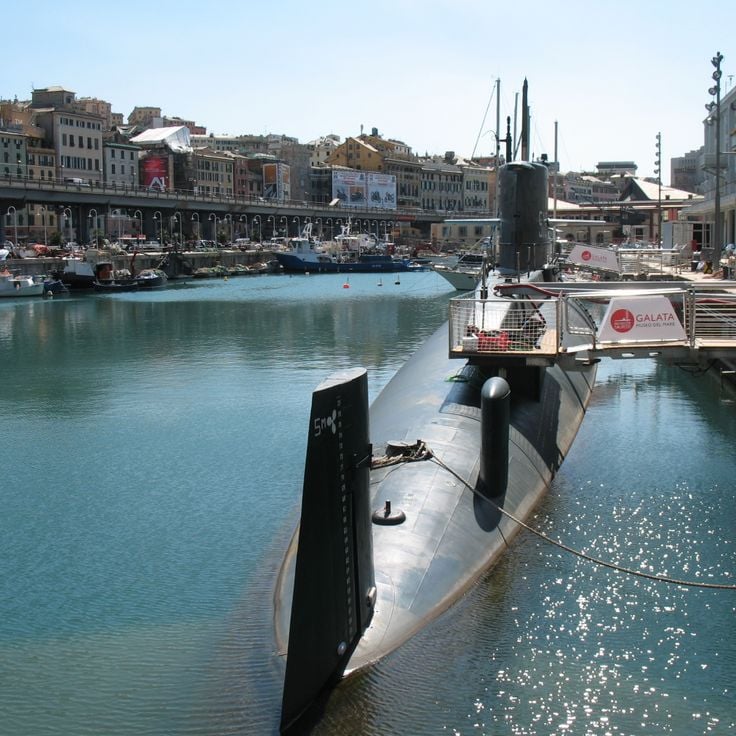
Genoa, Italy
This submarine rests at the port museum in Genoa, showing how the Italian Navy operated beneath the surface during the final decades of the 20th century. Nazario Sauro served for more than two decades on patrol missions across the Mediterranean before being moored here as a floating museum. You walk through narrow steel corridors, see the bunks where crew members slept in tight quarters, and stand in the control room where officers planned courses and gave orders. The torpedo tubes, navigation instruments, and engine rooms remain as they appeared during active service. This vessel brings you to the men who traveled for weeks below the surface, doing their work in spaces barely larger than a bus.
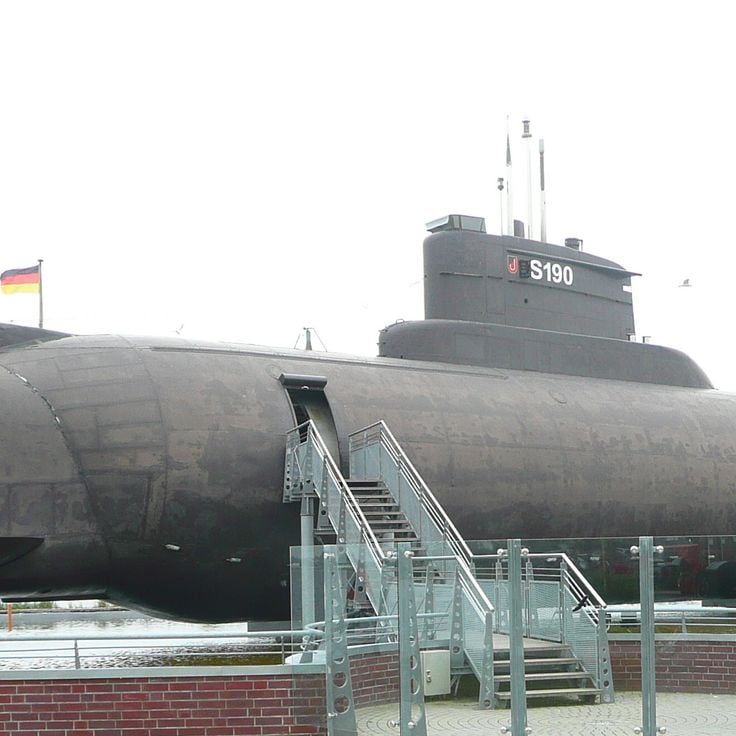
Burgstaaken, Germany
This submarine from 1968 rests in the harbor at Burgstaaken on Fehmarn Island and served with the German Navy until 1993. The boat belongs to the Type 205 class, designed for shallow coastal waters, and shows the living conditions of its eighteen-member crew in very tight quarters. Visitors walk through the narrow passages, see the sleeping bunks, the command center, and the torpedo tubes, all preserved as they were. After decommissioning, the boat was brought here and turned into a museum where you can understand how men lived and worked underwater for weeks at a time.
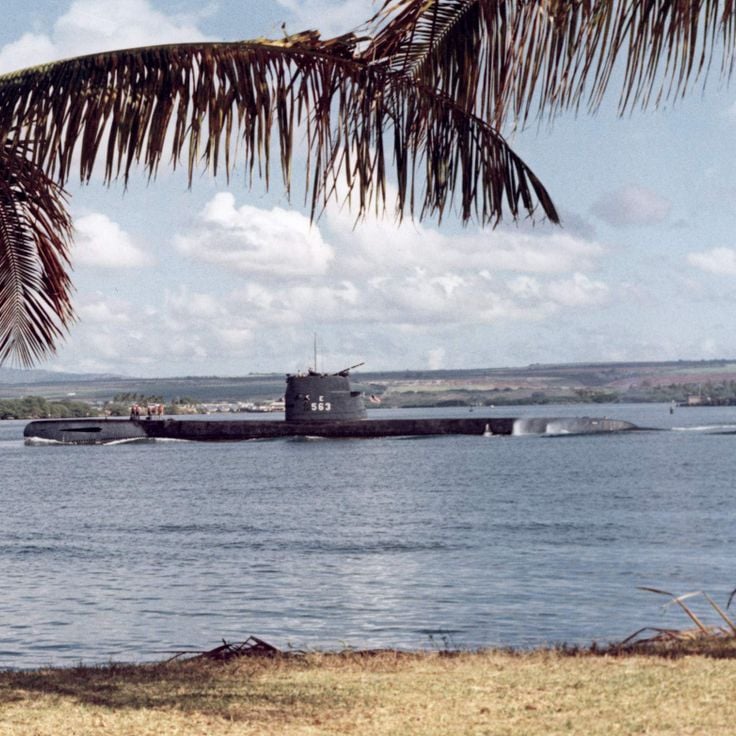
Balçova, Turkey
The submarine USS Tang sits at anchor in Balçova and is one of the few American Cold War submarines visitors can step inside. This vessel ran underwater patrols for years and now opens its command center, sleeping berths, and machinery spaces. You walk through narrow passageways and see how the crew lived and worked in tight quarters.
Sassnitz, Germany
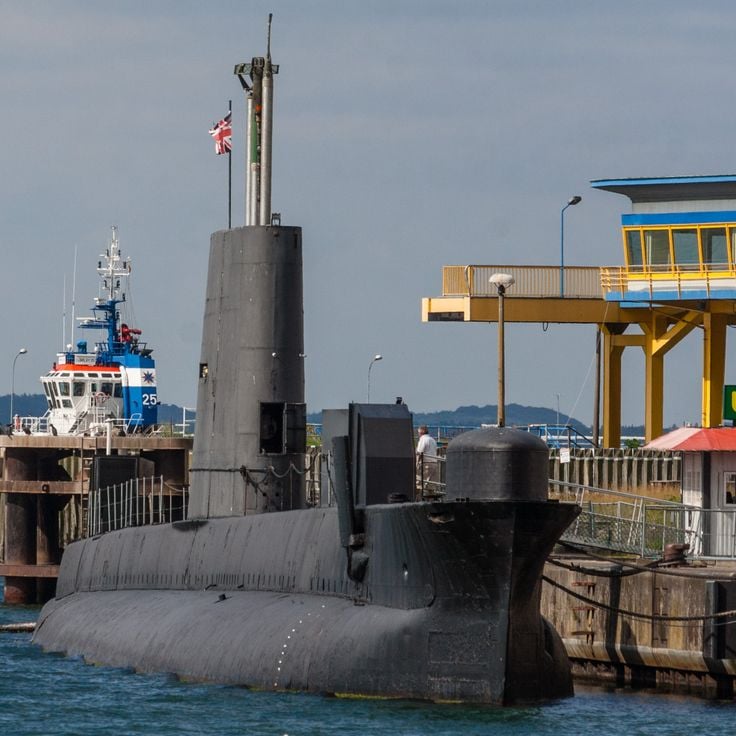
This Oberon-class submarine served in the British Royal Navy for more than two decades before arriving in Sassnitz. Visitors walk through the narrow passageways where the crew once worked and slept along the Baltic coast. The HMS Otus shows daily life underwater during the second half of the twentieth century, when conventional diesel submarines still played an important role in fleet surveillance. The compartments remain as they were during active service, with instruments, bunks, and control panels in place. Docked in Sassnitz harbor, this vessel stands as an example of how sailors spent months submerged without seeing daylight.
Omaha, United States
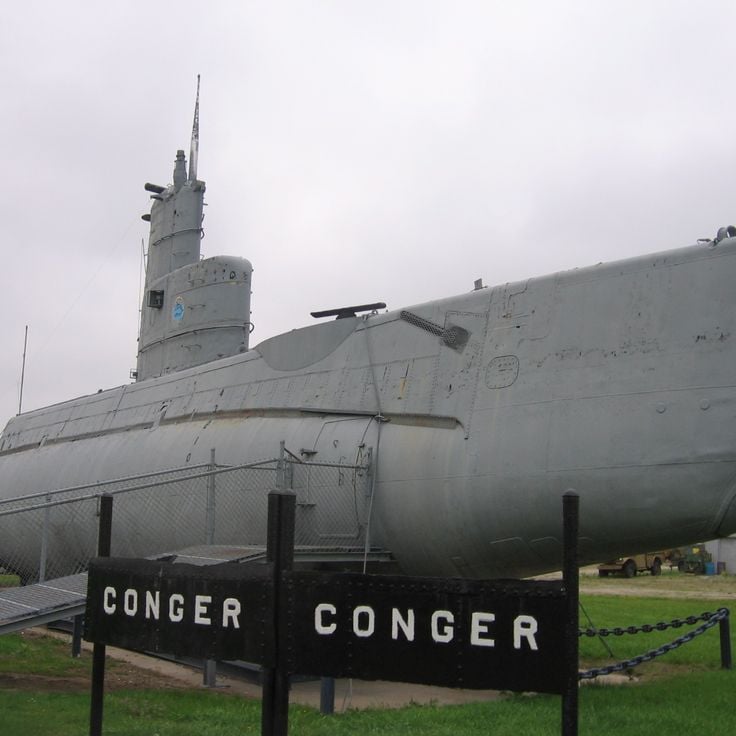
This World War II submarine now rests in a park along the Missouri River. The USS Marlin served in Pacific warfare and was later brought here so visitors can walk through narrow steel corridors and see where sailors slept in stacked bunks, where the commander gave orders, and how the torpedo tubes operated. The interior preserves the instruments, valves, and control panels used during active duty.
Barcelona, Spain
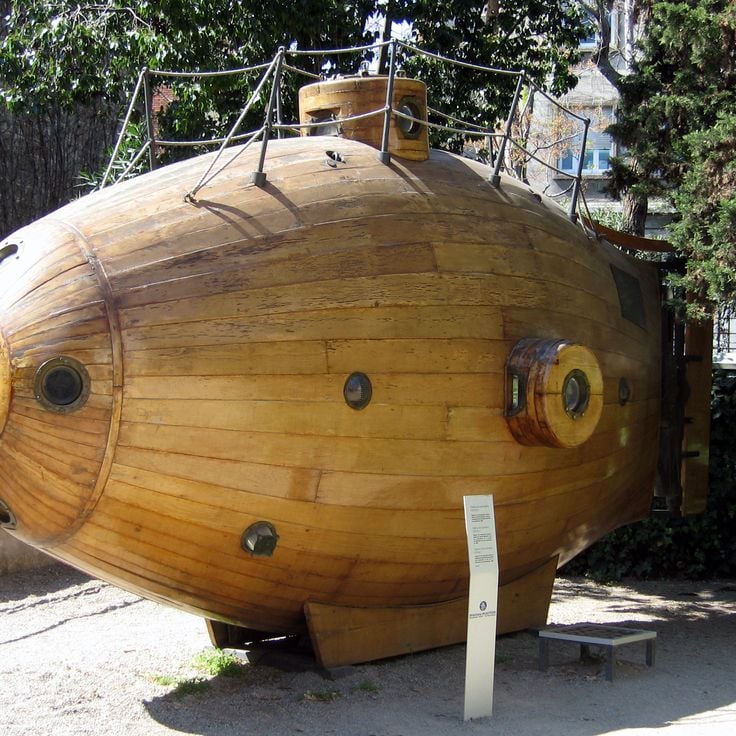
This submarine in El Raval is a replica of the first steam-powered submersible vessel developed by Catalan inventor Narcís Monturiol during the 19th century. The original was built in Barcelona in 1859 and became the first fully Spanish-designed submarine to operate successfully underwater. The replica shows the handcrafted construction of wood and copper that Monturiol used to prove humans could work and breathe below the ocean surface. You see the airlock, the rudders, and the compact interior where the crew sat in near darkness. The vessel was intended for peaceful purposes such as coral harvesting, not for combat. The exhibit tells the story of early attempts to explore the deep sea long before engines and batteries made diving safer. Monturiol completed more than 50 dives before running out of funds and abandoning the project. This reproduction recalls a moment when engineers with simple tools pushed the boundaries of what seemed possible.
Barcelona, Spain
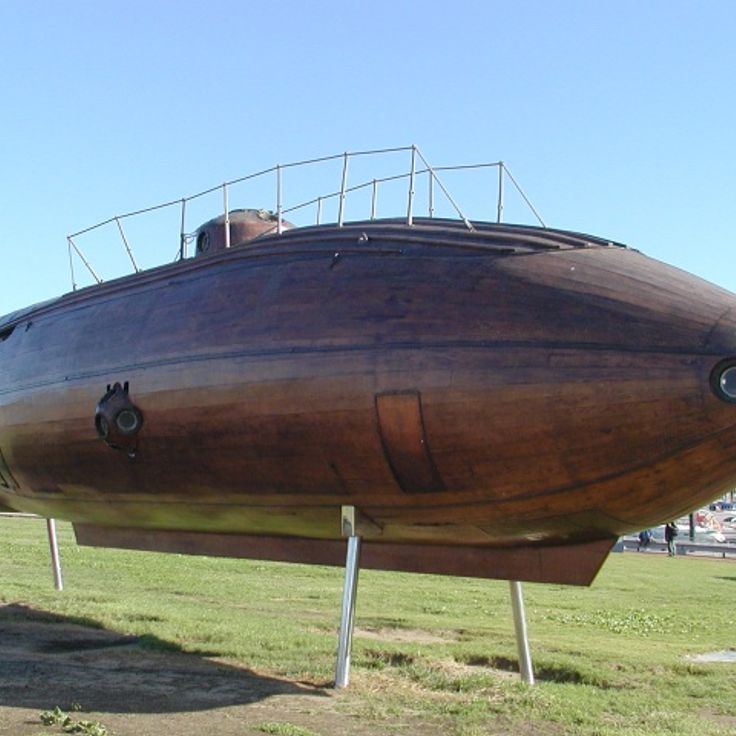
This wooden submarine sits inside a small hall in the Gothic Quarter of Barcelona and shows a replica of the Ictineo II, which was designed by Catalan inventor Narcís Monturiol in the 1860s. The original vessel was one of the first steam-driven submarines in the world and completed several successful dives in Barcelona harbor before it was scrapped. The reproduction displays the rounded shape made from wooden planks, the viewing ports of thick glass, and the interior space where the crew worked and navigated. The exhibit recalls early attempts to explore the underwater world long before steel hulls and diesel engines changed submarine construction. Visitors can walk around the craft and look at the tools and instruments hanging on the walls. It is a piece of Catalan engineering history preserved in a small room, showing how people tried to conquer the depths.
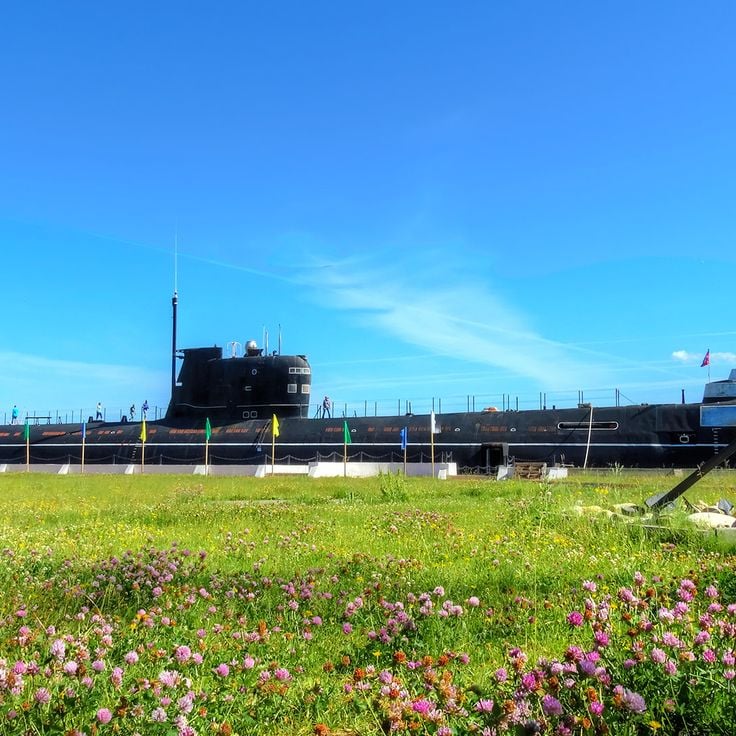
Vytegra, Russian Federation
This Foxtrot-class submarine from the Soviet era sits in the harbor of Vytegra on the shore of Lake Onega, showing what life was like underwater during the Cold War. B-440 carried a crew of 78 men on patrols that lasted weeks at a time, and now stands open to visitors who walk through narrow steel corridors, pass bunks stacked in three levels, and see torpedo tubes, engine rooms, and the control center where officers studied charts and gave orders. The vessel served the Soviet fleet for decades and ended its career as a floating barracks before being brought to Vytegra and set up as a museum.
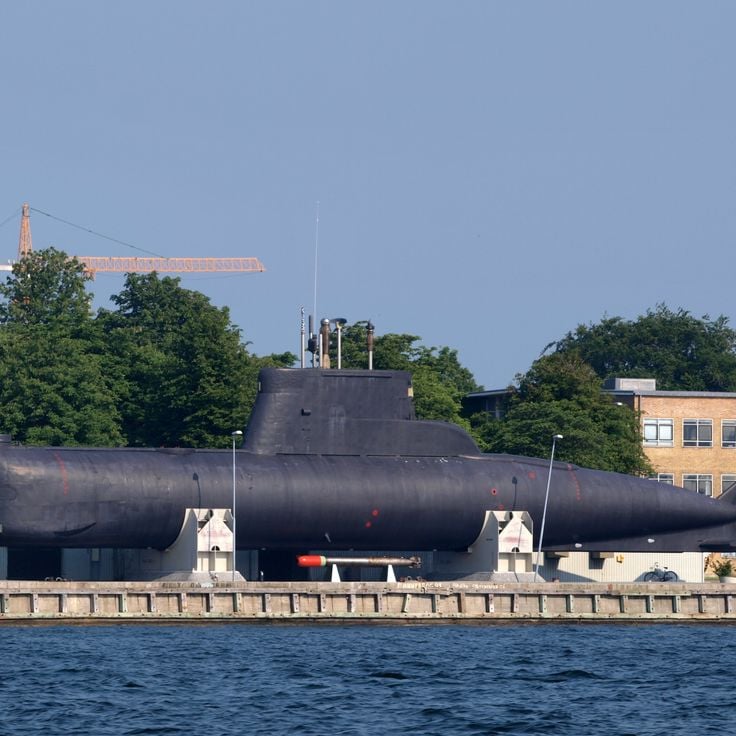
Denmark
This Tumleren-class submarine entered service in 1965 and ran patrols for the Danish Navy in the Baltic Sea for three decades. Since 2004, HDMS Sælen has been moored as a museum vessel in Nyholm, where visitors walk through the interior of a diesel boat that operated during the Cold War. The bunks, control room, and torpedo tubes show the daily conditions under which the crew worked in tight quarters. The instrument panels and navigation charts remain as they were used on the final voyages before the boat was decommissioned.
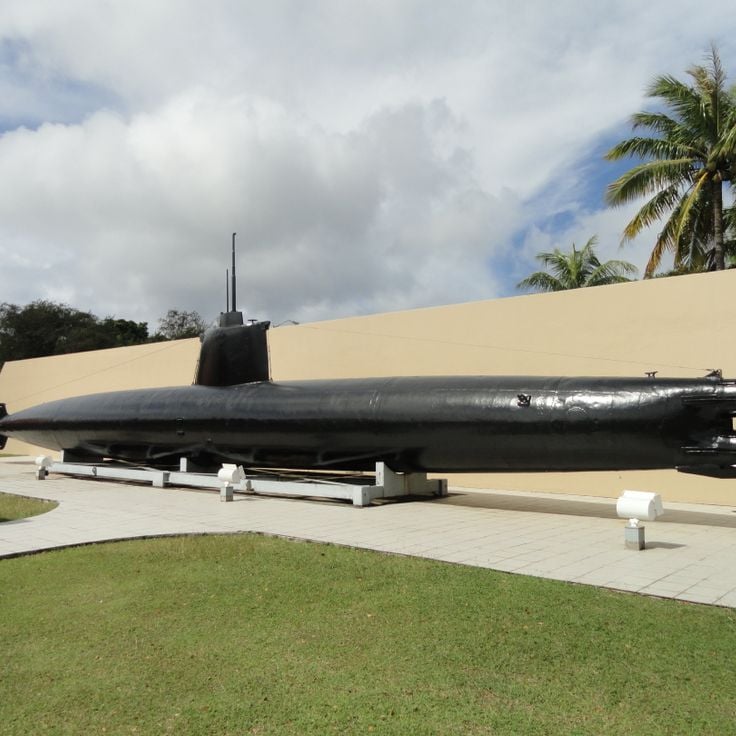
United States of America
This Japanese midget submarine from the Second World War rests at the T. Stell Newman Visitor Center on Guam and shows how the Imperial Navy used tiny submarines for surprise attacks in shallow waters. The Type Ha boat belonged to a class of two-person vessels armed with torpedoes and often operated as one-way weapons, with crews having little hope of return. You can see the compact hull design, so tight that the two sailors worked in a stooped position, unable to stand fully upright. Guam was recaptured by American forces in 1944, and several of these small submarines were left behind or captured after the battle. This displayed boat recalls the desperate tactics of the late war years, when Japan relied on ever smaller and riskier weapon systems.
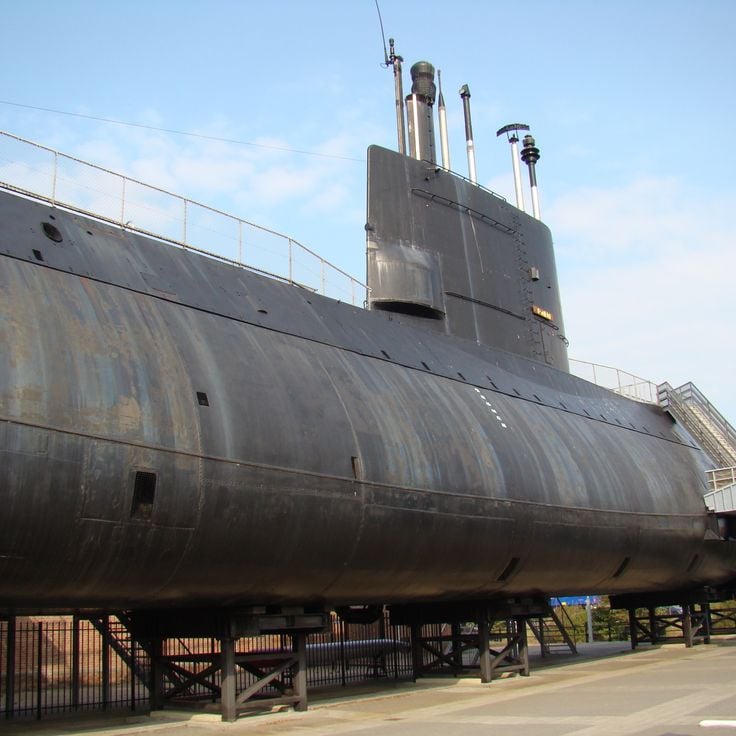
Den Helder, Netherlands
This submarine sits docked at the Dutch Navy Museum in Den Helder, showing the conditions under which Dutch sailors worked beneath the surface during the Cold War. The HNLMS Tonijn served for several decades in the Royal Netherlands Navy, running patrols that often lasted weeks at a time. Inside, you see the narrow passageways, sleeping bunks, and command spaces that remain much as they were during active service. The boat joins a collection of historic submarines that lets visitors walk through real working spaces and understand how crews lived and performed their duties within these narrow steel hulls.
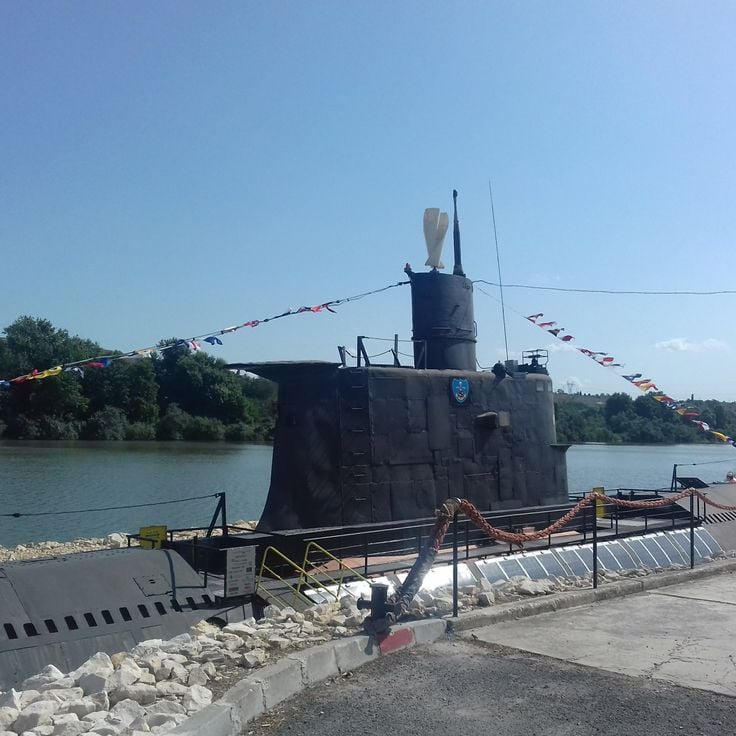
Bulgaria
This Soviet submarine now rests in Beloslav and opens its interior to visitors who want to see where sailors lived and worked beneath the surface during the Cold War. The Slava served in the Black Sea Fleet and carried crews on patrols that often lasted weeks without daylight. Inside you walk through narrow steel corridors, see bunks stacked for the crew, and stand in the control rooms where officers gave their orders. Torpedo tubes and engine equipment remain in place, showing how men operated in this confined space far from shore. The submarine now sits beside the water as a museum, bringing you into the daily reality of service beneath the waves.
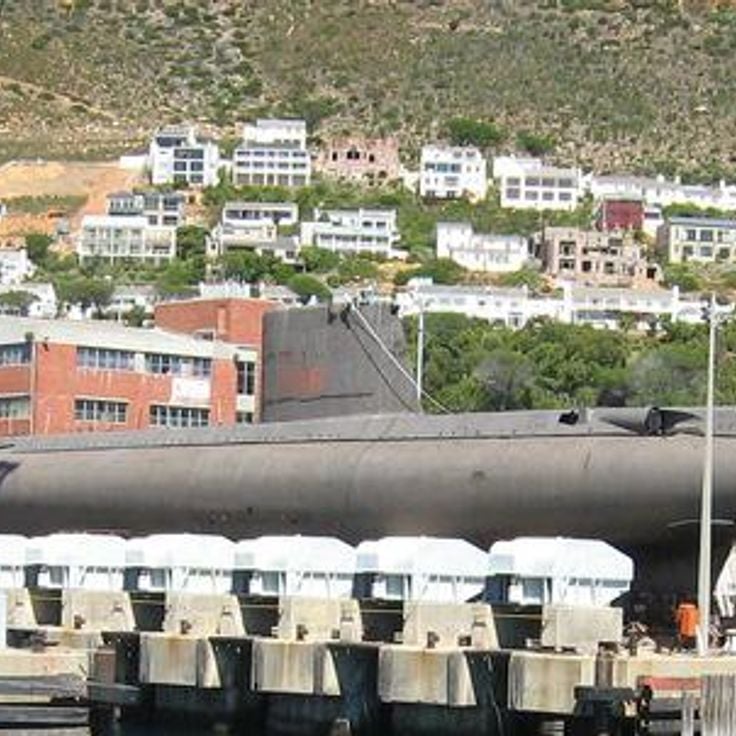
Simon's Town, South Africa
This Daphné-class submarine served in the South African Navy for decades before becoming a museum exhibit in Simon's Town. The SAS Assegaai shows the tight quarters and control rooms where crews worked during long patrols beneath the ocean surface. You can walk through the steel corridors, see the torpedo tubes, and understand how men lived and worked in limited space.
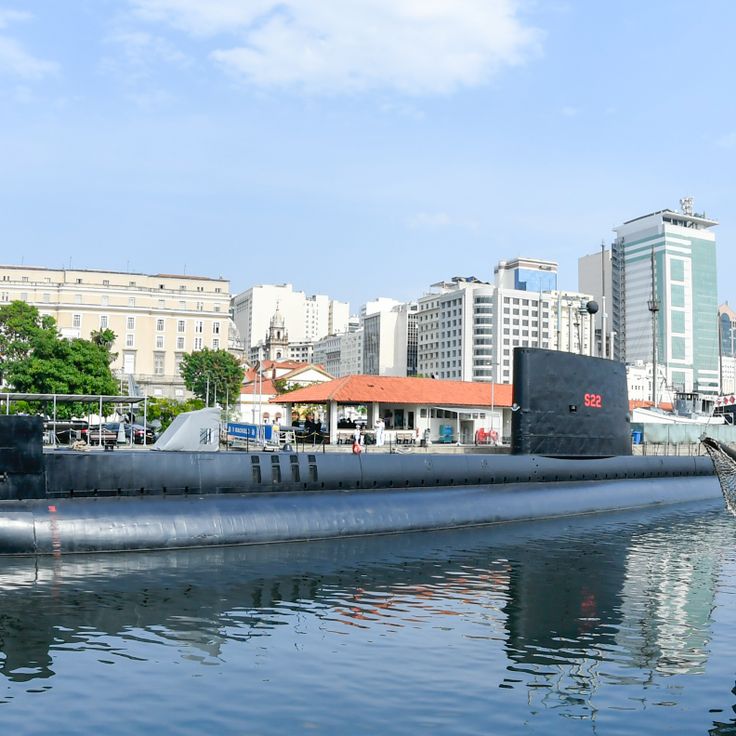
Brazil
This submarine sits berthed at the Marinha do Brasil and displays the engineering capacity of Brazilian shipyards. The Riachuelo served in the waters of the South Atlantic, conducting exercises that included torpedo attacks, reconnaissance missions, and operations to secure the coast. Inside, visitors see the spaces where crews spent months beneath the surface, operating control panels for depth and navigation, and sleeping in tight bunks. The pipes, valves, and instruments in the engine room and torpedo compartment convey the conditions of life below, where every square foot of space mattered.
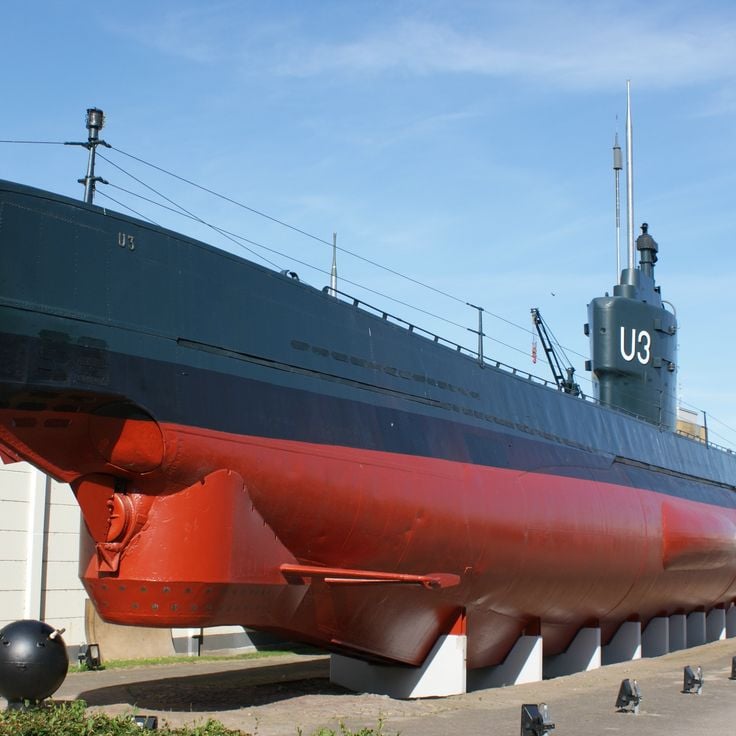
Karlskrona, Sweden
This submarine is one of the oldest surviving submarines in Sweden and rests in the harbor of Karlskrona. It was built in the early years of the 20th century when the Swedish Navy was developing its underwater fleet. The tight spaces show how the crew worked and lived in just a few square meters. You see the original torpedo tubes, control systems, and bunks stacked close together. The steel pressure hull and mechanical instruments recall a time when every dive carried real risk. The museum preserves the feel of a vessel that spent decades beneath the surface.
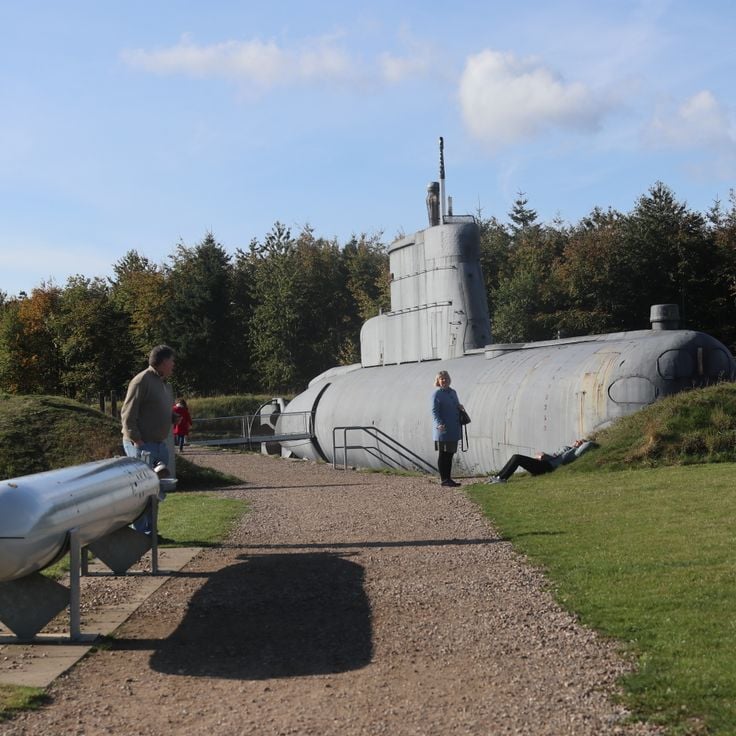
Langelandsfortet, Denmark
The S324 Springeren is a conventionally powered submarine from the Danish Navy that served during the Cold War and remained in service until 1990. This boat sits at Langelandsfortet, a former coastal fortress, where visitors can walk through crew quarters, examine the torpedo tubes, and see the controls Danish crews used to patrol the Baltic Sea. The interior shows how sailors worked and slept in tight spaces for months at a time while defending the nation's neutrality during decades of tension. Exhibits at the museum explain the boat's role monitoring Soviet movements and life aboard during long missions underwater.
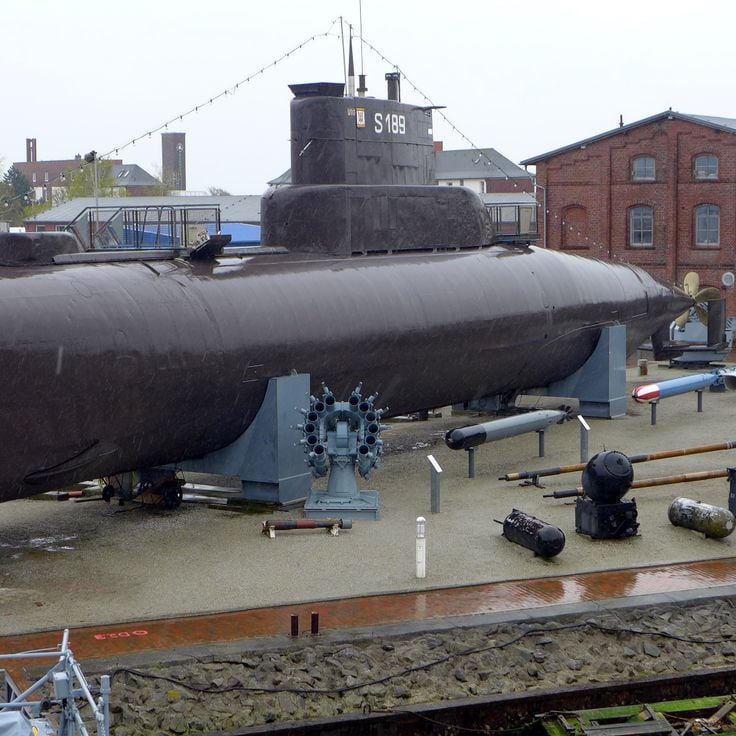
Wilhelmshaven, Germany
This submarine sits in a basin at the German Naval Museum and shows the simple technology of the early postwar years. The men of the Bundesmarine worked in narrow passages between diesel engines and battery rooms, shared the bunks, and carried out patrol duties in the Baltic Sea. Visitors walk through the compartments where valves and levers are mounted on the walls and see the torpedo tubes in the bow. The boat served in the 1960s and shows how German sailors returned to sea after the war.
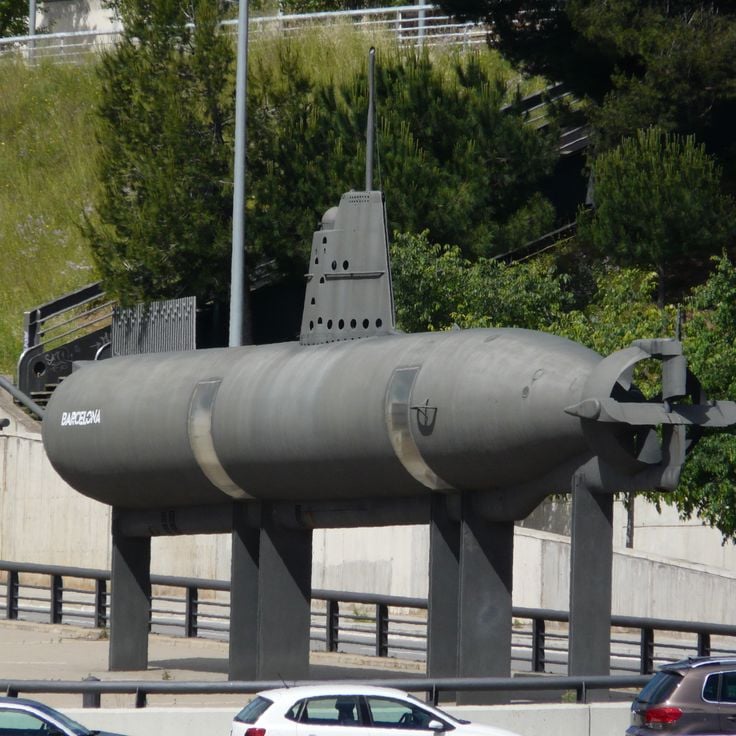
Barcelona, Spain
This submarine sits inside the CosmoCaixa museum in Barcelona and brings visitors aboard a Spanish military vessel that served for decades. You walk through steel passageways, see sleeping berths stacked one above the other, and stand where the crew worked in tight quarters. The boat shows torpedo tubes, control instruments, and engine rooms as they looked during active patrols. It joins the preserved submarines around the world that let visitors see how sailors lived and carried out their duties below the surface of the ocean.
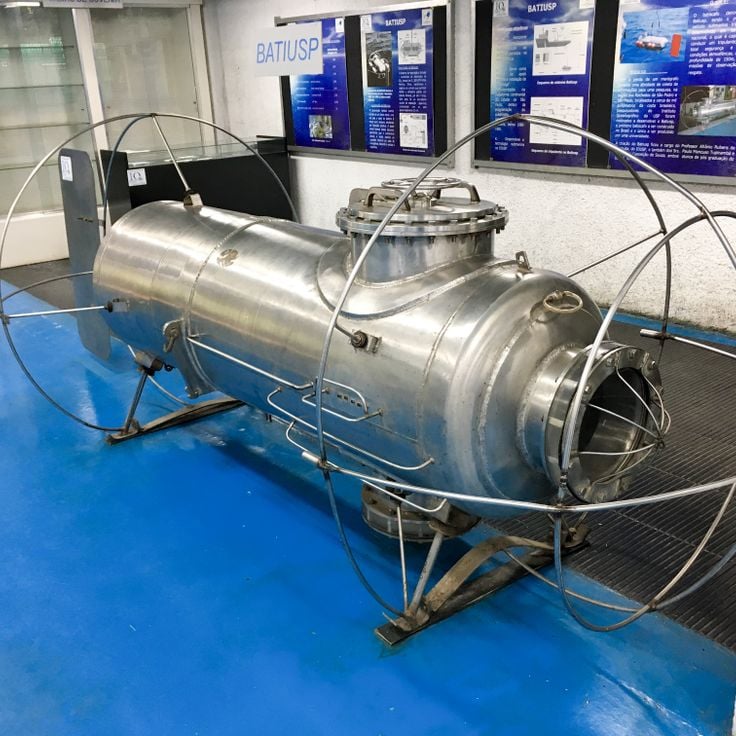
Brazil
This research submarine on the campus of the University of São Paulo was built in the 1960s as a platform for studying how underwater vehicles might be used in Brazilian tropical waters. The hull is made of welded steel, the instruments are mounted so that students and technicians could test and calibrate them, and the interior is laid out like a laboratory where scientific data were collected. Today the vessel sits on dry ground as a museum piece, showing how Brazilian academia worked to develop and try out its own underwater technology.
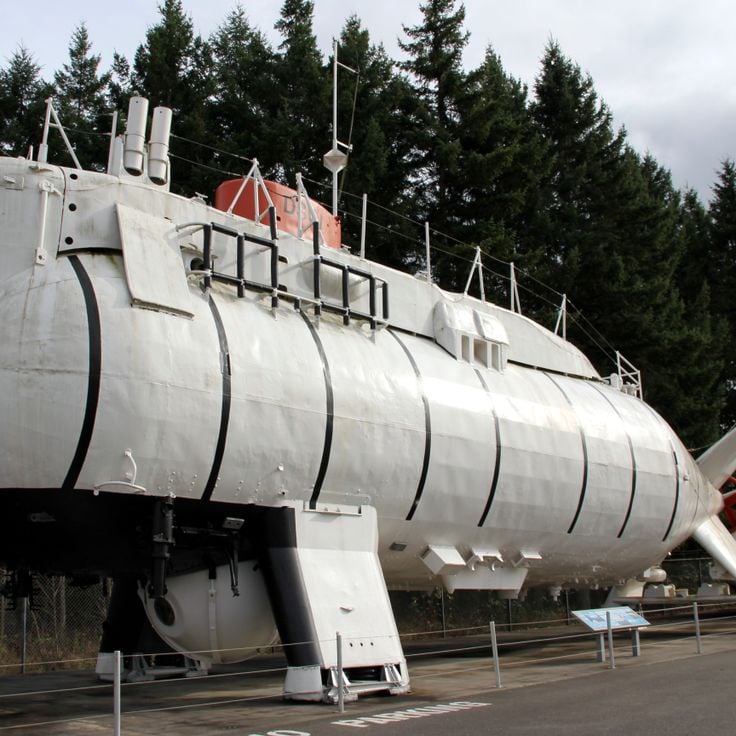
Italy
This deep-sea research submarine reached the deepest known point in the world's oceans when Jacques Piccard and Don Walsh descended to the floor of the Mariana Trench in 1960, more than 35,800 feet (10,900 meters) below the surface of the Pacific. The Bathyscaphe Trieste consists of a thick steel pressure sphere that held two people and a large flotation tank filled with gasoline to provide buoyancy. Visitors see the craft that proved humans could reach the ocean's greatest depths, a milestone in the history of marine exploration and underwater vessel development.
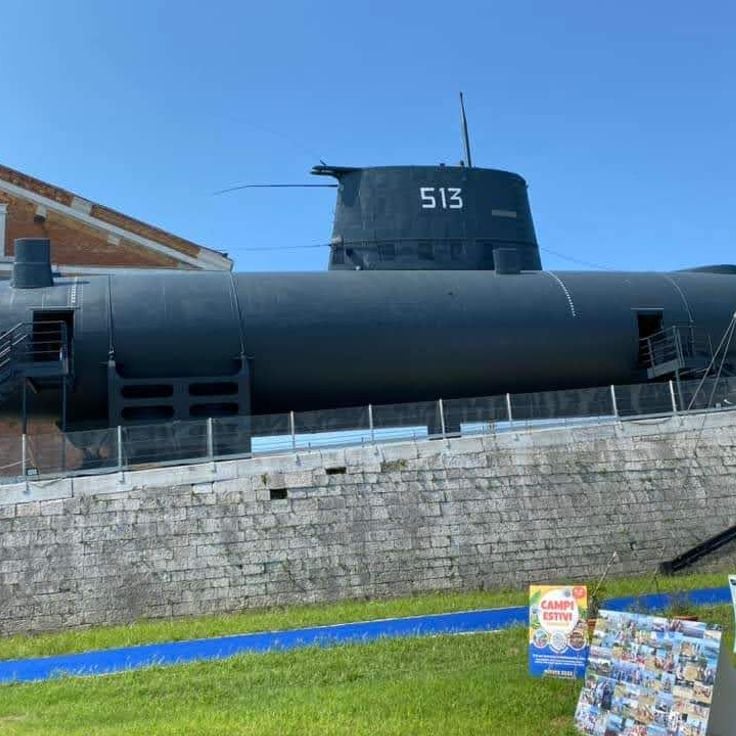
Italy
This Italian Navy submarine dates from the early decades of the twentieth century and now rests as a museum vessel open to visitors. The Dandolo belonged to a generation of boats that ran on diesel engines and operated both on the surface and underwater. The crew lived and worked in tight spaces where every valve and lever served a purpose. Visitors walk through narrow corridors, see the bunks and the command station, and get a sense of how men spent weeks below deck without seeing daylight. The boat displays torpedo tubes, navigation instruments, and the compartments where the crew carried out their missions beneath the surface.
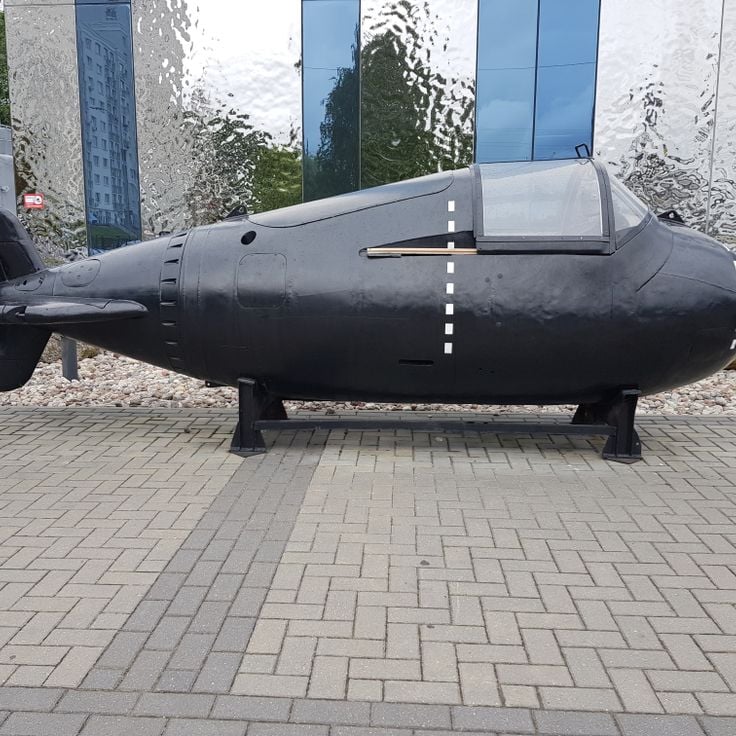
Russian Federation
This submarine rests in Russian waters and shows the technical development of the Soviet Navy during the Cold War. Triton-1 is among the preserved vessels that let visitors see where crews lived and worked beneath the ocean. You walk through narrow passages where sailors moved between stations and rooms where they spent months without daylight. The ship preserves the feeling of those years when crews ran long patrols and technology kept advancing. The instruments and machinery remain in place, showing how men did their work in this enclosed space smaller than most city apartments.
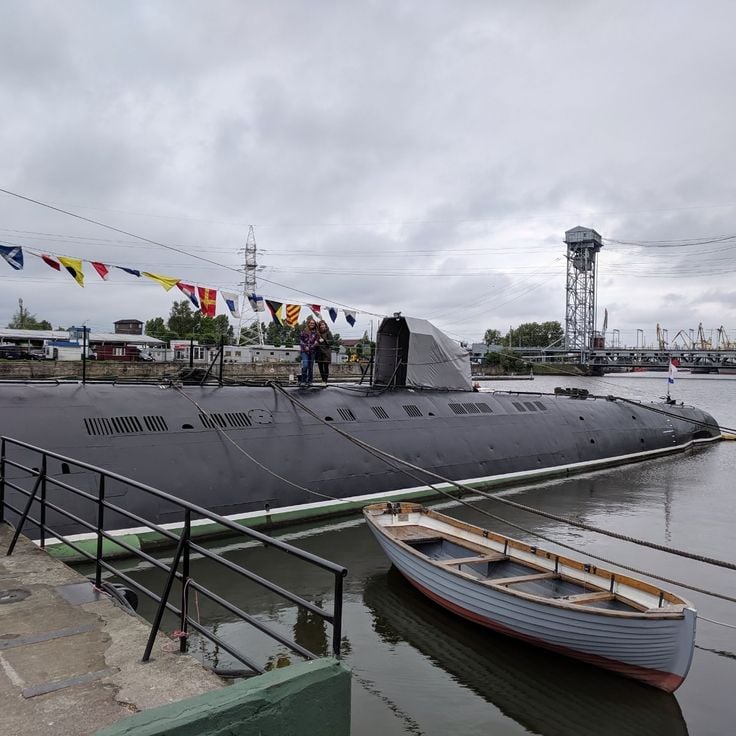
Kaliningrad, Russia
This Foxtrot-class submarine sailed for the Soviet Navy through the Baltic Sea and Atlantic Ocean for decades before becoming a museum ship in Kaliningrad. The B-413 reveals the tight spaces where more than 70 men lived and worked during patrols that lasted months without seeing daylight. You walk through narrow steel corridors past the bunks, torpedo tubes, and control panels that were in use throughout the Cold War. Every compartment speaks to the discipline and technical skill needed to survive underwater and complete the mission.
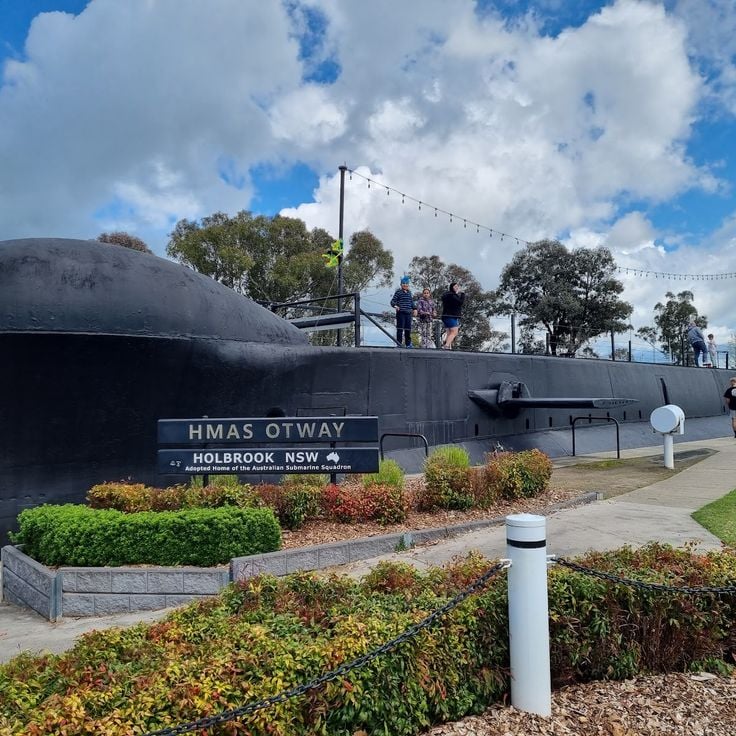
Australia
This 1966 Oberon-class submarine opens as a museum vessel where you walk through narrow steel corridors and see where Australian Navy crews lived and worked during Cold War patrols that lasted weeks beneath the ocean surface, sleeping in bunks stacked three high and operating in spaces where every square foot served a purpose, from torpedo tubes to engine rooms that powered silent journeys through distant waters.
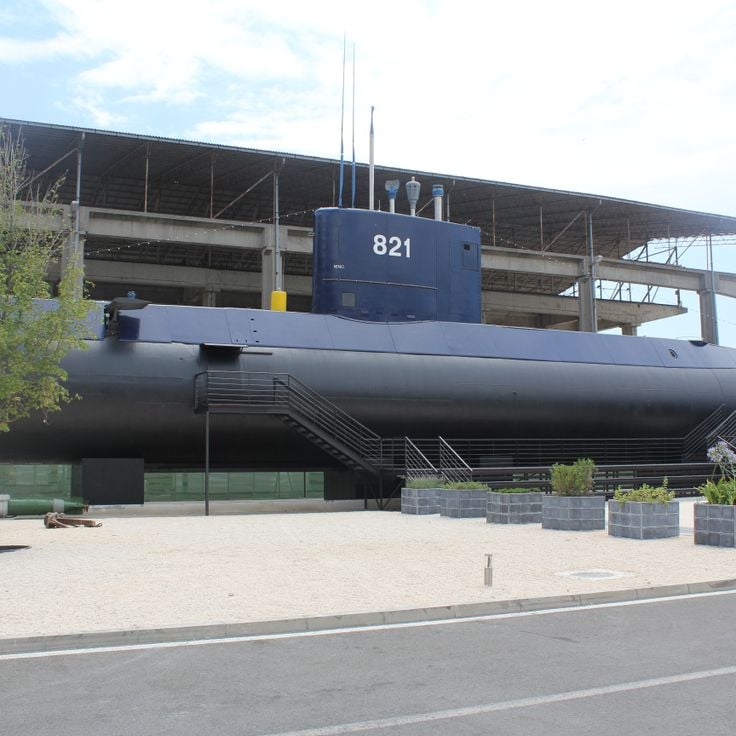
Tivat, Montenegro
This Yugoslav Navy submarine now rests in Tivat along the Bay of Kotor, showing how crews worked in tight quarters during the Cold War. The P-821 Heroj belonged to a class of Soviet patrol boats and carried out coastal watch duties in the Adriatic for decades before being decommissioned. Visitors walk through narrow steel corridors, see bunks stacked one above another, and stand in command rooms where officers once studied charts and gave orders. The torpedo tubes, instruments, and engine rooms remain as they were, giving a sense of life underwater when the boat spent weeks at a time without seeing daylight.
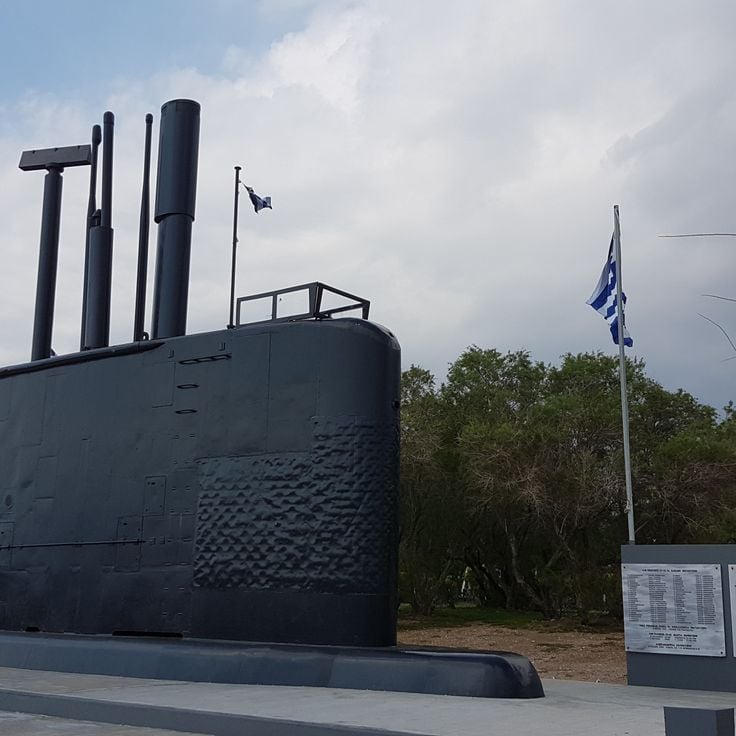
Greece
This submarine served the German navy during World War II before Greece took it over and renamed it Okeanos. For decades it patrolled the Aegean Sea, carrying Greek sailors through waters between the islands. Now visitors walk through the narrow corridors and see where the crew slept, worked, and carried out their duties beneath the surface. The torpedo tubes, instruments, and engine rooms remain as they were when the submarine was active, showing what life was like aboard a vessel that cruised along the coast and watched over Greek waters during years of service.
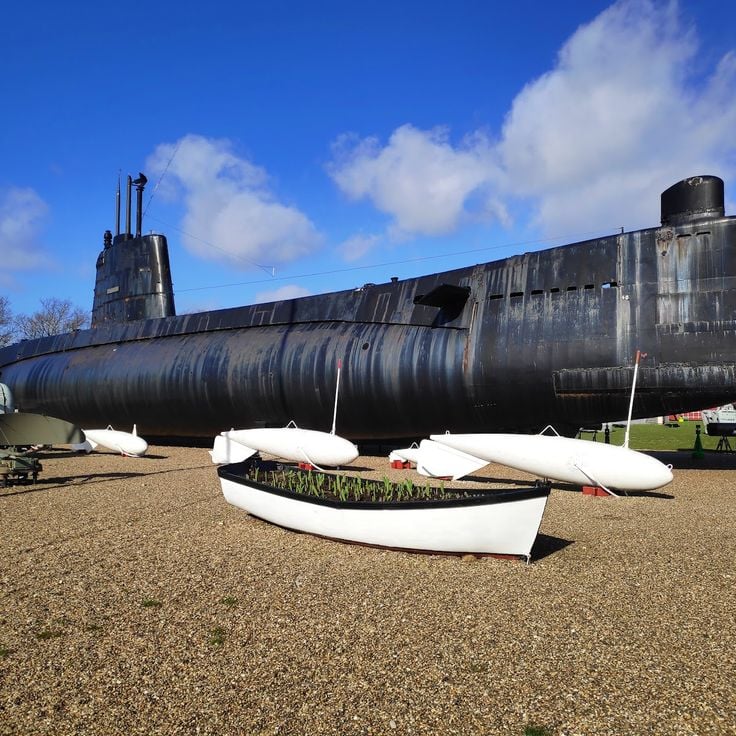
Denmark
This submarine belongs to the smallest military diving vessels ever built and shows how naval architects tried to create an effective patrol craft with minimal space. Springeren entered Danish service in 1964 and operated through the Cold War, monitoring Danish waters and straits where larger submarines could not easily maneuver. The boat measures only about 50 feet (15 meters) in length and held a crew of five men who worked in an interior space barely larger than a small living room. Visitors today walk through the narrow passages and see where each crew member held his post, from helmsman to torpedo specialist. The instruments and valves remain intact, showing how little room lay between the men and the machinery.
Russia
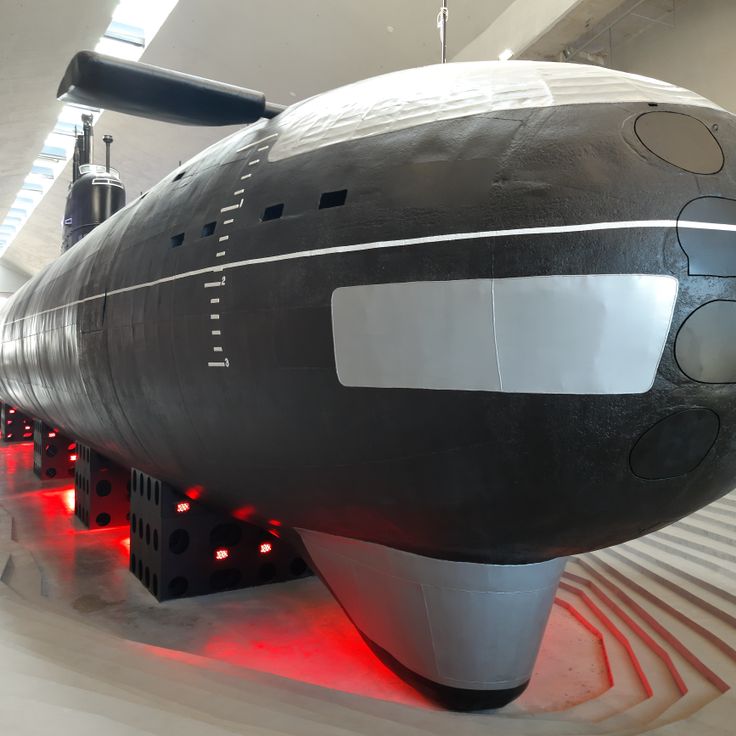
This submarine entered service in 1957 and belongs to the November class, the first Soviet series powered by a nuclear reactor. In 1962 it completed a historic voyage beneath the polar ice and demonstrated the range this new technology could deliver. Visitors aboard find the torpedo tubes in the bow, the cramped control room with its instrument panels, and the bunks where crew members rested during patrols that lasted months below the surface. Corridors are narrow, ceilings low, and everywhere you see valves, pipes, and gauges that monitored the reactor and propulsion system. This vessel took part in exercises across the Atlantic and tested tactics for underwater combat during the Cold War.
Portugal
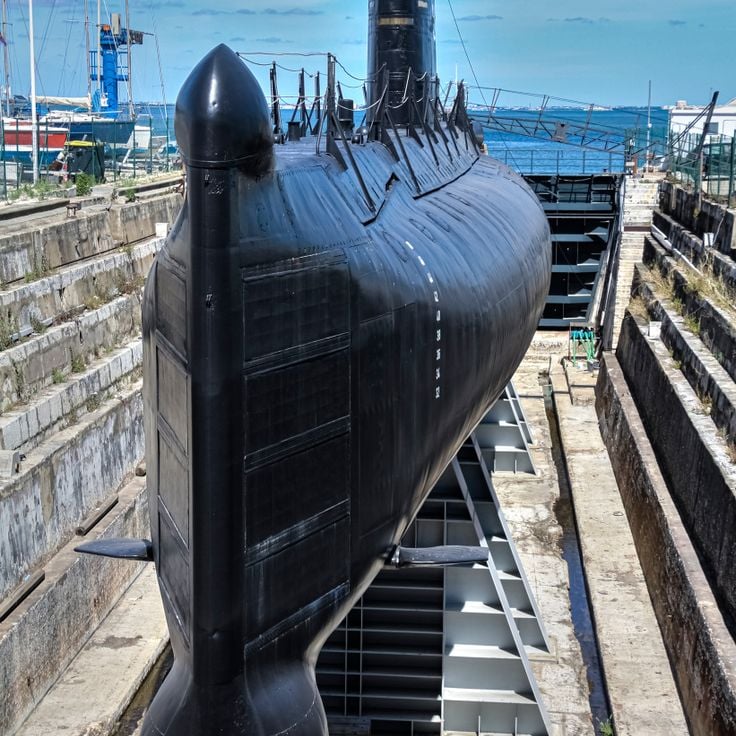
This Portuguese submarine from the 1960s served in the Atlantic for over three decades and now rests on the Cacilhas waterfront across from Lisbon. NRP Barracuda is a French Daphné-class diesel-electric boat that takes you through the narrow steel corridors where 47 crew members worked and slept. You see the torpedo tubes at the bow, the control room with periscopes, the bunks in the sleeping quarters, and the engine room with diesel motors and electric motors for underwater propulsion. The captain's cabin and galley show how daily life unfolded during patrols that lasted weeks at sea. This vessel survived the 1974 revolution and remained in service until the late 1990s before coming to Cacilhas as a museum.
Toulon, France
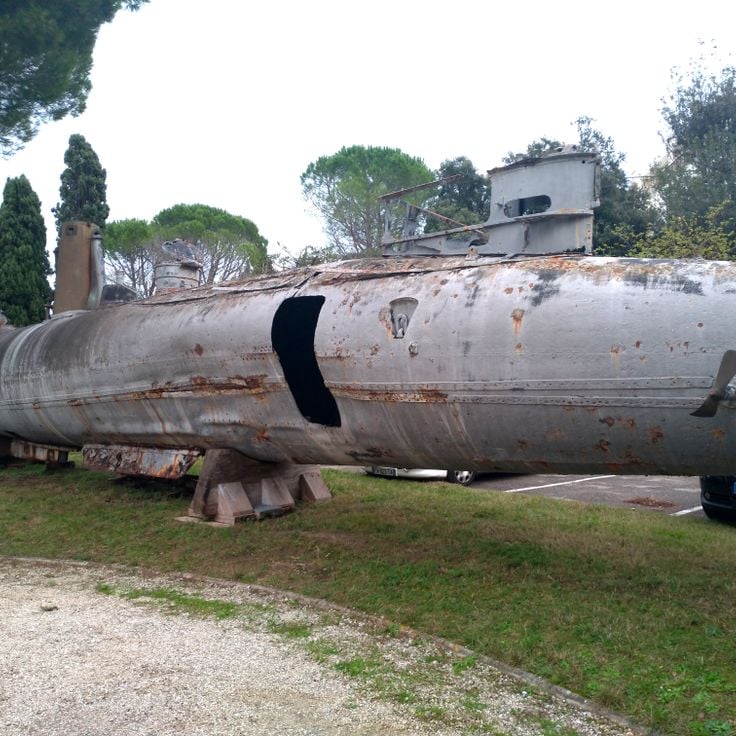
This French submarine from the 1900s rests in the Toulon Arsenal, where visitors walk through its narrow passages and see the spaces where sailors once worked and slept. The Alose shows what life was like on board during a time when submarines still ran on diesel and dives lasted only hours. It belongs to the early models that helped develop this form of warfare beneath the surface.
Tallinn, Estonia
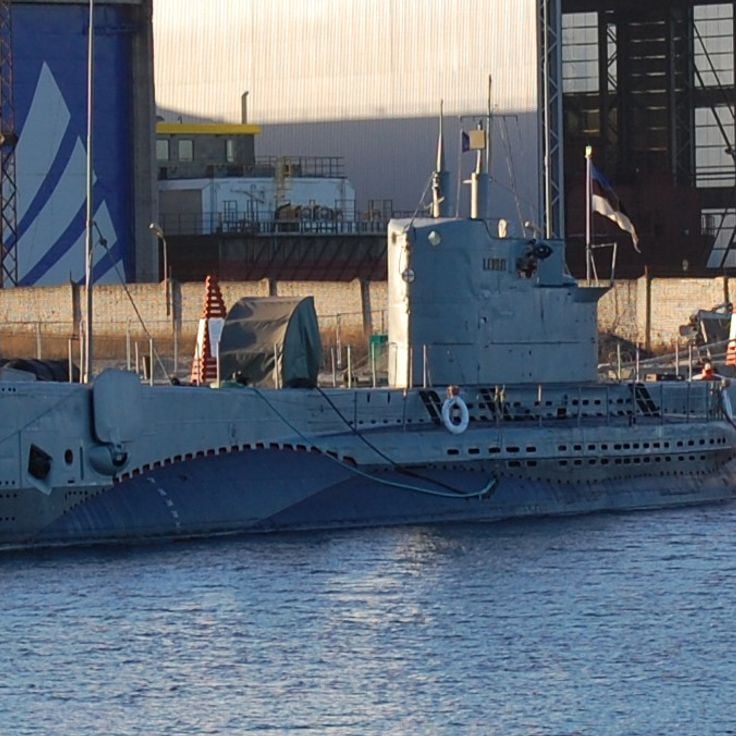
This submarine served in the Royal Navy and the Soviet fleet before becoming a museum in Tallinn. Lembit ran patrols in the Baltic Sea during World War II, survived the war, and stayed in service for decades after. Today it rests in the Seaplane Harbour, where visitors walk through the narrow corridors where the crew slept, worked, and waited. The instruments, torpedo tubes, and bunks remain in place, showing what life was like beneath the surface.
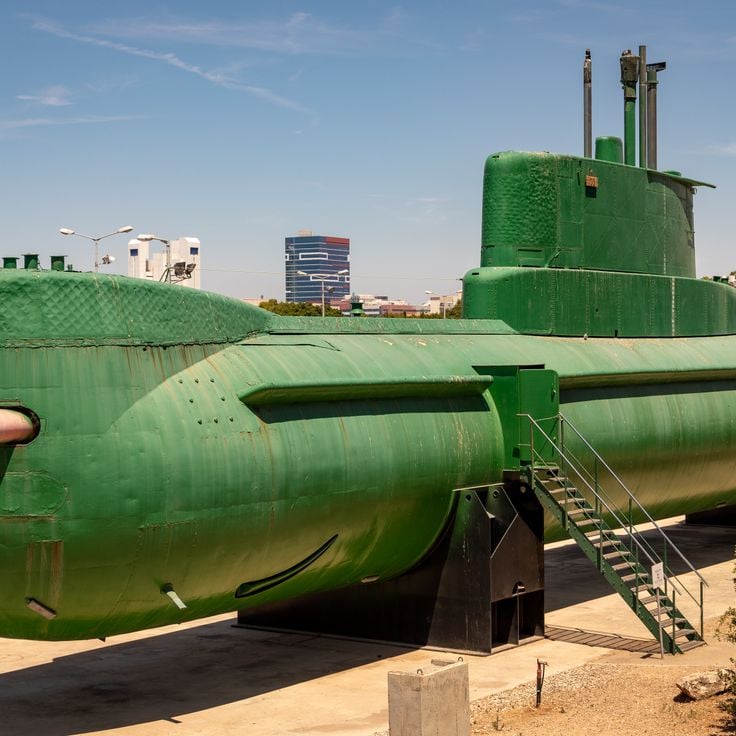
Israel
This submarine served in the Israeli Navy and was part of the Gal class, a series of vessels commissioned in the 1970s. The boat conducted patrols in the Mediterranean and served in coastal defense for several decades. Visitors walk through the torpedo room, control center, and the narrow sleeping quarters where the crew lived during long submerged missions. The instrument panels and machinery remain as they were during active service. This submarine shows how Israeli sailors worked in confined spaces and operated beneath the surface of the sea.
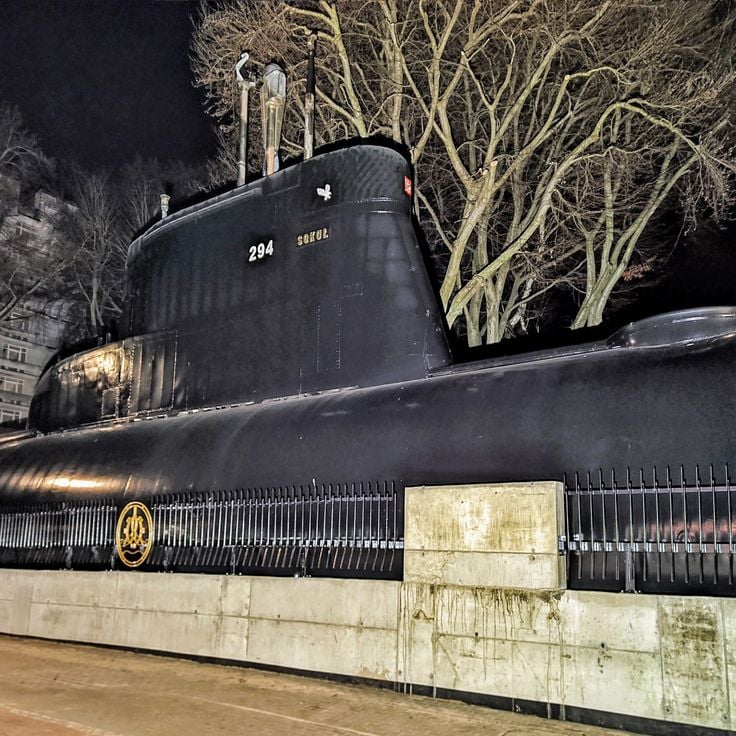
Gdynia, Poland
This submarine served in the Polish Navy and now rests at the harbor in Gdynia, where visitors can step aboard and walk through the spaces where Polish sailors lived and worked beneath the waves during its years of active service.
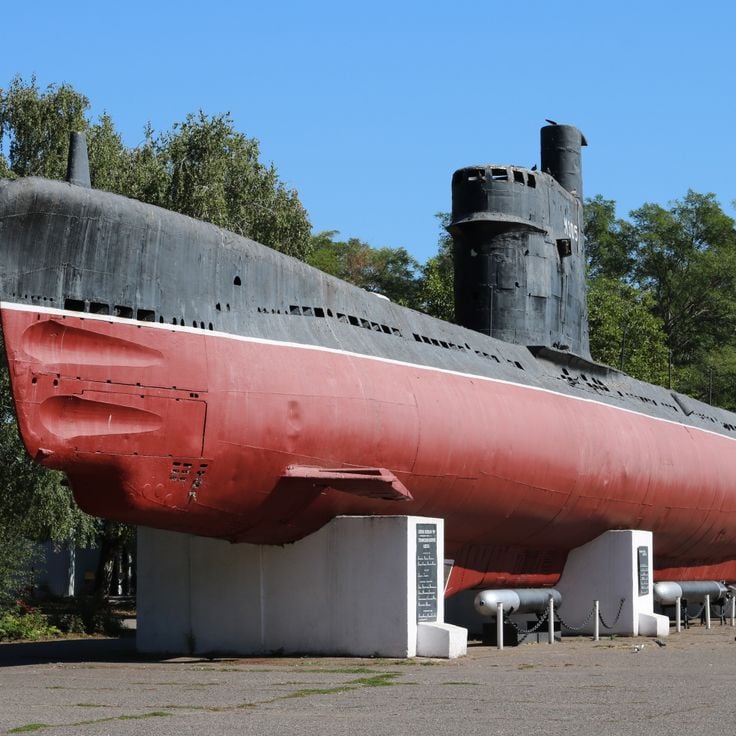
Ukraine
The M-296 submarine in Ukraine is part of this collection of preserved submarines that show visitors how sailors lived and fought beneath the ocean. This vessel lets you walk through narrow steel corridors, look into bunks stacked three high, and see where officers once gave orders in near silence. The submarine reveals the cramped reality of underwater service and displays the instruments, torpedo tubes, and engine rooms as they were during active duty.
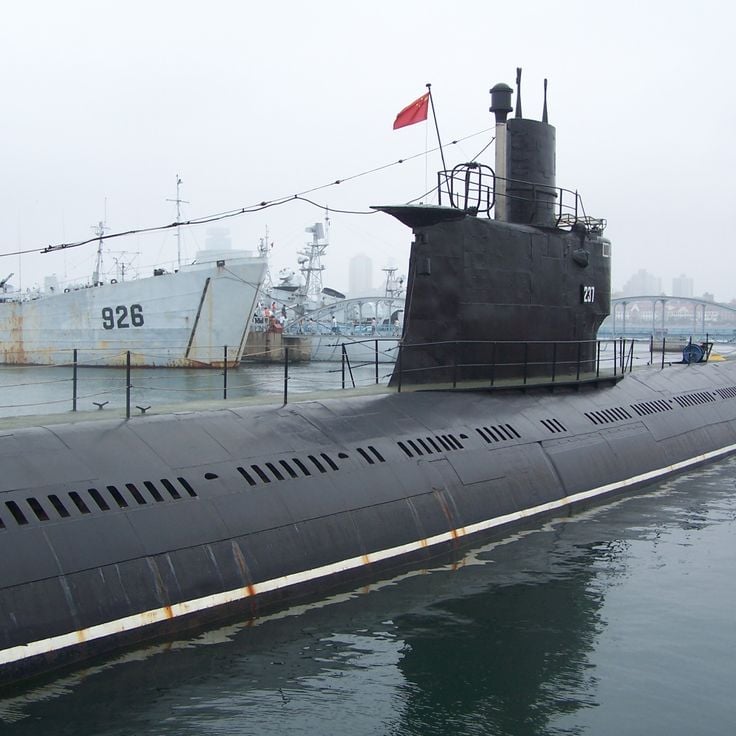
Qingdao, China
The Changcheng 237 is a Type 033 diesel submarine that lets visitors experience how sailors lived and worked in cramped steel compartments beneath the ocean. Walking through this preserved vessel, you pass narrow metal corridors, look into bunks stacked three high, and see the engine room where everything remains as it was during active service. This submarine is part of a global collection of preserved submarines that reveal the tight reality of underwater service.
China
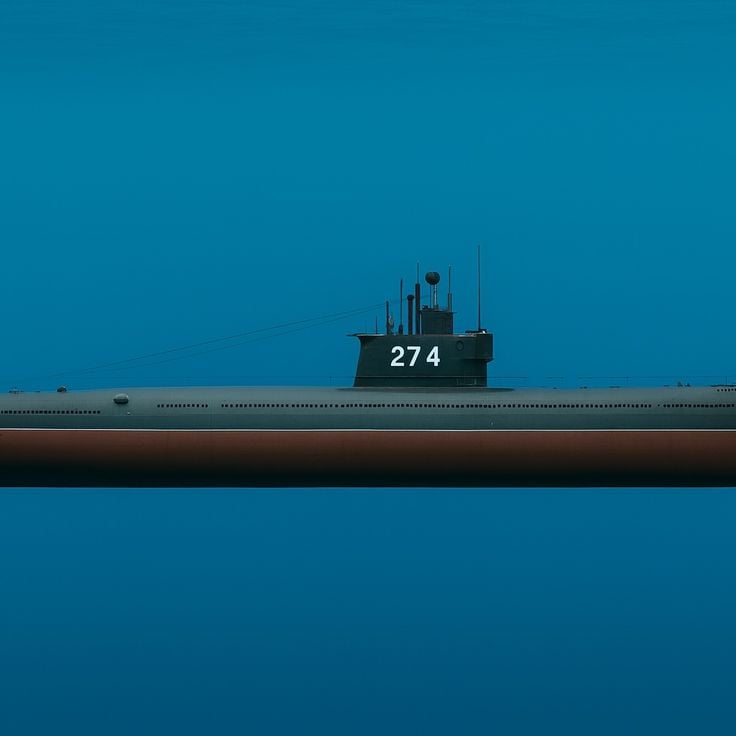
The Changcheng 274 is a Type 6633 diesel submarine that opens its doors to visitors who want to understand what life was like aboard a submarine. Part of a worldwide collection of preserved boats, this vessel lets you walk through narrow steel corridors, peer into cramped sleeping areas, and see the spaces where officers once studied charts and gave orders in near silence. All the instruments, torpedo tubes, and engine rooms remain as they were during active service. The submarine shows the real conditions that sailors faced, living and working in spaces smaller than a city bus.
Huancui District, China
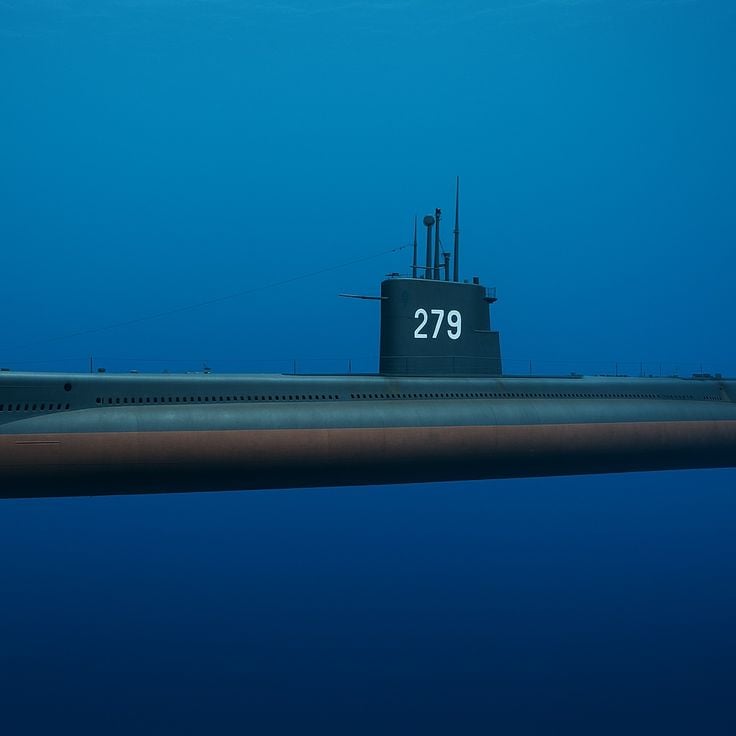
The Changcheng 279 is a Type 033 diesel submarine that opens its hatches to visitors who want to see where sailors lived and worked beneath the ocean surface. You walk through narrow steel corridors, peer into bunks stacked three high, and stand in the spaces where crew members once studied charts and maintained their vessel in near silence. The submarine reveals the cramped reality of underwater service, with instruments, torpedo tubes, and engine rooms remaining as they were during active duty.
Shanghai, China
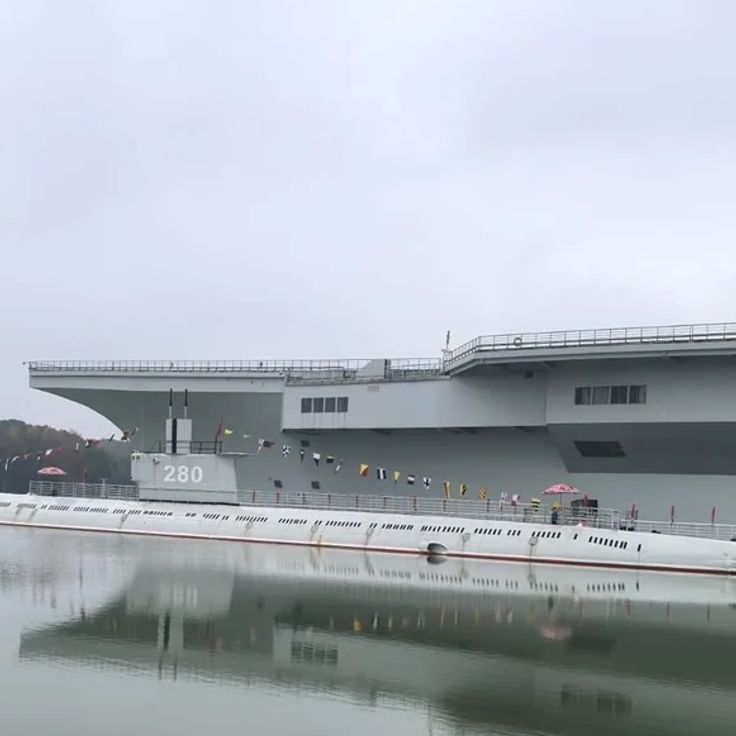
The Changcheng 280 is a Type 033 diesel submarine you can visit in China. This vessel reveals the cramped reality of underwater service through a working museum experience. Visitors walk through narrow steel corridors, peer into bunks stacked three high, and see the spaces where officers once studied charts. The Changcheng 280 brings you face to face with the conditions in which crews worked for days on end in quarters smaller than a city bus.
Wuhan, China
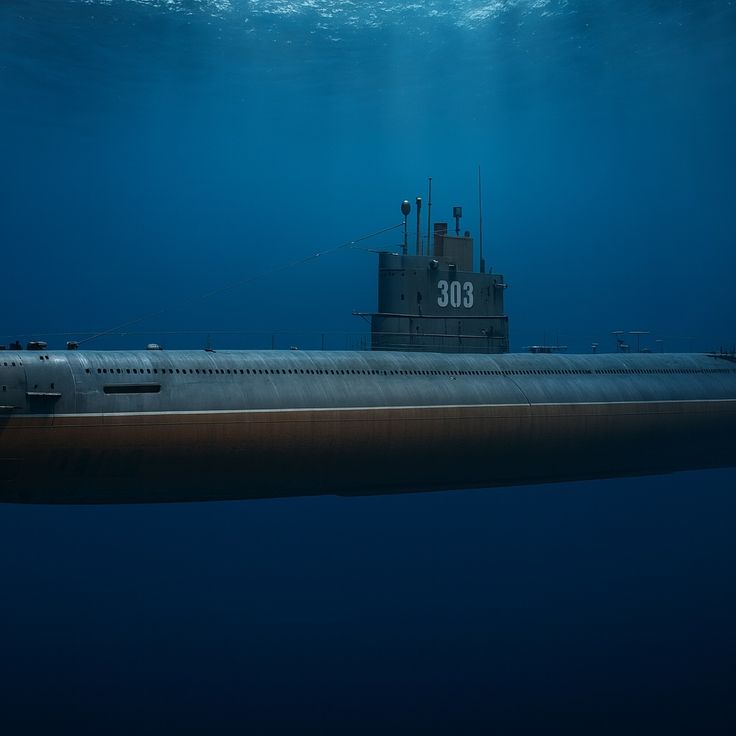
The Changcheng 303 submarine is a Type 033 diesel-electric submarine that belongs to the preserved vessels visitors can explore. This ship shows how sailors lived and worked in tight steel corridors. Visitors walk through narrow passages, peer into bunks stacked three high, and see the spaces where officers studied charts and gave orders. The submarine operates as a working museum where instruments, torpedo tubes, and engine rooms remain as they were during active service.
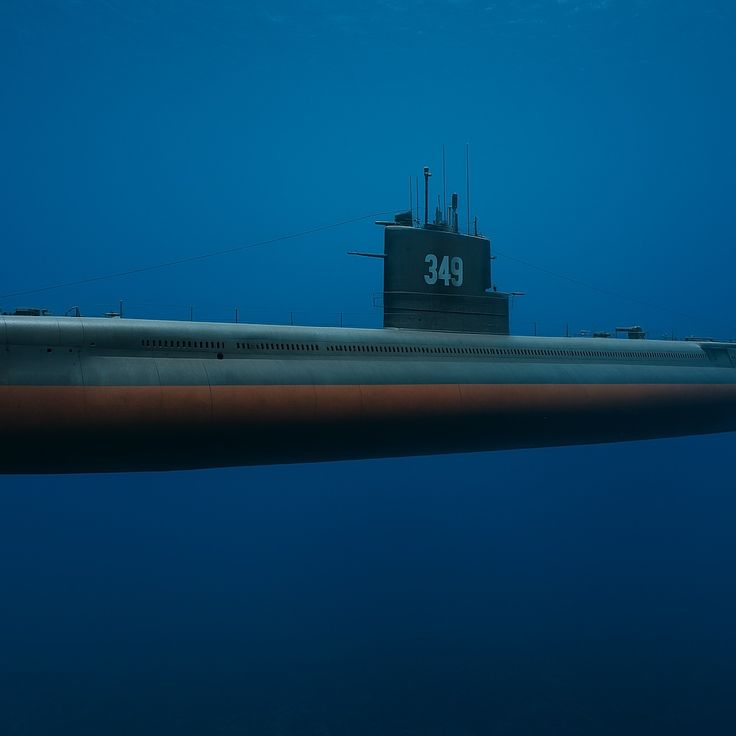
Jiaojiang District, China
This Type 033 diesel submarine reveals how sailors lived and worked during the Cold War in spaces barely larger than a city bus. The Changcheng 349 lets visitors walk through cramped steel corridors, see bunks stacked high, and stand in the rooms where officers once gave orders in near silence. As part of a global collection of preserved submarines, this vessel shows the reality of underwater service and the tight quarters that crews endured on patrols lasting weeks without daylight.
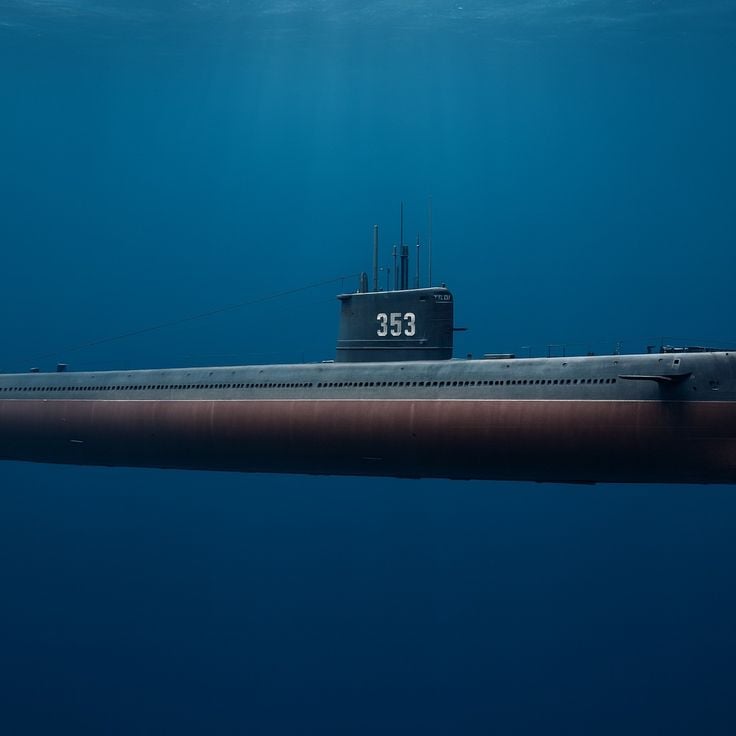
Tianjin, China
The Changcheng 353 is a Type 035 diesel submarine that belongs to this collection of preserved submarines where visitors can see how sailors lived and fought beneath the ocean surface. Walking through its narrow steel corridors, you can peer into bunks stacked three high and stand where officers once studied charts and gave orders in near silence. The instruments, torpedo tubes, and engine rooms remain as they were during active duty, showing the cramped reality of underwater service.
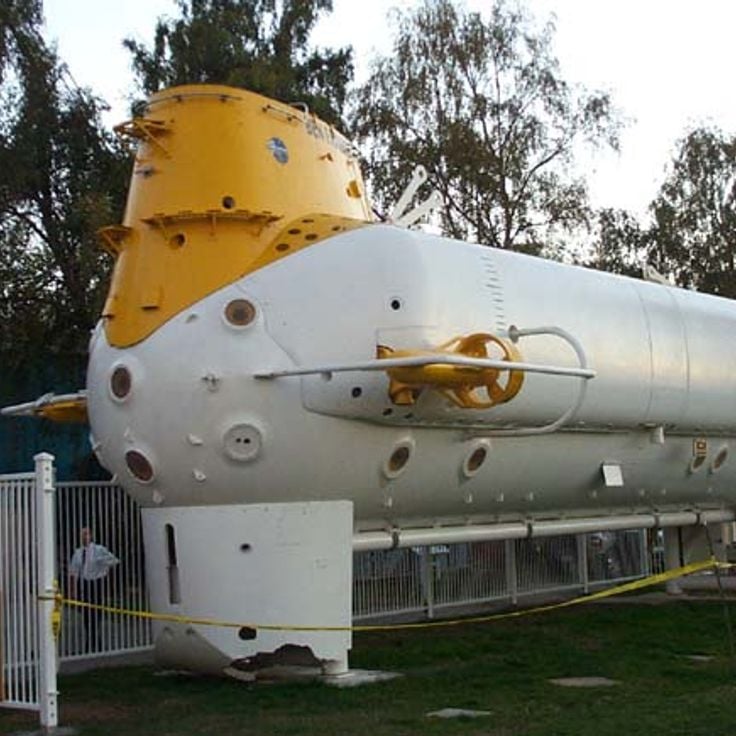
Canada
The Ben Franklin was an American research submarine that now serves as a museum ship in Canada. As part of this collection, visitors gain insight into the cramped reality of underwater service. You walk through narrow steel corridors, look into bunks stacked three high, and stand where officers once studied charts and gave orders in near silence. The Ben Franklin shows the instruments, torpedo tubes, and engine rooms as they were during active duty.
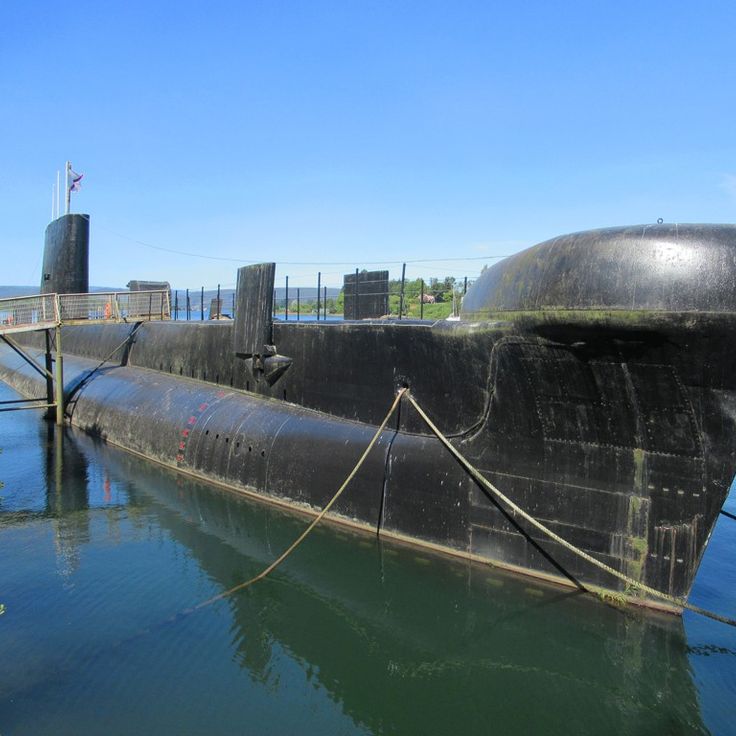
Chile
The O'Brien is an Oberon-class submarine from 1972 that now welcomes visitors in Chile. In this collection of preserved submarines that takes you where sailors lived and worked beneath the ocean surface, the O'Brien shows the cramped reality of underwater service. You walk through narrow steel corridors, peer into bunks stacked three high, and stand where officers once studied charts and gave orders in near silence. The instruments, torpedo tubes, and engine rooms remain as they were during active duty.
Unknown
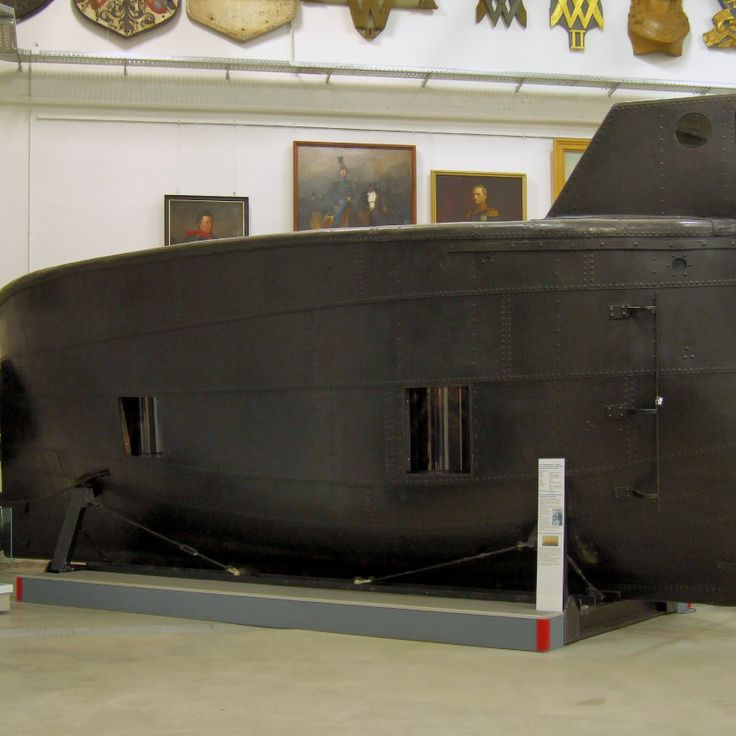
The Brandtaucher is a human-powered submarine from 1850, designed by Wilhelm Bauer. This vessel shows the early attempts to navigate underwater long before motors and nuclear power drove submarines. The cramped construction reveals how primitive and dangerous these first efforts were. Visitors can see the hand-operated mechanisms that sailors had to use to move the boat through the water. The Brandtaucher represents the beginning of a technology that would later shape naval history.