Yellow River, River in eastern China.
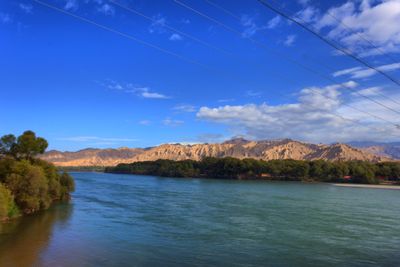
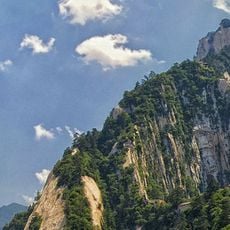
The Huang He runs 5464 kilometers from the Bayan Har Mountains through nine provinces before emptying into the Yellow Sea. The riverbed shifts between narrow gorges in the mountainous upper reaches and wide floodplains near the coast, with water levels swelling during monsoon season and receding in dry months.
The first settlements appeared along the banks around 7000 years ago when communities began cultivating millet and wheat. The course shifted 26 times between 602 BCE and 1938, reshaping the landscape of the northern plains each time it moved.
Communities along the banks celebrate the Dragon Boat Festival during the fifth lunar month, while fishermen cast their nets using methods passed down through generations. Local markets offer smoked carp and handwoven cotton goods that visitors can discover while walking through riverside villages.
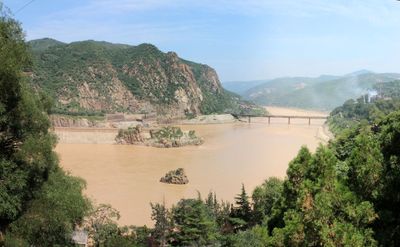
Visitors can walk along the middle sections of the river where embankments and viewing platforms offer sight of the wide, muddy water. Spring months from April to June and autumn from September to October work best for exploring, as summer heat and winter cold can make conditions difficult.
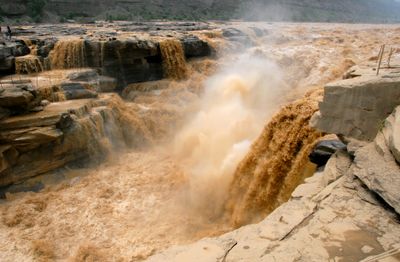
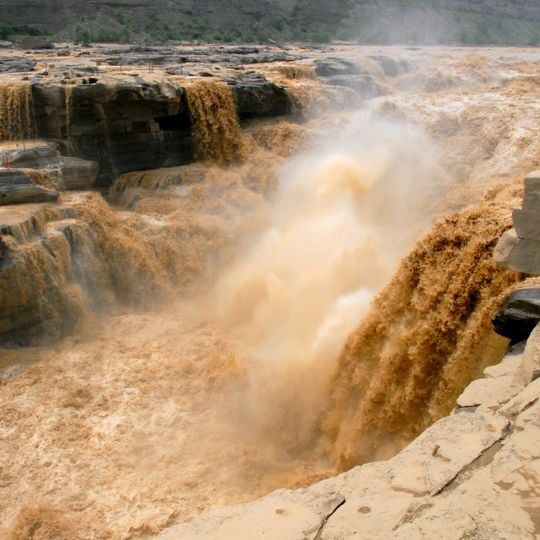
The water carries 1.6 billion tons of sediment downstream each year, more than any other waterway on Earth. This load of silt gives the water its characteristic ochre tint that appears especially intense under sunlight and inspired the name.
The community of curious travelers
AroundUs brings together thousands of curated places, local tips, and hidden gems, enriched daily by 91,967 contributors worldwide.