Munich, Administrative district in Bavaria, Germany
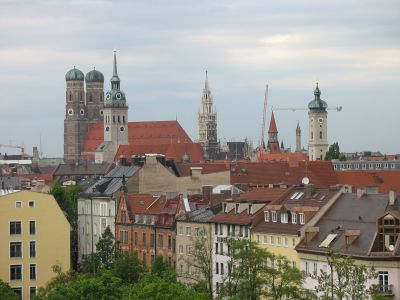
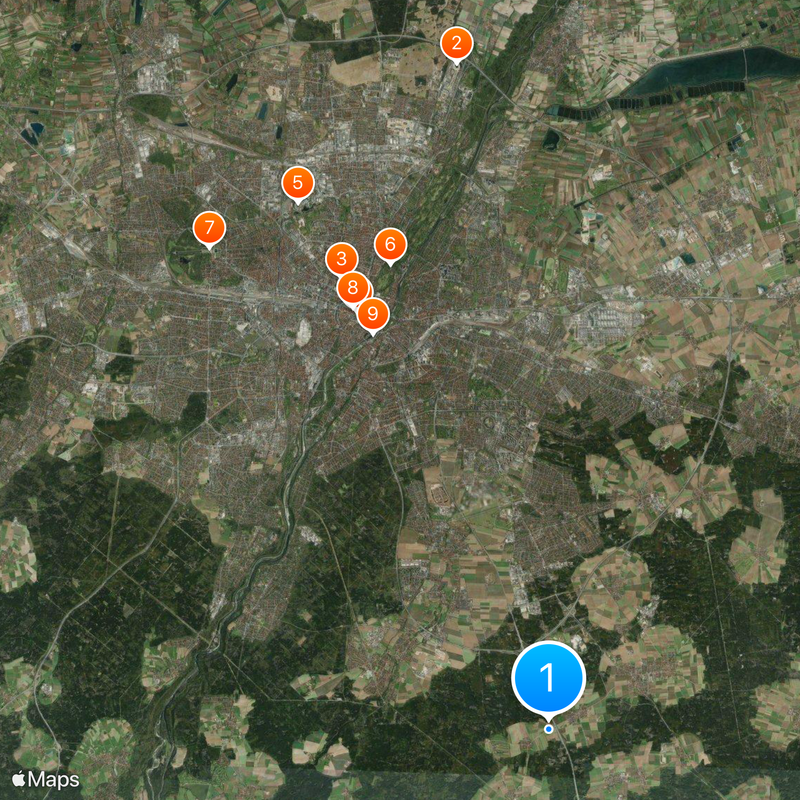
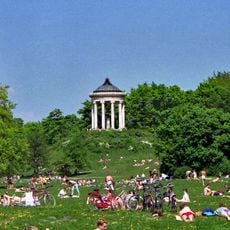
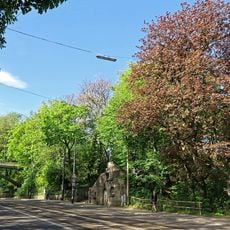
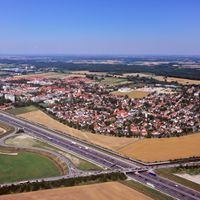
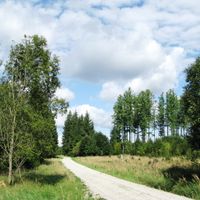
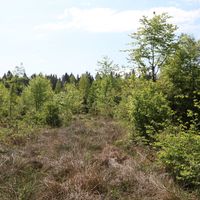
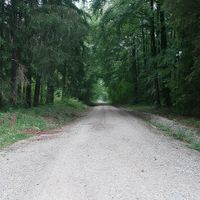
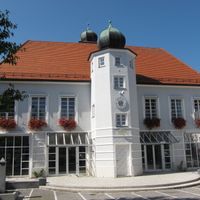
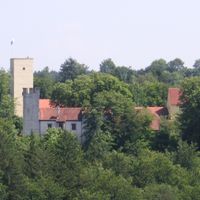
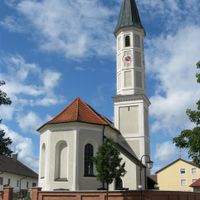
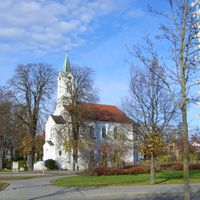
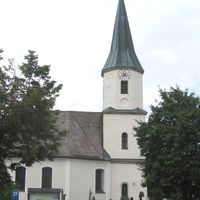
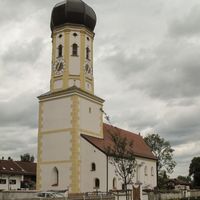
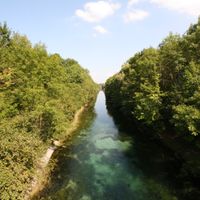
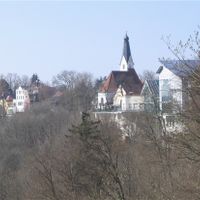
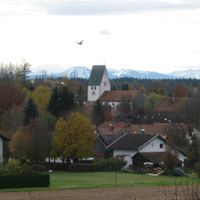
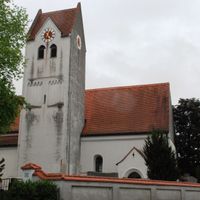
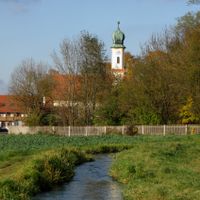
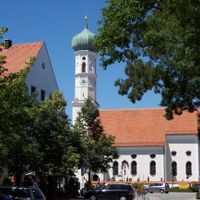
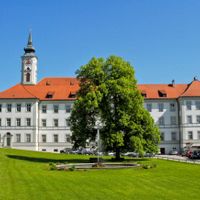
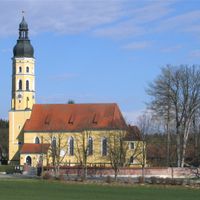
The district is an administrative area in Upper Bavaria, Germany, forming a ring around the state capital and including various municipalities along with green spaces. The landscape alternates between inhabited towns with historic village cores, commercial zones, and open fields or forests that stretch toward the Alpine foothills.
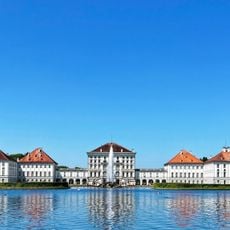
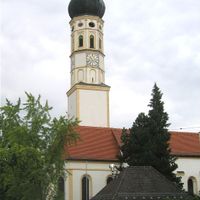
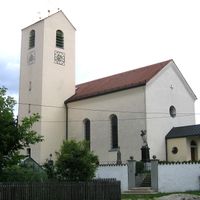
The current administrative structure emerged after World War II, when Bavarian territorial reform merged several former districts. Many of the incorporated towns had been settled since medieval times and developed in the shadow of the growing residence city.
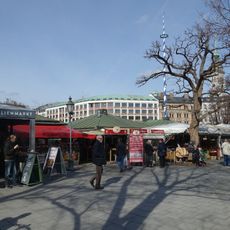
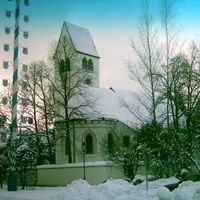
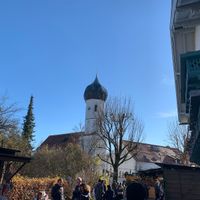
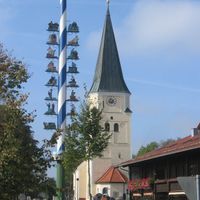
The communities surrounding the capital celebrate their own church festivals and maypole traditions, often held on village squares during spring and summer months. Beer gardens and taverns serve as meeting points where locals gather after work or on weekends to exchange news and share time together.
Individual towns are best reached by personal vehicle or through regional train connections that run into the state capital. Roads are usually easy to navigate outside peak hours, while delays can occur during rush times.
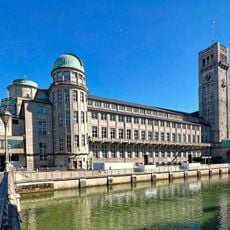
Several communities in the northern part of the district host research facilities and industrial sites closely connected to the nearby Technical University. Visitors can occasionally attend public lectures or tours that offer insight into ongoing scientific projects.
The community of curious travelers
AroundUs brings together thousands of curated places, local tips, and hidden gems, enriched daily by 91,791 contributors worldwide.